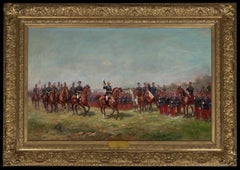
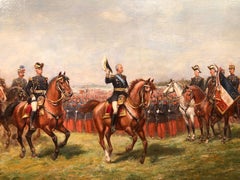
Revue à Longchamp
By Paul Emile Léon Perboyre
Located in Paris, FR
: 27 1/2" high x 45 1/4" wide Fame: 40 1/8" high x 57 1/2" wide Paul-Emile Léon PERBOYRE: painter of
Category
19th Century Old Masters Figurative Paintings
Materials
Canvas, Oil
Revue à Longchamp
By Paul Emile Léon Perboyre
Located in Paris, FR
: 27 1/2" high x 45 1/4" wide Fame: 40 1/8" high x 57 1/2" wide Paul-Emile Léon PERBOYRE: painter of
Canvas, Oil
Unavailable
H 24.81 in W 28.35 in D 3.75 in
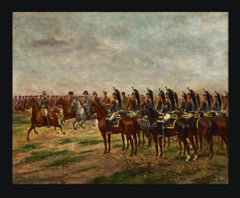
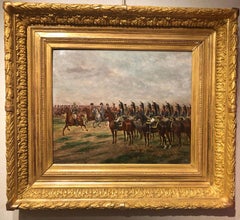
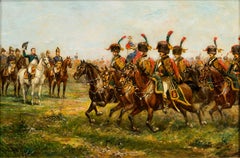
Le Marechal Ney passant ses Troupes en Revue
By Paul Emile Léon Perboyre
Located in Paris, FR
3/4" high x 28 3/8" wide Paul-Emile Léon PERBOYRE: painter of battles born in Horbourg near Colmar
Canvas, Oil

Unavailable
H 21.26 in W 26.38 in D 3.94 in
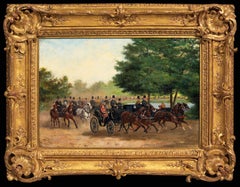
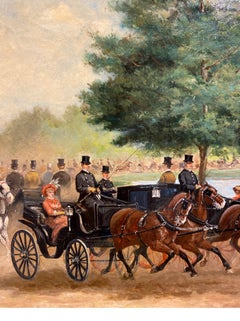
Les Chasseurs de la Garde Impériale saluent l'Empereur Napoléon 1er et son Etat
By Paul Emile Léon Perboyre
Located in Paris, FR
Fame: 21 1/4" high x 26 3/8" wide Paul-Emile Léon PERBOYRE: painter of battles born in Horbourg near
Oil, Panel
Unavailable
H 19.49 in W 25.01 in D 3.15 in
Calèches au Bois de Boulogne
By Paul Emile Léon Perboyre
Located in Paris, FR
lower right Panel: 12 5/8" high x 18 1/8" wide Fame: 19 1/2" high x 24" wide Paul-Emile Léon PERBOYRE
Canvas, Oil
Sold
H 33.25 in W 29.25 in
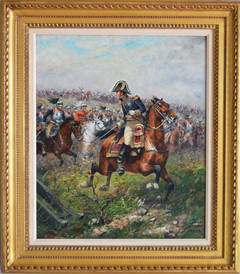
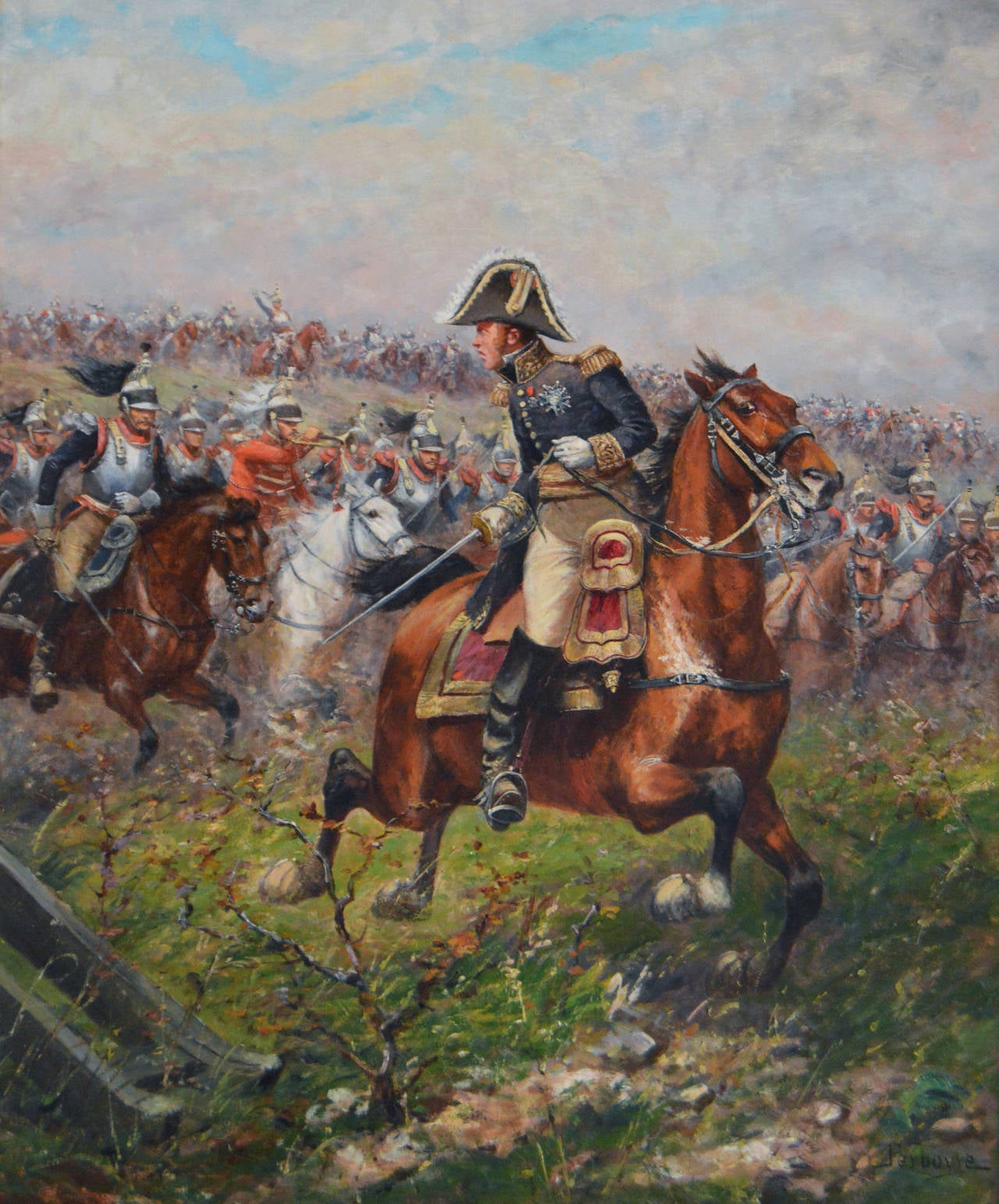
General Leading a Charge of the French Cuirassiers at Waterloo, oil on canvas
By Paul Emile Léon Perboyre
Located in Nr Broadway, Worcestershire
Paul Emile Leon Perboyre French, (1851-1929) General Leading a Charge of the French Cuirassiers
Canvas, Oil

Sold
H 33.25 in W 29.25 in
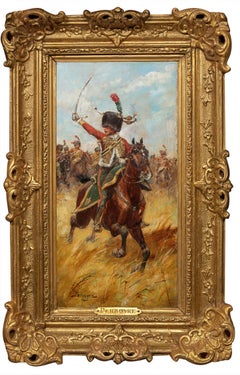
Marshall Ney Leading a Charge of the French Cuirassiers at Waterloo
By Paul Emile Léon Perboyre
Located in Nr Broadway, Worcestershire
Cuirassiers at Waterloo. Paul-Emile Leon Perboyre was born at Horbourg near Colmar in the Alsace region of
Canvas, Oil

The Charge, Austerlitz 1804
By Paul Emile Léon Perboyre
Located in Paris, FR
PAUL-ÉMILE PERBOYRE (1826-1914) "THE CHARGE, AUSTERLITZ 1804" Oil on canvas DIMENSIONS : – 36 x
Oil
Figurative art, as opposed to abstract art, retains features from the observable world in its representational depictions of subject matter. Most commonly, figurative paintings reference and explore the human body, but they can also include landscapes, architecture, plants and animals — all portrayed with realism.
While the oldest figurative art dates back tens of thousands of years to cave wall paintings, figurative works made from observation became especially prominent in the early Renaissance. Artists like Michelangelo, Leonardo da Vinci and other Renaissance masters created naturalistic representations of their subjects.
Pablo Picasso is lauded for laying the foundation for modern figurative art in the 1920s. Although abstracted, this work held a strong connection to representing people and other subjects. Other famous figurative artists include Francis Bacon and Lucian Freud. Figurative art in the 20th century would span such diverse genres as Expressionism, Pop art and Surrealism.
Today, a number of figural artists — such as Sedrick Huckaby, Daisy Patton and Eileen Cooper — are making art that uses the human body as its subject.
Because figurative art represents subjects from the real world, natural colors are common in these paintings. A piece of figurative art can be an exciting starting point for setting a tone and creating a color palette in a room.
Browse an extensive collection of figurative paintings on 1stDibs.