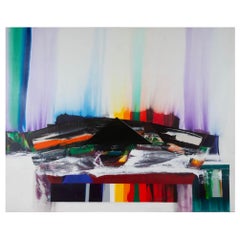
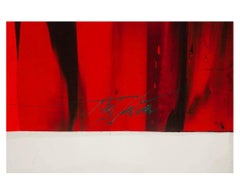
Large Paul Jenkins Acrylic on Canvas
By Paul Jenkins
Located in West Palm Beach, FL
Paul Jenkins "Phenomena Prism Chambers" Signed Paul Jenkins(Ic), signed and dated Paul Jenkins
Category
Vintage 1980s American Contemporary Art
Materials
Acrylic
Large Paul Jenkins Acrylic on Canvas
By Paul Jenkins
Located in West Palm Beach, FL
Paul Jenkins "Phenomena Prism Chambers" Signed Paul Jenkins(Ic), signed and dated Paul Jenkins
Acrylic
$12,810
H 14.34 in W 9.97 in
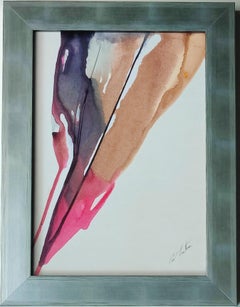
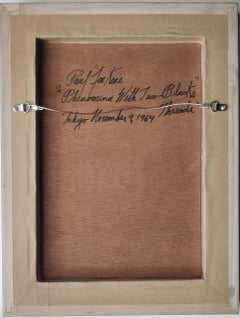
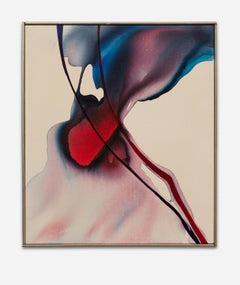
Paul Jenkins -- Phenomena With Two Black Threads, Acrylic on Paper, Signed
By Paul Jenkins
Located in BRUCE, ACT
Paul Jenkins Phenomena With Two Black Threads, 1964 Acrylic on paper Hand signed lower right
Acrylic
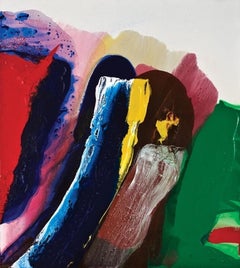
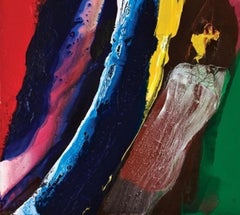
Phenomena Pendant Compass by Paul Jenkins
By Paul Jenkins
Located in Dubai, Dubai
Phenomena Pendant Compass 2010 By Paul Jenkins Signed, dated and titled verso Acrylic on canvas
Canvas, Acrylic
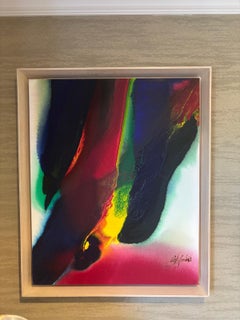
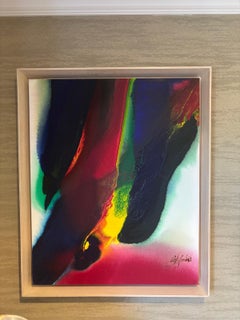
Price Upon Request
H 28.75 in W 23.51 in
Phenomena Compass Reckoning by Paul Jenkins
By Paul Jenkins
Located in Dubai, Dubai
Phenomena Pendant Compass 2007 By Paul Jenkins Signed lower right Acrylic on canvas 73 x 59.7
Canvas, Acrylic
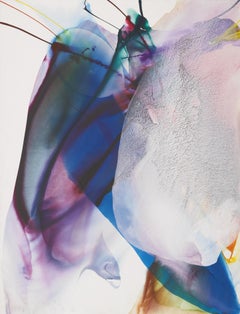
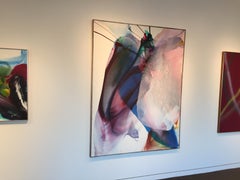
$144,000Sale Price|28% Off
H 76.5 in W 58.63 in
Phenomena West Mantle (1968). Acrylic on canvas painting by Paul Jenkins
By Paul Jenkins
Located in Hong Kong, HK
An emblematic example of Paul Jenkins mastery. It is not by hazard that Phenomena West Mantle was
Canvas, Acrylic
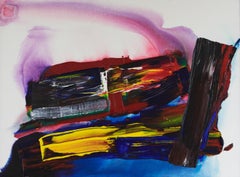
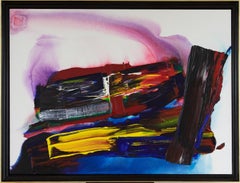
$86,411
H 38.27 in W 51.26 in
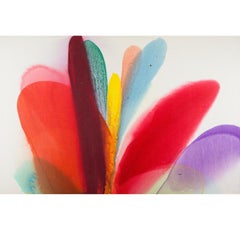
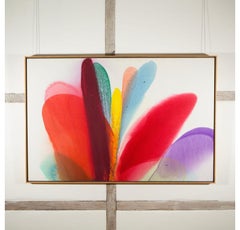
Phenomenon East of the River, Acrylic on Canvas Painting by Paul Jenkins
By Paul Jenkins
Located in London, GB
) Acrylic on canvas 97.2 x 130.2 cm (38 ¹/₄ x 51 ¹/₄ inches) Signed lower right, Paul Jenkins Signed, titled
Canvas, Acrylic
Price Upon Request
H 35 in W 53 in
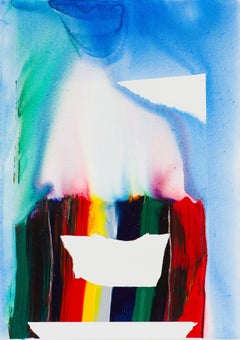
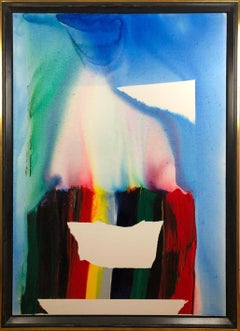
Acrylic Painting by Paul Jenkins, Phenomena High Octave, 1970s Abstract, Bold
By Paul Jenkins
Located in Kingsclere, GB
Phenomena High Octave, Acrylic on Canvas Painting by Paul Jenkins 1923-2012, 1979 Additional
Canvas
$80,000
H 58 in W 40.95 in
Phenomena Prism Mirror by Paul Jenkins - Abstract painting
By Paul Jenkins
Located in London, GB
arrange the VAT of 20% to be reduced to 5% Phenomena Prism Mirror by Paul Jenkins (1923-2012) Acrylic on
Canvas, Acrylic
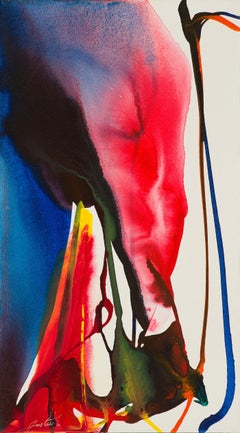
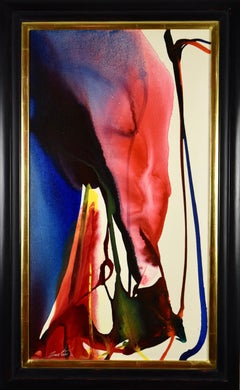
$66,000
H 36.01 in W 20.01 in
Phenomena High Born by Paul Jenkins - Abstract painting
By Paul Jenkins
Located in London, GB
arrange the VAT of 20% to be reduced to 5% Phenomena High Born by Paul Jenkins (1923-2012) Acrylic on
Canvas, Acrylic
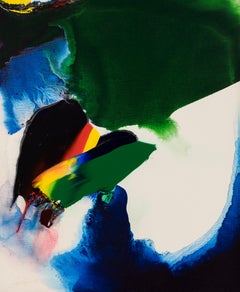
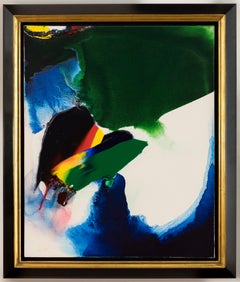
$56,000
H 29.14 in W 23.63 in
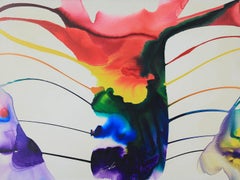
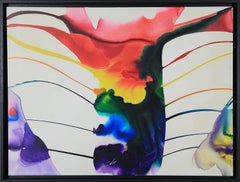
Phenomena like Byron by PAUL JENKINS - Abstract Expressionist, colour
By Paul Jenkins
Located in London, GB
Phenomena like Byron by PAUL JENKINS (1923-2012) Acrylic on canvas 74 x 60 cm (29¹/₈ x 23⁵/₈ inches
Canvas, Acrylic
$60,000
H 29.93 in W 39.97 in
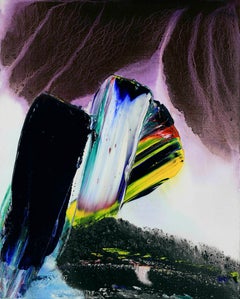
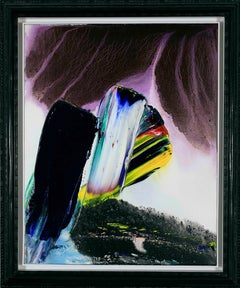
Phenomena Spectrum Guardian by Paul Jenkins, Abstract Expressionist artist
By Paul Jenkins
Located in London, GB
Phenomena Spectrum Guardian by Paul Jenkins (1923 - 2012) Acrylic on canvas 76 x 101.5 cm (29 ⁷/₈
Acrylic, Canvas
$52,000
H 29.93 in W 24.02 in
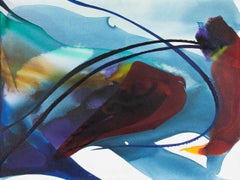
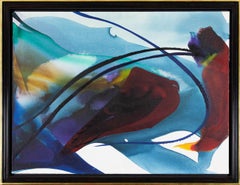
Phenomena Celtic Fire Torc by Paul Jenkins - Abstract painting
By Paul Jenkins
Located in London, GB
Phenomena Celtic Fire Torc by Paul Jenkins (1923-2012) Acrylic on canvas 76 x 61 cm (29⁷/₈ x 24
Canvas, Acrylic
$63,000
H 29.93 in W 39.38 in
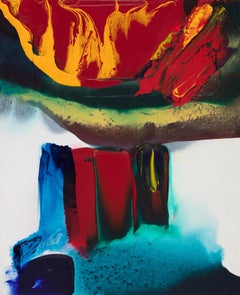
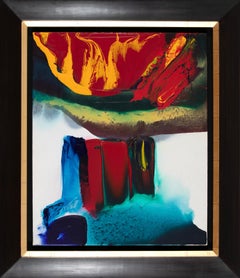
Phenomena Quoth by Paul Jenkins - Abstract Expressionist painting, 1963-64
By Paul Jenkins
Located in London, GB
Phenomena Quoth by Paul Jenkins (1923-2012) Acrylic on canvas 76 x 100 cm (29 ⁷/₈ x 39 ³/₈ inches
Canvas, Acrylic
$48,500
H 24.02 in W 19.69 in
Phenomena Entreat the Caves by Paul Jenkins - Abstract Expressionist painting
By Paul Jenkins
Located in London, GB
Phenomena Entreat the Caves by Paul Jenkins (1923-2012) Acrylic on canvas 61 x 50 cm (24 x 19 ³/₄
Canvas, Acrylic
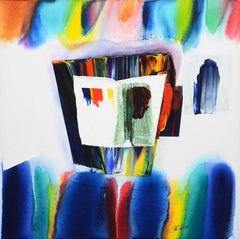
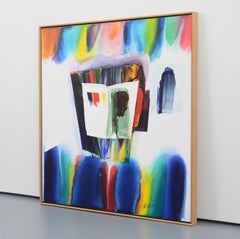
Phenomena White Chalise
By Paul Jenkins
Located in Boca Raton, FL
Paul Jenkins’s intuitive, chance-based painting techniques helped pioneer new approaches to
Canvas, Acrylic
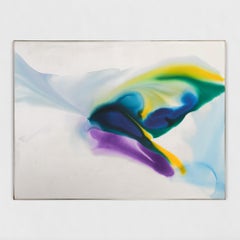
Phenomena: Prevailing
By Paul Jenkins
Located in Toronto, Ontario
Paul Jenkins (1923-2012) was a major American abstract painter who formally established his
Canvas, Acrylic
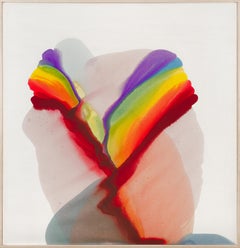
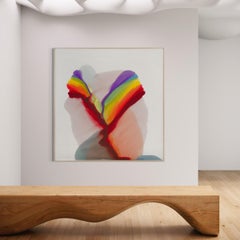
Phenomena Dervish Spell
By Paul Jenkins
Located in Austin, TX
Waterline Fine Art, Austin, TX is pleased to present the following work: Paul Jenkins Phenomena
Canvas, Acrylic

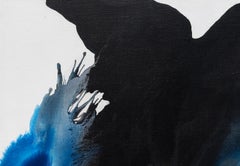
Phenomena with Black Anadem
By Paul Jenkins
Located in Palm Desert, CA
A painting by Paul Jenkins. "Phenomena with Black Anadem" is an abstract painting, ink, acrylic
Ink, Oil, Acrylic
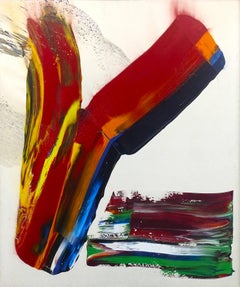
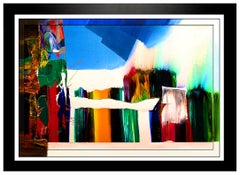
PHENOMENA CROSS WIND ALTERNATE
By Paul Jenkins
Located in Aventura, FL
Original painting on canvas. Hand signed, titled and dated on verso by Paul Jenkins. Artwork is
Canvas, Acrylic
Unavailable
H 24 in W 36 in
PAUL JENKINS Original Acrylic Painting On Canvas Signed Large Landscape Oil Art
By Paul Jenkins
Located in Bloomington, MN
Paul Jenkins Authentic and Large Original Acrylic Painting on Canvas, Professionally Custom Framed
Canvas, Acrylic
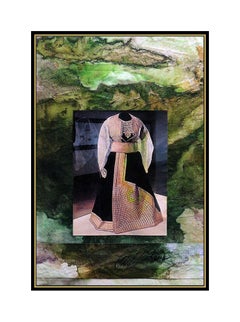
Unavailable
H 13.25 in W 8.25 in
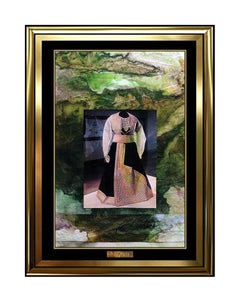
Paul Jenkins Original Oil Painting On Canvas Collage Signed Fashion Acrylic Art
By Paul Jenkins
Located in Bloomington, MN
Paul Jenkins Authentic and Original Oil Painting, elaborately Custom Framed and listed with SUBMIT
Canvas, Oil
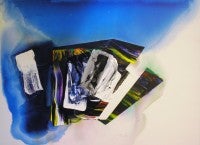
Phenomena Viewing Place
By Paul Jenkins
Located in Belfast, Northern Ireland
Painting, signed
Acrylic, Canvas
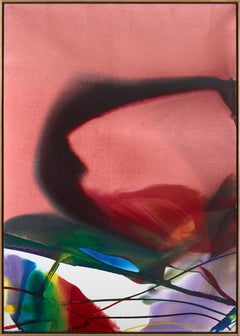
Phenomena Mistral St. Jean Du Cap Ferrat
By Paul Jenkins
Located in New York, NY
© Paul Jenkins Estate MUSEUM COLLECTIONS Albany Institute of History and Art, Albany, New York
Canvas, Acrylic
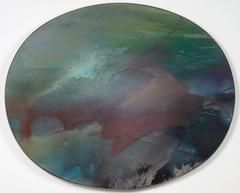
Phenomena Tondo Terra
By Paul Jenkins
Located in New York, NY
Maeght, Saint-Paul-de-Vence, France Hirshhorn Museum and Sculpture Garden, Washington, D.C. Museum of
Canvas, Paint, Acrylic
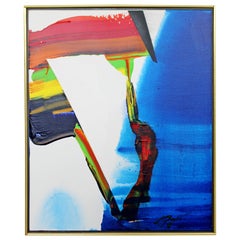

Sold
H 30 in W 24.5 in D 1.5 in
Contemporary Modern Framed Paul Jenkins Signed Phenomena Prism Helmet Acrylic
By Paul Jenkins
Located in Keego Harbor, MI
For your consideration is a bold, original, framed, Paul Jenkins acrylic painting, entitled
Acrylic
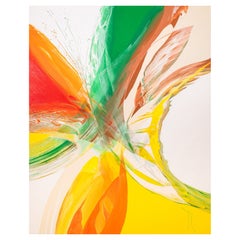

Sold
H 60 in W 47.75 in D 1.5 in
*Paul Jenkins Style Signed Abstract Expressionist Acrylic Painting on Canvas
By Paul Jenkins
Located in Keego Harbor, MI
Paul Jenkins. Signed on the bottom right. The bright abstraction represents a sense of spirit and
Canvas
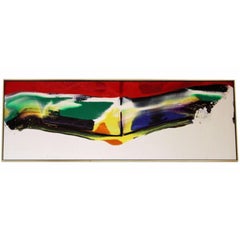

Sold
H 28 in W 80 in D 2 in
Mid-Century Modern Original Paul Jenkins Abstract Acrylic Painting with COA
By Paul Jenkins
Located in Keego Harbor, MI
For your consideration is an incredible, abstract, acrylic painting by Paul Jenkins. In excellent
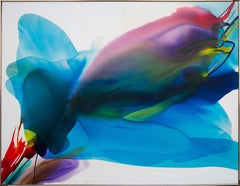

Sold
H 55.01 in W 72.01 in D 1.19 in
Phenomena East Prevailing - Original Oil and Acrylic by P. Jenkins - 1967
By Paul Jenkins
Located in Roma, IT
Contemporary artist Paul Jenkins (Kansas City, Missouri, 1923 - Manhattan, NY, 2012). Oil Painting and Acrylic
Oil, Acrylic
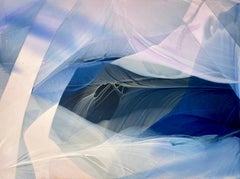

"Unending" - Nature Inspired Abstract Painting - Paul Jenkins
By Marina Dunbar
Located in Atlanta, GA
of Paul Jenkins and Morris Louis. Marina Savashynskaya Dunbar was born in Minsk, Belarus and moved
Canvas, Resin, Acrylic
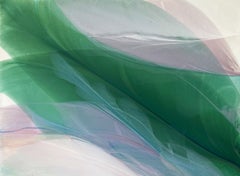

"Magnolia" - Nature Inspired Abstract Painting - Paul Jenkins
By Marina Dunbar
Located in Atlanta, GA
of Paul Jenkins and Morris Louis. Marina Savashynskaya Dunbar was born in Minsk, Belarus and moved
Canvas, Resin, Acrylic
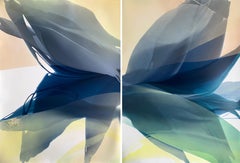

Sold
H 48 in W 72 in
"Blue Orchid" - Nature Inspired Abstract Diptych Painting - Paul Jenkins
By Marina Dunbar
Located in Atlanta, GA
work of Paul Jenkins and Morris Louis. “I often think about painting in three dimensions, rather than
Canvas, Resin, Acrylic
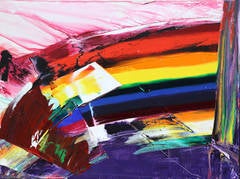
Phenomena Diamond Cut
By Paul Jenkins
Located in Long Island City, NY
Artist: Paul Jenkins, American (1923 - 2012) Title: Phenomena Diamond Cut Year: 1980 Medium
Acrylic Polymer
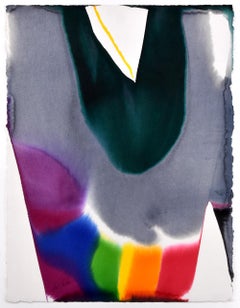

Phenomena
By Paul Jenkins
Located in Palo Alto, CA
Paul Jenkins Phenomena is a unique and original acrylic on paper. This work is hand-signed by Paul
Acrylic
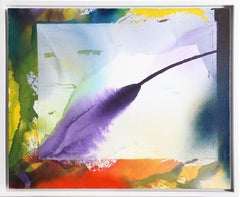

Phenomena West Wind Sounding, Abstract Expressionist Painting
By Paul Jenkins
Located in Long Island City, NY
Artist: Paul Jenkins, American (1923 - 2012) Title: Phenomena West Wind Sounding Year: 1979 Medium
Acrylic
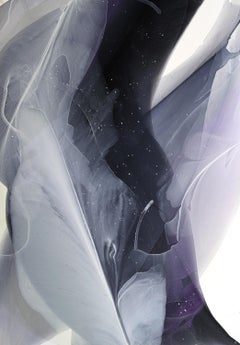

Sold
H 24 in W 18 in
'Movement Study in Interference Violet' Nature Inspired Abstract - Paul Jenkins
By Marina Dunbar
Located in Atlanta, GA
is inspired by the work of Paul Jenkins and Morris Louis. Marina Savashynskaya Dunbar was born in
Acrylic, Watercolor, Archival Paper
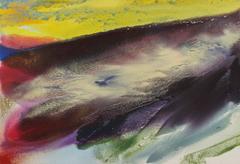
Phenomena Prayer Rug
By Paul Jenkins
Located in Greenwich, CT
Abstract Expressionist painting.
Acrylic, Canvas
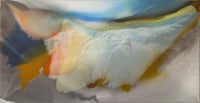

Phenomena Land in Sight
By Paul Jenkins
Located in Palm Desert, CA
Acrylic, Canvas
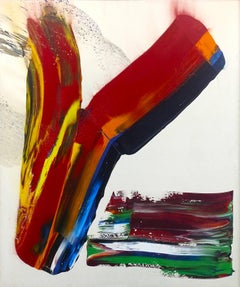

PHENOMENA CROSS WIND ALTERNATE
By Paul Jenkins
Located in Aventura, FL
Original painting on canvas. Hand signed, titled and dated on verso by the artist. Artwork is in excellent condition. Certificate of Authenticity included. All reasonable offers wi...
Acrylic, Canvas
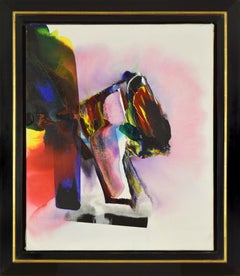

Sold
H 28.67 in W 23.71 in
Phenomena Enigma by Paul Jenkins - Abstract Expressionist Painting
By Paul Jenkins
Located in London, GB
. Phenomena Enigma by PAUL JENKINS (1923-2012) Acrylic on canvas 72.8 x 60.2 cm (28 ⁵/₈ x 23 ³/₄ inches
Acrylic
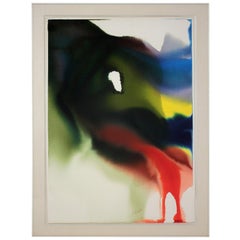

Paul Jenkins "Phenomena Bordering Orion" Watercolor on Paper, 1981
By Paul Jenkins
Located in Camden, ME
Paul Jenkins watercolor titled "Phenomena Bordering Orion" from 1981. Signed Paul Jenkins on the
Acrylic

Sold
H 26.75 in W 22.75 in
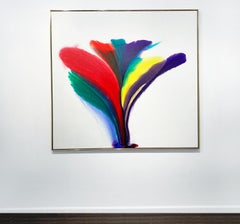
"Phenomena Center Burn", Abstract, Flowing, Reds, Blues, Organic, Acrylic Canvas
By Paul Jenkins
Located in Detroit, MI
of Paul Jenkins have come to represent the spirit, vitality, and invention of post World War II
Canvas, Acrylic

Sold
H 31 in W 60 in
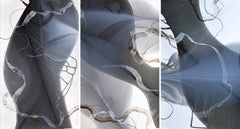
'Movement Study in Copper and Silver (triptych)' - Abstract - Paul Jenkins
By Marina Dunbar
Located in Atlanta, GA
. Marina Dunbar is inspired by the work of Paul Jenkins and Morris Louis. 31 by 20 inches each (unframed
Acrylic, Watercolor, Archival Paper

Phenomena To the Four Winds
By Paul Jenkins
Located in New York, NY
Paul Jenkins Phenomena To the Four Winds, 1976 Acrylic on canvas 67h x 63w in
Acrylic
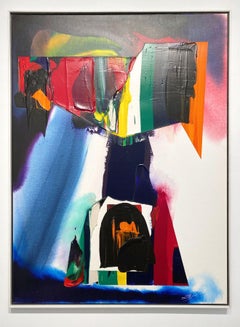

Phenomena Entrance to Peking
By Paul Jenkins
Located in New York, NY
Paul Jenkins Phenomena Entrance to Peking, 1989 acrylic on canvas 50.75h x 38w in
Acrylic
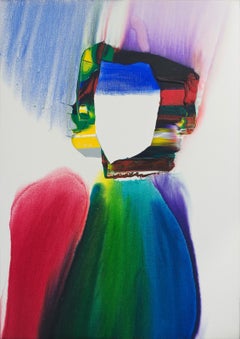
Paul Jenkins / Phenomena Helmet of Light / 1984
By Paul Jenkins
Located in Paris, ile de France
Paul Jenkins Phenomena Helmet of Light 1984 Acrylic on canvas 58 x 41 in.
Canvas, Acrylic
Phenomena Veronica
By Paul Jenkins
Located in Paris, ile de France
Signed "Paul Jenkins" lower left ; signed, titled and dated on canvas overlap
Acrylic, Canvas
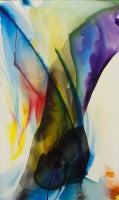
Phenomena Veronica
By Paul Jenkins
Located in Paris, ile de France
Signed "Paul Jenkins" lower right ; signed, titled and dated on canvas overlap
Acrylic, Canvas
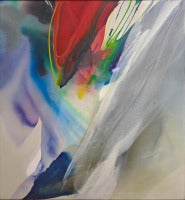
Phenomena Spectrum Hour Glass
By Paul Jenkins
Located in New York, NY
Fondation Maeght, Saint-Paul-de-Vence, France Hirshhorn Museum and Sculpture Garden, Washington, D.C. Museum
Canvas, Acrylic
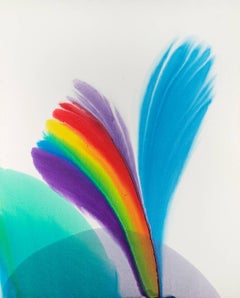
Phenomena in the Wind's Eye
By Paul Jenkins
Located in New York, NY
-Paul-de-Vence, France Hirshhorn Museum and Sculpture Garden, Washington, D.C. Museum of Modern Art, New
Canvas, Acrylic
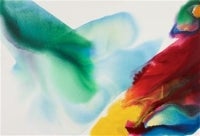
Phenomena Mandette Turn
By Paul Jenkins
Located in New York, NY
Acrylic, Canvas
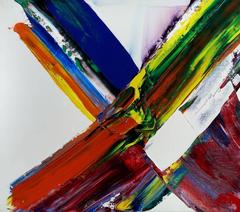
Phenomena Onyx Ox Eye
By Paul Jenkins
Located in New York, NY
, Saint-Paul-de-Vence, France Hirshhorn Museum and Sculpture Garden, Washington, D.C. Museum of Modern
Acrylic, Canvas, Paint
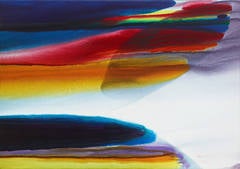
Phenomena Veiled Spectrum
By Paul Jenkins
Located in New York, NY
Provenance: Private Collection
Acrylic Polymer, Canvas
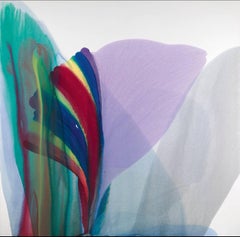
Phenomena Spectrum Dipper
By Paul Jenkins
Located in Paris, ile de France
Paul Jenkins Phenomena Spectrum Dipper, 1976 Acrylic on canvas 197 x 200 cm / 77. 5 x 78. 7 in
Canvas, Oil
$1,780,000
H 49 in W 90 in D 2.75 in
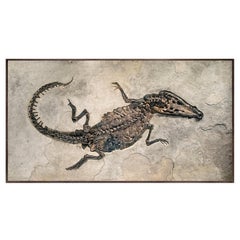
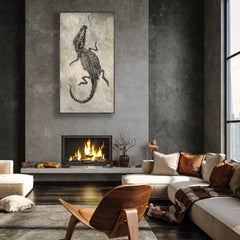
50 Million Year Old Fossil Crocodile Specimen (Green River Formation, Wyoming)
By Green River Fossil Company
Located in Logan, UT
Act fast to claim this exquisite piece of natural history, as our fossils will no longer be available through 1stDibs after October 31. This sculptural stone specimen features an ex...
Limestone
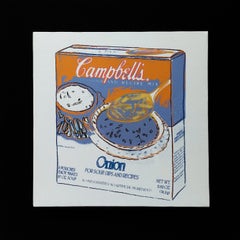
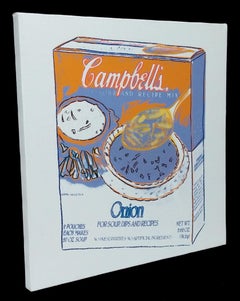
Soup Box - Onion (unique painting on canvas)
By Andy Warhol
Located in Aventura, FL
Unique acrylic painting and silkscreen on canvas. Hand signed and dated by Andy Warhol on verso. Martin Lawrence provenance label on verso. Canvas size 20 x 20 inches. The artwor...
Screen, Canvas, Acrylic
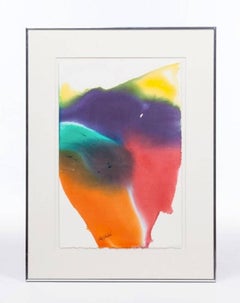
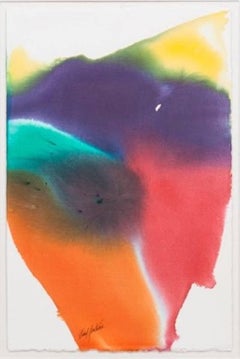
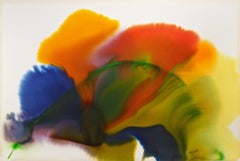
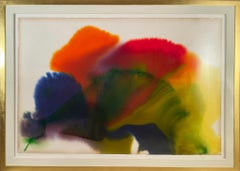
Celestial Wink
By Paul Jenkins
Located in Miami, FL
TECHNICAL INFORMATION Paul Jenkins Celestial Wink c. 1970 Watercolor 14 5/8 x 22 1/2 in. Signed ABOUT THE WORK This work has all the elements of a great Jenkins watercolor. It has...
Watercolor
$700
H 36 in Dm 6 in
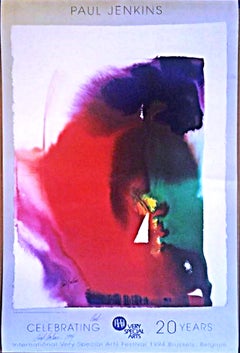
International Very Special Arts signed, inscribed Abstract Expressionist poster
By Paul Jenkins
Located in New York, NY
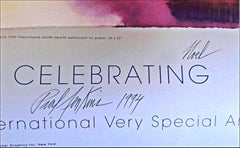
Paul Jenkins International Very Special Arts Festival poster, 1994 hand signed and dated by Paul Jenkins Measures: 37 inches (vertical) x 25 inches (horizontal) Ships rolled in a tub...
Offset, Ballpoint Pen, Lithograph
$95,000
H 39.5 in W 59.5 in
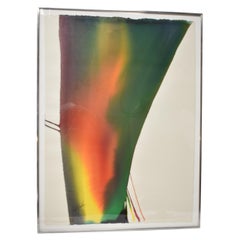
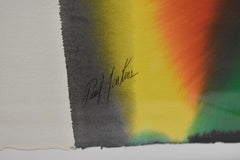
Phenomena Royal House, Abstract Gouache on Paper, Late 20th Century
By Paul Jenkins
Located in New York, NY
Paul Jenkins American, 1923–2012 Paul Jenkins’s intuitive, chance-based painting techniques helped pioneer new approaches to Abstract Expressionism. Jenkins made his vibrant composi...
Paper, Gouache
$24,000
H 32 in W 24 in D 2 in
Paul Jenkins Watercolor "Phenomenal Magnet" 1972 Abstract Expressionist
By Paul Jenkins
Located in Toledo, OH
Paul Jenkins original watercolor titled "Phenomenal Magnet" circa 1972. Painted on wove paper with a blind stamp veritable paper. Image is 21.5" x 30". Two gallery tags, Martha Galle...
Paper
Born in Kansas City, the multimedia artist, poet and playwright Paul Jenkins began his studies at Kansas City Art Institute and the Art Students League in New York City. After his discharge from military service at the end of February 1946, he briefly studied playwriting with dramatist George McCalmon at the Carnegie Institute of Technology in Pittsburgh. Thereafter, Jenkins spent four years studying with Japanese-American artist Yasuo Kuniyoshi in New York City. His first solo exhibitions were held at Studio Paul Facchetti in Paris in 1954 and the Martha Graham Gallery in New York City in 1956. Over the past 30 years, numerous retrospectives have been curated across the globe and Jenkins’s work can be found in national collections from Europe and the United States to Israel, Australia and Japan.
The diversity of Jenkins’s work springs from a wealth of eclectic influences. Some of his earliest works included what he called "interior landscapes” influenced by ancient natural forms. Frequent student visits to the Frick Collection in New York fostered a love of the great masters, while trips to the renowned Eastern collection of the Nelson-Atkins Museum of Art in Kansas City evoked powerful responses to a monumental Chinese fresco of Buddha, polychrome sculptures of the enlightened Bodhisattva, the Buddhist goddess of mercy Kuan-Yin, Indian bronzes of Hindu god Shiva and statues of meditative Buddhist lohans. Serving in the US Naval Air Corps during the Second World War, Jenkins painted watercolours of Japanese Kabuki dancers and read the ancient Chinese poetic teachings of the I Ching and Lao Tse Tung’s Tao Te Ching, described by him as "masterpieces in simplicity.” Jenkins’s discovery of psychoanalyst Carl Jung’s book Psychology and Alchemy was as illuminating for his practice as were formative meetings with dancer Martha Graham, architect Frank Lloyd Wright and Abstract Expressionist painters Mark Rothko, Jackson Pollock and Barnett Newman.
Concerned with colour and texture, nearness and distance as well as reality and mysticism, Jenkins’s work — considered to be part of the second wave of Abstract Expressionism — is a spiritual meditation on the nature of chance, balance, synchronicity, change and transformation. His ejection from an early art class in Kansas City for eating the still life appears instructive: "For me the pear is to be eaten and experienced, not painted.” Jenkins sought to reject the traditional Neo-Platonic approach to art as well as life in favour of a Taoist concern for the “present moment.” In this sense his paintings become spiritual reflections on the transitory present, life merely a rippled dance upon the water’s surface. Jenkins’s death in 2012 and the subsequent release of important works onto the market by his estate increased global interest in his work and they have grown in value and popularity. Jenkins’s works can be found in public and private collections worldwide.
(Biography provided by Stern Pissarro Gallery)
Bring audacious experiments with color and textures to your living room, dining room or home office. Abstract paintings, large or small, will stand out in your space, encouraging conversation and introducing a museum-like atmosphere that’s welcoming and conducive to creating memorable gatherings.
Abstract art has origins in 19th-century Europe, but it came into its own as a significant movement during the 20th century. Early practitioners of abstraction included Wassily Kandinsky, although painters were exploring nonfigurative art prior to the influential Russian artist’s efforts, which were inspired by music and religion. Abstract painters endeavored to create works that didn’t focus on the outside world’s conventional subjects, and even when artists depicted realistic subjects, they worked in an abstract mode to do so.
In 1940s-era New York City, a group of painters working in the abstract mode created radical work that looked to European avant-garde artists as well as to the art of ancient cultures, prioritizing improvisation, immediacy and direct personal expression. While they were never formally affiliated with one another, we know them today as Abstract Expressionists.
The male contingent of the Abstract Expressionists, which includes Jackson Pollock, Willem de Kooning and Robert Motherwell, is frequently cited in discussing leading figures of this internationally influential postwar art movement. However, the women of Abstract Expressionism, such as Helen Frankenthaler, Lee Krasner, Joan Mitchell and others, were equally involved in the art world of the time. Sexism, family obligations and societal pressures contributed to a long history of their being overlooked, but the female Abstract Expressionists experimented vigorously, developed their own style and produced significant bodies of work.
Draw your guests into abstract oil paintings across different eras and countries of origin. On 1stDibs, you’ll find an expansive range of abstract paintings along with a guide on how to arrange your wonderful new wall art.
If you’re working with a small living space, a colorful, oversize work can create depth in a given room, but there isn’t any need to overwhelm your interior with a sprawling pièce de résistance. Colorful abstractions of any size can pop against a white wall in your living room, but if you’re working with a colored backdrop, you may wish to stick to colors that complement the decor that is already in the space. Alternatively, let your painting make a statement on its own, regardless of its surroundings, or group it, gallery-style, with other works.