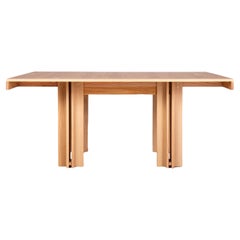
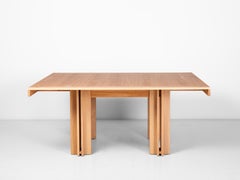
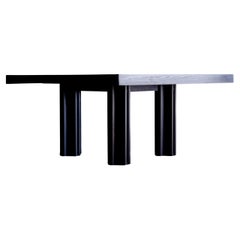
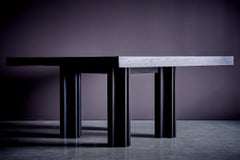
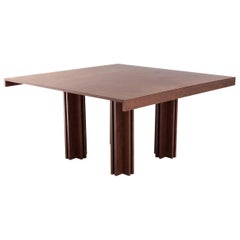
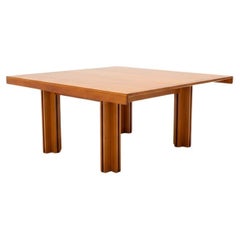
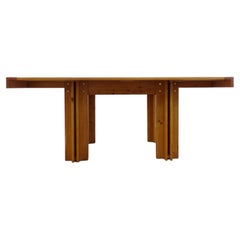
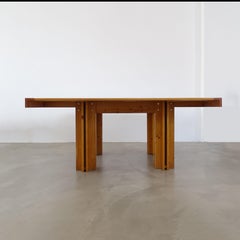
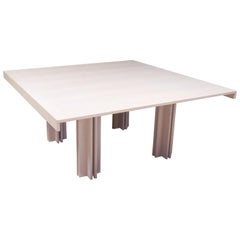
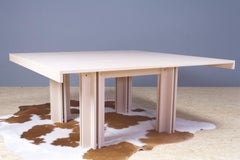
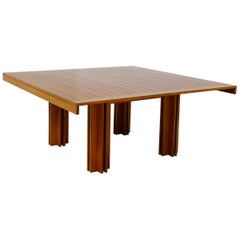
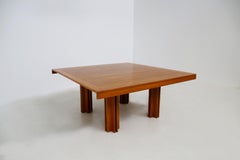
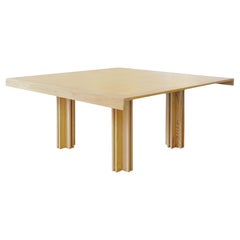
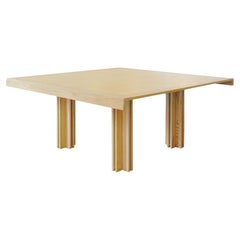
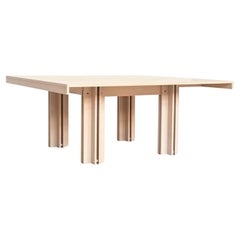
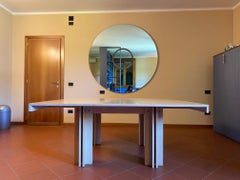
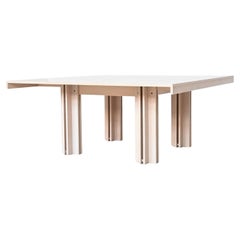
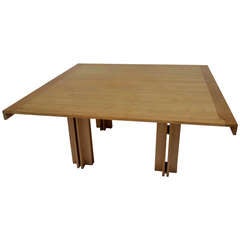
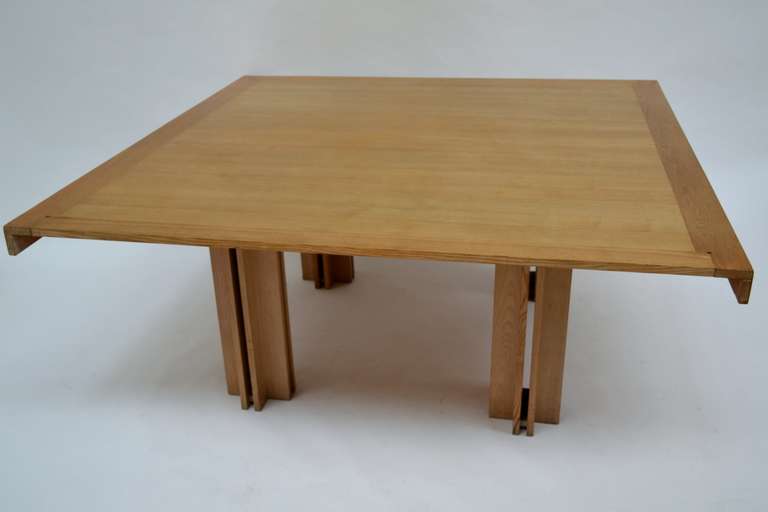
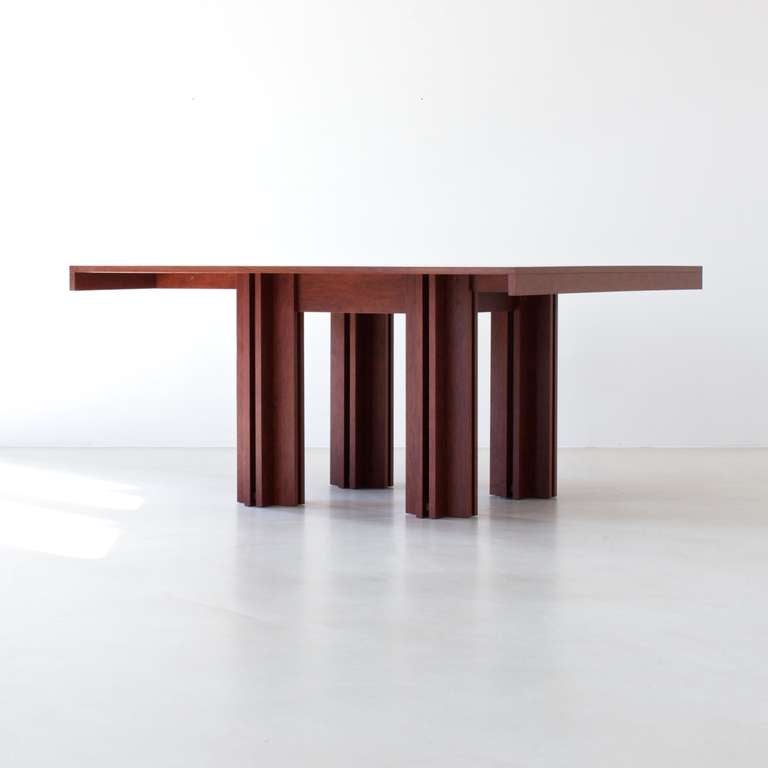
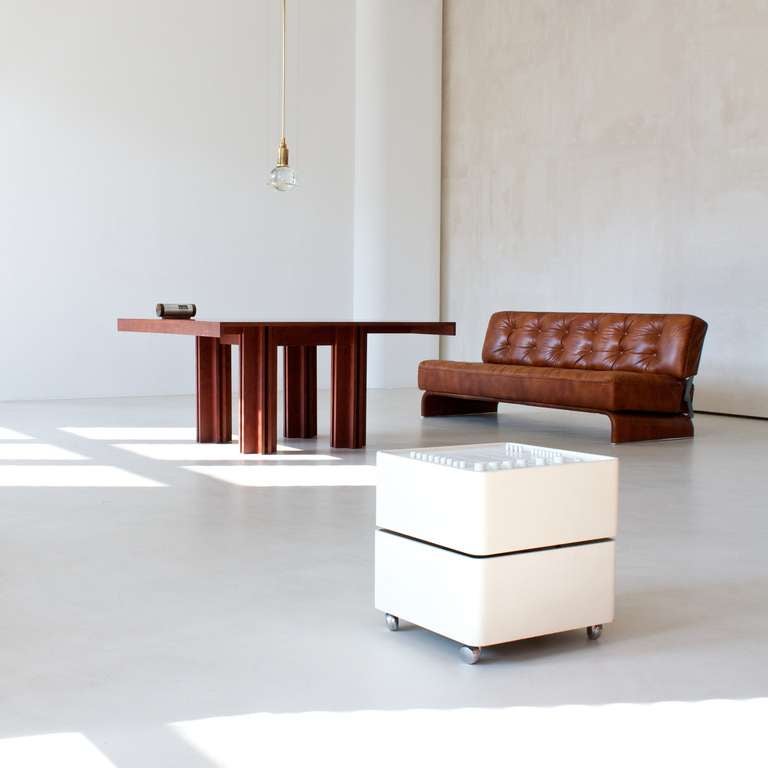
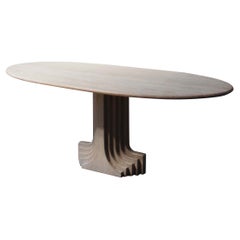
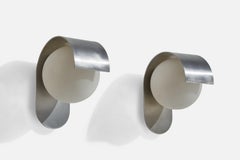
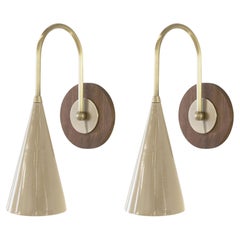
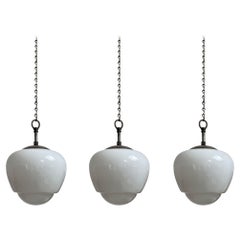
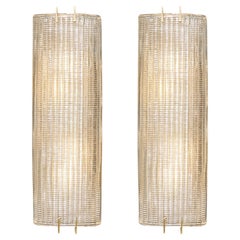
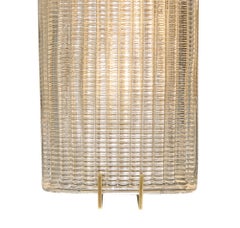
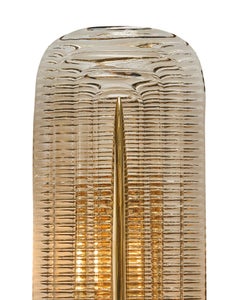
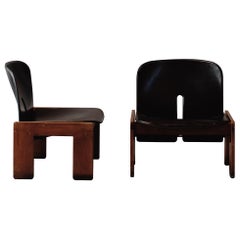
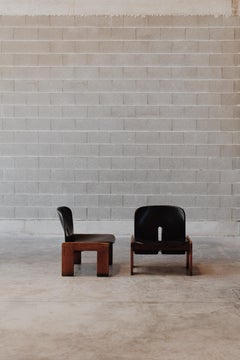
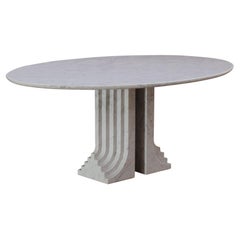
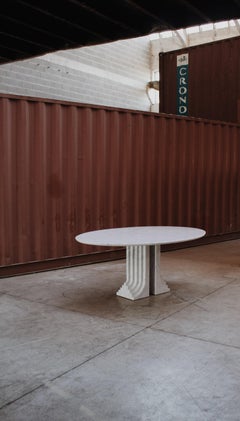
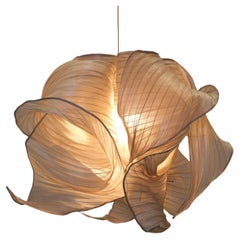
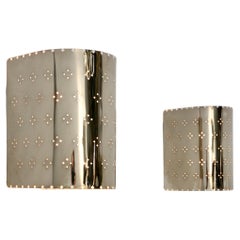
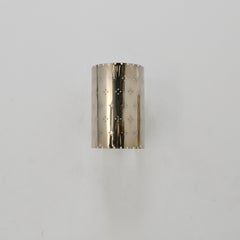
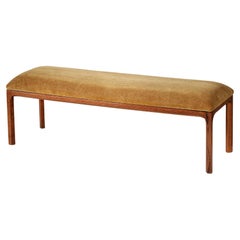
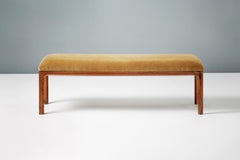
With a vast inventory of beautiful furniture at 1stDibs, we’ve got just the quatour carlo scarpa you’re looking for. A quatour carlo scarpa — often made from
wood,
plastic and
walnut — can elevate any home. There are many kinds of the quatour carlo scarpa you’re looking for, from those produced as long ago as the 20th Century to those made as recently as the 20th Century. A quatour carlo scarpa, designed in the
mid-century modern style, is generally a popular piece of furniture.
Prices for a quatour carlo scarpa can differ depending upon size, time period and other attributes — at 1stDibs, they begin at $6,429 and can go as high as $38,851, while the average can fetch as much as $17,143.
Carlo Scarpa was born in Venice in 1906 and became one of the leading figures of architecture and international design during the 20th century. At merely 21 years old — and still a student at the Academy of Fine Arts — Scarpa began working as a designer for master Murano glassmaker M.V.M. Cappellin. Within a few years, he completely revolutionized the approach to art glass.
In a short time, under the guidance of Scarpa, the Capellin furnace not only established itself as the top glass company, but above all it introduced modernity and international fame to Murano glassmaking. Scarpa created a personal style of glassmaking, a new vision that irreversibly changed glass production.
The young Scarpa experimented with new models and colors: his chromatic combinations, impeccable execution and geometric shapes became his modus operandi. Thanks to Scarpa’s continuous research on vitreous matter, Cappellin produced a series of high-quality glass objects, that saw the company revisiting ancient processing techniques such as the watermark and Phoenician decoration.
When he encountered the challenge of opaque glass, Scarpa proposed introducing textures of considerable chromatic impact, such as glass pastes and glazed glass with bright colors. Scarpa also collaborated in the renovation of Palazzo da Mula in Murano, the home of Cappellin. At the academy, he obtained the diploma of professor of architectural design and obtained an honorary degree from the Venice University Institute of Architecture of which he was director.
In 1931, Scarpa's collaboration with Cappellin ended, following the bankruptcy of the company because it was not able to withstand the economic crisis linked to the Great Depression. But Scarpa did not go unnoticed by Paolo Venini — in 1933, the young designer became the new artistic director of the biggest glass company in Murano.
Master glassmakers thought Scarpa's projects and sketches were impossible, but the passionate and curious designer always managed to get exactly what he wanted. Until 1947 he remained at the helm of Venini & Co., where he created some of the best known masterpieces of modern glassmaking. Scarpa’s work with Venini was characterized by the continuous research on the subject, the use of color and techniques that he revisited in a very personal way, and the development of new ways of working with master glassmakers.
At the beginning of the 1930s, "bubble", "half filigree" and "submerged" glass appeared for the first time on the occasion of the Venice Biennale of 1934. A few years later, at the Biennale and the VI Triennale of Milan, Venini exhibited its lattimi and murrine romane pieces, which were born from a joint idea between Scarpa and Paolo Venini.
In 1938 Scarpa increased production, diversifying the vases from "objects of use" to sculptural works of art. In the same year he laid the foundation for the famous "woven" glass collection, exhibited the following year. In the subsequent years, Scarpa–Venini continued to exhibit at the Biennale and in various other shows their the "black and red lacquers," the granulari and the incisi, produced in limited series, and the "Chinese," which was inspired by Asian porcelain.
Scarpa's creations for Venini garnered an international response and were a great success, leaving forever an indelible mark on the history of glassmaking. The last Biennale in which Carlo Scarpa participated as artistic director of Venini was in 1942. He left the company five years later.
The time that Scarpa spent in the most important glass factory in Murano would attach a great artistic legacy to the company. His techniques and styles were resumed in the postwar period under the guidance of Tobia Venini, Paolo's son. In the 1950s, after the departure of Scarpa, Fulvio Bianconi was the new visionary at the Biennials with Venini.
On 1stDibs, vintage Carlo Scarpa glass and lighting are for sale, including decorative objects, tables, chandeliers and more.
(Biography provided by Ophir Gallery Inc.)
No matter your furniture style of choice, a shared meal is one of life’s true rewards. Why not treat your family and friends to a luxurious dining experience? Browse our top picks to find the perfect antique, new or vintage dining room table for this important occasion.
Modern furniture design borrows significantly from the trends of yore, and this is especially apparent in dining tables. Ancient Egyptians made practical use of the earliest four-legged tables of wood and rock — their models bear striking similarity to the dining tables of today — while common large medieval dining room tables in England were made of oak or elm. Romans and Greeks, renowned for big banquets that involved entertainment as well as good food, used early dining room tables made of marble or wood and metals such as bronze for meals.
On 1stDibs, find a range of dining room tables that offers no shortage of options to accommodate modest interiors, midsize family homes and even lavish banquets (entertainment not included).
Beginning in the mid-19th century, more American homes featured dining rooms, where families could gather specifically for a meal together. In the States, upper-class families were the first to enjoy dining room tables, which were the centerpiece of the dining room.
Dining room tables of the Victorian era were created in a range of revivalist styles inspired by neoclassical, Renaissance, Gothic and other traditions. Furnishings of the period were made of various woods, including oak, rosewood and mahogany, and referenced a variety of decorative arts and architectural motifs. Some dining room tables finished in the Rococo style feature gorgeous inlaid marble tabletops or other ornamental flourishes handcrafted by Parisian furniture makers of the 18th century.
In many modern spaces, there often isn’t a dining room separate from the kitchen — instead, they frequently share real estate in a single area. Mid-century modern dining room tables, specifically those created by designers such as Osvaldo Borsani, Edward Wormley and Alvar Aalto, are typically clean and uncomplicated designs for a dining area that’s adjacent to where the cooking is done. Furniture of this era hasn’t lost its allure for those who opt for a casual and contemporary aesthetic.
If you’re of the modern mindset that making and sharing meals should be one in the same — and perhaps large antique dining tables don’t mesh well with your style — consider a popular alternative. Working with a tighter space may mean that a round or oval dining room table, a design that references the festive meals of the medieval era, may be a better fit. Round dining room tables, particularly those that originated in the Art Deco period, still endure as a popular contemporary substitute for traditional rectangular dining tables. Giovanni Offredi’s Paracarro table for Saporiti Italia is a striking round table option that showcases the magnificent Italian industrial design of the 1970s.
Find a collection of antique, new and vintage dining tables on 1stDibs.