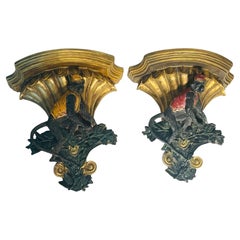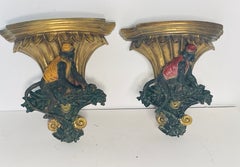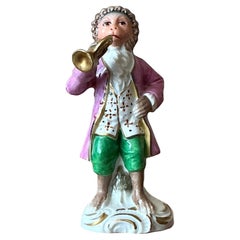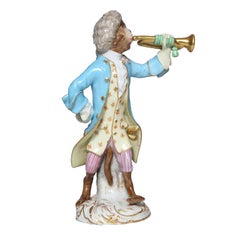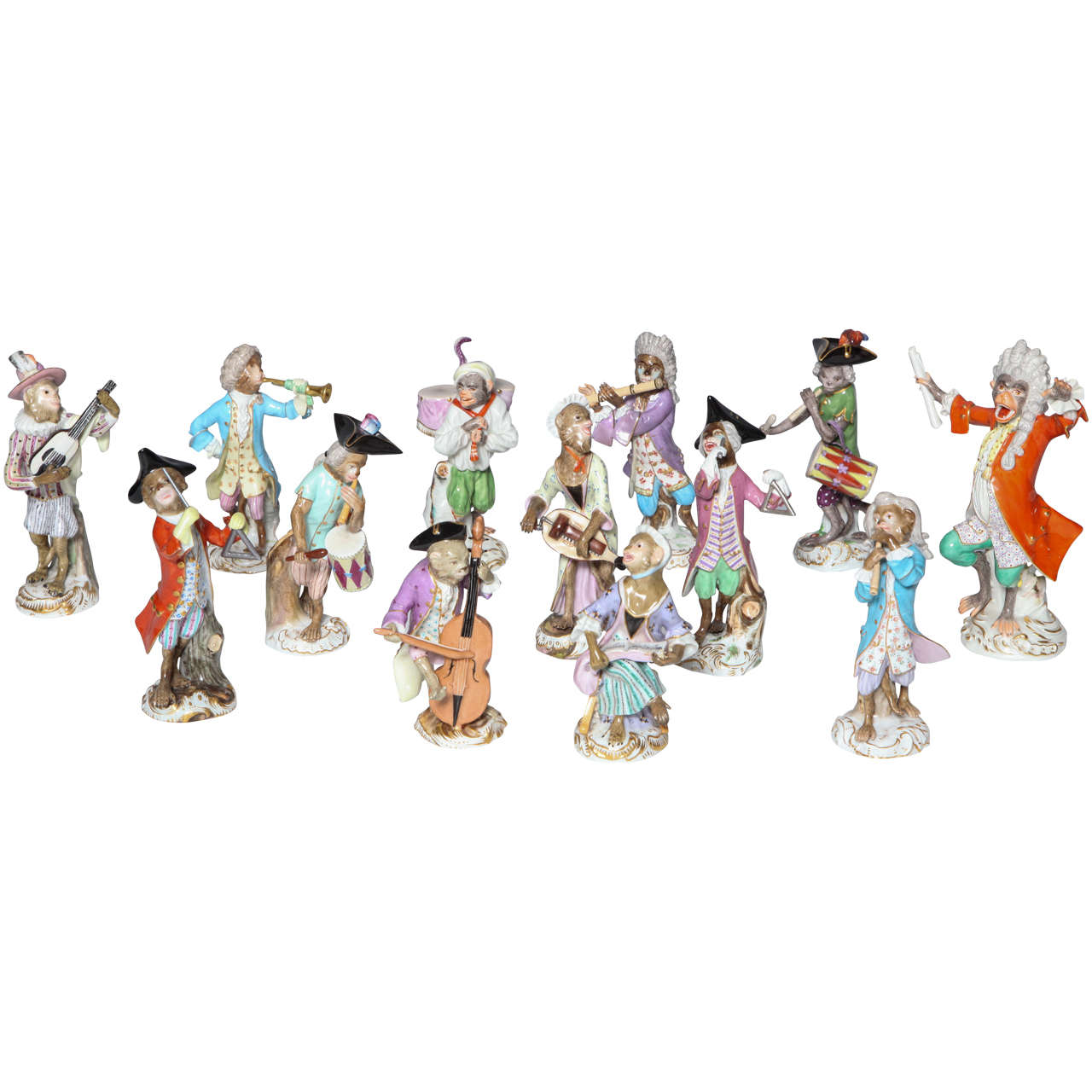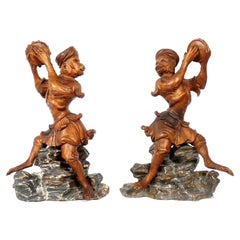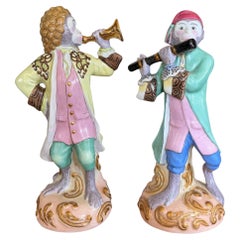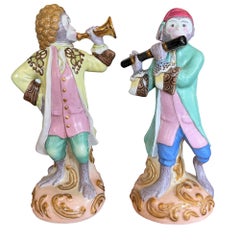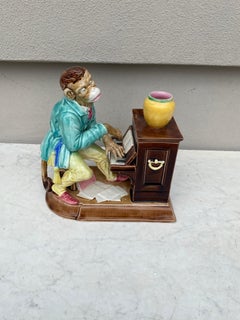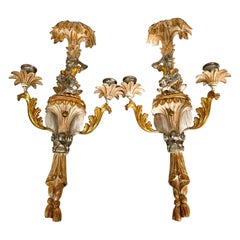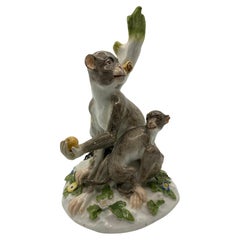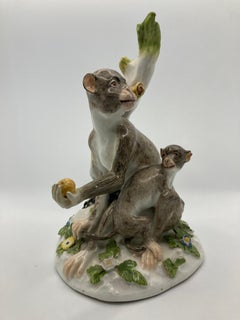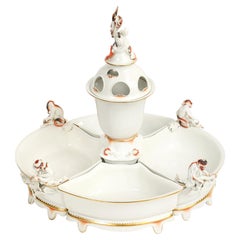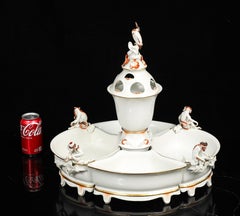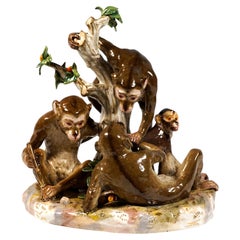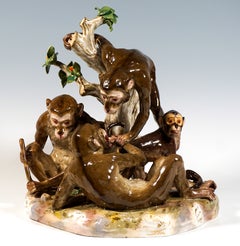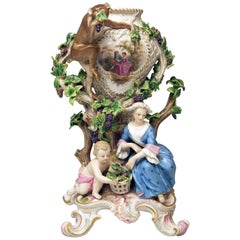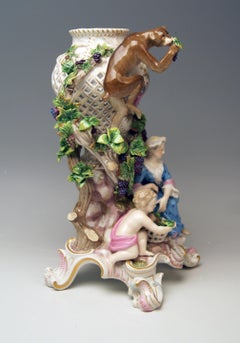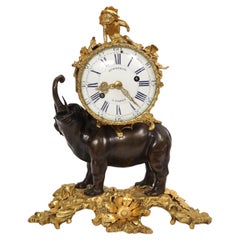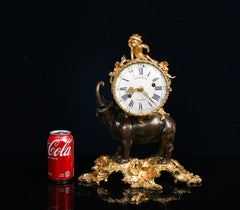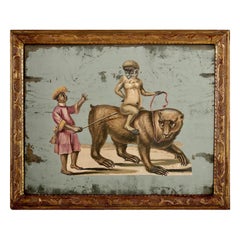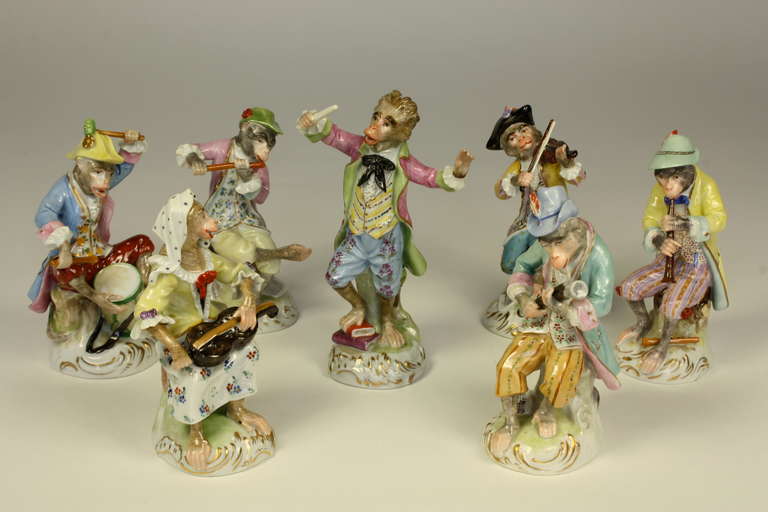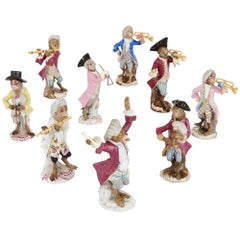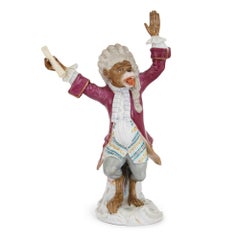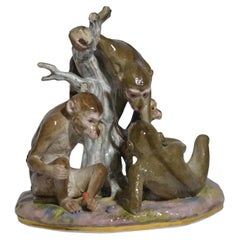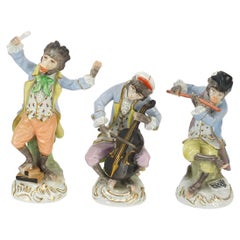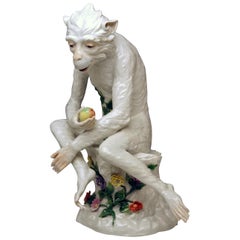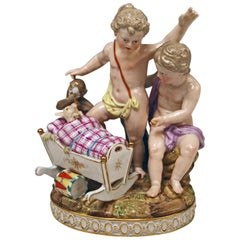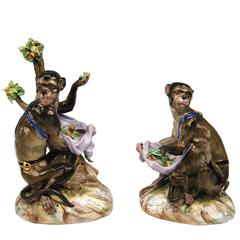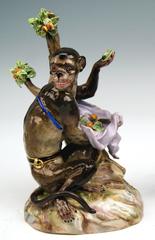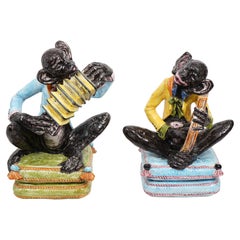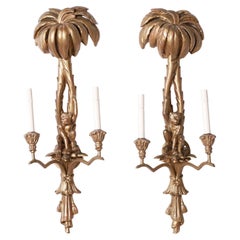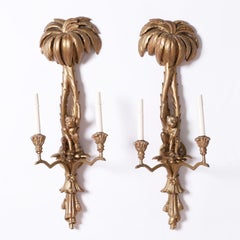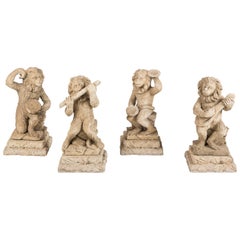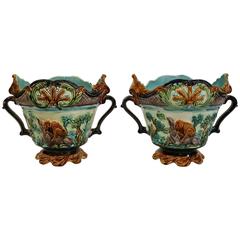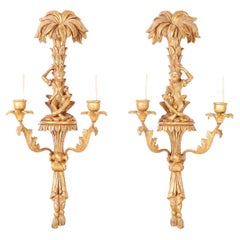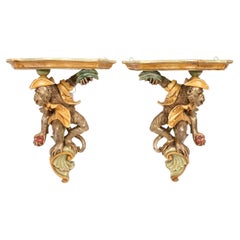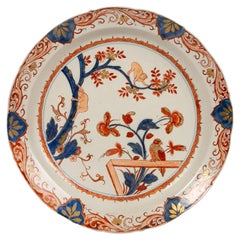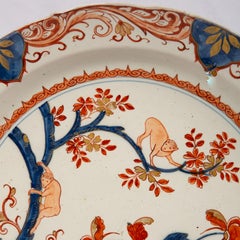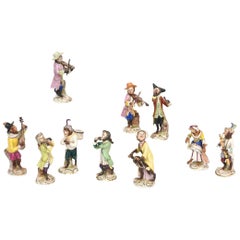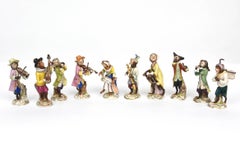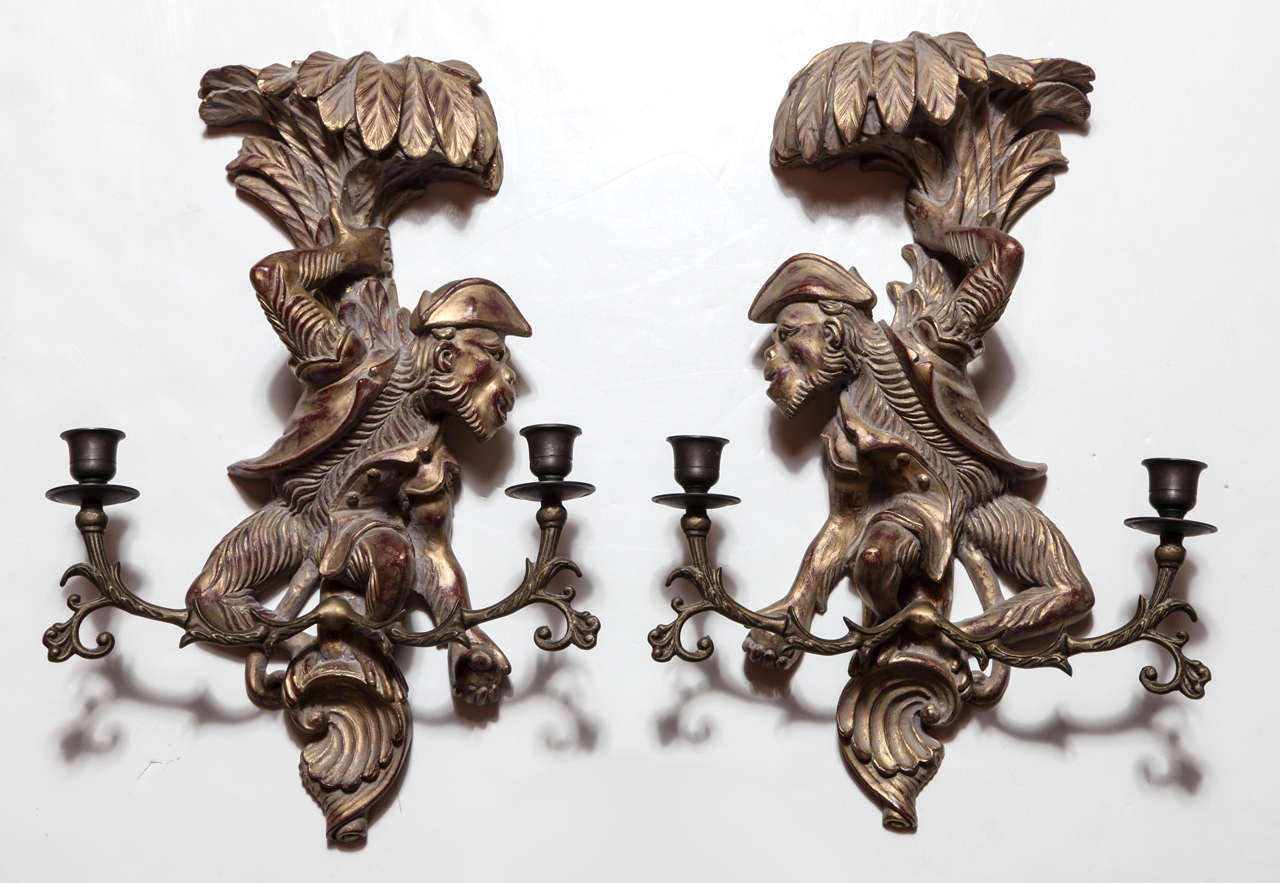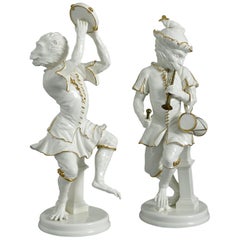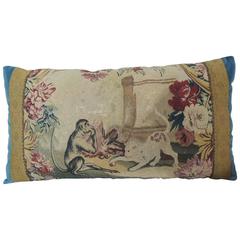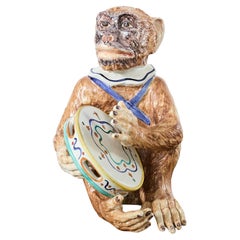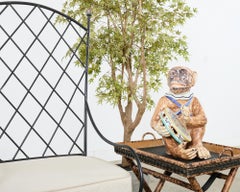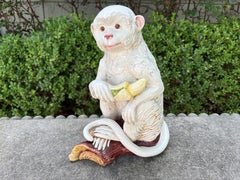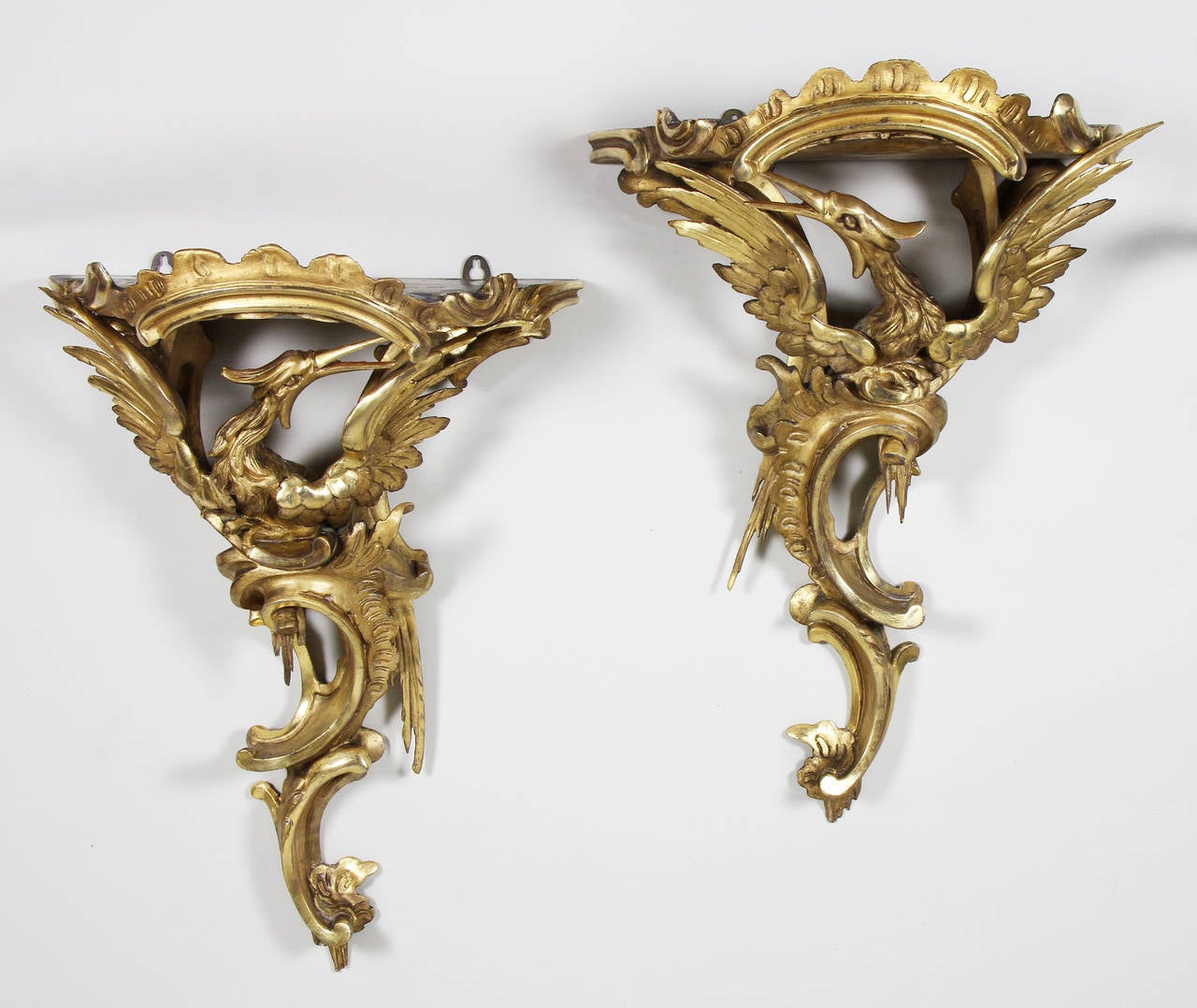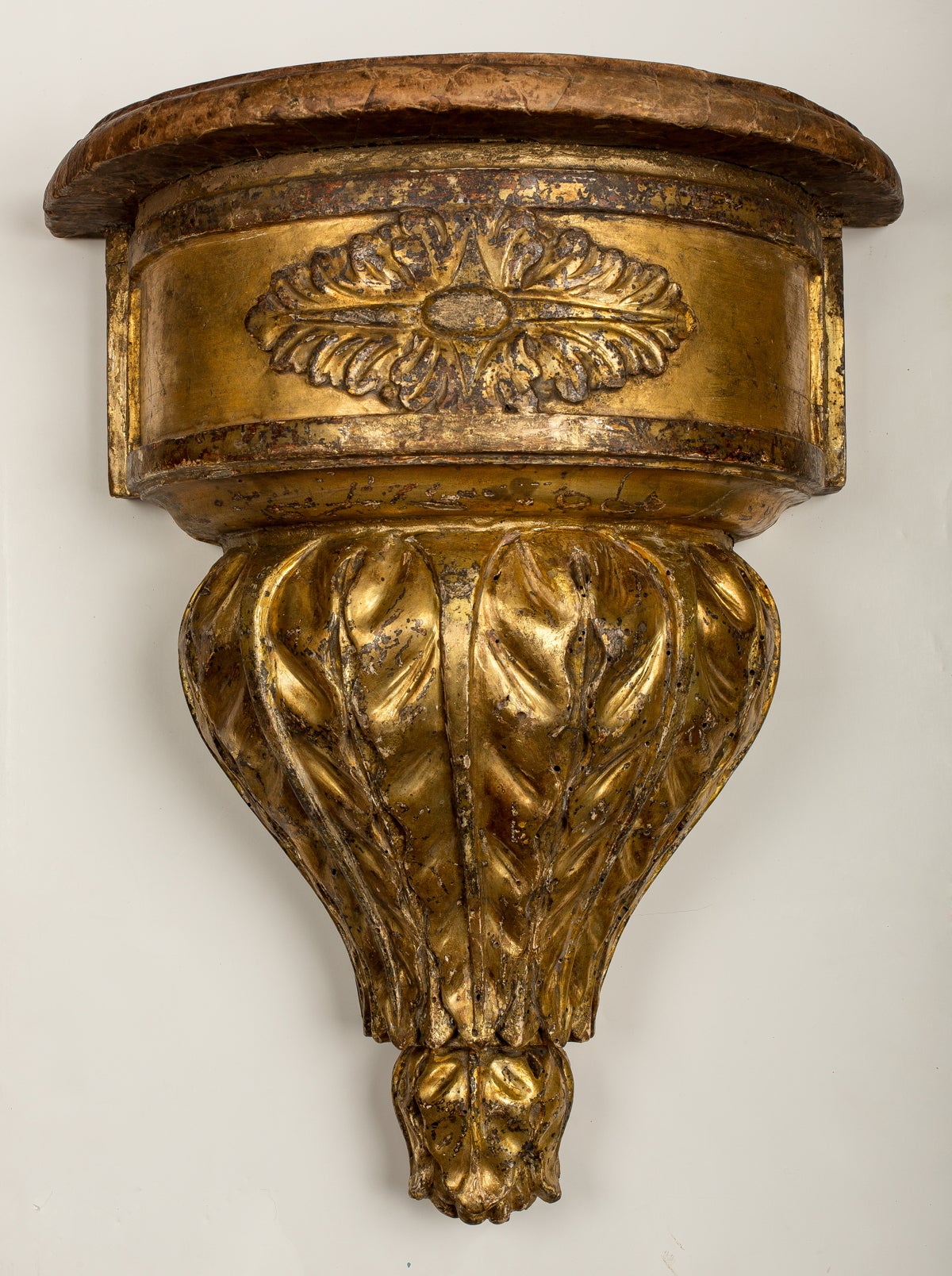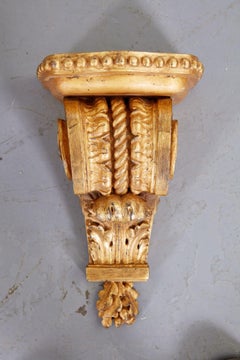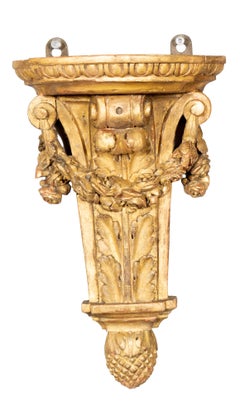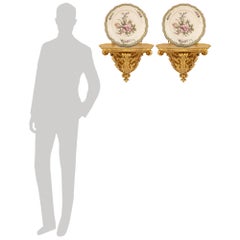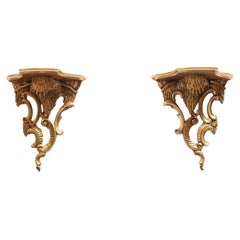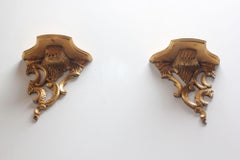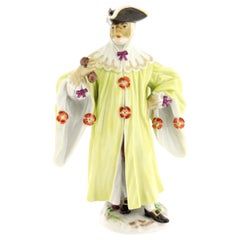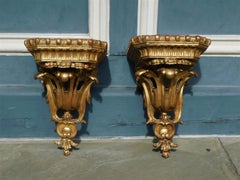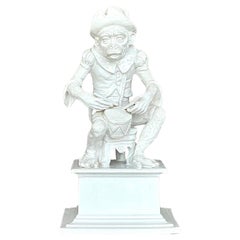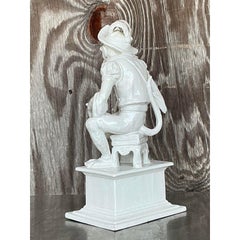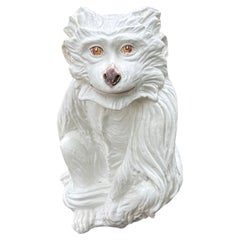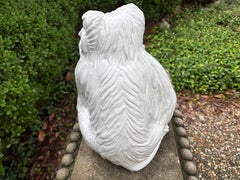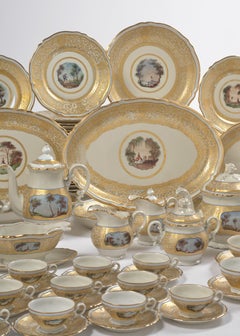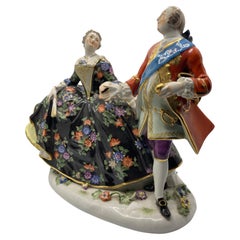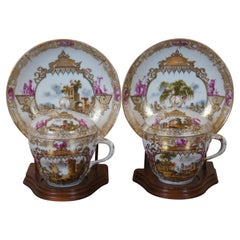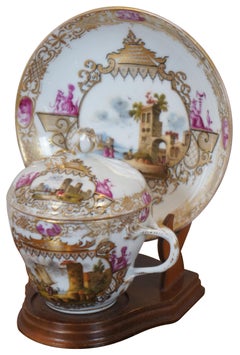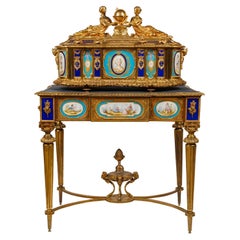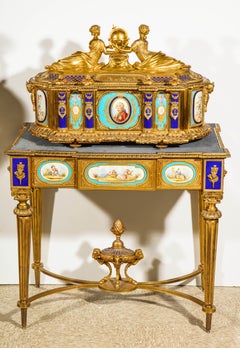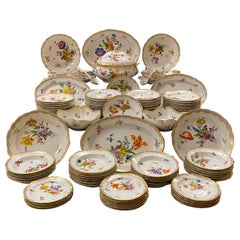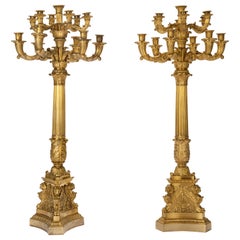
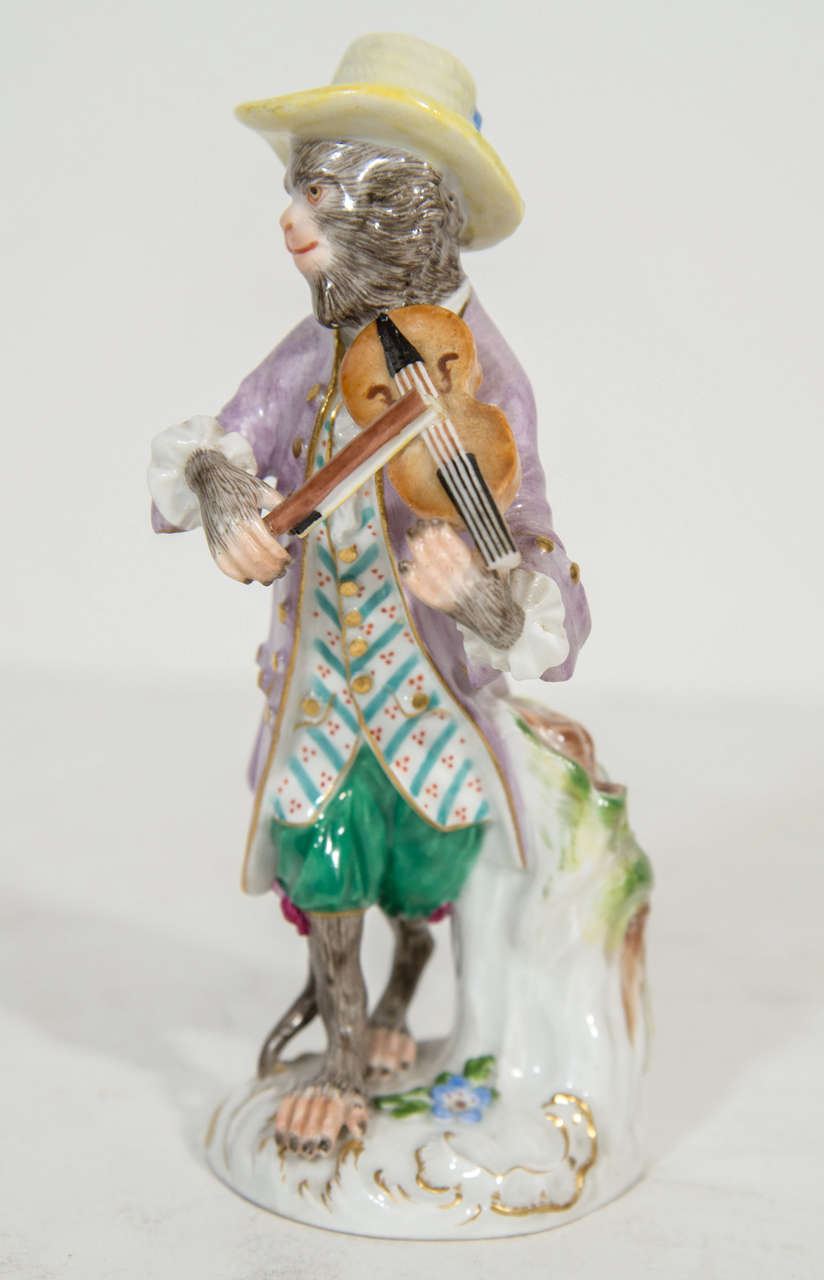
At 1stDibs, there are many versions of the ideal rococo monkey for your home. Each rococo monkey for sale was constructed with extraordinary care, often using
ceramic,
porcelain and

earthenware. You’ve searched high and low for the perfect rococo monkey — we have versions that date back to the 18th Century alongside those produced as recently as the 20th Century are available. When you’re browsing for the right rococo monkey, those designed in
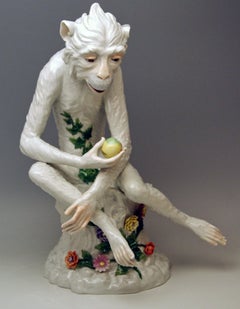
Rococo styles are of considerable interest. Many designers have produced at least one well-made rococo monkey over the years, but those crafted by
Meissen Porcelain,
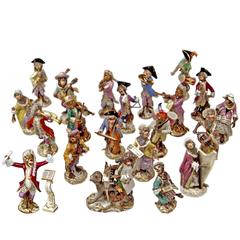
Sarreguemines and
Atelier Lam are often thought to be among the most beautiful.
Rococo was an aesthetic movement in the fine and decorative arts in the 18th century that found its inspiration in nature and fostered an overall lightness and delicacy of form, construction and ornament in interior design. Rococo furniture, while greatly influenced by trends in Italy and Germany, is often called Louis XV style — the movement having reached its best expression during that sybaritic French king’s reign.
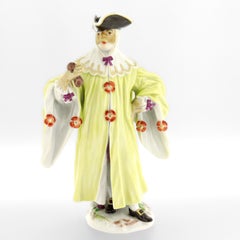
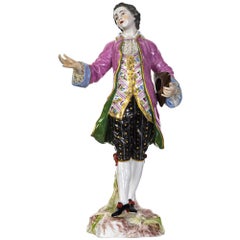
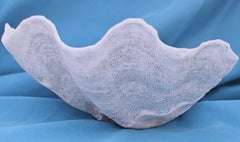
The term “rococo” is thought to be a portmanteau of the French words rocaille and coquilles — “rock” and “shells” — organic motifs frequently used in architecture and design of the style.
When it comes to authentic Rococo furniture's characteristics, it is above all sensuous and social. The furniture of earlier eras in Europe had been heavy in every sense; the Rococo period saw the appearance of light-framed upholstered armchairs, side chairs and occasional tables that could easily be moved to form conversational circles.
The signal detail of Rococo furniture design is the gently curved cabriole, or S-shaped chair-, table-, and cabinet-leg. It imitates the bend of a tree limb or a flower stem. In a further reference to nature, furnishings were often asymmetrical and painted white, or in soft, pastel shades. Rococo has become a timeless style, and as the furniture pieces presented on 1stDibs demonstrate, its playful, sculptural forms can provide visual excitement to contemporary, clean-lined spaces.