Art by Medium: Silver

to
34
223
53
73
44
103
Overall Width
to
Overall Height
to
6
22
70
398
1
6
4
1
1
1
7
9
8
8
2
225
100
17
12
5
3
2
1
1
1
1
1
1
154
109
88
52
52
47
43
29
16
15
14
12
12
11
11
11
11
10
9
8
7
6
6
29,270
181,939
96,788
79,168
77,887
52
23
17
10
9
110
53
278
124
Medium: Silver
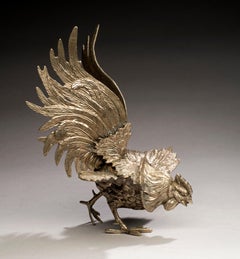
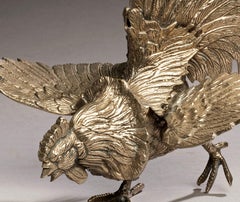
Antique Silvered Bronze Rooster, France circa 19th Century

Antique Silvered Bronze Rooster, France circa 19th Century

Located in SANTA FE, NM

Antique Silvered Bronze Rooster France, circa 1900 10 1/4 x 9 1/2 (H x D) inches A very fine and lively bronze statuette of a preening Rooster. Nicely cast and well-carved and in ex...

Category

19th Century French School Art by Medium: Silver

Materials

Silver, Bronze

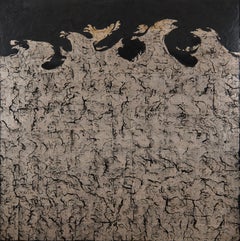
La Vie #71, Yoshida Kenji, nihonga painting, silver gold copper leaf cobalt, Japan

La Vie #71, Yoshida Kenji, nihonga painting, silver gold copper leaf cobalt, Japan

By Kenji Yoshida

Located in Santa Fe, NM

La Vie #71, Yoshida Kenji, nihonga painting, silver gold copper leaf cobalt, Japan Yoshida was born in 1924 in Ikeda City (part of present-day Osaka). He studied art under the grea...

Category

1990s Contemporary Art by Medium: Silver

Materials

Gold Leaf, Silver Leaf

Pat Lay, DM414161212, 2016, Rice Paper, Digital Print

Pat Lay, DM414161212, 2016, Rice Paper, Digital Print

By Pat Lay

Located in Darien, CT

In the last decade Pat Lay’s artwork has focused on technological metaphors of the human experience. In this series of digital collages, digital images scanned from computer circuit ...

Category

21st Century and Contemporary Abstract Geometric Art by Medium: Silver

Materials

Silver Leaf

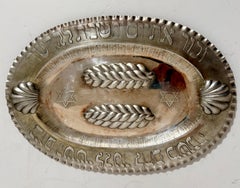
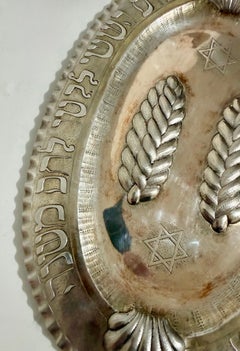
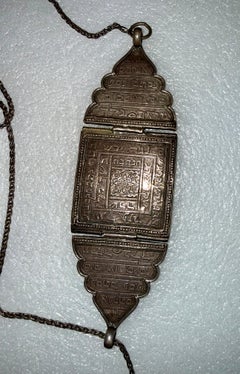
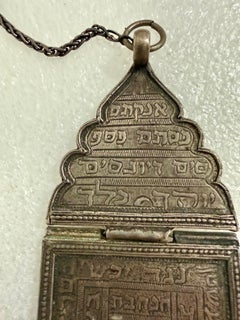
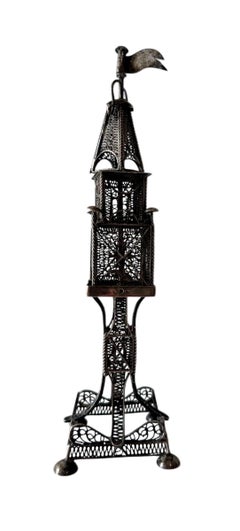
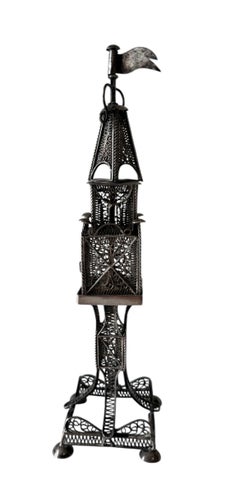
Rare 19th C Antique Silver Filigree Judaica Besamim Spice Tower Austro Hungarian

Rare 19th C Antique Silver Filigree Judaica Besamim Spice Tower Austro Hungarian

Located in Surfside, FL

An exceptional, fine and impressive antique Austro-Hungarian silver spice tower; This beautiful box is fitted with a hinged door and is fully hallmarked The square shaped foot is or...

Category

Late 19th Century Art by Medium: Silver

Materials

Silver

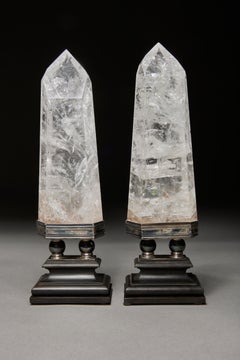
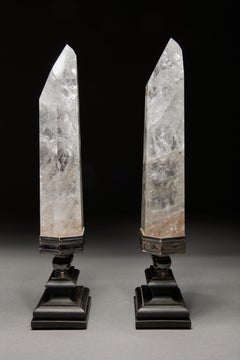
Pair of 20th Century Giuliano Tincani Rock Crystal Obelisks

Pair of 20th Century Giuliano Tincani Rock Crystal Obelisks

Located in Beachwood, OH

Giuliano Tincani (Italian, 20th Century) Pair of Rock Crystal Obelisks Clear quartz crystal and sterling silver 13 x 4 x 2.5 inches, each These obelisks present as a matched pair of...

Category

20th Century Art by Medium: Silver

Materials

Silver

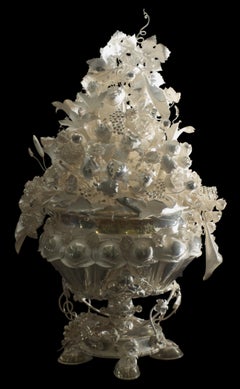
Silver centrepiece Renaissanse of 21th Century. 2010. W. 35 370 g.

Silver centrepiece Renaissanse of 21th Century. 2010. W. 35 370 g.

Located in Riga, LV

Oleg Auzers was born in Latvia, Riga into an old family of artists. He created his first toy ship at preschool age while visiting his grandfather Vilis Liepins in Limbazi. As a teena...

Category

2010s Northern Renaissance Art by Medium: Silver

Materials

Silver, Gold

Brighton Pier - Platinum Palladium silver print, Limited Edition, vintage Ad

Brighton Pier - Platinum Palladium silver print, Limited Edition, vintage Ad

By Ian Sanderson

Located in Sant Cugat del Vallès, Barcelona

Brighton Pier - Platinum Palladium print over silver on vellum paper Edition 1 of 8 , plus 2 AP ( Small size ) Shooting for an advertisement for Chevignon jackets, group of fr...

Category

1980s Contemporary Art by Medium: Silver

Materials

Platinum, Silver

Cloned Bulldog with pet bottle

Cloned Bulldog with pet bottle

By William Sweetlove

Located in Östermalm, Stockholms län

Original sculpture 6/8 ex. 2011 - 2020. Silver plated bronze. Acquired directly from the artist. Free shipment worldwide. William Sweetlove, born in Ostend, Belgium, in 1949, unites...

Category

2010s Pop Art Art by Medium: Silver

Materials

Silver, Bronze

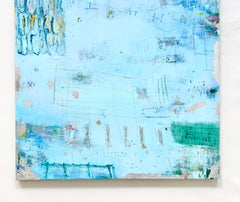
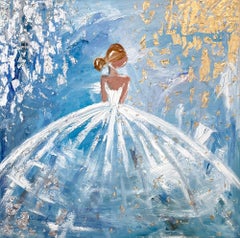
Silver and Color No. 168

Silver and Color No. 168

By Takefumi Hori

Located in Westport, CT

This beautiful blue painting is by Japanese artist, Takefumi Hori. He was born in Tokyo, Japan. He paints beautiful gold leaf paintings. This piece is acrylic, gold leaf and metal leaf on canvas. The artist studied calligraphy in Japan. In 2004 he moved to New York where he began painting abstract works of acrylic on canvas. Since 2009, Takefumi has been making gold and colored abstract works. He currently lives and works in Brooklyn where he is surrounded by the hustle and bustle of everyday urban life. The energy of New York City is an inspiration. His use of gold as a main material came about after long and intensive experiments. His compositional forms such as circles, squares and rectangles are ideal forms for gold to work with other colors in his work. The compositions of these elements are based on his experience with Japanese calligraphy. He merges the traditions of Eastern and Western art. His works are in numerous collections including Tiffany and Co., Claridges Hotel...

Category

2010s Contemporary Art by Medium: Silver

Materials

Silver

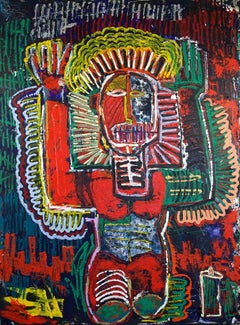
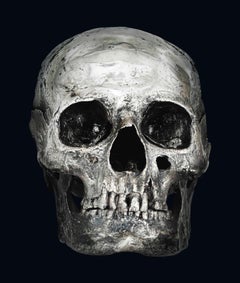
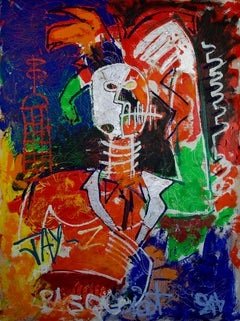
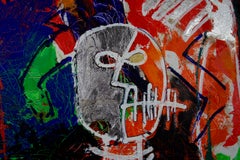
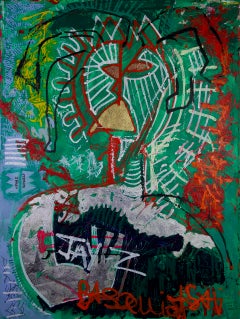
Silver Skull.  Contemporary Neo-Expressionist Painting

Silver Skull. Contemporary Neo-Expressionist Painting

By Sax Berlin

Located in Brecon, Powys

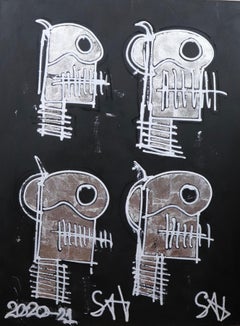
Sax Berlin's Skull series form part of his Neo-Expressionist works. Berlin works with speed on these pieces, gives them a sense of urgency. In "person" they are electric and magnetic...

Category

2010s Abstract Expressionist Art by Medium: Silver

Materials

Silver

Seymour Lipton - Maquette for Laureate (unique sculpture) Christie's/Marlborough

Seymour Lipton - Maquette for Laureate (unique sculpture) Christie's/Marlborough

By Seymour Lipton

Located in New York, NY

Seymour Lipton Maquette for Laureate, ca. 1968-1969 Nickel silver on monel metal Unique 18 × 8 1/2 × 7 inches Marlborough-Gerson Gallery, New York Acquired from the above by the pre...

Category

1960s Abstract Expressionist Art by Medium: Silver

Materials

Metal, Silver

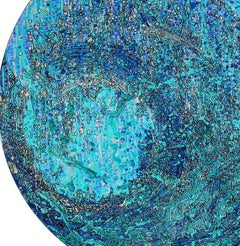
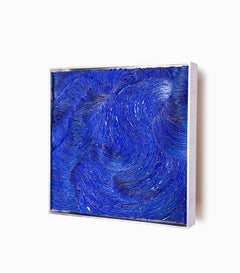
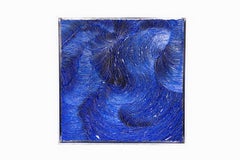
Inner Shore. Series "Vibrations of the Earth"

Inner Shore. Series "Vibrations of the Earth"

Located in Zofingen, AG

“Inner Shore” is a space where light and silence meet to support inner balance. It holds no boundaries, yet provides a subtle anchor, allowing one to exist in their own rhythm withou...

Category

2010s Contemporary Art by Medium: Silver

Materials

Silver

Silver and Color No. 101

Silver and Color No. 101

By Takefumi Hori

Located in Westport, CT

This beautiful painting is by Japanese artist, Takefumi Hori. He was born in Tokyo, Japan. He paints beautiful gold leaf paintings. This piece is acrylic, gold leaf and metal leaf ...

Category

2010s Contemporary Art by Medium: Silver

Materials

Silver, Gold Leaf

Tathagata: Contemporary Mixed Media Buddha Painting by Sax Berlin

Tathagata: Contemporary Mixed Media Buddha Painting by Sax Berlin

By Sax Berlin

Located in Brecon, Powys

Tathagata - a Pali or Sanscrit word used primarily by Siddartha Gautama Buddha to refer to himself. However it also the term for one who has reached enlightenment through Buddhist principles & has as many as eight different meanings. Generally accepted is the translation one who has thus arrived. And this vivid painting from Berlin has arrived! Drawing on his knowledge of the faith & his research into the theme this is a beautiful & informed rendition of Buddha. The colours are vibrant but enable one to look deep and take the essence of tranquility from the image. This Buddha would sit happily on an altar or a home corner of peace and tranquility, giving an essence of calm & preparedness to those who stand before it. Oil paint using hand ground pigments, 24 ct gold and silver...

Category

2010s Contemporary Art by Medium: Silver

Materials

Gold Leaf, Silver Leaf

Olivier de Provence 3

Olivier de Provence 3

Located in New York, NY

This work is a unique piece. It is a gilded oil painting on linen canvas with 22 carat gold leaf. CS Art comprises of two artists, one French, the other Norwegian. They have been pa...

Category

2010s Contemporary Art by Medium: Silver

Materials

Gold, Silver, Foil, Gold Leaf

Pommier de Normandie 2

Pommier de Normandie 2

Located in New York, NY

This work is a unique piece. It is a gilded oil painting on linen canvas with 22 carat gold leaf. CS Art comprises of two artists, one French, the other Norwegian. They have been pai...

Category

2010s Contemporary Art by Medium: Silver

Materials

Gold, Silver, Foil, Gold Leaf

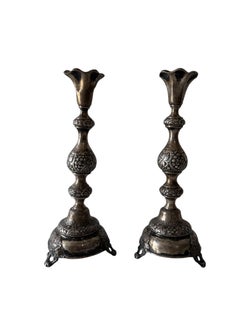
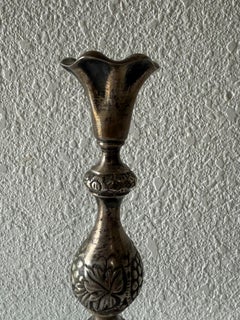
Rare 19th C. Antique Silver Judaica Shabbat Candlesticks Polish Russian, Szekman

Rare 19th C. Antique Silver Judaica Shabbat Candlesticks Polish Russian, Szekman

Located in Surfside, FL

An exceptional, fine and impressive antique Austro-Hungarian Antique Judaica Pair of Shabbos hallmarked silver candlesticks, 12" tall, 16 troy Dated 1895 Viennese or Austro Hungaria...

Category

Late 19th Century Rococo Art by Medium: Silver

Materials

Silver

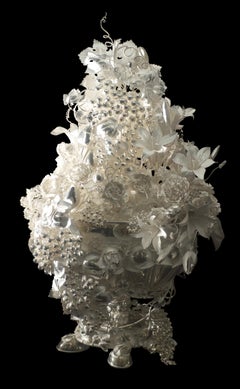
Silver Plated Urn on Malachite Base

Silver Plated Urn on Malachite Base

Located in Los Angeles, CA

An impressive neoclassical Silver Plated urn, featuring both a classical female mask and a lion-mask terminal, sculpturally integrated into a dramatic vertical form with a winged fem...

Category

19th Century Art Nouveau Art by Medium: Silver

Materials

Silver

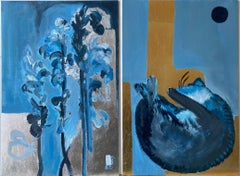
Day and Night II by Lumi Mizutani - Japanese style painting, red, Moon, flower

Day and Night II by Lumi Mizutani - Japanese style painting, red, Moon, flower

By Lumi Mizutani

Located in Paris, FR

Day and Night II is a unique painting by Japanese contemporary artist Lumi Mizutani. This painting is made with India ink, colour pigments, gold and silver leaf on Japanese cardboard...

Category

2010s Contemporary Art by Medium: Silver

Materials

Silver, Gold Leaf

"Emergence, " Oil painting

"Emergence, " Oil painting

Located in Denver, CO

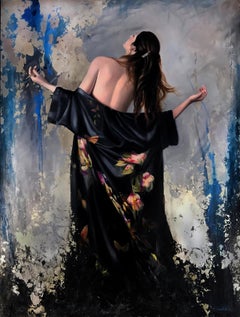
Brian O'Neill's (US based) "Emergence" is an original, handmade oil painting that depicts a floral robe slipping from a female figure's shoulders and expos...

Category

2010s Realist Art by Medium: Silver

Materials

Silver, Gold Leaf

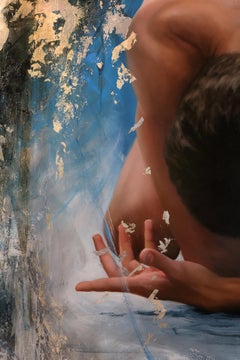
"Exhale" by Brian O'Neill, Oil painting, Male Nude

"Exhale" by Brian O'Neill, Oil painting, Male Nude

Located in Denver, CO

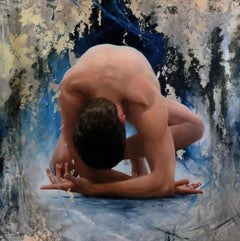
Brian O'Neill's (US based) "Exhale" is an original, handmade oil painting that depicts a nude male figure stooped over and keeling on the ground, with his back exposed and bowing his...

Category

2010s Realist Art by Medium: Silver

Materials

Silver, Gold Leaf

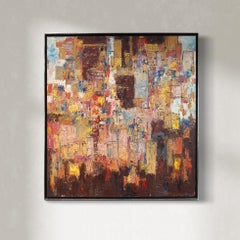
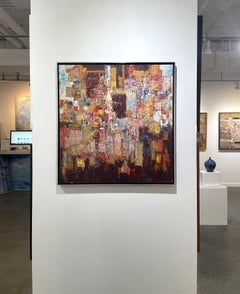
WATERFALL

WATERFALL

By Benjamin Dray

Located in New York, NY

WATERFALL 39" x 49", $12,000 Frame option is available. About the Series: For Dray, Philosophy deals in the abstract and abstraction is an indispensable tool in art and culture. Through his paintings, he reasserts that abstraction has been a part of humanity, all cultures in all ages. It’s an indispensable tool, as we create symbols, vessels to fill with allusions and messages. The resulting artwork have a strong sense of purpose. Each painting contains hundreds of hand coloured trapezoid shapes, hand drawn with a sharp blade onto silver or gold leaf. Each coloured shape can be interpreted to represent an ‘atomic’ element. On its own a block of colour is insignificant but seen as part of a whole it becomes dynamic and alive reflecting on how nature works. The phenomena of light is also important to the work. The light of the sun in a room illuminates and reflects off the paintings as they come alive and change through time. About the Artist: Benjamin Dray...

Category

2010s Abstract Art by Medium: Silver

Materials

Silver, Gold Leaf

Portal-Glyph IX
Portal-Glyph IX

Portal-Glyph IX

By Casper Brindle

Located in Santa Monica, CA

Working within the constraints of unyielding ninety-degree angles, Brindle applies color with a Fauvist abandon, creating works with an otherworldly presence.

Category

2010s Abstract Geometric Art by Medium: Silver

Materials

Silver, Gold Leaf

Portal-Glyph IV
Portal-Glyph IV

Portal-Glyph IV

By Casper Brindle

Located in Santa Monica, CA

Working within the constraints of unyielding ninety-degree angles, Brindle applies color with a Fauvist abandon, creating works with an otherworldly presence.

Category

2010s Abstract Geometric Art by Medium: Silver

Materials

Silver, Gold Leaf

Untitled No. 64
Untitled No. 64

Untitled No. 64

By Takefumi Hori

Located in Westport, CT

This beautiful painting is by Japanese artist, Takefumi Hori. He was born in Tokyo, Japan. He paints beautiful gold leaf paintings. This piece is acrylic, gold leaf and metal leaf ...

Category

2010s Contemporary Art by Medium: Silver

Materials

Silver, Gold Leaf

Antique Italian Painted Hand Fan in a Glass Case

Antique Italian Painted Hand Fan in a Glass Case

Located in Palm Beach, FL

Impressive 19th century Italian hand fan, remarkably preserved with silvered metal sticks and guards depicting ancient gods, palm trees and classical emblemes. The paper leaves are h...

Category

Mid-19th Century Rococo Art by Medium: Silver

Materials

Silver

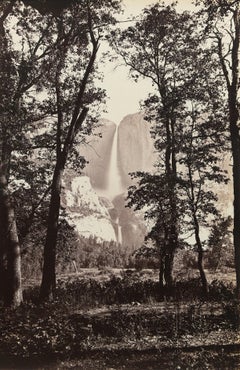
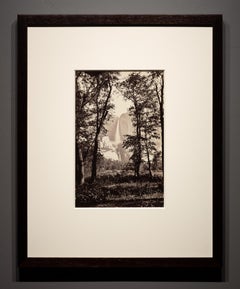
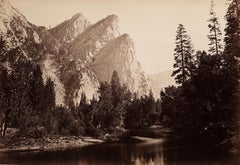
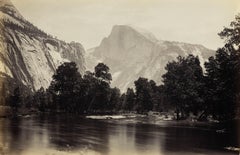
Nevada Fall, Yosemite

Nevada Fall, Yosemite

Located in Pacific Grove, CA

This albumen silver print is signed and numbered in the negative. Printed c. 1880s.

Category

1880s Art by Medium: Silver

Materials

Silver

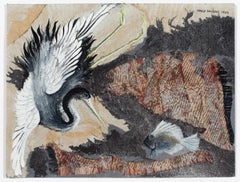
Beauties Series: Beauty and the Bird

Beauties Series: Beauty and the Bird

By Jackie Felix

Located in Buffalo, NY

An original acrylic on paper expressionist painting by American contemporary female artist Jackie Felix. This painting from Felix's Beauty Series was exhibited in the artist's solo ...

Category

1980s Expressionist Art by Medium: Silver

Materials

Silver Leaf

Silver-plated bronze cheetah running sculpture

Silver-plated bronze cheetah running sculpture

Located in Knysna, ZA

Our silver cheetah is a statement piece for discerning buyers, which brings a level of sophistication and appeal, for the ideal home. The sculpture is first cast in bronze, and then ...

Category

2010s Contemporary Art by Medium: Silver

Materials

Silver, Bronze

Pair of Mid-Century Silvered Metal Pheasants

Pair of Mid-Century Silvered Metal Pheasants

Located in Palm Beach, FL

Pair of Mid-Century male and female pheasants composed of handcrafted silvered metal, featuring hinged wings and removable heads. Presented on custom ebonized stands.

Category

20th Century Folk Art Art by Medium: Silver

Materials

Silver

Damien Hirst - Abacus, hirst, skull, silver, sculpture, contemporary art

Damien Hirst - Abacus, hirst, skull, silver, sculpture, contemporary art

By Damien Hirst

Located in London, GB

Damien Hirst (b.1965) Abacus - The Dream is Dead 2007 silver 14.5 x 14 x 21 cm incised, titled and numbered ‘Abacus Damien Hirst The Dream is dead 2/12’ (on the verso) edition 2/12 Price: $85,000 USD Provenance: White Cube, London Private collection, New York Sale: Christie’s London, 29 June 2011, lot 114 Private collection, London (acquired at the above sale) Notes: ‘I remember I was thinking that there were four important things in life: religion, love, art and science. At their best, they’re all just tools to help you find a path through the darkness. None of them really work that well, but they help. Of them all, science seems to be the one right now. Like religion, it provides the glimmer of hope that maybe it will be all right in the end.’ (D. Hirst, quoted in conversation with S. O’Hagan in New Religion Damien Hirst, exh. cat., British Council, London, 2006, p. 5) Born in 1965 in Bristol, Hirst grew up in Leeds and subsequently went to Goldsmith's College in London. Between 1988 and 1990 he curated a series of exhibitions of work by his contemporaries including the highly acclaimed group shows Freeze, Modern Medicine and Gambler. In his own work Hirst has continually challenged the boundaries between art, science, the media and popular culture. A 12-foot tiger shark, a cow and her calf sawn in two, pharmaceutical bottles...

Category

Early 2000s Contemporary Art by Medium: Silver

Materials

Silver

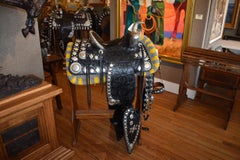
EDWARD BOHLIN 1920s-1930s SILVER ART PARADE SADDLE HOLLYWOOD WESTERN ARTIST VAIL

EDWARD BOHLIN 1920s-1930s SILVER ART PARADE SADDLE HOLLYWOOD WESTERN ARTIST VAIL

By Edward H. Bohlin

Located in San Antonio, TX

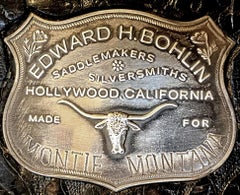
Circa Late 1920s - Early 1930s. It is all Bohlin made and marked to include the saddle, the headstall and the breast collar. All made in Hollywood California. The only non-Bohlin item is the bit which appears to also be early California. There is some interesting provenance of the fine saddle. It was commissioned by Charles R. Bell, married to Margaret Vail Bell who was the daughter of Walter Vail. On the Bolin nameplate it has engraved, Vail Ranch as well as made for Charles Bell. Charles Bell Died in 1939. The Vail Ranch has some great Western History which I will go into a little detail. You see, not only am I selling Saddles, but I’m also selling History. If you want to skip the history lesson you can just scroll down past the following info to images of the saddle. It’s no secret that ranching runs in the family blood. There is no greater example of that than California Rangeland Trust CEO Nita Vail. On April 14, 2018 Nita had the opportunity to witness her great-grandfather Walter L. Vail’s induction into the Hall of Great Westerners at the National Cowboy & Western Heritage Museum. This high honor is bestowed by the Museum to “exceptional individuals who have made an indelible impact upon the history of the great West.” A pivotal figure in early California and Arizona ranching, Walter Vail joins just over only 200 individuals who have been inducted into this esteemed hall. The Vail legacy of advocacy and ranching lives on strongly through his descendants, including Nita. All these years later, Nita carries the mantle of advocacy for ranchers in her own work at the California Rangeland Trust. Reflecting on her great-grandfather’s induction ceremony in Oklahoma, Nita says, “Witnessing my great-grandfather’s induction with family and friends was an incredible experience and a reminder of why I do what I do. Ranching plays an integral role in the culture, economy, and quality of life in California. Generations later, I get to honor Walter L. Vail’s legacy in my work with the California Rangeland Trust every day, preserving those open spaces for new generations and partnering with ranchers to continue to sustain life on the range in California.” Walter Vail History A native of Liverpool, Nova Scotia, Walter Vail purchased the 160-acre Empire Ranch southeast of Tucson, Arizona in 1876, along with an Englishman named Herbert Hislop. In 1882, the Empire Land & Cattle Company was formed with Walter L. Vail as principal shareholder. Over the years Vail, along with various partners, expanded the original land holdings to include over one million acres. The year after Walter purchased the Empire Ranch, the Southern Pacific Railroad built a railroad line, which was great news for the Vail family as it provided a means for them to ship their cattle. Edward L. Vail, George Scholefield and Bird at the mouth of Rosemont Canyon ca. 1896-1898 Standing Up for Ranchers In the fall of 1889, the Southern Pacific Railroad announced they would raise cattle freight rates by 25 percent. They ignored loud protests from ranchers who had already been hit hard by depressed cattle prices. In response, the Vails made a plan to drive the cattle overland themselves without the railroad. They knew that, if they were successful, they could break the railroad’s monopoly on the ranchers and force prices down. Walter’s brother Edward Vail and foreman Tom Turner volunteered to drive the almost 1,000 steers on the 300-mile trip to the Warner Ranch in San Diego. The journey ahead would be grueling. Most of their trip was through desert with water sources 15 to 30 miles apart. The ranchers would face a slew of obstacles—a stampede, a chaotic Colorado River crossing, an encounter with a group of horse thieves. In spite of all the dangers and challenges, they reached their destination. Just 71 days after leaving Arizona, the Empire cowboys arrived at the Warner Ranch. They had only lost 30 steers. The historic Empire Ranch Trail Drive of 1890 inspired other Arizona ranchers to make similar drives as a stand against the railroad. That fall, a group of Arizona cattlemen met and agreed to fund improvements to establish a safe cattle trail from Tucson to California. In response to the united stand of the ranchers, sparked by the Vails, the railroad finally agreed to restore the old freight rate—on the condition that the cattlemen would make no more cattle drives. Walter Vail led by example, but he was also an active representative of ranching interests in the legislature. He served in the 10th Arizona Territorial Legislature in 1878 and in 1884 on the Pima County Board of Supervisors. He introduced two significant bills: One proposing the creation of Apache County in the northeastern corner or Arizona Territory, and the other calling for the repeal and replacement of a Pima County fencing ordinance. Elected to the Arizona Stock Growers Association in 1884, Walter L. Vail advocated for levying fines on outfits that brought diseased cattle into the Territory, proposed a system of recording brands and earmarks, and requested the establishment of the livestock sanitary commission to oversee quarantines on infectious diseases, and tighter trespass laws. Moving to California In the late 1880s when a long drought hit Arizona, the Vails began leasing California pastures and shipping increased numbers of their cattle there to fatten. This marked the beginning of Walter’s efforts to purchase land in Temecula Valley. Vaqueros (Mexican cowboys) at the Empire Ranch in Arizona In 1890, with growing corporate holdings in California, Walter Vail established his headquarters in downtown Los Angeles and moved his family there. By this time, he had pieced together four Mexican land grants—Pauba Rancho, Santa Rosa Rancho, Temecula Rancho and Little Temecula Rancho—to form the Pauba Ranch. Eventually, the Vails would own more than 87,500 acres surrounding the little town of Temecula. In 1892 they leased Catalina Island and in 1901-1902 in partnership with J. V. Vickers, they purchased most of the interests in Santa Rosa from the estate of A.P. More. In March of 1894, Vail and Gates joined Vickers in setting up a third cattle company, the Panhandle Pasture Company, with the hopes of expanding new markets in the east. The Panhandle Pasture Company bought seven thousand acres of grassland in Sherman County, Texas, and an equal amount across the line in Beaver County, Indian Territory (later Oklahoma). Walter Vail was tragically killed in a Los Angeles streetcar accident in 1906. After his death, the Empire Land & Cattle Company (later renamed the Vail Company) assumed control of all his ranches and other real estate holdings. Walter had five sons and they would all have a hand in running the various ranches and the Vail Company as whole throughout their lives. The Empire Ranch in Arizona was sold in 1928. The Temecula area ranches continued to operate until it was sold in 1965. Santa Rosa Island, the last of Walter Vail’s holdings, was sold to the National Park Service in 1986, and ranching operations shut down there in 1998. Walter Lennox Vail (May 13, 1852 - December 2, 1906) was an American businessman, cattle dealer, and politician. He is known for his Empire Land & Cattle Company (later the Vail Company), which spanned over one million acres throughout five states.[1] Vail has been called "a pivotal figure in early California and Arizona ranching." Early life Vail was born in Liverpool, Nova Scotia on May 13, 1852, to Mahlon Vail, Sr. and Eliza Vail. Career Empire Ranch The headquarters of the Empire Ranch in the modern day Vail left his family's Plainfield, New Jersey house in the middle of 1875 to pursue riches in the West. He worked for a few months in Virginia City, Nevada as a mine's timekeeper, but in November he wrote of his intention to get involved in Arizona's sheep business. He, along with an Englishman named Herbert R. Hislop, then purchased the Empire Ranch along with its 612 cattle on August 22, 1876. The purchase from Edward Nye Fish and Simon Silverberg cost $1,174 at the time and was only 0.25 square miles (0.65 km2). Vail had met Hislop for the first time in August of that year, at the Lick House in San Francisco. Vail also became the main shareholder of the Empire Land & Cattle Company, which was formed in 1882. Politics Vail additionally served in the House of Representatives on the 10th Arizona Territorial Legislature for two years, starting in 1879. He was one of five representatives from Pima County. There, he proposed the creation of Apache County in the northeast. In 1884, Vail was elected to the Arizona Stock Growers Association, where he introduced many laws relating to cattle farming. California Vail moved his main operations to California in the late 1880s due to a long drought in Arizona. He started leasing Californian land mainly in Temecula Valley, but established his headquarters in downtown Los Angeles. By this time, he had already bought four ranches: the northern half of Rancho Little Temecula, Rancho Pauba, Rancho Santa Rosa, and Rancho Temecula. Later, Vail would own over 135 square miles (350 km2) surrounding the city of Temecula. He also leased Santa Catalina Island and Purchased Santa Rosa Island in 1892 and 1901, respectively. Vail, along with Carroll W. Gates and J.V. Vickers, set up the Panhandle Pasture Company, which bought about 22 square miles (57 km2) in Sherman County, Texas and Beaver County, Oklahoma. Personal life Vail married Margaret "Maggie"[a] Newhall in 1881, with them having five children: Nathan Russel, Mahlon, Mary, Walter Lennox Jr., and William Banning (who used his middle name) together. In 1890, a Gila monster bit Vail on his middle finger, and for years thereafter he experienced bleeding and swelling in his throat, which was thought to be caused by the venom from the bite. Death Vail died at 54 on December 2, 1906, due to complications from a tram (Trolley Car) accident in Los Angeles. He was cremated, then buried at the Hollywood Forever Cemetery on December 6. Legacy Vail's sons took over the company after his death, renaming it to the Vail Company. The Empire Ranch was sold in 1928, and the Temecula ranches were bought by a syndicate of companies, including Kaiser Aluminum, Kaiser Industries, and Macco Realties in 1965. Santa Rosa Island was acquired by the National Park Service in 1986, and ranching ceased in 1998. Vail was inducted into the Hall of Great Westerners at the National Cowboy & Western Heritage Museum in 2018.[2] Various properties have been named after the Vail family including: Vail Headquarters, an outdoor shopping mall, Vail Lake, and Vail, Arizona. In 1867, German immigrant, Louis Wolf, and his Chumash wife, Ramona, built a small adobe trading post next to Temecula Creek. Their Wolf Store helped launch the Temecula community, serving as a saloon, livery stable, legal services, hotel, general store, stagecoach stop, post office, school and employment agency. After Louis and Ramona’s deaths, their land and other Ranchos were purchased by Arizona cattle baron Walter Vail. By 1905, the 87,000-acre Vail Ranch became one of the largest cattle operations in California, stretching from Camp Pendleton to Vail Lake to Murrieta. It operated through the late 1970’s when it was sold to build Temecula’s housing. Some of the ranch’s oldest buildings survived in a cluster around the long-vacant Wolf Store. Together they would wait more than 40 years to be restored and once again become a center for community life in the Temecula Valley. ​ In 1905 after his death, Wolf’s Temecula was purchased by Arizona cattle baron Walter Vail, along with three other Ranchos totaling 87,500 acres. The sprawling Vail Ranch spread from South of Highway 79 to South of Clinton Keith Road, East to Vail Lake Resort and West to Camp Pendleton and continued operations through the late 1970’s when it was sold for housing subdivisions. The remaining buildings that comprised the Vail Ranch Headquarters, several having been demolished, have sat mostly vacant since then awaiting their restoration and re-use. John N. Harvey, Edward L. Vail, Walter L. Vail, 1879 Ned Joins the Partnership - May 1879 In May of 1879 Walter’s older brother, Edward Lang Vail, known as Ned, joined the Empire Ranch partnership. He had no ranching experience but quickly learned. The Empire Ranch herds were finally sufficiently developed for sale, and the Empire Ranch found a ready market in the town of Tombstone and its nearby mines. Walter finally had sufficient funds to begin to pay off some of the loans from his Uncle Nathan and Aunt Anna. North end of the original four rooms of the Empire Ranch House. Empire Ranch Census Records - 1880 The 1880 U.S. Census documents that eight men were living full time at the Empire: the partners, Walter Vail, John Harvey and Ned Vail; John Randolph Vail, Uncle Nathan and Aunt Anna’s son; John Milton Requa, nephew of Isaac Requa who hired Walter in Virginia City; John Dillon, who was instrumental in locating the Total Wreck Mine; Tomás Lopez, a herder; and Mon Ta, the cook. Section of Official Map of Pima County by Roskruge 1893. The Southern Pacific Railroad Arrives in Pantano - April 1880 In 1880 the Southern Pacific Railroad finally reached Tucson and by April it was extended to Pantano, north of the Empire Ranch. The availability of rail transportation was a major boom to the Empire Ranch as it was now possible to sell cattle and beef to markets beyond Southern Arizona. The railroad also increased the availability of goods in Tucson and allowed for much quicker and safer transportation to California and the East. Empire Ranch land acquisitions are highlighted in red. Courtesy of Dave Tuggle Land Holdings Expand-1881-1882 Starting in 1881 the land holdings of the Empire Ranch expanded considerably. They acquired Charles and Agnes Paige’s Happy Valley Ranch near the Rincon Mountains in 1881. 1882 saw the addition of Don Alonzo Sanford’s Stock Valley Ranch totaling over twenty-eight square miles of grassland between the Whetstone and Empire Mountains. Charles Bell Bohlin Saddle. All of the leather has been professionally cleaned and conditioned. All of the sterling has been professionally polished as are all of my saddles. THE BOHLIN BRAND IS AS ICONIC AS THE FAMED WESTERN STARS that wore it. The late actor Richard Farnsworth sported a recognizable gold steer-head Bohlin buckle...

Category

1930s Realist Art by Medium: Silver
Materials

Silver

Pink Nicola, Nicola as an Orchid, Brown, Brown, Silver and Brown

Pink Nicola, Nicola as an Orchid, Brown, Brown, Silver and Brown

By Gary Hume

Located in New York, NY

Gary Hume Pink Nicola, Nicola as an Orchid, Brown, Brown, Silver and Brown 2005 Set of three screenprints on silver leaf "Pink Nicola": 49 1/4 x 38 1/8 inches; 125 x 97 cm "Nicola as...

Category

Early 2000s Contemporary Art by Medium: Silver
Materials

Silver
Silver art for sale on 1stDibs.
Find a wide variety of authentic Silver art available on 1stDibs. While artists have worked in this medium across a range of time periods, art made with this material during the 21st Century is especially popular. If you’re looking to add art created with this material to introduce a provocative pop of color and texture to an otherwise neutral space in your home, the works available on 1stDibs include elements of blue, green, orange, pink and other colors. There are many well-known artists whose body of work includes ceramic sculptures. Popular artists on 1stDibs associated with pieces like this include Colleen Wolstenholme, Jimi Gleason, Sax Berlin, and Terry O'Neill. Frequently made by artists working in the Contemporary, Abstract, all of these pieces for sale are unique and many will draw the attention of guests in your home. Not every interior allows for large Silver art, so small editions measuring 0.01 inches across are also available