Evoking rusticity and relaxation through simple and elegant designs, vintage Adirondack furniture originated in the Adirondack Mountains of northeastern New York. The most famous piece is the Adirondack chair, which dates to 1903.
With its ample armrests and sturdy but comfortable slanted seat, the reclined Adirondack chair was designed by Thomas Lee for his own country home. The postwar golden age of modern patio and garden furniture production — led by the likes of Brown Jordan, Knoll, Salterini and Woodard — was decades away at the time, and there were few pieces of furniture specifically created for outdoor use.
Lee, a Massachusetts-born Harvard graduate raised in a wealthy family, was no furniture designer. He merely needed a durable, rugged chair for afternoons in the sun while he was vacationing on Lake Champlain in Westport, New York, in the summer. The amateur woodworker used just one wooden plank cut into 11 segments that were jointed together for his now-legendary seat, which is said to have been made of hemlock, hickory or basswood.
The story of the Adirondack chair continues with Lee’s friend, carpenter Harry Bunnell, covertly patenting the chair and going on to produce it as the Westport Plank chair for a growing audience over the next two decades. Over a century later, the Adirondack chair has gone through several design evolutions while maintaining its popularity and basic form with slats of wood such as pine offering comfort both indoors and out.
The widespread demand for rustic Adirondack outdoor furniture was bolstered by the turn-of-the-century establishment of rural escapes to treat diseases such as tuberculosis. The low-slung Adirondack chair became common in these places of convalescence, allowing patients to recline and breathe in the country air. It also complemented the camp-style architecture that was prevalent in the Adirondacks for recreation as well as restoration, where rugged furniture with exposed wood and minimal carving filled interiors and wide porches.
Today, Adirondack chairs are made in a range of materials and can be found around the world, from ski resorts to lakeside piers, their durability and classic form making them an enduring favorite for spending time in nature.
Find vintage Adirondack chairs, benches, lounge chairs, decorative objects, folk art and other furniture on 1stDibs.
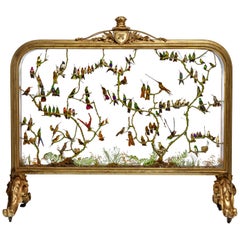
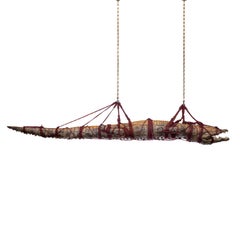
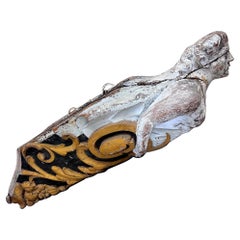
Folk art refers to a genre of art that shares the creator’s traditions, offering not just an artistic display but an opportunity to learn about a culture. Vintage, new and antique folk art typically reflects a heritage or location. It can include utilitarian objects and handmade art as diverse as weather vanes, portraiture and paintings, carnival art, quilts and duck decoys.
American folk art is frequently valued because of the traditional skills involved, like weaving, hand-carving wood and even stonework. Many folk artists are self-taught, while some train as apprentices within their community. By using available materials and taking a personal approach to their creations, artists ensure each piece is unique and conveys a story. Native American folk art includes functional objects reflecting their heritage, such as baskets, textiles and wooden pieces.
During the Great Depression, artistic materials in America were hard to come by, so artisans used discarded wood from cigar boxes and shipping crates to make highly stylized, notched pieces — most often picture frames and boxes — that are today sought after by collectors. This folk art style is called tramp art and was popular from roughly 1870 until the 1940s.
Folk art brings vibrant culture and traditions into your home. Browse an extensive collection of folk art on 1stDibs.