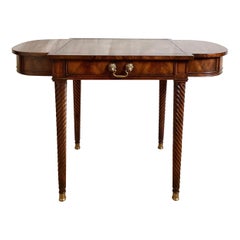
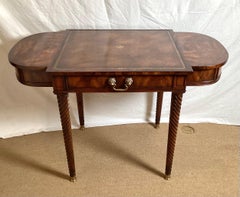
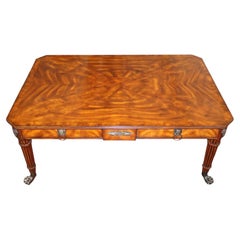
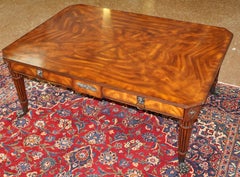
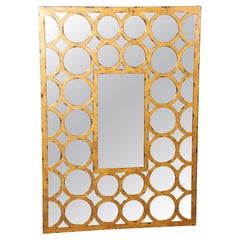
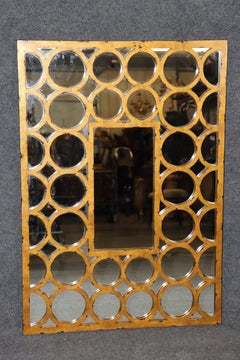
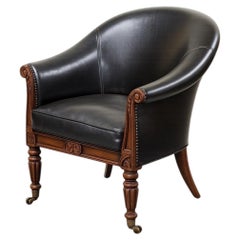
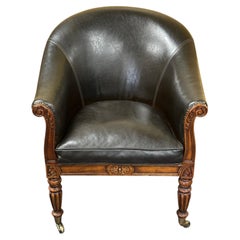
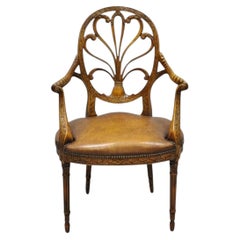
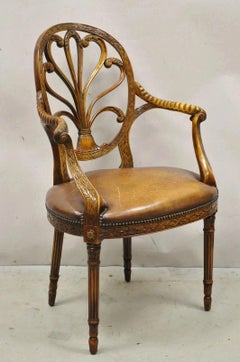
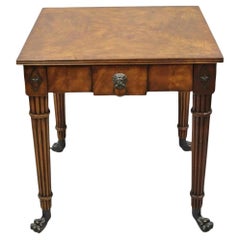
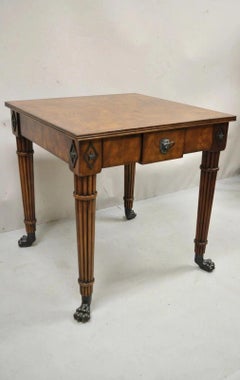
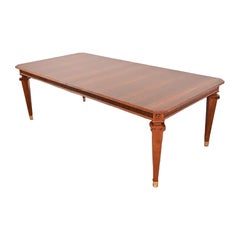
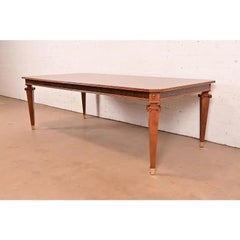
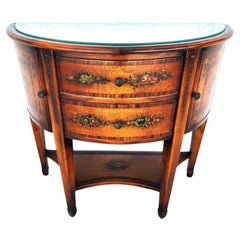
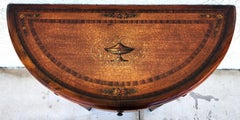
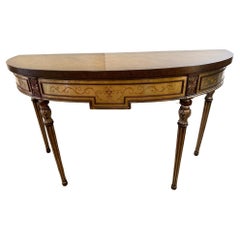
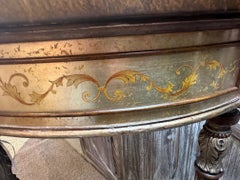
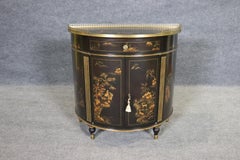
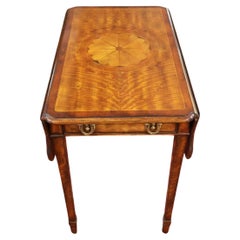
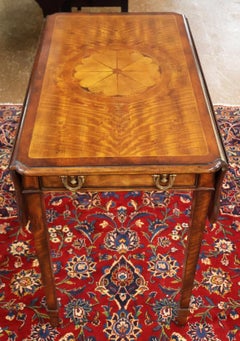
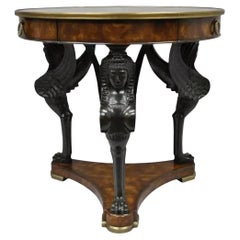
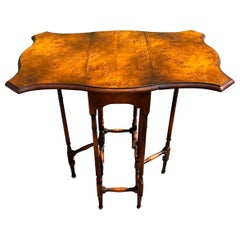
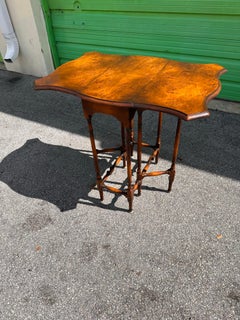
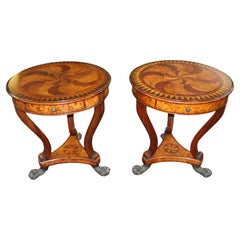
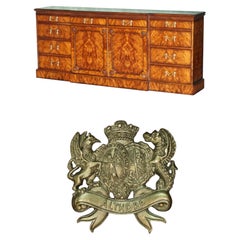
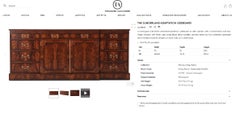
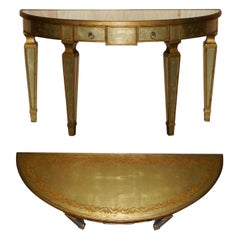
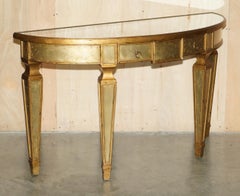
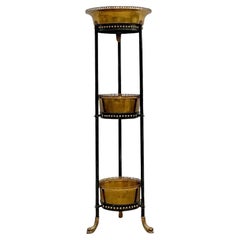
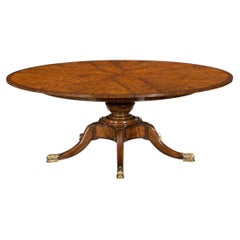
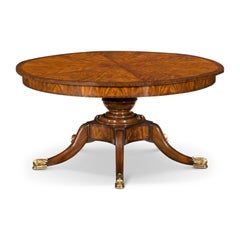
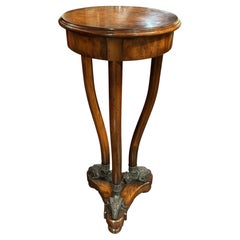
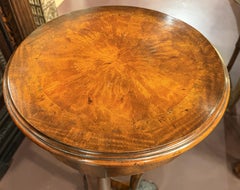
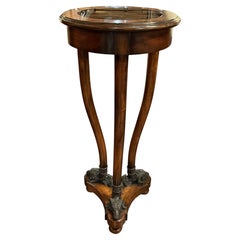
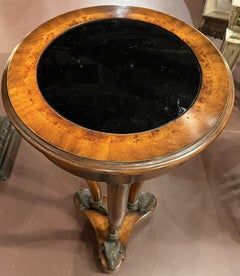
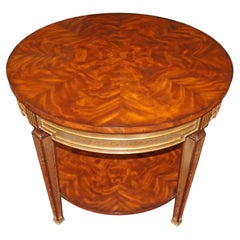
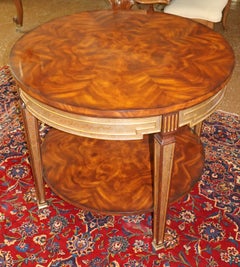
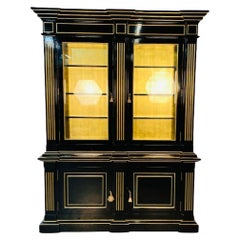
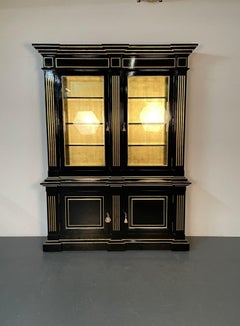
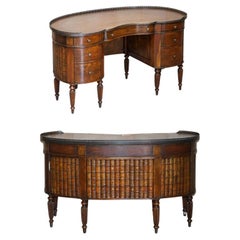
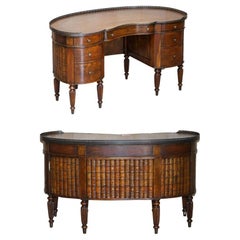
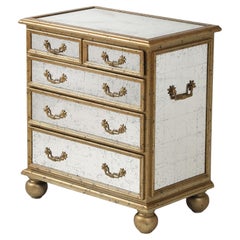
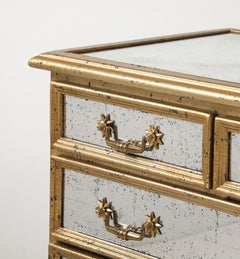
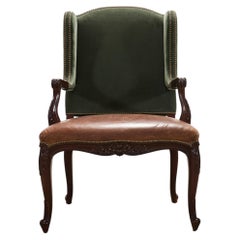
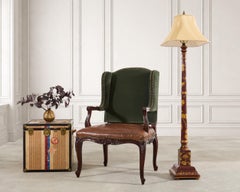
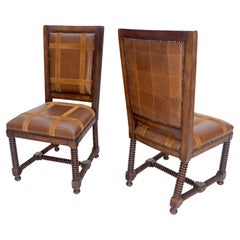
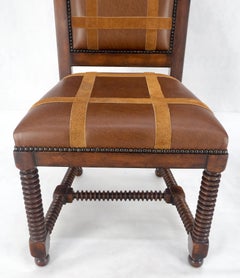
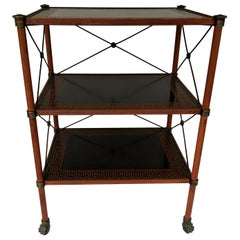
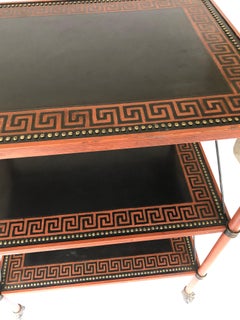
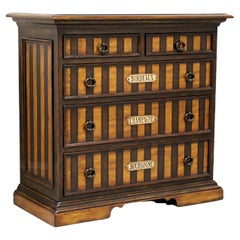
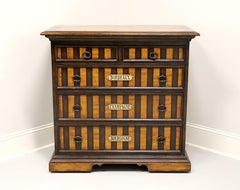
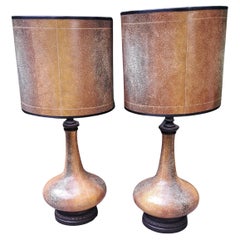
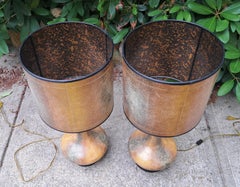
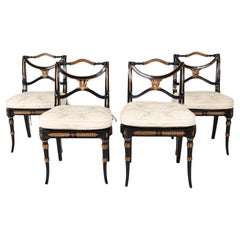
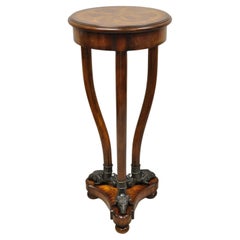
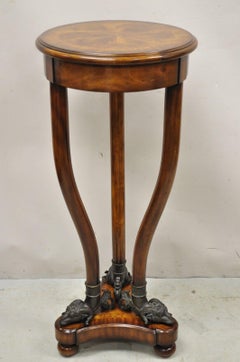
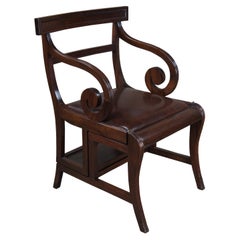
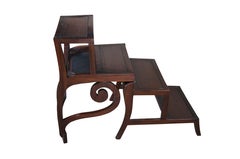
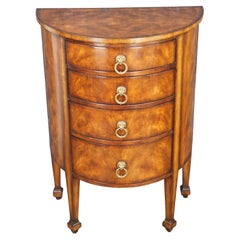
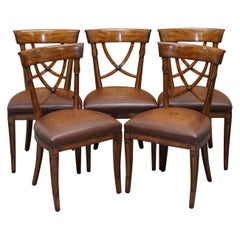
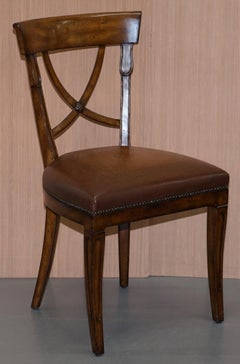
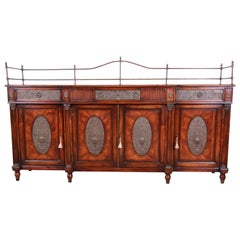
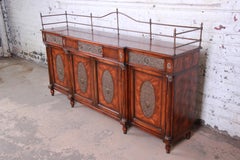
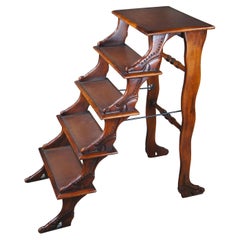
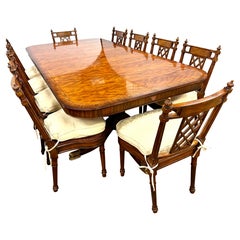
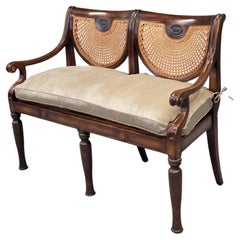
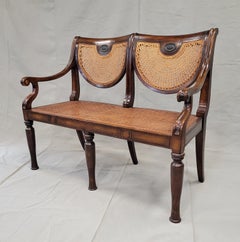
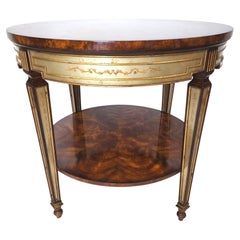
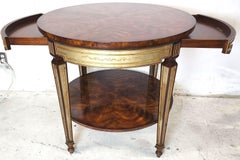
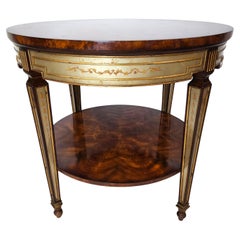
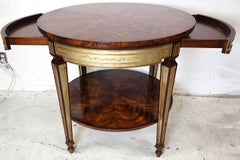
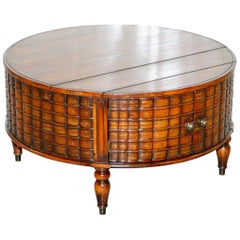
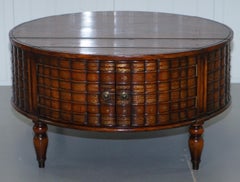
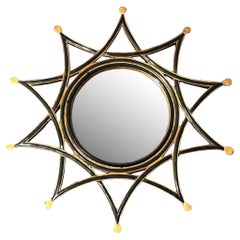
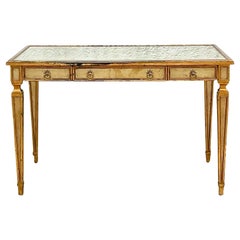
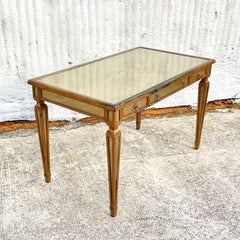
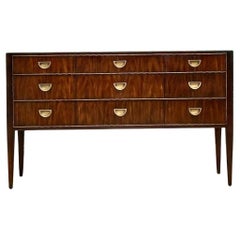
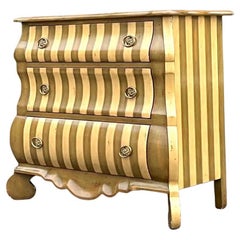
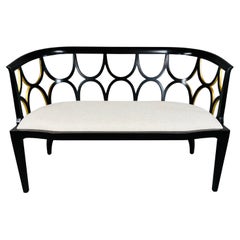
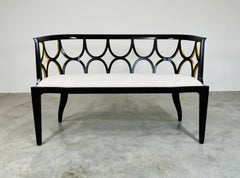
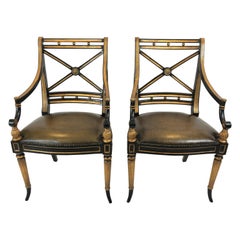
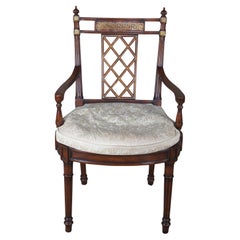
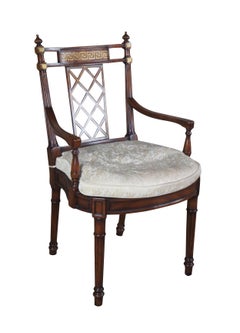
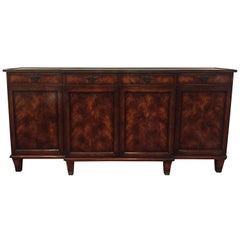
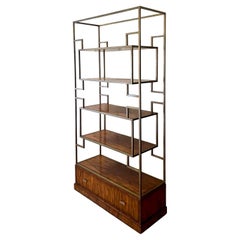
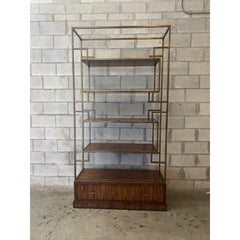
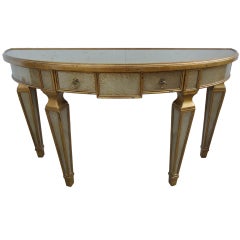
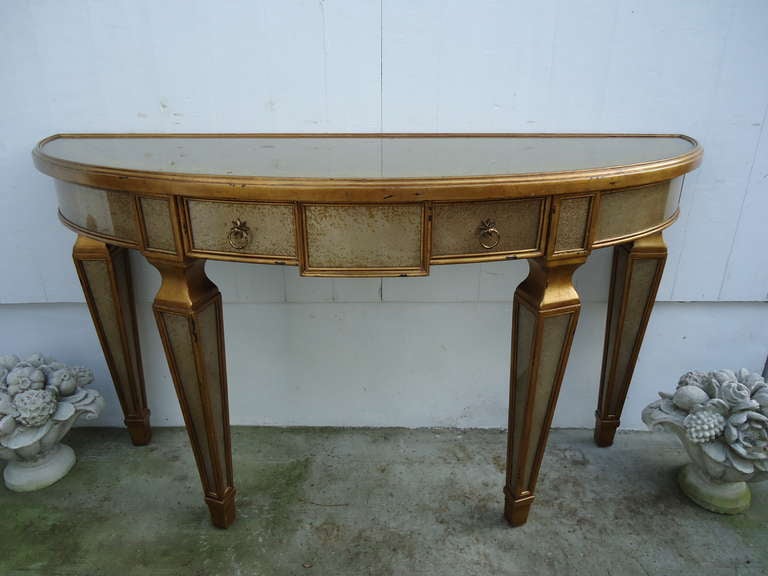
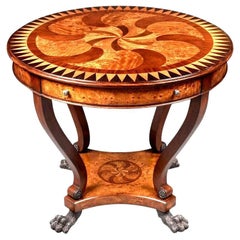
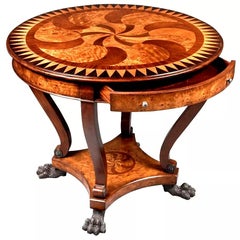
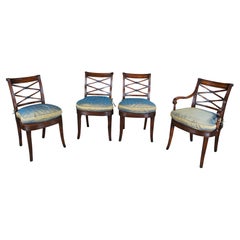
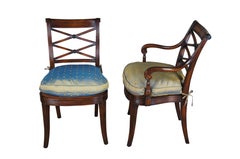
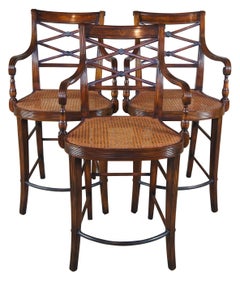
With a vast inventory of beautiful furniture at 1stDibs, we’ve got just the theodore alexander regency you’re looking for. Frequently made of
wood,
mahogany and
animal skin, every theodore alexander regency was constructed with great care. Whether you’re looking for an older or newer theodore alexander regency, there are earlier versions available from the 20th Century and newer variations made as recently as the 21st Century. A theodore alexander regency made by
Regency designers — as well as those associated with
Hollywood Regency — is very popular. You’ll likely find more than one theodore alexander regency that is appealing in its simplicity, but
Theodore Alexander produced versions that are worth a look.
Prices for a theodore alexander regency can differ depending upon size, time period and other attributes — at 1stDibs, they begin at $550 and can go as high as $16,652, while the average can fetch as much as $2,400.
Like France’s Empire style, Regency-style furniture was rooted in neoclassicism; the characteristics of its bedroom furniture, armchairs, dining room tables and other items include clean lines, angular shapes and elegant details.
Dating roughly from the 1790s to 1830s, antique Regency-style furniture gets its name from Prince George of Wales — formally King George IV — who became Prince Regent in 1811 after his father, George III, was declared unfit to rule. England’s Regency style is one of the styles represented in Georgian furniture.
George IV’s arts patronage significantly influenced the development of the Regency style, such as the architectural projects under John Nash, which included the renovation of Buckingham House into the formidable Buckingham Palace with a grand neoclassical facade. Celebrated designers of the period include Thomas Sheraton, Henry Holland and Thomas Hope. Like Nash, Hope instilled his work with classical influences, such as saber-legged chairs based on the ancient Greek klismos. He is credited with introducing the term “interior decoration” to English with the 1807 publishing of Household Furniture and Interior Decoration.
Although more subdued than previous styles like Rococo and Baroque, Regency interiors incorporated copious use of chintz fabrics and wallpaper adorned in chinoiserie-style art. Its furniture featured fine materials and luxurious embellishments. Furniture maker George Bullock, for instance, regularly used detailed wood marquetry and metal ornaments on his pieces.
Archaeological discoveries in Egypt and Greece informed Regency-era details, such as carved scrollwork, sphinxes and palmettes, as well as the shape of furniture. A Roman marble cinerary chest, for example, would be reinterpreted into a wooden cabinet. The Napoleonic Wars also inspired furniture, with martial designs like tented beds and camp-style chairs becoming popular. While the reddish-brown mahogany was prominent in this range of pieces, imported woods like zebrawood and ebony were increasingly in demand.
Find a collection of antique Regency tables, seating, decorative objects and other furniture on 1stDibs.