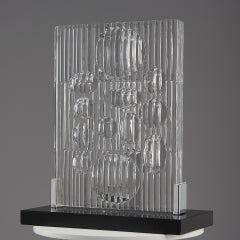
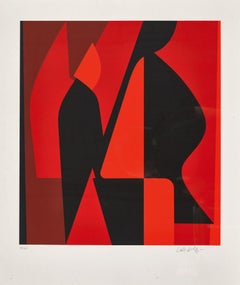
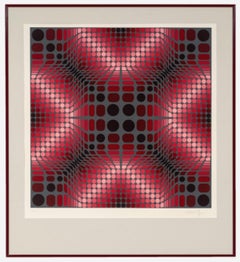
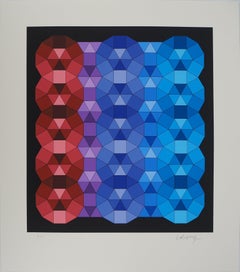
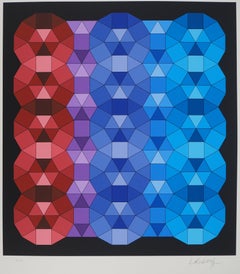
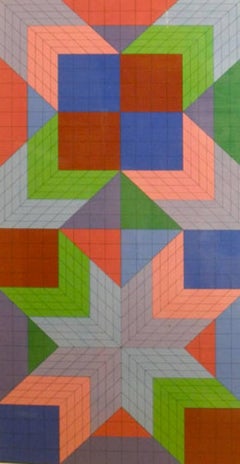
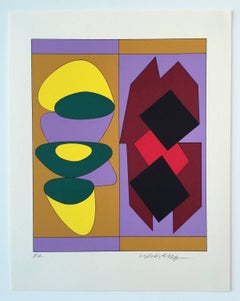
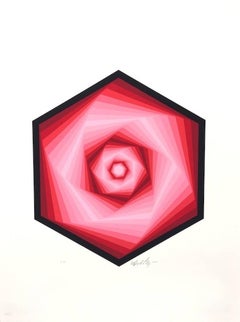
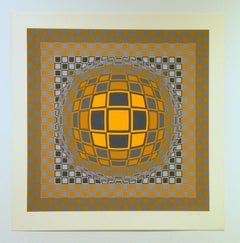
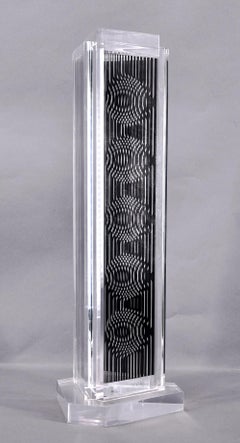
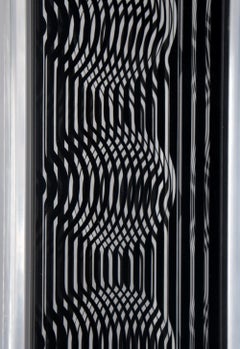
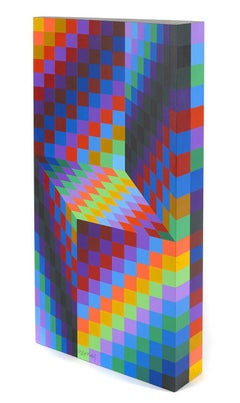
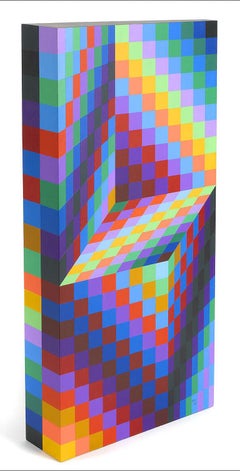
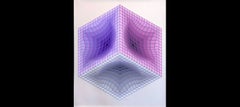
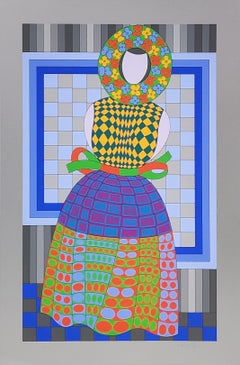
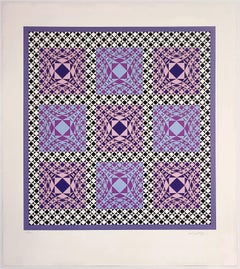
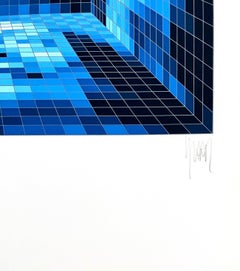
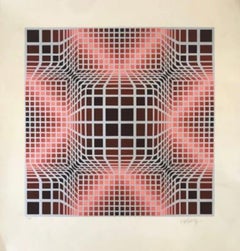
On 1stDibs, you can find the most appropriate vasarely 1980 for your needs in our varied inventory. You can easily find an example made in the
Contemporary style, while we also have 11
Contemporary versions to choose from as well. Finding the perfect vasarely 1980 may mean sifting through those created during different time periods — you can find an early version that dates to the 20th Century and a newer variation that were made as recently as the 20th Century. Adding a vasarely 1980 to a room that is mostly decorated in warm neutral tones can yield a welcome change — find a piece on 1stDibs that incorporates elements of
gray,
blue,
black,
purple and more. A vasarely 1980 from
Victor Vasarely and
Yvaral (Jean-Pierre Vasarely) — each of whom created distinctive versions of this kind of work — is worth considering. Artworks like these of any era or style can make for thoughtful decor in any space, but a selection from our variety of those made in
screen print,
lithograph and
paper can add an especially memorable touch.
A vasarely 1980 can differ in price owing to various characteristics — the average selling price for items in our inventory is $2,017, while the lowest priced sells for $125 and the highest can go for as much as $33,965.
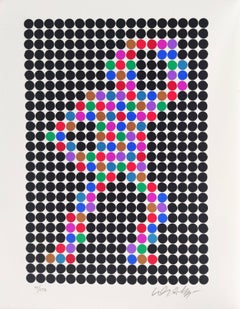
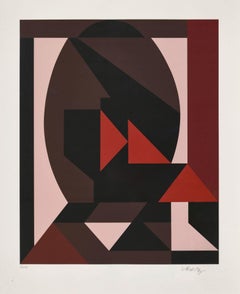
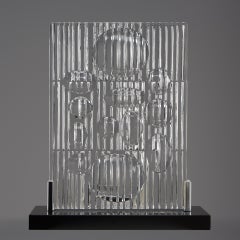
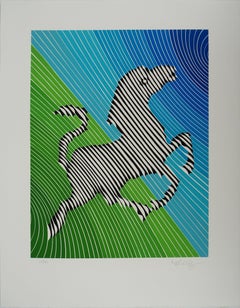
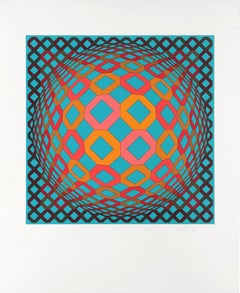
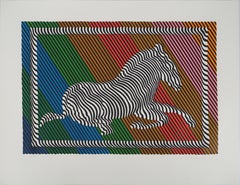
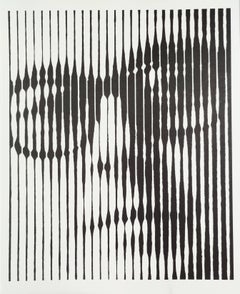
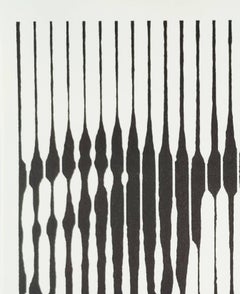
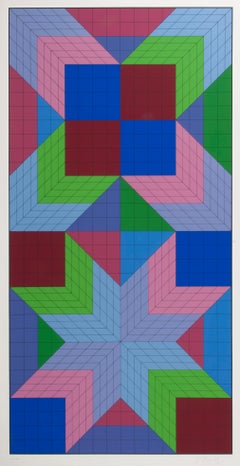
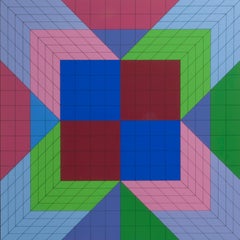
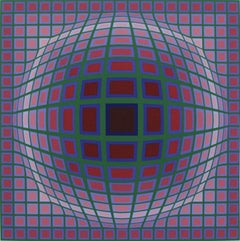
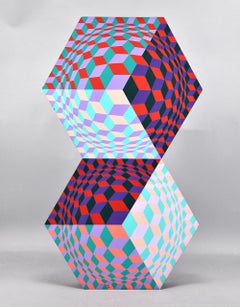
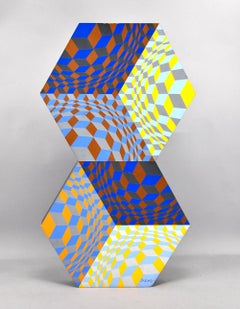
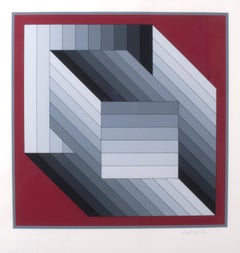
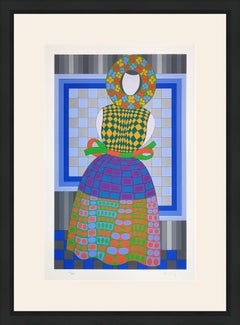
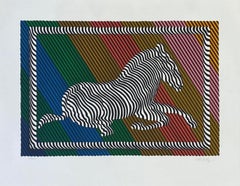
Widely considered the grandfather of Op art, the French-Hungarian painter Victor Vasarely (1906–97) created eye-popping geometric abstractions that play with the viewer’s perception of depth, perspective and motion. A classic example is the 1937 Zebra, which consists of undulating black and white stripes that suggest the form of the titular animal through optical trickery. The work is often credited as the earliest Op art painting.
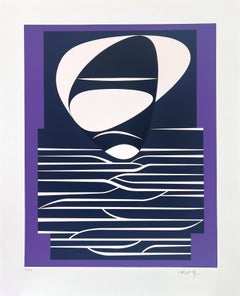
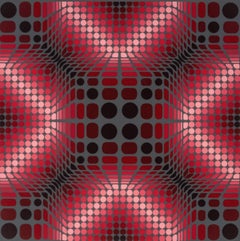
Such illusions were more than pleasing tricks for Vasarely, who insisted that “pure form and pure color can signify the world.” He wanted to “democratize” art by producing works in large editions at reasonable prices that were understandable across national and cultural boundaries. In the 1960s, he developed an alphabet plastique, or fine art alphabet, consisting of elementary visual building blocks that could be used in endless combinations to create original compositions. By employing this universal visual vocabulary and stripping away topical references, he sought to create what he called a “Planetary Folklore.”
Embodying Vasarely’s singular belief that art should serve a social function, accessible to all, these innovations may perhaps be his greatest contribution to 20th-century art.
Find a collection of Victor Vasarely prints, paintings, sculptures and other art on 1stDibs.