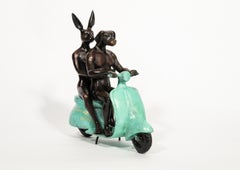
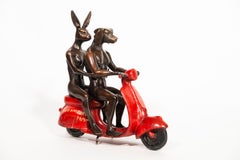
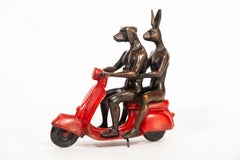
‘We are two people working as one, with a single vision — something no one else is doing in art’.
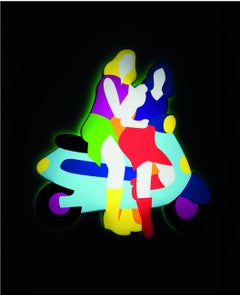
The Australian artistic duo Gillie and Marc Schattner have worked together for 27 years creating art as one and “spreading the love they have for each other across the world.” The artists first met on a film shoot in Hong Kong and 7 days were married in Nepal at the foot of Mount Everest.
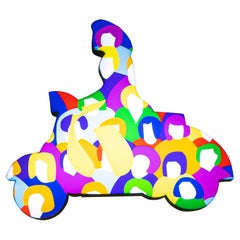
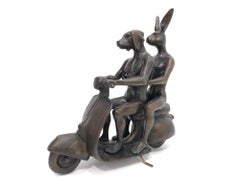
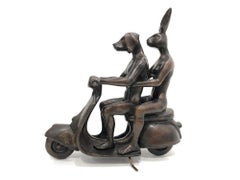
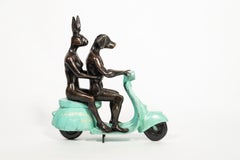
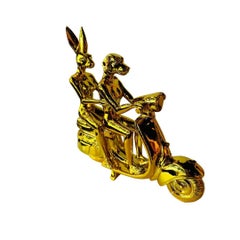
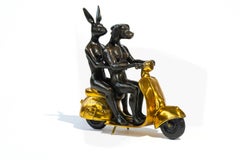
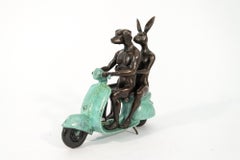
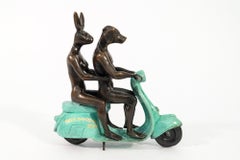
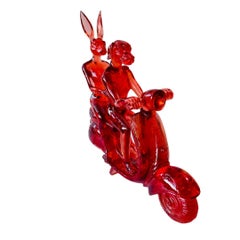
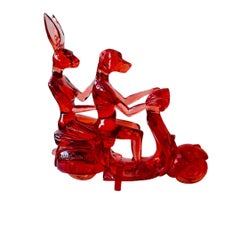
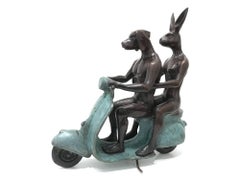
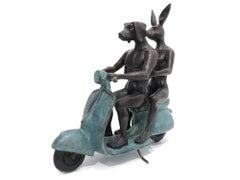
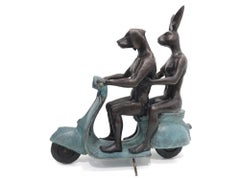
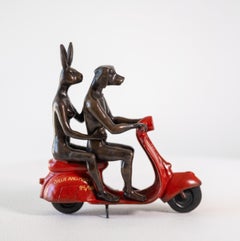
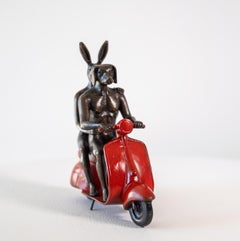
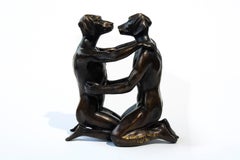
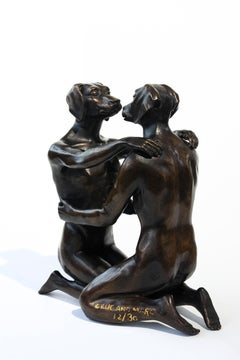
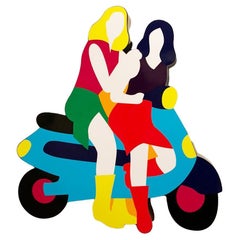
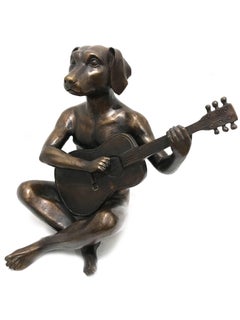
The artists are best known for their beloved characters, Rabbitwoman and Dogman, who tell the autobiographical tale of two opposites coming together to become best friends and soul mates. As unlikely animal kingdom companions, the two stand for diversity and acceptance through love.
Gillie and Marc are passionate eco-warriors and advocate for the protection of animals and the earth. Gillie grew up in Zambia and realized her love for art by sketching the wildlife around her. As a child, she was witness to the murder of an elephant brutally and thereafter dedicated her life and work to protecting animals. While in his twenties, Marc fell in love with conservation on a trip to Tanzania to see Jane Goodall’s work with chimpanzees. From this experience, he gained a deep appreciation of all living and the importance of protecting the balance of nature.
Gillie and Marc spread messages of love, equality, and conservation around the world. Their sculptures and paintings can be seen in art galleries and public sites in over 250 cities. The pair are Archibald Prize Finalists, were awarded the Chianciano Biennale in Italy, won People’s Choice Award in Sydney’s Sculpture by the Sea 2 years in a row, and have earned other notable awards and accolades. Their art has raised hundreds of thousands in donations for the many wildlife charities and causes they support.
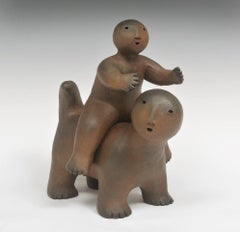
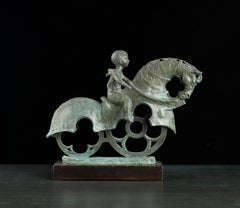
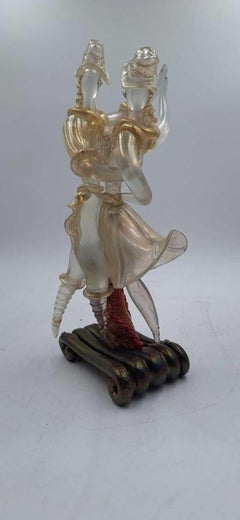
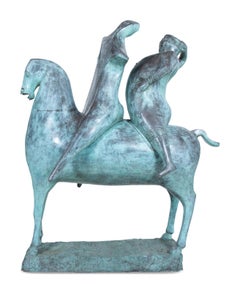
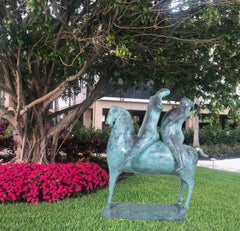
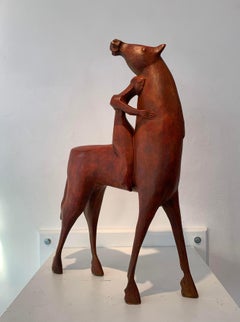
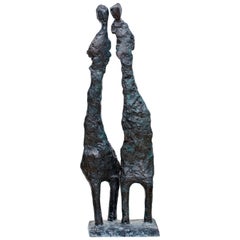
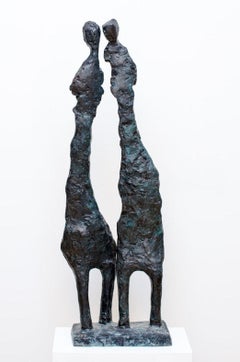
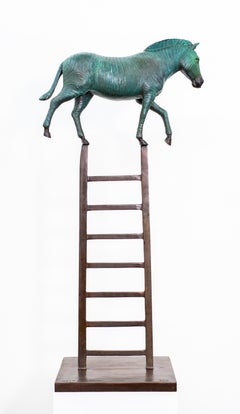
Figurative sculptures mix reality and imagination, with the most common muse being the human body. Animals are also inspirations for these sculptures, along with forms found in nature.
While figurative sculpture dates back over 35,000 years, the term came into popularity in the 20th century to distinguish it from abstract art. It was aligned with the Expressionist movement in that many of its artists portrayed reality but in a nonnaturalistic and emotional way. In the 1940s, Alberto Giacometti — a Swiss-born artist who was interested in African art, Cubism and Surrealism — created now-iconic representational sculptures of the human figure, and after World War II, figurative sculpture as a movement continued to flourish in Europe.
Lucian Freud and Francis Bacon were some of the leading figurative artists during this period. Artists like Jeff Koons and Maurizio Cattelan propelled the evolution of figurative sculpture into the 21st century.
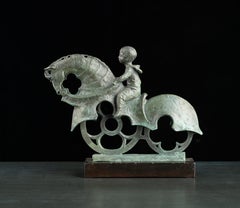
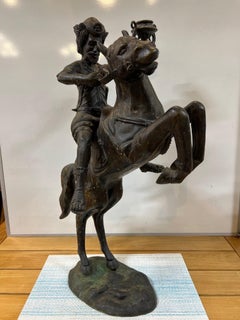
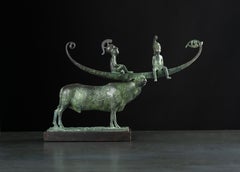
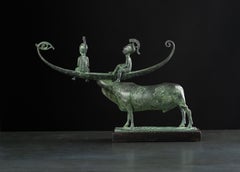
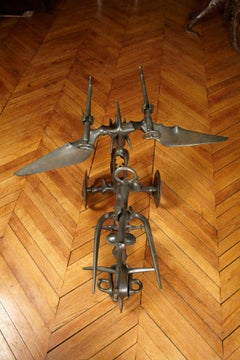
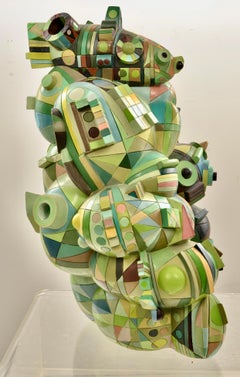
Figurative sculptures can be whimsical, uncanny and beautiful. Their materials range from stone and wood to metal and delicate ceramics. Even in smaller sizes, the sculptures make bold statements. A bronze sculpture by Salvador Dalí enhances a room; a statuesque bull by Jacques Owczarek depicts strength with its broad chest while its thin legs speak of fragility. Figurative sculptures allow viewers to see what is possible when life is reimagined.
Browse 1stDibs for an extensive collection of figurative sculptures and find the next addition to your collection.