Wabi Sabi Door

to
5
11
5
86
73
36
24
7
6
4
4
4
2
2
2
2
1
1
1
1
1
3
1
Sort By
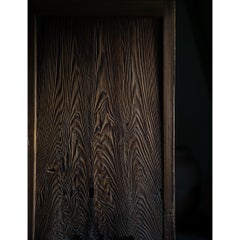
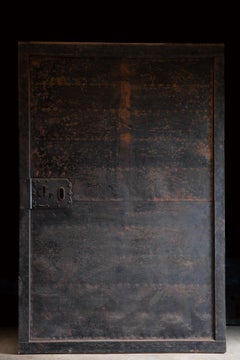
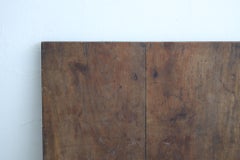
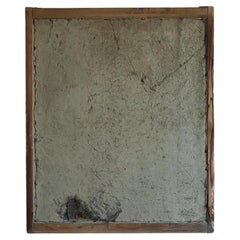
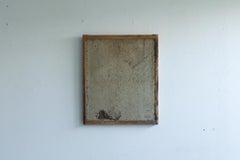
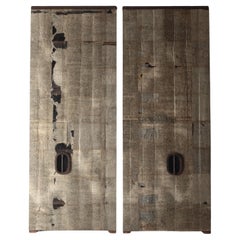
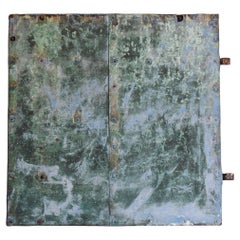
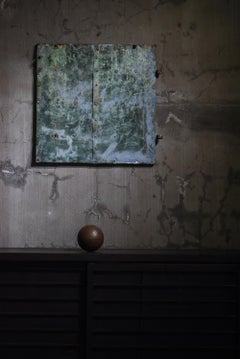
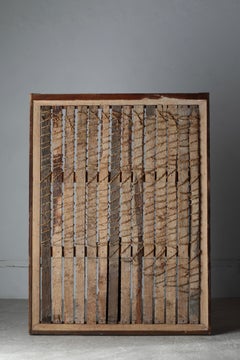
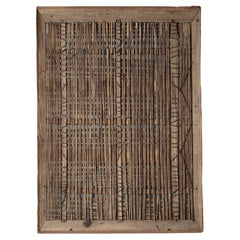
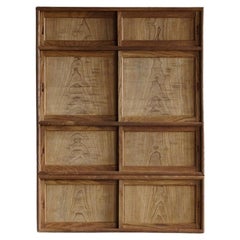
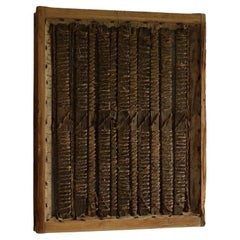
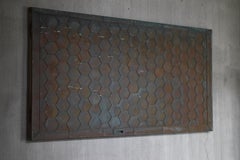
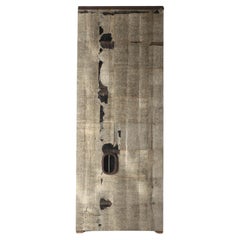
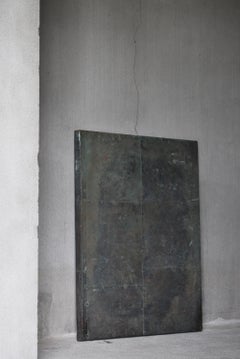
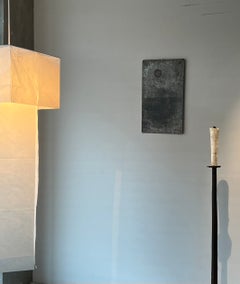
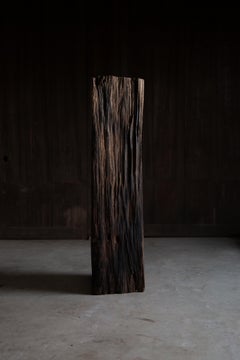
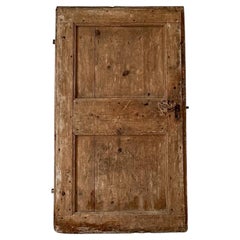
Japanese Antique Door, Abstract Art Wabi Sabi, 1860s-1900s

Japanese Antique Door, Abstract Art Wabi Sabi, 1860s-1900s

Located in Katori-Shi, 12

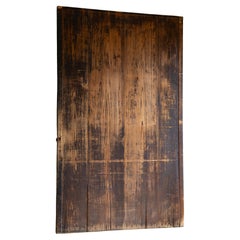
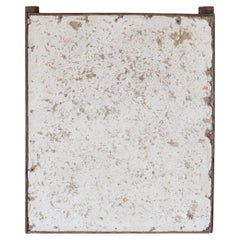
You can feel the world of wabi and sabi. Recommended as a wall painting.

Category

Early 20th Century Meiji Doors and Gates

Materials

Wood

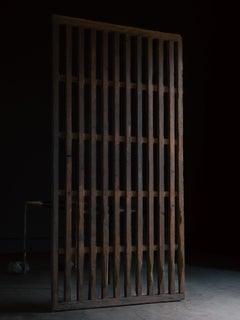
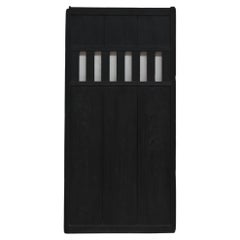
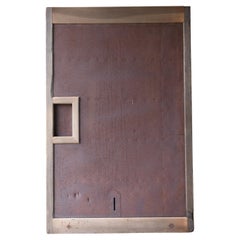
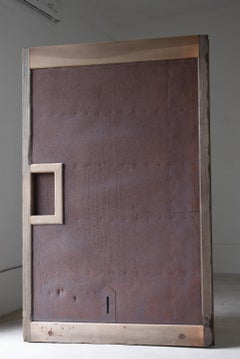
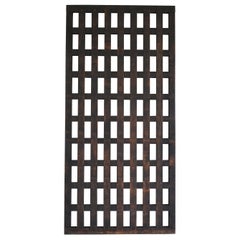
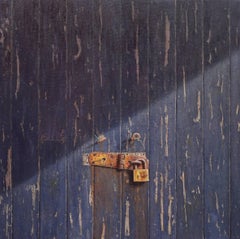
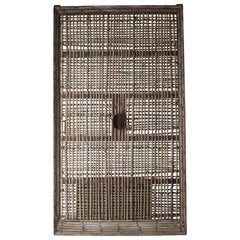
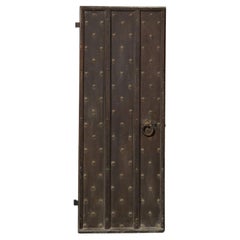
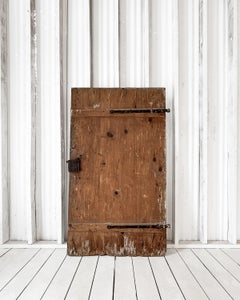
1860s-90s wabi sabi Japanese thick black sliding lattice door, exterior door

1860s-90s wabi sabi Japanese thick black sliding lattice door, exterior door

Located in 常陸大宮市, JP

Original paint remains well and gives a nice wabi sabi touch. Made with traditional wood joinery without metal fastener, by professional craftsman called Sashimono-shi, recognized se...

Category

Antique Late 19th Century Japanese Edo Doors and Gates

Materials

Wood

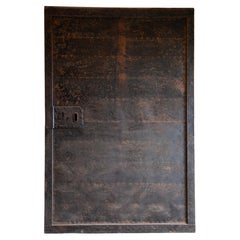
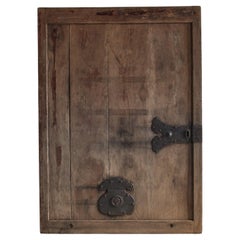
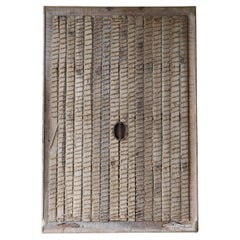
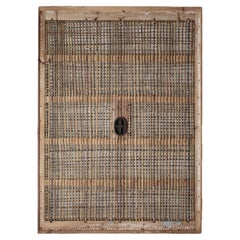
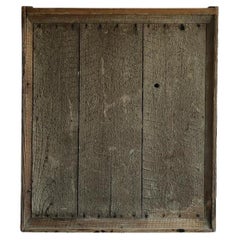
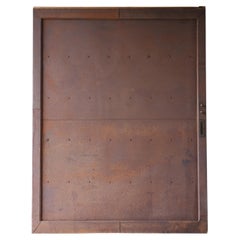
1910s-30s Japanese antique Itado, wabi sabi wide wooden sliding door

1910s-30s Japanese antique Itado, wabi sabi wide wooden sliding door

Located in 常陸大宮市, JP

Antique iron ring attached as a door pull, gives another wabi sabi accent to the door.

Category

Antique Early 19th Century Doors and Gates

Materials

Wood, Cedar

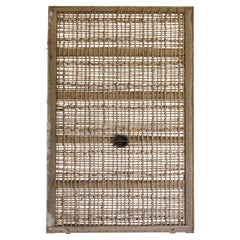
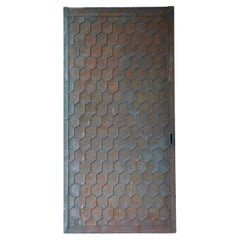
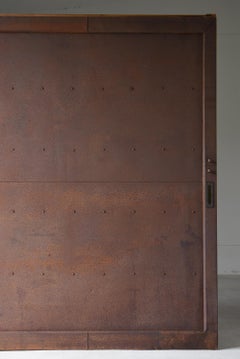
Japanese Antique Sliding Door with Galvanized Steel 1860s-1900s / Wabi Sabi

Japanese Antique Sliding Door with Galvanized Steel 1860s-1900s / Wabi Sabi

Located in Chōsei District Nagara, JP

Its weathered textures and layered materials embody the beauty of imperfection and transience—a reflection of the Japanese philosophy of wabi-sabi. Whether mounted as wall art, used ...

Category

Early 20th Century Japanese Meiji Doors and Gates

Materials

Steel

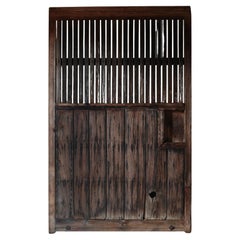
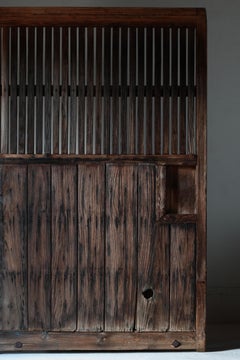
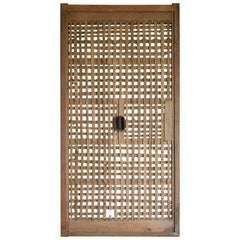
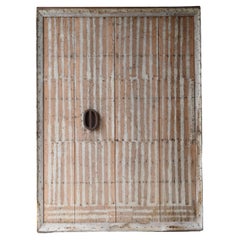
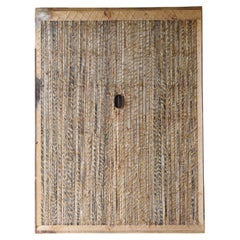
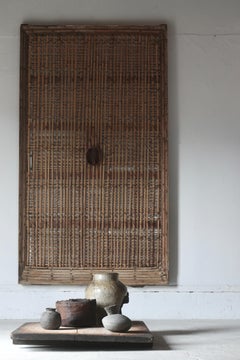
Huge Wabi Sabi Early 19th Japanese Charred Cedar Door Wall Art

Huge Wabi Sabi Early 19th Japanese Charred Cedar Door Wall Art

Located in London, GB

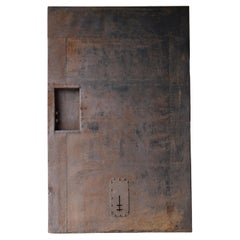
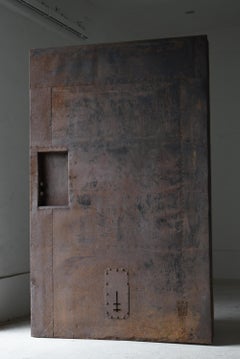
A huge early 19th century Edo period Japanese door in charred cedar. Sliding panel in place to see who is knocking.. Exquisite Japanese joinery. - We offer free shipping to t...

Category

Antique Mid-19th Century Japanese Edo Doors and Gates

Materials

Cedar

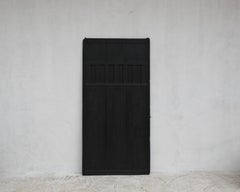
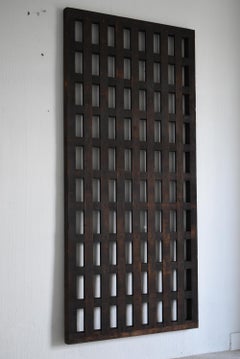
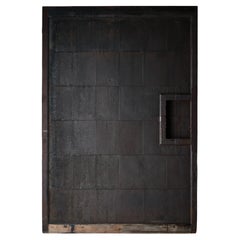
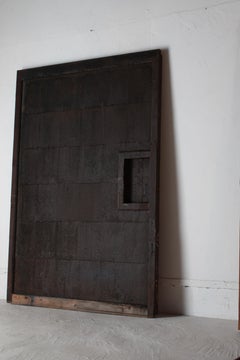
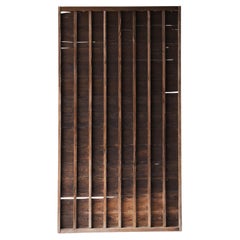
1860s-90s wabi sabi Japanese thick black sliding lattice door w/ panel

1860s-90s wabi sabi Japanese thick black sliding lattice door w/ panel

Located in 常陸大宮市, JP

Original paint remains well and gives a nice wabi sabi touch. Made with traditional wood joinery without metal fastener, by professional craftsman called sashimono-shi, historically ...

Category

Antique Late 19th Century Japanese Edo Doors and Gates

Materials

Wood

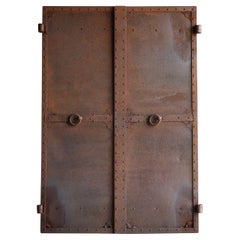
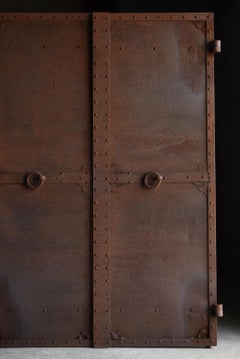
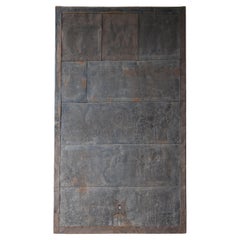
Japanese Antique large iron plated Kurado, wabi sabi Storehouse door 1870s-1900s

Japanese Antique large iron plated Kurado, wabi sabi Storehouse door 1870s-1900s

Located in 常陸大宮市, JP

A Japanese antique Kurado, a large, thick iron-plated wooden door for the entrance of Kura (a traditional storehouse), made of solid Keyaki Zelkova. It was manufactured in the 1870s–...

Category

Antique Early 19th Century Japanese Meiji Doors and Gates

Materials

Iron

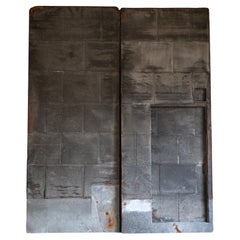
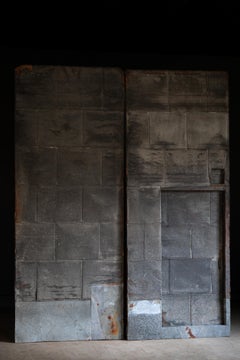
Antique Japanese tin clad tall & thick huge sliding doors, wabi sabi primitive

Antique Japanese tin clad tall & thick huge sliding doors, wabi sabi primitive

Located in 常陸大宮市, JP

A pair of tall, thick and huge antique wooden sliding doors covered with tin-coated iron sheet panels. These types of doors were used at the gate / entrance of western-influenced la...

Category

Antique Late 19th Century Japanese Meiji Doors and Gates

Materials

Metal, Tin, Iron

1870s-1920s Japanese antique Yoshino cedar garden exterior door rustic wabi sabi

1870s-1920s Japanese antique Yoshino cedar garden exterior door rustic wabi sabi

Located in 常陸大宮市, JP

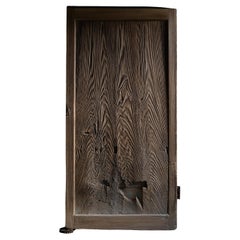
Made of well-aged Yoshino Cedar solid wood board, using the part with dynamic grains, as a wabi sabi taste decoration. (even some small pieces are nailed to the base plate to prevent...

Category

Antique Late 19th Century Japanese Rustic Doors and Gates

Materials

Wood, Cedar

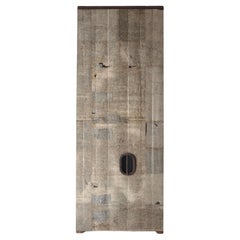
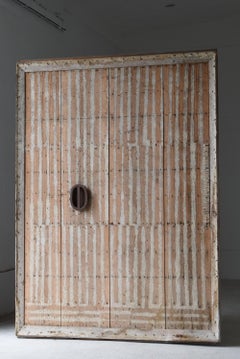
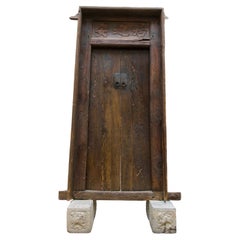
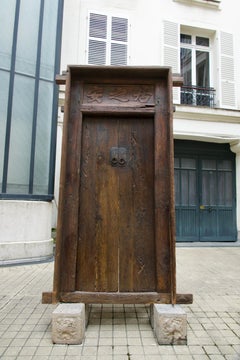
XXL Late Edo Period Japanese Cedar “Kura” Door/Wall Hanging Wabi Sabi

XXL Late Edo Period Japanese Cedar “Kura” Door/Wall Hanging Wabi Sabi

Located in London, GB

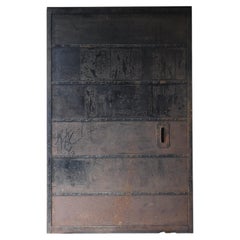
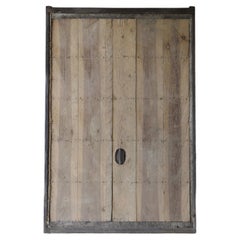
A huge early 19th C. Japanese Kura door in cedar. Beautifully patinated bleached-out wood with hand forged wrought iron plaque/lock. Can either be used as a door or a large art work.

Category

Antique Early 19th Century Japanese Edo Doors and Gates

Materials

Iron

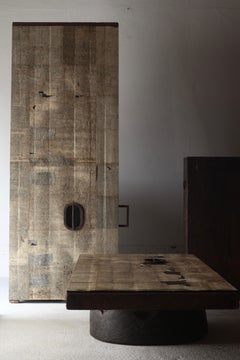
Japanese Antique Iron Plate Door 1860s-1900s / Low Table Sofa Table Wabi Sabi

Japanese Antique Iron Plate Door 1860s-1900s / Low Table Sofa Table Wabi Sabi

Located in Chōsei District Nagara, JP

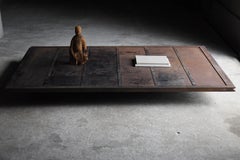
It can also be used as a table top on its side to add a Japanese essence and vintage flavor to a space. The spirit of “wabi-sabi” resides in this piece. Tranquility, age, and the be...

Category

Early 20th Century Japanese Meiji Doors and Gates

Materials

Iron

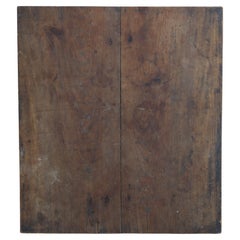
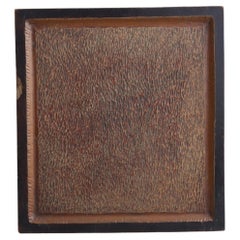
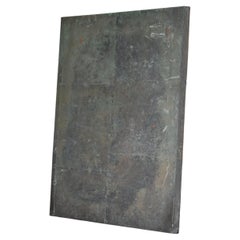
Japanese Antique Wooden Board , Wall Decoration Abstract Art , Wabi-Sabi

Japanese Antique Wooden Board , Wall Decoration Abstract Art , Wabi-Sabi

Located in Katori-Shi, 12

This wooden board was made in the Taisho era. It was used as a "mochi board." A "mochi board" is a board from the Meiji era that was used as a workbench for kneading flour, and is m...

Category

Early 20th Century Japanese Taisho Doors and Gates

Materials

Wood

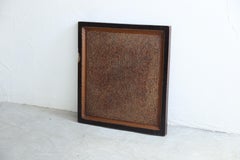
Japanese Antique Wood Carving Wall Panel, Abstract Art , Wabi Sabi

Japanese Antique Wood Carving Wall Panel, Abstract Art , Wabi Sabi

Located in Katori-Shi, 12

This wall-hanging carved wooden ornament is made from recycled zelkova wood from a kotatsu table from the Meiji period. The beautiful grain of the wood has been carefully carved by ...

Category

Early 20th Century Japanese Meiji Doors and Gates

Materials

Wood

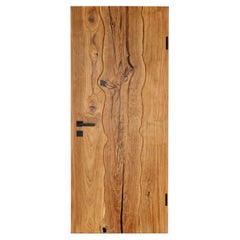
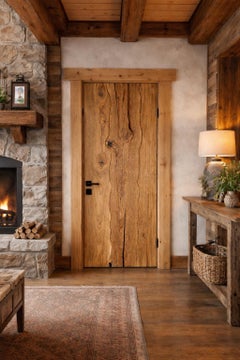
Modern Rustic Solid Oak Interior Door with Organic Seam, Custom Sizes

Modern Rustic Solid Oak Interior Door with Organic Seam, Custom Sizes

Located in Burlăceni, Cahul District

Tegs: modern rustic interior door solid oak door handcrafted wooden door organic seam door contemporary wood door architectural interior door custom oak door natural wood interior d...

Category

21st Century and Contemporary Moldovan Rustic Doors and Gates

Materials

Oak, Pine

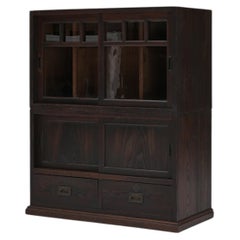
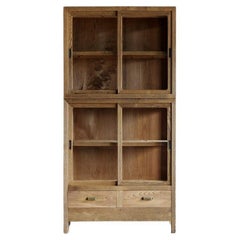
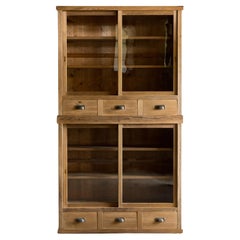
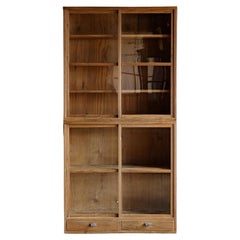
Japanese Antique Chestnut Cabinet with Glass Doors, Wabi-Sabi

Japanese Antique Chestnut Cabinet with Glass Doors, Wabi-Sabi

Located in Chiba, Chiba

A Japanese antique storage cabinet crafted from chestnut wood, defined by its calm presence and deep, matured tone. The cabinet is composed in two sections: the upper part features g...

Category

Early 20th Century Japanese Furniture

Materials

Wood

Japanese Antique Wooden Door / Wall Decoration / 1868-1912s / Wabi-Sabi

Japanese Antique Wooden Door / Wall Decoration / 1868-1912s / Wabi-Sabi

Located in Shizukuishi-cho, Iwate-gun, Iwate Prefecture

This exceptional Japanese storehouse door embodies the aesthetics of wabi-sabi. Once used to protect valuables in a merchant's warehouse, it featured a traditional plaster finish, bu...

Category

Antique Late 19th Century Japanese Meiji Decorative Art

Materials

Iron

Japanese Antique Huge Door " Wall Decoration " 1860s-1900s / Wabi Sabi"

Japanese Antique Huge Door " Wall Decoration " 1860s-1900s / Wabi Sabi"

Located in Sammu-shi, Chiba

This piece is a profound expression of the Japanese philosophy of wabi-sabi — the beauty found in imperfection, impermanence, and natural aging.

Category

Early 20th Century Japanese Meiji Decorative Art

Materials

Iron

Japanese Antique Huge Door " Wall Decoration " 1860s-1900s / Wabi Sabi"

Japanese Antique Huge Door " Wall Decoration " 1860s-1900s / Wabi Sabi"

Located in Sammu-shi, Chiba

Japanese Antique Huge Door " Wall Decoration " 1860s-1900s / Wabi Sabi This extraordinary large sliding door was once used in an old warehouse in Japan.

Category

Early 20th Century Japanese Meiji Decorative Art

Materials

Iron

Bar Wabi Sabi Multi-Color Glass Doors by Orfeo Quagliata

Bar Wabi Sabi Multi-Color Glass Doors by Orfeo Quagliata

By Orfeo Quagliata

Located in Naucalpan, Edo de Mex

Bar designed by Orfeo Quagliata in collaboration with Taracea Furniture. A Perfectly functional furniture object which doors are made 100% of high quality fused glass, created with ...

Category

2010s Mexican Buffets

Materials

Wood, Glass

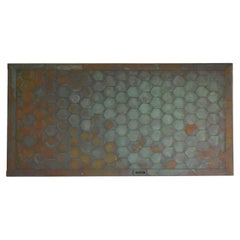
Antique Tin Door " Wall Decoration " from Japan 1920s-1950s / Wabi Sabi

Antique Tin Door " Wall Decoration " from Japan 1920s-1950s / Wabi Sabi

By Axel Vervoordt

Located in Sammu-shi, Chiba

This piece embodies the spirit of "wabi-sabi," a Japanese aesthetic that finds beauty in imperfection and transience.

Category

Early 20th Century Japanese Showa Decorative Art

Materials

Tin

Chinese Wabi Sabi Farm Table

Chinese Wabi Sabi Farm Table

Located in Chicago, IL

This reclaimed beech wood dining table exemplifies Organic Modern style with raw wood texture and plenty of wabi-sabi appeal. An antique farm door comprises the expansive top, minima...

Category

21st Century and Contemporary Chinese Organic Modern Dining Room Tables

Materials

Reclaimed Wood

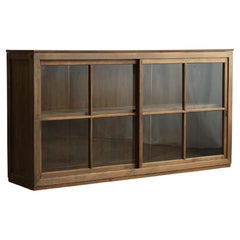
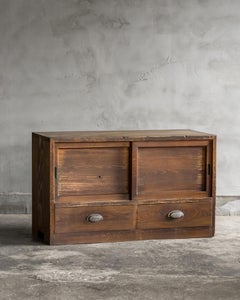
Japanese Vintage Sliding-Door Cabinet, Early Showa Period (1926–1945), Wabi Sabi

Japanese Vintage Sliding-Door Cabinet, Early Showa Period (1926–1945), Wabi Sabi

Located in Hitachiomiya-shi, 08

Some darkened stains remain inside, all of which contribute to the cabinet’s natural wabi-sabi presence. Despite these marks, the structure is solid and stable, making it fully pract...

Category

Mid-20th Century Japanese Showa Cabinets

Materials

Cedar

Japanese Vintage Sliding-Door Cabinet (Cha Tansu), Early Showa Era, Wabi Sabi

Japanese Vintage Sliding-Door Cabinet (Cha Tansu), Early Showa Era, Wabi Sabi

Located in Hitachiomiya-shi, 08

This Japanese sliding-door cabinet (cha tansu) was crafted during the early Showa Period (1926–1945) in hinoki cypress, a wood valued for its fine grain, durability, and calming natu...

Category

Mid-20th Century Japanese Showa Cabinets

Materials

Cypress, Wood

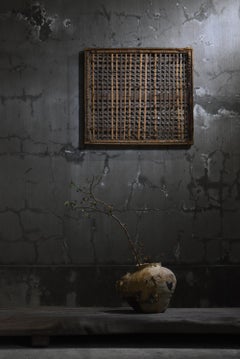
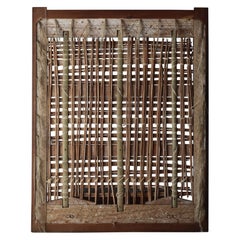
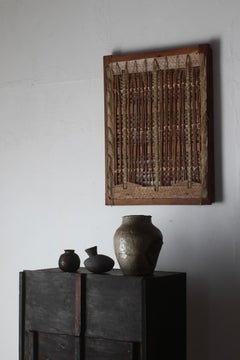
Japanese Antique Small Door Wall Decoration 1860s-1900s / Abstract Art Wabi Sabi

Japanese Antique Small Door Wall Decoration 1860s-1900s / Abstract Art Wabi Sabi

Located in Chōsei District Nagara, JP

This is an old small window frame made in Japan. It was originally used as a traditional Japanese mud wall fixture. It dates back to the Meiji period (1860s-1900s) and has been in us...

Category

Early 20th Century Japanese Meiji Decorative Art

Materials

Bamboo, Cedar

Mid 19th Edo Japanese Antique Wabi-Sabi Wooden Tansu Cabinet with Lattice Doors

Mid 19th Edo Japanese Antique Wabi-Sabi Wooden Tansu Cabinet with Lattice Doors

Located in 常陸大宮市, JP

The original urushi lacquer has a nice wabi-sabi touch. Layers of urushi lacquer, persimmon tannin (kakishibu), and burnt pine ink create a warm, dark color with a slight reddish hue...

Category

Antique Mid-19th Century Japanese Edo Cabinets

Materials

Wood, Cedar

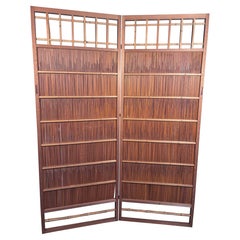
D18 Japanese Antiques, fittings, Shoji screen 2 doors, wabi-sabi style, folk art

D18 Japanese Antiques, fittings, Shoji screen 2 doors, wabi-sabi style, folk art

Located in Niiza, JP

Size1: Depth *3cm Width *85cm Height *174cm 3kg Size2: Depth *3cm Width *89cm Height *176cm 3kg Estimated packing size: (Sandwich with 5-10mm plywood) 15 × 95 × 185cm 23kg These are...

Category

Antique 19th Century Japanese Antiquities

Materials

Wood, Paper

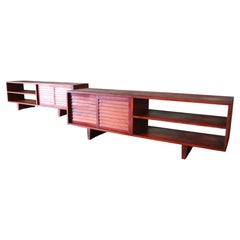
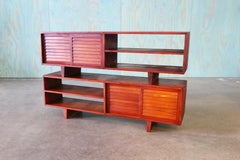
Wabi Sabi Double sided Console Tables in Pine with Louvered doors - a Pair

Wabi Sabi Double sided Console Tables in Pine with Louvered doors - a Pair

Located in Virginia Beach, VA

Solid Pine shelving units with louvered doors. These were custom made in the 1970’s and show a nice warm patina. Similar styling to George Nakashima with angle slabbed feet. Great ...

Category

Vintage 1970s American Mid-Century Modern Console Tables

Materials

Pine

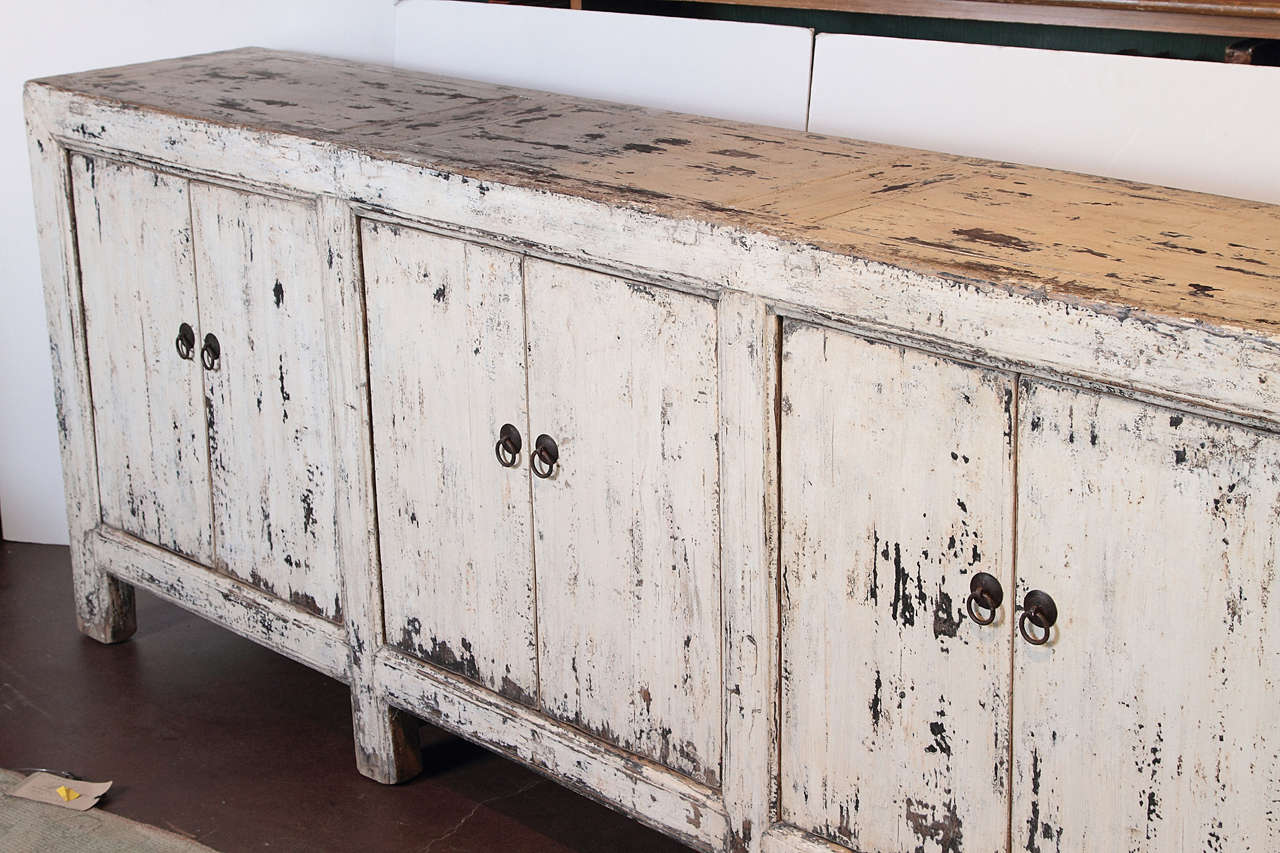
Antique Rustic European Distressed Wood Cabinet

Antique Rustic European Distressed Wood Cabinet

Located in Las Vegas, NV

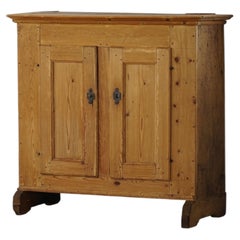
Aged from time and the elements, it has the perfect wabi sabi look. The patinated brass door pulls (etched 1895) are an unexpected moment.

Category

Antique 19th Century Rustic Cabinets

Materials

Wood

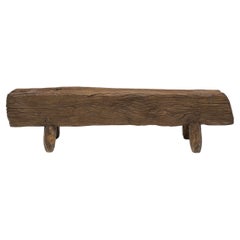
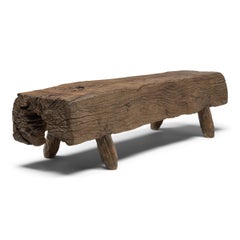
Wabi Sabi Door Bench

Wabi Sabi Door Bench

Located in Chicago, IL

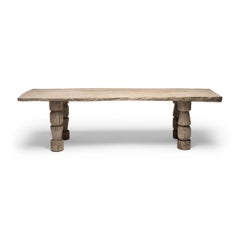
With freeform shape and incredible texture, this low courtyard bench from Shandong province embodies the spirit of wabi-sabi, the Japanese philosophy that beauty and integrity can be...

Category

21st Century and Contemporary Chinese Organic Modern Benches

Materials

Reclaimed Wood

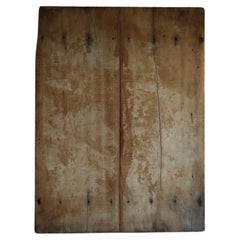
Japanese Antique Door, Abstract Art Wabi Sabi, 1860s-1900s

Japanese Antique Door, Abstract Art Wabi Sabi, 1860s-1900s

Located in Katori-Shi, 12

You can feel the world of wabi and sabi. Recommended as a wall painting.

Category

Early 20th Century Meiji Doors and Gates

Materials

Wood

Japanese Antique Door 1800s-1860s/Architecture Wabi-Sabi Gates

Japanese Antique Door 1800s-1860s/Architecture Wabi-Sabi Gates

Located in Sammu-shi, Chiba

It is wonderful as a work of art, but it could also be used in real life. It is truly a wabi-sabi world. It weighs about 35 kg.

Category

Antique Late 19th Century Japanese Edo Doors and Gates

Materials

Steel

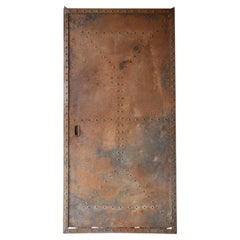
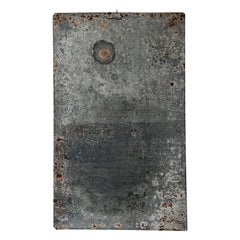
Japanese Antique Door 1800s-1860s / Wall Decoration Wabi Sabi

Japanese Antique Door 1800s-1860s / Wall Decoration Wabi Sabi

Located in Sammu-shi, Chiba

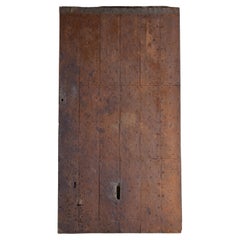
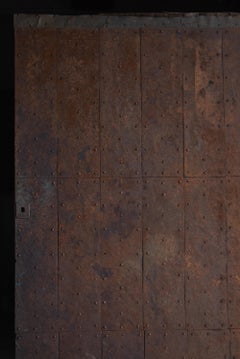
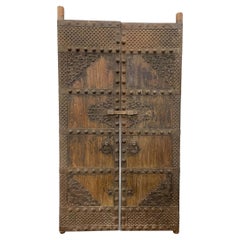
It is a very old, Japanese iron-plated door. This door is from the Edo period (1800s-1860s). It has a cedar frame and is covered with iron plates. Rust has progressed over the years...

Category

Antique Late 19th Century Japanese Edo Doors and Gates

Materials

Iron

Japanese Antique Huge Door 1800s-1860s/Architecture Wabi-Sabi Gates

Japanese Antique Huge Door 1800s-1860s/Architecture Wabi-Sabi Gates

Located in Sammu-shi, Chiba

It is a great piece of art, but it could also be used in real life. It is truly a wabi-sabi world. It weighs about 50 kg.

Category

Antique Late 19th Century Japanese Edo Doors and Gates

Materials

Steel

Japanese Antique Wooden Door / Interior Decoration / 1868-1912s / Wabi-Sabi

Japanese Antique Wooden Door / Interior Decoration / 1868-1912s / Wabi-Sabi

Located in Shizukuishi-cho, Iwate-gun, Iwate Prefecture

This is an old Japanese door. It is thought to date from the Edo or Meiji period. It was used as the door of a traditional warehouse called a "kura." In Japan, old storehouses are ...

Category

Antique Late 19th Century Japanese Primitive Doors and Gates

Materials

Iron

Japanese Antique Oil Paper Pasting Door / Wall Decoration / Wabi-Sabi

Japanese Antique Oil Paper Pasting Door / Wall Decoration / Wabi-Sabi

Located in Shizukuishi-cho, Iwate-gun, Iwate Prefecture

[This item is exclusively for doors without black patterns] This is an original one we made by combining the door of the old Japanese warehouse and oil paper. The door was original...

Category

20th Century Japanese Meiji Doors and Gates

Materials

Iron

Japanese Antique Oil Paper Pasting Door / Wall Decoration / Wabi-Sabi

Japanese Antique Oil Paper Pasting Door / Wall Decoration / Wabi-Sabi

Located in Shizukuishi-cho, Iwate-gun, Iwate Prefecture

This is an original one we made by combining the door of the old Japanese warehouse and oil paper. The door was originally plastered, but it had peeled off due to aging. From leavi...

Category

20th Century Japanese Meiji Doors and Gates

Materials

Iron

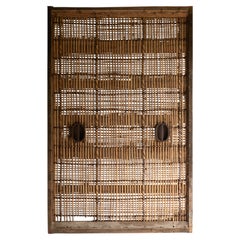
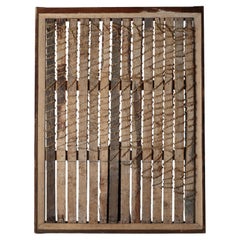
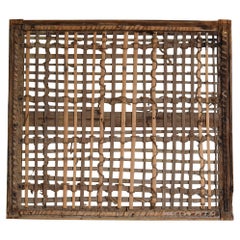
Japanese Antique Bamboo Lathing Door 1860s-1900s / Abstract Art Wabi Sabi

Japanese Antique Bamboo Lathing Door 1860s-1900s / Abstract Art Wabi Sabi

Located in Sammu-shi, Chiba

It can be used as an actual door or hung on the wall as an art piece. This is a very rare door with a wabi-sabi aesthetic.

Category

Early 20th Century Japanese Meiji Doors and Gates

Materials

Bamboo, Cedar

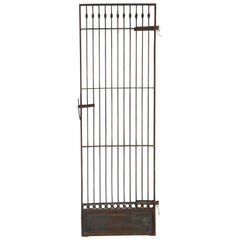
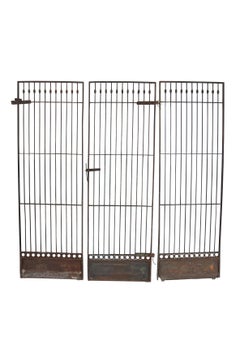
Japanese Antique Iron Double Door 1860s-1920s / Steel Gate Wabi Sabi

Japanese Antique Iron Double Door 1860s-1920s / Steel Gate Wabi Sabi

Located in Sammu-shi, Chiba

This item evokes the spirit of wabi-sabi, the Japanese philosophy of finding beauty in imperfection and impermanence.

Category

Early 20th Century Japanese Meiji Doors and Gates

Materials

Iron

Japanese Antique Huge Galvanized Steel-Clad Door 1920s-1940s / Wabi Sabi

Japanese Antique Huge Galvanized Steel-Clad Door 1920s-1940s / Wabi Sabi

Located in Chōsei District Nagara, JP

It is a one-of-a-kind piece that possesses the depth of old materials and the spirit of wabi-sabi. Weight: approx. 30 kg ____________________________________________ Our Philosophy ...

Category

Vintage 1910s Japanese Showa Doors and Gates

Materials

Tin

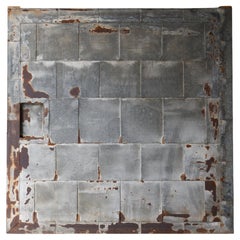
Japanese Antique Huge Door 'Abstract Art' 1800s-1900s/Architecture Wabi-Sabi

Japanese Antique Huge Door 'Abstract Art' 1800s-1900s/Architecture Wabi-Sabi

Located in Sammu-shi, Chiba

This was a very old Japanese warehouse door. This door is from the Edo period. (1800s to 1900s). The door was made of plaster, but the plaster has peeled off and it looks like this....

Category

Antique Late 19th Century Japanese Edo Doors and Gates

Materials

Cedar

Japanese Antique Tin-pasted Door / Wall Decoration / 1868-1912s / Wabi-Sabi

Japanese Antique Tin-pasted Door / Wall Decoration / 1868-1912s / Wabi-Sabi

Located in Shizukuishi-cho, Iwate-gun, Iwate Prefecture

This is an old Japanese door. It is believed to be from the Edo period to the Meiji period. This was used for an old-fashioned warehouse door called a "Kura". In Japan, the old war...

Category

Antique Late 19th Century Japanese Meiji Doors and Gates

Materials

Tin

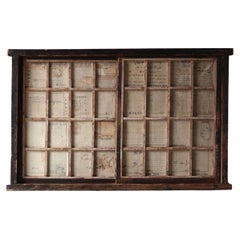
Japanese Antique Flap door storage shelf, Wabi Sabi, Japandi

Japanese Antique Flap door storage shelf, Wabi Sabi, Japandi

Located in Katori-Shi, 12

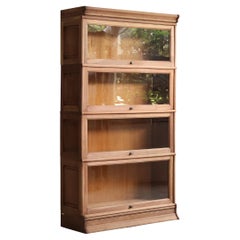
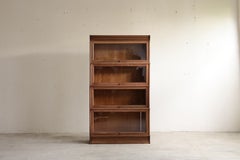
A four-tier flap-door shelf from the Taisho period. In addition to the four main tiers, the shelf also has separate base and crown, making it a total of six parts, making it easy to...

Category

Early 20th Century Japanese Taisho Antiquities

Materials

Wood

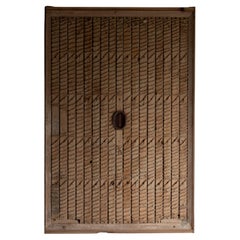
Japanese Antique Wooden Door Wall Decoration / 1868-1912s / Wabi-Sabi

Japanese Antique Wooden Door Wall Decoration / 1868-1912s / Wabi-Sabi

Located in Shizukuishi-cho, Iwate-gun, Iwate Prefecture

Its neutral palette and rich textures make it an ideal centerpiece for Wabi-Sabi, Industrial, or Brutalist-inspired interiors. • Period: Meiji Era (Late 19th Century) • Materials: We...

Category

Antique Late 19th Century Japanese Meiji Decorative Art

Materials

Twine, Cedar

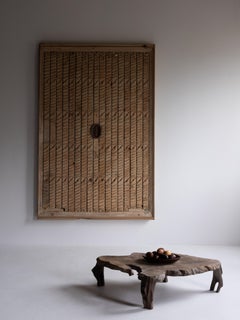
Japanese Antique Wabi-Sabi Massive Door Wall Decoration 1860s-1900s

Japanese Antique Wabi-Sabi Massive Door Wall Decoration 1860s-1900s

By Axel Vervoordt

Located in Chōsei District Nagara, JP

The raw strength of traditional Japanese architectural materials combined with the marks of time brings a quiet tension and depth to the surrounding space. Although this door has lo...

Category

Early 20th Century Japanese Meiji Decorative Art

Materials

Iron

Japanese Antique Copper Door "Wall Decoration" 1860s-1900s / Wabi Sabi

Japanese Antique Copper Door "Wall Decoration" 1860s-1900s / Wabi Sabi

By Axel Vervoordt

Located in Sammu-shi, Chiba

This item evokes the spirit of wabi-sabi, the Japanese philosophy of finding beauty in imperfection and impermanence.

Category

Early 20th Century Japanese Meiji Decorative Art

Materials

Copper

Japanese Antique Copper Door "Wall Decoration" 1860s-1900s / Wabi Sabi

Japanese Antique Copper Door "Wall Decoration" 1860s-1900s / Wabi Sabi

By Axel Vervoordt

Located in Chōsei District Nagara, JP

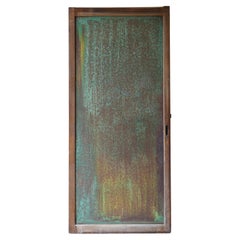
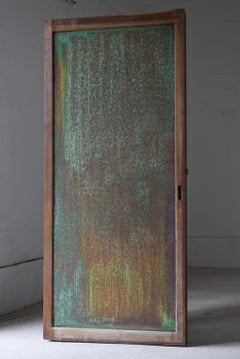
The deep textures of the aged materials blend effortlessly into modern spaces, while the rust and verdigris embody the Japanese aesthetic of wabi-sabi, celebrating the beauty found i...

Category

Antique Late 19th Century Japanese Meiji Decorative Art

Materials

Copper, Iron

Japanese Antique Huge Door " Wall Decoration " 1860s-1900s / Wabi Sabi

Japanese Antique Huge Door " Wall Decoration " 1860s-1900s / Wabi Sabi

Located in Sammu-shi, Chiba

This item evokes the spirit of wabi-sabi, the Japanese philosophy of finding beauty in imperfection and impermanence.

Category

Early 20th Century Japanese Meiji Decorative Art

Materials

Bamboo, Cedar

Japanese Antique Huge Door " Wall Decoration " 1860s-1900s / Wabi Sabi

Japanese Antique Huge Door " Wall Decoration " 1860s-1900s / Wabi Sabi

By Axel Vervoordt

Located in Sammu-shi, Chiba

This item evokes the spirit of wabi-sabi, the Japanese philosophy of finding beauty in imperfection and impermanence.

Category

Early 20th Century Japanese Meiji Decorative Art

Materials

Straw, Cedar

Japanese Antique Bamboo Door / Wall Decoration / 1868-1912s / Wabi-Sabi

Japanese Antique Bamboo Door / Wall Decoration / 1868-1912s / Wabi-Sabi

Located in Shizukuishi-cho, Iwate-gun, Iwate Prefecture

This is an old Japanese door wall decoration. It is thought to be from around the Meiji period. Originally, it was a very heavy door with soil and plaster on the surface, but all t...

Category

Antique Late 19th Century Japanese Meiji Decorative Art

Materials

Iron

Japanese Antique Bamboo Door / Wall Decoration / 1868-1912s / Wabi-Sabi

Japanese Antique Bamboo Door / Wall Decoration / 1868-1912s / Wabi-Sabi

Located in Shizukuishi-cho, Iwate-gun, Iwate Prefecture

This is a wall decoration using an old Japanese door. It is believed to be from the Edo period to the Meiji period. Originally, it was a very heavy door with soil and plaster on th...

Category

Antique Late 19th Century Japanese Meiji Decorative Art

Materials

Iron

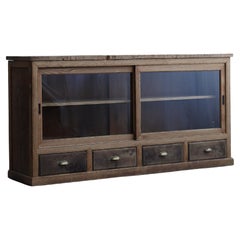
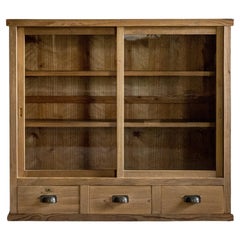
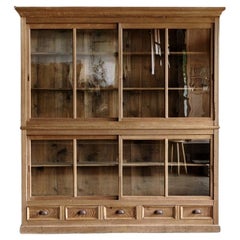
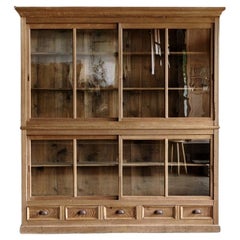
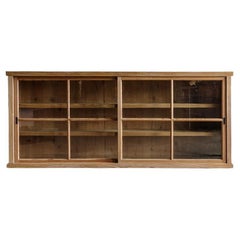
Japanese Antique Hinoki wood sliding door cabinet , Wabi Sabi, Japandi

Japanese Antique Hinoki wood sliding door cabinet , Wabi Sabi, Japandi

Located in Katori-Shi, 12

A sliding door cabinet with a neat appearance, assembled from cypress wood. The old glass and bare wood give it a beautiful tranquility. The top is luxuriously made of a single pie...

Category

Early 20th Century Japanese Taisho Antiquities

Materials

Wood

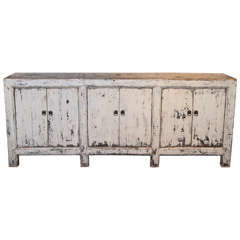
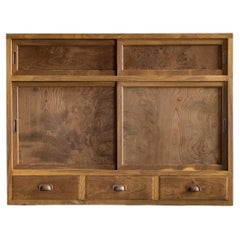
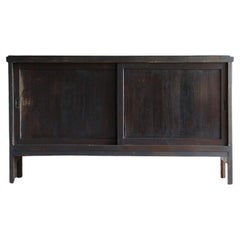
Japanese Antique Chestnut wood sliding door cabinet , Wabi Sabi, Japandi

Japanese Antique Chestnut wood sliding door cabinet , Wabi Sabi, Japandi

Located in Katori-Shi, 12

A sideboard with a strong presence, made with generous amounts of chestnut wood. The main frame is made with a sophisticated joint called kendome. The chamfered design of the vertic...

Category

Early 20th Century Japanese Taisho Antiquities

Materials

Wood

  • 1
Get Updated with New Arrivals
Save "Wabi Sabi Door", and we’ll notify you when there are new listings in this category.

Wabi Sabi Door For Sale on 1stDibs

Find the exact wabi sabi door you’re shopping for in the variety available on 1stDibs. Find Photorealist versions now, or shop for Photorealist creations for a more modern example of these cherished works. Making the right choice when shopping for a wabi sabi door may mean carefully reviewing examples of this item dating from different eras — you can find an early iteration of this piece from the 19th Century and a newer version made as recently as the 21st Century. Adding a wabi sabi door to a room that is mostly decorated in warm neutral tones can yield a welcome change — find a piece on 1stDibs that incorporates elements of gray, beige, black and more. There have been many interesting wabi sabi door examples over the years, but those made by Mike Ellis are often thought to be among the most thought-provoking. Artworks like these of any era or style can make for thoughtful decor in any space, but a selection from our variety of those made in canvas, fabric and oil paint can add an especially memorable touch.

How Much is a Wabi Sabi Door?

The price for an artwork of this kind can differ depending upon size, time period and other attributes — a wabi sabi door in our inventory may begin at $1,598 and can go as high as $11,310, while the average can fetch as much as $3,725.
Questions About Wabi Sabi Door
  • 1stDibs ExpertApril 5, 2022
    Wabi-sabi furniture refers to tables, seats and other furnishings that reflect a specific Japanese design philosophy. It involves creating minimalist furniture that has a focus on appreciating the imperfections found in nature. On 1stDibs, find a collection of wabi-sabi furniture.
  • 1stDibs ExpertApril 5, 2022
    Wabi-sabi is the practice of finding the beauty in imperfections. Examples include flowers growing through cracks in the ground, or a broken ceramic bowl made whole again with its imperfections showing through. You’ll find a variety of wabi-sabi pieces from some of the world’s top sellers on 1stDibs.
    1stDibs ExpertApril 5, 2022
    One important aspect of wabi-sabi is the beauty in imperfect things, so a good example of wabi-sabi would be asymmetrical or even crude vessels and furniture. On 1stDibs, you’ll find a collection of wabi-sabi furniture and other objects from some of the world’s top sellers.
  • 1stDibs ExpertMay 5, 2023
    The primary principle of Wabi-Sabi is to appreciate the imperfections found in nature. As a result, Wabi-Sabi emphasizes asymmetry, roughness, simplicity and the use of natural materials and finishes. On 1stDibs, shop a variety of pieces based on Wabi-Sabi principles.
  • 1stDibs ExpertApril 5, 2022
    Wabi-sabi pottery refers to earthenware vessels that embody the principles of a Japanese philosophy called wabi-sabi. Proponents of the idea believe that household objects should emphasize function over form, so that they satisfy needs but do not cause people to attach too much meaning to worldly possessions. There is also a focus on finding the beauty in imperfection and simplicity. On 1stDibs, find a collection of wabi-sabi pottery.
  • 1stDibs ExpertMay 5, 2023
    Wabi-sabi is technically not a design style, but it has influenced design. The term Wabi-sabi refers to a philosophy that emphasizes accepting imperfection and celebrating the impermanent beauty of nature. This concept has inspired many interior design trends, such as using organic and sustainable materials, selecting upcycled and repurposed pieces and integrating furniture and decorative objects that are unfinished, unpolished and unglazed. Shop a collection of pieces inspired by Wabi-sabi on 1stDibs.