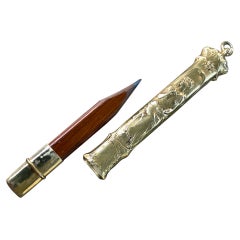
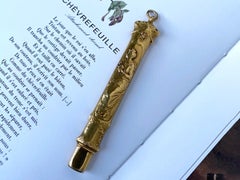
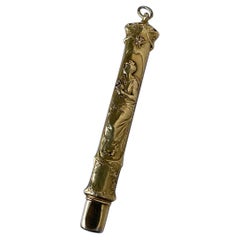
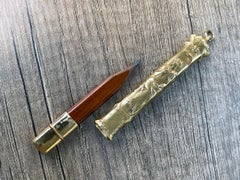
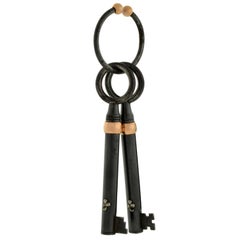
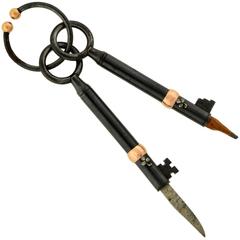
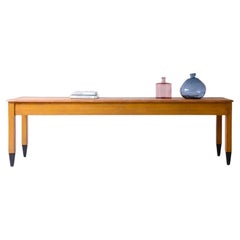
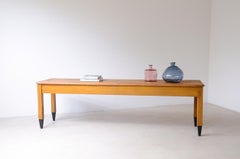
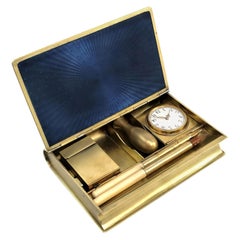
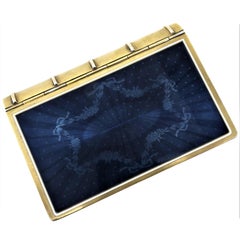
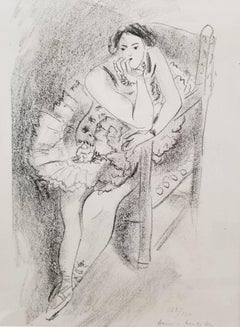
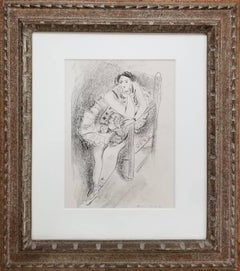
At 1stDibs, there are many versions of the ideal antique wooden pencil for your home. Each antique wooden pencil for sale was constructed with extraordinary care, often using
paper,
wood and
metal. There are many kinds of the antique wooden pencil you’re looking for, from those produced as long ago as the 18th Century to those made as recently as the 20th Century. An antique wooden pencil made by
folk art designers — as well as those associated with
Baroque — is very popular. Many designers have produced at least one well-made antique wooden pencil over the years, but those crafted by
Achille Cattaneo and
Eugène Lami are often thought to be among the most beautiful.
Prices for an antique wooden pencil can differ depending upon size, time period and other attributes — at 1stDibs, they begin at $202 and can go as high as $39,011, while the average can fetch as much as $1,889.
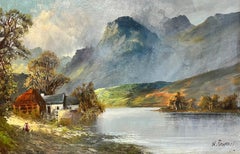
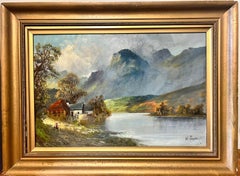
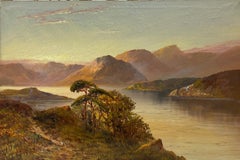
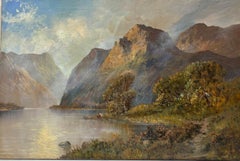
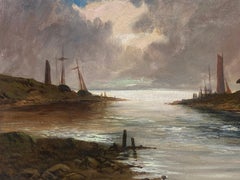
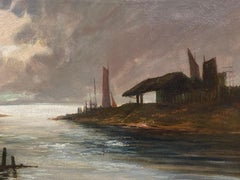
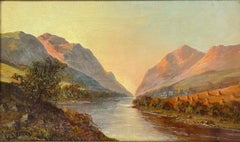
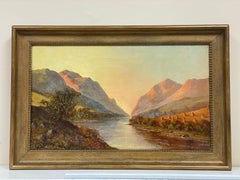
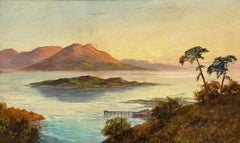
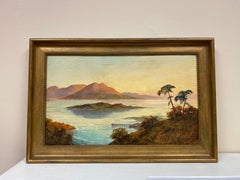
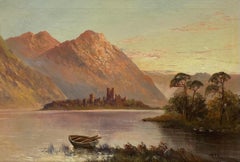
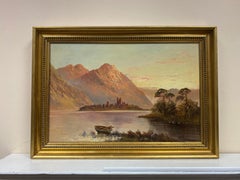
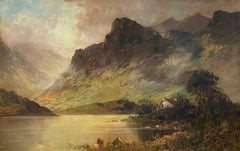
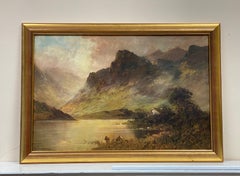
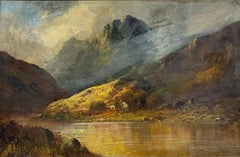
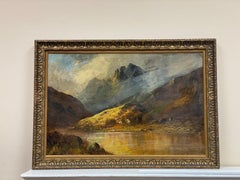
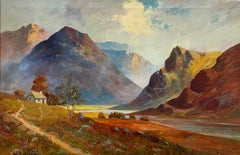
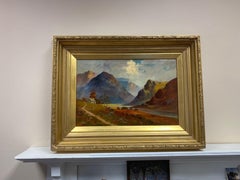
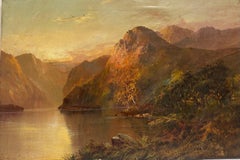
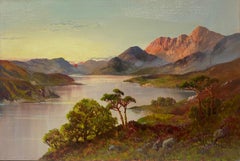
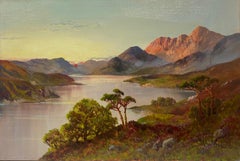
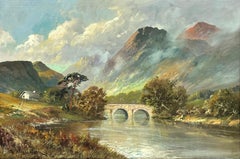
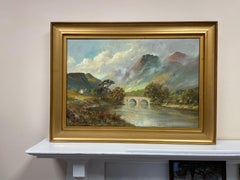
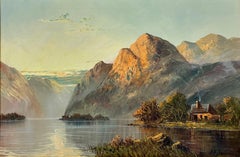
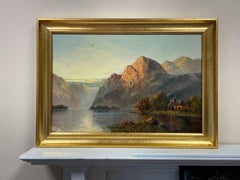
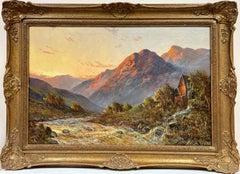
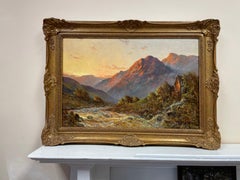
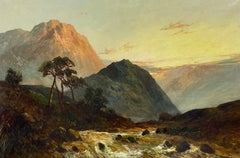
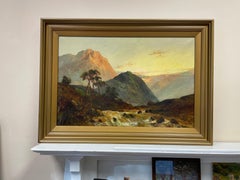
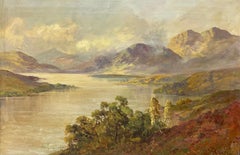
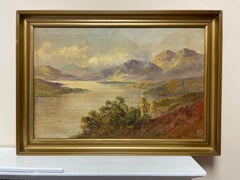
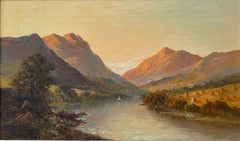
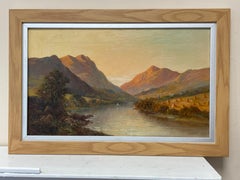
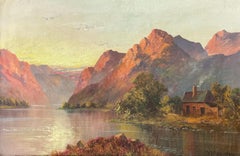
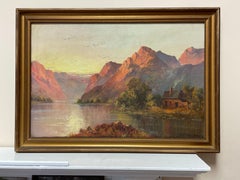
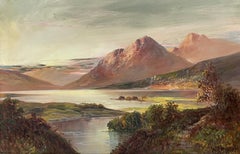
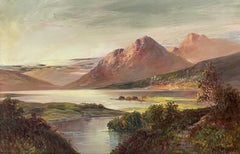
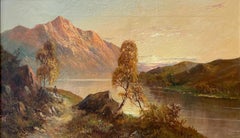
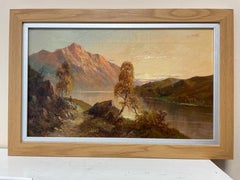
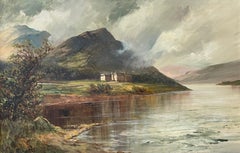
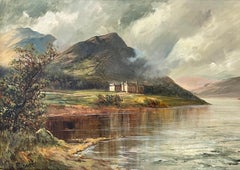
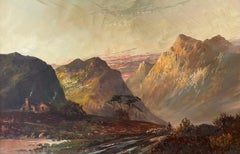
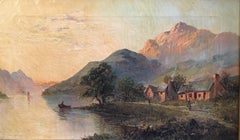
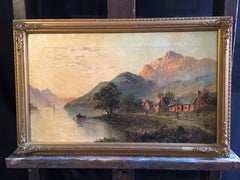
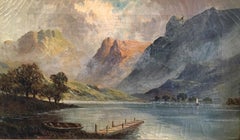
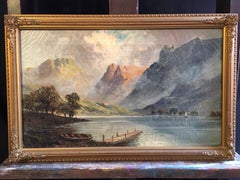
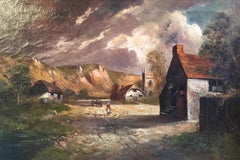
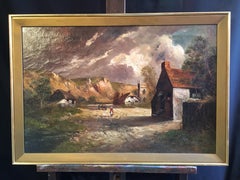
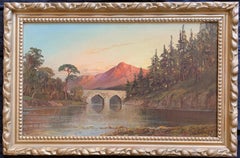
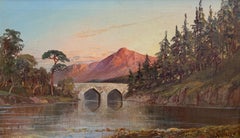
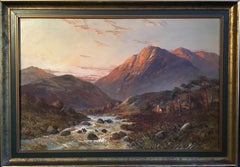
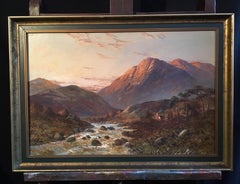
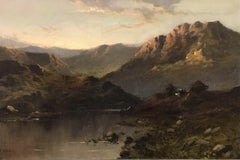
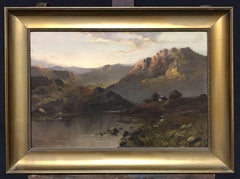
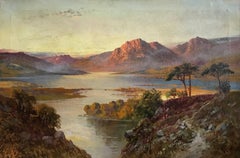
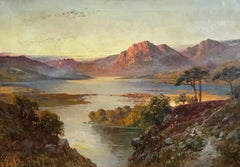
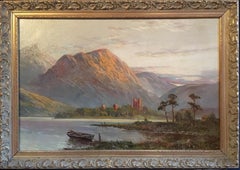
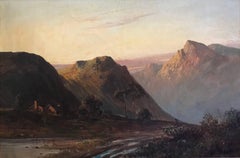
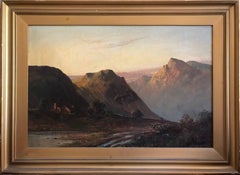
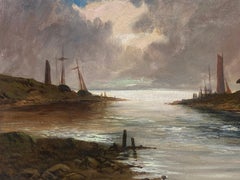
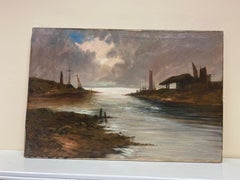
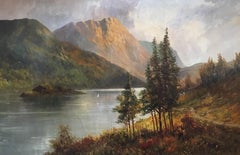
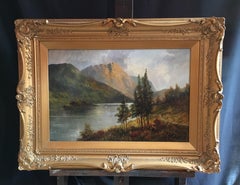
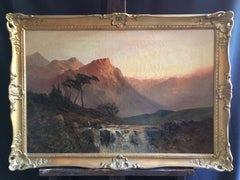
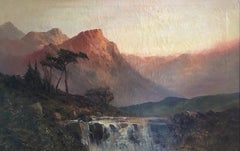
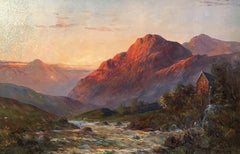
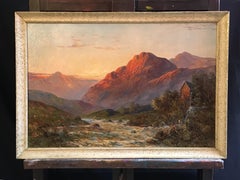
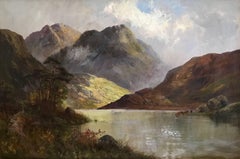
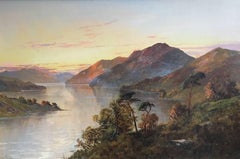
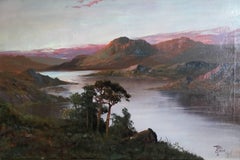
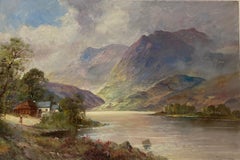
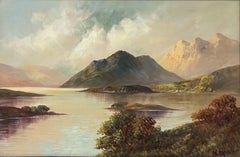
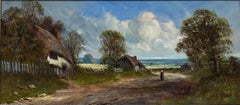
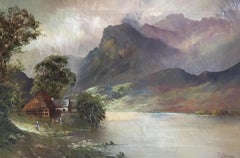
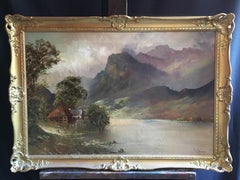
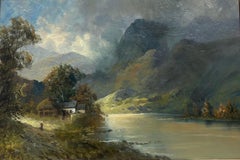
Francis Jamieson was a painter in oil and watercolor of highland landscapes and coastal scenes. (The work of this highly prolific artist is curious since the oils and watercolors have two quite distinctive styles and subject matter. The oil paintings are most frequently seen and these are highland landscapes or loch scenes - sometimes they appear to be signed with pseudonyms such as 'W. Richards' and 'Phil Hips' - the location is usually inscribed on the reverse. The watercolors are often coastal scenes with boats and figures on a shore, painted in a more traditional Victorian style, and possibly pre-date the oils. F. E. Jamiesons's beach scenes were published as postcards around 1920 by G. Ajelli & Co. of London on a textured card to give the appearance of oil. Jamieson is known to have traveled widely in the South of England between the wars selling his work but does not appear to have exhibited.) This quote in parentheses is taken from Jeremy Wood's excellent book 'Hidden Talents - A Dictionary of Neglected Artists Working 1880-1950'.
-
Work by Francis Jamieson can be seen at the usual sites. Please note that on all these sites you will find F. E. Jamieson variously listed as Francis E. Jamieson, F.E.Jamieson, Frank E. Jamieson, Frederick E. Jamieson, etc. You may also find some listings under his various pseudonyms of Arnould Pienne, Charles Maurice, Graham Williams, Aubrey Ramus, J. H. Boel, F. Walters, etc
It could be argued that cave walls were the canvases for the world’s first landscape paintings, which depict and elevate natural scenery through art, but there is a richer history to consider.
The Netherlands was home to landscapes as a major theme in painting as early as the 1500s, and ink-on-silk paintings in China featured mountains and large bodies of water as far back as the third century. Greeks created vast wall paintings that depicted landscapes and grandiose garden scenes, while in the late 15th century and early 16th century, landscapes were increasingly the subject of watercolor works by the likes of Leonardo da Vinci and Fra Bartolomeo.
The popularity of religious paintings eventually declined altogether, and by the early 19th century, painters of classical landscapes took to painting out-of-doors (plein-air painting). Paintings of natural scenery were increasingly realistic but romanticized too. Into the 20th century, landscapes remained a major theme for many artists, and while the term “landscape painting” may call to mind images of lush, grassy fields and open seascapes, the genre is characterized by more variety, colors and diverse styles than you may think. Painters working in the photorealist style of landscape painting, for example, seek to create works so lifelike that you may confuse their paint for camera pixels. But if you’re shopping for art to outfit an important room, the work needs to be something with a bit of gravitas (and the right frame is important, too).
Adding a landscape painting to your home can introduce peace and serenity within the confines of your own space. (Some may think of it as an aspirational window of sorts rather than a canvas.) Abstract landscape paintings by the likes of Korean painter Seungyoon Choi or Georgia-based artist Katherine Sandoz, on the other hand, bring pops of color and movement into a room. These landscapes refuse to serve as a background. Elsewhere, Adam Straus’s technology-inspired paintings highlight how our extreme involvement with our devices has removed us from the glory of the world around us. Influenced by modern life and steeped in social commentary, Straus’s landscape paintings make us see our surroundings anew.
Whether you’re seeking works by the world’s most notable names or those authored by underground legends, find a vast collection of landscape paintings on 1stDibs.