Eugenio Carmi Furniture

Italian, 1920-1977
Eugenio Carmi was born in 1920 in Genoa, Italy. At age fifteen he began painting lessons, which came to a halt during the Second World War during which he graduated with a degree in chemistry from Swiss Federal Institute of Technology. In 1946, Carmi was living in Italy and became a student of the painter Felice Casorati, whose work remained an inspiration for his own in the next decade. In the late 1950s, Carmi was tasked with promoting Cornigliano Steelworks and used steel and iron to create contemporary art to enhance the company’s image. This led to his first solo exhibition in 1958 at the Galleria Numero in Florence, where he presented enamel paintings on steel. During the 1960s and 1970s, Carmi focused on creating work inspired by the combination of industry and culture, leading to lithographs on tin plates and linking kinetic and audiovisual art. It was in the 1970s that he developed his signature geometric style, a contrast from the Art Informel style of the previous decades. He often used mathematical laws such as the Pythagoras theorem to create his precise geometric shapes, a nod to his training at the Swiss Federal Institute of Technology.
to
6
11
8
19
17
14
3
2
2
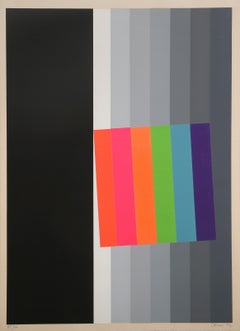
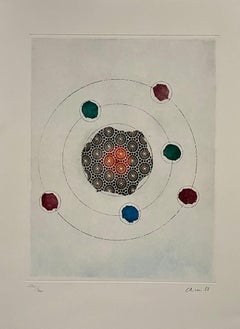
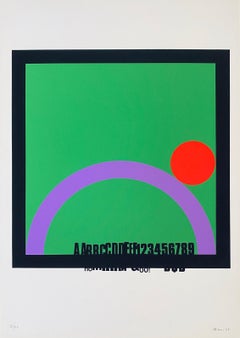
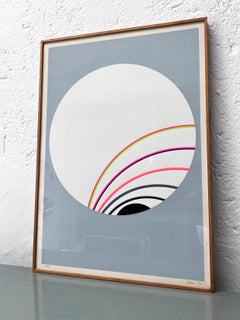
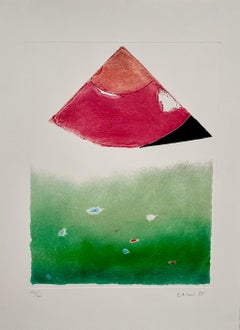
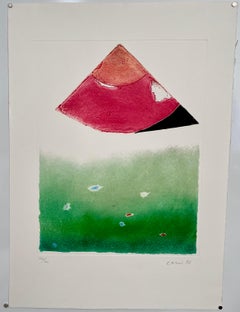
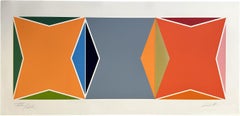
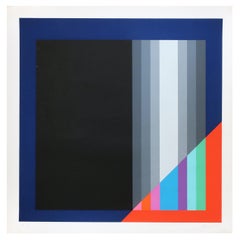
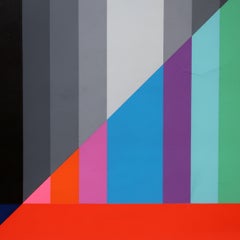
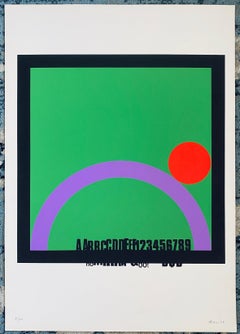
Realite Imaginaire, Abstract Geometric Screenprint by Eugenio Carmi

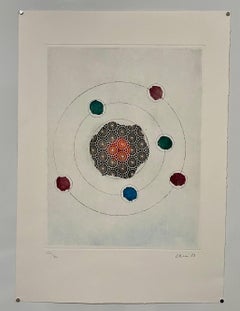
Realite Imaginaire, Abstract Geometric Screenprint by Eugenio Carmi

By Eugenio Carmi

Located in Long Island City, NY

Eugenio Carmi, Italian (1920 - 2016) - Realite Imaginaire, Year: 1972, Medium: Screenprint on Arches, signed, dated and numbered in pencil, Edition: 85/100, Image Size: 28.5 x 20...

Category

1970s Abstract Geometric Eugenio Carmi Furniture

Materials

Screen

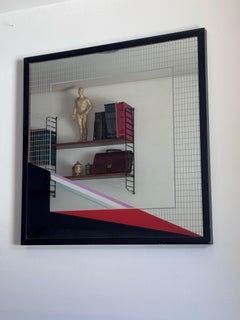
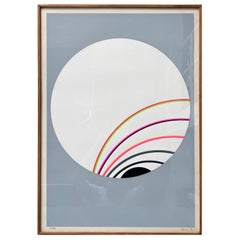
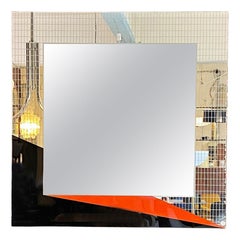
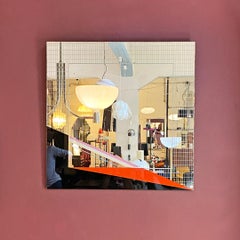
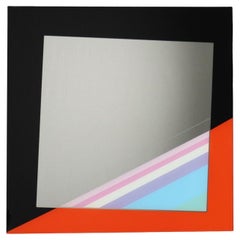
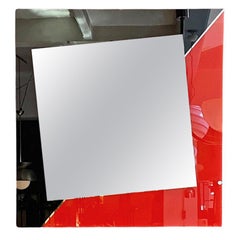
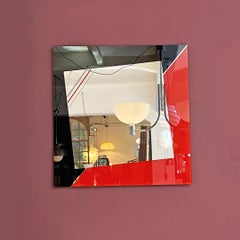
Eugenio Carmi Art Mirror 1970's Italian Decorative

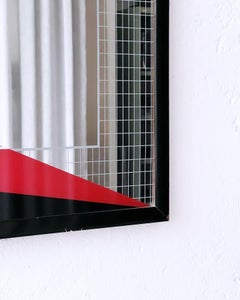
Eugenio Carmi Art Mirror 1970's Italian Decorative

By Eugenio Carmi, Acerbis

Located in Milano, IT

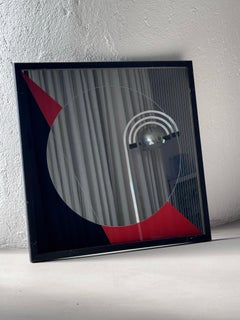
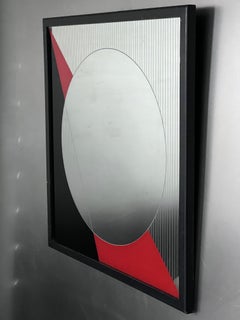
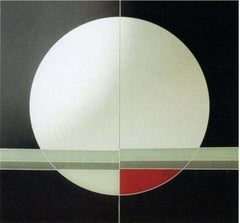
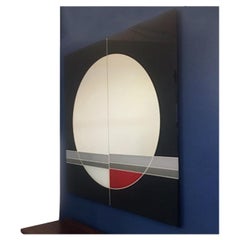
Decorative Art - Designer Mirror - Artistic Mirror Decorative geometric wall mirror by Italian artist Eugenio Carmi for furniture brand Acerbis. Designed in the 1980s and named "Mo...

Category

1980s Italian Space Age Vintage Eugenio Carmi Furniture

Materials

Mirror, Wood

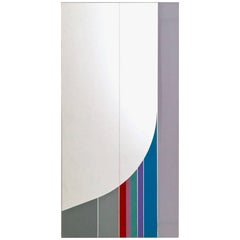
Eugenio Carmi Italian Graphic Designer Wall Mirror Morphos for Acerbis, 1980s

Eugenio Carmi Italian Graphic Designer Wall Mirror Morphos for Acerbis, 1980s

By Eugenio Carmi, Saporiti

Located in bari, IT

A large wall mirror Morphos collection for Acerbis International by the graphic designer Eugenio Carmi. Eugenio Carmi (b. Genoa, 17 February 1920-d. ...

Category

1980s Italian Mid-Century Modern Vintage Eugenio Carmi Furniture

Materials

Mirror

Art/Design Mirror by Eugenio Carmi for Acerbis 1980's

Art/Design Mirror by Eugenio Carmi for Acerbis 1980's

By Eugenio Carmi, Acerbis

Located in Milano, IT

Art Mirror - Decorative Mirror - Designer Mirror - Made in Italy 1980's Decorative geometric wall mirror by Italian artist Eugenio Carmi for furniture brand Acerbis. Designed in the...

Category

1980s Italian Space Age Vintage Eugenio Carmi Furniture

Materials

Mirror, Wood

Eugenio Carmi Art Mirror, Memphis Style, Italian Collectible Design 70's
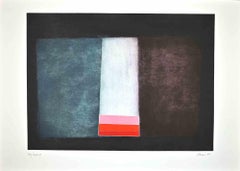
Eugenio Carmi Art Mirror, Memphis Style, Italian Collectible Design 70's
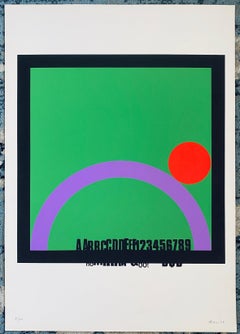
By Acerbis, Eugenio Carmi

Located in Milano, IT

Artistic Mirror - Decorative Art Mirror - Memphis Decorative geometric wall mirror by Italian artist Eugenio Carmi for furniture brand Acerbis. Designed in the 1980s and named "Mor...
Category

1980s Italian Space Age Vintage Eugenio Carmi Furniture

Materials

Mirror, Wood

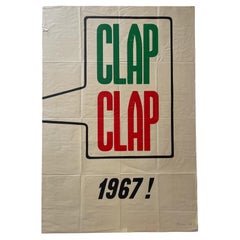
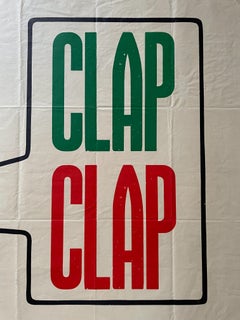
Eugenio Carmi Serigraph "CLAP CLAP"

Eugenio Carmi Serigraph "CLAP CLAP"

By Eugenio Carmi

Located in New York, NY

New Year’s greeting ushering in the year 1967 mailed out by renowned Italian artist and educator Eugenio Carmi (1920-2016). Folds out to a serigraph measuring 39.25” x 26.75”. This e...

Category

1960s Italian Mid-Century Modern Vintage Eugenio Carmi Furniture

Materials

Paper

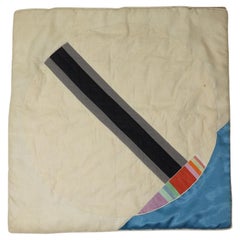
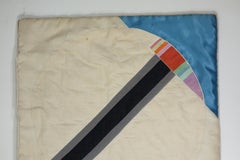
1980 Eugenio Carmi Italian Abstract Art Silk Tapestry
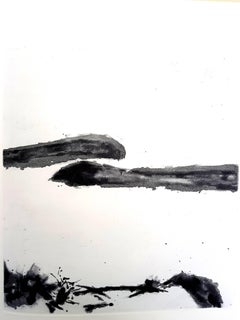
1980 Eugenio Carmi Italian Abstract Art Silk Tapestry
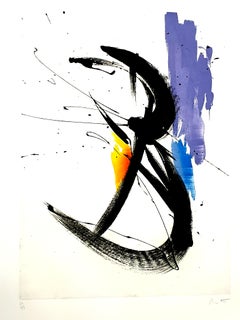
By Eugenio Carmi

Located in Brescia, IT

Wall Tapestry Eugenio Carmi Italy, 1980 Embroidery Silk and Fabric Some light stain (shown in the pictures) Rare edition Eugenio Carmi (Genoa 1920- Lugano 2016). He studied in Tur...

Category

1980s Italian Modern Vintage Eugenio Carmi Furniture

Materials

Fabric, Silk

Italian Artist Modern Silkscreen Eugenio Carmi

Italian Artist Modern Silkscreen Eugenio Carmi

By Eugenio Carmi

Located in Surfside, FL

Eugenio Carmi is an Italian painter born in 1920 in Genoa. He studied in Turin in Felice Casorati’s studio. His experience as a graphic designer in the ‘50s, is decisive for his pict...

Category

1980s Modern Eugenio Carmi Furniture

Materials

Screen

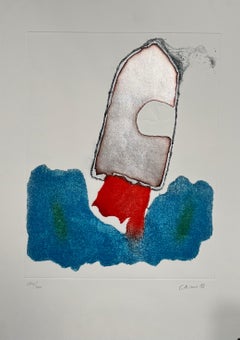
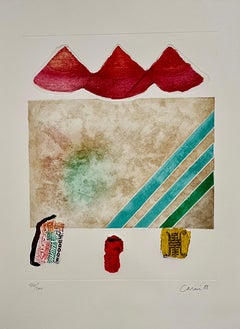
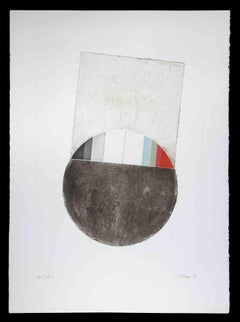
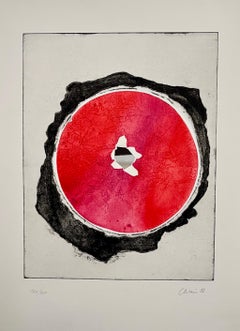
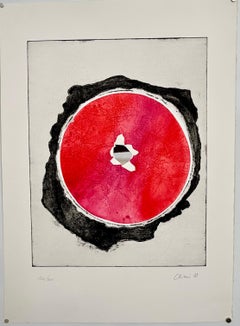
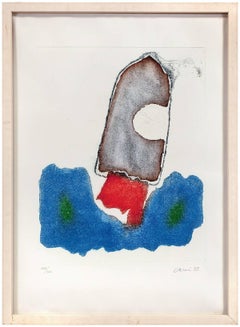
Abstract Composition - Etching by Eugenio Carmi - 1987

Abstract Composition - Etching by Eugenio Carmi - 1987

By Eugenio Carmi

Located in Roma, IT

Abstract Compositionis an original etching made by Eugenio Carmi (Genoa, 1920 - Lugano, 2016) in 1987. Good conditions. Hand signed and numbered. Edition, VIII/XXXV. Eugenio Carmi...

Category

1980s Abstract Eugenio Carmi Furniture

Materials

Etching

Eugenio Carmi Light Box, Signed Artwork, 1970, Italy

Eugenio Carmi Light Box, Signed Artwork, 1970, Italy

By Eugenio Carmi

Located in Brussels, BE

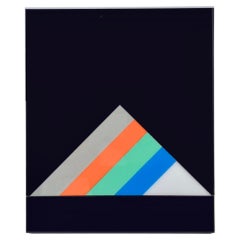
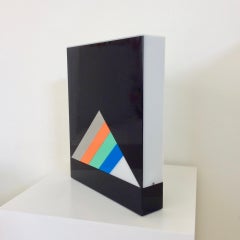
Eugenio Carmi (1920-2016) "Segnale Immaginario Elettrico 23" artwork, 1970, Italy. Black, white, multicolor plexiglass light box. Turns off and on again at regular intervals (more or...

Category

1970s Italian Mid-Century Modern Vintage Eugenio Carmi Furniture

Materials

Plexiglass

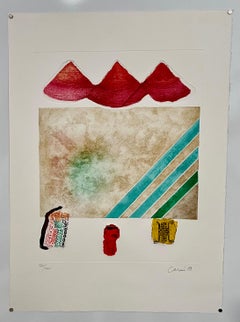
Abstract Composition - Etching by Eugenio Carmi - 1987

Abstract Composition - Etching by Eugenio Carmi - 1987

By Eugenio Carmi

Located in Roma, IT

Abstract Composition is an original etching realized by Eugenio Carmi in 1987. Good conditions Numbered. Edition, VIII/XXXV. The artwork is depicted in a well-balanced composition.

Category

1980s Abstract Eugenio Carmi Furniture

Materials

Etching

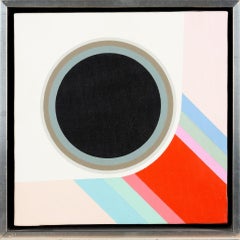
Untitled Italian abstract 20th century acrylic on canvas

Untitled Italian abstract 20th century acrylic on canvas

By Eugenio Carmi

Located in New York, NY

Provenance: Court Gallery, Copenhagen, Denmark Private Collection, Baltimore Private Collection by descent This painting has a Certificate of Authenticity from the Eugenio Carmi Arc...

Category

1980s Abstract Eugenio Carmi Furniture

Materials

Canvas, Acrylic

Related Items
Mid Century Italian Smoked Wall Mirror 1980s

Mid Century Italian Smoked Wall Mirror 1980s

Located in Los Angeles, CA

The Mid Century Italian Smoked Wall Mirror from the 1980s features a sleek smoked glass design, embodying the style of the era.

Category

1980s Italian Mid-Century Modern Vintage Eugenio Carmi Furniture

Materials

Mirror, Wood

Variant I /// Josef Albers Abstract Geometric Screenprint Minimalism Bauhaus Art

Variant I /// Josef Albers Abstract Geometric Screenprint Minimalism Bauhaus Art

By Josef Albers

Located in Saint Augustine, FL

Artist: Josef Albers (German-American, 1888-1976) Title: "Variant I" Portfolio: Ten Variants *Unsigned edition Year: 1967 Medium: Original Screenprint on Rives BFK paper Limited edit...

Category

1960s Abstract Geometric Eugenio Carmi Furniture

Materials

Screen

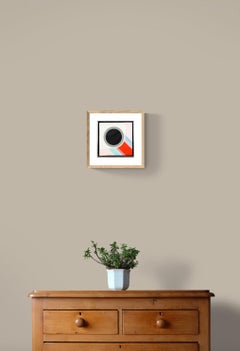
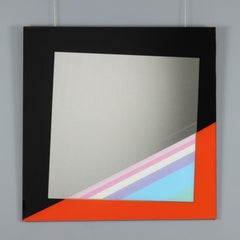
Art/Design Mirror by Eugenio Carmi for Acerbis 1980's

Art/Design Mirror by Eugenio Carmi for Acerbis 1980's

$1,395Sale Price|20% Off

H 28.75 in W 28.75 in D 1.19 in

Art/Design Mirror by Eugenio Carmi for Acerbis 1980's

By Eugenio Carmi, Acerbis

Located in Milano, IT

Art Mirror - Decorative Mirror - Designer Mirror - Made in Italy 1980's Decorative geometric wall mirror by Italian artist Eugenio Carmi for furniture brand Acerbis. Designed in the...

Category

1980s Italian Space Age Vintage Eugenio Carmi Furniture

Materials

Mirror, Wood

Midcentury Decorative Ceramic Mirror, circa 1970, France

Midcentury Decorative Ceramic Mirror, circa 1970, France

By La Borne Potters

Located in Brussels, BE

Nice Midcentury decorative ceramic wall mirror. Brown sandsone elements on wood. Beveled mirror. France circa 1970 Dimensions: 35 cm H, 33 cm...

Category

1970s French Mid-Century Modern Vintage Eugenio Carmi Furniture

Materials

Sandstone

Italian Designer, Wall Mirror, Brass, Murano Glass, 1980s

Italian Designer, Wall Mirror, Brass, Murano Glass, 1980s

Located in High Point, NC

A round Murano glass and brass mirror, designed and produced in Italy c. 1980s.

Category

1980s Italian Modern Vintage Eugenio Carmi Furniture

Materials

Brass

Jean Miotte - Abstract Composition - Original Signed Lithograph

Jean Miotte - Abstract Composition - Original Signed Lithograph

By Jean Miotte

Located in Collonge Bellerive, Geneve, CH

Jean Miotte - Rare Original Signed Lithograph Title: Abstract Composition Dimensions: 76 x 56 cm Edition: 64/99 Signed and Numbered in pencil Jean Miotte, 1926 - 2016 Miotte came o...

Category

1990s Abstract Expressionist Eugenio Carmi Furniture

Materials

Aquatint

Antique German Porcelain Hand Painted / Gilt Decorative Vase

Antique German Porcelain Hand Painted / Gilt Decorative Vase

By Royal Bonn

Located in Tarry Town, NY

This exquisite antique vase, crafted in the 19th century by the esteemed Royal Bonn Company in Germany, is a splendid example of fine porcelain artistry. The vase features a captivat...

Category

Late 19th Century German Antique Eugenio Carmi Furniture

Materials

Gold

Italian Mid-Century Oval Teak Wall Mirror, 1980s

Italian Mid-Century Oval Teak Wall Mirror, 1980s

$556

H 40.56 in W 12.21 in D 1.97 in

Italian Mid-Century Oval Teak Wall Mirror, 1980s

Located in Praha, CZ

This elegant mid-century oval wall mirror was produced in Italy during the 1980s and exemplifies the era’s focus on organic form and refined craftsmanship. The mirror is framed in so...

Category

1980s Italian Mid-Century Modern Vintage Eugenio Carmi Furniture

Materials

Mirror, Wood

Vintage Italian Rectangular Brass Wall Mirror 1980s

Vintage Italian Rectangular Brass Wall Mirror 1980s

Located in Los Angeles, CA

"A vintage Italian rectangular brass wall mirror from the 1980s, showcasing the classic elegance and craftsmanship of Italian design, adding a touch of sophistication to your interio...

Category

1980s Italian Mid-Century Modern Vintage Eugenio Carmi Furniture

Materials

Brass

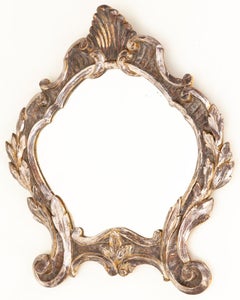
Decorative Italian 1920's Antique Venetian Mirror

Decorative Italian 1920's Antique Venetian Mirror

$949

H 18.51 in W 10.63 in D 2.17 in

Decorative Italian 1920's Antique Venetian Mirror

Located in Southampton, GB

Antique Venetian Mirror. A pointed top with elaborate cartouche. The frame sections have long, bevel cut edges and a central design of flowers and leaves. Each piece of the frame is...

Category

20th Century Italian Baroque Eugenio Carmi Furniture

Materials

Glass, Mirror

1970s Round Italian Mirror

1970s Round Italian Mirror

$452

H 27.56 in Dm 1.19 in

1970s Round Italian Mirror

Located in Praha, CZ

- Lacquered wooden frame - minor signs of use

Category

Mid-20th Century Italian Mid-Century Modern Eugenio Carmi Furniture

Materials

Wood

Previously Available Items
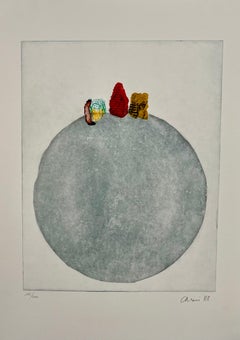
Italian Abstract Aquatint Collage Lithograph Print Eugenio Carmi 80s Memphis Era

Italian Abstract Aquatint Collage Lithograph Print Eugenio Carmi 80s Memphis Era

By Eugenio Carmi

Located in Surfside, FL

Genre: Modern, Modernist Subject: Abstract Medium: Print, Aquatint Hand signed dated 1988, limited edition Surface: Paper Country: Italy Dimensions: 26" x 20" approximately Eugenio ...

Category

1980s Post-Modern Eugenio Carmi Furniture

Materials

Aquatint

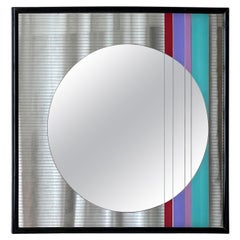
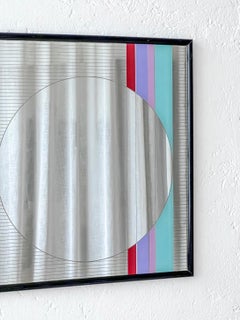
Decorative mirror by Eugenio Carmi Acerbis 1970s

Decorative mirror by Eugenio Carmi Acerbis 1970s

Sold

H 35.44 in W 35.44 in D 0.6 in

Decorative mirror by Eugenio Carmi Acerbis 1970s

By Acerbis, Eugenio Carmi

Located in Milano, IT

Decorative mirror from the series 'Gli Specchi di Carmi' with a square shape made of multicolored screen-printed glass. It features the production mark on the back. In good overall c...

Category

1970s Italian Mid-Century Modern Vintage Eugenio Carmi Furniture

Materials

Mirror

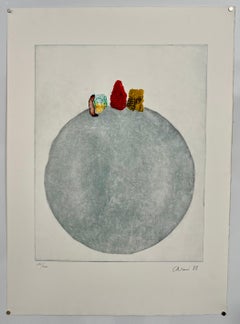
Italian Abstract Aquatint Collage Lithograph Print Eugenio Carmi 80s Memphis Era

Italian Abstract Aquatint Collage Lithograph Print Eugenio Carmi 80s Memphis Era

By Eugenio Carmi

Located in Surfside, FL

Genre: Modern, Modernist Subject: Abstract Medium: Print, Aquatint Hand signed dated 1988, limited edition Surface: Paper Country: Italy Dimensions: 26" x 20" approximately Eugenio ...

Category

1980s Post-Modern Eugenio Carmi Furniture

Materials

Aquatint

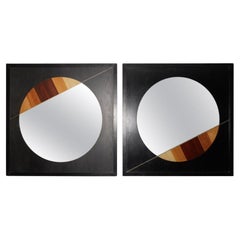
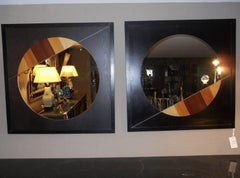
Playful Pair of Eugenio Carmi Mirrors

Playful Pair of Eugenio Carmi Mirrors

Sold

H 34 in W 34 in D 1.25 in

Playful Pair of Eugenio Carmi Mirrors

By Eugenio Carmi

Located in Los Angeles, CA

Pair of Eugenio carmi mirrors.

Category

1960s Italian Vintage Eugenio Carmi Furniture

Materials

Mirror, Wood

Op Art Screenprint by Eugenio Carmi '1973'

Op Art Screenprint by Eugenio Carmi '1973'

Sold

H 0.25 in W 36 in D 36 in

Op Art Screenprint by Eugenio Carmi '1973'

By Eugenio Carmi

Located in Brooklyn, NY

A striking limited edition op art serigraph by Italian artist Eugenio Carmi (1920 - 2016) in the hard edge style. An untitled abstract composition with a blue and red border, black t...

Category

Late 20th Century Post-Modern Eugenio Carmi Furniture

Materials

Paper

Abstract Composition -  Etching by Eugenio Carmi - 1987

Abstract Composition - Etching by Eugenio Carmi - 1987

By Eugenio Carmi

Located in Roma, IT

Abstract Composition is an original etching made by Eugenio Carmi (Genoa, 1920 - Lugano, 2016) in 1987. Good conditions. Hand signed and numbered. Edition, VIII/XXXV. Eugenio Carm...

Category

1980s Abstract Eugenio Carmi Furniture

Materials

Etching

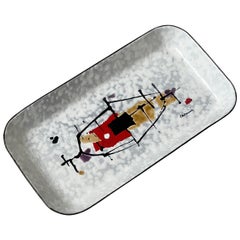
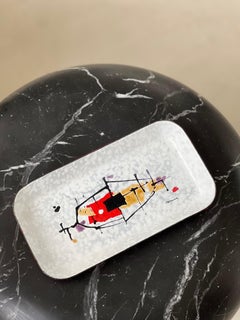
1950s Enamel Tray Modernist Artwork Eugenio Carmi Italy

1950s Enamel Tray Modernist Artwork Eugenio Carmi Italy

By Lamierino Cornigliano, Eugenio Carmi

Located in Chula Vista, CA

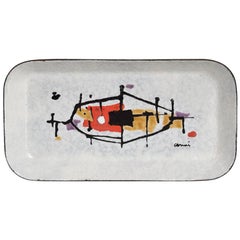
1950s Enamel Plate by Italian artist Eugenio Carmi, signed. Abstract modernism for Lamierino Cornigliano Italy 8.63 x .75 thick x 4.75 Original vintage preowned condition. Unrestore...

Category

1950s Italian Mid-Century Modern Vintage Eugenio Carmi Furniture

Materials

Enamel

Italian Artist Modern Silkscreen Eugenio Carmi

Italian Artist Modern Silkscreen Eugenio Carmi

By Eugenio Carmi

Located in Surfside, FL

Eugenio Carmi is an Italian painter born in 1920 in Genoa. He studied in Turin in Felice Casorati’s studio. His experience as a graphic designer in the ‘50s, is decisive for his pictorial research, based on a rigorous geometrical structure and on a fine analysis of the perception of colors. He participated in the Venice Biennale in 1966. In 1967 he showed some electronic works in the Superlund exhibition organized by Pierre Restany in Lund, Sweden. In 1968, he introduced the “Carm-o-matic”, during the Cybernetic Serendipity show at the Institute of Contemporary Art in London. In 1973, he produced an entirely abstract 25-minute show for RAI’s Experimental Programs Service. The same year, he taught visual art seminars at the Rhode Island Institute of Design in the United States. In the ‘70s, he gave courses at the Accademia of Macerata and at the Accademia of Ravenna (Italy). He produced illustrations for three of Umberto Eco’s stories, published in Italy by Bompiani and in many other countries. The French Ministry of Education has selected them for libraries and schools in France. The most important retrospective of his work was organized by the Milan town hall in 1990, followed by a prestigious exhibition in Budapest, in the halls of the Royal Palace, in 1992. In 1991 he exhibited at the San Francisco Italian American Museum. In 1996 the “Carmi” book is published by Umberto Eco and Duncan Macmillan and presented at the Milan Triennial: a synthesis of his life. From 1957 to 1965 he will play the role of artistic director of Cornigliano's corporate magazine. During this time iron and steel are materials that Carmi meets every day and become a strong creative stimulus for him. In his first solo exhibition - presented by Gillo Dorfles in 1958 at the Galleria Numero di Firenze - the protagonists are the enamels on steel and since 1960 he made various iron and steel works welded and lithographed milk. Iron and steel is the work that in 1962 presented at Spoleto Sculpture exhibition in the city , organized by Giovanni Carandente under the V Festival of the Two Worlds . In this period, he is involved not only in the cultural politics of the Istallier ( Victor Vasarely , Umberto Eco , Max Bill , Konrad Wachsmann , Furio Colombo , Ugo Mulas , Kurt Blum , Emanuele Luzzati , Flavio Costantini ) , But also in the cultural activity of the Warehouse Gallery , which Carmi founded in Boccadasse in 1963. The Warehouse Gallery with multiples intends to propose a serial art accessible to a wider audience and is placed in international discussions on 'Multiplied Art, representing one of the most important examples. The friendship and mutual esteem that binds him to Umberto Eco has two very important fruits at this time: Children's Fables and Stripsody . In 1966 for the publishing house Bompiani came three Eco fables illustrated by Carmi and then re-introduced in 1988 with new Carmi illustrations and a fable more. Stripsody is a musical project on cartoon sound, designed and then interpreted by the genius singer Cathy Berberian, with Eco texts and illustrations by Carmi. Eugenio Carmi, who is always fascinated by the new technological possibilities in the 1960s and 1970s, is the author of experimental cinematic and audiovisual artwork and also realizes those who will call electrical imagery signals that will also be at the center of a provocative installation on the streets of the city of Caorle . It is at this stage that in 1966 he was at the XXXIII edition of the Venice Biennale with the electronic work SPCE (electronically controlled polycyclic structure), which is also the invitation of Pierre Restany to participate with electronic works at the SuperLund exhibition in Sweden. In 1971, he moved to Milan with his family, where he established his study. At this point, though with incursions in other parallel fields such as the realization of mirrors and stained glass, painting, and sporadically sculpture - which had approached the Istal period - is at the center of its activity. It is at the beginning of the seventies that it deepens the geometric language, already open with some previous experiences (accident prevention signs for the Italsider, some multiples for the Deposit and electrical imagery signals), replacing it with the informal one. In 1979 he produced a magazine - which will remain the same number - by the name of Res Publica , for which he receives the contributions of intellectuals and artists, including Umberto Eco, Antonio Porta , Gillo Dorfles , Richard Paul Lohse...

Category

1980s Modern Eugenio Carmi Furniture

Materials

Screen

Large Wall Mirror by E. Carmi from the Morphos Collection Prod. by Acerbis, 1984

Large Wall Mirror by E. Carmi from the Morphos Collection Prod. by Acerbis, 1984

By Eugenio Carmi, Acerbis

Located in Bresso, Lombardy

From the Morphos collection manufactured by Acerbis International in 1984. It features its original paper label. In perfect original condition. Measure: Width 65 cm Height 13...

Category

1980s Italian Vintage Eugenio Carmi Furniture

Materials

Mirror

Abstract Composition Aquatint collage

Abstract Composition Aquatint collage

By Eugenio Carmi

Located in Surfside, FL

Genre: Modern Subject: Abstract Medium: Print, Aquatint Surface: Paper Country: United States Dimensions w/Frame: 26" x 19" Eugenio Carmi is an Italian painter born in 1920 in Genoa. He studied in Turin in Felice Casorati’s studio. His experience as a graphic designer in the ‘50s, is decisive for his pictorial research, based on a rigorous geometrical structure and on a fine analysis of the perception of colors. He participated in the Venice Biennale in 1966. In 1967 he showed some electronic works in the Superlund exhibition organized by Pierre Restany in Lund, Sweden. In 1968, he introduced the “Carm-o-matic”, during the Cybernetic Serendipity show at the Institute of Contemporary Art in London. In 1973, he produced an entirely abstract 25-minute show for RAI’s Experimental Programs Service. The same year, he taught visual art seminars at the Rhode Island Institute of Design in the United States. In the ‘70s, he gave courses at the Accademia of Macerata and at the Accademia of Ravenna (Italy). He produced illustrations for three of Umberto Eco’s stories, published in Italy by Bompiani and in many other countries. The French Ministry of Education has selected them for libraries and schools in France. The most important retrospective of his work was organized by the Milan town hall in 1990, followed by a prestigious exhibition in Budapest, in the halls of the Royal Palace, in 1992. In 1991 he exhibited at the San Francisco Italian American Museum. In 1996 the “Carmi” book is published by Umberto Eco and Duncan Macmillan and presented at the Milan Triennial: a synthesis of his life. From 1957 to 1965 he will play the role of artistic director of Cornigliano's corporate magazine. During this time iron and steel are materials that Carmi meets every day and become a strong creative stimulus for him. In his first solo exhibition - presented by Gillo Dorfles in 1958 at the Galleria Numero di Firenze - the protagonists are the enamels on steel and since 1960 he made various iron and steel works welded and lithographed milk. Iron and steel is the work that in 1962 presented at Spoleto Sculpture exhibition in the city , organized by Giovanni Carandente under the V Festival of the Two Worlds . In this period, he is involved not only in the cultural politics of the Istallier ( Victor Vasarely , Umberto Eco , Max Bill , Konrad Wachsmann , Furio Colombo , Ugo Mulas , Kurt Blum , Emanuele Luzzati , Flavio Costantini ) , But also in the cultural activity of the Warehouse Gallery , which Carmi founded in Boccadasse in 1963. The Warehouse Gallery with multiples intends to propose a serial art accessible to a wider audience and is placed in international discussions on 'Multiplied Art, representing one of the most important examples. The friendship and mutual esteem that binds him to Umberto Eco has two very important fruits at this time: Children's Fables and Stripsody . In 1966 for the publishing house Bompiani came three Eco fables illustrated by Carmi and then re-introduced in 1988 with new Carmi illustrations and a fable more. Stripsody is a musical project on cartoon sound, designed and then interpreted by the genius singer Cathy Berberian, with Eco texts and illustrations by Carmi. Eugenio Carmi, who is always fascinated by the new technological possibilities in the 1960s and 1970s, is the author of experimental cinematic and audiovisual artwork and also realizes those who will call electrical imagery signals that will also be at the center of a provocative installation on the streets of the city of Caorle . It is at this stage that in 1966 he was at the XXXIII edition of the Venice Biennale with the electronic work SPCE (electronically controlled polycyclic structure), which is also the invitation of Pierre Restany to participate with electronic works at the SuperLund exhibition in Sweden. In 1971, he moved to Milan with his family, where he established his study. At this point, though with incursions in other parallel fields such as the realization of mirrors and stained glass, painting, and sporadically sculpture - which had approached the Istal period - is at the center of its activity. It is at the beginning of the seventies that it deepens the geometric language, already open with some previous experiences (accident prevention signs for the Italsider, some multiples for the Deposit and electrical imagery signals), replacing it with the informal one. In 1979 he produced a magazine - which will remain the same number - by the name of Res Publica , for which he receives the contributions of intellectuals and artists, including Umberto Eco, Antonio Porta , Gillo Dorfles , Richard Paul Lohse...

Category

1980s Eugenio Carmi Furniture

Materials

Aquatint

Abstract Composition

Abstract Composition

By Eugenio Carmi

Located in Surfside, FL

Genre: Modern Subject: Abstract Medium: Print, Aquatint Surface: Paper Country: United States Dimensions w/Frame: 26" x 19" Eugenio Carmi is an Italian painter born in 1920 in Genoa. He studied in Turin in Felice Casorati’s studio. His experience as a graphic designer in the ‘50s, is decisive for his pictorial research, based on a rigorous geometrical structure and on a fine analysis of the perception of colors. He participated in the Venice Biennale in 1966. In 1967 he showed some electronic works in the Superlund exhibition organized by Pierre Restany in Lund, Sweden. In 1968, he introduced the “Carm-o-matic”, during the Cybernetic Serendipity show at the Institute of Contemporary Art in London. In 1973, he produced an entirely abstract 25-minute show for RAI’s Experimental Programs Service. The same year, he taught visual art seminars at the Rhode Island Institute of Design in the United States. In the ‘70s, he gave courses at the Accademia of Macerata and at the Accademia of Ravenna (Italy). He produced illustrations for three of Umberto Eco’s stories, published in Italy by Bompiani and in many other countries. The French Ministry of Education has selected them for libraries and schools in France. The most important retrospective of his work was organized by the Milan town hall in 1990, followed by a prestigious exhibition in Budapest, in the halls of the Royal Palace, in 1992. In 1991 he exhibited at the San Francisco Italian American Museum. In 1996 the “Carmi” book is published by Umberto Eco and Duncan Macmillan and presented at the Milan Triennial: a synthesis of his life. From 1957 to 1965 he will play the role of artistic director of Cornigliano's corporate magazine. During this time iron and steel are materials that Carmi meets every day and become a strong creative stimulus for him. In his first solo exhibition - presented by Gillo Dorfles in 1958 at the Galleria Numero di Firenze - the protagonists are the enamels on steel and since 1960 he made various iron and steel works welded and lithographed milk. Iron and steel is the work that in 1962 presented at Spoleto Sculpture exhibition in the city , organized by Giovanni Carandente under the V Festival of the Two Worlds . In this period, he is involved not only in the cultural politics of the Istallier ( Victor Vasarely , Umberto Eco , Max Bill , Konrad Wachsmann , Furio Colombo , Ugo Mulas , Kurt Blum , Emanuele Luzzati , Flavio Costantini ) , But also in the cultural activity of the Warehouse Gallery , which Carmi founded in Boccadasse in 1963. The Warehouse Gallery with multiples intends to propose a serial art accessible to a wider audience and is placed in international discussions on 'Multiplied Art, representing one of the most important examples. The friendship and mutual esteem that binds him to Umberto Eco has two very important fruits at this time: Children's Fables and Stripsody . In 1966 for the publishing house Bompiani came three Eco fables illustrated by Carmi and then re-introduced in 1988 with new Carmi illustrations and a fable more. Stripsody is a musical project on cartoon sound, designed and then interpreted by the genius singer Cathy Berberian, with Eco texts and illustrations by Carmi. Eugenio Carmi, who is always fascinated by the new technological possibilities in the 1960s and 1970s, is the author of experimental cinematic and audiovisual artwork and also realizes those who will call electrical imagery signals that will also be at the center of a provocative installation on the streets of the city of Caorle . It is at this stage that in 1966 he was at the XXXIII edition of the Venice Biennale with the electronic work SPCE (electronically controlled polycyclic structure), which is also the invitation of Pierre Restany to participate with electronic works at the SuperLund exhibition in Sweden. In 1971, he moved to Milan with his family, where he established his study. At this point, though with incursions in other parallel fields such as the realization of mirrors and stained glass, painting, and sporadically sculpture - which had approached the Istal period - is at the center of its activity. It is at the beginning of the seventies that it deepens the geometric language, already open with some previous experiences (accident prevention signs for the Italsider, some multiples for the Deposit and electrical imagery signals), replacing it with the informal one. In 1979 he produced a magazine - which will remain the same number - by the name of Res Publica , for which he receives the contributions of intellectuals and artists, including Umberto Eco, Antonio Porta , Gillo Dorfles , Richard Paul Lohse...

Category

1980s Modern Eugenio Carmi Furniture

Materials

Aquatint

Eugenio Carmi furniture for sale on 1stDibs.

Eugenio Carmi furniture are available for sale on 1stDibs. These distinctive items are frequently made of glass and are designed with extraordinary care. There are many options to choose from in our collection of Eugenio Carmi furniture, although gray editions of this piece are particularly popular. Many of the original furniture by Eugenio Carmi were created in the mid-century modern style in italy during the 20th century. If you’re looking for additional options, many customers also consider furniture by Lucio Del Pezzo, Dino Cavalli, and Lupi Cristal Luxor. Prices for Eugenio Carmi furniture can differ depending upon size, time period and other attributes — on 1stDibs, these items begin at $495 and can go as high as $3,891, while a piece like these, on average, fetch $1,509.

Creators Similar to Eugenio Carmi