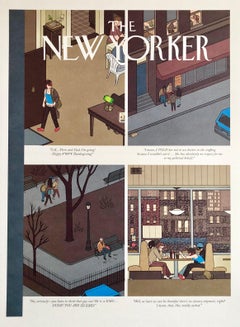
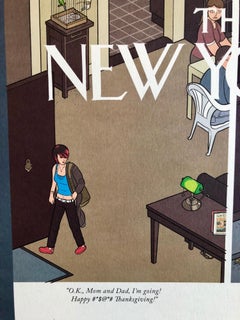
By Chris Ware
Located in Surfside, FL
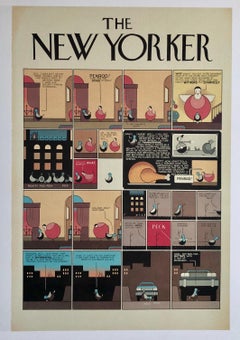
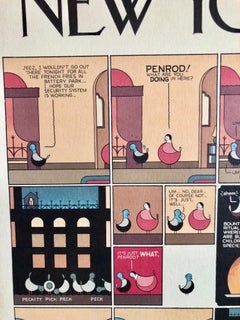
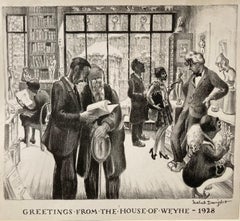
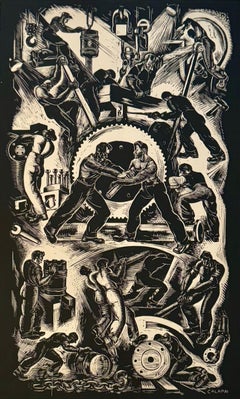
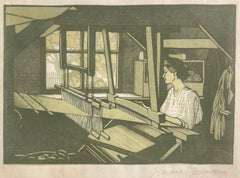
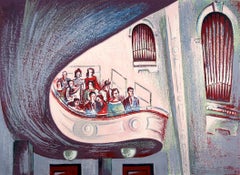
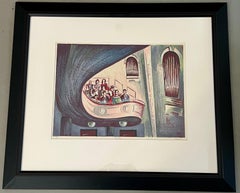
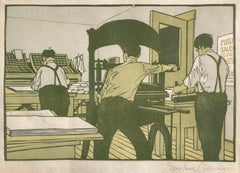
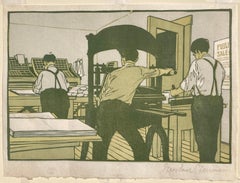
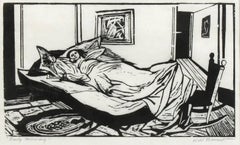
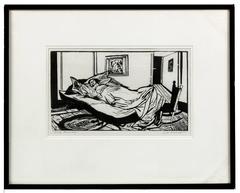
This is one print – printed in full color on 15" x 20" heavy cream-colored paper.
It is from a limited edition series of 175,
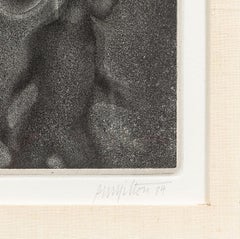
the portfolio is hand numbered and hand signed by Chris Ware. the individual prints are not.
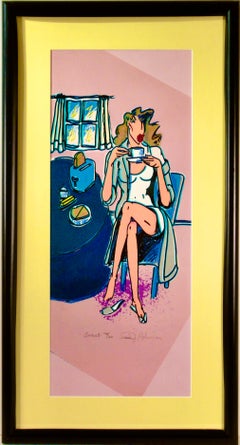
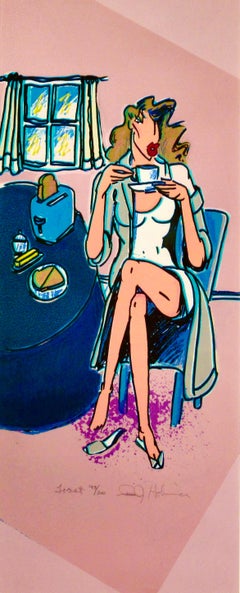
The page with the hand signature is included here as a photo for reference only it is not included in this sale.
Franklin Christenson "Chris" Ware (born December 28, 1967), is an American cartoonist known for his Acme Novelty Library series (begun 1994) and the graphic novel Jimmy Corrigan, the Smartest Kid on Earth (2000) and Building Stories (2012). His works explore themes of social isolation, emotional torment and depression. He tends to use a vivid color palette and realistic, meticulous detail. His lettering and images are often elaborate and sometimes evoke the ragtime era or another early 20th-century American design style.
Ware often refers to himself in the publicity for his work in self-effacing, even withering tones. He is considered by some critics and fellow notable illustrators and writers, such as Dave Eggers, to be among the best currently working in the medium; Canadian graphic-novelist Seth has said, "Chris really changed the playing field. After him, a lot of [cartoonists] really started to scramble and go, 'Holy [expletive], I think I have to try harder.'"
While still a sophomore at UT, Ware came to the attention of Art Spiegelman, who invited Ware to contribute to Raw, the influential anthology magazine Spiegelman was co-editing with Françoise Mouly. Ware has acknowledged that being included in Raw gave him confidence and inspired him to explore printing techniques and self-publishing. His Fantagraphics series Acme Novelty Library defied comics publishing conventions with every issue.
Ware's art reflects early 20th-century American styles of cartooning and graphic design, shifting through formats from traditional comic panels to faux advertisements and cut-out toys. Stylistic influences include advertising graphics from that same era; newspaper strip cartoonists Winsor McCay (Little Nemo in Slumberland) and Frank King (Gasoline Alley); Charles Schulz's post-WWII strip Peanuts and the cover designs of ragtime-era sheet music. Ware has spoken about finding inspiration in the work of artist Joseph Cornell and cites Richard McGuire's strip Here as a major influence on his use of non-linear narratives. He is one of the great practitioners who have elevated the graphic novel style along with, Shepard Fairey, Ben Katchor and Robert Crumb.
Quimby the Mouse was an early character for Ware and something of a breakthrough. Rendered in the style of an early animation character like Felix the Cat, Quimby the Mouse is perhaps Ware's most autobiographical character.
Ware's Building Stories was serialized in a host of different venues. It first appeared as a monthly strip in Nest Magazine...
Category
Early 2000s American Modern Kathleen Blackshear Prints and Multiples