By Paul Iribe
Located in San Diego, CA
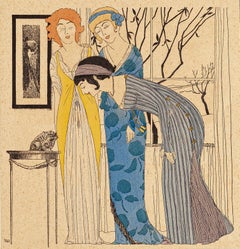
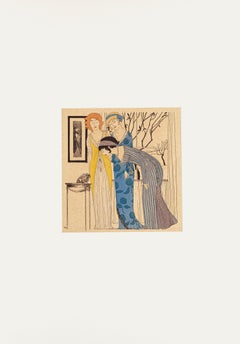
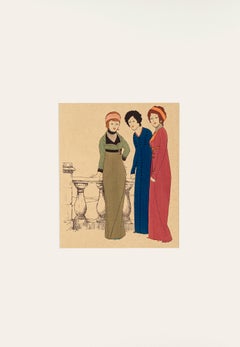
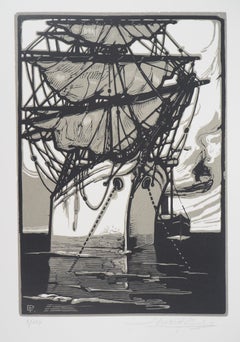
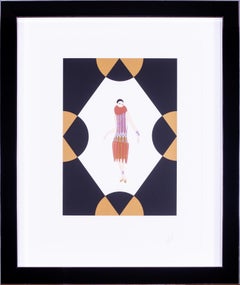
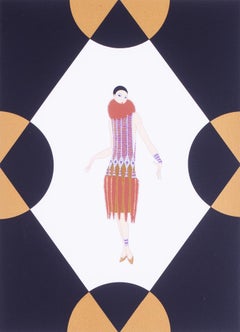
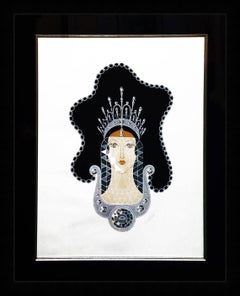
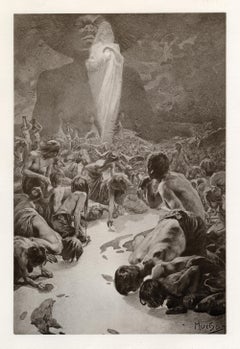
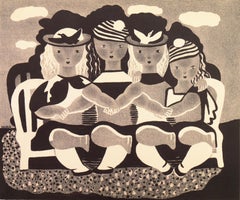
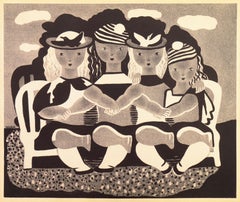
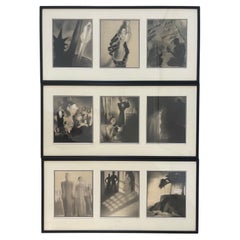
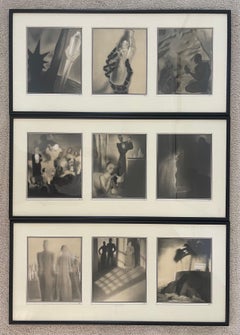
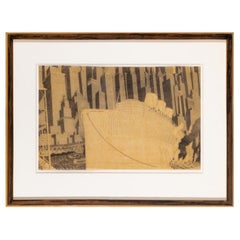
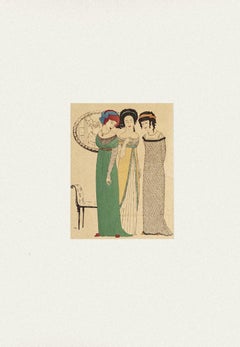
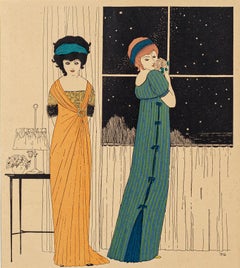
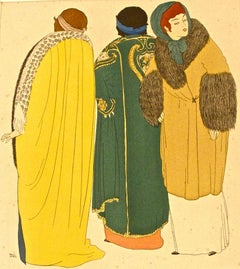
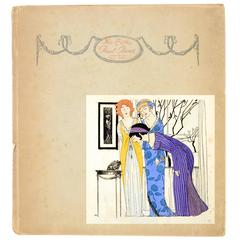
"Rose et Noir" is a group of three framed triptychs (a total of nine lithographic images); displaying a commentary on social drinking with a recurring theme of cocktail shakers; the set illustrates the terrifying effects of American cocktails on a newly married couple. It also includes a booklet by Rene Benjamin entitled, "Dialogue Moderne en Trois Temps et Trois Cocktails" and portfolio cover, published by Parisian wine merchant Etablissements Nicolas Dessins (France). #3102
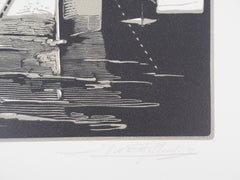
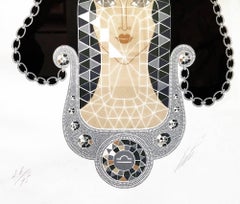
Each image is 11.5" x 9.5" and marked "Paul Iribe" in the lower right. The framed size of each triptych is 18.25" x 38.5"; with the total size of the piece displayed on the wall is 38.5"W x 54.75"H. The works are beautifully presented and matted in silk moire and black wood frames. The piece is in very good vintage condition.
PAUL IRIBE
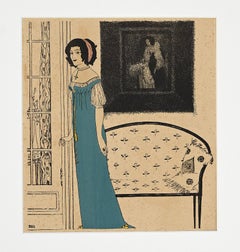
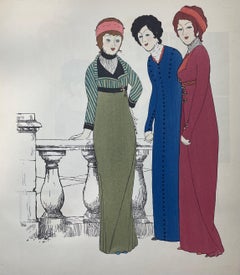
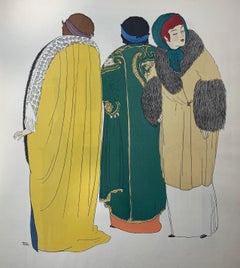
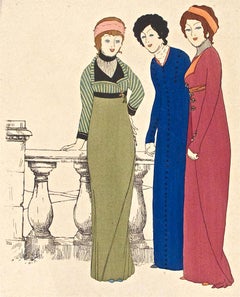
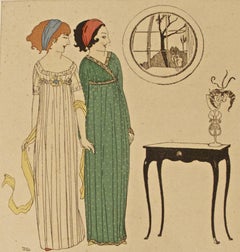
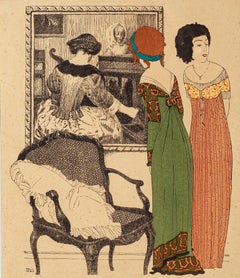
Paul Iribe (1883–1935) was born in Angoulême, France. He started his career in illustration and design as a newspaper typographer and magazine illustrator at numerous Parisian journals and daily papers, including Le temps and Le rire. In 1906 Iribe collaborated with a number of avant-garde artists to create the satirical journal Le témoin, and his illustrations in this journal attracted the attention of the fashion designer Paul Poiret. Poiret commissioned Iribe to illustrate his first major dress collection in a 1908 portfolio entitled Les robes de Paul Poiret racontées par Paul Iribe. This limited edition publication (250 copies) was innovative in its use of vivid fauvist colors and the simplified lines and flattened planes of Japanese prints. To create the plates, Iribe utilized a hand-coloring process called pochoir, in which bronze or zinc stencils are used to build up layers of color gradually. This publication, and others that followed, anticipated a revival of the fashion plate in a modernist style to reflect a newer, more streamlined fashionable silhouette. In 1911 the couturier Jeanne Paquin also hired Iribe, along with the illustrators Georges Lepape and Georges Barbier, to create a similar portfolio of her designs, entitled L'Eventail et la fourrure chez Paquin.
Throughout the 1910s Iribe became further involved in fashion and added design for theater, interiors, and jewelry to his repertoire. He continued to illustrate fashion, opened a store of decorative art on the rue du Faubourg St.-Honoré in Paris, and created textiles for the firm Bianchini Ferier and for designer André Groult. His association with the theater resulted in several publications related to the renowned dancer Vaslav Nijinsky, including the album Prélude à l'aprés-midi d'un faune, which captured Nijinsky's choreography for the Claude Debussy composition in photography by Adolph de Meyer...
Category
Early 20th Century French Art Deco Paul Iribe Art
MaterialsPaper, Silk, Wood