Pawel Kontny Art

Polish, 1923-2002
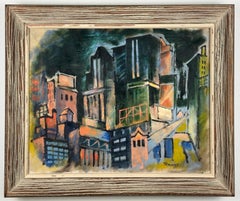
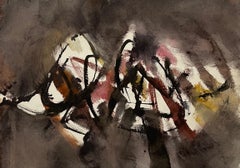
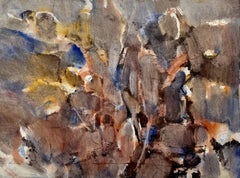
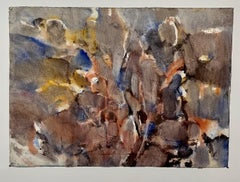
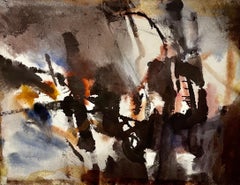
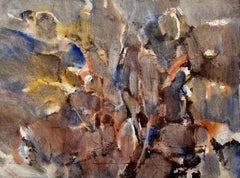
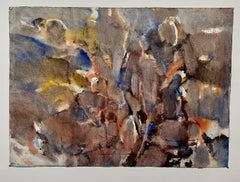
A painter of subjects from many parts of the world, Pawel Kontny began with wartime sketches and changed to a technique combining abstraction and realism. He was born in Laurahuette, Poland, the son of a wealthy pastry shop owner. He studied architecture, but was interrupted by World War II. Traveling in many countries as a soldier, he sketched various landscapes but in 1945, he was captured and held as a prisoner of war in Italy. After the war, he studied at the Union of Nuremberg Architects to help design buildings to replace ones destroyed in the war. He also married Irmgard, a dancer with the Nuremberg Opera Company and began having well received exhibitions of his work throughout Europe. His primary subject became architecture which he built up on heavy weight masonite panels into structures with marble dust. In 1969, the Kotnys moved to Denver, Colorado where he began painting the American West. In February, 1974, "American Artist" magazine had a feature article by John Jellico on Pawel Kontny.
to
2
13
13
6
1
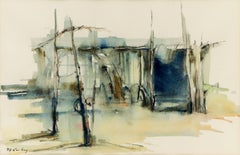
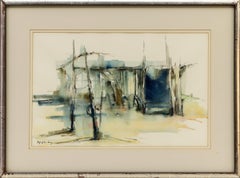
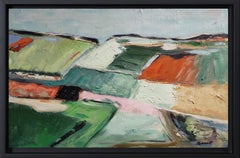
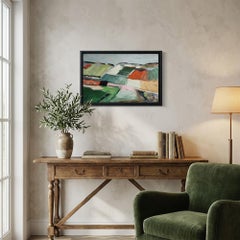
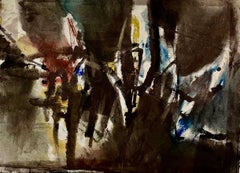
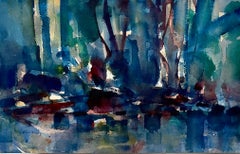
Pawel Kontny New Mexico Southwestern Modernist Watercolor Painting

Pawel Kontny New Mexico Southwestern Modernist Watercolor Painting

By Pawel Kontny

Located in Denver, CO

This original mid-century watercolor by acclaimed artist Pawel Kontny captures the quiet beauty and architectural spirit of the American Southwest. Titled New Mexico, the composition...

Category

Mid-20th Century American Modern Pawel Kontny Art

Materials

Watercolor

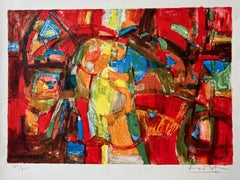
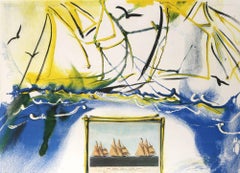
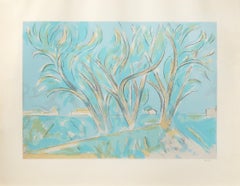
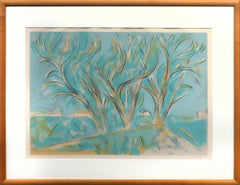
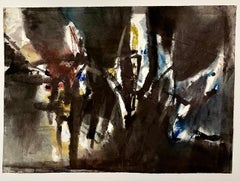
Colorful landscape abstract Landschaftsszene, mid 20th Century lithograph.

Colorful landscape abstract Landschaftsszene, mid 20th Century lithograph.

By Pawel Kontny

Located in Belgrade, MT

Pawel Kontny was born in Poland, he began with sketching wartime scenes combining abstract with realism. He exhibited throughout Europe. This piece is a part of my private collection...

Category

Mid-20th Century Realist Pawel Kontny Art

Materials

Lithograph

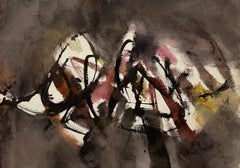
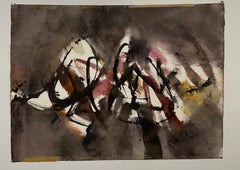
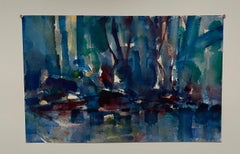
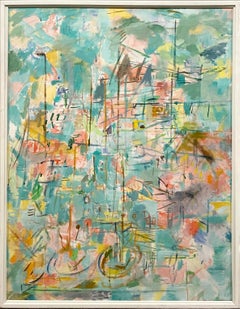
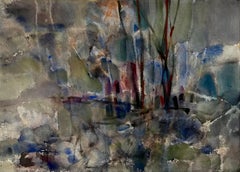
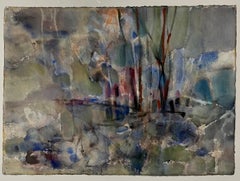
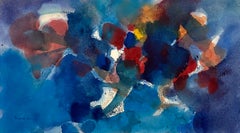
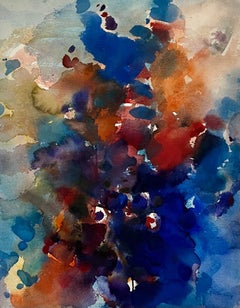
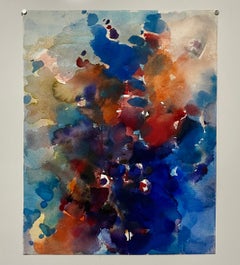
Modernist Abstract Expressionist Watercolor Painting Bauhaus Weimar Pawel Kontny

Modernist Abstract Expressionist Watercolor Painting Bauhaus Weimar Pawel Kontny

By Pawel Kontny

Located in Surfside, FL

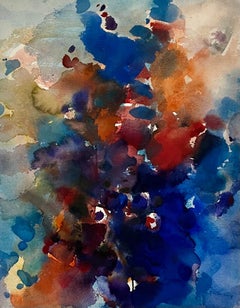
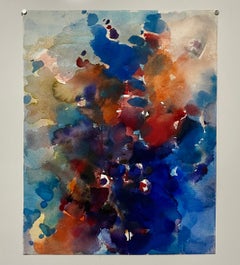
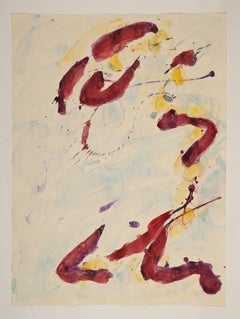
Abstract watercolor composition bearing the influence of the earlier color-block compositions of Paul Klee. Pawel August Kontny, (Polish-German-American artist) He was born in Laurahuette, Poland, in 1923, the son of a wealthy pastry shop owner. In 1939 he began studying architecture in Breslau where he was introduced to the European masters and to the work of some of the German Expressionists, soon afterward banned as "degenerate artists" and removed from museums throughout Germany by the Nazi regime. His studies were interrupted by World War II. Drafted into the German army, traveling in many countries as a soldier, he sketched various landscapes but in 1945, he was captured and held as a prisoner of war in Italy. After the war, he studied at the Union of Nuremberg Architects to help design buildings to replace ones destroyed in the war. He recorded his impressions of the local population and the landscapes through his watercolors and drawings. Pawel Kontny thereafter moved to Nuremberg, Germany, becoming a member of the Union of Nuremberg Architects and helping to rebuild the city's historic center. He soon decided to concentrate on his professional art career. He married Irmgard Laurer, a dancer with the Nuremberg Opera. Pavel Kontny 's career as an artist was launched with his participation in an all German exhibition, held at the Dusseldorf Museum in 1952. He held one-man shows in Germany, Switzerland and the United States. During his trip to the United States in 1960, Kontny became instantly enamored with Colorado, and decided to relocate to Cherry Hills with his wife and two children. He quickly established himself in the local art community, being affiliated for a time with Denver Art Galleries and Saks Galleries. His subject matter became the Southwest. During this time he received the Prestigious Gold Medal of the Art Academy of Rome. His extensive travel provided material for the paintings he did using his hallmark marble dust technique. he also worked equally in pastel, watercolor, charcoal and pencil-and-ink. in a style which merged abstraction and realist styles, influenced by Abstract Expressionist painting and South Western American landscapes. This one is influenced by California Abstract Expressionist artist Sam Francis. In the early 1960s he was one of only a few European-born professional artists in the state, a select group that included Herbert Bayer (1900-1985), a member of the prewar Bauhaus in Weimar and Dessau, Germany, and Roland Detre...

Category

20th Century Abstract Expressionist Pawel Kontny Art

Materials

Watercolor, Archival Paper
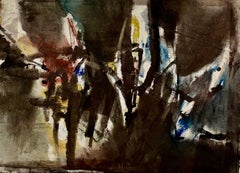
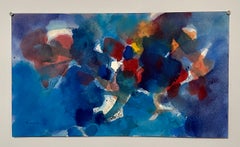
Modernist Abstract Expressionist Watercolor Painting Bauhaus Weimar Pawel Kontny

Modernist Abstract Expressionist Watercolor Painting Bauhaus Weimar Pawel Kontny

By Pawel Kontny

Located in Surfside, FL

Abstract watercolor composition bearing the influence of the earlier color-block compositions of Paul Klee. Pawel August Kontny, (Polish-German-American artist) He was born in Laurahuette, Poland, in 1923, the son of a wealthy pastry shop owner. In 1939 he began studying architecture in Breslau where he was introduced to the European masters and to the work of some of the German Expressionists, soon afterward banned as "degenerate artists" and removed from museums throughout Germany by the Nazi regime. His studies were interrupted by World War II. Drafted into the German army, traveling in many countries as a soldier, he sketched various landscapes but in 1945, he was captured and held as a prisoner of war in Italy. After the war, he studied at the Union of Nuremberg Architects to help design buildings to replace ones destroyed in the war. He recorded his impressions of the local population and the landscapes through his watercolors and drawings. Pawel Kontny thereafter moved to Nuremberg, Germany, becoming a member of the Union of Nuremberg Architects and helping to rebuild the city's historic center. He soon decided to concentrate on his professional art career. He married Irmgard Laurer, a dancer with the Nuremberg Opera. Pavel Kontny 's career as an artist was launched with his participation in an all German exhibition, held at the Dusseldorf Museum in 1952. He held one-man shows in Germany, Switzerland and the United States. During his trip to the United States in 1960, Kontny became instantly enamored with Colorado, and decided to relocate to Cherry Hills with his wife and two children. He quickly established himself in the local art community, being affiliated for a time with Denver Art Galleries and Saks Galleries. His subject matter became the Southwest. During this time he received the Prestigious Gold Medal of the Art Academy of Rome. His extensive travel provided material for the paintings he did using his hallmark marble dust technique. he also worked equally in pastel, watercolor, charcoal and pencil-and-ink. in a style which merged abstraction and realist styles, influenced by Abstract Expressionist painting and South Western American landscapes. This one bears the influence of Sam Francis. In the early 1960s he was one of only a few European-born professional artists in the state, a select group that included Herbert Bayer (1900-1985), a member of the prewar Bauhaus in Weimar and Dessau, Germany, and Roland Detre...

Category

20th Century American Modern Pawel Kontny Art

Materials

Watercolor, Archival Paper
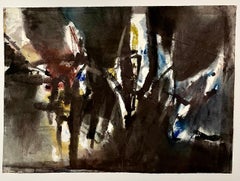
Large Modernist Abstract Expressionist Watercolor Painting Bauhaus Weimar Artist

Large Modernist Abstract Expressionist Watercolor Painting Bauhaus Weimar Artist

By Pawel Kontny

Located in Surfside, FL

Abstract watercolor composition bearing the influence of the earlier color-block compositions of Paul Klee. Pawel August Kontny, (Polish-German-American artist) He was born in Laurahuette, Poland, in 1923, the son of a wealthy pastry shop owner. In 1939 he began studying architecture in Breslau where he was introduced to the European masters and to the work of some of the German Expressionists, soon afterward banned as "degenerate artists" and removed from museums throughout Germany by the Nazi regime. His studies were interrupted by World War II. Drafted into the German army, traveling in many countries as a soldier, he sketched various landscapes but in 1945, he was captured and held as a prisoner of war in Italy. After the war, he studied at the Union of Nuremberg Architects to help design buildings to replace ones destroyed in the war. He recorded his impressions of the local population and the landscapes through his watercolors and drawings. Pawel Kontny thereafter moved to Nuremberg, Germany, becoming a member of the Union of Nuremberg Architects and helping to rebuild the city's historic center. He soon decided to concentrate on his professional art career. He married Irmgard Laurer, a dancer with the Nuremberg Opera. Pavel Kontny 's career as an artist was launched with his participation in an all German exhibition, held at the Dusseldorf Museum in 1952. He held one-man shows in Germany, Switzerland and the United States. During his trip to the United States in 1960, Kontny became instantly enamored with Colorado, and decided to relocate to Cherry Hills with his wife and two children. He quickly established himself in the local art community, being affiliated for a time with Denver Art Galleries and Saks Galleries. His subject matter became the Southwest. During this time he received the Prestigious Gold Medal of the Art Academy of Rome. His extensive travel provided material for the paintings he did using his hallmark marble dust technique. he also worked equally in pastel, watercolor, charcoal and pencil-and-ink. in a style which merged abstraction and realist styles, influenced by Abstract Expressionist painting and South Western American landscapes. In the early 1960s he was one of only a few European-born professional artists in the state, a select group that included Herbert Bayer (1900-1985), a member of the prewar Bauhaus in Weimar and Dessau, Germany, and Roland Detre...

Category

Mid-20th Century Abstract Expressionist Pawel Kontny Art

Materials

Watercolor, Archival Paper
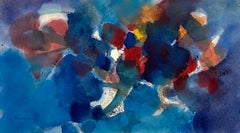
Modernist Abstract Expressionist Watercolor Painting Bauhaus Weimar Artist

Modernist Abstract Expressionist Watercolor Painting Bauhaus Weimar Artist

By Pawel Kontny

Located in Surfside, FL

Abstract watercolor composition bearing the influence of the earlier color-block compositions of Paul Klee and Abstract Expressionist master Sam Francis. Pawel August Kontny, (Polish-German-American artist) He was born in Laurahuette, Poland, in 1923, the son of a wealthy pastry shop owner. In 1939 he began studying architecture in Breslau where he was introduced to the European masters and to the work of some of the German Expressionists, soon afterward banned as "degenerate artists" and removed from museums throughout Germany by the Nazi regime. His studies were interrupted by World War II. Drafted into the German army, traveling in many countries as a soldier, he sketched various landscapes but in 1945, he was captured and held as a prisoner of war in Italy. After the war, he studied at the Union of Nuremberg Architects to help design buildings to replace ones destroyed in the war. He recorded his impressions of the local population and the landscapes through his watercolors and drawings. Pawel Kontny thereafter moved to Nuremberg, Germany, becoming a member of the Union of Nuremberg Architects and helping to rebuild the city's historic center. He soon decided to concentrate on his professional art career. He married Irmgard Laurer, a dancer with the Nuremberg Opera. Pavel Kontny 's career as an artist was launched with his participation in an all German exhibition, held at the Dusseldorf Museum in 1952. He held one-man shows in Germany, Switzerland and the United States. During his trip to the United States in 1960, Kontny became instantly enamored with Colorado, and decided to relocate to Cherry Hills with his wife and two children. He quickly established himself in the local art community, being affiliated for a time with Denver Art Galleries and Saks Galleries. His subject matter became the Southwest. During this time he received the Prestigious Gold Medal of the Art Academy of Rome. His extensive travel provided material for the paintings he did using his hallmark marble dust technique. he also worked equally in pastel, watercolor, charcoal and pencil-and-ink. in a style which merged abstraction and realist styles, influenced by Abstract Expressionist painting and South Western American landscapes. In the early 1960s he was one of only a few European-born professional artists in the state, a select group that included Herbert Bayer (1900-1985), a member of the prewar Bauhaus in Weimar and Dessau, Germany, and Roland Detre...

Category

20th Century Abstract Expressionist Pawel Kontny Art

Materials

Watercolor, Archival Paper
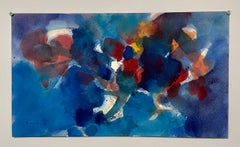
Modernist Abstract Expressionist Watercolor Painting Bauhaus Weimar Pawel Kontny

Modernist Abstract Expressionist Watercolor Painting Bauhaus Weimar Pawel Kontny

By Pawel Kontny

Located in Surfside, FL

Abstract watercolor composition bearing the influence of the earlier color-block compositions of Paul Klee. Pawel August Kontny, (Polish-German-American artist) He was born in Laurahuette, Poland, in 1923, the son of a wealthy pastry shop owner. In 1939 he began studying architecture in Breslau where he was introduced to the European masters and to the work of some of the German Expressionists, soon afterward banned as "degenerate artists" and removed from museums throughout Germany by the Nazi regime. His studies were interrupted by World War II. Drafted into the German army, traveling in many countries as a soldier, he sketched various landscapes but in 1945, he was captured and held as a prisoner of war in Italy. After the war, he studied at the Union of Nuremberg Architects to help design buildings to replace ones destroyed in the war. He recorded his impressions of the local population and the landscapes through his watercolors and drawings. Pawel Kontny thereafter moved to Nuremberg, Germany, becoming a member of the Union of Nuremberg Architects and helping to rebuild the city's historic center. He soon decided to concentrate on his professional art career. He married Irmgard Laurer, a dancer with the Nuremberg Opera. Pavel Kontny 's career as an artist was launched with his participation in an all German exhibition, held at the Dusseldorf Museum in 1952. He held one-man shows in Germany, Switzerland and the United States. During his trip to the United States in 1960, Kontny became instantly enamored with Colorado, and decided to relocate to Cherry Hills with his wife and two children. He quickly established himself in the local art community, being affiliated for a time with Denver Art Galleries and Saks Galleries. His subject matter became the Southwest. During this time he received the Prestigious Gold Medal of the Art Academy of Rome. His extensive travel provided material for the paintings he did using his hallmark marble dust technique. he also worked equally in pastel, watercolor, charcoal and pencil-and-ink. in a style which merged abstraction and realist styles, influenced by Abstract Expressionist painting and South Western American landscapes. This one bears the influence of Sam Francis. In the early 1960s he was one of only a few European-born professional artists in the state, a select group that included Herbert Bayer (1900-1985), a member of the prewar Bauhaus in Weimar and Dessau, Germany, and Roland Detre...

Category

20th Century American Modern Pawel Kontny Art

Materials

Watercolor, Archival Paper
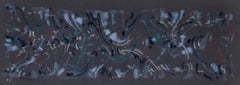
Modernist Abstract Expressionist Watercolor Painting Bauhaus Weimar Pawel Kontny

Modernist Abstract Expressionist Watercolor Painting Bauhaus Weimar Pawel Kontny

By Pawel Kontny

Located in Surfside, FL

Abstract watercolor composition bearing the influence of the earlier color-block compositions of Paul Klee. Pawel August Kontny, (Polish-German-American artist) He was born in Laurahuette, Poland, in 1923, the son of a wealthy pastry shop owner. In 1939 he began studying architecture in Breslau where he was introduced to the European masters and to the work of some of the German Expressionists, soon afterward banned as "degenerate artists" and removed from museums throughout Germany by the Nazi regime. His studies were interrupted by World War II. Drafted into the German army, traveling in many countries as a soldier, he sketched various landscapes but in 1945, he was captured and held as a prisoner of war in Italy. After the war, he studied at the Union of Nuremberg Architects to help design buildings to replace ones destroyed in the war. He recorded his impressions of the local population and the landscapes through his watercolors and drawings. Pawel Kontny thereafter moved to Nuremberg, Germany, becoming a member of the Union of Nuremberg Architects and helping to rebuild the city's historic center. He soon decided to concentrate on his professional art career. He married Irmgard Laurer, a dancer with the Nuremberg Opera. Pavel Kontny 's career as an artist was launched with his participation in an all German exhibition, held at the Dusseldorf Museum in 1952. He held one-man shows in Germany, Switzerland and the United States. During his trip to the United States in 1960, Kontny became instantly enamored with Colorado, and decided to relocate to Cherry Hills with his wife and two children. He quickly established himself in the local art community, being affiliated for a time with Denver Art Galleries and Saks Galleries. His subject matter became the Southwest. During this time he received the Prestigious Gold Medal of the Art Academy of Rome. His extensive travel provided material for the paintings he did using his hallmark marble dust technique. he also worked equally in pastel, watercolor, charcoal and pencil-and-ink. in a style which merged abstraction and realist styles, influenced by Abstract Expressionist painting and South Western American landscapes. This one bears the influence of Sam Francis. In the early 1960s he was one of only a few European-born professional artists in the state, a select group that included Herbert Bayer (1900-1985), a member of the prewar Bauhaus in Weimar and Dessau, Germany, and Roland Detre...

Category

20th Century American Modern Pawel Kontny Art

Materials

Watercolor, Archival Paper
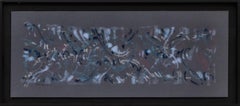
Modernist Abstract Expressionist Watercolor Painting Bauhaus Weimar Artist

Modernist Abstract Expressionist Watercolor Painting Bauhaus Weimar Artist

By Pawel Kontny

Located in Surfside, FL

Abstract watercolor composition bearing the influence of the earlier color-block compositions of Paul Klee. Pawel August Kontny, (Polish-German-American artist) He was born in Laurahuette, Poland, in 1923, the son of a wealthy pastry shop owner. In 1939 he began studying architecture in Breslau where he was introduced to the European masters and to the work of some of the German Expressionists, soon afterward banned as "degenerate artists" and removed from museums throughout Germany by the Nazi regime. His studies were interrupted by World War II. Drafted into the German army, traveling in many countries as a soldier, he sketched various landscapes but in 1945, he was captured and held as a prisoner of war in Italy. After the war, he studied at the Union of Nuremberg Architects to help design buildings to replace ones destroyed in the war. He recorded his impressions of the local population and the landscapes through his watercolors and drawings. Pawel Kontny thereafter moved to Nuremberg, Germany, becoming a member of the Union of Nuremberg Architects and helping to rebuild the city's historic center. He soon decided to concentrate on his professional art career. He married Irmgard Laurer, a dancer with the Nuremberg Opera. Pavel Kontny 's career as an artist was launched with his participation in an all German exhibition, held at the Dusseldorf Museum in 1952. He held one-man shows in Germany, Switzerland and the United States. During his trip to the United States in 1960, Kontny became instantly enamored with Colorado, and decided to relocate to Cherry Hills with his wife and two children. He quickly established himself in the local art community, being affiliated for a time with Denver Art Galleries and Saks Galleries. His subject matter became the Southwest. During this time he received the Prestigious Gold Medal of the Art Academy of Rome. His extensive travel provided material for the paintings he did using his hallmark marble dust technique. he also worked equally in pastel, watercolor, charcoal and pencil-and-ink. in a style which merged abstraction and realist styles, influenced by Abstract Expressionist painting and South Western American landscapes. In the early 1960s he was one of only a few European-born professional artists in the state, a select group that included Herbert Bayer (1900-1985), a member of the prewar Bauhaus in Weimar and Dessau, Germany, and Roland Detre...

Category

Mid-20th Century American Modern Pawel Kontny Art

Materials

Watercolor, Archival Paper
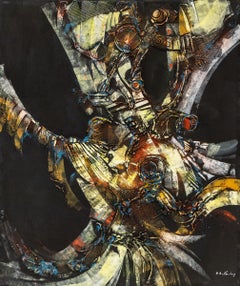
Large Modernist Abstract Expressionist Gouache Painting Bauhaus Weimar Artist

Large Modernist Abstract Expressionist Gouache Painting Bauhaus Weimar Artist

By Pawel Kontny

Located in Surfside, FL

Abstract watercolor or gouache composition bearing the influence of the earlier color-block compositions of Paul Klee. Pawel August Kontny, (Polish-German-American artist) He was born in Laurahuette, Poland, in 1923, the son of a wealthy pastry shop owner. In 1939 he began studying architecture in Breslau where he was introduced to the European masters and to the work of some of the German Expressionists, soon afterward banned as "degenerate artists" and removed from museums throughout Germany by the Nazi regime. His studies were interrupted by World War II. Drafted into the German army, traveling in many countries as a soldier, he sketched various landscapes but in 1945, he was captured and held as a prisoner of war in Italy. After the war, he studied at the Union of Nuremberg Architects to help design buildings to replace ones destroyed in the war. He recorded his impressions of the local population and the landscapes through his watercolors and drawings. Pawel Kontny thereafter moved to Nuremberg, Germany, becoming a member of the Union of Nuremberg Architects and helping to rebuild the city's historic center. He soon decided to concentrate on his professional art career. He married Irmgard Laurer, a dancer with the Nuremberg Opera. Pavel Kontny 's career as an artist was launched with his participation in an all German exhibition, held at the Dusseldorf Museum in 1952. He held one-man shows in Germany, Switzerland and the United States. During his trip to the United States in 1960, Kontny became instantly enamored with Colorado, and decided to relocate to Cherry Hills with his wife and two children. He quickly established himself in the local art community, being affiliated for a time with Denver Art Galleries and Saks Galleries. His subject matter became the Southwest. During this time he received the Prestigious Gold Medal of the Art Academy of Rome. His extensive travel provided material for the paintings he did using his hallmark marble dust technique. he also worked equally in pastel, watercolor, charcoal and pencil-and-ink. in a style which merged abstraction and realist styles, influenced by Abstract Expressionist painting and South Western American landscapes. In the early 1960s he was one of only a few European-born professional artists in the state, a select group that included Herbert Bayer (1900-1985), a member of the prewar Bauhaus in Weimar and Dessau, Germany, and Roland Detre...

Category

20th Century American Modern Pawel Kontny Art

Materials

Watercolor, Archival Paper
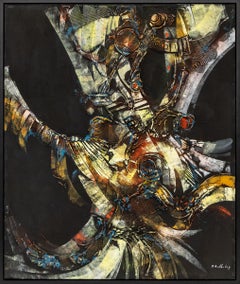
Pawel August Kontny Blue Gray Mauve Abstract Oil Painting, Contemporary Art

Pawel August Kontny Blue Gray Mauve Abstract Oil Painting, Contemporary Art

By Pawel Kontny

Located in Denver, CO

This original abstract painting by Pawel August Kontny features a refined and atmospheric composition rendered in harmonious shades of blue, gray, and mauve. Subtle tonal transitions...

Category

Mid-20th Century Abstract Expressionist Pawel Kontny Art

Materials

Fabric, Oil

Modernist Abstract Expressionist Watercolor Painting Bauhaus Weimar Pawel Kontny

Modernist Abstract Expressionist Watercolor Painting Bauhaus Weimar Pawel Kontny

By Pawel Kontny

Located in Surfside, FL

Abstract watercolor composition bearing the influence of the earlier color-block compositions of Paul Klee. Pawel August Kontny, (Polish-German-American artist) He was born in Laurahuette, Poland, in 1923, the son of a wealthy pastry shop owner. In 1939 he began studying architecture in Breslau where he was introduced to the European masters and to the work of some of the German Expressionists, soon afterward banned as "degenerate artists" and removed from museums throughout Germany by the Nazi regime. His studies were interrupted by World War II. Drafted into the German army, traveling in many countries as a soldier, he sketched various landscapes but in 1945, he was captured and held as a prisoner of war in Italy. After the war, he studied at the Union of Nuremberg Architects to help design buildings to replace ones destroyed in the war. He recorded his impressions of the local population and the landscapes through his watercolors and drawings. Pawel Kontny thereafter moved to Nuremberg, Germany, becoming a member of the Union of Nuremberg Architects and helping to rebuild the city's historic center. He soon decided to concentrate on his professional art career. He married Irmgard Laurer, a dancer with the Nuremberg Opera. Pavel Kontny 's career as an artist was launched with his participation in an all German exhibition, held at the Dusseldorf Museum in 1952. He held one-man shows in Germany, Switzerland and the United States. During his trip to the United States in 1960, Kontny became instantly enamored with Colorado, and decided to relocate to Cherry Hills with his wife and two children. He quickly established himself in the local art community, being affiliated for a time with Denver Art Galleries and Saks Galleries. His subject matter became the Southwest. During this time he received the Prestigious Gold Medal of the Art Academy of Rome. His extensive travel provided material for the paintings he did using his hallmark marble dust technique. he also worked equally in pastel, watercolor, charcoal and pencil-and-ink. in a style which merged abstraction and realist styles, influenced by Abstract Expressionist painting and South Western American landscapes. In the early 1960s he was one of only a few European-born professional artists in the state, a select group that included Herbert Bayer (1900-1985), a member of the prewar Bauhaus in Weimar and Dessau, Germany, and Roland Detre...

Category

20th Century American Modern Pawel Kontny Art

Materials

Canvas, Oil

Related Items
ABSTRACT SHORELINE LANDSCAPE Original Lithograph, Hand Drawn, Trial Proof

ABSTRACT SHORELINE LANDSCAPE Original Lithograph, Hand Drawn, Trial Proof

Located in Union City, NJ

ABSTRACT SHORELINE LANDSCAPE is an original, hand drawn stone lithograph printed using hand lithography techniques on archival Arches paper 100% acid free paper, by the artist Ido Be...

Category

1970s Realist Pawel Kontny Art

Materials

Lithograph

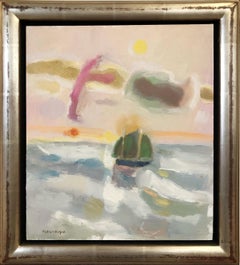
Rainstorm Sunset

Rainstorm Sunset

By Robert Noel Blair

Located in Buffalo, NY

You are viewing a modernist American watercolor painting by Robert Noel Blair. Robert Noel Blair (American, 1912-2003) was an American artist, painter, sculptor, printmaker and te...

Category

American Modern Pawel Kontny Art

Materials

Paper, Watercolor

Pink Lavender Modern Abstract Landscape Painting on Canvas by British Artist

Pink Lavender Modern Abstract Landscape Painting on Canvas by British Artist

By Margaret Francis

Located in Preston, GB

‘Pink Lavender’ Modern Abstract Landscape Painting on Canvas from leading British Artist. Margaret Francis received her Degree in Fine Art from Winchester Art...

Category

2010s Abstract Expressionist Pawel Kontny Art

Materials

Canvas, Cotton Canvas, Acrylic, Watercolor, Mixed Media

Abstract Expressionist French Urban Scene. Gouache on Paper. 50cm x 65cm.

Abstract Expressionist French Urban Scene. Gouache on Paper. 50cm x 65cm.

Located in Cotignac, FR

Colorful abstract expressionnist village scene in gouache and watercolor on paper by Belgian artist André Pierard. Signed bottom right and dated August 1976 bottom left. This artwo...

Category

1970s Abstract Expressionist Pawel Kontny Art

Materials

Paper, Watercolor, Gouache

Jim Bird, Untitled, from Ediciones Poligrafa, 1979

Jim Bird, Untitled, from Ediciones Poligrafa, 1979

By Jim Bird

Located in Southampton, NY

This exquisite lithograph by Jim Bird (1937–2010), titled Untitled (Untitled), from the album Ediciones Poligrafa, Barcelona - Redfern Gallery, London, originates from the 1979 editi...

Category

1970s Op Art Pawel Kontny Art

Materials

Lithograph

"NY Street Signs" Mid-20th Century WPA 1938 Modernist Abstract Realism Pop Art

"NY Street Signs" Mid-20th Century WPA 1938 Modernist Abstract Realism Pop Art

By Stuart Davis

Located in New York, NY

"NY Street Signs" Mid-20th Century WPA 1938 Modernist Abstract Realism Pop Art Stuart Davis (American, 1892-1964) "Street Signs" Modernist gouache and traces of pencil on paper in the proto-pop art style Davis is celebrated for, 1938, signed to lower right, framed. Image: 11 1/4 x 15 1/4 inches. Frame by Bark: 18 1/2 x 22 inches. LITERATURE: A, Boyajian, M. Rutkowski, Stuart Davis, A Catalogue Raisonne, Vol. 2, New Haven, Connecticut, 2007, vol. II, p. 632, no. 1232, illustrated. EXHIBITIONS: ACA Galleries, New York American Artists' Congress: Group Exhibition of Paintings and Sculpture, Dec. 3-16, 1939 (SDAB I, 12/3/39, p. 129). Outlines Gallery, Pittsburgh, Stuart Davis, Mar. 3-16, 1946. Coleman Art Gallery, Philadelphia, 5 Prodigal Sons: Former Philadelphia Artists: Ralston Crawford, Stuart Davis, Charles Demuth, Julian Levi, Charles Sheeler, Oct 4 - 30, 1947 (pamphlet), no. 12. PROVENANCE: The artist; Mr. and Mrs. Frank Bowles, New York, Apr. 3, 1956; thence by descent, Private Collection, New York. NOTES: According to the Catalogue Raissonne, "the title 'Street Signs' is recorded in the artist's account books...

Category

1930s American Modern Pawel Kontny Art

Materials

Paper, Gouache, Pencil

Botanical Studies, Watercolours on Silk on Handmade Paper, Set of Three Tulips.

Botanical Studies, Watercolours on Silk on Handmade Paper, Set of Three Tulips.

By La Roche Laffitte

Located in Cotignac, FR

A set of three fine hand painted botanical watercolour studies on silk of tulips by La Roche Laffitte. The works are signed bottom right. Some are titled and numbered (see photos) Th...

Category

Late 20th Century Pawel Kontny Art

Materials

Silk, Watercolor, Handmade Paper, Gouache

Ellsworth Kelly, Untitled, from Derriere le miroir, 1966

Ellsworth Kelly, Untitled, from Derriere le miroir, 1966

By Ellsworth Kelly

Located in Southampton, NY

This exquisite lithograph by Ellsworth Kelly (1923–2015), titled Sans titre (Untitled), from the album Lithographies et eaux-fortes originales, livres illustres originaux, affiches, ...

Category

1960s Minimalist Pawel Kontny Art

Materials

Lithograph

Christo and Jeanne-Claude, Orange Storefront, Project, Ediciones Poligrafa, 1979

Christo and Jeanne-Claude, Orange Storefront, Project, Ediciones Poligrafa, 1979

By Christo and Jeanne-Claude

Located in Southampton, NY

This exquisite lithograph by Christo and Jeanne-Claude (1935–2020; 1935–2009), titled Facade de magasin orange, projet (Orange Storefront, Project), from the album Ediciones Poligraf...

Category

1970s Conceptual Pawel Kontny Art

Materials

Lithograph

Antoni Tapies, Untitled, from Ediciones Poligrafa, 1979

Antoni Tapies, Untitled, from Ediciones Poligrafa, 1979

By Antoni Tàpies

Located in Southampton, NY

This exquisite lithograph by Antoni Tapies (1923–2012), titled Sans titre (Untitled), from the album Ediciones Poligrafa, Barcelona - Redfern Gallery, London, originates from the 197...

Category

1970s Contemporary Pawel Kontny Art

Materials

Lithograph

Marc Chagall, Place de la Concorde, from Views of Paris, 1963

Marc Chagall, Place de la Concorde, from Views of Paris, 1963

By Marc Chagall

Located in Southampton, NY

This exquisite lithograph by Marc Chagall (1887–1985), titled Place de la Concorde (Place de la Concorde), from Regards Sur Paris (Views of Paris), originates from the January 22, 19...

Category

1960s Expressionist Pawel Kontny Art

Materials

Lithograph

A Bold 1940s Cubist Mural Study of a Chicago City Scene by Rudolph Weisenborn

A Bold 1940s Cubist Mural Study of a Chicago City Scene by Rudolph Weisenborn

By Rudolph Weisenborn

Located in Chicago, IL

A bold 1940s graphite on paper WPA era mural study of a Chicago city scene by Rudolph Weisenborn. Artwork size: 12 1/2 x 9 1/4 inches. Archivally matted to 18 x 16 inches, Provenance: Estate of the artist. Rudolph Weisenborn was born in Strassburg, Germany in 1881, but was orphaned at the age of nine. He was taken-in by Mid-Western farmer Thomas Westaby and spent his early years in Wisconsin, Iowa and North Dakota. Weisenborn first attended the University of North Dakota in 1898, then the Students School of Art in Denver. Various accounts have him working out west as a gold miner and cowboy. Around 1912, he settled in Chicago and worked as a window designer for Marshall Field’s. Weisenborn is best known as the founder of the Chicago No-Jury Society of Artists. The group was founded because many artists could not get their work accepted into the mainstream Art Institute shows. Weisenborn is quoted as saying that he harbored feelings of disdain for any jury and that his own paintings were frequently rejected by conservative jurors. He was also involved and helped found other radical artist’s groups such as the Salon des Refuses, Cor Ardens and Neo-Arlimusic. In 1936, he helped found the New York-based American Abstract Artist’s Group. He created the only abstract mural for the 1933 Century of Progress Exhibition in Chicago and also worked for the Federal Arts Project in the Easel Division. His WPA murals can be found in Crane Technical High School and Nettlehorst Elementary School in Chicago, IL. In 1945, Chicago businessman Herman Spertus...

Category

1940s American Modern Pawel Kontny Art

Materials

Paper, Graphite

Previously Available Items
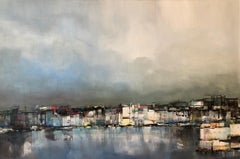
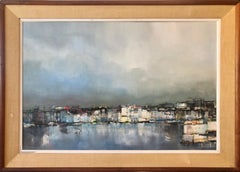
Modernist Colorado Oil Painting Abstract Cityscape Harbor Scene Pawel Kontny

Modernist Colorado Oil Painting Abstract Cityscape Harbor Scene Pawel Kontny

By Pawel Kontny

Located in Surfside, FL

Urban landscape of city harbor, marine scene, (North Africa?) bearing the influence of the earlier color-block compositions of Paul Klee. Modernist Cityscape 24" x 36" sight. oil on canvas signed lower left Pawel August Kontny, (Polish-German-American artist) He was born in Laurahuette, Poland, in 1923, the son of a wealthy pastry shop owner. In 1939 he began studying architecture in Breslau where he was introduced to the European masters and to the work of some of the German Expressionists, soon afterward banned as "degenerate artists" and removed from museums throughout Germany by the Nazi regime. His studies were interrupted by World War II. Drafted into the German army, traveling in many countries as a soldier, he sketched various landscapes but in 1945, he was captured and held as a prisoner of war in Italy. After the war, he studied at the Union of Nuremberg Architects to help design buildings to replace ones destroyed in the war. He recorded his impressions of the local population and the landscapes through his watercolors and drawings. Pawel Kontny thereafter moved to Nuremberg, Germany, becoming a member of the Union of Nuremberg Architects and helping to rebuild the city's historic center. He soon decided to concentrate on his professional art career. He married Irmgard Laurer, a dancer with the Nuremberg Opera. Pavel Kontny 's career as an artist was launched with his participation in an all German exhibition, held at the Dusseldorf Museum in 1952. He held one-man shows in Germany, Switzerland and the United States. During his trip to the United States in 1960, Kontny became instantly enamored with Colorado, and decided to relocate to Cherry Hills with his wife and two children. He quickly established himself in the local art community, being affiliated for a time with Denver Art Galleries and Saks Galleries. His subject matter became the Southwest. During this time he received the Prestigious Gold Medal of the Art Academy of Rome. His extensive travel provided material for the paintings he did using his hallmark marble dust technique. he also worked equally in pastel, watercolor, charcoal and pencil-and-ink. in a style which merged abstraction and realist styles, influenced by Abstract Expressionist painting and South Western American landscapes. In the early 1960s he was one of only a few European-born professional artists in the state, a select group that included Herbert Bayer (1900-1985), a member of the prewar Bauhaus in Weimar and Dessau, Germany, and Roland Detre...

Category

20th Century American Modern Pawel Kontny Art

Materials

Canvas, Oil

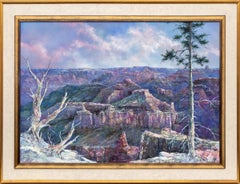
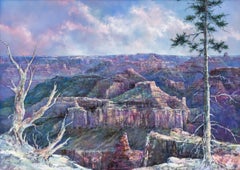
Grand Canyon, Arizona - 1980s Vintage Southwestern Landscape Oil Painting

Grand Canyon, Arizona - 1980s Vintage Southwestern Landscape Oil Painting

By Pawel Kontny

Located in Denver, CO

This striking original painting by renowned artist Pawel (Paul) Kontny beautifully captures the awe-inspiring grandeur of the Grand Canyon in Arizona during an evening sunset. The se...

Category

1980s American Impressionist Pawel Kontny Art

Materials

Gesso, Mixed Media, Oil

Modernist Abstract Expressionist Watercolor Painting Bauhaus Weimar Pawel Kontny

Modernist Abstract Expressionist Watercolor Painting Bauhaus Weimar Pawel Kontny

By Pawel Kontny

Located in Surfside, FL

Abstract watercolor composition bearing the influence of the earlier color-block compositions of Paul Klee. Pawel August Kontny, (Polish-German-American artist) He was born in Laurahuette, Poland, in 1923, the son of a wealthy pastry shop owner. In 1939 he began studying architecture in Breslau where he was introduced to the European masters and to the work of some of the German Expressionists, soon afterward banned as "degenerate artists" and removed from museums throughout Germany by the Nazi regime. His studies were interrupted by World War II. Drafted into the German army, traveling in many countries as a soldier, he sketched various landscapes but in 1945, he was captured and held as a prisoner of war in Italy. After the war, he studied at the Union of Nuremberg Architects to help design buildings to replace ones destroyed in the war. He recorded his impressions of the local population and the landscapes through his watercolors and drawings. Pawel Kontny thereafter moved to Nuremberg, Germany, becoming a member of the Union of Nuremberg Architects and helping to rebuild the city's historic center. He soon decided to concentrate on his professional art career. He married Irmgard Laurer, a dancer with the Nuremberg Opera. Pavel Kontny 's career as an artist was launched with his participation in an all German exhibition, held at the Dusseldorf Museum in 1952. He held one-man shows in Germany, Switzerland and the United States. During his trip to the United States in 1960, Kontny became instantly enamored with Colorado, and decided to relocate to Cherry Hills with his wife and two children. He quickly established himself in the local art community, being affiliated for a time with Denver Art Galleries and Saks Galleries. His subject matter became the Southwest. During this time he received the Prestigious Gold Medal of the Art Academy of Rome. His extensive travel provided material for the paintings he did using his hallmark marble dust technique. he also worked equally in pastel, watercolor, charcoal and pencil-and-ink. in a style which merged abstraction and realist styles, influenced by Abstract Expressionist painting and South Western American landscapes. This one bears the influence of Sam Francis. In the early 1960s he was one of only a few European-born professional artists in the state, a select group that included Herbert Bayer (1900-1985), a member of the prewar Bauhaus in Weimar and Dessau, Germany, and Roland Detre (1903-2001), a Hungarian modernist painter. As a Denver, Colorado resident, Pavel Kontny exhibited at galleries and museums throughout the United States, Germany and Japan. There, he was inspired by frequent trips to Native American pueblos in the Southwest, as well as by the study of the Plains Indians of Montana and Wyoming. Over the years Kontny had a number of students and generously helped young artist by hosting exhibitions at his Cherry Hills home. For many years he generously donated his paintings to support charitable causes in Denver. Influences during his European years included German pastelist C.O. Muller, German Informel painter Karl Dahmen and Swiss artist, Hans Erni. In the early 1950s his painting style showed the influence of the Die Brücke (The Bridge), a group of German expressionist artists formed in Dresden in 1905 who had a major impact on the evolution of modern art in the twentieth century in Germany. By the middle of the decade his style incorporated more referential abstraction and total abstraction, resulting in part from his study of Hans Hartung, a German artist based in Paris who exhibited his gestural abstract work in Germany. The American moon landing in 1969 inspired Paul Kontny...

Category

20th Century American Modern Pawel Kontny Art

Materials

Watercolor, Archival Paper
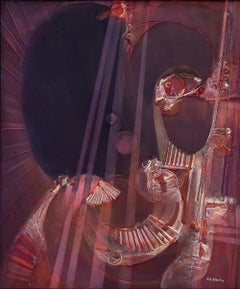
Modernist Abstract Expressionist Watercolor Painting Bauhaus Weimar Pawel Kontny

Modernist Abstract Expressionist Watercolor Painting Bauhaus Weimar Pawel Kontny

By Pawel Kontny

Located in Surfside, FL

Abstract watercolor composition bearing the influence of the earlier color-block compositions of Paul Klee. Pawel August Kontny, (Polish-German-American artist) He was born in Laurahuette, Poland, in 1923, the son of a wealthy pastry shop owner. In 1939 he began studying architecture in Breslau where he was introduced to the European masters and to the work of some of the German Expressionists, soon afterward banned as "degenerate artists" and removed from museums throughout Germany by the Nazi regime. His studies were interrupted by World War II. Drafted into the German army, traveling in many countries as a soldier, he sketched various landscapes but in 1945, he was captured and held as a prisoner of war in Italy. After the war, he studied at the Union of Nuremberg Architects to help design buildings to replace ones destroyed in the war. He recorded his impressions of the local population and the landscapes through his watercolors and drawings. Pawel Kontny thereafter moved to Nuremberg, Germany, becoming a member of the Union of Nuremberg Architects and helping to rebuild the city's historic center. He soon decided to concentrate on his professional art career. He married Irmgard Laurer, a dancer with the Nuremberg Opera. Pavel Kontny 's career as an artist was launched with his participation in an all German exhibition, held at the Dusseldorf Museum in 1952. He held one-man shows in Germany, Switzerland and the United States. During his trip to the United States in 1960, Kontny became instantly enamored with Colorado, and decided to relocate to Cherry Hills with his wife and two children. He quickly established himself in the local art community, being affiliated for a time with Denver Art Galleries and Saks Galleries. His subject matter became the Southwest. During this time he received the Prestigious Gold Medal of the Art Academy of Rome. His extensive travel provided material for the paintings he did using his hallmark marble dust technique. he also worked equally in pastel, watercolor, charcoal and pencil-and-ink. in a style which merged abstraction and realist styles, influenced by Abstract Expressionist painting and South Western American landscapes. This one bears the influence of Sam Francis. In the early 1960s he was one of only a few European-born professional artists in the state, a select group that included Herbert Bayer (1900-1985), a member of the prewar Bauhaus in Weimar and Dessau, Germany, and Roland Detre (1903-2001), a Hungarian modernist painter. As a Denver, Colorado resident, Pavel Kontny exhibited at galleries and museums throughout the United States, Germany and Japan. There, he was inspired by frequent trips to Native American pueblos in the Southwest, as well as by the study of the Plains Indians of Montana and Wyoming. Over the years Kontny had a number of students and generously helped young artist by hosting exhibitions at his Cherry Hills home. For many years he generously donated his paintings to support charitable causes in Denver. Influences during his European years included German pastelist C.O. Muller, German Informel painter Karl Dahmen and Swiss artist, Hans Erni. In the early 1950s his painting style showed the influence of the Die Brücke (The Bridge), a group of German expressionist artists formed in Dresden in 1905 who had a major impact on the evolution of modern art in the twentieth century in Germany. By the middle of the decade his style incorporated more referential abstraction and total abstraction, resulting in part from his study of Hans Hartung, a German artist based in Paris who exhibited his gestural abstract work in Germany. The American moon landing in 1969 inspired Paul Kontny...

Category

20th Century American Modern Pawel Kontny Art

Materials

Watercolor, Archival Paper
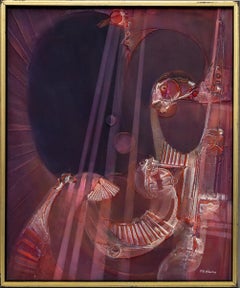
Modernist Abstract Expressionist Watercolor Painting Bauhaus Weimar Pawel Kontny

Modernist Abstract Expressionist Watercolor Painting Bauhaus Weimar Pawel Kontny

By Pawel Kontny

Located in Surfside, FL

Abstract watercolor composition bearing the influence of the earlier color-block compositions of Paul Klee. Pawel August Kontny, (Polish-German-American artist) He was born in Laurahuette, Poland, in 1923, the son of a wealthy pastry shop owner. In 1939 he began studying architecture in Breslau where he was introduced to the European masters and to the work of some of the German Expressionists, soon afterward banned as "degenerate artists" and removed from museums throughout Germany by the Nazi regime. His studies were interrupted by World War II. Drafted into the German army, traveling in many countries as a soldier, he sketched various landscapes but in 1945, he was captured and held as a prisoner of war in Italy. After the war, he studied at the Union of Nuremberg Architects to help design buildings to replace ones destroyed in the war. He recorded his impressions of the local population and the landscapes through his watercolors and drawings. Pawel Kontny thereafter moved to Nuremberg, Germany, becoming a member of the Union of Nuremberg Architects and helping to rebuild the city's historic center. He soon decided to concentrate on his professional art career. He married Irmgard Laurer, a dancer with the Nuremberg Opera. Pavel Kontny 's career as an artist was launched with his participation in an all German exhibition, held at the Dusseldorf Museum in 1952. He held one-man shows in Germany, Switzerland and the United States. During his trip to the United States in 1960, Kontny became instantly enamored with Colorado, and decided to relocate to Cherry Hills with his wife and two children. He quickly established himself in the local art community, being affiliated for a time with Denver Art Galleries and Saks Galleries. His subject matter became the Southwest. During this time he received the Prestigious Gold Medal of the Art Academy of Rome. His extensive travel provided material for the paintings he did using his hallmark marble dust technique. he also worked equally in pastel, watercolor, charcoal and pencil-and-ink. in a style which merged abstraction and realist styles, influenced by Abstract Expressionist painting and South Western American landscapes. This one is influenced by California Abstract Expressionist artist Sam Francis. In the early 1960s he was one of only a few European-born professional artists in the state, a select group that included Herbert Bayer (1900-1985), a member of the prewar Bauhaus in Weimar and Dessau, Germany, and Roland Detre (1903-2001), a Hungarian modernist painter. As a Denver, Colorado resident, Pavel Kontny exhibited at galleries and museums throughout the United States, Germany and Japan. There, he was inspired by frequent trips to Native American pueblos in the Southwest, as well as by the study of the Plains Indians of Montana and Wyoming. Over the years Kontny had a number of students and generously helped young artist by hosting exhibitions at his Cherry Hills home. For many years he generously donated his paintings to support charitable causes in Denver. Influences during his European years included German pastelist C.O. Muller, German Informel painter Karl Dahmen and Swiss artist, Hans Erni. In the early 1950s his painting style showed the influence of the Die Brücke (The Bridge), a group of German expressionist artists formed in Dresden in 1905 who had a major impact on the evolution of modern art in the twentieth century in Germany. By the middle of the decade his style incorporated more referential abstraction and total abstraction, resulting in part from his study of Hans Hartung, a German artist based in Paris who exhibited his gestural abstract work in Germany. The American moon landing in 1969 inspired Paul Kontny...

Category

20th Century Abstract Expressionist Pawel Kontny Art

Materials

Watercolor, Archival Paper
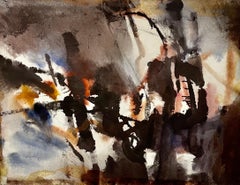
Modernist Abstract Expressionist Watercolor Painting Bauhaus Weimar Artist

Modernist Abstract Expressionist Watercolor Painting Bauhaus Weimar Artist

By Pawel Kontny

Located in Surfside, FL

Abstract watercolor composition bearing the influence of the earlier color-block compositions of Paul Klee and Abstract Expressionist master Sam Francis. Pawel August Kontny, (Polish-German-American artist) He was born in Laurahuette, Poland, in 1923, the son of a wealthy pastry shop owner. In 1939 he began studying architecture in Breslau where he was introduced to the European masters and to the work of some of the German Expressionists, soon afterward banned as "degenerate artists" and removed from museums throughout Germany by the Nazi regime. His studies were interrupted by World War II. Drafted into the German army, traveling in many countries as a soldier, he sketched various landscapes but in 1945, he was captured and held as a prisoner of war in Italy. After the war, he studied at the Union of Nuremberg Architects to help design buildings to replace ones destroyed in the war. He recorded his impressions of the local population and the landscapes through his watercolors and drawings. Pawel Kontny thereafter moved to Nuremberg, Germany, becoming a member of the Union of Nuremberg Architects and helping to rebuild the city's historic center. He soon decided to concentrate on his professional art career. He married Irmgard Laurer, a dancer with the Nuremberg Opera. Pavel Kontny 's career as an artist was launched with his participation in an all German exhibition, held at the Dusseldorf Museum in 1952. He held one-man shows in Germany, Switzerland and the United States. During his trip to the United States in 1960, Kontny became instantly enamored with Colorado, and decided to relocate to Cherry Hills with his wife and two children. He quickly established himself in the local art community, being affiliated for a time with Denver Art Galleries and Saks Galleries. His subject matter became the Southwest. During this time he received the Prestigious Gold Medal of the Art Academy of Rome. His extensive travel provided material for the paintings he did using his hallmark marble dust technique. he also worked equally in pastel, watercolor, charcoal and pencil-and-ink. in a style which merged abstraction and realist styles, influenced by Abstract Expressionist painting and South Western American landscapes. In the early 1960s he was one of only a few European-born professional artists in the state, a select group that included Herbert Bayer (1900-1985), a member of the prewar Bauhaus in Weimar and Dessau, Germany, and Roland Detre (1903-2001), a Hungarian modernist painter. As a Denver, Colorado resident, Pavel Kontny exhibited at galleries and museums throughout the United States, Germany and Japan. There, he was inspired by frequent trips to Native American pueblos in the Southwest, as well as by the study of the Plains Indians of Montana and Wyoming. Over the years Kontny had a number of students and generously helped young artist by hosting exhibitions at his Cherry Hills home. For many years he generously donated his paintings to support charitable causes in Denver. Influences during his European years included German pastelist C.O. Muller, German Informel painter Karl Dahmen and Swiss artist, Hans Erni. In the early 1950s his painting style showed the influence of the Die Brücke (The Bridge), a group of German expressionist artists formed in Dresden in 1905 who had a major impact on the evolution of modern art in the twentieth century in Germany. By the middle of the decade his style incorporated more referential abstraction and total abstraction, resulting in part from his study of Hans Hartung, a German artist based in Paris who exhibited his gestural abstract work in Germany. The American moon landing in 1969 inspired Paul Kontny...

Category

20th Century Abstract Expressionist Pawel Kontny Art

Materials

Watercolor, Archival Paper
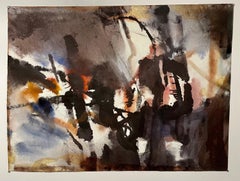
Large Modernist Abstract Expressionist Gouache Painting Bauhaus Weimar Artist

Large Modernist Abstract Expressionist Gouache Painting Bauhaus Weimar Artist

By Pawel Kontny

Located in Surfside, FL

Abstract watercolor or gouache composition bearing the influence of the earlier color-block compositions of Paul Klee. Pawel August Kontny, (Polish-German-American artist) He was born in Laurahuette, Poland, in 1923, the son of a wealthy pastry shop owner. In 1939 he began studying architecture in Breslau where he was introduced to the European masters and to the work of some of the German Expressionists, soon afterward banned as "degenerate artists" and removed from museums throughout Germany by the Nazi regime. His studies were interrupted by World War II. Drafted into the German army, traveling in many countries as a soldier, he sketched various landscapes but in 1945, he was captured and held as a prisoner of war in Italy. After the war, he studied at the Union of Nuremberg Architects to help design buildings to replace ones destroyed in the war. He recorded his impressions of the local population and the landscapes through his watercolors and drawings. Pawel Kontny thereafter moved to Nuremberg, Germany, becoming a member of the Union of Nuremberg Architects and helping to rebuild the city's historic center. He soon decided to concentrate on his professional art career. He married Irmgard Laurer, a dancer with the Nuremberg Opera. Pavel Kontny 's career as an artist was launched with his participation in an all German exhibition, held at the Dusseldorf Museum in 1952. He held one-man shows in Germany, Switzerland and the United States. During his trip to the United States in 1960, Kontny became instantly enamored with Colorado, and decided to relocate to Cherry Hills with his wife and two children. He quickly established himself in the local art community, being affiliated for a time with Denver Art Galleries and Saks Galleries. His subject matter became the Southwest. During this time he received the Prestigious Gold Medal of the Art Academy of Rome. His extensive travel provided material for the paintings he did using his hallmark marble dust technique. he also worked equally in pastel, watercolor, charcoal and pencil-and-ink. in a style which merged abstraction and realist styles, influenced by Abstract Expressionist painting and South Western American landscapes. In the early 1960s he was one of only a few European-born professional artists in the state, a select group that included Herbert Bayer (1900-1985), a member of the prewar Bauhaus in Weimar and Dessau, Germany, and Roland Detre (1903-2001), a Hungarian modernist painter. As a Denver, Colorado resident, Pavel Kontny exhibited at galleries and museums throughout the United States, Germany and Japan. There, he was inspired by frequent trips to Native American pueblos in the Southwest, as well as by the study of the Plains Indians of Montana and Wyoming. Over the years Kontny had a number of students and generously helped young artist by hosting exhibitions at his Cherry Hills home. For many years he generously donated his paintings to support charitable causes in Denver. Influences during his European years included German pastelist C.O. Muller, German Informel painter Karl Dahmen and Swiss artist, Hans Erni. In the early 1950s his painting style showed the influence of the Die Brücke (The Bridge), a group of German expressionist artists formed in Dresden in 1905 who had a major impact on the evolution of modern art in the twentieth century in Germany. By the middle of the decade his style incorporated more referential abstraction and total abstraction, resulting in part from his study of Hans Hartung, a German artist based in Paris who exhibited his gestural abstract work in Germany. The American moon landing in 1969 inspired Paul Kontny...

Category

20th Century American Modern Pawel Kontny Art

Materials

Watercolor, Archival Paper
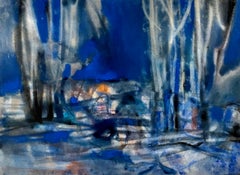
Modernist Abstract Expressionist Watercolor Painting Bauhaus Weimar Artist

Modernist Abstract Expressionist Watercolor Painting Bauhaus Weimar Artist

By Pawel Kontny

Located in Surfside, FL

Abstract watercolor composition bearing the influence of the earlier color-block compositions of Paul Klee. Pawel August Kontny, (Polish-German-American artist) He was born in Laurahuette, Poland, in 1923, the son of a wealthy pastry shop owner. In 1939 he began studying architecture in Breslau where he was introduced to the European masters and to the work of some of the German Expressionists, soon afterward banned as "degenerate artists" and removed from museums throughout Germany by the Nazi regime. His studies were interrupted by World War II. Drafted into the German army, traveling in many countries as a soldier, he sketched various landscapes but in 1945, he was captured and held as a prisoner of war in Italy. After the war, he studied at the Union of Nuremberg Architects to help design buildings to replace ones destroyed in the war. He recorded his impressions of the local population and the landscapes through his watercolors and drawings. Pawel Kontny thereafter moved to Nuremberg, Germany, becoming a member of the Union of Nuremberg Architects and helping to rebuild the city's historic center. He soon decided to concentrate on his professional art career. He married Irmgard Laurer, a dancer with the Nuremberg Opera. Pavel Kontny 's career as an artist was launched with his participation in an all German exhibition, held at the Dusseldorf Museum in 1952. He held one-man shows in Germany, Switzerland and the United States. During his trip to the United States in 1960, Kontny became instantly enamored with Colorado, and decided to relocate to Cherry Hills with his wife and two children. He quickly established himself in the local art community, being affiliated for a time with Denver Art Galleries and Saks Galleries. His subject matter became the Southwest. During this time he received the Prestigious Gold Medal of the Art Academy of Rome. His extensive travel provided material for the paintings he did using his hallmark marble dust technique. he also worked equally in pastel, watercolor, charcoal and pencil-and-ink. in a style which merged abstraction and realist styles, influenced by Abstract Expressionist painting and South Western American landscapes. In the early 1960s he was one of only a few European-born professional artists in the state, a select group that included Herbert Bayer (1900-1985), a member of the prewar Bauhaus in Weimar and Dessau, Germany, and Roland Detre (1903-2001), a Hungarian modernist painter. As a Denver, Colorado resident, Pavel Kontny exhibited at galleries and museums throughout the United States, Germany and Japan. There, he was inspired by frequent trips to Native American pueblos in the Southwest, as well as by the study of the Plains Indians of Montana and Wyoming. Over the years Kontny had a number of students and generously helped young artist by hosting exhibitions at his Cherry Hills home. For many years he generously donated his paintings to support charitable causes in Denver. Influences during his European years included German pastelist C.O. Muller, German Informel painter Karl Dahmen and Swiss artist, Hans Erni. In the early 1950s his painting style showed the influence of the Die Brücke (The Bridge), a group of German expressionist artists formed in Dresden in 1905 who had a major impact on the evolution of modern art in the twentieth century in Germany. By the middle of the decade his style incorporated more referential abstraction and total abstraction, resulting in part from his study of Hans Hartung, a German artist based in Paris who exhibited his gestural abstract work in Germany. His work also bears the influence of Sam Francis. The American moon landing in 1969 inspired Paul Kontny...

Category

Mid-20th Century American Modern Pawel Kontny Art

Materials

Watercolor, Archival Paper
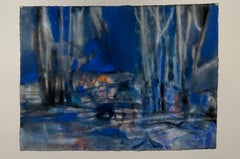
Large Modernist Abstract Expressionist Watercolor Painting Bauhaus Weimar Artist

Large Modernist Abstract Expressionist Watercolor Painting Bauhaus Weimar Artist

By Pawel Kontny

Located in Surfside, FL

Abstract watercolor composition bearing the influence of the earlier color-block compositions of Paul Klee. Pawel August Kontny, (Polish-German-American artist) He was born in Laurahuette, Poland, in 1923, the son of a wealthy pastry shop owner. In 1939 he began studying architecture in Breslau where he was introduced to the European masters and to the work of some of the German Expressionists, soon afterward banned as "degenerate artists" and removed from museums throughout Germany by the Nazi regime. His studies were interrupted by World War II. Drafted into the German army, traveling in many countries as a soldier, he sketched various landscapes but in 1945, he was captured and held as a prisoner of war in Italy. After the war, he studied at the Union of Nuremberg Architects to help design buildings to replace ones destroyed in the war. He recorded his impressions of the local population and the landscapes through his watercolors and drawings. Pawel Kontny thereafter moved to Nuremberg, Germany, becoming a member of the Union of Nuremberg Architects and helping to rebuild the city's historic center. He soon decided to concentrate on his professional art career. He married Irmgard Laurer, a dancer with the Nuremberg Opera. Pavel Kontny 's career as an artist was launched with his participation in an all German exhibition, held at the Dusseldorf Museum in 1952. He held one-man shows in Germany, Switzerland and the United States. During his trip to the United States in 1960, Kontny became instantly enamored with Colorado, and decided to relocate to Cherry Hills with his wife and two children. He quickly established himself in the local art community, being affiliated for a time with Denver Art Galleries and Saks Galleries. His subject matter became the Southwest. During this time he received the Prestigious Gold Medal of the Art Academy of Rome. His extensive travel provided material for the paintings he did using his hallmark marble dust technique. he also worked equally in pastel, watercolor, charcoal and pencil-and-ink. in a style which merged abstraction and realist styles, influenced by Abstract Expressionist painting and South Western American landscapes. In the early 1960s he was one of only a few European-born professional artists in the state, a select group that included Herbert Bayer (1900-1985), a member of the prewar Bauhaus in Weimar and Dessau, Germany, and Roland Detre (1903-2001), a Hungarian modernist painter. As a Denver, Colorado resident, Pavel Kontny exhibited at galleries and museums throughout the United States, Germany and Japan. There, he was inspired by frequent trips to Native American pueblos in the Southwest, as well as by the study of the Plains Indians of Montana and Wyoming. Over the years Kontny had a number of students and generously helped young artist by hosting exhibitions at his Cherry Hills home. For many years he generously donated his paintings to support charitable causes in Denver. Influences during his European years included German pastelist C.O. Muller, German Informel painter Karl Dahmen and Swiss artist, Hans Erni. In the early 1950s his painting style showed the influence of the Die Brücke (The Bridge), a group of German expressionist artists formed in Dresden in 1905 who had a major impact on the evolution of modern art in the twentieth century in Germany. By the middle of the decade his style incorporated more referential abstraction and total abstraction, resulting in part from his study of Hans Hartung, a German artist based in Paris who exhibited his gestural abstract work in Germany. The American moon landing in 1969 inspired Paul Kontny...

Category

Mid-20th Century Abstract Expressionist Pawel Kontny Art

Materials

Watercolor, Archival Paper
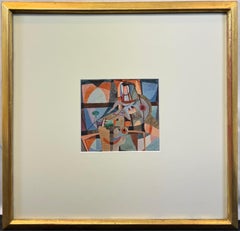
Modernist Abstract Expressionist Watercolor Painting Bauhaus Weimar Pawel Kontny

Modernist Abstract Expressionist Watercolor Painting Bauhaus Weimar Pawel Kontny

By Pawel Kontny

Located in Surfside, FL

Abstract watercolor composition bearing the influence of the earlier color-block compositions of Paul Klee. Pawel August Kontny, (Polish-German-American artist) He was born in Laurahuette, Poland, in 1923, the son of a wealthy pastry shop owner. In 1939 he began studying architecture in Breslau where he was introduced to the European masters and to the work of some of the German Expressionists, soon afterward banned as "degenerate artists" and removed from museums throughout Germany by the Nazi regime. His studies were interrupted by World War II. Drafted into the German army, traveling in many countries as a soldier, he sketched various landscapes but in 1945, he was captured and held as a prisoner of war in Italy. After the war, he studied at the Union of Nuremberg Architects to help design buildings to replace ones destroyed in the war. He recorded his impressions of the local population and the landscapes through his watercolors and drawings. Pawel Kontny thereafter moved to Nuremberg, Germany, becoming a member of the Union of Nuremberg Architects and helping to rebuild the city's historic center. He soon decided to concentrate on his professional art career. He married Irmgard Laurer, a dancer with the Nuremberg Opera. Pavel Kontny 's career as an artist was launched with his participation in an all German exhibition, held at the Dusseldorf Museum in 1952. He held one-man shows in Germany, Switzerland and the United States. During his trip to the United States in 1960, Kontny became instantly enamored with Colorado, and decided to relocate to Cherry Hills with his wife and two children. He quickly established himself in the local art community, being affiliated for a time with Denver Art Galleries and Saks Galleries. His subject matter became the Southwest. During this time he received the Prestigious Gold Medal of the Art Academy of Rome. His extensive travel provided material for the paintings he did using his hallmark marble dust technique. he also worked equally in pastel, watercolor, charcoal and pencil-and-ink. in a style which merged abstraction and realist styles, influenced by Abstract Expressionist painting and South Western American landscapes. This one bears the influence of Sam Francis. In the early 1960s he was one of only a few European-born professional artists in the state, a select group that included Herbert Bayer (1900-1985), a member of the prewar Bauhaus in Weimar and Dessau, Germany, and Roland Detre (1903-2001), a Hungarian modernist painter. As a Denver, Colorado resident, Pavel Kontny exhibited at galleries and museums throughout the United States, Germany and Japan. There, he was inspired by frequent trips to Native American pueblos in the Southwest, as well as by the study of the Plains Indians of Montana and Wyoming. Over the years Kontny had a number of students and generously helped young artist by hosting exhibitions at his Cherry Hills home. For many years he generously donated his paintings to support charitable causes in Denver. Influences during his European years included German pastelist C.O. Muller, German Informel painter Karl Dahmen and Swiss artist, Hans Erni. In the early 1950s his painting style showed the influence of the Die Brücke (The Bridge), a group of German expressionist artists formed in Dresden in 1905 who had a major impact on the evolution of modern art in the twentieth century in Germany. By the middle of the decade his style incorporated more referential abstraction and total abstraction, resulting in part from his study of Hans Hartung, a German artist based in Paris who exhibited his gestural abstract work in Germany. The American moon landing in 1969 inspired Paul Kontny...

Category

20th Century American Modern Pawel Kontny Art

Materials

Watercolor, Archival Paper
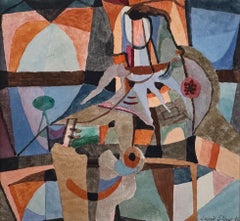
Modernist Abstract Expressionist Watercolor Painting Bauhaus Weimar Pawel Kontny

Modernist Abstract Expressionist Watercolor Painting Bauhaus Weimar Pawel Kontny

By Pawel Kontny

Located in Surfside, FL

Abstract watercolor composition bearing the influence of the earlier color-block compositions of Paul Klee. Pawel August Kontny, (Polish-German-American artist) He was born in Laurahuette, Poland, in 1923, the son of a wealthy pastry shop owner. In 1939 he began studying architecture in Breslau where he was introduced to the European masters and to the work of some of the German Expressionists, soon afterward banned as "degenerate artists" and removed from museums throughout Germany by the Nazi regime. His studies were interrupted by World War II. Drafted into the German army, traveling in many countries as a soldier, he sketched various landscapes but in 1945, he was captured and held as a prisoner of war in Italy. After the war, he studied at the Union of Nuremberg Architects to help design buildings to replace ones destroyed in the war. He recorded his impressions of the local population and the landscapes through his watercolors and drawings. Pawel Kontny thereafter moved to Nuremberg, Germany, becoming a member of the Union of Nuremberg Architects and helping to rebuild the city's historic center. He soon decided to concentrate on his professional art career. He married Irmgard Laurer, a dancer with the Nuremberg Opera. Pavel Kontny 's career as an artist was launched with his participation in an all German exhibition, held at the Dusseldorf Museum in 1952. He held one-man shows in Germany, Switzerland and the United States. During his trip to the United States in 1960, Kontny became instantly enamored with Colorado, and decided to relocate to Cherry Hills with his wife and two children. He quickly established himself in the local art community, being affiliated for a time with Denver Art Galleries and Saks Galleries. His subject matter became the Southwest. During this time he received the Prestigious Gold Medal of the Art Academy of Rome. His extensive travel provided material for the paintings he did using his hallmark marble dust technique. he also worked equally in pastel, watercolor, charcoal and pencil-and-ink. in a style which merged abstraction and realist styles, influenced by Abstract Expressionist painting and South Western American landscapes. In the early 1960s he was one of only a few European-born professional artists in the state, a select group that included Herbert Bayer (1900-1985), a member of the prewar Bauhaus in Weimar and Dessau, Germany, and Roland Detre (1903-2001), a Hungarian modernist painter. As a Denver, Colorado resident, Pavel Kontny exhibited at galleries and museums throughout the United States, Germany and Japan. There, he was inspired by frequent trips to Native American pueblos in the Southwest, as well as by the study of the Plains Indians of Montana and Wyoming. Over the years Kontny had a number of students and generously helped young artist by hosting exhibitions at his Cherry Hills home. For many years he generously donated his paintings to support charitable causes in Denver. Influences during his European years included German pastelist C.O. Muller, German Informel painter Karl Dahmen and Swiss artist, Hans Erni. In the early 1950s his painting style showed the influence of the Die Brücke (The Bridge), a group of German expressionist artists formed in Dresden in 1905 who had a major impact on the evolution of modern art in the twentieth century in Germany. By the middle of the decade his style incorporated more referential abstraction and total abstraction, resulting in part from his study of Hans Hartung, a German artist based in Paris who exhibited his gestural abstract work in Germany. The American moon landing in 1969 inspired Paul Kontny...

Category

20th Century American Modern Pawel Kontny Art

Materials

Canvas, Oil

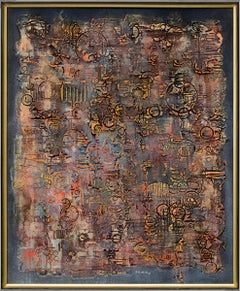
Oracle (Ancient Memories Series), Textured Abstract, Red, Orange, Yellow, Gray

Oracle (Ancient Memories Series), Textured Abstract, Red, Orange, Yellow, Gray

By Pawel Kontny

Located in Denver, CO

Oracle (Ancient Memories Series), abstract painting by Pawel Kontny (1923-2002). Colors include Red, Orange, Yellow, Gray and black. Created with marble dust, gesso and oil glaze on masonite, signed lower center, titled verso. Kontny applied his marble dust technique to three non-representational series he pursued until the end of his life. This painting is from the Ancient Memories Series, synthesizing his life-long interest in the ancient cultures of Egypt, Mesopotamia and Babylon, as well as those of the Aztecs, Mayan and Incas of the Western Hemisphere. Presented in a custom vintage frame...

Category

1970s Abstract Pawel Kontny Art

Materials

Marble

Pawel Kontny art for sale on 1stDibs.

Find a wide variety of authentic Pawel Kontny art available for sale on 1stDibs. If you’re browsing the collection of art to introduce a pop of color in a neutral corner of your living room or bedroom, you can find work that includes elements of blue and other colors. You can also browse by medium to find art by Pawel Kontny in paint, archival paper, paper and more. Much of the original work by this artist or collective was created during the 20th century and is mostly associated with the modern style. Not every interior allows for large Pawel Kontny art, so small editions measuring 11 inches across are available. Customers who are interested in this artist might also find the work of Sandra Phipps MacDiarmid, Katherine Librowicz, and Charles Pebworth. Pawel Kontny art prices can differ depending upon medium, time period and other attributes. On 1stDibs, the price for these items starts at $900 and tops out at $5,500, while the average work can sell for $1,200.
Artists Similar to Pawel Kontny