Brood Furniture

to
2
335
2
1
38
3
3
1
64
98
173
3
48
61
14
1
1
4
9
15
5
2
1
172
70
60
49
43
277
266
244
51
39
338
338
338
9
7
5
2
2
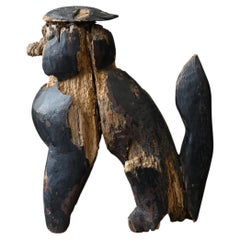
Japanese Antique Sculptural Mechanical Fragment ② / wabi-sabi object

Japanese Antique Sculptural Mechanical Fragment ② / wabi-sabi object

Located in Sammu-shi, Chiba

Antique Wooden Mechanical Component (Possibly Watermill / Agricultural Machinery Part) Japan, Late Meiji to Early Showa Period (circa 1900–1930) A cylindrical wooden structure reinf...

Category

Early 20th Century Japanese Japonisme Sculptures and Carvings

Materials

Metal

Japanese Antique Sculptural Mechanical Fragment ① / wabi-sabi object

Japanese Antique Sculptural Mechanical Fragment ① / wabi-sabi object

Located in Sammu-shi, Chiba

Antique Wooden Mechanical Component (Possibly Watermill / Agricultural Machinery Part) Japan, Late Meiji to Early Showa Period (circa 1900–1930) A cylindrical wooden structure reinf...

Category

Early 20th Century Japanese Japonisme Sculptures and Carvings

Materials

Metal

Nambu Ironware Three-Legged Water Basin ②

Nambu Ironware Three-Legged Water Basin ②

Located in Sammu-shi, Chiba

Nambu Ironware Three-Legged Water Basin Morioka/Mizusawa, Iwate Prefecture Mid-Showa Period (circa 1960s-1970s) This piece features the characteristic heavy iron surface of Nambu ir...

Category

Vintage 1960s Japanese Japonisme Sculptures and Carvings

Materials

Iron

Nambu Ironware Three-Legged Water Basin ①

Nambu Ironware Three-Legged Water Basin ①

Located in Sammu-shi, Chiba

Nambu Ironware Three-Legged Water Basin Morioka/Mizusawa, Iwate Prefecture Mid-Showa Period (circa 1960s-1970s) This piece features the characteristic heavy iron surface of Nambu ir...

Category

Vintage 1960s Japanese Japonisme Sculptures and Carvings

Materials

Iron

Antique Wooden Zushi Shrine Cabinet Japan, Edo period (18th–19th century)

Antique Wooden Zushi Shrine Cabinet Japan, Edo period (18th–19th century)

Located in Sammu-shi, Chiba

A small shrine with a gentle, natural wood grain. Its simple yet well-proportioned form reveals traces of its use as a place of daily prayer. The doors open like double hinges, and...

Category

Antique Late 19th Century Japanese Edo Antiquities

Materials

Cedar

Japanese Antique Large Pottery Vase 1860s-1900s / Tamba

Japanese Antique Large Pottery Vase 1860s-1900s / Tamba

Located in Sammu-shi, Chiba

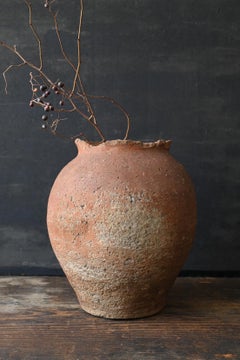
Tamba Ware Vase Late Edo Period to End of the Edo Period This antique vase is striking with its powerfully protruding shoulders and low, stable center of gravity. The gradation of ...

Category

Antique Early 19th Century Japanese Edo Vases

Materials

Pottery

Japanese Antique Pottery Distorted Jar late 19th–early 20th / Shigaraki/Tanba

Japanese Antique Pottery Distorted Jar late 19th–early 20th / Shigaraki/Tanba

Located in Sammu-shi, Chiba

A powerful example of a Japanese Tamba ware storage jar, dating to the late Edo period. Fired in a traditional wood kiln, the surface reveals a striking natural ash glaze that has me...

Category

Antique Late 19th Century Japanese Edo Vases

Materials

Pottery

Japanese Antique Pottery Jar late 19th–early 20th / Shigaraki/Tanba origin

Japanese Antique Pottery Jar late 19th–early 20th / Shigaraki/Tanba origin

Located in Sammu-shi, Chiba

A Japanese antique vase, exuding a quiet presence. Its low rim and taut body create a simple yet powerful outline. The dark brown surface, created during the firing process, is lay...

Category

Antique Late 19th Century Japanese Edo Vases

Materials

Pottery

Japanese Wabi-Sabi Antique Wooden Display Stand / Late Edo to Meiji Period

Japanese Wabi-Sabi Antique Wooden Display Stand / Late Edo to Meiji Period

Located in Sammu-shi, Chiba

This is a tokyo, a traditional architectural bracket block, made of zelkova wood and thought to have come from an old Japanese temple building. It is believed to date from around the...

Category

Antique Late 19th Century Japanese Edo Antiquities

Materials

Wood

Lava
Lava

Lava

$7,200

Lava

Located in Sammu-shi, Chiba

A volcanic bomb collected near Mount Fuji. It is a natural formation created when erupted lava cooled and solidified while rotating in the air. It is characterized by its rough tex...

Category

Antique 15th Century and Earlier Japanese Archaistic Natural Specimens

Materials

Lava

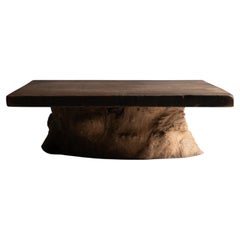
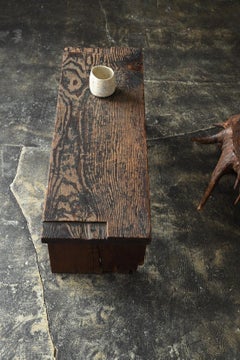
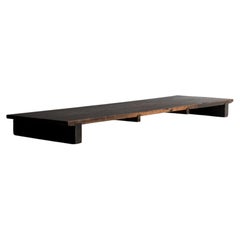
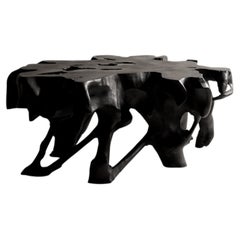
Japanese Antique Brutalist  Low Table 1900s-1940s / Side Table Wabi Sabi

Japanese Antique Brutalist Low Table 1900s-1940s / Side Table Wabi Sabi

Located in Sammu-shi, Chiba

This low table boasts an impressive organic form, seemingly a direct reflection of natural shapes. The powerful wood grain, characteristic of a single slab, and the subtle black tex...

Category

Early 20th Century Japanese Taisho Side Tables

Materials

Wood

Pair of Kabuto Chairs by Isamu Kenmochi for Tendo Mokko

Pair of Kabuto Chairs by Isamu Kenmochi for Tendo Mokko

By Isamu Kenmochi, Tendo Mokko

Located in Sammu-shi, Chiba

Tendo Mokko has long used outside furniture designers, which is unusual for Japanese manufacturers, and some of its products have been on sale for nearly half a century. The technolo...

Category

Vintage 1970s Japanese Showa Chairs

Materials

Plywood

Japanese bamboo woven flower vase / Showa / 20th century / Hanging flower basket

Japanese bamboo woven flower vase / Showa / 20th century / Hanging flower basket

Located in Sammu-shi, Chiba

This is a bamboo flower basket vase made in Japan during the Showa period, around the 20th century. It appears to have been designed after a “biku,” a basket-like container tradition...

Category

20th Century Japanese Showa Vases

Materials

Bamboo

Japanese antique wooden wabi-sabi object / 1968-1920 / farming tools

Japanese antique wooden wabi-sabi object / 1968-1920 / farming tools

Located in Sammu-shi, Chiba

This is an old tabune, thought to have been made in Japan from the Meiji period to around the Taisho period (approximately the 1890s to the 1920s). It is likely one of the everyday t...

Category

Antique Late 19th Century Japanese Meiji Decorative Art

Materials

Cedar

Japanese antique style wooden panel/wall hanging board / 1868-1920 / MINGEI

Japanese antique style wooden panel/wall hanging board / 1868-1920 / MINGEI

Located in Sammu-shi, Chiba

This is a large and highly imposing old work board, thought to have been made in Japan between the Meiji and Taisho periods, roughly from 1868 to 1920. The material appears to be a s...

Category

Antique Late 19th Century Japanese Meiji Decorative Art

Materials

Pine

Vintage Daybed by Christian Durupt, Pine, French Modernist, 1960s

Vintage Daybed by Christian Durupt, Pine, French Modernist, 1960s

By Christian Durupt

Located in Sammu-shi, Chiba

Vintage Daybed by Christian Durupt, 1960s – French Modernist Design, Collaboration with Charlotte Perriand This is a vintage daybed crafted in the 1960s by the skilled French furnit...

Category

Mid-20th Century French Mid-Century Modern Daybeds

Materials

Pine

Old Japanese tin-covered iron plate / Showa era / Wall hanging wabi-sabi object

Old Japanese tin-covered iron plate / Showa era / Wall hanging wabi-sabi object

Located in Sammu-shi, Chiba

This is an old iron plate lid that was used in Japan. It is thought to date to around the Showa period, likely from the mid-20th century onward. It is constructed with an iron plate ...

Category

Mid-20th Century Japanese Showa Decorative Art

Materials

Iron, Tin

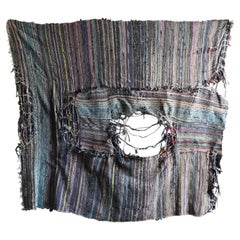
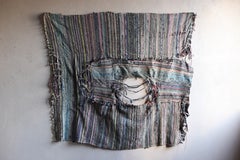
Japanese antique large-format woven tapestry【saki-ori】 / Another [Boro]

Japanese antique large-format woven tapestry【saki-ori】 / Another [Boro]

Located in Sammu-shi, Chiba

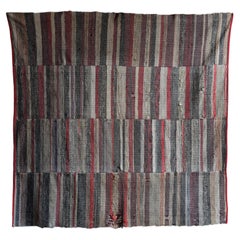
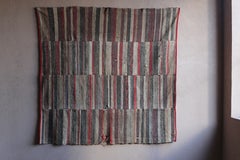
This is an old example of sakiori, one of Japan’s traditional woven textiles. It is thought to date to around the 20th century. Sakiori is a textile made by tearing worn-out kimono o...

Category

Early 20th Century Japanese Taisho Tapestries

Materials

Cotton

Old Japanese Festival Horse Tack - Blue and White Reins /Fabric Object

Old Japanese Festival Horse Tack - Blue and White Reins /Fabric Object

Located in Sammu-shi, Chiba

This is an old horse rein used in settings related to Japanese festivals and sacred rituals. It is thought to date to around the Showa period, in the 20th century. Although it was or...

Category

20th Century Japanese Showa Decorative Art

Materials

Cotton

Old Japanese iron ring / circa 20th century / Wall hanging object

Old Japanese iron ring / circa 20th century / Wall hanging object

Located in Sammu-shi, Chiba

This is a pair of old iron hoops believed to have originally been attached to a wooden barrel used in Japan. The period is most likely around the 20th century. They were originally p...

Category

20th Century Japanese Showa Decorative Art

Materials

Iron

Japanese Antique Large Pottery Vase late 19th early 20th century / Wabi Sabi /

Japanese Antique Large Pottery Vase late 19th early 20th century / Wabi Sabi /

Located in Sammu-shi, Chiba

This is a large antique Japanese ceramic jar, embodying a strong sculptural presence shaped by earth, fire, and the passage of time. It is believed to originate from the Tokoname re...

Category

Antique Late 19th Century Japanese Edo Vases

Materials

Pottery

Japanese Antique Rustic Coffee Table 1860s-1900s / Wabi Sabi

Japanese Antique Rustic Coffee Table 1860s-1900s / Wabi Sabi

Located in Sammu-shi, Chiba

Very old rustic style coffee table made in Japan. This piece dates to the Meiji period (1860s–1900s) and is carved from a massive single block of zelkova wood, a material long prized...

Category

Early 20th Century Japanese Brutalist Coffee and Cocktail Tables

Materials

Wood

Japanese antique wooden wabi-sabi low table / 1850-1912 / "Fu-zukue"

Japanese antique wooden wabi-sabi low table / 1850-1912 / "Fu-zukue"

Located in Sammu-shi, Chiba

This wooden writing desk, known as a "Fu-zukue", dates back to the late Edo to Meiji period. Tatami culture has long been an integral part of Japanese life, where people sat on the ...

Category

Antique Late 19th Century Japanese Edo Sofa Tables

Materials

Cedar

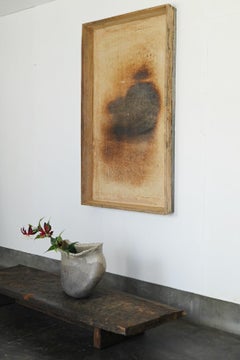
Japanese antique door [wall decoration] / abstract painting-like object

Japanese antique door [wall decoration] / abstract painting-like object

Located in Sammu-shi, Chiba

This is a deeply evocative kura window that quietly tells the story of Japan’s old architectural culture. It dates from the Meiji period to the early Showa period and is thought to h...

Category

Early 20th Century Japanese Meiji Decorative Art

Materials

Hemp, Bamboo, Cedar

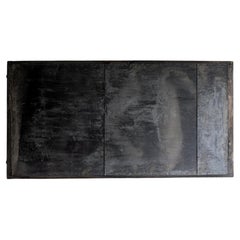
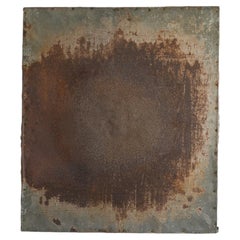
Japanese Tin Plate Frame / Circa 20th Century / Like an Abstract Painting

Japanese Tin Plate Frame / Circa 20th Century / Like an Abstract Painting

Located in Sammu-shi, Chiba

When I first saw it, I felt that this was at once a tool and already something like a single painting. Its composition is extremely simple, consisting only of an old sheet of tin set...

Category

20th Century Japanese Showa Decorative Art

Materials

Tin

Japanese Hat Bamboo Sculpture/Wall Ornament/Early 20th Century

Japanese Hat Bamboo Sculpture/Wall Ornament/Early 20th Century

Located in Sammu-shi, Chiba

Sometimes an unfinished form can leave a stronger impression than a completed object. This is the skeletal frame of an old Japanese kasa hat, thought to have been made in the Taisho ...

Category

Early 20th Century Japanese Taisho Decorative Art

Materials

Bamboo

Korean Noren-style Bojagi-style fabric / circa 20th century / Patchwork tapestry

Korean Noren-style Bojagi-style fabric / circa 20th century / Patchwork tapestry

Located in Sammu-shi, Chiba

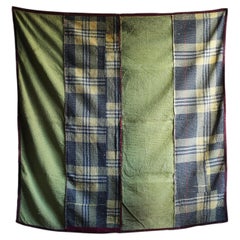
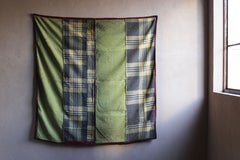
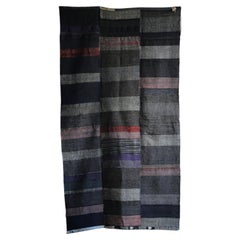
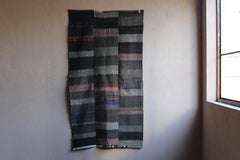
Fabric has a way of changing a space more quietly than a painting, and more softly than woodwork or ceramics. This piece is thought to be a cloth used as a room divider in Korea arou...

Category

20th Century South Korean Other Tapestries

Materials

Cotton

Japanese Antique Wabi-Sabi Distorted Shape Pottery Vase 1860s-1920s / Tsubo

Japanese Antique Wabi-Sabi Distorted Shape Pottery Vase 1860s-1920s / Tsubo

Located in Sammu-shi, Chiba

A beautifully aged Japanese storage jar. It embodies the quiet strength of traditional, practical pottery. Its form is distorted. Distorted jars are not usually found on the market,...

Category

Antique Late 19th Century Japanese Meiji Vases

Materials

Pottery

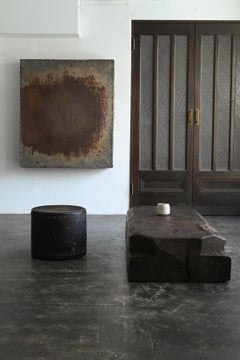
Antique Tin Door " Wall Decoration " from Japan 1920s-1950s / Wabi Sabi

Antique Tin Door " Wall Decoration " from Japan 1920s-1950s / Wabi Sabi

By Axel Vervoordt

Located in Sammu-shi, Chiba

This is a very old Japanese tin door. It dates from the early Showa period (1920s-1950s). The iron plate is mounted on a cedar wood frame. Having rusted over many years, it has an...

Category

Early 20th Century Japanese Showa Decorative Art

Materials

Tin

Antique Door "Wall Decoration"  from Japan 1860s-1900s / Abstract Art Wabi Sabi

Antique Door "Wall Decoration" from Japan 1860s-1900s / Abstract Art Wabi Sabi

Located in Sammu-shi, Chiba

This was a very old Japanese warehouse (kura) window sliding door. It was made during the Meiji period (1860s-1900s). The frame is made of cedar wood, and the base is hardened with s...

Category

Early 20th Century Japanese Meiji Decorative Art

Materials

Cedar

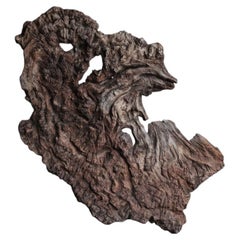
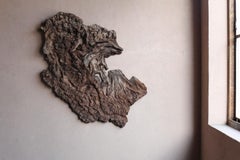
Old Japanese Driftwood Wall Hanging Object / Wooden Art Piece

Old Japanese Driftwood Wall Hanging Object / Wooden Art Piece

Located in Sammu-shi, Chiba

This is an old driftwood wall object, thought to be from Japan and dating to around 50 to 20 years ago. The wood appears to be a softwood, most likely a conifer. Originally, it was s...

Category

20th Century Japanese Showa Decorative Art

Materials

Cedar

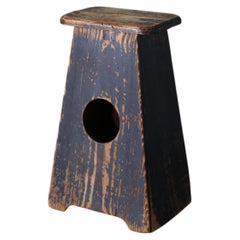
Japanese antique tree stump low stool / Early 20th century / Bonsai stand

Japanese antique tree stump low stool / Early 20th century / Bonsai stand

Located in Sammu-shi, Chiba

This is an old low stool made from a tree stump, thought to have been made in Japan during the Taisho to early Showa period, in the early 20th century. It was cut from a section clos...

Category

Early 20th Century Japanese Taisho Stools

Materials

Cedar

Old Japanese iron plate top low table / 20th century / sofa table

Old Japanese iron plate top low table / 20th century / sofa table

Located in Sammu-shi, Chiba

This is a highly distinctive low table composed of old materials from 20th-century Japan. A square iron plate has been used as the tabletop, while beneath it sits a hollowed-out bas...

Category

20th Century Japanese Showa Sofa Tables

Materials

Iron

Antique Japanese wooden stool / 1900-1925 / withered coffee table

Antique Japanese wooden stool / 1900-1925 / withered coffee table

Located in Sammu-shi, Chiba

This is an old wooden mortar made in Japan during the Taisho to early Showa period, in the first half of the 20th century. Originally, it was a traditional Japanese tool used for pou...

Category

Early 20th Century Japanese Taisho Stools

Materials

Wood

Antique wooden low table from Korea / 20th century / Wabi-sabi style low table

Antique wooden low table from Korea / 20th century / Wabi-sabi style low table

Located in Sammu-shi, Chiba

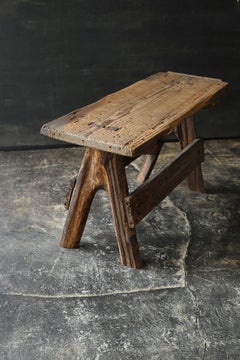
This is a piece that is thought to be an old wooden low table made on the Korean Peninsula. Although its exact date cannot be stated with certainty, judging from its overall construction, the design of the legs, and the character of the wood, it can be understood as an old piece of common people’s furniture from the Joseon period. The tabletop appears to be made of a hardwood similar to oak or elm, while the legs appear to be made of a softwood such as pine or cedar. What makes this table especially interesting is the way it carries something of the atmosphere of Korean antique furniture...
Category

Early 20th Century South Korean Other Sofa Tables

Materials

Wood, Oak, Pine

Antique Japanese wooden low table with drawers made of zelkova wood / 1868-1920
Antique Japanese wooden low table with drawers made of zelkova wood / 1868-1920
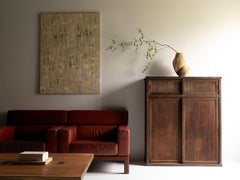
Located in Sammu-shi, Chiba
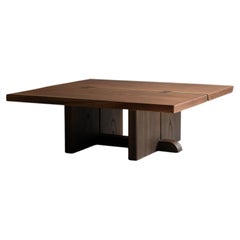
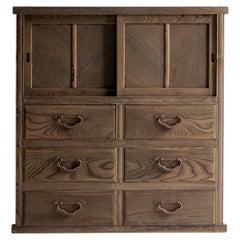
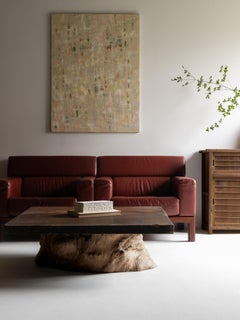
This is a low table made in Japan during the Meiji to Taisho period, approximately 1868 to 1920. It is made of zelkova wood, while the inside of the drawer is made of cedar. One of t...

Category

Antique Late 19th Century Japanese Meiji Sofa Tables

Materials

Wood

Old iron deer figurine / 20th century / animal ornament

Old iron deer figurine / 20th century / animal ornament

Located in Sammu-shi, Chiba

This is an old iron deer object, not of Japanese origin, although its exact country or region has not been definitively identified. The date of production is also unclear, but judgin...

Category

20th Century Southeast Asian Other Metalwork

Materials

Iron

Antique Japanese wooden statue of Daikokuten, the god of fortune / Made in 1728

Antique Japanese wooden statue of Daikokuten, the god of fortune / Made in 1728

Located in Sammu-shi, Chiba

This is a complete set consisting of a wooden Daikokuten statue and its zushi shrine, made in Japan. According to the inscription on the accompanying plaque, it was made in Kyoho 13,...

Category

Antique Early 18th Century Japanese Edo Sculptures and Carvings

Materials

Cedar, Cypress

Japanese antique pottery Small vase [Tamba vase] Dark Brown/ Late 19th century

Japanese antique pottery Small vase [Tamba vase] Dark Brown/ Late 19th century

Located in Sammu-shi, Chiba

This is a small jar fired in Tamba, Japan. It is thought to date from the late Edo period to the Meiji period, around the second half of the 19th century. Although it is small enough...

Category

Antique Late 19th Century Japanese Edo Vases

Materials

Pottery

Japanese antique pottery Small vase [Tamba vase] White/ Late 19th century

Japanese antique pottery Small vase [Tamba vase] White/ Late 19th century

Located in Sammu-shi, Chiba

This is a small jar fired in Tamba, Japan. It is thought to date from the late Edo period to the Meiji period, around the second half of the 19th century. Although it is small enough...

Category

Antique Late 19th Century Japanese Edo Vases

Materials

Pottery

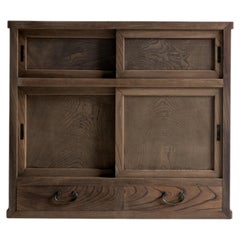
Japanese Antique Drawer 1860s-1920s / Tansu Wabi Sabi

Japanese Antique Drawer 1860s-1920s / Tansu Wabi Sabi

Located in Sammu-shi, Chiba

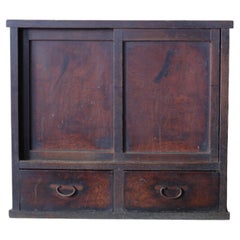
This piece is a Japanese chest of drawers crafted during the late Meiji to early Taisho period. It is constructed from cedar wood, a material deeply rooted in Japanese architecture a...

Category

Early 20th Century Japanese Meiji Commodes and Chests of Drawers

Materials

Wood

Japanese Antique Tansu Drawer Chest Edo Meiji Small Drawers Wabi Sabi Cabinet

Japanese Antique Tansu Drawer Chest Edo Meiji Small Drawers Wabi Sabi Cabinet

Located in Sammu-shi, Chiba

This is a Japanese antique drawer chest, believed to date from the late Edo period to early Meiji period circa 1800s to 1900s. Constructed from solid wood and finished in a deep tim...
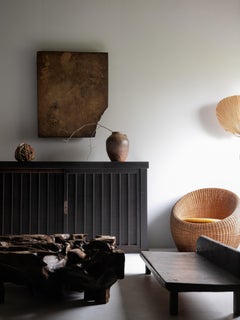
Category

Early 20th Century Japanese Meiji Cabinets

Materials

Iron

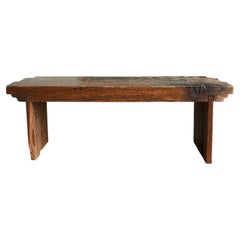
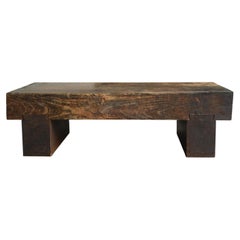
Sculptural Monolithic Wood Form 19th Century Primitive Bench, Wabi Sabi Presence
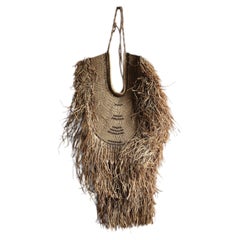
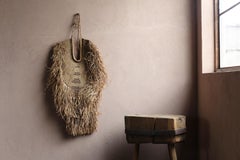
Sculptural Monolithic Wood Form 19th Century Primitive Bench, Wabi Sabi Presence
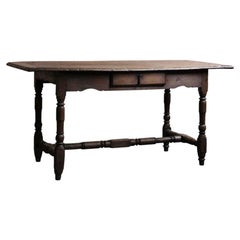
By Axel Vervoordt

Located in Sammu-shi, Chiba

A profoundly sculptural bench carved from a single massive plank of wood, embodying the quiet power of material and time. The form emerges organically. Its low elongated seat is sup...

Category

Antique 19th Century Brutalist Sofas

Materials

Wood

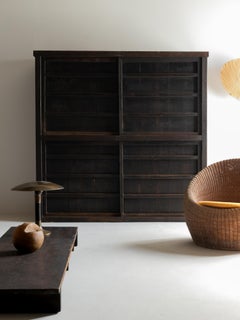
Japanese Antique Tansu Cabinet Sideboard / Wabi-sabi / Taishō–Shōwa 1910-40s

Japanese Antique Tansu Cabinet Sideboard / Wabi-sabi / Taishō–Shōwa 1910-40s

Located in Sammu-shi, Chiba

This Japanese cha dansu tea cabinet was crafted during the Taisho to early Showa period and is made from richly grained keyaki (zelkova wood), one of the most prized hardwoods in tra...

Category

Early 20th Century Japanese Taisho Cabinets

Materials

Wood

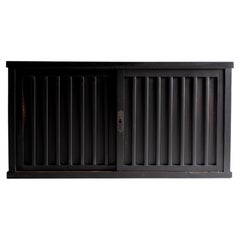
Japanese Antique Large Black Tansu 1860s-1900s / Sideboard Wabisabi

Japanese Antique Large Black Tansu 1860s-1900s / Sideboard Wabisabi

Located in Sammu-shi, Chiba

This exceptional Japanese mizuya tansu dates to the Meiji period, circa 1860s to 1900s, and is crafted from solid cedar wood. It embodies the quiet refinement of traditional Japanese...

Category

Antique Late 19th Century Japanese Meiji Cabinets

Materials

Iron

Japanese Antique Large Tansu 1860s-1900s / Sideboard Wabi Sabi

Japanese Antique Large Tansu 1860s-1900s / Sideboard Wabi Sabi

Located in Sammu-shi, Chiba

This exceptional Japanese mizuya tansu dates to the Meiji period, circa 1860s to 1900s, and is crafted from solid cedar wood. It represents a refined example of traditional Japanese ...

Category

Antique Late 19th Century Japanese Meiji Cabinets

Materials

Cedar

TOYO-san's Chair by Katsuhei Toyoguchi

TOYO-san's Chair by Katsuhei Toyoguchi

By Kappei Toyoguchi

Located in Sammu-shi, Chiba

This is a masterpiece low-seated chair designed in 1955 by Katsuhei Toyoguchi, who dedicated his life to researching chairs for Japanese people. Its...

Category

Vintage 1980s Japanese Mid-Century Modern Lounge Chairs

Materials

Teak, Oak

Japanese Edo Period Stone Dōsojin (Paired Monk Form), 17th–18th Century

Japanese Edo Period Stone Dōsojin (Paired Monk Form), 17th–18th Century

Located in Sammu-shi, Chiba

This is a stone statue of a Sōtai Dōsojin (paired roadside deity), believed to have been created in the early to middle Edo period (17th–18th century). Dōsojin are protective deitie...

Category

Antique 17th Century Japanese Edo Garden Ornaments

Materials

Granite

Japanese Edo period stone Buddha statue / [guardian deity] / circa 18th century

Japanese Edo period stone Buddha statue / [guardian deity] / circa 18th century

Located in Sammu-shi, Chiba

This is a stone statue of Bishamonten (also known as Tamonten), believed to have been created during the Edo period. What is most noteworthy is its rarity. Even after many years of ...

Category

Antique 18th Century Japanese Edo Figurative Sculptures

Materials

Granite

Old Asian wooden pig carving figurine / 20th century

Old Asian wooden pig carving figurine / 20th century

Located in Sammu-shi, Chiba

This is a wooden pig sculpture believed to have been produced in Southeast Asia or possibly the Nepal region. The exact date of production is unclear, but based on the surface textur...

Category

20th Century Southeast Asian Other Sculptures and Carvings

Materials

Wood

Traditional Japanese folk toy "Temari" (decorative ball) / Early 20th century

Traditional Japanese folk toy "Temari" (decorative ball) / Early 20th century

Located in Sammu-shi, Chiba

This is a traditional Japanese folk toy known as a **temari**, believed to have been made from the Taishō period to the early Shōwa period (early 20th century). Having survived the ...

Category

Early 20th Century Japanese Taisho Antiquities

Materials

Cotton

Japanese Antique Stone Buddha from Niigata Prefecture /Edo period

Japanese Antique Stone Buddha from Niigata Prefecture /Edo period

Located in Sammu-shi, Chiba

This is a stone statue of Jizo Bodhisattva, believed to have been created on Sado Island in Niigata Prefecture during the Edo period. On Sado Island, there is a small Jizo hall known as “Nashinoki Jizo,” where numerous stone Buddha statues dedicated by local people since the Edo period are still enshrined today. The sight of these statues, densely covering the ground, conveys the everyday prayers of the people of that time—their heartfelt wishes for children’s growth, recovery from illness, and protection in daily life. Against this background, Jizo worship on Sado Island is closely connected to the concept of “Migawari Jizo,” or substitute Jizo. This belief holds that Jizo takes upon itself the misfortunes and suffering that would otherwise befall people. It was a common practice for people to dedicate Jizo statues...

Category

Antique 18th Century Japanese Edo Sculptures and Carvings

Materials

Sandstone

Antique blue-glazed silver plate / 12th to 14th century / Around Iran

Antique blue-glazed silver plate / 12th to 14th century / Around Iran

Located in Sammu-shi, Chiba

This is an example of Islamic pottery, believed to have been produced in the region around Iran between the 12th and 14th centuries. It is an excavated ceramic piece that has been pr...

Category

Antique 15th Century and Earlier Persian Other Pottery

Materials

Pottery

Chinese antique pottery bowl/Cizhou kiln type/13th century - 16th century

Chinese antique pottery bowl/Cizhou kiln type/13th century - 16th century

Located in Sammu-shi, Chiba

This is an iron-painted dish from the Cizhou kiln, produced in northern China. The production date is estimated to be from the Yuan dynasty to the middle of the Ming dynasty (approxi...

Category

Antique 15th Century and Earlier Chinese Other Tableware

Materials

Pottery

Antique Japanese ceramic small vase / Shigaraki ware / 16th century / Wabi-sabi

Antique Japanese ceramic small vase / Shigaraki ware / 16th century / Wabi-sabi

Located in Sammu-shi, Chiba

This is a Shigaraki ware jar made in Japan during the late Muromachi period (around the 16th century). Shigaraki ware is known as one of the Six Ancient Kilns of Japan and has been ...

Category

Antique 16th Century Japanese Other Jars

Materials

Pottery

Japanese antique Tokoname ware vase / 16th century / Muromachi period

Japanese antique Tokoname ware vase / 16th century / Muromachi period

Located in Sammu-shi, Chiba

This is an old Tokoname jar fired in Tokoname, Aichi Prefecture. Tokoname is known as one of Japan’s Six Ancient Kilns, a ceramic production center with a history that has continued ...

Category

Antique 16th Century Japanese Other Jars

Materials

Pottery

Korean antique bronze vase/Goryeo period/12th-13th century / Wabi-Sabi Vase

Korean antique bronze vase/Goryeo period/12th-13th century / Wabi-Sabi Vase

Located in Sammu-shi, Chiba

This is a bronze vase made in Korea during the late Goryeo dynasty (around the 12th–13th century). The Goryeo dynasty was a period in which highly sophisticated craftsmanship developed alongside a flourishing Buddhist culture. During this era, many outstanding works of art were produced, including celadon ceramics and metalwork. This piece is an example of bronze craftsmanship from that time and possesses an elegant form that reflects the refined aesthetic sensibilities of the period. The shape of this vase is known as “Yuhuchun” (玉壺春), a classic bottle form frequently seen in Chinese Song dynasty celadon. The slender neck rises gracefully upward, leading to a gently swelling rounded body, and finally to a small, stable foot. This silhouette creates a beautifully balanced curve throughout the entire form. While Goryeo craftsmanship was influenced by Chinese culture, it also developed its own distinct aesthetic, and this vessel appears to have been created within that cultural context. Around the neck and shoulder are ring-shaped ridges known as “tutdae” (突帯). These raised bands create a subtle rhythm in the form and give visual structure to the vessel. Such decorative ridges are one of the characteristic features seen in Goryeo bronze objects. They function not merely as decoration but also as an important design element that defines and tightens the overall contour of the vessel. Across the surface, a natural patina has formed over the centuries, with areas of green corrosion and soil accretions typical of ancient bronze. The coloration shifts subtly from blue-green to light brown tones. This patina cannot be artificially reproduced; it appears only through the passage of a long period of time. The piece embodies both the rough character typical of excavated artifacts and a quiet beauty, as though it has preserved a fragment of the ancient landscape within its surface. Regarding its condition, because this is an excavated object, corrosion over time has caused a hole to form in the body. Please refer to the detailed photos for confirmation. For this reason, it cannot be used to hold water directly. However, if you wish to arrange flowers, you may place a slender glass container inside the vase and fill that with water. It also works beautifully with dried flowers or branches. The heavy texture of ancient bronze pairs exceptionally well with natural plant materials, making it a striking decorative object within an interior space. This vase also comes with its original storage box. On the lid is an inscription reading “Goryeo Period Bronze Water Vessel...

Category

Antique 15th Century and Earlier Vases

Materials

Bronze

Japanese temple building materials from the Edo period/antique display stand

Japanese temple building materials from the Edo period/antique display stand

Located in Sammu-shi, Chiba

This is a part of a structural building material that was used in an old Japanese temple. It is said to be reclaimed wood that was used in the lecture hall of Yakushiji, a famous tem...

Category

Antique Late 19th Century Japanese Edo Antiquities

Materials

Cedar