Architectural Elements
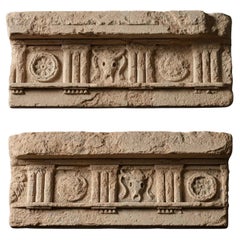
Early 20th Century American Mission Architectural Elements
Terracotta
19th Century Georgian Antique Architectural Elements
Mahogany
Early 20th Century Unknown Edwardian Architectural Elements
Bronze
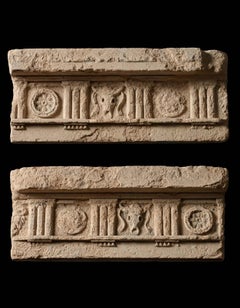
Late 19th Century American Neoclassical Antique Architectural Elements
Terracotta
Early 19th Century Italian Regency Antique Architectural Elements
Clay
Early 20th Century English Architectural Elements
Pine
17th Century Italian Antique Architectural Elements
Stone
15th Century and Earlier Spanish Antique Architectural Elements
Limestone
18th Century French Antique Architectural Elements
Carrara Marble
Mid-20th Century American Classical Roman Architectural Elements
Wood
18th Century English George II Antique Architectural Elements
Pine
Early 18th Century Italian Antique Architectural Elements
Walnut
1750s French Antique Architectural Elements
Oak
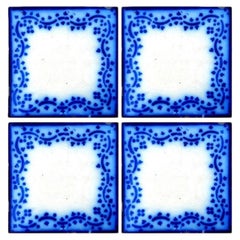
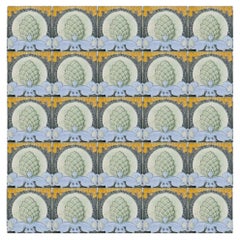
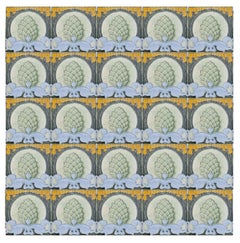
1920s Belgian Art Nouveau Vintage Architectural Elements
Ceramic
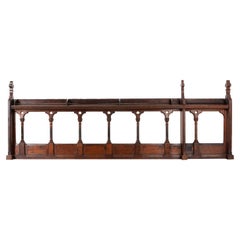
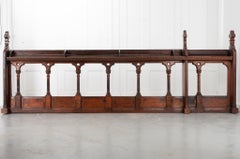
Early 20th Century Dutch Gothic Revival Architectural Elements
Wood, Oak
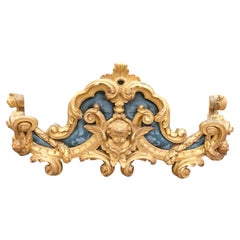
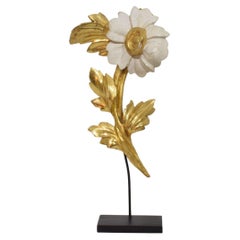
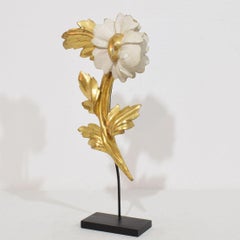
Late 19th Century Italian Baroque Antique Architectural Elements
Giltwood
Mid-19th Century Italian Antique Architectural Elements
Poplar
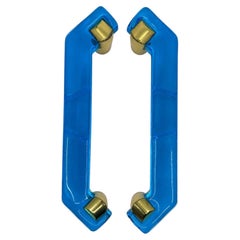
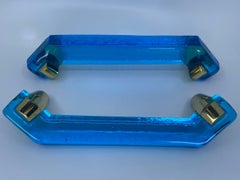
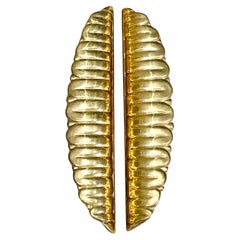
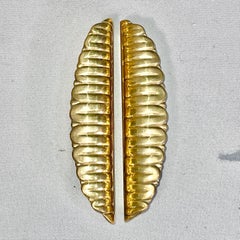
21st Century and Contemporary Brazilian Architectural Elements
Brass
Early 18th Century French Louis XV Antique Architectural Elements
Marble
1860s Belgian Gothic Revival Antique Architectural Elements
Wood
20th Century French Baroque Architectural Elements
Wood
Early 17th Century French Antique Architectural Elements
Oak
1920s Austrian Art Nouveau Vintage Architectural Elements
Ceramic
Early 19th Century Italian Antique Architectural Elements
Wood
19th Century Renaissance Antique Architectural Elements
Oak
20th Century Japanese Mid-Century Modern Architectural Elements
Bronze
1930s European Vintage Architectural Elements
Cement
Mid-20th Century American Mid-Century Modern Architectural Elements
Stained Glass
15th Century and Earlier French Antique Architectural Elements
Stone, Metal
19th Century Indian Anglo-Indian Antique Architectural Elements
Brass
21st Century and Contemporary American Architectural Elements
Paper
Late 19th Century British Colonial Antique Architectural Elements
Bronze
Late 19th Century Victorian Antique Architectural Elements
Hardwood
Early 20th Century Chinese Art Deco Architectural Elements
Wood
Late 19th Century English Victorian Antique Architectural Elements
Brass, Iron
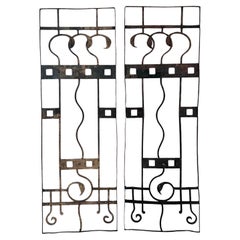
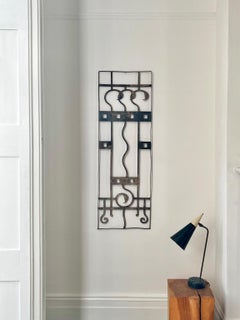
Late 19th Century Dutch Arts and Crafts Antique Architectural Elements
Wrought Iron
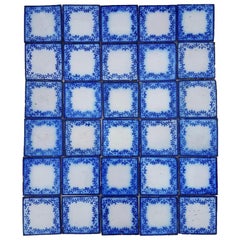
Early 20th Century Belgian Art Deco Architectural Elements
Ceramic
19th Century French French Provincial Antique Architectural Elements
Bronze, Iron, Wrought Iron, Zinc
18th Century Italian Baroque Antique Architectural Elements
Marble
1970s European Brutalist Vintage Architectural Elements
Bronze
21st Century and Contemporary Italian Modern Architectural Elements
Marble
19th Century Italian Antique Architectural Elements
Wood
19th Century French Gothic Revival Antique Architectural Elements
Stone, Limestone, Iron, Wrought Iron
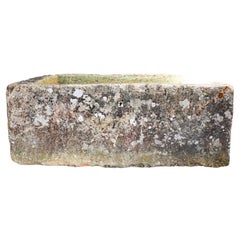
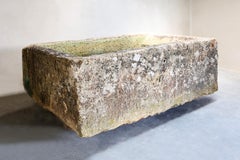
This 18th-century antique French limestone trough (reference: OT213) is a rare, one-of-a-kind architectural salvage piece sourced from the rural countryside near Clermont-Ferrand, France. Carved by hand between 1760 and 1780, this substantial trough measures 201 cm wide × 130 cm deep × 71 cm high and weighs approximately 3,000 kg. The surface shows an authentic timeworn patina developed over centuries of use, enhancing its historical character.
Material & CraftsmanshipCrafted from solid French limestone (pierre calcaire), this trough was hand-carved from a single block. Its robust composition makes it highly resistant to weathering, while the natural stone’s subtle tonal variations and aged surface bear witness to its centuries-old origin.
Hand carving in the 18th century involved traditional chiseling techniques by skilled stonemasons, leaving subtle tool marks that add to its authenticity and charm.
Possible Uses in Landscape & Garden DesignDue to its size, weight, and historic appeal, this antique stone trough can serve as:
A focal point in a formal or rustic garden design An antique stone planter for trees, shrubs, or seasonal arrangements A water feature basin in a courtyard or landscaped estate A statement piece for heritage property restoration Historical ContextStone troughs of this period were originally used in agricultural settings to hold water or feed for livestock. Their practical role and durable construction have ensured their survival for centuries, making them highly sought after by garden designers, landscape architects, and heritage property owners worldwide.
Why Choose De Opkamer?De Opkamer is a recognised specialist in sourcing authentic European architectural...
18th Century French Other Antique Architectural Elements
Limestone
19th Century French Louis XVI Antique Architectural Elements
Marble
1970s European Brutalist Vintage Architectural Elements
Bronze
1890s English Arts and Crafts Antique Architectural Elements
Mirror, Oak
Mid-20th Century American Mid-Century Modern Architectural Elements
Ceramic
19th Century German Antique Architectural Elements
Ceramic
Early 20th Century Neoclassical Architectural Elements
Mirror
19th Century Asian Antique Architectural Elements
Wood
Late 19th Century Chinese Antique Architectural Elements
Wood, Elm
1980s German International Style Vintage Architectural Elements
Marble
Late 20th Century Rococo Revival Architectural Elements
Bronze
19th Century French Antique Architectural Elements
Iron
20th Century French Louis XVI Architectural Elements
Wood
18th Century Italian Baroque Antique Architectural Elements
Stone
19th Century French Other Antique Architectural Elements
Limestone
20th Century Unknown Neoclassical Architectural Elements
Mirror, Wood
21st Century and Contemporary American Architectural Elements
Paper