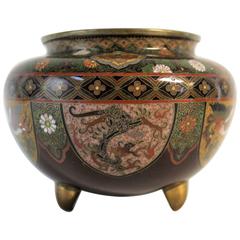
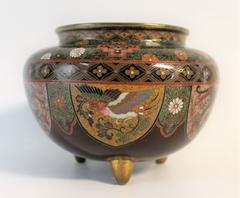
Japanese Meiji Period Cloisonne Bowl
Located in Hamilton, Ontario
Japanese Meiji period cloisonne bowl.
Category
From 1868 to 1912, Emperor Mutsuhito oversaw an era of transformation in Japan. Formerly a country of feudalism and isolation, Japan entered an age of modernization influenced by newly established trade and exchange with the West. The Meiji period, or period of “enlightened rule,” also saw the global impact of the East Asian country’s culture. Japanese Meiji furniture was exhibited at expositions from Paris to San Francisco and created for export.
Prior to the Meiji era, furniture was mostly made by commission for the ruling class; now there were new domestic and international markets. European styles like Japonisme appropriated Japanese design while craftsmen in places like Wales and England employed japanning, a varnishing technique that approximated the appearance of lacquer for the surfaces of furnishings.
Meiji furniture made for Japanese homes and buildings constructed in Western styles resulted in taller tables, chairs, cabinets with large drawers and other features. The government invested in areas such as transportation and communication, and because people could freely choose occupations after the restrictions of feudalism, industries of various types were energized by expressive new ideas during those years. Art schools were formed and, for the first time, design was an area of study in the country, leading to the evolution of professional design as a career by the 1890s.
The work of Japanese designers was transmitted widely through lavishly illustrated pattern books that included designs for screens and lacquerware for the home. While screens today may be of use as decorative accents or partitions to ensure privacy in one’s space, Japanese screens were adorned with paintings and were featured in performing arts such as concerts, tea ceremonies and more. The color illustrations that characterize Meiji woodblock prints, a genre of Japanese art that grew out of 17th-century developments in printing and book publishing, depicted the sweeping changes that the era brought to East Asia.
Although it was a time of societal and cultural shifts, a bolstered interest in art and design elevated Japanese craft traditions. From colorful porcelain table lamps with silk shades and hardwood tables decorated with dark lacquer to cabinets featuring iron hardware and inlaid with mother-of-pearl, Meiji furniture showcased Japan’s artistic heritage to the world.
Find a collection of antique Japanese Meiji period case pieces and storage cabinets, decorative objects, wall decorations and more furniture on 1stDibs.
Japanese Meiji Period Cloisonne Bowl
Located in Hamilton, Ontario
Japanese Meiji period cloisonne bowl.
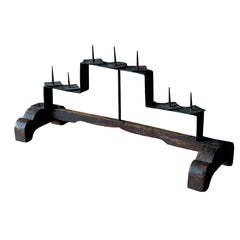
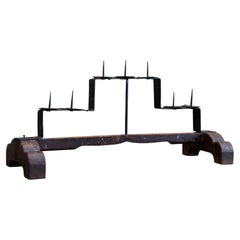
Japanese Antique Meiji to Early Taisho Iron & Keyaki Seven-Light Candle Stand
Located in 常陸大宮市, JP
An antique Japanese iron and Keyaki Zelkova seven-light candle stand, used in a Shinto shrine or Buddhist temple. This piece is estimated to date from the Meiji period to early Taish...
Iron
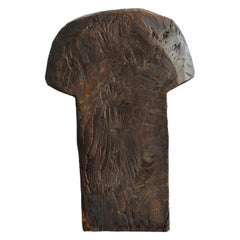
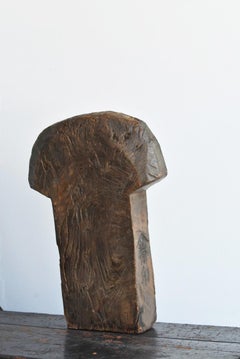
Japanese Antique Wooden Object/Craftsman's Workbench/Penis-Shaped Figurine
Located in Sammu-shi, Chiba
Introduce interesting items. This was once used as a workbench in Japan. It's shaped like a penis, but one side of the tip has a mark that looks like it was hit and is slightly scr...
Wood
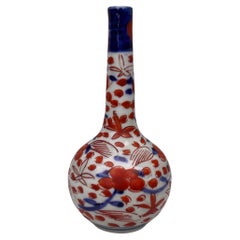
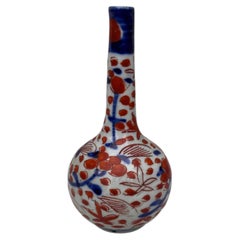
Small 19th Century Japanese Imari Vase
Located in Austin, TX
Miniature 19th Century Japanese Imari Vase. Height / 4.2 inches. Diameter / 2 inches.
Porcelain
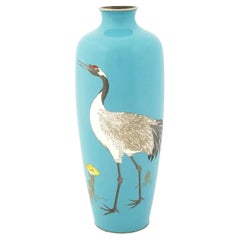
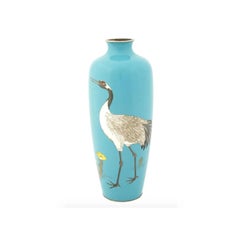
Antique Meiji Japanese Cloisonne Turquoise Enamel Crane Vase Signed OTA
Located in Long Island City, NY
A fine antique Japanese enamel brass vase featuring an elongated body with rounded shoulders and wide short neck. The surface is skillfully decorated with a polychrome cloisonne enam...
Enamel
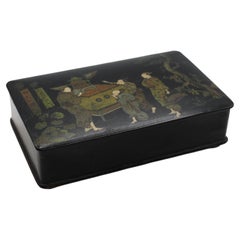
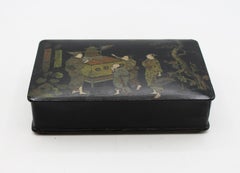
Circa 1870 Japanese Meiji Era Lacquer & Papier Mache Box
Located in Chapel Hill, NC
Circa 1870 Meiji era lacquer & papier mache box, Japan. Black with red divided interior. Painted with a fascinating scene of figures in a garden examining a miniature temple with hol...
Lacquer
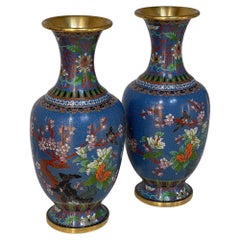
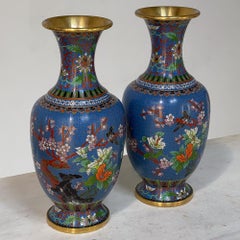
$2,480 / set
Pair 19th Century Cloisonne Vases
Located in Dallas, TX
Pair 19th Century Cloissone vases is an extraordinary example of the breed, displaying its well-preserved, rich coloration and exhibiting a large format design theme celebrating the ...
Brass, Enamel
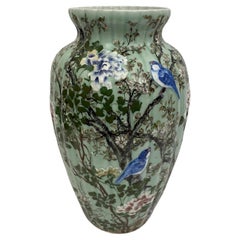
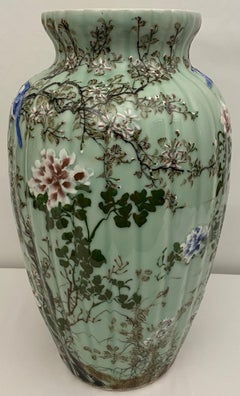
Meiji Period High Relief Porcelain Celadon Vase, circa 1900
Located in Miami, FL
This captivating Meiji period (1868-1912) porcelain vase features a mesmerizing celadon glaze, with a subtle crackled texture. Exquisite details, meticulously hand-painted in vibrant...
Porcelain
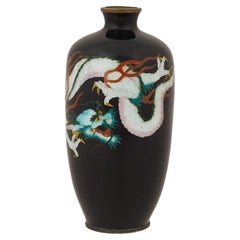
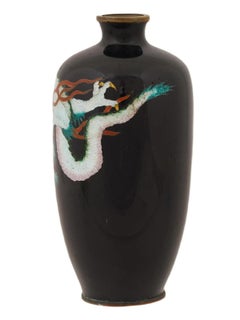
Antique Japanese Cloisonne Enamel White And Pink Dragon Vase
Located in Long Island City, NY
An antique Japanese brass and Cloisonne enamel vase. The baluster shaped vase is enameled with a polychrome design representing a white dragon made in the Cloisonne technique. Unmark...
Enamel
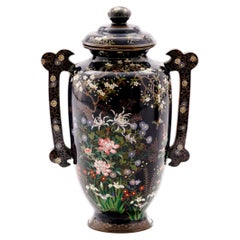
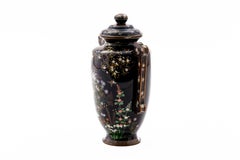
Important Meiji Period Japanese Cloisonné Enamel Covered Jar
Located in Long Island City, NY, NY
An important and exceptionally rare Japanese cloisonné enamel covered jar attributed to Miwa Tomisaburo, executed during the Meiji period ...
Copper, Enamel
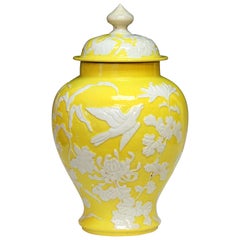
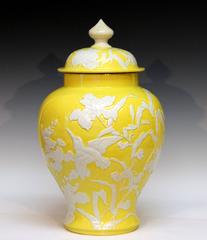
Large Antique Japanese Carved Studio Porcelain Yellow Covered Urn Vase
Located in Wilton, CT
Large Japanese studio porcelain covered vase with finely carved decoration of birds amidst foliage set against a cheerful yellow ground, circa 1910. Measures: 18 1/2" high, 11 1/2" d...
Porcelain
$3,500Sale Price|30% Off
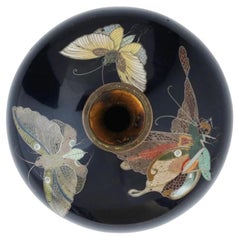
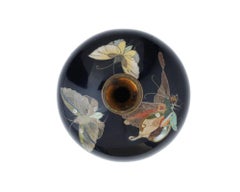
Meiji Japanese Cloisonne Enamel Butterfly Vase Attributed to Hayashi Kodenji
Located in Long Island City, NY
An antique Japanese, Meiji era, Silver wire enamel vase attributed to Hayashi Kodenji, Japanese, 1831 to 1915. Circa 1900s. The baluster form vase is enameled with polychrome images of butterflies made in the Cloisonne technique on a black ground. The base and the neck of the ware are adorned with a geometrical motif on a green ground made in the same technique. Unmarked. Hayashi Kodenji was a pivotal figure in the history of Cloisonne enamel manufacturer. He was instrumental in the formation and leadership of the Shippo cho enamellers guild, and it is probable that he worked for the Nagoya-based Shippo Kaisha. He exhibited and won prizes at many international exhibitions: Nuremberg 1885 Silver, Paris 1889...
Enamel
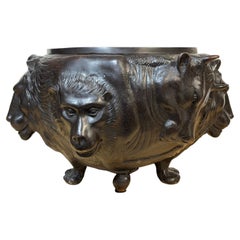
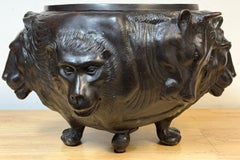
Large Meiji Japanese Bronze Zoomorphic Jardinière Attributed to Genryusai Seiya
Located in West Palm Beach, FL
Large Meiji Japanese Bronze Zoomorphic Jardinière Attributed to Genryusai Seiya An exceptional and highly sculptural Japanese bronze zoomorphic jardinière, attributed to the worksho...
Bronze
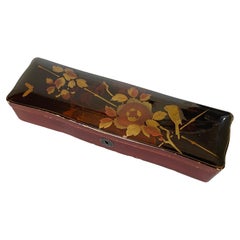
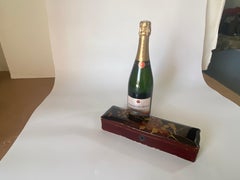
Red Japanese Lacquered Box Meiji Decorative Box, circa 1880
Located in Auribeau sur Siagne, FR
Nice Japanese glove box in red and black lacquered wood dating from the end of the 19th century. It is decorated with delicate gold, black and white flowers and foliage on all its vi...
Lacquer, Wood
$22,976Sale Price|20% Off
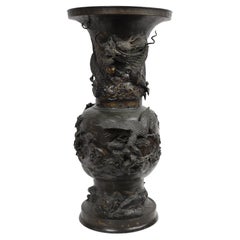
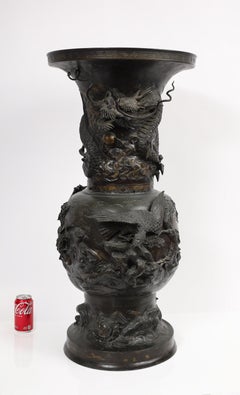
Monumental Meiji Period Japanese Bronze Vase with Dragon & Phoenix, Pat & Gold
Located in New York, NY
Monumental Japanese Meiji Period Bronze Vase with High Relief Dragon, Phoenix, Shishi and Turtles, two toned deep chocolate brown patina with gold highlights This palace size Japan...
Bronze
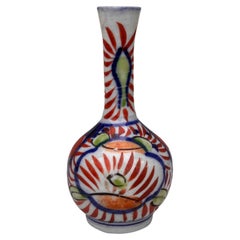
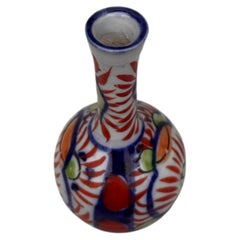
Small 19th Century Japanese Imari Vase
Located in Austin, TX
Miniature 19th Century Japanese Imari Vase. Height / 4 inches. Diameter / 2 inches.
Porcelain
$1,040Sale Price|66% Off
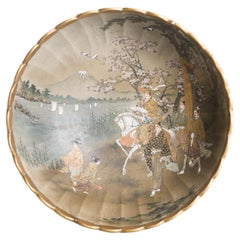
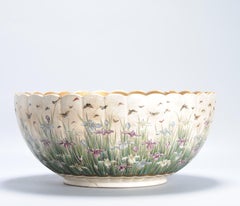
Large Antique Meiji period Japanese Satsuma Bowl Figures with mark Japan 19c
Located in Amsterdam, Noord Holland
Country of origin: Japan Age: Meiji Period 19th century Size: 39.5 cm / 40 cm Diameter Condition Period 19th century PRoC (1949 - now)
Porcelain
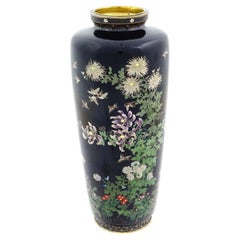
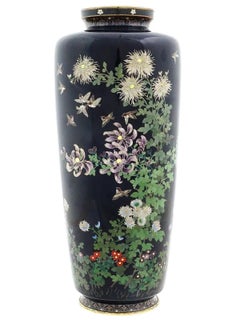
Antique Golden Age Japanese Cloisonne Enamel Chrysanthemums And Sparrows Vase
Located in Long Island City, NY
An antique Japanese, late Meiji era, footed enamel over copper vase in the Hayashi Tanigoro manner, c.1895 to 1935, a Japanese artist. The urn shaped vase is enameled with a polyc...
Enamel, Copper
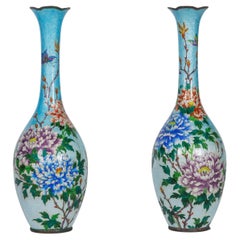
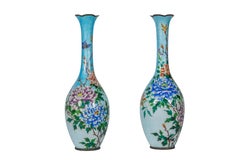
An Exquisite & Large Pair of Late Meiji Japanese Ginbari Cloisonne Enamel Vases
Located in Long Island City, NY, NY
An Exquisite and Large Pair of Late Meiji Japanese Ginbari Cloisonné Enamel Vases with Peonies and Butterflies This stunning pair of vases, crafted during the late Meiji period (186...
Enamel
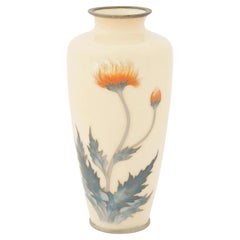
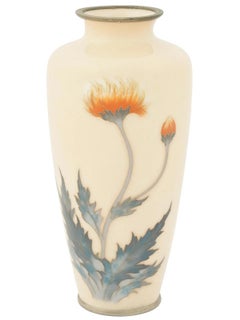
Antique Meiji Era Japanese Cloisonné Enamel Vase
Located in Long Island City, NY
A rare elegant Japanese vase cast of metal, possibly brass, featuring a baluster shaped body and a wide short neck. The surface is decorated with a delicate image of a thistle flowe...
Metal
$3,500Sale Price|30% Off
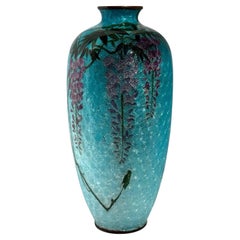
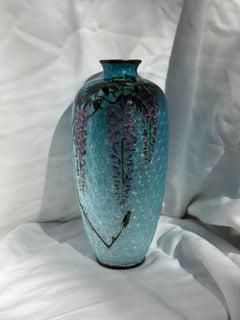
Japanese Cloisonne Enamel Vase Wisteria Ice Blue Ground 7 in Antique Meiji Era
Located in Long Island City, NY
A beautiful antique Japanese cloisonné enamel vase measuring 7 inches tall. The vase features cascading wisteria blossoms in shades of purple and lavender with delicate green leaves,...
Enamel
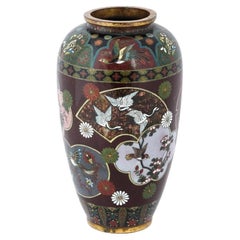
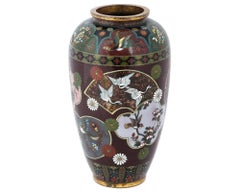
Large Antique Japanese Cloisonne Enamel Vase Attributed to Kyoto Shibata
Located in Long Island City, NY
A large antique Japanese Meiji period vase attributed to Kyoto Shibata. Features vivid depictions of birds and floral motifs, showcasing the meticulous application of cloisonne ename...
Enamel, Brass
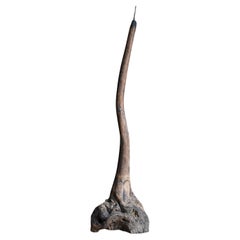
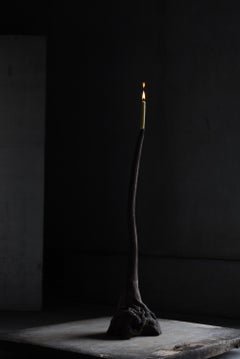
Japanese Antique Natural Wood Large Candle Stick 1860s-1900s / Wabi Sabi
Located in Chōsei District Nagara, JP
This is an old Japanese natural wood Shokudai (candlestick). It was made in the late Edo period (1860s-1900s), and the material used is probably coniferous cedar wood. The texture o...
Iron
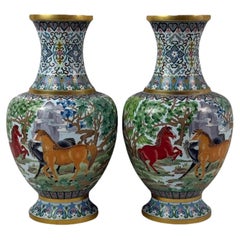
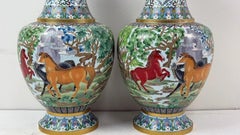
Pair of Chinese Cloisonne Enamel Horse Vases Gold Scrolls Horses Equestrian
Located in Long Island City, NY
A finely executed pair of Chinese cloisonné enamel vases, each measuring approximately 15.5 inches in height, decorated with continuous landscape scenes featuring groups of horses in...
Enamel
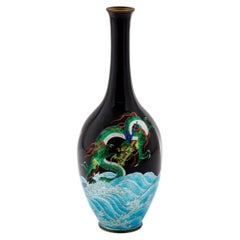
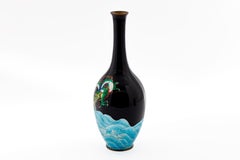
Japanese Meiji Cloisonné Enamel Ginbari Vase Green Dragon by Kumeno Teitaro
Located in Long Island City, NY, NY
A refined and technically accomplished Japanese cloisonné enamel vase by Kumeno Teitaro, one of the leading innovators of cloisonné production in Nagoya...
Copper, Enamel
$2,100Sale Price|30% Off
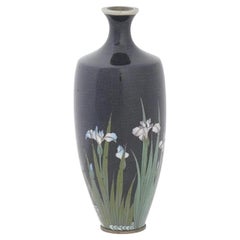
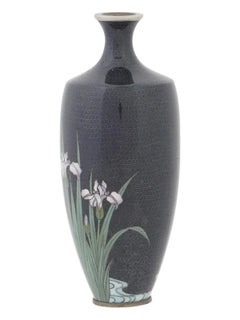
Exquisite Meiji Japanese Cloisonne Silver Wire Vase Irises on Karakusa
Located in Long Island City, NY
This exquisite Japanese Meiji cloisonné vase showcases delicate white and blue irises worked in fine silver wire against a shimmering karakusa gro...
Enamel
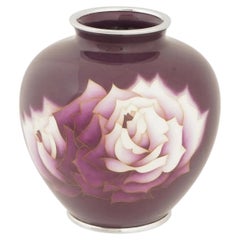
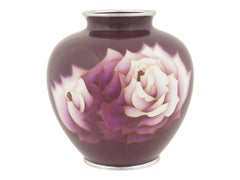
Japanese Cloisonne Enamel Vase Ando Signed Purple Ground Roses
Located in Long Island City, NY
A refined Japanese cloisonné enamel vase by the Ando workshop, dating to the late Meiji to early Taisho period, and bearing a signature to the underside. The piece exemplifies the tr...
Enamel
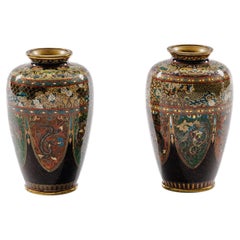
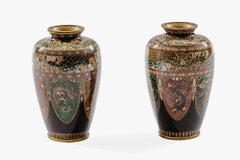
Pair of Japanese Cloisonné Enamel Vases with Dragon and Phoenix, Attributed Ando
By Ando Jubei
Located in Long Island City, NY, NY
A richly ornamented and technically accomplished pair of Japanese cloisonné enamel vases from the Meiji period (1868–1912), attributed to the esteemed Ando workshop—among the most in...
Copper, Enamel
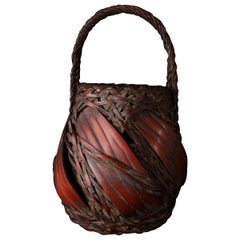
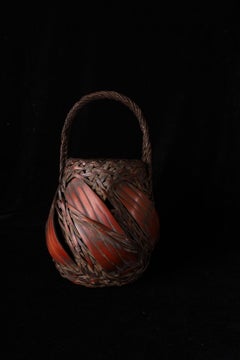
Japanese Handwoven Bamboo Ikebana Basket — Early 20th Century
Located in Fukuoka, JP
Dimensions: 20 × 30 × 44 cm Origin: Japan A beautifully handwoven Japanese bamboo basket from the early 20th century, traditionally used for ikebana flower arrangements. Meticulousl...
Bamboo
$1,960Sale Price|30% Off
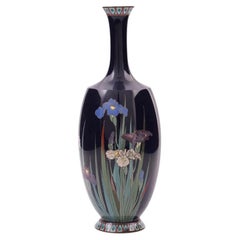
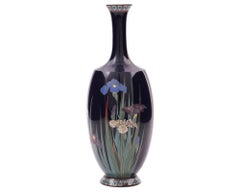
High Quality Antique Japanese Cloisonne Enamel Vase with Blossoming Iris Flowers
Located in Long Island City, NY
An antique Japanese, late Meiji period, enamel over gilt copper vase. with silver wire The unusual shaped vase has a long fluted neck. The ware is enameled with a polychrome image o...
Copper, Enamel
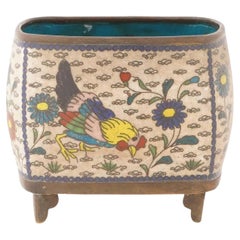
$525Sale Price|30% Off
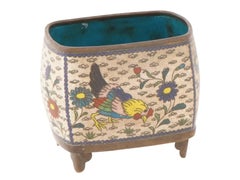
Antique Japanese Rooster Cloisonné Enamel Planter
Located in Long Island City, NY
A Japanese copper planter with cloisonne enamel. The nearly rectangular beige planter with a blue dot pattern below the neck and above the base. Raised on four legs. Adorned with pol...
Copper
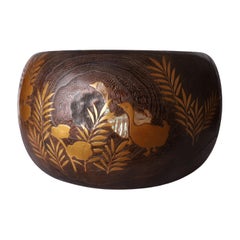
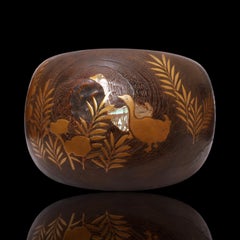
Hibachi (Hand-Warmer Brazier), Meiji Period, Paulownia Wood
Located in Fukuoka, JP
A large hibachi (手焙り, te-aburi / hand-warmer brazier) of paulownia wood (kiri, 桐), decorated with mother-of-pearl inlay (raden, 螺鈿) and makie lacquer depicting birds and flowers (花鳥蒔...
Gold Leaf
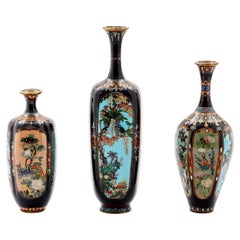
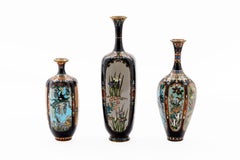
Important Set of Three Meiji Japanese Cloisonné Enamel Vases Signed by Ota
Located in Long Island City, NY, NY
An exceptional and highly important set of three Japanese cloisonné enamel vases from the Meiji period (1868–1912), each signed by members of the distinguished Ota family workshop—re...
Copper, Enamel
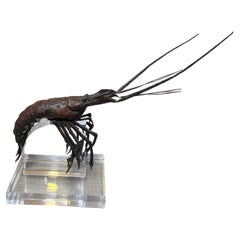
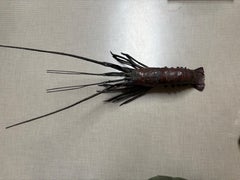
Japanese 19th Century articulated copper lobster
Located in Winnetka, IL
This is a rare Japanese articulated copper lobster, antique Meiji jizai master metal crafters from Edo era , late 19 th century The item is in ...
Copper
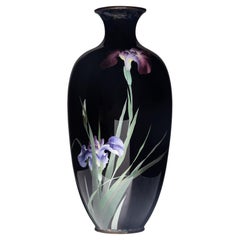
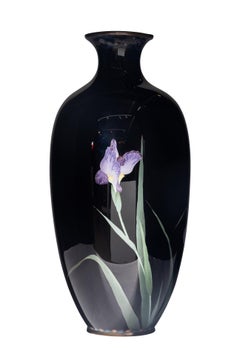
Large Meiji Period Japanese Cloisonne Enamel Vase Adorned with Iris Blossoms
Located in Long Island City, NY, NY
Introducing a magnificent Large Meiji Period Japanese Cloisonné Enamel Vase adorned with enchanting iris blossoms. This extraordinary vase encapsulates the essence of Japanese artist...
Enamel
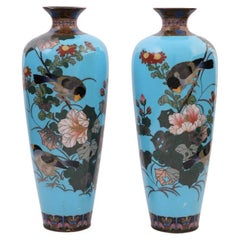
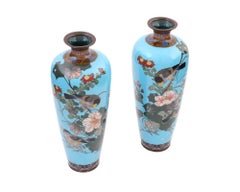
$2,800Sale Price / set|30% Off
Large High Quality Antique Japanese Cloisonne Enamel Meiji Vases with Birds
Located in Long Island City, NY
A pair of large antique Japanese copper vases with polychrome cloisonne enamel decor. Late Meiji period, before 1912. Elongated shape with pronounced neck. Birds and flowers motif ag...
Enamel, Copper
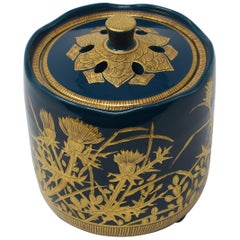
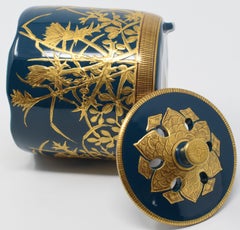
Japanese Contemporary Blue Pure Gold Porcelain Lidded Jar by Master Artist, 2
Located in Takarazuka, JP
Japanese contemporary porcelain incense burner/lidded jar, intricately and generously hand-painted with high purity gold on a beautifully shaped body in stunning signature deep blue,...
Gold
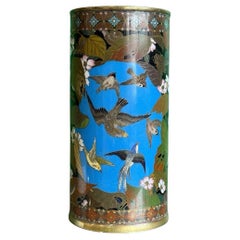
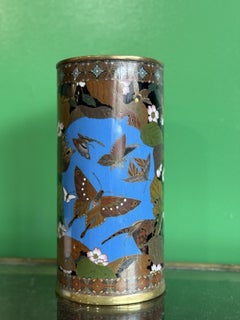
Meiji Period Japanese Cloisonne Enamel Vase with Birds Butterflies and Insects
Located in Long Island City, NY
This exceptionally detailed Japanese cloisonné enamel vase dates to the Meiji period, circa 1880 to 1890, and stands approximately 10 inches high. The surface is organized around vib...
Enamel
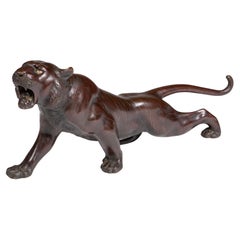
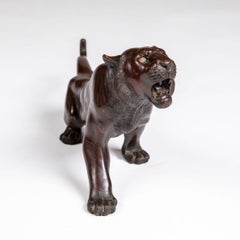
Japanese Meiji Bronze Tiger Sculpture with Stamped Signature
Located in Kastrup, DK
apanese bronze tiger from the Meiji period, featuring a warm brown-red patina. The piece is crafted to a high standard, modelled with realistic proportions in a dynamic forward-movin...
Bronze
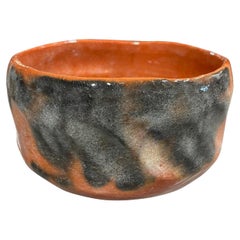
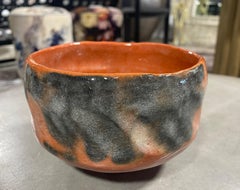
Kichizaemon Raku Seinyu XIII "13th" Signed Antique Japanese Raku Chawan Tea Bowl
Located in Studio City, CA
A wonderfully glazed, impeccably made Chawan tea bowl by famed Japanese master potter the 13th Kichizaemon Raku, Seinyu (1887-1944) who was the eldest son of Konyu - the 12th Kichizaemon of the Raku family line of potters - known as the most noted and celebrated tradition of pottery within the world of Japanese tea. Kichizaemon Raku was the 13th master to carry on the family's esteemed name and tradition. The bowl features shifting textures and deep, rich colours which radiate in the light. The term "Raku" was derived from the site where clay was dug in Kyoto in the late 16th century. The Kanji character for Raku translates to "enjoyment" or "fun/delightful" For 15 generations it has been the title and seal used by a lineage of potters whose work formed the central tradition in Japan. This lineage believes that 'Raku' refers to the potters who use the technique, not the technique itself. In the 16th century, the first of these potters, Chojiro is said to have come under the patronage of the Japanese tea master, Sen-No-Rikyu. According to legend, in 1598 a few years after Chojiro's death, ruler, Hideyoshi Toyotomi bestowed upon his adopted son, Jokei, a golden seal with the written symbol "Raku." Both the name and the ceramic style have been passed down through the family to the present ever since. The name and the style of ware have become influential in both Japanese culture and literature. Raku ware marked an important point in the historical development of Japanese ceramics, as it was the first ware to use a seal mark and the first to focus on close collaboration between potter and patron. Other famous Japanese clay artists...
Ceramic
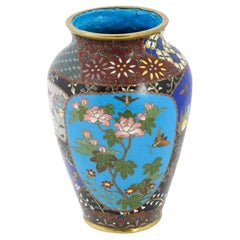
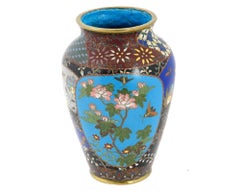
Antique Meiji Period Japanese Cloisonne Enamel Vase with Geometric Patterns Gard
Located in Long Island City, NY
An antique Japanese Meiji period cloisonne vase featuring intricate foliage motifs complemented by two exquisite floral panels. The meticulous craftsmanship in depicting foliage patt...
Enamel
$1,750Sale Price|30% Off
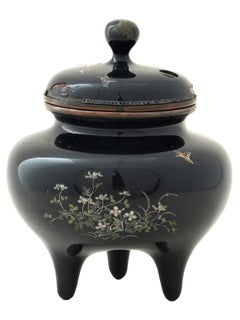
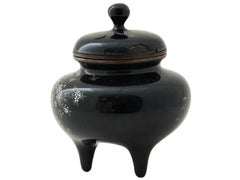
Japanese Silver Wire Cloisonne Enamel Censor Koro Attr Hayashi Kodenji
Located in Long Island City, NY
A high quality antique Japanese, Meiji era, Silver wire enamel tripod censer koro attributed to Hayashi Kodenji, Japanese, 1831 to 1915. Circa 1900s. The baluster form body is enamel...
Enamel
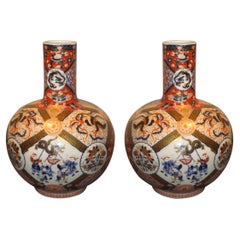
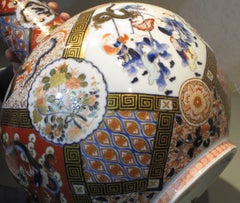
Pair of Japanese Late Meiji Period Fukagawa Porcelain Vases, circa 1900
Located in Takarazuka, JP
Superb pair of Japanese large Meiji period Fukagawa signed porcelain vases (circa 1900). Intricately hand-painted in cobalt blue underglaze with polychrome and gold overglaze on a st...
Gold
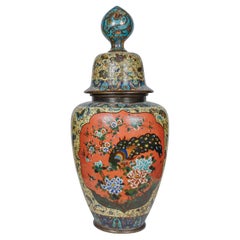
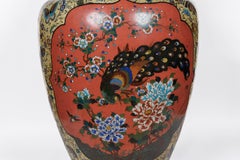
A Palatial Meiji Cloisonné Pink & Yellow Enamel Covered Jar with Butterflies
Located in Long Island City, NY, NY
A Palatial Meiji Cloisonné Pink & Yellow Enamel Covered Jar with Butterflies, circa 1885 Discover an unparalleled masterpiece of Japanese artistry with this monumental Meiji period cloisonné enamel...
Enamel
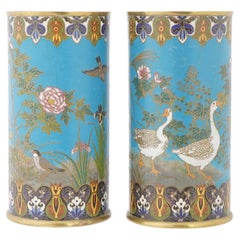
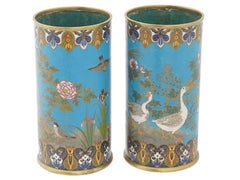
Pair of Japanese Cloisonne Enamel Ducks Birds and Floral Turquoise Grounds Vases
Located in Long Island City, NY
A refined pair of Meiji period Japanese cloisonne enamel cylinders decorated with detailed scenes of birds among spring flowers on rich turquoise grounds. Each piece is worked in ver...
Enamel
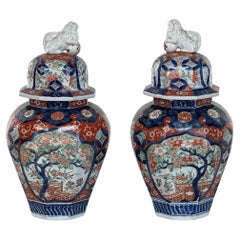
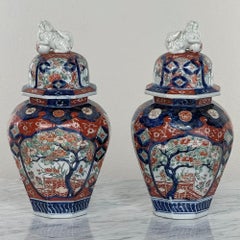
Pair 19th Century Meiji Period Japanese Imari Lidded Urns
Located in Dallas, TX
Pair 19th Century Meiji Period Japanese Imari Lidded Urns are extraordinarily well preserved, retaining their vivid coloration derived from copper and cobalt based pigments even afte...
Porcelain, Paint
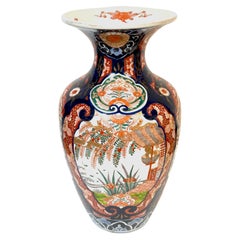
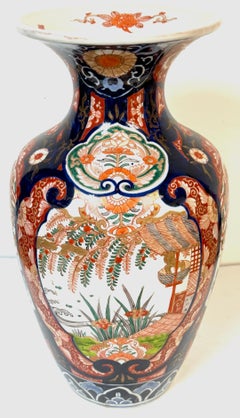
Large Meiji Period Imari Porcelain Garden Landscape Vase, Attributed to Fukagawa
By Fukagawa
Located in West Palm Beach, FL
Large Meiji Period Imari Porcelain Garden Landscape Vase, Attributed to Fukagawa, Japan A beautifully painted Meiji period Imari porcelain vase, attributed to Fukagawa, Japan, circa...
Porcelain
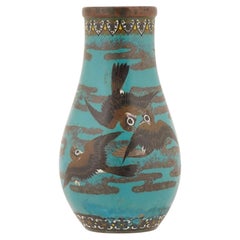
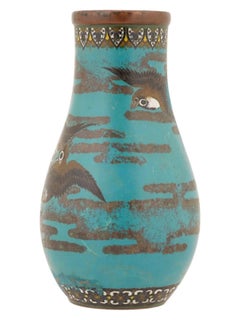
Japanese Cloisonne Enamel Vase Sparrows Meiji Period Nagoya School
Located in Long Island City, NY
A Japanese cloisonné enamel vase from the Meiji period, produced within the Nagoya school, and decorated with stylized sparrows in flight. The form is well-proportioned, with a round...
Enamel
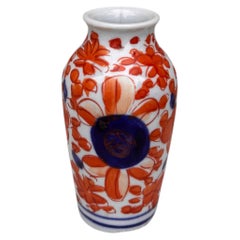
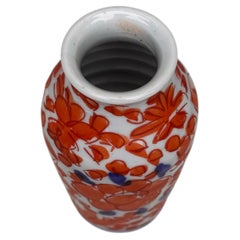
Small 19th Century Japanese Imari Vase
Located in Austin, TX
Miniature 19th Century Japanese Imari Vase. Height / 3.6 inches. Diameter / 2 inches.
Porcelain
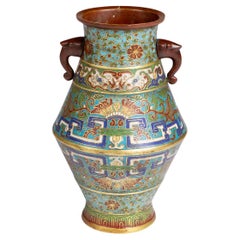
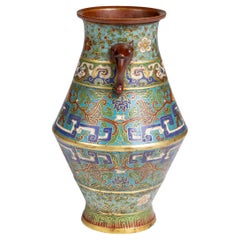
Meiji Period Japanese Cloisonné Vase with Polychrome Enamel
Located in Kastrup, DK
Japanese cloisonné vase from the Meiji period. Brass body decorated with polychrome enamel in blue, green, white and iron red on a turquoise ground. Ornamented with floral and foliat...
Brass, Enamel
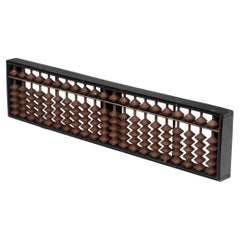
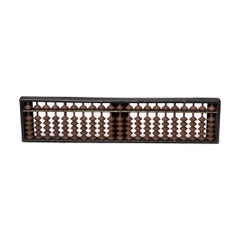
Vintage Japanese Soroban Abacus, c. 1910s
Located in Chicago, IL
Used daily for quick calculations, a wooden abacus such as this was an essential tool for the average shop-keeper in Meiji-era Japan. Known as a soroban, suanpan or counting frame, t...
Bamboo, Wood
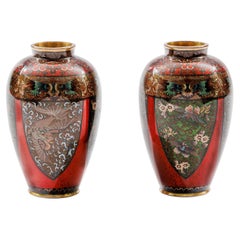
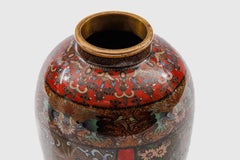
Rare Pair of Meiji Period Japanese Cloisonne Enamel Vases Red Ground Dragon
Located in Long Island City, NY, NY
A rare and visually commanding pair of Japanese cloisonné enamel vases from the Meiji period (1868–1912), executed at a level of technical and artistic sophistication reserved for th...
Copper, Enamel
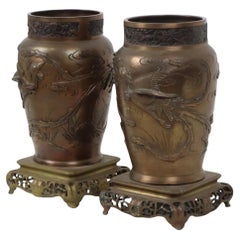
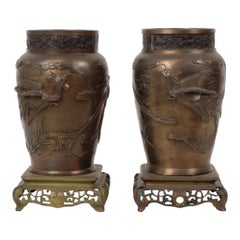
Pair of Japanese Bronze Vases Meiji Period Phoenix 28cm
Located in Poperinge, BE
A pair of Japanese bronze vases with high relief decoration of phoenixes and flowers; the neck is also extensively decorated. Both are signed at the bottom and rest on a square, roun...
Bronze
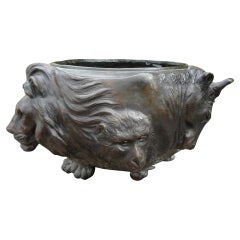
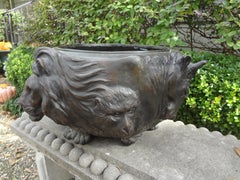
19th Century Japanese Meiji Period Bronze Jardinière by Genryusai Seiya
Located in Houston, TX
19th century Japanese Meiji Period bronze Jardinière by Genryusai Seiya. Outstanding large 19th century Japanese Meiji period (1868-1912) high relief bronze jardinière by Genryusai ...
Bronze
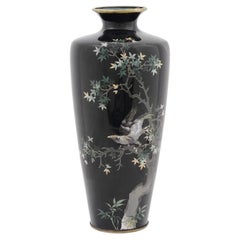
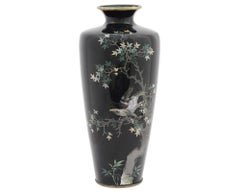
A High Quality Antique Meiji Japanese Cloisonne Enamel Vase With Flying Eagle
Located in Long Island City, NY
An antique Japanese Meiji Era brass and enamel vase. Circa: early 20th century. The baluster form vase is enameled with a polychrome image of an...
Enamel, Brass
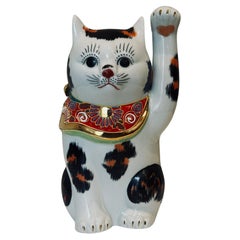
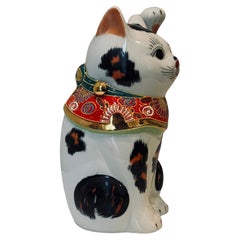
Japanese Contemporary Gold Orange Black Red Porcelain Beckoning Cat, 2
Located in Takarazuka, JP
Charming beckoning cat with left paw raised is a gilded and hand painted porcelain piece from the Kutani region of Japan. Beckoning cats come in two varieties. The more common right-handed beckoning cat (with right paw raised) is said to bring money and wealth to its owner, and are to this day frequently seen in shops and restaurants in Japan. The less common left-handed cat is said to be inviting friends and acquaintances to hearth and home. While the origins of the Japanese beckoning cat (known as maneki neko in Japanese) are unclear, contemporary woodblock...
Gold
Antique Early Meiji Japanese Cloisonne Enamel Translucent Vase Floral Clouds
Located in Long Island City, NY
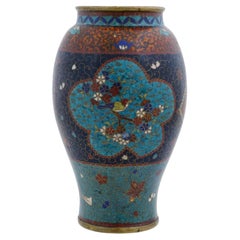
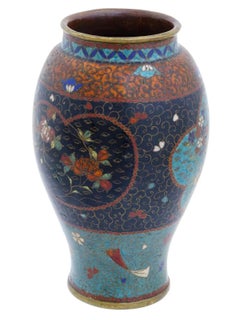
An antique Japanese Meiji period cloisonne enamel vase. Baluster shaped vase decorated with a band of orange with swirling and floral elements at the top, followed by a broader band ...
Enamel

$600Sale Price|50% Off
Signed Ando Jubei Green Wireless Cloisonné Vase 8.5"
By Ando Jubei
Located in Somis, CA
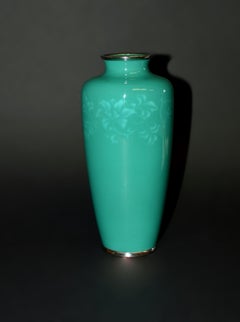
An exquisite Ando Jubei wireless cloisonné vase. In his signature green enamel, portraying an intricate arabesque design of a blooming clematis vine under the glaze. On Musen-jippo b...
Metal, Enamel
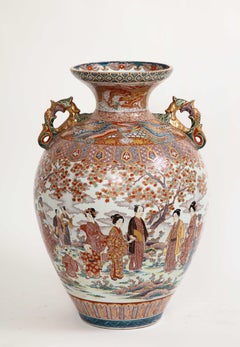
Monumental Japanese Kutani Porcelain Vase, Meiji/Taisho Period, Signed
Located in New York, NY
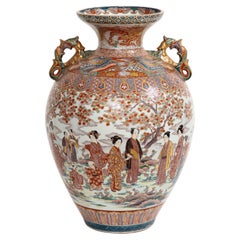
A Monumental Japanese Kutani porcelain vase, Meiji/Taisho Period, Signed Akiyama sei. The main body is all hand-painted with wonderful ...
Porcelain
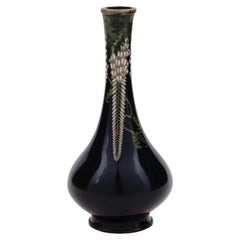
Japanese Meiji Era Cloisonne Enamel Vase Signed
Located in Long Island City, NY
An antique Japanese copper vase with cloisonne enamel design. Late Meiji period, 1868 to 1913. Miniature dark cobalt blue vase with a round body and long neck. The neck is decorated ...
Copper, Enamel