String Furniture

168 Results
to
9
125
27
16
88
43

Use search to find more

46
8
6
6
5
3
1
1
1
1
2
7
116
43
10
76
26
1
5
8
10
18
19
17
4
1
168
372,375
315,236
221,012
157,899

Use search to find more

35
35
8
6
4

Use search to find more

Material: String
Sculptural Antique Collection of Bronze Calibration Weights on Display Stand

Sculptural Antique Collection of Bronze Calibration Weights on Display Stand

Located in North Miami, FL

This wonderful piece of art comprised of an antique collection of scientific and engineering calibration bronze weights that are in different shapes and sizes. They are being offere...

Category

Late 19th Century French Industrial Antique String Furniture

Materials

Metal, Bronze

Set of Four Alvar Aalto Model 45 Armchairs, Artek, Finland, 1960s

Set of Four Alvar Aalto Model 45 Armchairs, Artek, Finland, 1960s

By Artek

Located in Berlin, DE

This refined set of four Model 45 armchairs is an authentic design by Alvar Aalto, produced by Artek, Finland, during the 1960s. Originally conceived in 1947, Model 45 stands as a qu...

Category

1960s Finnish Mid-Century Modern Vintage String Furniture

Materials

Cotton, Upholstery, String, Birch, Plywood

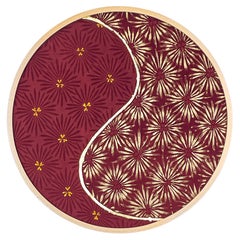
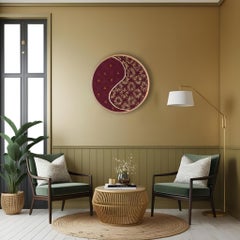
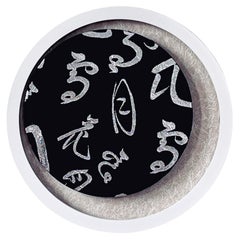
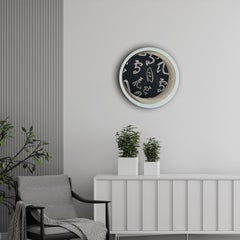
Mid 20th Century kimono textile art " Yin–Yang ~ Balance ~" by ikasu BrownJapan

Mid 20th Century kimono textile art " Yin–Yang ~ Balance ~" by ikasu BrownJapan

By Kimono ikasu, Lena Okamoto

Located in Setagaya City, JP

Certified Kimono Meister work / Certificate of Authenticity included. One-of-a-kind Japanese textile art made from vintage kimono fabrics. Sustainable artwork for modern interiors, ...

Category

1950s Japanese Japonisme Vintage String Furniture

Materials

Gold Leaf

Set of 6 CH24 Chairs by Hans Wegner

Set of 6 CH24 Chairs by Hans Wegner

By Carl Hansen & Søn, Hans J. Wegner

Located in Brescia, IT

Set of six Danish model CH24 chairs by Hans Wegner, produced by Carl Hansen & Søn in the 1950s. Set of six vintage Scandinavian chairs model CH24, also known as "Y Chair," designed ...

Category

20th Century Danish Scandinavian Modern String Furniture

Materials

String, Wood

Elegant stool in a rustic-industrial style, 1970s

Elegant stool in a rustic-industrial style, 1970s

By Mice di rugiano domenico e c. s.n.c.

Located in Cantù, IT

An elegant stool with a rustic-industrial style, featuring a sturdy wrought-iron frame and a hand-woven seat made of natural rope. The decorative iron details add character and a han...

Category

20th Century Italian Rustic String Furniture

Materials

Wrought Iron

Wooden Wall Hanger by ULUV, 1970s

Wooden Wall Hanger by ULUV, 1970s

By Úľuv

Located in Praha, CZ

Vintage wooden wall hanger made and marked by ULUV in 1970s. Very good original condition.

Category

Mid-20th Century Czech Mid-Century Modern String Furniture

Materials

String, Wood

Ceiling-Mounted Coat Rack Opinion Ciatti La Cima Design Lapo Ciatti - Black

Ceiling-Mounted Coat Rack Opinion Ciatti La Cima Design Lapo Ciatti - Black

By Opinion Ciatti

Located in Varedo, Lombardia

Brand: Opinion Ciatti Model: La Cima Design by: Lapo Ciatti Product Type: Ceiling-Mounted Coat Rack La Cima embodies the concept of ready-made in contemporary design. A classic bra...

Category

2010s Italian String Furniture

Materials

Metal

Mid-century Wooden Wall Hanger by ULUV, Czechoslovakia, 1960s

Mid-century Wooden Wall Hanger by ULUV, Czechoslovakia, 1960s

By Úľuv

Located in Praha, CZ

Vintage wooden wall hanger with a shelf made of strings intertwined with wood. Original design from the 1960s by ULUV.

Category

Mid-20th Century Czech Mid-Century Modern String Furniture

Materials

String, Wood

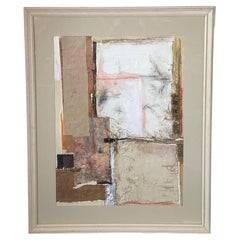
Large Mid Century Modern by Modernist Schreiber

Large Mid Century Modern by Modernist Schreiber

By Schreiber

Located in Lambertville, NJ

Good condition Ready to hang Signed lower Right Mixed media - paper, burlap, string Estate of Artist See bio in the photograph section Sight Size 29x39

Category

1970s Mid-Century Modern Vintage String Furniture

Materials

Paper, Burlap, String

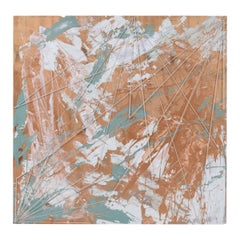
Emily Tan Copper and Sage Green Abstract Drip Painting with String

Emily Tan Copper and Sage Green Abstract Drip Painting with String

By (after) Jackson Pollock

Located in Chattanooga, TN

Suspended between cosmic energy and tactile abstraction, this striking mixed-media artwork by Tampa-based artist Emily Tan transcends the ordinary. Executed on thick, handcrafted plywood—reflecting her deeply personal process—copper and sage green pigments erupt across the surface in dynamic drips and pours, as though capturing the first seconds of creation itself. The composition vibrates with an elemental force, a visual echo of the "Big Bang...

Category

21st Century and Contemporary American Modern String Furniture

Materials

Plywood, Paint, String

Harvey Peterson O’Cedar Mop Man Folk Art Figural Sculpture

Harvey Peterson O’Cedar Mop Man Folk Art Figural Sculpture

Located in Milford, NH

A wonderful figural folk art sculpture of an O’Cedar Mop Man by contemporary Maine artist Harvey Peterson (20th/21st c). Peterson was born in Seattle, WA, and got his a BFA and MFA f...

Category

Late 20th Century American Folk Art String Furniture

Materials

Tin

Vintage kimono textile art " Snowflake ~ New Beginnings ~" by ikasu Purple Japan

Vintage kimono textile art " Snowflake ~ New Beginnings ~" by ikasu Purple Japan

By Kimono ikasu, Lena Okamoto

Located in Setagaya City, JP

Certified Kimono Meister work / Certificate of Authenticity included. One-of-a-kind Japanese textile art made from vintage kimono fabrics. Sustainable artwork for modern interiors, ...

Category

1970s Japanese Japonisme Vintage String Furniture

Materials

Canvas, Silk, Fabric, Textile, String, Thread, Yarn

Late 19th Century kimono textile art "Plum Blossom ~Resilience~" by ikasu Japan

Late 19th Century kimono textile art "Plum Blossom ~Resilience~" by ikasu Japan

By Lena Okamoto, Kimono ikasu

Located in Setagaya City, JP

Certified Kimono Meister work / Certificate of Authenticity included. One-of-a-kind Japanese textile art made from vintage kimono fabrics. Sustainable artwork for modern interiors, ...

Category

Late 19th Century Japanese Arts and Crafts Antique String Furniture

Materials

Gold Leaf

Pair of Antique Travelers Folding Chairs // Mare in China, cca. 1880s

Pair of Antique Travelers Folding Chairs // Mare in China, cca. 1880s

Located in Beograd, RS

In this listing you will find a pair of antique Chinese folding chairs. They are done in hand-carved wood, with a woven string seats. Often referred to as traveler's chairs, these si...

Category

1880s Chinese Chinese Chippendale Antique String Furniture

Materials

String, Wood

1940's Colour Card Thread - New Old Stock - Mixed Set Of Ten

1940's Colour Card Thread - New Old Stock - Mixed Set Of Ten

Located in Hook, Hampshire

1940’s Colour Card Thread – New Old Stock – Mixed Set Of Ten. We recently came across a large hoard of new old stock hardware and general merchandise items, laying untouched since t...

Category

1940s Vintage String Furniture

Materials

String

Set of two outdoor chairs, rubber rope, 1970s

Set of two outdoor chairs, rubber rope, 1970s

By Mid Century Antiques

Located in Milano, Lombardia

Set of two outdoor chairs, Italian manufacture, 1970, painted metal frame with woven rubber rope seat and back, red color, signs of fading and surface defects due to age and exposure...

Category

1970s Italian Modern Vintage String Furniture

Materials

Metal

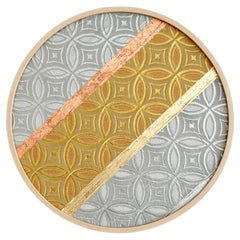
Vintage kimono textile art " Monochrome Geometry " by ikasu Gold Grey Japan

Vintage kimono textile art " Monochrome Geometry " by ikasu Gold Grey Japan

By Kimono ikasu, Lena Okamoto

Located in Setagaya City, JP

Certified Kimono Meister work / Certificate of Authenticity included. One-of-a-kind Japanese textile art made from vintage obi fabrics. Sustainable...

Category

21st Century and Contemporary Japanese Japonisme String Furniture

Materials

Silk, Wood, Fabric, Textile, String, Thread, Yarn, Reclaimed Wood, Compo...

ClassiCon Euvira Rocking Chair design Jader Almeida - Black

ClassiCon Euvira Rocking Chair design Jader Almeida - Black

By Jader Almeida

Located in Varedo, Lombardia

Brand: ClassiCon Model: Euvira Rocking Chair Design Jader Almeida The Euvira rocking chair by Jader Almeida is a masterful blend of past and present, lightness and solidity. With it...

Category

2010s German String Furniture

Materials

String, Wood

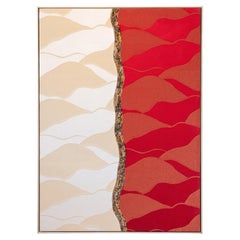
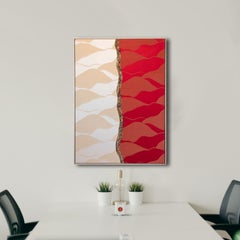
Vintage obi textile art "Under the Sun ~ Serendipity ~" by ikasu Red Beige Japan

Vintage obi textile art "Under the Sun ~ Serendipity ~" by ikasu Red Beige Japan

By Lena Okamoto, Kimono ikasu

Located in Setagaya City, JP

Certified Kimono Meister work / Certificate of Authenticity included. One-of-a-kind Japanese textile art made from vintage obi fabrics. Sustainable artwork for modern interiors, collectors, boutique hotels, and lovers of Japanese aesthetics. [Size] 73cm x 53cm x 5cm [Materials] silk (outside-layer) , wooden frame (under-layer), bark (pine, oak, sawtooth oak, etc.) [Story behind the work] This artwork creatively uses tree bark to evoke the imagery of woods and mountains during both the morning and nighttime on left and right. It is elegantly framed with paulownia wood, a tree closely connected to kimono culture, and is filled with storytelling and sense of luxury. By incorporating both the front and back sides of the same obi fabric woven in different colors, the play of light and shadow on the mountains is depicted through the contrasting appearances of these surfaces. The intention behind this piece is to convey the exquisite beauty of Japanese mountains and the lush forests that inhabit them. To achieve this, traditional elements of Japanese culture, such as obi textiles and craftsmanship involving wood, were used. The outer and inner linings of the same obi, no longer suitable for clothing, along with bark material that would normally be discarded, have been repurposed to create this exceptional upcycle artwork. The fusion of Japanese natural materials – silk, paulownia wood, and pine bark for the central decoration – along with the so-called "Tozan" pattern, a unique Japanese natural design showing mountains from far-away point, captures the magnificent beauty of Japanese nature from various perspectives. The central bark decoration stands out as a distinctive feature of this work. Pine, oak, and other tree barks are interwoven among the mountains woven into the obi, creating a tangible and authentic natural atmosphere. [Period / Story] The obi used in this piece was originally crafted during the late Showa period (1960-80ies). [Explanation and meaning of pattern and colors] This upcycle artwork uses an obi with a tozan pattern woven in two colors. The design is inspired by a distant mountain range, a motif that has been used in paintings and crafts since ancient times. However, in this particular design, the mountains are depicted not as distant peaks but as graceful semicircles giving it a mild atmosphere. [Characteristics of the fabric] This upcycled Fukuro-obi (two-side oni) showcases a festive color pattern of mountains intricately woven with gold threads against a beige front and red on the back. The way this obi interacts with light allows it to shift in expression, much like a mountain revealing different facets over time. It can transform from deep shades of color to the appearance of gold shimmering against bright hues, depending on the lighting and viewing angle. [About the frame] Kiritansu - chest-of-drawers for kimono, is traditionally made from paulownia wood, a uniquely Japanese material closely tied to the world of kimonos. Paulownia wood is known as the lightest wood in Japan, prased for its natural luster, resistance to moisture, and resilience against cracking. Since ancient times, it has been used in crafting furniture, chests, and musical instruments. During the Edo period, it became customary to store cherished kimonos in paulownia chests...

Category

21st Century and Contemporary Japanese Arts and Crafts String Furniture

Materials

Gold Leaf, Silver Leaf

Vintage kimono textile art " Sunset Timelapse ~ Ephemerality ~" ikasu Red Japan

Vintage kimono textile art " Sunset Timelapse ~ Ephemerality ~" ikasu Red Japan

By Lena Okamoto, Kimono ikasu

Located in Setagaya City, JP

Certified Kimono Meister work / Certificate of Authenticity included. One-of-a-kind Japanese textile art made from vintage obi fabrics. Sustainable artwork for modern interiors, collectors, boutique hotels, and lovers of Japanese aesthetics. [Story behind the work] The art piece uses two sides - front and reverse - of the same kimono, to show beautiful sea surrounding Japan, in hues and in late sunset, as a timelapse. The frame for this work is made of paulownia wood taken from antique Kiritansu - chest-of-drawers for kimono. I use antique kiritansu that can’t be used as furniture anymore to create basis and frames for my works. It adds them even more authentic atmosphere of traditional wabisabi spirit. Can you feel it? [Period / Story] The kimono used in this piece was originally crafted during the late Showa period (1960-80ies). [Explanation and meaning of pattern and colors] Sea waves, depicted in two color variations here, are a symbol of transience and Impermanence in Japanese culture. The ebb and flow of the tides, the ever-changing currents, and the relentless motion of the waves serve as reminders of the fleeting nature of life. This artwork featuring the sea convey themes of impermanence, reminding viewers to cherish the present moment and appreciate the beauty of life's fleeting moments. The theme of impermanence is strengthen by two colors of the sea - the lighter in early hues and the darker when the sun is just about to set in the sea. [About the frame] This artwork frame is crafted from paulownia wood, a uniquely Japanese material closely tied to the world of kimonos, and it serves to convey the refined beauty of Japanese nature. Paulownia wood is known as the lightest wood in Japan, prased for its natural luster, resistance to moisture, and resilience against cracking. Since ancient times, it has been used in crafting furniture, chests, and musical instruments. Paulownia wood is closely linked to kimono culture. During the Edo period (17th cent.~), it became customary to store cherished kimonos in paulownia chests...

Category

1960s Japanese Japonisme Vintage String Furniture

Materials

Gold Leaf, Silver Leaf

Manutti KOBO outdoor sofa design Stéphane De Winter - Pepper

Manutti KOBO outdoor sofa design Stéphane De Winter - Pepper

Located in Varedo, Lombardia

Manutti KOBO Sofa - Stéphane De Winter Kobo sofa, designed by Stéphane De Winter for Manutti, is a timeless outdoor seating system that combines refined aesthetics with high technic...

Category

2010s Belgian String Furniture

Materials

Fabric, String

Vintage obi textile art " Broken Vase ~ kintsugi ~" by ikasu Black Gold Japan

Vintage obi textile art " Broken Vase ~ kintsugi ~" by ikasu Black Gold Japan

By Kimono ikasu, Lena Okamoto

Located in Setagaya City, JP

Certified Kimono Meister work / Certificate of Authenticity included. One-of-a-kind Japanese textile art made from vintage obi fabrics. Sustainable artwork for modern interiors, collectors, boutique hotels, and lovers of Japanese aesthetics. [Story behind the work] This work uses a vintage obi dated around 1980ies, with a feather motif, and arranges it so that it looks like a vase. Antique obi, just as it is a broken vase, is united back again with black obijime - a string used to tie up obi when it’s worn. Framed in kiritansu (antique chest) paulownia wood. It is elegantly framed with paulownia wood originally used for kimono chest-of-drawers, and is filled with storytelling and sense of luxury. I used pieces of kimono that could no longer be used as clothing and kiritansu chest-of-drawers that would normally be discarded to create the ultimate upcycled piece. [Explanation and meaning of pattern and colors] Feathers hold various meanings and symbolism in Japanese traditional culture, often reflecting themes of spirituality, symbolism, and folklore. Here are some of the meanings associated with feathers in Japanese tradition: ・Divine Protection: Feathers are often seen as symbols of divine protection and spiritual guidance. Feathers, especially those from birds, are considered to be imbued with the protective energy, offering spiritual guardianship and safeguarding against negative forces. ・Connection to the Spirit World: Feathers are sometimes associated with the spirit world and the realm of the divine. In folklore and mythology, feathers are depicted as messengers between the earthly realm and the celestial realms. ・Symbol of Beauty and Elegance: Feathers are admired for their natural beauty, grace, and elegance. In traditional Japanese arts such as Noh theater, Kabuki, and dance performances like Kagura, actors and performers often use feathered costumes or accessories to enhance their appearance and convey a sense of refinement and sophistication. ・Sign of Good Luck and Prosperity: In Japanese folklore, certain birds like cranes and pheasants are considered symbols of good fortune, longevity, and prosperity. Feathers from these birds are often depicted in art and craftwork as auspicious symbols believed to bring blessings and positive energy to the bearer. [About the frame] Kiritansu - chest-of-drawers for kimono, is traditionally made from paulownia wood, a uniquely Japanese material closely tied to the world of kimonos. Paulownia wood is known as the lightest wood in Japan, prased for its natural luster, resistance to moisture, and resilience against cracking. Since ancient times, it has been used in crafting furniture, chests, and musical instruments. During the Edo period, it became customary to store cherished kimonos in paulownia chests...

Category

1980s Japanese Japonisme Vintage String Furniture

Materials

Silk, Wood, Fabric, Textile, String, Thread, Yarn, Reclaimed Wood, Compo...

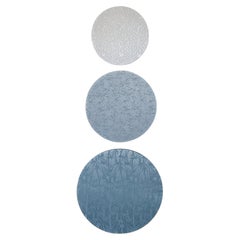
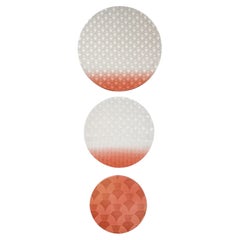
Vintage kimono textile art " Turquoise Forest ~ Strength ~ " by ikasu Blue Japan

Vintage kimono textile art " Turquoise Forest ~ Strength ~ " by ikasu Blue Japan

By Lena Okamoto, Kimono ikasu

Located in Setagaya City, JP

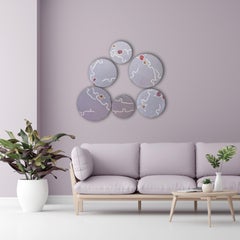
Certified Kimono Meister work / Certificate of Authenticity included. One-of-a-kind Japanese textile art made from vintage kimono fabrics. Sustainable artwork for modern interiors, collectors, boutique hotels, and lovers of Japanese aesthetics. Fabrics featuring iconic Japanese plants like chrysanthemum, maple, and bamboo were gathered from various long underwear and kimono pieces to create a set of canvases (diameter 30, 25 and 20cm) showcasing exquisite gradations. The top canvas, in pristine white, originates from long under-kimono, while the middle and bottom canvases are skillfully upcycled from kimono fabrics. [Period / Story] The long under-kimono and kimono fabrics used in these canvases were originally crafted and worn during the late Showa period (1960-80ies). [Explanation and meaning of pattern and colors] The pattern on the top canvas features a chrysanthemum, an auspicious emblem symbolizing longevity. It is affectionately referred to as the "raccoon dog chrysanthemum" due to the large, overlapping petals resembling the fur of a muzina, a creature similar to a raccoon dog or badger. This motif is highly popular in various plant-inspired designs and frequently seen in Edo komon, katazome, and jimon textiles. The top canvas naga-juban under-kimono, being entirely white and devoid of any additional dyes, suggests its use as formal wear. Its pristine white hue accentuates the silk's luster when exposed to light and highlights the beauty of the woven patterns. The fabric used here is rinzu, a type of fabric thinner than crepe de chine, characterized by its soft, smooth texture and subtle sheen. This particular lintel distinguishes itself with the way its ground pattern emerges and also incorporates a woven chrysanthemum pattern. The central canvas showcases a maple tree, symbolizing longevity, which changes its colors with the seasons, bringing joy and happiness to people's lives. The bamboo featured on the lower canvas has been regarded as a symbol of good fortune since ancient times, given its straight and vigorous growth, along with the Chinese legend that a phoenix consumes its fruit. It embodies concepts such as "immortality," "longevity," and "strength" because it remains green even in winter. The hollow stem also signifies "innocence," suggesting that there are no hidden agendas. All three canvases are adorned with ground patterns that, when viewed from a distance, appear as modern works of art, yet upon closer inspection, they reveal a distinct Japanese ambiance. [Characteristics of the fabric] All three canvases are made of fabrics with jimon. The unique and high level of Japanese weaving...

Category

21st Century and Contemporary Japanese Japonisme String Furniture

Materials

Canvas, Silk, Fabric, Textile, String, Thread, Yarn

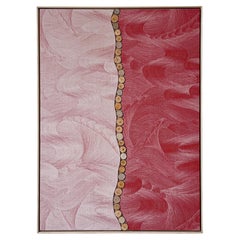
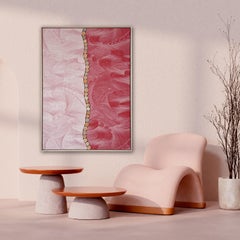
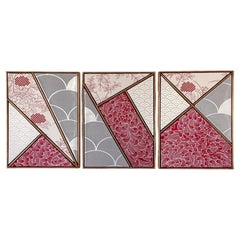
Vintage kimono textile art " Plum Gradation " by ikasu Pink White Japan

Vintage kimono textile art " Plum Gradation " by ikasu Pink White Japan

By Lena Okamoto, Kimono ikasu

Located in Setagaya City, JP

Certified Kimono Meister work / Certificate of Authenticity included. One-of-a-kind Japanese textile art made from vintage kimono fabrics. Sustainable artwork for modern interiors, ...

Category

21st Century and Contemporary Japanese Japonisme String Furniture

Materials

Canvas, Silk, Fabric, Textile, String, Thread, Yarn

Divano con 2 poltrone in legno di faggio  e corda anni 60

Divano con 2 poltrone in legno di faggio e corda anni 60

By Augusto Romano

Located in Catania, IT

Divanetto panca 2 posti vintage più 2 poltrone in legno curvato e seduta in corda intrecciata in buone condizioni ma da rivedere la corda intrecciata. Il divanetto misura: Larghezza ...

Category

1950s Italian Vintage String Furniture

Materials

String, Beech

Ceiling-Mounted Coat Rack Opinion Ciatti La Cima Design Lapo Ciatti - Sand/Beige

Ceiling-Mounted Coat Rack Opinion Ciatti La Cima Design Lapo Ciatti - Sand/Beige

By Opinion Ciatti

Located in Varedo, Lombardia

Brand: Opinion Ciatti Model: La Cima Design by: Lapo Ciatti Product Type: Ceiling-Mounted Coat Rack La Cima embodies the concept of ready-made in contemporary design. A classic bra...

Category

2010s Italian String Furniture

Materials

Metal

Manutti SANDUA Relax Armchair - Robin Hapelt - Anthracite

Manutti SANDUA Relax Armchair - Robin Hapelt - Anthracite

Located in Varedo, Lombardia

Sandua, designed by Robin Hapelt for Manutti, is an outdoor relax armchair that combines artisanal tradition with contemporary innovation. The collection is defined by its organical...

Category

2010s Italian String Furniture

Materials

Fabric, String, Teak

ClassiCon Euvira Rocking Chair design Jader Almeida - Oak

ClassiCon Euvira Rocking Chair design Jader Almeida - Oak

By Jader Almeida

Located in Varedo, Lombardia

Brand: ClassiCon Model: Euvira Rocking Chair Design Jader Almeida The Euvira rocking chair by Jader Almeida is a masterful blend of past and present, lightness and solidity. With it...

Category

2010s German String Furniture

Materials

String, Wood

Manutti KOBO outdoor sofa design Stéphane De Winter - Anthracite

Manutti KOBO outdoor sofa design Stéphane De Winter - Anthracite

Located in Varedo, Lombardia

Kobo sofa, designed by Stéphane De Winter for Manutti, is a timeless outdoor seating system that combines refined aesthetics with high technical complexity. Its distinctive characte...

Category

2010s Belgian String Furniture

Materials

Fabric, String

Ceiling-Mounted Coat Rack Opinion Ciatti La Cima Design Lapo Ciatti - Sand/Black

Ceiling-Mounted Coat Rack Opinion Ciatti La Cima Design Lapo Ciatti - Sand/Black

By Opinion Ciatti

Located in Varedo, Lombardia

Brand: Opinion Ciatti Model: La Cima Design by: Lapo Ciatti Product Type: Ceiling-Mounted Coat Rack La Cima embodies the concept of ready-made in contemporary design. A classic bra...

Category

2010s Italian String Furniture

Materials

Metal

Wall-Mounted Coat Rack Opinion Ciatti La Cima Design Lapo Ciatti - Black/Gold

Wall-Mounted Coat Rack Opinion Ciatti La Cima Design Lapo Ciatti - Black/Gold

By Opinion Ciatti

Located in Varedo, Lombardia

Brand: Opinion Ciatti Model: La Cima Design by: Lapo Ciatti Product Type: Wall-Mounted Coat Rack La Cima embodies the concept of ready-made in contemporary design. A classic braide...

Category

2010s Italian String Furniture

Materials

Metal

Wall-Mounted Coat Rack Opinion Ciatti La Cima Design Lapo Ciatti - Black

Wall-Mounted Coat Rack Opinion Ciatti La Cima Design Lapo Ciatti - Black

By Opinion Ciatti

Located in Varedo, Lombardia

Brand: Opinion Ciatti Model: La Cima Design by: Lapo Ciatti Product Type: Wall-Mounted Coat Rack La Cima embodies the concept of ready-made in contemporary design. A classic braided...

Category

2010s Italian String Furniture

Materials

Metal

Wall-Mounted Coat Rack Opinion Ciatti La Cima Design Lapo Ciatti - Sand/Beige

Wall-Mounted Coat Rack Opinion Ciatti La Cima Design Lapo Ciatti - Sand/Beige

By Opinion Ciatti

Located in Varedo, Lombardia

Brand: Opinion Ciatti Model: La Cima Design by: Lapo Ciatti Product Type: Wall-Mounted Coat Rack La Cima embodies the concept of ready-made in contemporary design. A classic braide...

Category

2010s Italian String Furniture

Materials

Metal

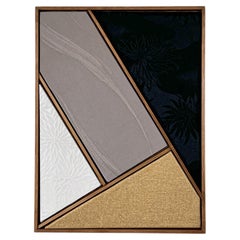
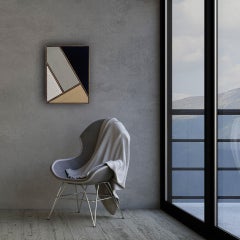
VIntage kimono textile art " Geometry ~ Chrysanthemums ~" by ikasu White Japan

VIntage kimono textile art " Geometry ~ Chrysanthemums ~" by ikasu White Japan

By Kimono ikasu, Lena Okamoto

Located in Setagaya City, JP

Certified Kimono Meister work / Certificate of Authenticity included. One-of-a-kind Japanese textile art made from vintage obi fabrics. Sustainable...

Category

21st Century and Contemporary Japanese Japonisme String Furniture

Materials

Silk, Wood, Fabric, Textile, String, Thread, Yarn, Reclaimed Wood

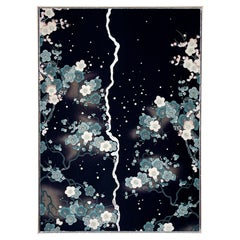
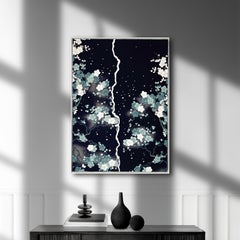
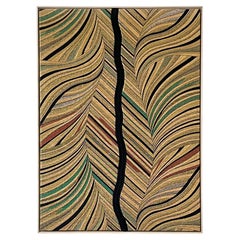
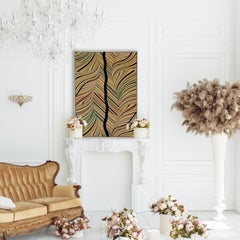
Vintage kimono textile art " Marble Story ~ Healing ~" by ikasu Grey Japan

Vintage kimono textile art " Marble Story ~ Healing ~" by ikasu Grey Japan

By Kimono ikasu, Lena Okamoto

Located in Setagaya City, JP

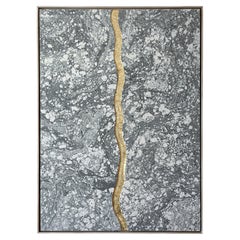
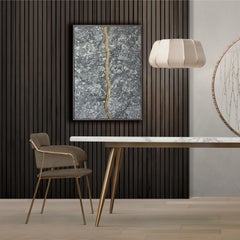
Certified Kimono Meister work / Certificate of Authenticity included. One-of-a-kind Japanese textile art made from vintage obi fabrics. Sustainable artwork for modern interiors, collectors, boutique hotels, and lovers of Japanese aesthetics. [Size] 73cm x 53cm x 5cm [Materials] silk (outside-layer) , paulownia (wooden frame), gold leaf [Story behind the work] This work uses a vintage kimono fabric with marble pattern, that makes it look like a real piece of marble. The line in the middle symbolizes “kintsugi” - concept of wabi-sabi, which values imperfection, impermanence, and the beauty of aging. It is elegantly framed with paulownia wood originally used for kimono chest-of-drawers, and is filled with storytelling and sense of luxury. I used pieces of kimono that could no longer be used as clothing and kiritansu chest-of-drawers that would normally be discarded to create the ultimate upcycled piece. [Period / Story] The textile was created in around 1960ies. [Explanation and meaning of pattern and colors] Kintsugi (金継ぎ), which translates to "golden joinery" or "golden repair," is a traditional Japanese art form of repairing broken pottery with lacquer mixed with powdered gold, silver, or platinum. I used this tecnique here to "repair" antique kimono by transforming it into art work. Beyond its literal meaning of mending broken ceramics, kintsugi carries profound philosophical and cultural significance in Japanese tradition: ・Embracing Imperfection: Kintsugi celebrates imperfection and impermanence. Rather than disguising or concealing flaws, it highlights them, treating the breakage as part of the object's history. This philosophy encourages acceptance of imperfection as an essential aspect of life, beauty, and human experience. ・Wabi-Sabi Aesthetic: Kintsugi embodies the principles of wabi-sabi, an aesthetic worldview centered on the acceptance of transience and imperfection. Wabi-sabi values simplicity, authenticity, and the beauty of things that are imperfect, impermanent, and incomplete. Kintsugi exemplifies these principles by turning what might be considered flaws into features that enhance the object's beauty and character. ・Resilience and Transformation: The act of repairing broken things with precious metals symbolizes resilience and transformation. Instead of discarding or replacing the broken object, kintsugi honors its history and transforms it into something new and valuable. This reflects broader philosophical themes of overcoming adversity, finding beauty in imperfection, and embracing change. ・Honoring the Past: Kintsugi preserves and honors the history of the object. Rather than erasing or ignoring its past, it acknowledges and celebrates it. This aspect of kintsugi can be seen as a metaphor for honoring our own personal histories, including the challenges and setbacks we have faced, and recognizing how they have shaped us into who we are today. ・Spiritual and Philosophical Symbolism: Kintsugi has spiritual and philosophical implications, reflecting concepts such as the interconnectedness of all things, the cycle of life and death, and the pursuit of harmony and balance. The process of repairing broken objects with precious metals is seen as a metaphor for spiritual growth, enlightenment, and the journey towards wholeness. Overall, kintsugi represents not only a practical technique for repairing ceramics but also a profound philosophical and cultural perspective on life, beauty, and the human experience. It embodies values such as resilience, acceptance, and the transformative power of embracing imperfection. [Characteristics of the fabric] This vintage textile is hand-painted with a traditional painting technique where the colors are added on wet surface, which creates an effect of marble. [About the frame] Kiritansu - chest-of-drawers for kimono, is traditionally made from paulownia wood, a uniquely Japanese material closely tied to the world of kimonos. Paulownia wood is known as the lightest wood in Japan, prased for its natural luster, resistance to moisture, and resilience against cracking. Since ancient times, it has been used in crafting furniture, chests, and musical instruments. During the Edo period, it became customary to store cherished kimonos in paulownia chests...

Category

21st Century and Contemporary Japanese Japonisme String Furniture

Materials

Silver Leaf, Gold Leaf

Ceiling-Mounted Coat Rack Opinion Ciatti La Cima Design Lapo Ciatti - Black/Gold

Ceiling-Mounted Coat Rack Opinion Ciatti La Cima Design Lapo Ciatti - Black/Gold

By Opinion Ciatti

Located in Varedo, Lombardia

Brand: Opinion Ciatti Model: La Cima Design by: Lapo Ciatti Product Type: Ceiling-Mounted Coat Rack La Cima embodies the concept of ready-made in contemporary design. A classic bra...

Category

2010s Italian String Furniture

Materials

Metal

ClassiCon Euvira Rocking Chair design Jader Almeida - Brown

ClassiCon Euvira Rocking Chair design Jader Almeida - Brown

By Jader Almeida

Located in Varedo, Lombardia

Brand: ClassiCon Model: Euvira Rocking Chair Design Jader Almeida The Euvira rocking chair by Jader Almeida is a masterful blend of past and present, lightness and solidity. With it...

Category

2010s German String Furniture

Materials

String, Wood