Thread Furniture

to
19
103
37
139
73
15
24
12
11
7
6
4
3
1
1
1
1
25
29
85
88
13
47
17
1
2
3
5
5
5
15
7
4
1
1,413
368,977
305,743
215,456
155,017
85
76
76
53
31
227
177
212
35
34
15
14
13
Material: Thread
A Rare Pair of 18th / 19th Century Hand Embroidered Ottoman Slippers, Turkey

A Rare Pair of 18th / 19th Century Hand Embroidered Ottoman Slippers, Turkey

Located in Ottawa, Ontario

Both slippers are profusely hand embroidered with gold & silver threads on silk, the toes featuring seed pearls arranged in anthemia motifs, the beds showing hand stitched ‘Tree of L...

Category

Late 18th Century Turkish Other Antique Thread Furniture

Materials

Silk, Thread

19th Century Italian Church Offertory Bag in Purple with Ecclesiastical Trim

19th Century Italian Church Offertory Bag in Purple with Ecclesiastical Trim

By Interi

Located in Columbia, SC

19th century Italian, hand-made royal purple chiesa borsa (church offering purse) with gold needle-work and ecclesiastical trim. The bag has been decorated...

Category

19th Century Italian Rococo Antique Thread Furniture

Materials

Fabric, Trimming, Mother-of-Pearl, Thread

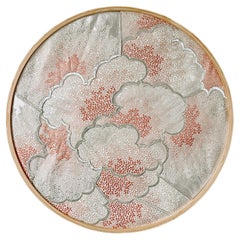
Mid 20th Century kimono textile art " Growing ~ Longevity ~" by ikasu Pink Japan

Mid 20th Century kimono textile art " Growing ~ Longevity ~" by ikasu Pink Japan

By Lena Okamoto, Kimono ikasu

Located in Setagaya City, JP

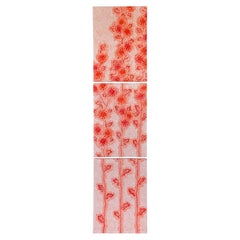
Certified Kimono Meister work / Certificate of Authenticity included. One-of-a-kind Japanese textile art made from vintage kimono fabrics. Sustainable artwork for modern interiors, collectors, boutique hotels, and lovers of Japanese aesthetics. [About this canvas] This set is a depiction of a tall chrysanthemum stem, entirely dyed in a traditional shibori technique. [Period / Story] The haori featured in this canvas was created and used during the late Showa period (1960-80ies). [Explanation and meaning of pattern and colors] A charming chrysanthemum flowers all around a stem seem to reach the heavens. The chrysanthemum flower, which retains its vitality long after being cut, symbolizes longevity, purification from malevolent spirits, and good fortune. In ancient times, during the Kamakura period (1185-1333), emperors loved the chrysanthemum pattern, and it remains the most prestigious flower and the emblem of the Japanese imperial family...

Category

1970s Japanese Showa Vintage Thread Furniture

Materials

Canvas, Silk, Fabric, Textile, String, Thread, Yarn

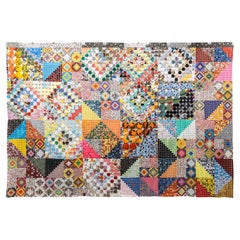
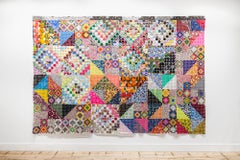
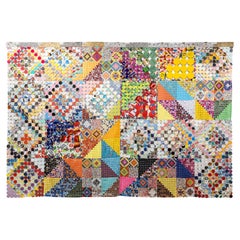
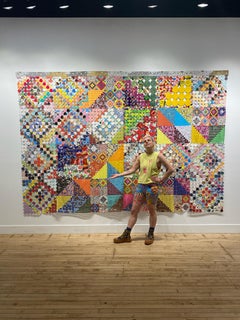
Multicolor Quilted Paper and Thread Wall Tapestry by Kelly Kozma

Multicolor Quilted Paper and Thread Wall Tapestry by Kelly Kozma

By Kelly Kozma

Located in Philadelphia, PA

"Magma & Reef" is a one-of-a-kind wall-hanging statement piece as part of Kelly Kozma's newest collection "Watch Me Backflip". This large crafted piece is hand-sewn by the artist in ...

Category

21st Century and Contemporary American Post-Modern Thread Furniture

Materials

Textile, Tapestry, Thread, Paper

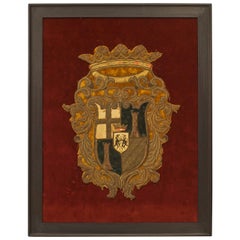
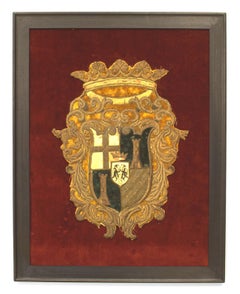
Pair of 18th Century Italian Ecclesiastical Embroideries on Mercury Mirrors

Pair of 18th Century Italian Ecclesiastical Embroideries on Mercury Mirrors

By Interi

Located in Columbia, SC

Pair of 18th century Italian ecclesiastical, hand-embroidered decorations mounted on antique mercury mirror. The intricate ecclesiastical decorations are hand-embroidered with four ...

Category

18th Century Italian Rococo Antique Thread Furniture

Materials

Mirror, Fabric, Thread, Beads

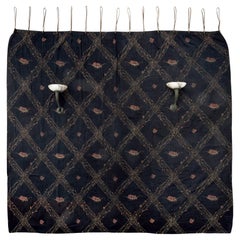
Ruhlmann Large Tapestry with floral Details

Ruhlmann Large Tapestry with floral Details

By Émile-Jacques Ruhlmann

Located in Berlin, DE

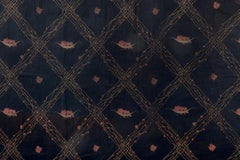
Large tapestry designed by Émile-Jacques Ruhlmann. It depicts a lattice pattern from flower-sprouting threads on a dark blue background, with repeating floral motifs inside each latt...

Category

1910s French Art Deco Vintage Thread Furniture

Materials

Fabric, Thread

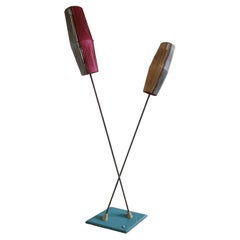
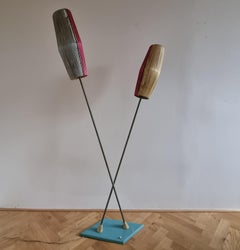
Rare Mid-Century Floor Lamp, Germany, 1960s

Rare Mid-Century Floor Lamp, Germany, 1960s

Located in Praha, CZ

- Very nice style of lighting - Extremely rare type.

Category

1960s German Mid-Century Modern Vintage Thread Furniture

Materials

Metal

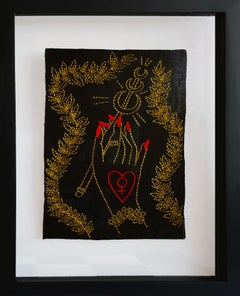
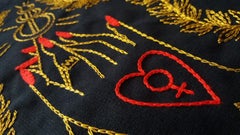
El Sumo Sacerdote. From The Ventura Series.  Embroidery thread on canvas. Framed

El Sumo Sacerdote. From The Ventura Series. Embroidery thread on canvas. Framed

By Maria Jose Franco Maldonado

Located in Miami Beach, FL

El Sumo Sacerdote, 2019 by Maria Jose Franco Maldonado From The Ventura Series. Embroidery thread on canvas Image size: 27 cm H x 17 cm W Frame size: 40 cm H x 30 cm W x 3 cm D Unique Blackwood frame with plexiglass ___ Maria Jose Franco Maldonado’s family was her art school by the hand of Georgia O`Keefe, Elaine de Kooning, Lee Krasner, Artemisia Gentileschi, Matisse, Leonor Fini, Leonora Carrington, Louise Bourgeois, Maripaz Jaramillo, Judy Chicago, Basquiat, and so many others. She then formalized her studies in art direction and advertising in Buenos Aires, Argentina. In 2015, she showed her work for the very first time in three group exhibitions around New York at Shervin's Café Gallery, Brooklyn Fireproof Gallery, and Greenpoint Gallery. That same year her illustrations accompanied Pilar Gualco`s literary work in Buenos Aires at Fauna Estudio Taller. In 2017, she fell in love with embroidery. Slowly, she connected techniques and in the process dressed up a lot of weird humans. She showed her work in 2019 at Noches San Felipe and Open San Felipe with SGR and Bandy Bandy galleries in Bogotá, Colombia. Her series AFFAIR was shown at Noches del Millón, from Feria del Millón in Medellín, Colombia at the end of 2019. Closing 2019 she was lucky to have her own exhibition alongside Daniela Moreno, a great Colombian textile...

Category

2010s Colombian Other Thread Furniture

Materials

Textile, Canvas, Thread

El Sol. From The Ventura Series.  Embroidery thread on canvas. Framed

El Sol. From The Ventura Series. Embroidery thread on canvas. Framed

By Maria Jose Franco Maldonado

Located in Miami Beach, FL

El Sol, 2019 by Maria Jose Franco Maldonado From The Ventura Series. Embroidery thread on canvas Image size: 27 cm H x 17 cm W Frame size: 40 cm H x 30 cm W x 3 cm D Unique Blackwood frame with plexiglass ___ Maria Jose Franco Maldonado’s family was her art school by the hand of Georgia O`Keefe, Elaine de Kooning, Lee Krasner, Artemisia Gentileschi, Matisse, Leonor Fini, Leonora Carrington, Louise Bourgeois, Maripaz Jaramillo, Judy Chicago, Basquiat, and so many others. She then formalized her studies in art direction and advertising in Buenos Aires, Argentina. In 2015, she showed her work for the very first time in three group exhibitions around New York at Shervin's Café Gallery, Brooklyn Fireproof Gallery, and Greenpoint Gallery. That same year her illustrations accompanied Pilar Gualco`s literary work in Buenos Aires at Fauna Estudio Taller. In 2017, she fell in love with embroidery. Slowly, she connected techniques and in the process dressed up a lot of weird humans. She showed her work in 2019 at Noches San Felipe and Open San Felipe with SGR and Bandy Bandy galleries in Bogotá, Colombia. Her series AFFAIR was shown at Noches del Millón, from Feria del Millón in Medellín, Colombia at the end of 2019. Closing 2019 she was lucky to have her own exhibition alongside Daniela Moreno, a great Colombian textile...

Category

2010s Colombian Other Thread Furniture

Materials

Textile, Canvas, Thread

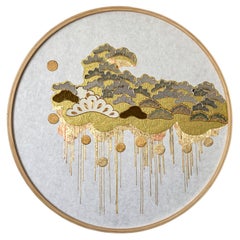
Late 19th Century kimono textile art "Plum Blossom ~Resilience~" by ikasu Japan

Late 19th Century kimono textile art "Plum Blossom ~Resilience~" by ikasu Japan

By Kimono ikasu, Lena Okamoto

Located in Setagaya City, JP

Certified Kimono Meister work / Certificate of Authenticity included. One-of-a-kind Japanese textile art made from vintage kimono fabrics. Sustainable artwork for modern interiors, ...

Category

Late 19th Century Japanese Arts and Crafts Antique Thread Furniture

Materials

Gold Leaf

Antique 16th Century Florentine carved Jesus Christ with Shroud in Glas Display

Antique 16th Century Florentine carved Jesus Christ with Shroud in Glas Display

Located in Doha, QA

This is an absolutely outstanding and extremely expressive sculpture of Crucified Jesus Christ in carved polychrome wood, on the background of a 16th century Silk Florentine fine fab...

Category

16th Century Italian Renaissance Antique Thread Furniture

Materials

Gold

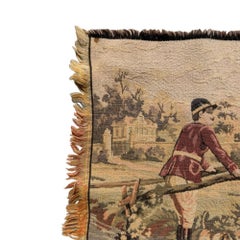
Vintage French Aubusson Style Pastoral Courtship Jacquard Tapestry

Vintage French Aubusson Style Pastoral Courtship Jacquard Tapestry

Located in Oklahoma City, OK

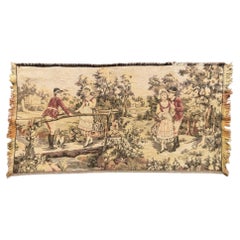
A wonderfully atmospheric vintage French-style jacquard tapestry depicting an idyllic pastoral courtship scene, rendered in the romantic tradition of 18th-century European decorative...

Category

20th Century Belgian French Provincial Thread Furniture

Materials

Fabric, Thread

Antique Original Embroidery Textile from Sarah Bernhardt Paris 1880

Antique Original Embroidery Textile from Sarah Bernhardt Paris 1880

Located in Doha, QA

Sarah Bernhardt (born October 22nd 1844 in Paris, France and died March 26th 1923, also in Paris) was the greatest French Jewish actress of the later 19th century and one of the best...

Category

19th Century French Antique Thread Furniture

Materials

Crystal, Gold

French Renaissance Devotional Embroidery, Silk and Metal Thread, 16th Century

French Renaissance Devotional Embroidery, Silk and Metal Thread, 16th Century

Located in Doha, QA

A rare and evocative 16th-century French devotional embroidery, worked in silk and metal-wrapped threads on a linen ground, depicting a haloed sacred figure within an architectural s...

Category

16th Century French Renaissance Antique Thread Furniture

Materials

Linen, Silk, Thread

Girasol Threads Large by Piegatto, A Contemporary Textile Sculpture

Girasol Threads Large by Piegatto, A Contemporary Textile Sculpture

Located in Guatemala, GU

This stunning wall decoration, titled Girasol, is a vibrant and intricate piece that brings warmth and beauty to any space. Crafted with a blend of silk, cotton, synthetic threads, a...

Category

2010s Guatemalan Thread Furniture

Materials

Cotton, Silk, Synthetic, Thread, PVC

Early 20th Century kimono textile art "Sakura ~Ephemerality~" by ikasu Japan

Early 20th Century kimono textile art "Sakura ~Ephemerality~" by ikasu Japan

By Kimono ikasu, Lena Okamoto

Located in Setagaya City, JP

Certified Kimono Meister work / Certificate of Authenticity included. One-of-a-kind Japanese textile art made from vintage kimono fabrics. Sustainable artwork for modern interiors, ...

Category

1950s Japanese Japonisme Vintage Thread Furniture

Materials

Silk, Wood, Fabric, Textile, String, Thread, Yarn

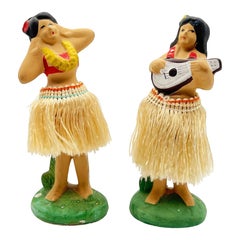
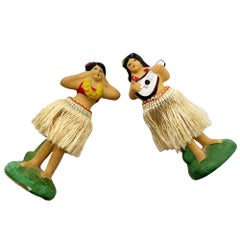
Mid-Century Ceramic Hawaii Hula Girl Dancing Ukulele Player Bobble Doll

Mid-Century Ceramic Hawaii Hula Girl Dancing Ukulele Player Bobble Doll

Located in Van Nuys, CA

Original post-war ceramic chalkware dancing Hawaiian Hula girl figurine made from lightweight plaster and painted in vibrant tropical colors and a thread hula skirt. It depicts a you...

Category

1950s Vintage Thread Furniture

Materials

Thread, Plaster

Antique Italian Grotto Furniture Settee Carved Wood Needlepoint Tapestry Seating

Antique Italian Grotto Furniture Settee Carved Wood Needlepoint Tapestry Seating

Located in London, GB

Antique Italian Grotto Furniture Settee Carved Wood Needlepoint Tapestry Seating Italian, 19th Century Height 92cm, width 151cm, depth 56cm Dating to the 19th century, this Italia...

Category

19th Century Italian Grand Tour Antique Thread Furniture

Materials

Thread, Wood

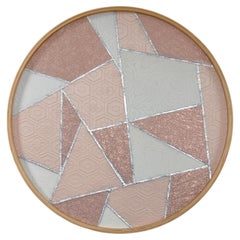
“Eclipse” Large Brass Tray by Matthieu M, Spain, 2024

“Eclipse” Large Brass Tray by Matthieu M, Spain, 2024

Located in Madrid, ES

Large handcrafted brass tray titled Eclipse, designed by Matthieu M and produced in Spain in 2024. The tray is made of brass and hand-embroidered with colorful percale thread, creati...

Category

21st Century and Contemporary Spanish Modern Thread Furniture

Materials

Brass

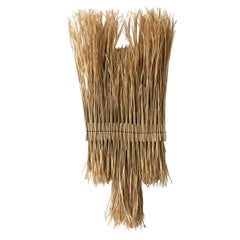
ARKO Wall Art25 Contemporary Art Japanese Craft Rice Straw Art Wall Sculpture

ARKO Wall Art25 Contemporary Art Japanese Craft Rice Straw Art Wall Sculpture

By ARKO

Located in Shibuya-ku, Tokyo

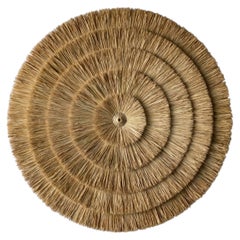
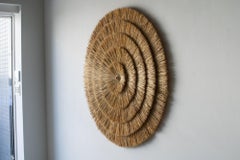
Hand-sewed rice straw art by ARKO. Title: The Hole of Burning Sand Her works have the feelings of contemporary tribal art, contemporary Craft art, created with the respect for wil...

Category

2010s Japanese Organic Modern Thread Furniture

Materials

Canvas, Thread, Straw

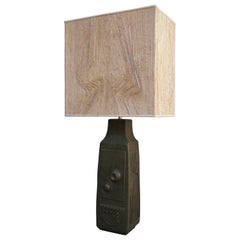
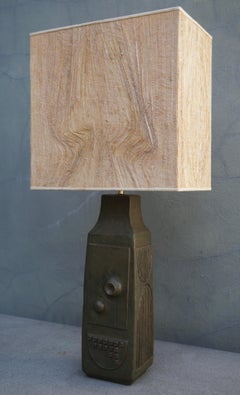
Ceramic Table Lamp with Hand-Woven Shade, 1950s Hollywood Regency

Ceramic Table Lamp with Hand-Woven Shade, 1950s Hollywood Regency

Located in Antwerp, BE

Beautiful ceramic lamp with a shade made of braided white thread and straw. Height 35.8" - 91 cm. Width 16.1" - 41 cm. Depth 10.2 - 26 cm.

Category

Mid-20th Century Dutch Hollywood Regency Thread Furniture

Materials

Ceramic, Straw, Thread

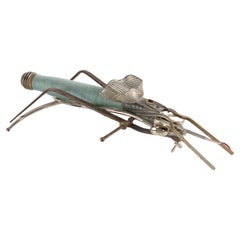
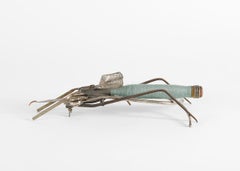
Thierry Despont, Found Object Insect Sculpture, United States, c. 2007

Thierry Despont, Found Object Insect Sculpture, United States, c. 2007

By Thierry Despont

Located in New York, NY

Thierry Despont was best-known for his very successful architectural practice—but he was also an accomplished artist. Some of his most interesting works are a series of sculptures fa...

Category

Early 2000s American Thread Furniture

Materials

Metal

Vintage kimono textile art " Cranes ~ Kintsugi ~ II" White Red Gold Japan

Vintage kimono textile art " Cranes ~ Kintsugi ~ II" White Red Gold Japan

By Kimono ikasu

Located in Setagaya City, JP

Certified Kimono Meister work / Certificate of Authenticity included. One-of-a-kind Japanese textile art made from vintage obi fabrics. Sustainable artwork for modern interiors, collectors, boutique hotels, and lovers of Japanese aesthetics. [Size] 73 x 53 x 5 cm [Materials] Silk for the outside layer, wooden frame for the under layer, and gold leaf [Story behind the work] This is the second version of "Cranes: Kintsugi," created from the same kimono using a different section of the textile. Each artwork is handmade, and no two pieces are identical. The frame for this work is made of paulownia wood taken from antique Kiritansu, which are traditional chests of drawers for kimonos. I use antique kiritansu that can no longer be used as furniture to create the basis and frames for my works. It adds an even more authentic atmosphere of the traditional wabi-sabi spirit. Can you feel it? The piece uses the concept of kintsugi. It unites the pieces of antique kimono back together with golden leaf to give it a second wind as an artwork. [Period and Story] The kimono used in this piece was originally crafted during the late Showa period, around the 1960s to 1980s. [Explanation and meaning of pattern and colors] The Japanese saying goes, "A crane lives a thousand years, a tortoise lives ten thousand years," making cranes a symbol of longevity. Cranes are also known for staying with the same partner for their entire lives, which is why they are often used at weddings and other celebrations to symbolize marital bliss and the desire for harmony between husband and wife. On this particular piece, cranes are flying through snow woven on the fabric, as if they are overcoming all disasters to get to their beloved ones. The color scarlet, or deeply dyed red, used for most of the cranes here, has long been associated with the meaning of warding off evil. It is believed to possess the power to repel malevolent forces and invite good fortune. During the Heian period, from 794 to 1185, scarlet was reserved for sacred buildings and ceremonial objects that held great significance. Ordinary people were prohibited from wearing scarlet red kimonos, which made it a highly special color. [Characteristics of the fabric] Cranes, going up and down, are generously decorated by kimpaku here. Kimpaku refers to gold leaf or foil in Japanese. Gold leaf is a traditional material used in various aspects of Japanese culture, including art, crafts, and even in culinary applications. In traditional Japanese art, gold leaf is often applied to religious objects, sculptures, paintings, and lacquerware to create a luxurious and decorative effect. The use of gold leaf in art dates back centuries and is associated with a sense of wealth, prestige, and the divine. Traditional kimpaku technique is used here to make an accent decoration in the middle. [About the frame] This artwork frame is crafted from paulownia wood, a uniquely Japanese material closely tied to the world of kimonos, and it serves to convey the refined beauty of Japanese nature. Paulownia wood is known as the lightest wood in Japan, praised for its natural luster, resistance to moisture, and resilience against cracking. Since ancient times, it has been used in crafting furniture, chests, and musical instruments. Paulownia wood is closely linked to kimono culture. During the Edo period, it became customary to store cherished kimonos in paulownia chests...

Category

Late 20th Century Japanese Japonisme Thread Furniture

Materials

Gold Leaf, Silver Leaf

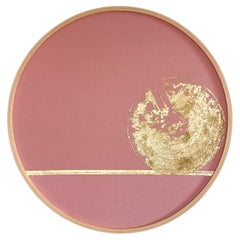
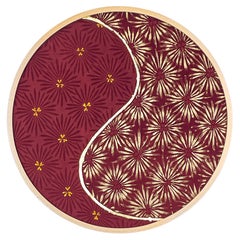
Mid 20th Century kimono textile art " Yin–Yang ~ Balance ~" by ikasu BrownJapan

Mid 20th Century kimono textile art " Yin–Yang ~ Balance ~" by ikasu BrownJapan

By Kimono ikasu, Lena Okamoto

Located in Setagaya City, JP

Certified Kimono Meister work / Certificate of Authenticity included. One-of-a-kind Japanese textile art made from vintage kimono fabrics. Sustainable artwork for modern interiors, ...

Category

1950s Japanese Japonisme Vintage Thread Furniture

Materials

Gold Leaf

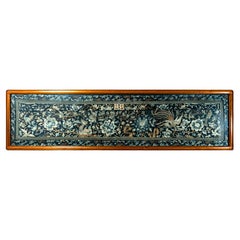
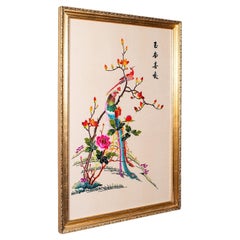
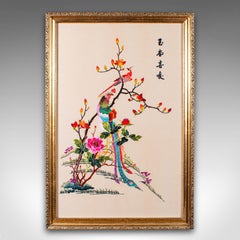
A Fine & Exceptionally Large Hand Embroidered Chinese Silk Matrimonial Panel

A Fine & Exceptionally Large Hand Embroidered Chinese Silk Matrimonial Panel

Located in Ottawa, Ontario

An exceptionally large & exceedingly fine hand embroidered Chinese matrimonial 'Double Happiness' silk panel. The navy blue silk field richly decorated with hand-stitched gold, s...

Category

Early 1900s Chinese Qing Antique Thread Furniture

Materials

Silk, Glass, Wood, Textile, Thread

Contemporary Wall Tapestry with Hand-Sewn Repurposed Materials and Muted Tones

Contemporary Wall Tapestry with Hand-Sewn Repurposed Materials and Muted Tones

By Kelly Kozma

Located in Philadelphia, PA

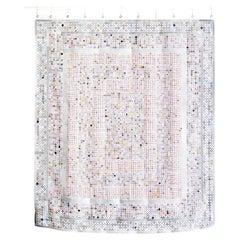
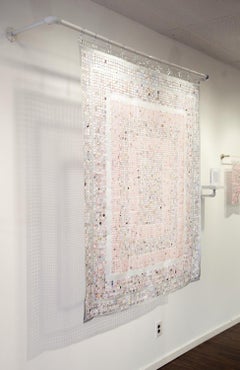
"Security Blanket" is a one-of-a-kind wall-hanging statement piece as part of Kelly Kozma's collection "Point 5". This large crafted piece is hand-sewn by the artist in the United St...

Category

21st Century and Contemporary American Minimalist Thread Furniture

Materials

Textile, Tapestry, Thread, Paper

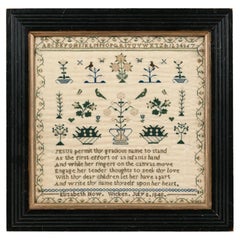
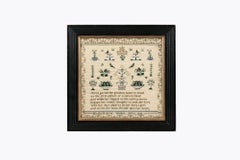
19th Century Sampler

19th Century Sampler

Located in Dublin 8, IE

19th Century sampler with stitched religious inscription and floral decoration. Dated to 1840.

Category

19th Century European Antique Thread Furniture

Materials

Fabric, Thread, Wood

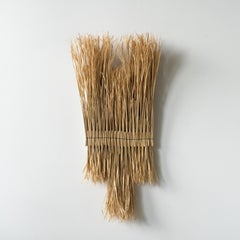
ARKO Wall Art22 Contemporary Art Japanese Craft Rice Straw Art Wall Sculpture

ARKO Wall Art22 Contemporary Art Japanese Craft Rice Straw Art Wall Sculpture

By ARKO

Located in Shibuya-ku, Tokyo

Hand-sewed rice straw art by ARKO. Title: Untitled Her works have the feelings of contemporary tribal art, contemporary Craft art, created with the respect for wild nature. ARKO...

Category

2010s Japanese Organic Modern Thread Furniture

Materials

Canvas, Thread, Straw

ARKO  Rice Straw Art Wall 12 Sculpture Contemporary Art Japanese Craft

ARKO Rice Straw Art Wall 12 Sculpture Contemporary Art Japanese Craft

By ARKO

Located in Shibuya-ku, Tokyo

Hand-sewed rice straw wall sculpture by ARKO. Title: Breath of layers The works that is made of rice straw. Her works have the feelings of contemporary tribal art, contemporary Cr...

Category

2010s Japanese Organic Modern Thread Furniture

Materials

Canvas, Thread, Straw

Passementerie Handcrafted Fringe / Tassel Hanging Light - Large

Passementerie Handcrafted Fringe / Tassel Hanging Light - Large

By Shewekar Elgharably

Located in Cairo, EG

This handcrafted pendant light is a joyful celebration of color, texture, and movement. As Shewekar’s debut lighting design, it revives the age-old art of passementerie; a traditiona...

Category

21st Century and Contemporary Egyptian Modern Thread Furniture

Materials

Thread

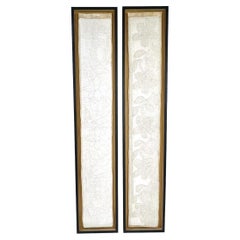
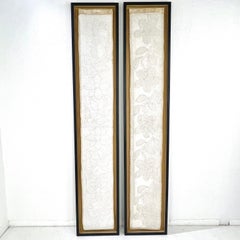
Pair of Extra Tall Framed Beaded African Yoruba Panels

Pair of Extra Tall Framed Beaded African Yoruba Panels

Located in Dallas, TX

A striking pair of tall African beaded textile panels, intricately hand-worked with delicate floral and vine motifs. Thousands of tiny white beads create a subtle raised pattern acro...

Category

1960s Tribal Vintage Thread Furniture

Materials

Fabric, Thread, Glass, Beads

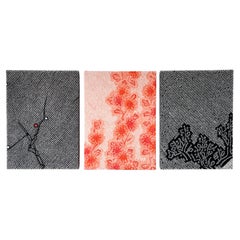
Vintage kimono textile art " Flowers ~ Life Circle ~" by ikasu Pink Black Japan

Vintage kimono textile art " Flowers ~ Life Circle ~" by ikasu Pink Black Japan

By Lena Okamoto, Kimono ikasu

Located in Setagaya City, JP

Certified Kimono Meister work / Certificate of Authenticity included. One-of-a-kind Japanese textile art made from vintage kimono fabrics. Sustainable artwork for modern interiors, ...

Category

1970s Japanese Japonisme Vintage Thread Furniture

Materials

Canvas, Silk, Fabric, Textile, String, Thread, Yarn

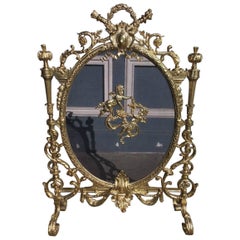
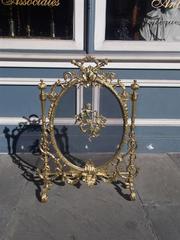
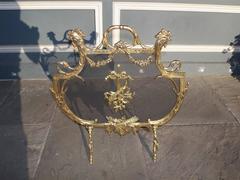
French Gilt Bronze Cherub and Decorative Floral Acanthus Firescreen, Circa 1830

French Gilt Bronze Cherub and Decorative Floral Acanthus Firescreen, Circa 1830

Located in Charleston, SC

French gilt bronze freestanding fire screen with centered laurel wreath and torch handle, flanking acanthus finials, ribbon and floral scroll work, centered floral cherubs, lower car...

Category

1830s French Louis Philippe Antique Thread Furniture

Materials

Bronze, Steel

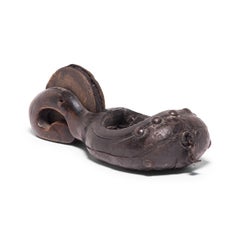
Chinese Carpenter's Inkline Reel, c. 1850

Chinese Carpenter's Inkline Reel, c. 1850

Located in Chicago, IL

Given the beauty and thoughtful design of traditional Chinese furniture, it’s no wonder that Qing-dynasty carpenter’s tools were accorded the same att...

Category

Mid-19th Century Chinese Qing Antique Thread Furniture

Materials

Iron

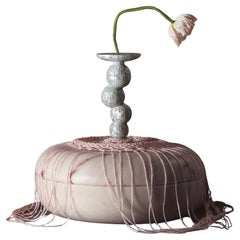
Divine Decadence Multifunctional Object in Rose Aurore Marble by Richard Yasmine

Divine Decadence Multifunctional Object in Rose Aurore Marble by Richard Yasmine

By Richard Yasmine

Located in Geneve, CH

Divine Decadence Multifunctional Object in Rose Aurore Marble by Richard Yasmine Dimensions: Vase: Ø 40 x H 18 cm. Base: Ø 18 x H 10,5 cm. Head: Ø 10,5 x H 25 cm. Candleholder: Ø 5 x...

Category

2010s Lebanese Modern Thread Furniture

Materials

Marble, Other

Stunning Gold Gilded Metal, Modernist Regency Table Lamps, Italy

Stunning Gold Gilded Metal, Modernist Regency Table Lamps, Italy

Located in Buffalo, NY

Classic Mid-Century Modern gilded ribbed metal table lamps, original rope tassel pull chain on/off switch, Wonderful bulbous form, graceful tapered ...

Category

Mid-20th Century Italian Mid-Century Modern Thread Furniture

Materials

Metal

Contemporary Chandelier 'Wong' Black Threads by Ann Demeulemeester

Contemporary Chandelier 'Wong' Black Threads by Ann Demeulemeester

By Ann Demeulemeester

Located in Paris, IDF

Chandelier / Pendant Lamp 'Wong' by Ann Demeulemeester for SERAX Color: Black Material: steel and viscose Cable length: 3m Compliant bulb: E27 max 5W The 'Wong' pendant light, desi...

Category

21st Century and Contemporary Belgian Organic Modern Thread Furniture

Materials

Thread

ARKO Wall Art23 Contemporary Art Japanese Craft Rice Straw Art Wall Sculpture

ARKO Wall Art23 Contemporary Art Japanese Craft Rice Straw Art Wall Sculpture

By ARKO

Located in Shibuya-ku, Tokyo

Hand-sewed rice straw art by ARKO. Title: Composition Crescendo This is one of the series named "Composition XX" Her works have the feelings of contemporary tribal art, contempora...

Category

2010s Japanese Organic Modern Thread Furniture

Materials

Canvas, Thread, Straw

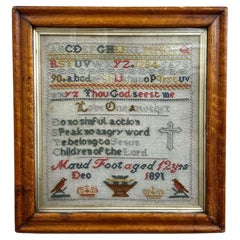
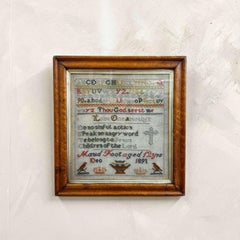
Hand Crafted Needlework Sampler, Maple Frame, England, 1891

Hand Crafted Needlework Sampler, Maple Frame, England, 1891

Located in Southampton, GB

Hand Crafted Needlework Sampler in a Maple Frame. This sampler features the alphabet, religious scripture readings, birds, crowns and a patterned border - along with the creators nam...

Category

Late 19th Century English Folk Art Antique Thread Furniture

Materials

Fabric, Thread, Wood, Maple

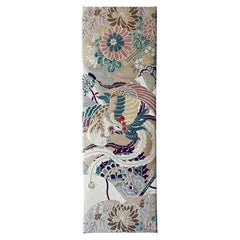
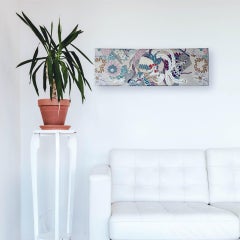
Vintage Obi textile art " From the Ashes ~ Serendipity ~" by ikasu Beige Japan

Vintage Obi textile art " From the Ashes ~ Serendipity ~" by ikasu Beige Japan

By Lena Okamoto, Kimono ikasu

Located in Setagaya City, JP

Certified Kimono Meister work / Certificate of Authenticity included. One-of-a-kind Japanese textile art made from vintage kimono fabrics. Sustainable artwork for modern interiors, ...

Category

1910s Japanese Japonisme Vintage Thread Furniture

Materials

Canvas, Silk, Fabric, Textile, String, Thread, Yarn

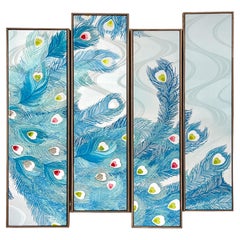
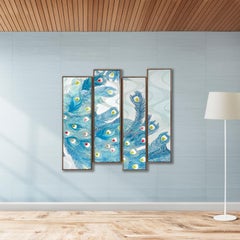
Antique kimono textile art " Peacock Feathers ~ Royalty ~" by ikasu Blue Japan

Antique kimono textile art " Peacock Feathers ~ Royalty ~" by ikasu Blue Japan

By Lena Okamoto, Kimono ikasu

Located in Setagaya City, JP

Certified Kimono Meister work / Certificate of Authenticity included. One-of-a-kind Japanese textile art made from vintage obi fabrics. Sustainable artwork for modern interiors, col...

Category

Early 20th Century Japanese Japonisme Thread Furniture

Materials

Gold Leaf, Silver Leaf
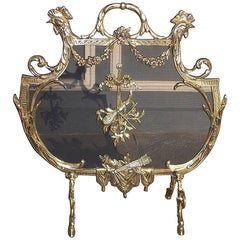
Antique kimono textile art " Kobachi ~ Green Collection ~" by ikasu Japan

Antique kimono textile art " Kobachi ~ Green Collection ~" by ikasu Japan

By Lena Okamoto, Kimono ikasu

Located in Setagaya City, JP

Certified Kimono Meister work / Certificate of Authenticity included. One-of-a-kind Japanese textile art made from vintage obi fabrics. Sustainable artwork for modern interiors, col...

Category

1920s Japanese Japonisme Vintage Thread Furniture

Materials

Silk, Wood, Fabric, Textile, String, Thread, Yarn, Reclaimed Wood, Compo...

Vintage obi textile art "Under the Sun ~ Serendipity ~" by ikasu Red Beige Japan

Vintage obi textile art "Under the Sun ~ Serendipity ~" by ikasu Red Beige Japan

By Kimono ikasu, Lena Okamoto

Located in Setagaya City, JP

Certified Kimono Meister work / Certificate of Authenticity included. One-of-a-kind Japanese textile art made from vintage obi fabrics. Sustainable artwork for modern interiors, collectors, boutique hotels, and lovers of Japanese aesthetics. [Size] 73cm x 53cm x 5cm [Materials] silk (outside-layer) , wooden frame (under-layer), bark (pine, oak, sawtooth oak, etc.) [Story behind the work] This artwork creatively uses tree bark to evoke the imagery of woods and mountains during both the morning and nighttime on left and right. It is elegantly framed with paulownia wood, a tree closely connected to kimono culture, and is filled with storytelling and sense of luxury. By incorporating both the front and back sides of the same obi fabric woven in different colors, the play of light and shadow on the mountains is depicted through the contrasting appearances of these surfaces. The intention behind this piece is to convey the exquisite beauty of Japanese mountains and the lush forests that inhabit them. To achieve this, traditional elements of Japanese culture, such as obi textiles and craftsmanship involving wood, were used. The outer and inner linings of the same obi, no longer suitable for clothing, along with bark material that would normally be discarded, have been repurposed to create this exceptional upcycle artwork. The fusion of Japanese natural materials – silk, paulownia wood, and pine bark for the central decoration – along with the so-called "Tozan" pattern, a unique Japanese natural design showing mountains from far-away point, captures the magnificent beauty of Japanese nature from various perspectives. The central bark decoration stands out as a distinctive feature of this work. Pine, oak, and other tree barks are interwoven among the mountains woven into the obi, creating a tangible and authentic natural atmosphere. [Period / Story] The obi used in this piece was originally crafted during the late Showa period (1960-80ies). [Explanation and meaning of pattern and colors] This upcycle artwork uses an obi with a tozan pattern woven in two colors. The design is inspired by a distant mountain range, a motif that has been used in paintings and crafts since ancient times. However, in this particular design, the mountains are depicted not as distant peaks but as graceful semicircles giving it a mild atmosphere. [Characteristics of the fabric] This upcycled Fukuro-obi (two-side oni) showcases a festive color pattern of mountains intricately woven with gold threads against a beige front and red on the back. The way this obi interacts with light allows it to shift in expression, much like a mountain revealing different facets over time. It can transform from deep shades of color to the appearance of gold shimmering against bright hues, depending on the lighting and viewing angle. [About the frame] Kiritansu - chest-of-drawers for kimono, is traditionally made from paulownia wood, a uniquely Japanese material closely tied to the world of kimonos. Paulownia wood is known as the lightest wood in Japan, prased for its natural luster, resistance to moisture, and resilience against cracking. Since ancient times, it has been used in crafting furniture, chests, and musical instruments. During the Edo period, it became customary to store cherished kimonos in paulownia chests...

Category

Late 20th Century Japanese Arts and Crafts Thread Furniture

Materials

Gold Leaf, Silver Leaf
UTAGAWA HIROSHIGE (After) - Vintage Embroidered Tapestry - Japan - Circa 1975

UTAGAWA HIROSHIGE (After) - Vintage Embroidered Tapestry - Japan - Circa 1975

By Hiroshige

Located in Chatham, ON

UTAGAWA HIROSHIGE (After) - The Fifty-three Stations of the Tōkaidō Road - Kanagawa : View of the Embankment (Kanagawa, dai no kei) - Vintage embroidered textile tapestry - based on ...

Category

Late 20th Century Japanese Japonisme Thread Furniture

Materials

Fabric, Thread

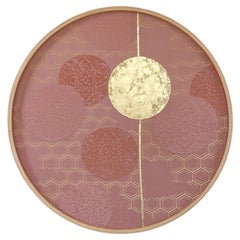
Vintage kimono textile art " Marble Story ~ Healing ~" by ikasu Grey Japan

Vintage kimono textile art " Marble Story ~ Healing ~" by ikasu Grey Japan

By Lena Okamoto, Kimono ikasu

Located in Setagaya City, JP

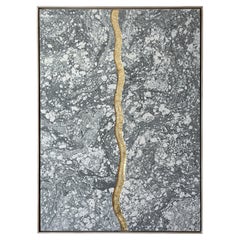
Certified Kimono Meister work / Certificate of Authenticity included. One-of-a-kind Japanese textile art made from vintage obi fabrics. Sustainable artwork for modern interiors, collectors, boutique hotels, and lovers of Japanese aesthetics. [Size] 73cm x 53cm x 5cm [Materials] silk (outside-layer) , paulownia (wooden frame), gold leaf [Story behind the work] This work uses a vintage kimono fabric with marble pattern, that makes it look like a real piece of marble. The line in the middle symbolizes “kintsugi” - concept of wabi-sabi, which values imperfection, impermanence, and the beauty of aging. It is elegantly framed with paulownia wood originally used for kimono chest-of-drawers, and is filled with storytelling and sense of luxury. I used pieces of kimono that could no longer be used as clothing and kiritansu chest-of-drawers that would normally be discarded to create the ultimate upcycled piece. [Period / Story] The textile was created in around 1960ies. [Explanation and meaning of pattern and colors] Kintsugi (金継ぎ), which translates to "golden joinery" or "golden repair," is a traditional Japanese art form of repairing broken pottery with lacquer mixed with powdered gold, silver, or platinum. I used this tecnique here to "repair" antique kimono by transforming it into art work. Beyond its literal meaning of mending broken ceramics, kintsugi carries profound philosophical and cultural significance in Japanese tradition: ・Embracing Imperfection: Kintsugi celebrates imperfection and impermanence. Rather than disguising or concealing flaws, it highlights them, treating the breakage as part of the object's history. This philosophy encourages acceptance of imperfection as an essential aspect of life, beauty, and human experience. ・Wabi-Sabi Aesthetic: Kintsugi embodies the principles of wabi-sabi, an aesthetic worldview centered on the acceptance of transience and imperfection. Wabi-sabi values simplicity, authenticity, and the beauty of things that are imperfect, impermanent, and incomplete. Kintsugi exemplifies these principles by turning what might be considered flaws into features that enhance the object's beauty and character. ・Resilience and Transformation: The act of repairing broken things with precious metals symbolizes resilience and transformation. Instead of discarding or replacing the broken object, kintsugi honors its history and transforms it into something new and valuable. This reflects broader philosophical themes of overcoming adversity, finding beauty in imperfection, and embracing change. ・Honoring the Past: Kintsugi preserves and honors the history of the object. Rather than erasing or ignoring its past, it acknowledges and celebrates it. This aspect of kintsugi can be seen as a metaphor for honoring our own personal histories, including the challenges and setbacks we have faced, and recognizing how they have shaped us into who we are today. ・Spiritual and Philosophical Symbolism: Kintsugi has spiritual and philosophical implications, reflecting concepts such as the interconnectedness of all things, the cycle of life and death, and the pursuit of harmony and balance. The process of repairing broken objects with precious metals is seen as a metaphor for spiritual growth, enlightenment, and the journey towards wholeness. Overall, kintsugi represents not only a practical technique for repairing ceramics but also a profound philosophical and cultural perspective on life, beauty, and the human experience. It embodies values such as resilience, acceptance, and the transformative power of embracing imperfection. [Characteristics of the fabric] This vintage textile is hand-painted with a traditional painting technique where the colors are added on wet surface, which creates an effect of marble. [About the frame] Kiritansu - chest-of-drawers for kimono, is traditionally made from paulownia wood, a uniquely Japanese material closely tied to the world of kimonos. Paulownia wood is known as the lightest wood in Japan, prased for its natural luster, resistance to moisture, and resilience against cracking. Since ancient times, it has been used in crafting furniture, chests, and musical instruments. During the Edo period, it became customary to store cherished kimonos in paulownia chests...

Category

1960s Japanese Japonisme Vintage Thread Furniture

Materials

Gold Leaf, Silver Leaf
Vintage kimono textile art " Autumn branches ~ Kintsugi ~" by ikasu Brown Japan

Vintage kimono textile art " Autumn branches ~ Kintsugi ~" by ikasu Brown Japan

By Lena Okamoto, Kimono ikasu

Located in Setagaya City, JP

Certified Kimono Meister work / Certificate of Authenticity included. One-of-a-kind Japanese textile art made from vintage obi fabrics. Sustainable artwork for modern interiors, col...

Category

1960s Japanese Japonisme Vintage Thread Furniture

Materials

Silk, Wood, Paper, Fabric, Textile, String, Thread, Yarn, Reclaimed Wood...

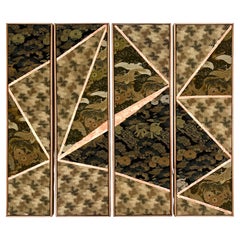
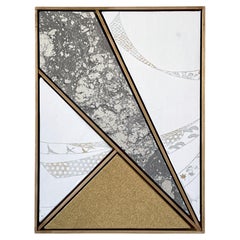
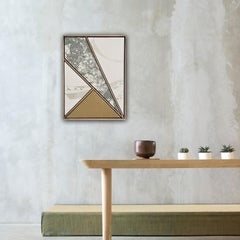
VIntage kimono textile art " Geometry ~ Marble ~" by ikasu Gold White Grey Japan

VIntage kimono textile art " Geometry ~ Marble ~" by ikasu Gold White Grey Japan

By Lena Okamoto, Kimono ikasu

Located in Setagaya City, JP

Certified Kimono Meister work / Certificate of Authenticity included. One-of-a-kind Japanese textile art made from vintage obi fabrics. Sustainable artwork for modern interiors, col...

Category

1960s Japanese Folk Art Vintage Thread Furniture

Materials

Reclaimed Wood, Wood, Fabric, Textile, String, Thread, Yarn, Silk, Compo...

Vintage kimono textile art " Sunset Timelapse ~ Ephemerality ~" ikasu Red Japan

Vintage kimono textile art " Sunset Timelapse ~ Ephemerality ~" ikasu Red Japan

By Kimono ikasu, Lena Okamoto

Located in Setagaya City, JP

Certified Kimono Meister work / Certificate of Authenticity included. One-of-a-kind Japanese textile art made from vintage obi fabrics. Sustainable artwork for modern interiors, collectors, boutique hotels, and lovers of Japanese aesthetics. [Story behind the work] The art piece uses two sides - front and reverse - of the same kimono, to show beautiful sea surrounding Japan, in hues and in late sunset, as a timelapse. The frame for this work is made of paulownia wood taken from antique Kiritansu - chest-of-drawers for kimono. I use antique kiritansu that can’t be used as furniture anymore to create basis and frames for my works. It adds them even more authentic atmosphere of traditional wabisabi spirit. Can you feel it? [Period / Story] The kimono used in this piece was originally crafted during the late Showa period (1960-80ies). [Explanation and meaning of pattern and colors] Sea waves, depicted in two color variations here, are a symbol of transience and Impermanence in Japanese culture. The ebb and flow of the tides, the ever-changing currents, and the relentless motion of the waves serve as reminders of the fleeting nature of life. This artwork featuring the sea convey themes of impermanence, reminding viewers to cherish the present moment and appreciate the beauty of life's fleeting moments. The theme of impermanence is strengthen by two colors of the sea - the lighter in early hues and the darker when the sun is just about to set in the sea. [About the frame] This artwork frame is crafted from paulownia wood, a uniquely Japanese material closely tied to the world of kimonos, and it serves to convey the refined beauty of Japanese nature. Paulownia wood is known as the lightest wood in Japan, prased for its natural luster, resistance to moisture, and resilience against cracking. Since ancient times, it has been used in crafting furniture, chests, and musical instruments. Paulownia wood is closely linked to kimono culture. During the Edo period (17th cent.~), it became customary to store cherished kimonos in paulownia chests...

Category

1960s Japanese Japonisme Vintage Thread Furniture

Materials

Gold Leaf, Silver Leaf
Vintage kimono textile art " Turquoise Forest ~ Strength ~ " by ikasu Blue Japan

Vintage kimono textile art " Turquoise Forest ~ Strength ~ " by ikasu Blue Japan

By Lena Okamoto, Kimono ikasu

Located in Setagaya City, JP

Certified Kimono Meister work / Certificate of Authenticity included. One-of-a-kind Japanese textile art made from vintage kimono fabrics. Sustainable artwork for modern interiors, collectors, boutique hotels, and lovers of Japanese aesthetics. Fabrics featuring iconic Japanese plants like chrysanthemum, maple, and bamboo were gathered from various long underwear and kimono pieces to create a set of canvases (diameter 30, 25 and 20cm) showcasing exquisite gradations. The top canvas, in pristine white, originates from long under-kimono, while the middle and bottom canvases are skillfully upcycled from kimono fabrics. [Period / Story] The long under-kimono and kimono fabrics used in these canvases were originally crafted and worn during the late Showa period (1960-80ies). [Explanation and meaning of pattern and colors] The pattern on the top canvas features a chrysanthemum, an auspicious emblem symbolizing longevity. It is affectionately referred to as the "raccoon dog chrysanthemum" due to the large, overlapping petals resembling the fur of a muzina, a creature similar to a raccoon dog or badger. This motif is highly popular in various plant-inspired designs and frequently seen in Edo komon, katazome, and jimon textiles. The top canvas naga-juban under-kimono, being entirely white and devoid of any additional dyes, suggests its use as formal wear. Its pristine white hue accentuates the silk's luster when exposed to light and highlights the beauty of the woven patterns. The fabric used here is rinzu, a type of fabric thinner than crepe de chine, characterized by its soft, smooth texture and subtle sheen. This particular lintel distinguishes itself with the way its ground pattern emerges and also incorporates a woven chrysanthemum pattern. The central canvas showcases a maple tree, symbolizing longevity, which changes its colors with the seasons, bringing joy and happiness to people's lives. The bamboo featured on the lower canvas has been regarded as a symbol of good fortune since ancient times, given its straight and vigorous growth, along with the Chinese legend that a phoenix consumes its fruit. It embodies concepts such as "immortality," "longevity," and "strength" because it remains green even in winter. The hollow stem also signifies "innocence," suggesting that there are no hidden agendas. All three canvases are adorned with ground patterns that, when viewed from a distance, appear as modern works of art, yet upon closer inspection, they reveal a distinct Japanese ambiance. [Characteristics of the fabric] All three canvases are made of fabrics with jimon. The unique and high level of Japanese weaving...
Category

1970s Japanese Japonisme Vintage Thread Furniture

Materials

Yarn, Thread, String, Textile, Fabric, Silk, Canvas