By Cristian Andersen
Located in Copenhagen, DK
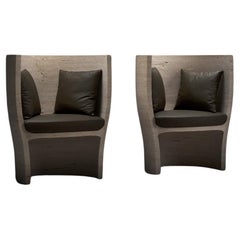
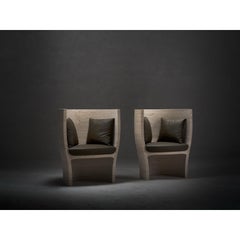
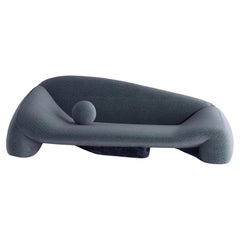
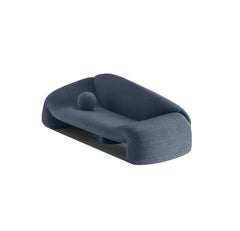
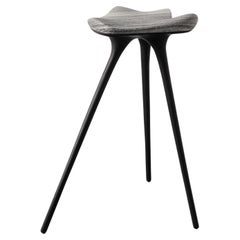
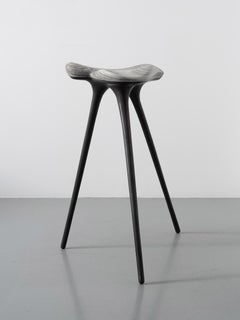
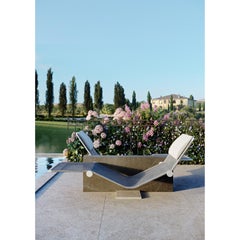
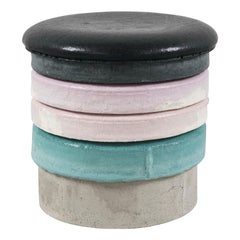
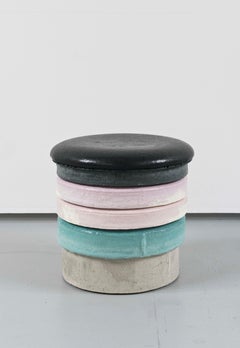
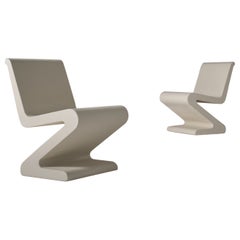
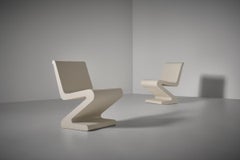
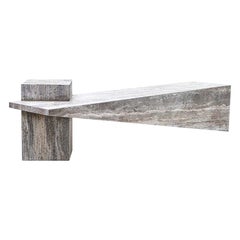
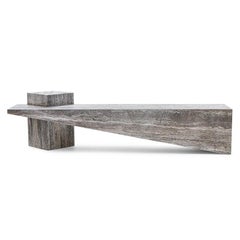
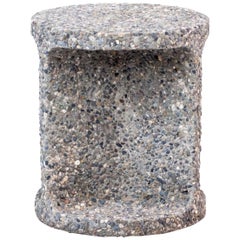
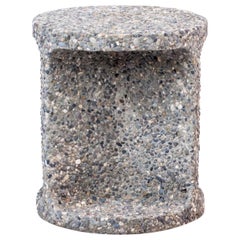
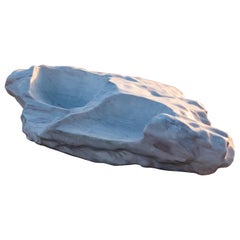
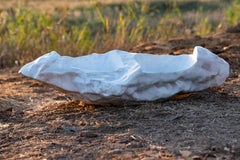
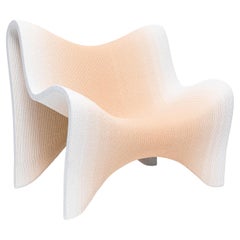
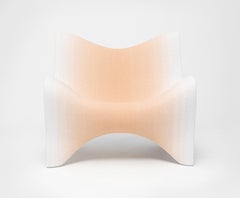
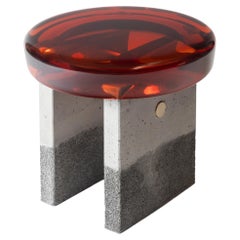
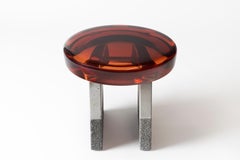
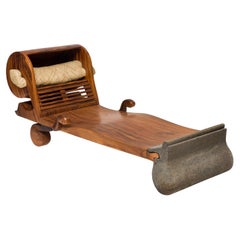
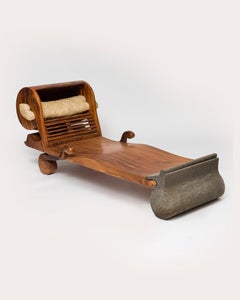
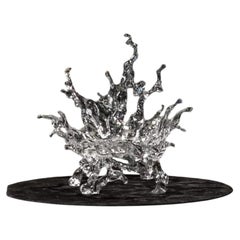
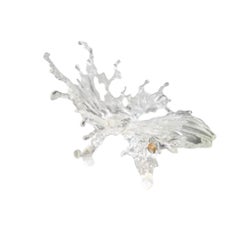
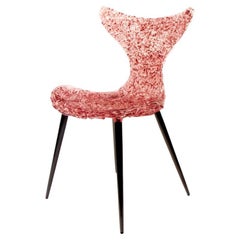
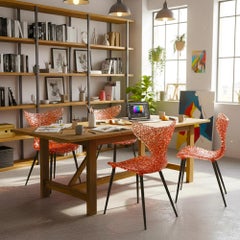
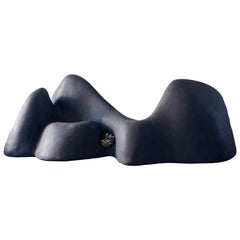
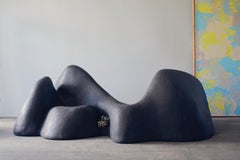
Cristian Andersen (*1974) has been working at the interface between design and sculpture for a long time. His works are, among other things, often produced using the casting process, whereby a wide variety of materials such as ceramics, concrete or polyester-polyurethane are used and often color pigments are added. In addition to experimenting with the above-mentioned casting techniques, metalworking is also often used in Andersen’s implementation.
His works are in the collections of the Danish Art Council, the Collection of the City and Canton of Zurich, Zabludowicz Collection, Mark H. Getty Collection London, Speyer Family Collection New York, Zürcher Kantonalbank, Credit Suisse...
Category
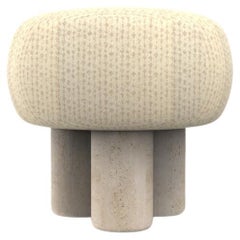
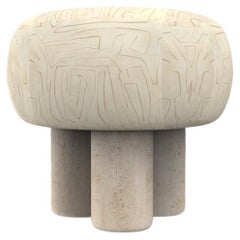
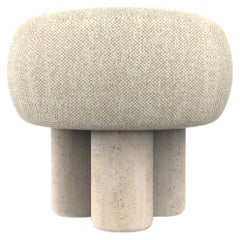
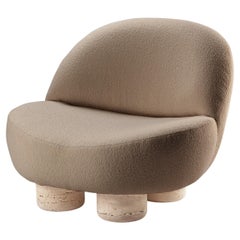
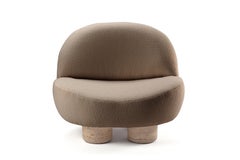
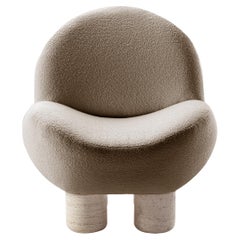
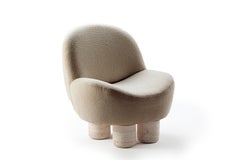
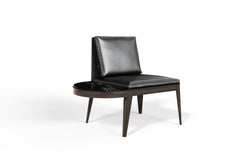
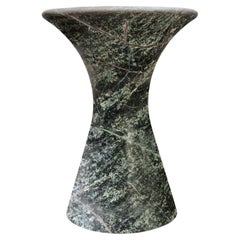
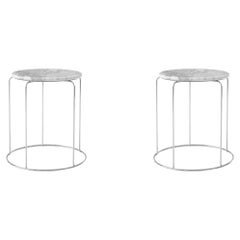
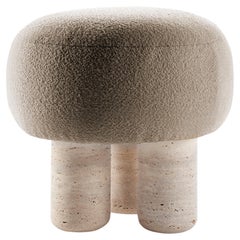
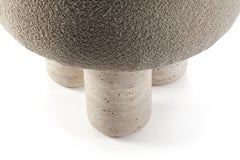
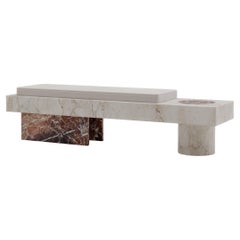
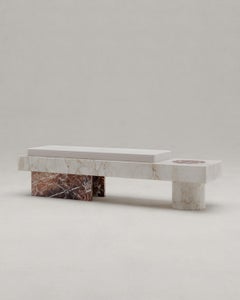
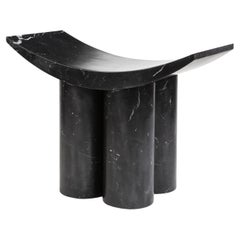
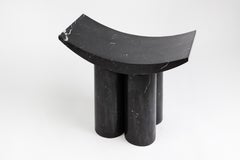
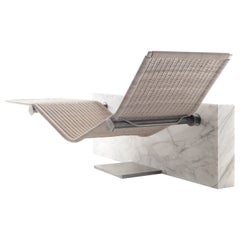
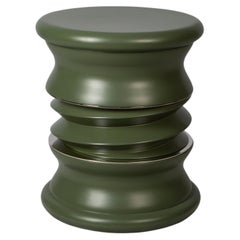
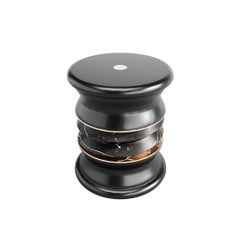
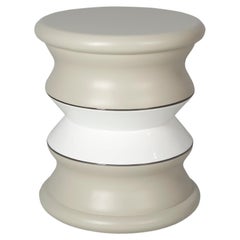
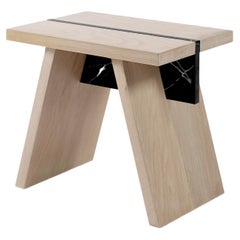
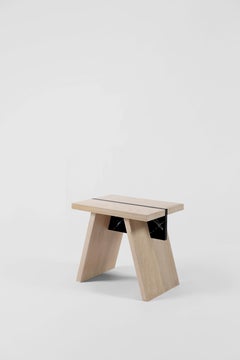
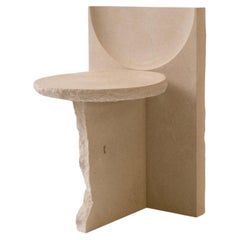
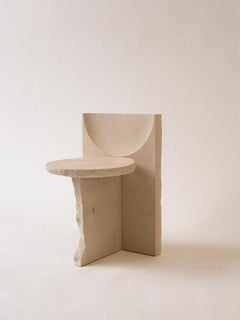
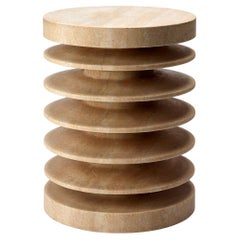
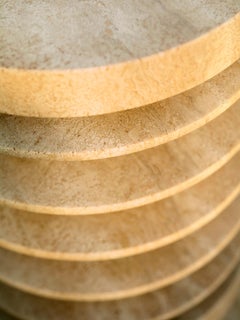
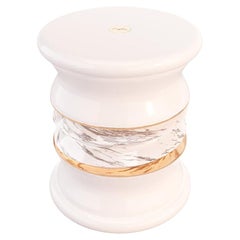
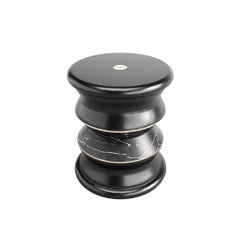
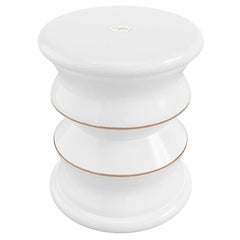
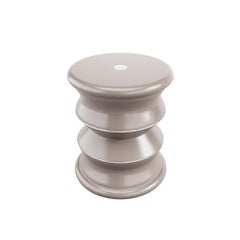
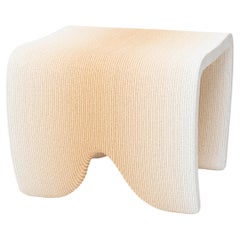
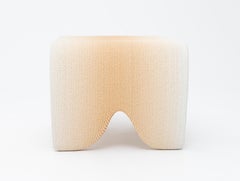
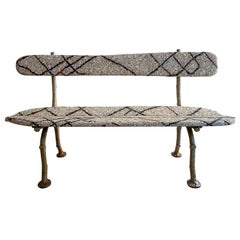
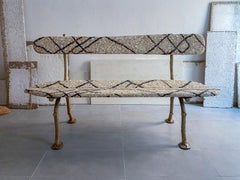
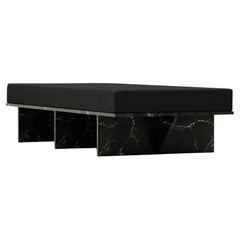
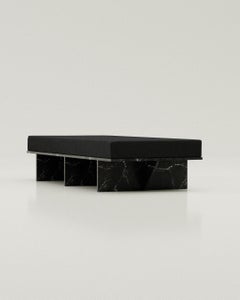
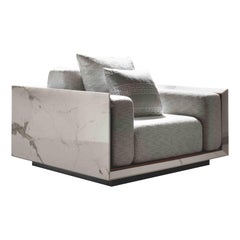
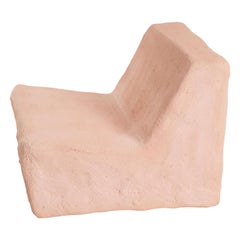
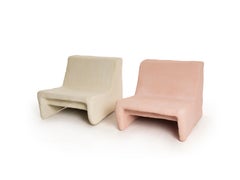
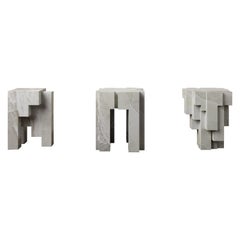
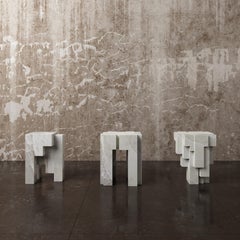
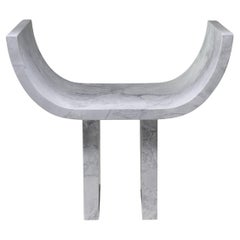
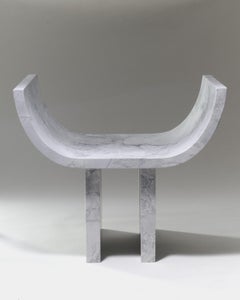
2010s Stone Seating