By Georges Jacob, Maison Jansen
Located in Saint-Ouen, FR
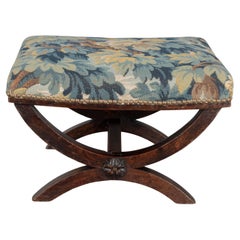
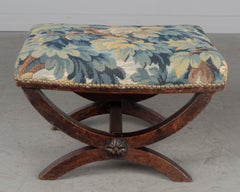
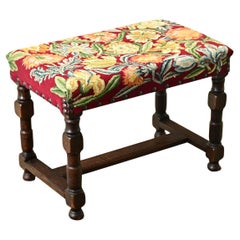
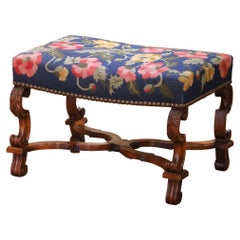
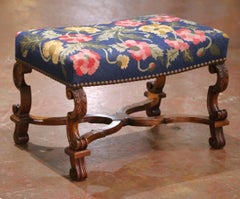
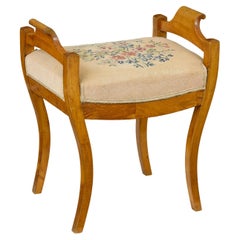
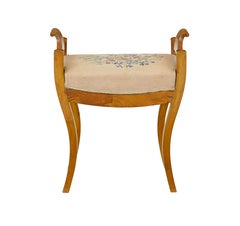
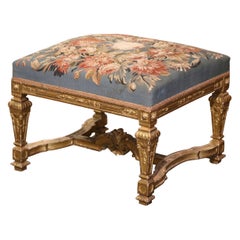
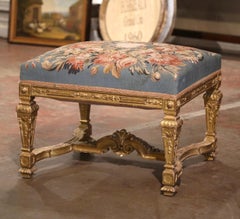
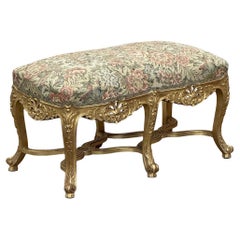
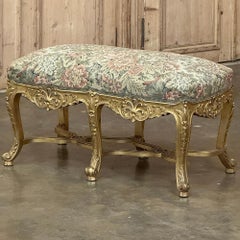
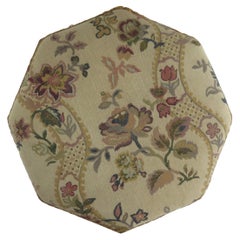
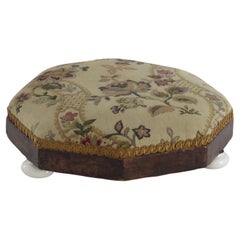
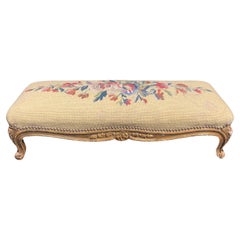
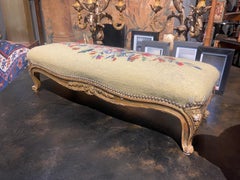
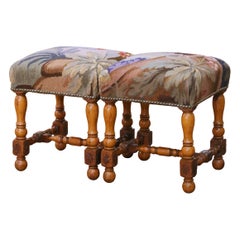
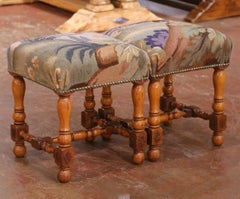
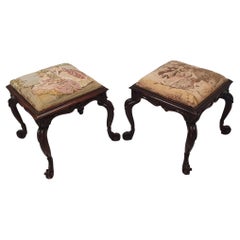
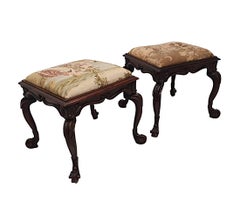
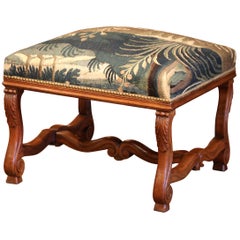
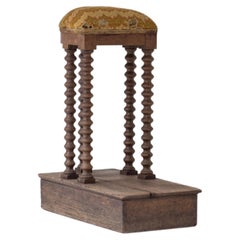
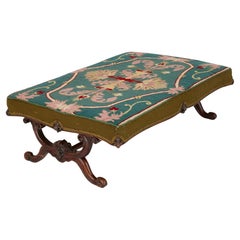
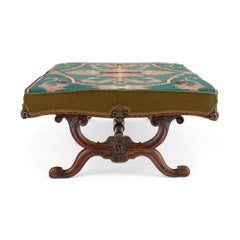
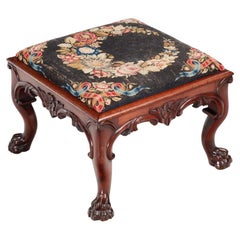
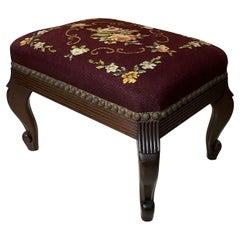
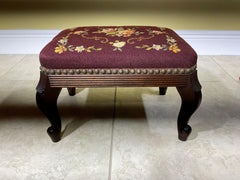
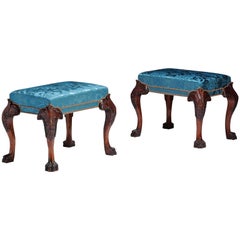
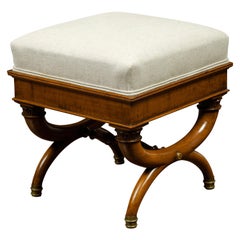
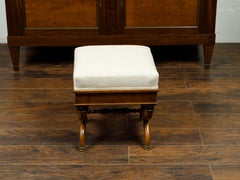
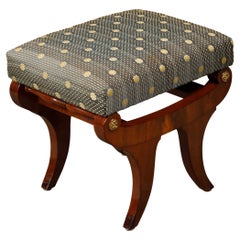
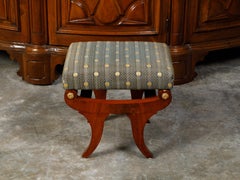
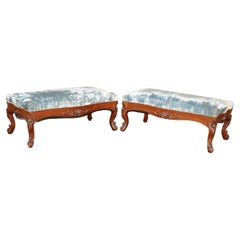
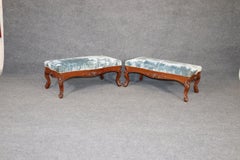
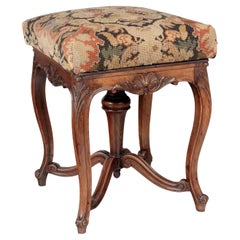
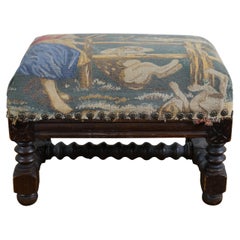
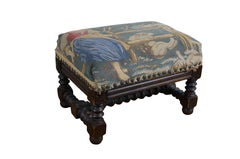
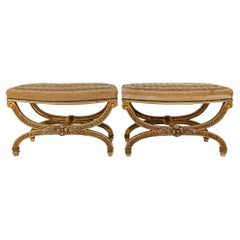
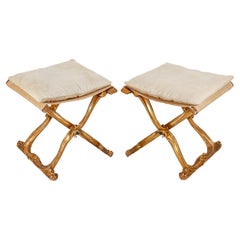
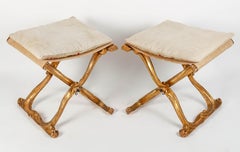
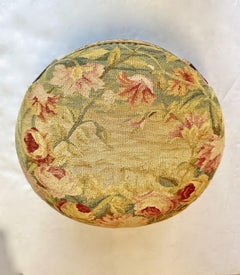
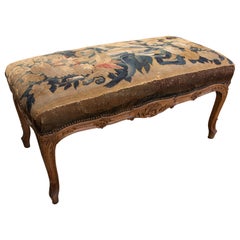
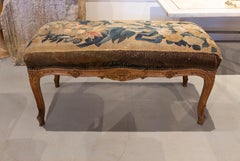
A French 19th Century Pair of Large Rectangular Curule Stools
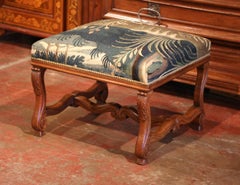
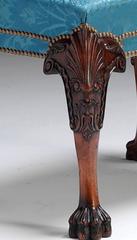
Gilt and carved wood, decorated with interlace frieze, acanthus leaves and rosaces
The 4 feet linked by a gadrooned stretcher.
Louis XVI Style
Napoléon III Period
In the manner of Georges Jacob (1739-1814)
Attributed to Maison Jansen
Circa 1900
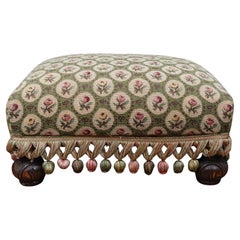
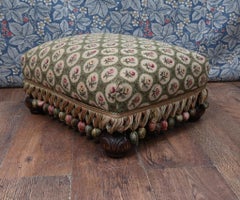
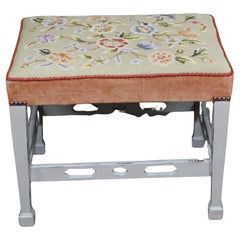
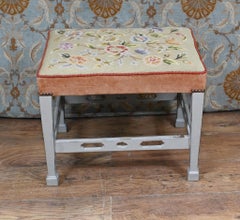
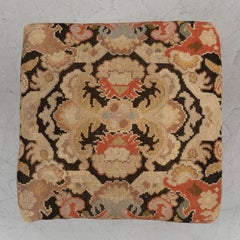
Used Petit Point Tapestry Upholstery
Maison Jansen, the French luxury:
Opulence, refinement, audacity of style marriages… so many words agree with Maison Jansen. Through this name, a whole era sounds like a reminder of a certain French chic…
Some names evoke immutable images, atmospheres... Like Jansen, for example. Let’s close our eyes… The 1960s and 1970s are at their peak. France is doing well. It is a country of full employment where everything seems possible. Within the international Jet Set, a carefree crowd of movie stars, public figures, literary idols and crowned heads, we love the Maison Jansen, its taste for styles struck with a good quality exuberance, and its brilliant side.
It all began in 1880, when the Dutchman Jean Henri Jansen founded the epon-ymous house in Paris. Jansen is part of the continuity of these world-famous furniture manufacturers and companies that operated under the Second Empire and at the time of the Universal Exhibitions, as the ‘Escalier de Cristal’ teaches. At that time, the Union Centrale des Beaux-Arts appliqués à l'Indus-trie and the Société du musée des Arts Décoratifs merged to form the Union Centrale des Arts Décoratifs.
Supported by both gallery owners, collectors and manufacturers, this organi-zation gives the «la» to the whole profession, and in the prevailing politico-ideological slump (France was defeated by Prussia in 1871 and Napoleon III is in exile), the ‘Union Centrale des Art Décoratifs’ focuses production on the celebration of past styles. While this nostalgia evokes memories of an era that we imagine more stable, an innovative exoticism will be all the rage: the reign of Turkish style and Japonisme.
The Jansen house masterfully rushed into the «exotic» trend, but quickly de-veloped a style derived from the ornamental splendor of the eighteenth, then a little later, so-called «imperial» styles mainly intended for royal families. Af-ter the First World War, J.H Jansen was joined by the cartoonist Albert Cazes, by Stéphane Boudin and by Pierre Delbée, who successively directed the house when it disappeared in 1929. At the end of the Kennedy era, Boudin complete-ly redecorated the White House, at the request of the First Lady, Jackie, who had fallen in love with his work after discovering it at Malmaison.
In 1971, Jansen joined forces with Leleu-Deshays and continued its quest for excellence. From 1969 to 1979, the dandy decorator Serge Robin took the reins of the house, granting it an eclectic and luxurious style: he revisited the great eras of French art, from the Renaissance to Louis XVI, by modernizing them with more contemporary pieces in Plexiglas or wrought iron. His recomposed and sophisticated style met with resounding success. When Jackie Kennedy, who became the wife of the great Greek shipowner Aristotle Onassis, moved to France, the young architect married Louis XVI-style furniture to modernist designs from the 1950s.
When the Shah of Iran decided to celebrate the 250th anniversary of the Per-sian Empire in 1971, Serge Robin and his teams turned to the grandiose and ephemeral setting of Persepolis. A hundred semi-trailers then left the work-shops on Rue Saint-Sabin to reach Tehran. At the same time, Princess Soraya of Iran commissioned her a sumptuous palace for Avenue Montaigne, the princes Faisal bin Fahd of Arabia and Mubarak Al-Sabah, and the Agnelli snatched it.
On the French side, he puts his talent at the service of Brigitte Bardot, for whom he completely revamped the Madrague and the Lannes boulevard.
Serge Robin embodies all the audacity of the name Jansen with the most im-probable weddings. With him, Plexiglas tables, Japanese chairs from the 50s, gold thread curtains, zebra sofas...
Category
1890s French Louis XVI Antique Tapestry Stools
MaterialsTapestry, Wood, Giltwood