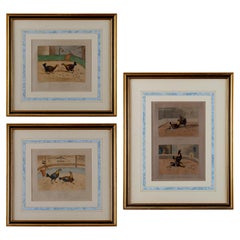
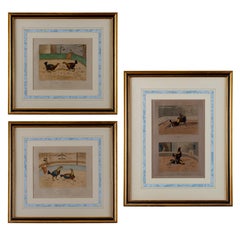
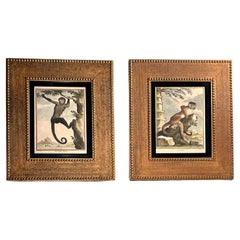
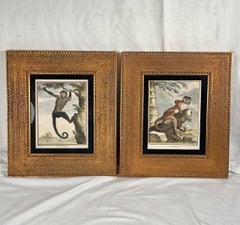
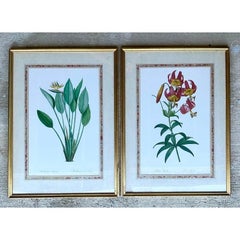
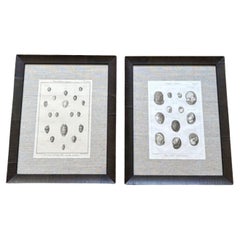
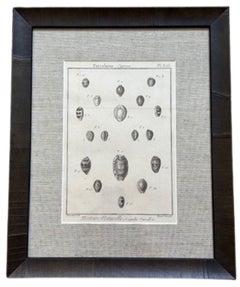
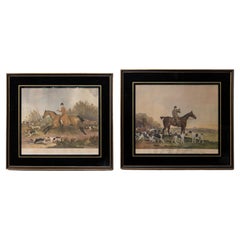
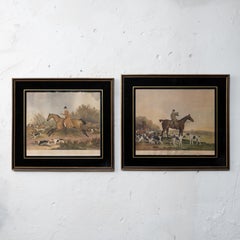
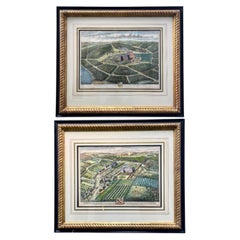
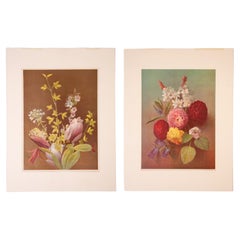
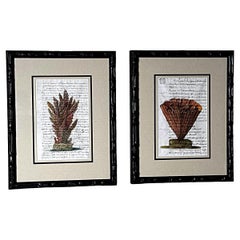
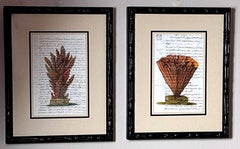
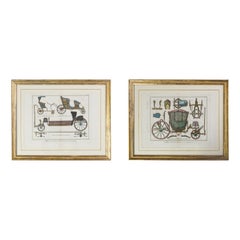
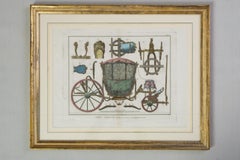
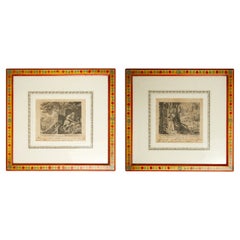
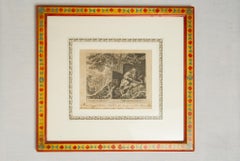
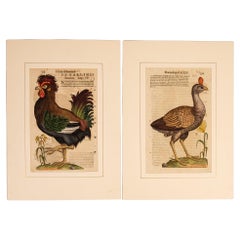
Pair “Faux Bamboo” Frames With Old Italian Shell Prints With Overwritten Text.
Located in Prato, Tuscany
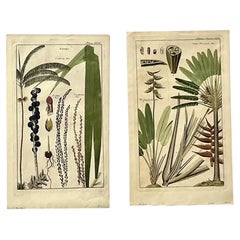
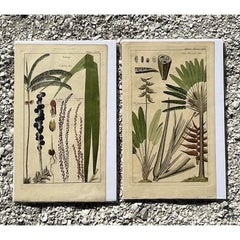
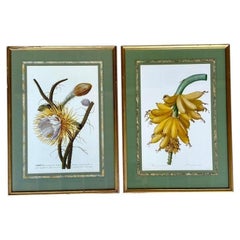
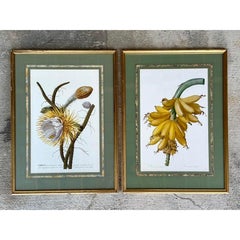
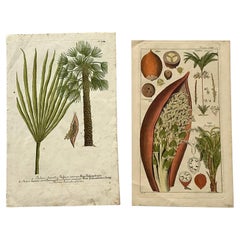
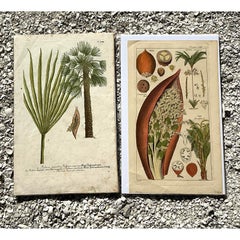
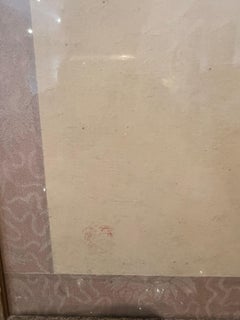
Please read the entire description carefully, as we strive to provide complete technical and historical details to ensure the authenticity of our objects. These two “faux bamboo” frames enclose color prints on paper, depicting compositions of marine corals in strange and rare shapes. The print on the left depicts a seaweed-shaped coral, with intricate details reminiscent of some species of the genus Acropora; the composition on the right depicts a coral belonging to the Gorgonian family, with the peculiarity of being depicted coiled on itself. These colored prints, made in Italy, date from a time when naturalists and illustrators created detailed plates to document and study marine flora and fauna, and can be dated between 1750 and 1770. Their uniqueness lies in the fact that they were used as a medium for writing a text (a letter)at the same time or shortly thereafter. Antique color prints with handwritten text on the entire surface represent an example of an ancient practice called manuscript on image or illustrated manuscript. This technique was widespread in various eras and contexts, both artistic and practical. In medieval manuscripts, it was common to embellish texts with elaborate miniatures, illustrations, and initial letters, often in color. Although not entirely identical, this practice reflects the historical interest in the integration of text and image. During the Victorian period and into the early 1900s, it was common to write letters and messages on picture postcards, often embellished with colorful images and decorations, with lettering covering part or all of the illustration. Japanese ukiyo-e prints often combined images with poems or handwritten descriptions, and this practice spread between the 17th and 19th centuries. Modern and contemporary artists have taken up and reinterpreted this tradition: for example, German artist Anselm Kiefer has created works that combine images with handwritten text across the entire surface. In short, handwriting on color prints was not as common as simple illustrations, but there are numerous historical and modern examples of how text and image can be combined in unique and creative ways. Another notable detail of our prints is that the one on the right has the price “5 soldi” imprinted at the top. The "soldo" is a historical Italian currency with a long and rich history. The soldo originated in the Middle Ages, with the first documented issuance dating back to the Carolingian Empire, around 800 AD. The term “soldo” derives from the Latin word “solidus,” which was a Roman gold coin...
Category
Mid-18th Century Italian Antique Other Prints
MaterialsFaux Bamboo, Paper