Texas - More Art

to
18
119
45
36
20
66
Overall Width
to
Overall Height
to
2
19
74
192
1
3
2
4
10
7
6
7
1
41
39
25
23
2
2
1
145
85
14
1
1
1
1
1
108
43
40
34
34
21
15
12
12
6
8,955
4,172
Item Ships From: Texas
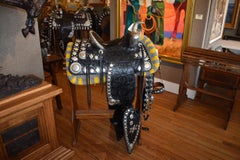
EDWARD BOHLIN 1920s-1930s SILVER ART PARADE SADDLE HOLLYWOOD WESTERN ARTIST VAIL

EDWARD BOHLIN 1920s-1930s SILVER ART PARADE SADDLE HOLLYWOOD WESTERN ARTIST VAIL

By Edward H. Bohlin

Located in San Antonio, TX

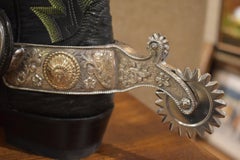
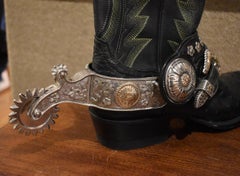
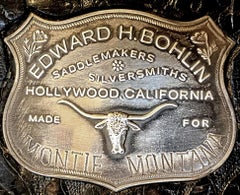
Circa Late 1920s - Early 1930s. It is all Bohlin made and marked to include the saddle, the headstall and the breast collar. All made in Hollywood California. The only non-Bohlin item is the bit which appears to also be early California. There is some interesting provenance of the fine saddle. It was commissioned by Charles R. Bell, married to Margaret Vail Bell who was the daughter of Walter Vail. On the Bolin nameplate it has engraved, Vail Ranch as well as made for Charles Bell. Charles Bell Died in 1939. The Vail Ranch has some great Western History which I will go into a little detail. You see, not only am I selling Saddles, but I’m also selling History. If you want to skip the history lesson you can just scroll down past the following info to images of the saddle. It’s no secret that ranching runs in the family blood. There is no greater example of that than California Rangeland Trust CEO Nita Vail. On April 14, 2018 Nita had the opportunity to witness her great-grandfather Walter L. Vail’s induction into the Hall of Great Westerners at the National Cowboy & Western Heritage Museum. This high honor is bestowed by the Museum to “exceptional individuals who have made an indelible impact upon the history of the great West.” A pivotal figure in early California and Arizona ranching, Walter Vail joins just over only 200 individuals who have been inducted into this esteemed hall. The Vail legacy of advocacy and ranching lives on strongly through his descendants, including Nita. All these years later, Nita carries the mantle of advocacy for ranchers in her own work at the California Rangeland Trust. Reflecting on her great-grandfather’s induction ceremony in Oklahoma, Nita says, “Witnessing my great-grandfather’s induction with family and friends was an incredible experience and a reminder of why I do what I do. Ranching plays an integral role in the culture, economy, and quality of life in California. Generations later, I get to honor Walter L. Vail’s legacy in my work with the California Rangeland Trust every day, preserving those open spaces for new generations and partnering with ranchers to continue to sustain life on the range in California.” Walter Vail History A native of Liverpool, Nova Scotia, Walter Vail purchased the 160-acre Empire Ranch southeast of Tucson, Arizona in 1876, along with an Englishman named Herbert Hislop. In 1882, the Empire Land & Cattle Company was formed with Walter L. Vail as principal shareholder. Over the years Vail, along with various partners, expanded the original land holdings to include over one million acres. The year after Walter purchased the Empire Ranch, the Southern Pacific Railroad built a railroad line, which was great news for the Vail family as it provided a means for them to ship their cattle. Edward L. Vail, George Scholefield and Bird at the mouth of Rosemont Canyon ca. 1896-1898 Standing Up for Ranchers In the fall of 1889, the Southern Pacific Railroad announced they would raise cattle freight rates by 25 percent. They ignored loud protests from ranchers who had already been hit hard by depressed cattle prices. In response, the Vails made a plan to drive the cattle overland themselves without the railroad. They knew that, if they were successful, they could break the railroad’s monopoly on the ranchers and force prices down. Walter’s brother Edward Vail and foreman Tom Turner volunteered to drive the almost 1,000 steers on the 300-mile trip to the Warner Ranch in San Diego. The journey ahead would be grueling. Most of their trip was through desert with water sources 15 to 30 miles apart. The ranchers would face a slew of obstacles—a stampede, a chaotic Colorado River crossing, an encounter with a group of horse thieves. In spite of all the dangers and challenges, they reached their destination. Just 71 days after leaving Arizona, the Empire cowboys arrived at the Warner Ranch. They had only lost 30 steers. The historic Empire Ranch Trail Drive of 1890 inspired other Arizona ranchers to make similar drives as a stand against the railroad. That fall, a group of Arizona cattlemen met and agreed to fund improvements to establish a safe cattle trail from Tucson to California. In response to the united stand of the ranchers, sparked by the Vails, the railroad finally agreed to restore the old freight rate—on the condition that the cattlemen would make no more cattle drives. Walter Vail led by example, but he was also an active representative of ranching interests in the legislature. He served in the 10th Arizona Territorial Legislature in 1878 and in 1884 on the Pima County Board of Supervisors. He introduced two significant bills: One proposing the creation of Apache County in the northeastern corner or Arizona Territory, and the other calling for the repeal and replacement of a Pima County fencing ordinance. Elected to the Arizona Stock Growers Association in 1884, Walter L. Vail advocated for levying fines on outfits that brought diseased cattle into the Territory, proposed a system of recording brands and earmarks, and requested the establishment of the livestock sanitary commission to oversee quarantines on infectious diseases, and tighter trespass laws. Moving to California In the late 1880s when a long drought hit Arizona, the Vails began leasing California pastures and shipping increased numbers of their cattle there to fatten. This marked the beginning of Walter’s efforts to purchase land in Temecula Valley. Vaqueros (Mexican cowboys) at the Empire Ranch in Arizona In 1890, with growing corporate holdings in California, Walter Vail established his headquarters in downtown Los Angeles and moved his family there. By this time, he had pieced together four Mexican land grants—Pauba Rancho, Santa Rosa Rancho, Temecula Rancho and Little Temecula Rancho—to form the Pauba Ranch. Eventually, the Vails would own more than 87,500 acres surrounding the little town of Temecula. In 1892 they leased Catalina Island and in 1901-1902 in partnership with J. V. Vickers, they purchased most of the interests in Santa Rosa from the estate of A.P. More. In March of 1894, Vail and Gates joined Vickers in setting up a third cattle company, the Panhandle Pasture Company, with the hopes of expanding new markets in the east. The Panhandle Pasture Company bought seven thousand acres of grassland in Sherman County, Texas, and an equal amount across the line in Beaver County, Indian Territory (later Oklahoma). Walter Vail was tragically killed in a Los Angeles streetcar accident in 1906. After his death, the Empire Land & Cattle Company (later renamed the Vail Company) assumed control of all his ranches and other real estate holdings. Walter had five sons and they would all have a hand in running the various ranches and the Vail Company as whole throughout their lives. The Empire Ranch in Arizona was sold in 1928. The Temecula area ranches continued to operate until it was sold in 1965. Santa Rosa Island, the last of Walter Vail’s holdings, was sold to the National Park Service in 1986, and ranching operations shut down there in 1998. Walter Lennox Vail (May 13, 1852 - December 2, 1906) was an American businessman, cattle dealer, and politician. He is known for his Empire Land & Cattle Company (later the Vail Company), which spanned over one million acres throughout five states.[1] Vail has been called "a pivotal figure in early California and Arizona ranching." Early life Vail was born in Liverpool, Nova Scotia on May 13, 1852, to Mahlon Vail, Sr. and Eliza Vail. Career Empire Ranch The headquarters of the Empire Ranch in the modern day Vail left his family's Plainfield, New Jersey house in the middle of 1875 to pursue riches in the West. He worked for a few months in Virginia City, Nevada as a mine's timekeeper, but in November he wrote of his intention to get involved in Arizona's sheep business. He, along with an Englishman named Herbert R. Hislop, then purchased the Empire Ranch along with its 612 cattle on August 22, 1876. The purchase from Edward Nye Fish and Simon Silverberg cost $1,174 at the time and was only 0.25 square miles (0.65 km2). Vail had met Hislop for the first time in August of that year, at the Lick House in San Francisco. Vail also became the main shareholder of the Empire Land & Cattle Company, which was formed in 1882. Politics Vail additionally served in the House of Representatives on the 10th Arizona Territorial Legislature for two years, starting in 1879. He was one of five representatives from Pima County. There, he proposed the creation of Apache County in the northeast. In 1884, Vail was elected to the Arizona Stock Growers Association, where he introduced many laws relating to cattle farming. California Vail moved his main operations to California in the late 1880s due to a long drought in Arizona. He started leasing Californian land mainly in Temecula Valley, but established his headquarters in downtown Los Angeles. By this time, he had already bought four ranches: the northern half of Rancho Little Temecula, Rancho Pauba, Rancho Santa Rosa, and Rancho Temecula. Later, Vail would own over 135 square miles (350 km2) surrounding the city of Temecula. He also leased Santa Catalina Island and Purchased Santa Rosa Island in 1892 and 1901, respectively. Vail, along with Carroll W. Gates and J.V. Vickers, set up the Panhandle Pasture Company, which bought about 22 square miles (57 km2) in Sherman County, Texas and Beaver County, Oklahoma. Personal life Vail married Margaret "Maggie"[a] Newhall in 1881, with them having five children: Nathan Russel, Mahlon, Mary, Walter Lennox Jr., and William Banning (who used his middle name) together. In 1890, a Gila monster bit Vail on his middle finger, and for years thereafter he experienced bleeding and swelling in his throat, which was thought to be caused by the venom from the bite. Death Vail died at 54 on December 2, 1906, due to complications from a tram (Trolley Car) accident in Los Angeles. He was cremated, then buried at the Hollywood Forever Cemetery on December 6. Legacy Vail's sons took over the company after his death, renaming it to the Vail Company. The Empire Ranch was sold in 1928, and the Temecula ranches were bought by a syndicate of companies, including Kaiser Aluminum, Kaiser Industries, and Macco Realties in 1965. Santa Rosa Island was acquired by the National Park Service in 1986, and ranching ceased in 1998. Vail was inducted into the Hall of Great Westerners at the National Cowboy & Western Heritage Museum in 2018.[2] Various properties have been named after the Vail family including: Vail Headquarters, an outdoor shopping mall, Vail Lake, and Vail, Arizona. In 1867, German immigrant, Louis Wolf, and his Chumash wife, Ramona, built a small adobe trading post next to Temecula Creek. Their Wolf Store helped launch the Temecula community, serving as a saloon, livery stable, legal services, hotel, general store, stagecoach stop, post office, school and employment agency. After Louis and Ramona’s deaths, their land and other Ranchos were purchased by Arizona cattle baron Walter Vail. By 1905, the 87,000-acre Vail Ranch became one of the largest cattle operations in California, stretching from Camp Pendleton to Vail Lake to Murrieta. It operated through the late 1970’s when it was sold to build Temecula’s housing. Some of the ranch’s oldest buildings survived in a cluster around the long-vacant Wolf Store. Together they would wait more than 40 years to be restored and once again become a center for community life in the Temecula Valley. ​ In 1905 after his death, Wolf’s Temecula was purchased by Arizona cattle baron Walter Vail, along with three other Ranchos totaling 87,500 acres. The sprawling Vail Ranch spread from South of Highway 79 to South of Clinton Keith Road, East to Vail Lake Resort and West to Camp Pendleton and continued operations through the late 1970’s when it was sold for housing subdivisions. The remaining buildings that comprised the Vail Ranch Headquarters, several having been demolished, have sat mostly vacant since then awaiting their restoration and re-use. John N. Harvey, Edward L. Vail, Walter L. Vail, 1879 Ned Joins the Partnership - May 1879 In May of 1879 Walter’s older brother, Edward Lang Vail, known as Ned, joined the Empire Ranch partnership. He had no ranching experience but quickly learned. The Empire Ranch herds were finally sufficiently developed for sale, and the Empire Ranch found a ready market in the town of Tombstone and its nearby mines. Walter finally had sufficient funds to begin to pay off some of the loans from his Uncle Nathan and Aunt Anna. North end of the original four rooms of the Empire Ranch House. Empire Ranch Census Records - 1880 The 1880 U.S. Census documents that eight men were living full time at the Empire: the partners, Walter Vail, John Harvey and Ned Vail; John Randolph Vail, Uncle Nathan and Aunt Anna’s son; John Milton Requa, nephew of Isaac Requa who hired Walter in Virginia City; John Dillon, who was instrumental in locating the Total Wreck Mine; Tomás Lopez, a herder; and Mon Ta, the cook. Section of Official Map of Pima County by Roskruge 1893. The Southern Pacific Railroad Arrives in Pantano - April 1880 In 1880 the Southern Pacific Railroad finally reached Tucson and by April it was extended to Pantano, north of the Empire Ranch. The availability of rail transportation was a major boom to the Empire Ranch as it was now possible to sell cattle and beef to markets beyond Southern Arizona. The railroad also increased the availability of goods in Tucson and allowed for much quicker and safer transportation to California and the East. Empire Ranch land acquisitions are highlighted in red. Courtesy of Dave Tuggle Land Holdings Expand-1881-1882 Starting in 1881 the land holdings of the Empire Ranch expanded considerably. They acquired Charles and Agnes Paige’s Happy Valley Ranch near the Rincon Mountains in 1881. 1882 saw the addition of Don Alonzo Sanford’s Stock Valley Ranch totaling over twenty-eight square miles of grassland between the Whetstone and Empire Mountains. Charles Bell Bohlin Saddle. All of the leather has been professionally cleaned and conditioned. All of the sterling has been professionally polished as are all of my saddles. THE BOHLIN BRAND IS AS ICONIC AS THE FAMED WESTERN STARS that wore it. The late actor Richard Farnsworth sported a recognizable gold steer-head Bohlin buckle...

Category

1930s Realist Texas - More Art

Materials

Silver

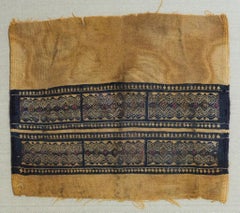
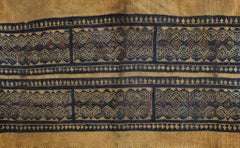
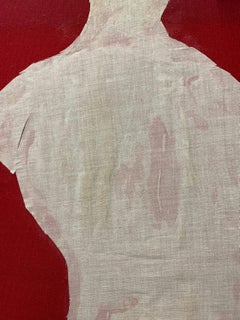
3rd to 5th Century Coptic Egyptian Textile fragment beige dark blue Brocade

3rd to 5th Century Coptic Egyptian Textile fragment beige dark blue Brocade

Located in Austin, TX

Textile size 8.5 x 10 in. Frame size 13.5 x 15 in. This piece is an ancient Coptic Egyptian textile fragment, dating from the 3rd to 5th century CE. It is composed of a coarse, plai...

Category

15th Century and Earlier Texas - More Art

Materials

Textile, Linen, Dye

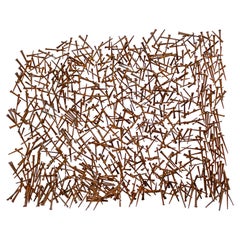
"Spitball" Contemporary Mixed Media Assemblage Wall Sculpture

"Spitball" Contemporary Mixed Media Assemblage Wall Sculpture

By Al Souza

Located in Houston, TX

Contemporary mixed media assemblage by Massachusetts artist Al Souza. Known for using unconventional art materials such as puzzle pieces, in this work Souza combines newspaper and glue to recreate spitballs, reminiscent of his youth. Currently hung in a light wood frame. Signed and dated by artist on reverse. Artist Biography: Al Souza was born in Plymouth, Massachusetts in 1944 and currently resides in Worcester, Massachusetts. He has exhibited extensively both nationally and internationally. His work is part of numerous collections including the Museum of Fine Arts, Houston, Dallas Museum of Art, El Paso Museum of Art, Art Museum of Southeast Texas, Tyler Museum of Art, University of Houston, Houston Airport System, City of Houston, New Orleans Museum of Art, Mississippi Museum of Art, Montgomery Museum of Art, Whitney Museum of American Art, Yale University Art Gallery, Crystal Bridges Museum of American Art, Parrish Art Museum, DeCordova Museum, San Diego Museum of Contemporary Art, and the University of Massachusetts. Souza was awarded an International Association of Art Critics/USA Award in 2007 for Best Show in a Commercial Gallery Nationally, 1st Place, for the exhibition David Ireland...

Category

1990s Contemporary Texas - More Art

Materials

Mixed Media

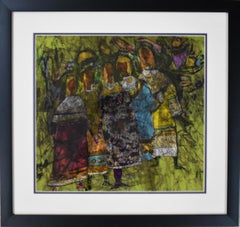
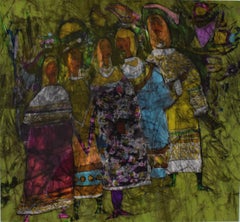
"GIRLS NIGHT OUT" MID CENTURY MODERN BATIK SAN ANTONIO ARTIST

"GIRLS NIGHT OUT" MID CENTURY MODERN BATIK SAN ANTONIO ARTIST

By Margaret Putnam

Located in San Antonio, TX

Margaret Putnam (1913-1989) San Antonio Artist Size: 15 x 16 Frame: 22 x 23 Medium: Batik "Girls Night Out" Margaret Putnam (1913-1989) Margaret Putnam left an artistic legacy rare e...

Category

20th Century Modern Texas - More Art

Materials

Fabric

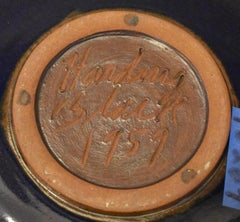
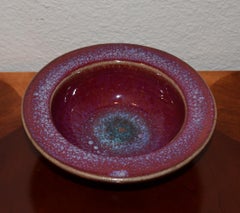
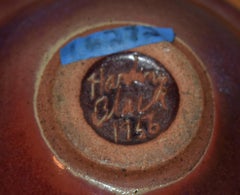
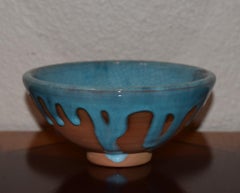
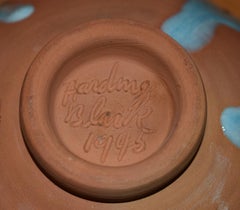
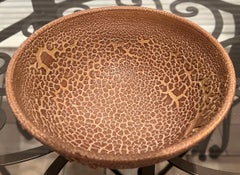
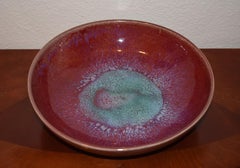
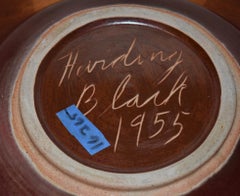
HARDING BLACK (1912-2004) POTTERY MID CENTURY MODERN LARGE BOWL 1955 TEXAS

HARDING BLACK (1912-2004) POTTERY MID CENTURY MODERN LARGE BOWL 1955 TEXAS

By Harding Black

Located in San Antonio, TX

Harding Black (1912-2004) San Antonio Artist Image Size: 13 inch diameter Frame Size: 4 inches tall Medium: Art Pottery Ceramic Dated 1955 Signed "Huge Crystalline Bowl" Medium: Cera...

Category

1950s Modern Texas - More Art

Materials

Ceramic

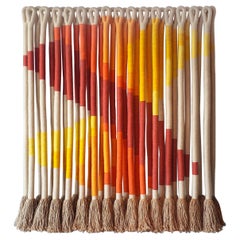
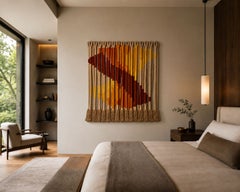
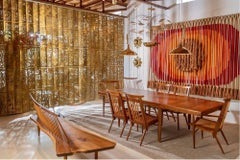
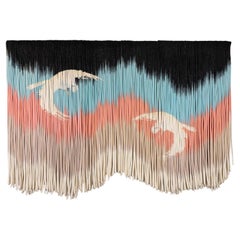
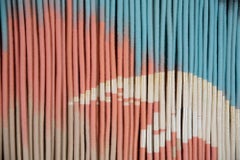
Romeo Reyna Hand Woven Textile Monumental Wall Art Tapestry 1960s

Romeo Reyna Hand Woven Textile Monumental Wall Art Tapestry 1960s

Located in Dallas, TX

1960s Handwoven textile piece by world-renowned fiber artist Romeo Reyna. Pieces by Reyna of this scale took months to complete and were mostly only available by commission and are r...

Category

Mid-20th Century Texas - More Art

Materials

Cotton, Wool, Jute

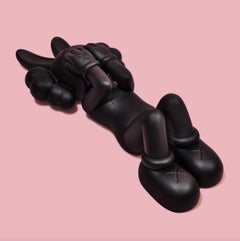
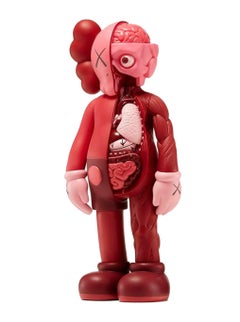
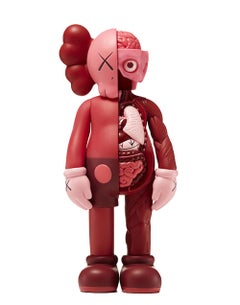
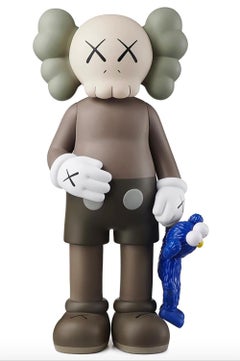
KAWS - Companion - Brown version- MOMA 2017 - Painted Cast Vinyl

KAWS - Companion - Brown version- MOMA 2017 - Painted Cast Vinyl

By KAWS

Located in Dallas, TX

KAWS's cartoonish style—including his best-known characters with X-ed out eyes—has its roots in his early career as a street artist, when he began replacing advertisements with his o...

Category

2010s Pop Art Texas - More Art

Materials

Resin, Vinyl

Untitled

Untitled

Located in Dallas, TX

Roberto Montenegro Untitled

Category

21st Century and Contemporary Texas - More Art

Materials

Paint

Flamenco Moon

Flamenco Moon

Located in Dallas, TX

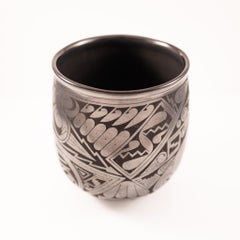
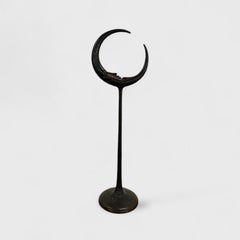
Flamenco Moon - (Luna Flamenca). Technique: Bronze Sculpture. Jalisco, Mexico.

Category

21st Century and Contemporary Texas - More Art

Materials

Bronze

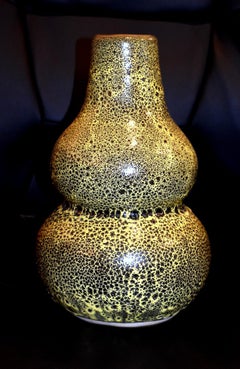
HARDING BLACK (1912-2004) POTTERY MID CENTURY MODERN VASE 1996 TEXAS

HARDING BLACK (1912-2004) POTTERY MID CENTURY MODERN VASE 1996 TEXAS

By Harding Black

Located in San Antonio, TX

Harding Black (1912-2004) San Antonio Artist 8 inches tall 4 inches across at widest point Medium: Art Pottery Ceramic Dated 1996 "Vase" signed on bottom You are more than welcome to...

Category

1990s Modern Texas - More Art

Materials

Ceramic

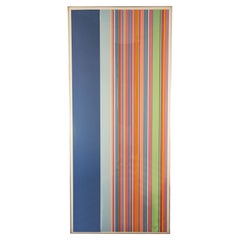
Gene Davis Signed and Numbered Limited Edition Color Field Lithograph 1972

Gene Davis Signed and Numbered Limited Edition Color Field Lithograph 1972

By Gene Davis

Located in Dallas, TX

Gene Davis Large Scale Lithograph on Archival paper Signed and numbered in pencil. Titled Yankee Doodle and executed in 1972. Original frame with plexiglass. Printed by Fine Creati...

Category

Mid-20th Century Texas - More Art

Materials

Paper

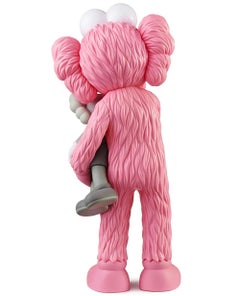
KAWS Along The Way Grey Sculpture, Vinyl & Resin, Pop Art, 2010+

KAWS Along The Way Grey Sculpture, Vinyl & Resin, Pop Art, 2010+

By KAWS

Located in Dallas, TX

KAWS Along The Way - Grey version New & unopened in its original packaging. Medium: Vinyl & Cast Resin Open unknown edition Unsigned Provenance: Modern Art Museum of Fort Worth

Category

2010s Pop Art Texas - More Art

Materials

Resin, Vinyl

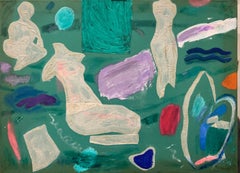
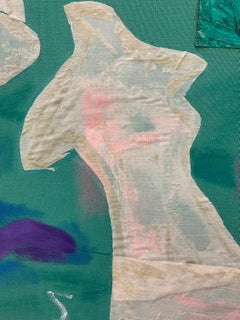
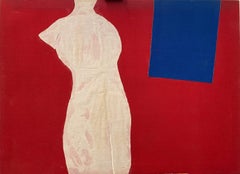
Red with Blue Fabric Collage, Abstract Style, 1970s, Unsigned, 38x28

Red with Blue Fabric Collage, Abstract Style, 1970s, Unsigned, 38x28

By Sylvia Rutkoff

Located in Arp, TX

Sylvia Rutkoff (1919-2011) "Red with Blue" 1970s Fabric collage on stretch bar 38"x28" unframed Unsigned Collection acquired from family estate Sylvia Weinreb Rutkoff (1919-2011) Bo...

Category

Mid-20th Century Abstract Texas - More Art

Materials

Fabric, Stretcher Bars

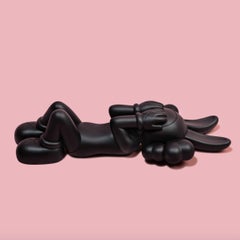
HOLIDAY INDONESIA - ACCOMPLICE Figure (Black)

HOLIDAY INDONESIA - ACCOMPLICE Figure (Black)

By KAWS

Located in Dallas, TX

KAWS:HOLIDAY KAWS:HOLIDAY INDONESIA - Figure (Black) SPECIFICATION • Material: Vinyl • Dimension: L11.5 inches • Certificated NFC chip of authenticity For this tenth stop on the tou...

Category

21st Century and Contemporary Contemporary Texas - More Art

Materials

Plastic

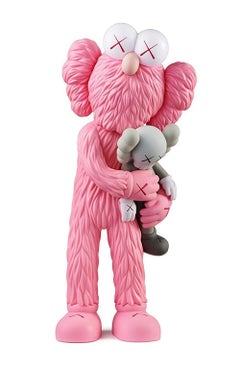
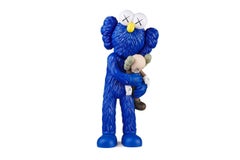
KAWS Take Figure Blue Version, Pop Art Resin Sculpture, 2010-

KAWS Take Figure Blue Version, Pop Art Resin Sculpture, 2010-

By KAWS

Located in Dallas, TX

Open unknown edition Unsigned Several months after releasing the KAWS Share Figure in February, the artist released his long anticipated KAWS Take Figure. The figure, which features...

Category

2010s Pop Art Texas - More Art

Materials

Resin, Vinyl

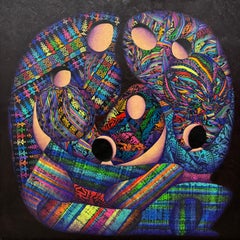
Several Generations

Several Generations

Located in Dallas, TX

Several Generations - (Varias Generaciones). 2019. (Acrylic Painting on Canvas.) Guatemala City, Guatemala.

Category

21st Century and Contemporary Texas - More Art

Materials

Acrylic

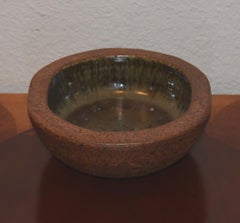
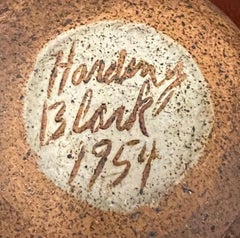
HARDING BLACK (1912-2004) POTTERY AVACADO GEODE BOWL 1954 TEXAS

HARDING BLACK (1912-2004) POTTERY AVACADO GEODE BOWL 1954 TEXAS

By Harding Black

Located in San Antonio, TX

Harding Black (1912-2004) San Antonio Artist Image Size: 2 1/2 inches tall Frame Size: 7-inch diameter Medium: Art Pottery Ceramic Dated 1954 Mid Century Modern "Avocado Geode Bowl" ...

Category

1950s Modern Texas - More Art

Materials

Ceramic

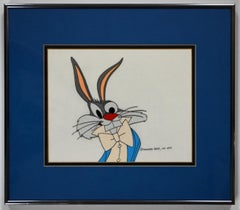
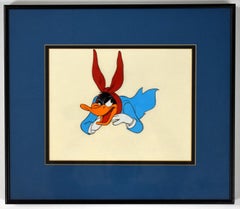
"Sylvester" Animation Celluloid and Drawing Looney Tunes

"Sylvester" Animation Celluloid and Drawing Looney Tunes

Located in San Antonio, TX

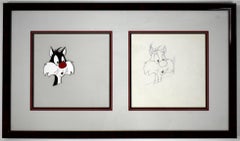
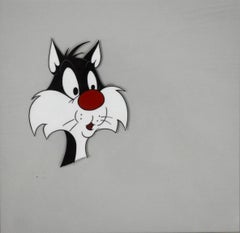
Animation Celluloid Image Size: 9 x 9 Frame Size: 16.5 x 28.5 Medium: Celluloid "Sylvester" This piece is an original drawing and a celluloid. Each piece is 9 inches by 9 inches.

Category

Late 20th Century Pop Art Texas - More Art

Materials

Color

HARDING BLACK POTTERY MID CENTURY MODERN PLANTER 1967 RARE LAVA GLAZE TEXAS

HARDING BLACK POTTERY MID CENTURY MODERN PLANTER 1967 RARE LAVA GLAZE TEXAS

By Harding Black

Located in San Antonio, TX

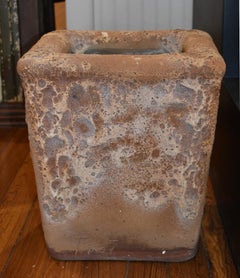
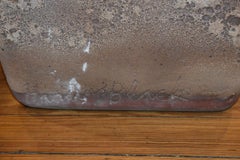
Harding Black San Antonio Ceramicist (1912 - 2004) "Lava Glaze Planter" 1967 16.5 inches tall 15 inches across SIGNED & DATED IN THE GLAZE Weight almost 50 pounds. You are more than...

Category

1960s Modern Texas - More Art

Materials

Ceramic

HARDING BLACK POTTERY MID CENTURY MODERN VASE 1939  TEXAS

HARDING BLACK POTTERY MID CENTURY MODERN VASE 1939 TEXAS

By Harding Black

Located in San Antonio, TX

Harding Black (1912-2004) San Antonio Artist Image Size: 6 1/2 inches tall Frame Size: 3 1/2 inches across at the widest point Medium: Ceramic Studio Pottery Dated 1939 SIGNED ON BO...

Category

1930s Modern Texas - More Art

Materials

Ceramic

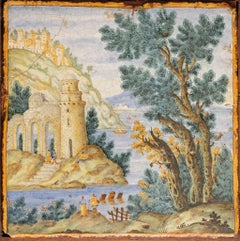
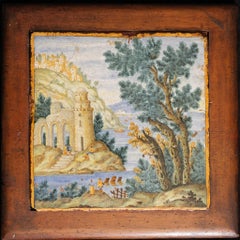
Castelli Maiolica Plaque with Medieval Castle Village Italy Mediterranean Trees

Castelli Maiolica Plaque with Medieval Castle Village Italy Mediterranean Trees

Located in Austin, TX

Ceramic Plaque: 11.5 x 11.5 inches Solid Wood Frame: 15.5 x 15.5 inches An exquisite Castelli Maiolica plaque, featuring a richly detailed scene of the Italian Renaissance. The cera...

Category

18th Century Renaissance Texas - More Art

Materials

Ceramic, Wood

"MESQUITE BOWL WITH TURQUOISE"

"MESQUITE BOWL WITH TURQUOISE"

By Carmie

Located in San Antonio, TX

Carmie Born 1958 Mesquite Bowl with Turquoise 11.5" Diameter 2.75" tall Biography Carmie Born 1958 Wood Turner Carmie K. Acosta was born and raised in San Antonio. By day he works as...

Category

21st Century and Contemporary Modern Texas - More Art

Materials

Wood

Early Mid Century Modern Abstract Painting

Early Mid Century Modern Abstract Painting

By Tommie Olson

Located in Houston, TX

Mid century modern abstract by artist Tommie (Thomas) Olson a student of Robert Preusser, when he was 16 and attending John Deagan High School in Houst...

Category

1960s Modern Texas - More Art

Materials

Oil, Cardboard

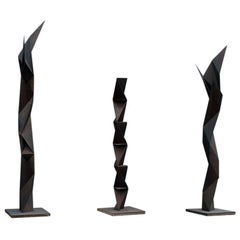
Gene Montez Flores Brutalist Wall Mount Sculpture

Gene Montez Flores Brutalist Wall Mount Sculpture

Located in Dallas, TX

Incredible Brutalist torch-cut wall mountable sculpture by artist Gene Montez Flores. Designed to hang as shown. Produced during in the early 1960s in his California studio. Has neve...

Category

1960s Texas - More Art

Materials

Steel

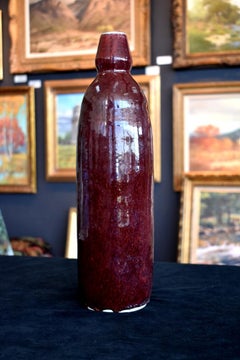
"Huge Oxblood Vase"  Beautiful from Texas Master Glazer Harding Black

"Huge Oxblood Vase" Beautiful from Texas Master Glazer Harding Black

By Harding Black

Located in San Antonio, TX

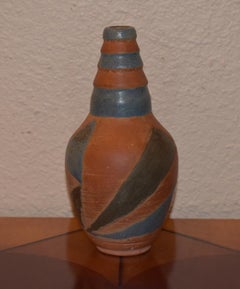
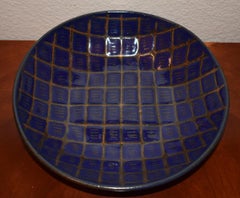
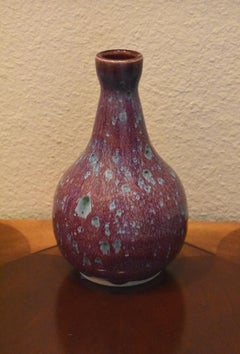
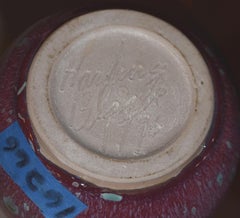
Harding Black San Antonio (1912 - 2004) Huge Heavy Oxblood Vase 1984 Height 17'' At widest 5'' Biography Harding Black San Antonio (1912 - 2004) Harding Black was born on a farm in Nueces County between Ingleside and Aransas Pass and moved with his family to San Antonio in 1916. There he graduated from Brackenridge High School and attended San Antonio Junior College (1929-30). In 1931 Black joined an archaeological expedition to the Big Bend area sponsored by the Witte Memorial Museum. Initially a painter, he was taught by Rudolph Staffel in 1933 to make wheel- thrown pottery and in the same year began to teach children's ceramic classes at the Witte. Between 1937 and 1939, Black directed ceramic installation in a San Antonio reconstruction project sponsored by the National Youth Administration and the Works Progress Administration art program. In 1955 he retired from teaching and devoted his time to ceramics. Black became a well-known ceramist from his research, innovations, and writings in the field. Exhibitions: San Antonio Local Artists Annual Exhibition (1939-42, 1945, 1947); Texas General Exhibition (1940 award, 1942, 1948 honorable mention); National Ceramic Annual Exhibition, Syracuse Museum of Art (1947-54); River Art Group, San Antonio (1948-49); National Collection of Fine Arts, Washington D.C. (1951, 1956); Dallas Museum of Fine Arts (1952 one-man); Martin Museum of Art, Baylor University (1991 one-man); San Antonio Museum of Art (1995 retrospective); National Museum of Art, Washington, D.C. (1995); University of Texas at Dallas, Irving (1998 retrospective). Collections: Dallas Museum of Art; Museum of Fine Arts, Houston; San Angelo Museum of Fine Arts; San Antonio Museum of Art; Martin Museum of Art, Baylor University, Waco; National Museum of American Art, Washington D.C.; New Orleans Museum of Art; Everson Museum of Art, Syracuse, new York; Alfred University (New York). Harding Black resided in San Antonio Texas where he worked as a potter for over 60 years and far as anyone knows he was completely self taught. I find it amazing that anyone could ever accomplish what he did with with no formal training in either ceramics or chemistry. It was a long and prolific journey from the early hand built earthenware pottery to become recognized as a master of glazes. While I feel that his forms often could be better this is more than compensated for by the spectacular glazes he developed. Constant experimentation and his acquired knowledge of chemistry were the foundations for the wonderful glazes that adorn his pottery. The following quote is from an interview with Rudolf Staffel His copper reds are unbelievably beautiful. Harding was a master of glazes and one of the most generous human beings in the ceramic field that I've known. He had literally a room full of beautifully organized test tiles of all his glazes, and he would just throw the room open to anybody who wanted to rummage through his tiles. All the recipes were there and he shared them with anyone who was interested. It was wonderful to go and visit him. Although accurate records of all test firings were kept for reference it I have been told that it would be difficult to reproduce many of these glazes because of the kiln he built and clays he used. This may not be the case because in a recent phone conversation (4/11/2007) with Peter Pinnell he told me that some of his students had success replicating some glazes using Harding's formulas By concentrating on the bowl and vessel forms Harding remained true to the historical traditions of pottery making. The magnificent Harding Black journey began in 1932. At that time he joined the Witte Museum Archaeological Society which provided him with access to their collections of Native American pottery. Harding became fascinated by these pollychromed vessels and he began attempting to create hand built pots. He had very little or no success but a life long of working in clay had begun. It was about this time that he met up with Rudolf Staffel and it was from him that Harding learned wheel throwing and developed ideas of how to operate a studio. Harding was given access to working space at the Witte where he built a wheel and in 1933 he was given a position as ceramic instructor. In this position it was his responsibility to establish a ceramics department. The first kiln Harding built was using plans that were obtained from Newcomb College. He scrounged parts from a junkyard which were used in its construction. This project was not totally successful because of problems reaching required temperatures. As usual this did not deter Harding. He seemed to have a wonderful ability to learn from failure and move on. In the early 1940's Harding began working with formulas for copper red glazes prepared by Arthur Baggs and Edgar Littlefield. This work only added to his interest in Oriental pottery and fostered a desire to rework many old glazes. Being greatly influenced by A Potters Book published in 1940 by Bernard Leach Harding was now on his way seeking to incorporate form, function and surface treatment into a single entity where the whole is greater than the sum of the parts. In the 1950's Harding left the Witte and built his own studio where he spent the rest of his life creating his wonderful art. The body of his work is a living tribute to the Harding Black lifelong love of ceramics. Along with being a researcher he was also a teacher always willing to share his knowledge with others. He spent his life producing pots and occasionally taking time off to do a bit if fishing. According to Harding Black - Harding Black 11/14/90 "I am one of the lucky ones. When I get up in the morning I can hardly wait to get to work." 1912 Born April 15 near Aransas Pass, Texas 1916 Family moved to San Antonio 1929 Graduated from Breckenridge High School 1929-30 Attended San Antonio Junior College 1931 Joined Archaeological Society of the Witte Museum, San Antonio, and participated in excavations of ancient Basket maker Indian mounds and caves in the Big Bend area of Texas 1933 Taught by Rudolf Staffel to make wheel-thrown pottery. Set tip studio in a streetcar behind Witte Museum and began teaching children’s ceramic classes 1937-39 Appointed Superintendent of Ceramic Installation for N Y A /W P A reconstruction project in San Antonio 1943 Moved from streetcar studio to new facilities in the reconstructed Ruiz House on the grounds of the Witte Museum Began firing to stoneware temperatures 1947-54 Exhibited each year in the annual National Ceramic Exhibition, Syracuse Museum of Art 1951 Exhibited at the National Museum of Art, Washington, DC 1952 Toured ceramic centers throughout the United States 1953 “Opening the Door to Copper-Reds” by Harding Black, published in January issue of Ceramics Monthly “Harding Black Profile” published in February issue of Ceramics Monthly 1954 “Iron Spotted Glazes” by Harding Black, published in February issue of Ceramics Monthly 1955 Built present studio at 8212 Broadway, San Antonio Retired from teaching at the Witte Museum 1956 Exhibited at the National Museum of Art, Washington, DC 1961 “Lava Glazes” by Harding Black, published in October issue of Ceramics Monthly 1964 “Harding Black Texas Potter” by Jean R Lange, published in November issue of Ceramics Monthly 1971 The Meyer Family Master Potters of Texas, co-authored by Harding Black and Georgeanna H Greet 1980 Harding Black’s biographical information entered into the archives of the Smithsonian Institution, Washington, D C 1983 Harding Black traveled throughout China 1984 Awarded Glaze Research Grant by Southwest Craft Center, San Antonio 1985 Solo exhibition at the Southwest Crafts Center 1987 Selected as Artist of the Year by the San Antonio Art League 1988 Incarnate Word College, San Antonio, establishes Harding Black Fund to aid ceramics students 1990 “Harding Black Pottery...

Category

1980s Modern Texas - More Art
Materials

Ceramic

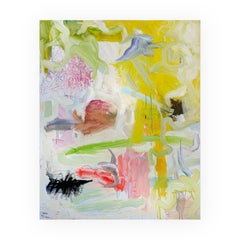
"Garden #3" Pastel Green, Pink, Gray, and Blue Abstract Contemporary Painting

"Garden #3" Pastel Green, Pink, Gray, and Blue Abstract Contemporary Painting

Located in Houston, TX

Contemporary colorful pastel abstract painting by local Houston artist Benji Stiles. The painting depicts light green, peach, dark deep blue, and a bright red shape against a light green and gray background. Unframed but framing options are available. Signed, titled, and dated by the artist at the back. Artist Biography: Born in New Orleans, Robert Benjamin Stiles (Benji) is a multidisciplinary artist and educator who lives and works in Houston. He holds a B.A. from the University of St. Thomas, with a major in Art History and a minor in Studio Arts, and is currently an MFA candidate at MICA (Maryland Institute College of Art). His work ranges from non-representational painting...

Category

2010s Contemporary Texas - More Art
Materials

Canvas, Oil

Pair of Vases done by Jean Despres

Pair of Vases done by Jean Despres

Located in Houston, TX

Jean Eugene Gilbert Despres (1889-1980) was born in Avallon, a small town in Burgundy, where his parents had a small shop selling jewelry and gifts. At the age of 16, he went to Paris to apprentice with a friend of his father, who had a jewelry and metal workshop in the Marais. At night, he studied design. Any spare time was spent in Montmartre, where he met Modigliani, Soutine, DeChirico, Signac, and most important, Georges Braque, who, with Picasso was the founder of Cubism. Despres and Braque became great friends. Jean Despres was one of the most important French Art Deco designers...

Category

1930s Art Deco Texas - More Art
Materials

Brass

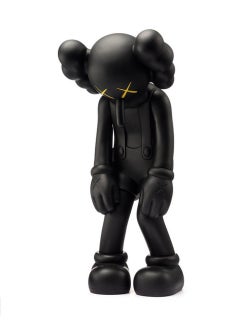
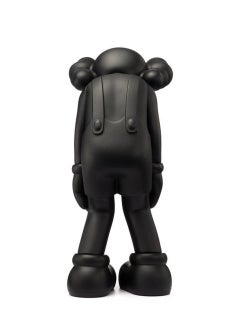
KAWS Small Lie Black Version Sculpture, Resin and Vinyl Paint, 2010+

KAWS Small Lie Black Version Sculpture, Resin and Vinyl Paint, 2010+

By KAWS

Located in Dallas, TX

In December 2017, KAWS released a new version of his classic companion character, titled "Small Lie". The figure features the companion slumped over in what appears to be a disappoin...

Category

2010s Pop Art Texas - More Art
Materials

Resin, Vinyl

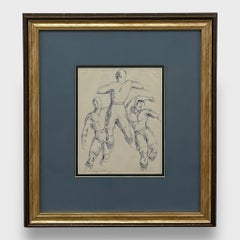
Heading Soccer Study

Heading Soccer Study

Located in Dallas, TX

Heading Soccer Study. Dated 1926. Technique: Ink on Paper. Durango, Mexico.

Category

21st Century and Contemporary Texas - More Art

Materials

Ink

Gold Iridescent Favrile Art Glass Bowl

Gold Iridescent Favrile Art Glass Bowl

By Louis Comfort Tiffany

Located in Austin, TX

A delicate gold iridescent favrile art glass bowl by Tiffany and Co., featuring a flared and ruffled mouth. Height: 3.25 in Diameter: approx. 5.5 in.

Category

Early 20th Century Art Nouveau Texas - More Art
Materials

Glass

Geometric Parrot and Fish Vase #1

Geometric Parrot and Fish Vase #1

Located in Dallas, TX

Helio Gutiérrez is an acclaimed award-winning ceramic artist born in San Juan de Oriente, Nicaragua. His pieces may be found internationally in both private and public collections. H...

Category

21st Century and Contemporary Texas - More Art
Materials

Ceramic

Oil Painting on Wood.

Oil Painting on Wood.

Located in Dallas, TX

Guanajuato. Mexico. Signed and dated in 1945.Oil Painting on Wood.

Category

1940s Texas - More Art
Materials

Wood, Oil

Two Fridas

Two Fridas

Located in Dallas, TX

Frida Painting " Two Fridas" (1892-1965) 1939, Gelatin Silver Print,

Category

1890s Texas - More Art

Materials

Silver Gelatin

Large Natural Gourd #1

Large Natural Gourd #1

Located in Dallas, TX

Large Natural Gourd #1 Cochas Chico, Junin, Peru

Category

21st Century and Contemporary Texas - More Art
Materials

Paint

Brutalist Mid-Century Sunburst Wall Sculpture in Mixed Metals by Stuart Mathews

Brutalist Mid-Century Sunburst Wall Sculpture in Mixed Metals by Stuart Mathews

Located in Dallas, TX

Stuart Mathews was a prolific sculptor who studied at the Art Institute of Chicago and Cranbrook in the 1950s. His work is characterized by his ability to combine a variety of differ...

Category

Mid-20th Century Texas - More Art
Materials

Brass, Bronze, Steel

Irwin Whitaker Enamel Abstract, 1960s

Irwin Whitaker Enamel Abstract, 1960s

Located in Dallas, TX

'Abstraction 1' Enamel on copper plate by Irwin Whitaker, Walnut frame , 1960s Oklahoma-born artist who was prolific in California, Taos and Austin. We have a number of his works ava...

Category

Mid-20th Century Texas - More Art
Materials

Copper, Enamel

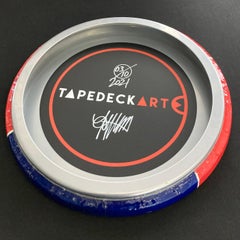
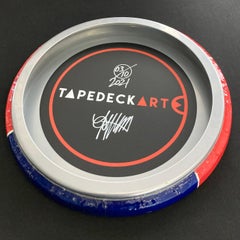
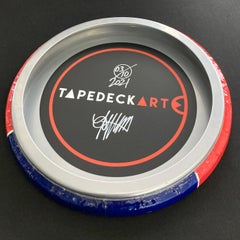
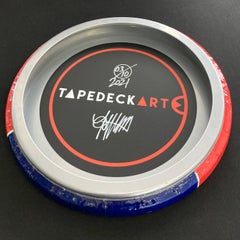
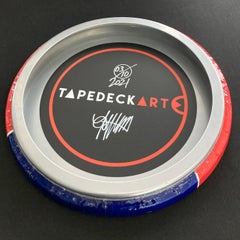
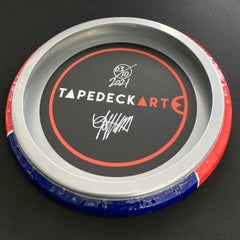
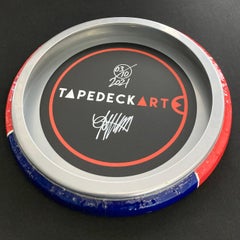
Siouxsie and the Banshees Giant Handmade 3D Vintage Button

Siouxsie and the Banshees Giant Handmade 3D Vintage Button

Located in Austin, TX

Siouxsie and the Banshees - Hand made giant 3D vintage button by British artist, Tony Dennis, AKA Tapedeck Art Artwork printed onto vinyl and wrapped onto a hand spun aluminum butto...

Category

21st Century and Contemporary Pop Art Texas - More Art
Materials

Other Medium

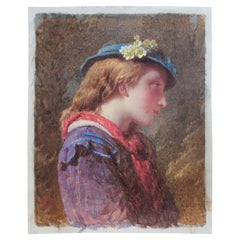
19th C Pre-Raphaelite Style Watercolor Portrait of Girl with Blue Fascinator

19th C Pre-Raphaelite Style Watercolor Portrait of Girl with Blue Fascinator

By Henry Lejeune

Located in Houston, TX

Watercolor profile portrait of a young girl in a blue fascinator hat and a red scarf by artist Henry LeJeune in the pre-Raphaelite style in the 19th century. Signed in the lower left...

Category

19th Century Pre-Raphaelite Texas - More Art
Materials

Watercolor, Paper

Lace "Eagle" Vase #2.

Lace "Eagle" Vase #2.

Located in Dallas, TX

Lace "Eagle" Vase #2. Mata Ortiz, With brown background and white lace and "eagles". Chihuahua, Mexico.

Category

21st Century and Contemporary Texas - More Art
Materials

Ceramic