By Craig Kauffman
Located in Rancho Santa Fe, CA
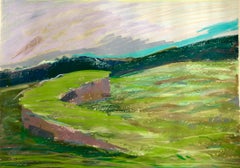
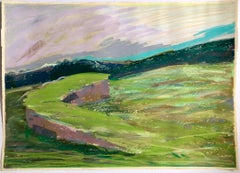
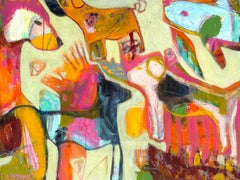
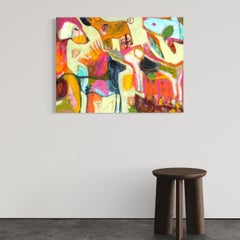
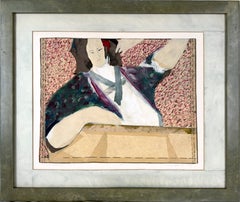
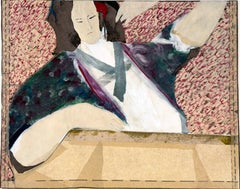
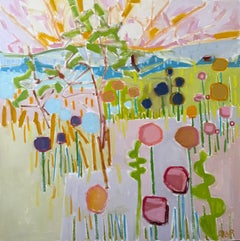
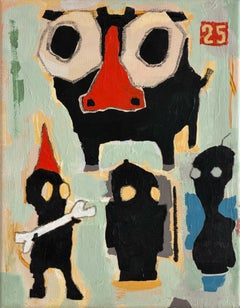
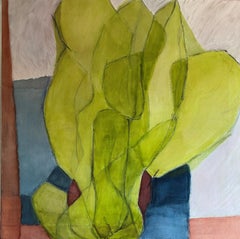
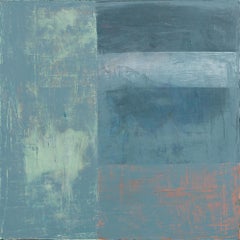
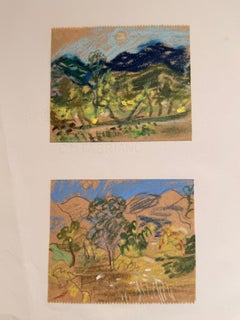
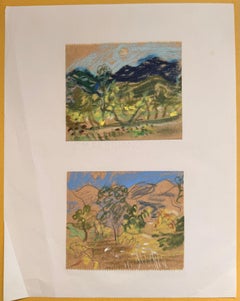
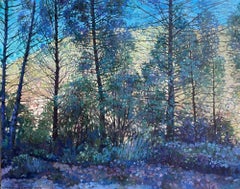
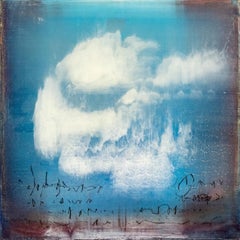
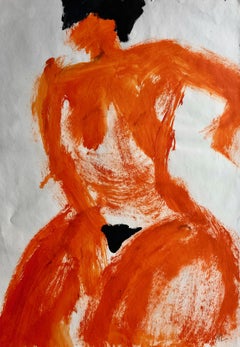
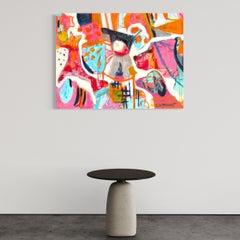
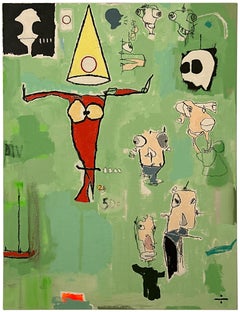
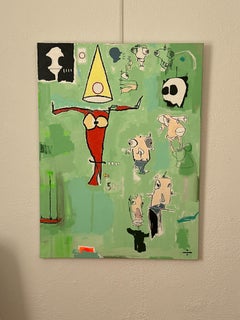
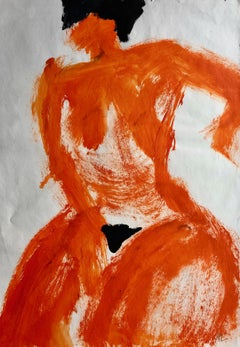
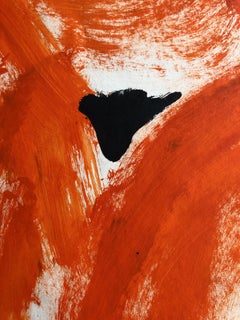
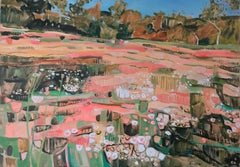
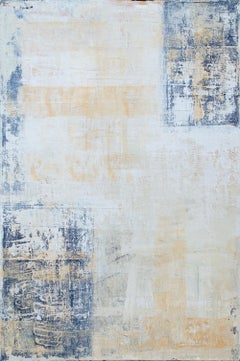
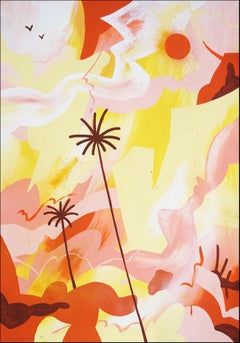
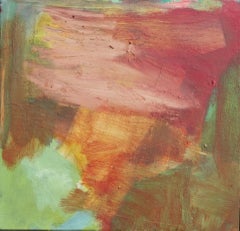
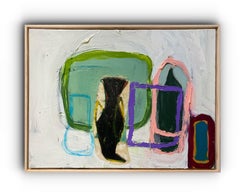
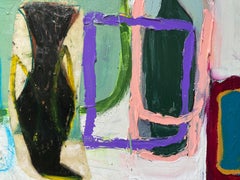
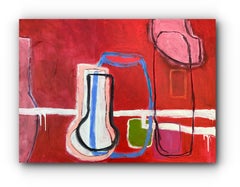
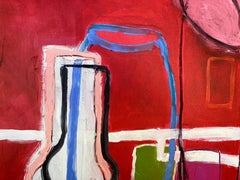
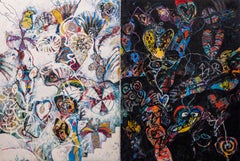
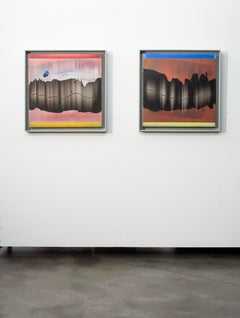
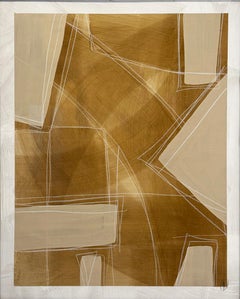
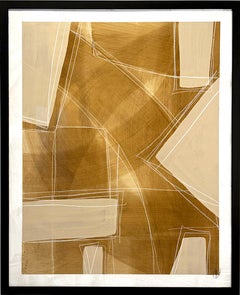
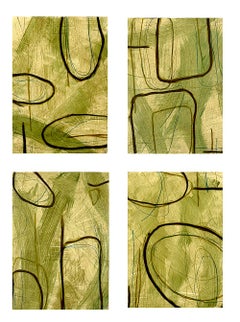
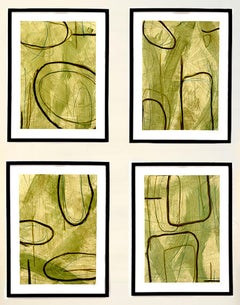
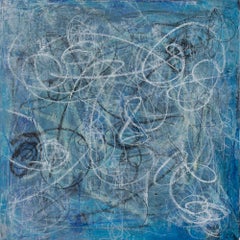
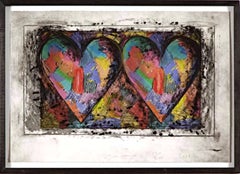
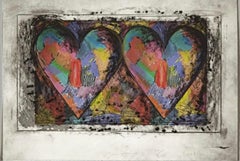
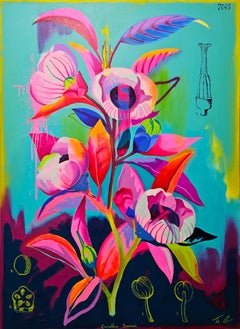
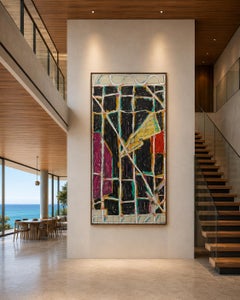
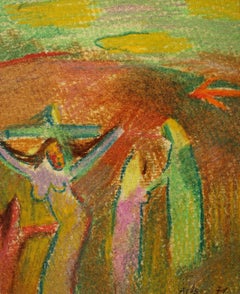
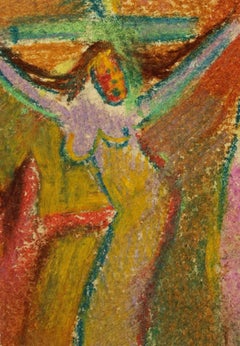
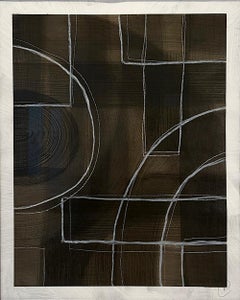
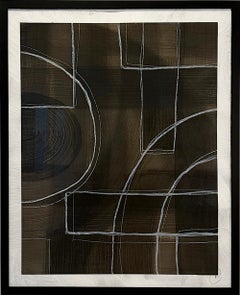
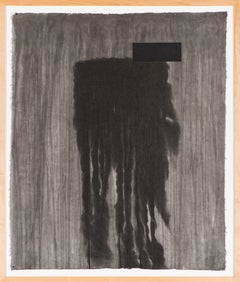
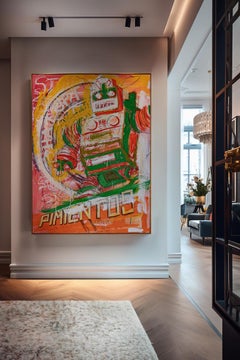
A wonderful, museum caliber painting by Craig Kauffman.
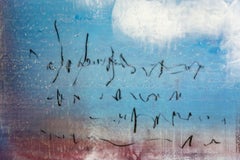
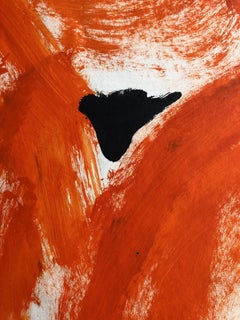
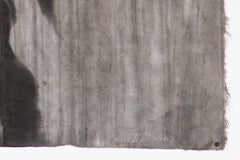
Initialed "CK" and dated "82" in the lower right corner.
PROVENANCE: Asher Faure Gallery
Luther Vandross
Luther Vandross Estate
Private Collection, New York
Private Collection, San Diego, CA
EXHIBITED: Asher Faure Gallery, Los Angeles, California,
CRAIG KAUFFMAN: NEW PAINTINGS
April 23 through May 21,1983
CATALOGUE: Craig Kauffman Estate Archive Number CR No: P.1982.2
The following is from The New York Times, May 15, 2010, By Douglas Martin
Craig Kauffman, who in the 1960s helped put Los Angeles on the art map with audacious experiments in molding industrial plastic to create ethereal wall-mounted sculptures — some resembling giant pieces of jelly candy — died Sunday in Angeles City in the Philippines. He was 78. The cause was complications of pneumonia following a recent stroke, said Frank Lloyd, his friend and dealer.
Mr. Kauffman was eminent in an eclectic group of artists who reveled in the light, space and energy of postwar Southern California to forge new Minimalist, often glossy artistic approaches. Richard Armstrong, director of the Guggenheim Museum said that these Californians, sometimes called the Cool School — along with Chicago Imagists and Washington, D.C., painters called the Color School — were counterpoints to the Abstract Expressionists who ruled New York.
"California was never ashamed of being a new society," Mr. Armstrong said in an interview on Thursday, "it all fit together nicely."
Los Angeles was then ascending to the status of a metropolis, with a growing number of major-league sports teams, fresh industries and a surging population. There were new quarters for public galleries and the burgeoning of commercial ones.
At the center of the action was the Ferus Gallery, which staged the first solo exhibition of Andy's Warhol's pop art and the first American retrospective of Marcel Duchamp. Mr. Kauffman was a featured artist at the gallery's inaugural exhibition in 1957, "Objects on the New Landscape Demanding of the Eye."
Peter Plagens, in his book Sunshine Muse: Art on the West Coast, 1945-1970, (1974, 1999), wrote, "'Culture' meant 'art' and 'art' implied 'new,' and 'new,' as everybody was informed, meant California — particularly Los Angeles."
The artists who seized this historic opportunity included Billy Al Bengston, Ken Price and Robert Irwin, among others. In an interview on Wednesday, Arne Glimcher, founder and chairman of Pace Gallery, which had Mr. Kauffman's first New York show in 1967, called the California scene in the late '50s and early '60s "a pressure cooker of ideas." Referring to artistic styles, he said, "It was California perfection against New York messiness."
Mr. Kauffman's early paintings were critical in defining this new style. Mr. Plagens called them "the first evidence of a Los Angeles sensibility."
Mr. Kauffman's later work blazed splashier trails, as he experimented with the effects of light on works that were painterly yet three-dimensional. "The true power of what he did was his incorporation and then redirection of light inside sculpture," said Mr. Armstrong, who was the curator of a show of Mr. Kauffman's work at the Whitney Museum of American Art in 1987.
"Many of them glowed," he said. "Others were translucent. Even the supposedly opaque had a noteworthy shimmering quality to them."
What Mr. Kauffman made reflected a wide range of inspirations. In a 2008 video interview in conjunction with a show at the Armory Center for the Arts in Pasadena California, he said that the famed lingerie store Frederick's of Hollywood provided artistic nurture. With a smile, he confessed to a "shoe fetish" that had influenced some of his art.
Robert Craig Kauffman was born on March 31, 1932, in Los Angeles. He started painting regularly at age 7 and went to theUniversity of Southern California to study architecture in 1950. But art soon won out over architecture, and he transferred to the University of California Los Angeles, to study painting. He earned Bachelor's and Master's degrees there.
A breakthrough came in the early 1960s when he experimented with painting on glass, but found it too fragile. He then painted on flat acrylic plastic. His next inspiration came from the plastic packaging increasingly used to wrap merchandise. He sought out craftsmen at commercial factories to learn the technique, Time magazine reported in 1968.
The results were several series of three-dimensional wall hangings. Some were inspired by large plastic fruit clusters on the wall of a doughnut shop he frequented in Los Angeles. These lozenge-shaped reliefs were sometimes called "bubbles."
Barbara Rose, in a catalog essay for an exhibition at the Washington Gallery of Modern Art in 1967, wrote, "Shaping the brittle sheet plastic into a series of voluptuous curves, Kauffman achieves a kind of abstract eroticism that is purely visual."
Mr. Kauffman's work was shown in countless exhibitions and many one-man shows. It has been acquired by the Museum of Modern Art in New York, the Tate Modern in London, the Art Institute of Chicago and the Los Angeles County Museum of Art, among others.
In 2006, one of Mr. Kauffman's reliefs fell from a wall of the Georges Pompidou Center in Paris, where it was part of an exhibition titled "Los Angeles: Birth of an Art Capital, 1955-1985." It shattered. After storms of publicity, the Pompidou provided technical help and money to make a new version.
Mr. Kauffman was married several times. He is survived by his daughters from his marriage to Dana Kauffman, from whom he was separated: Wilhelmina, Vida Rose and Georgia Kauffman. When they started in the 1960s, Mr. Kauffman and his artistic compatriots did not foresee a legacy, much less earning an income, Larry Bell, a prominent artist in the group, said in an interview on Wednesday.
"The troops sort of banded together to be our own audience," he said. "Every once in a while, we'd sell...
Category
1980s Abstract Art by Medium: Oil Crayon
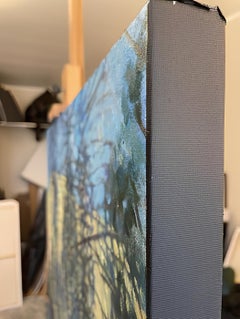
MaterialsSilk, Oil Crayon, Acrylic