By Max Manning
Located in Los Angeles, CA
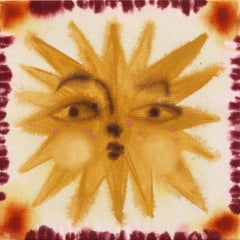
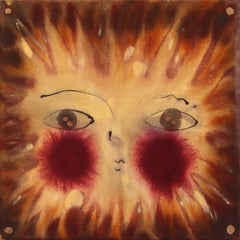
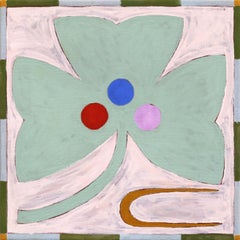
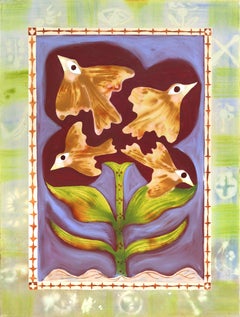
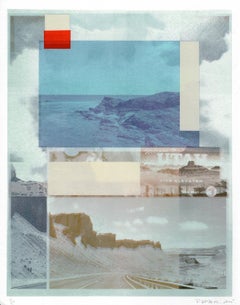
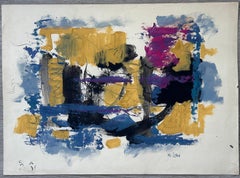
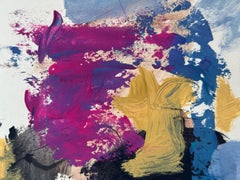
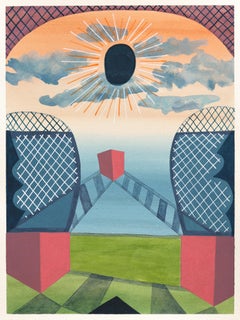
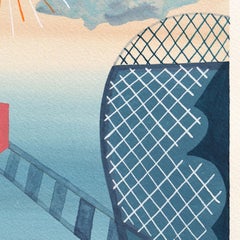
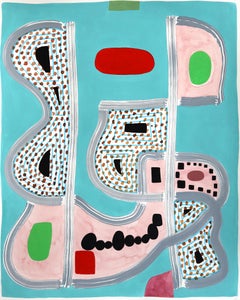
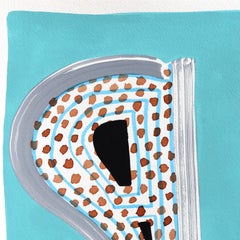
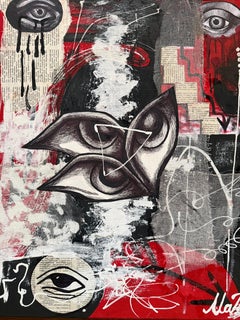
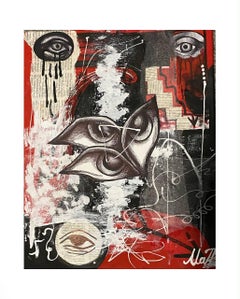
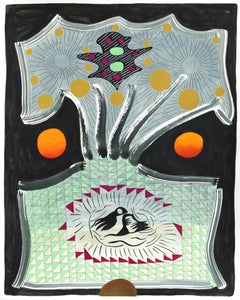
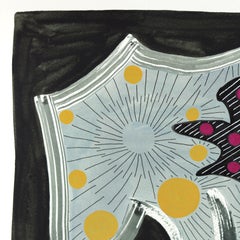
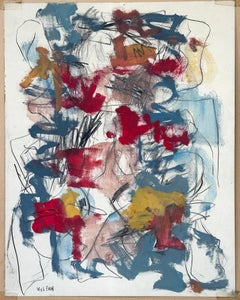
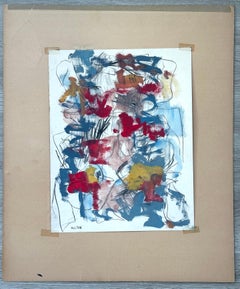
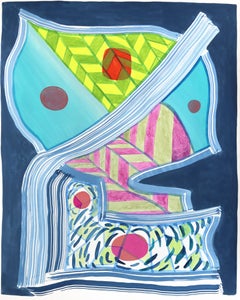
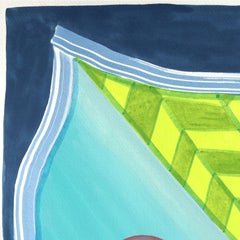
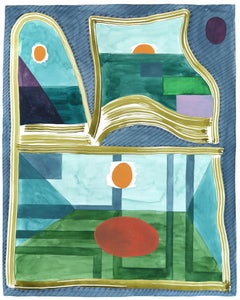
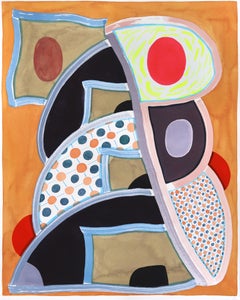
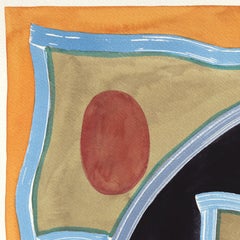
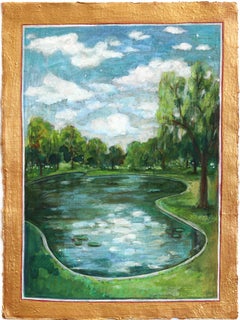
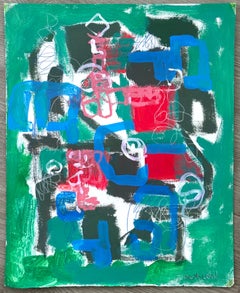
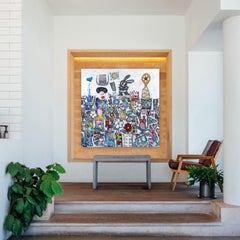
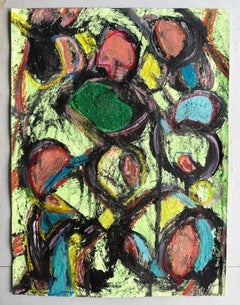
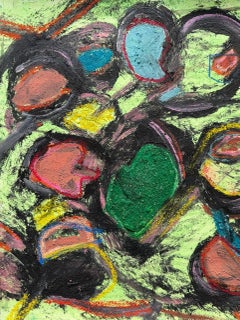
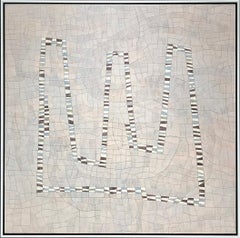
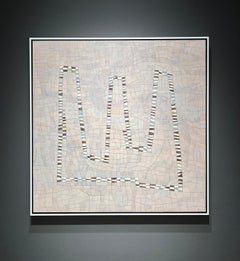
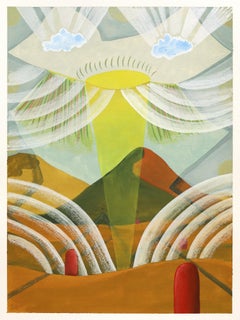
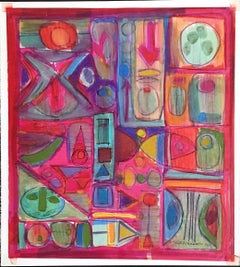
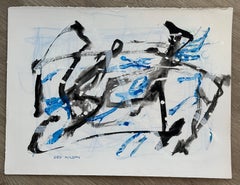
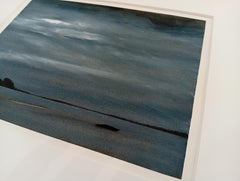
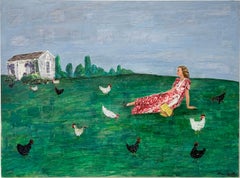
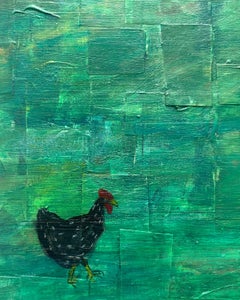
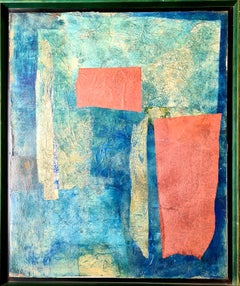
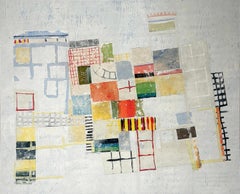
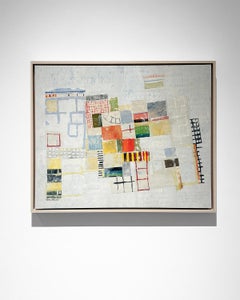
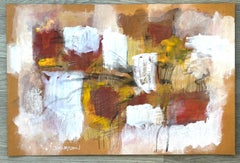
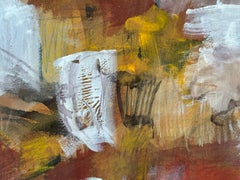
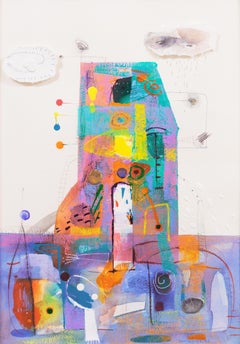
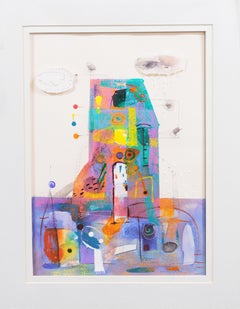
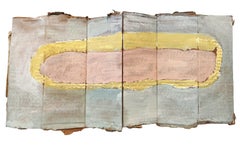
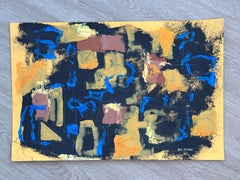
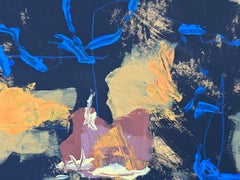
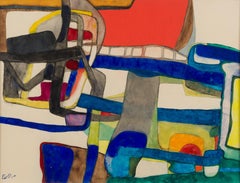
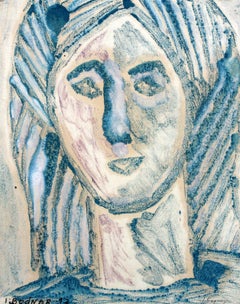
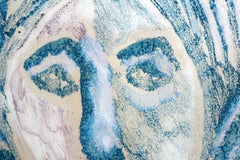
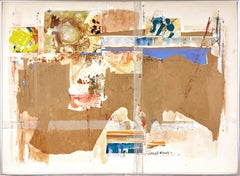
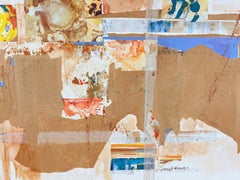
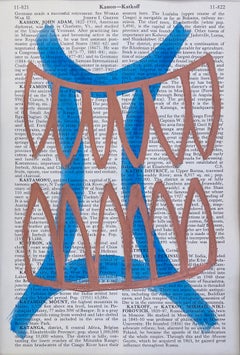
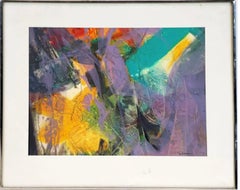
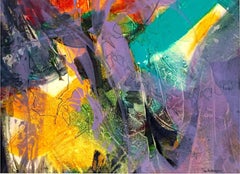
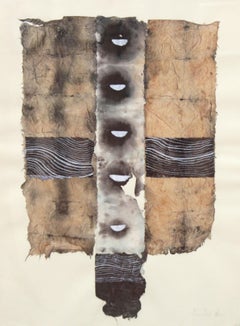
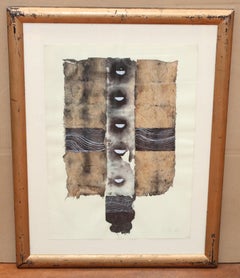
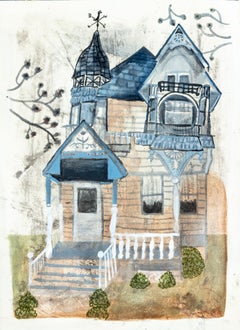
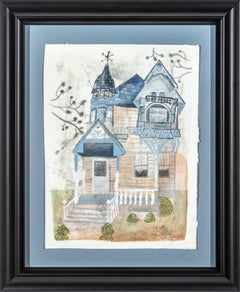
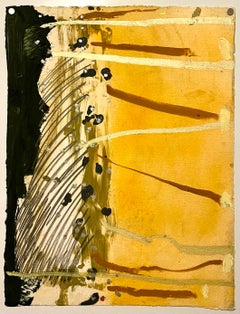
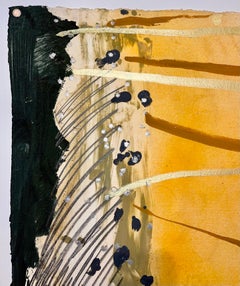
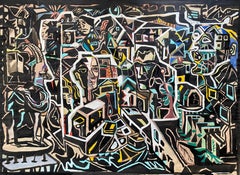
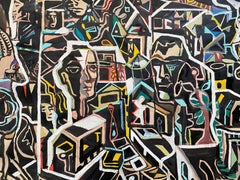
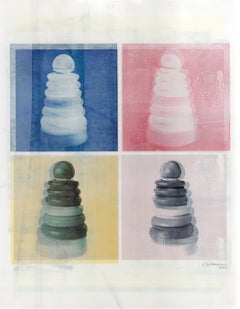
Max Manning is a Houston-based painter whose practice he describes as “algorithmic abstraction”, studio-built systems that he deliberately disrupts to create compositions where loosely figurative fragments, patterns, and color fields collide. Working in series, Manning sets up rule-driven visual frameworks such as grids, repeated motifs, cut-outs, and layered shapes, and then interrupts them through shifts in palette, gesture, and scale. The result is a retro-contemporary language: paintings that acknowledge a world shaped by data and screens while insisting on the tactility, stillness, and breath of paint.
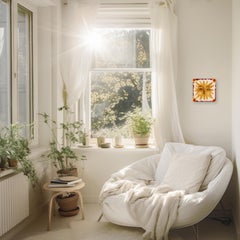
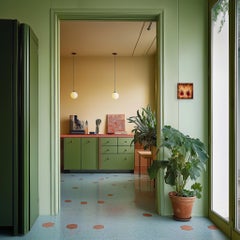
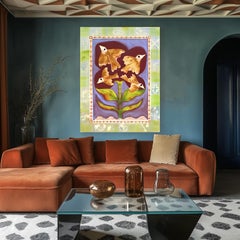
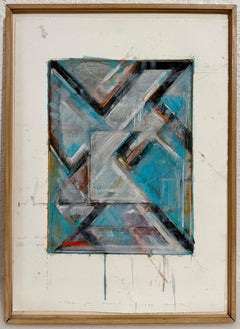
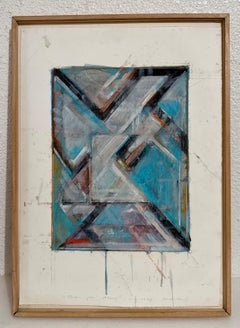
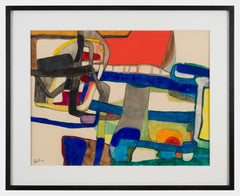
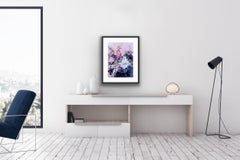
• One-of-a-kind abstract artwork on paper measuring 20 x 16 inches
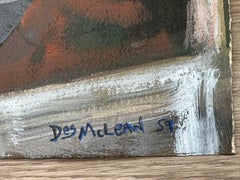
• Unframed and signed by the artist on the back
• Includes certificate of authenticity issued by the art gallery
• Convenient local Los Angeles delivery available
• Affordable Continental U.S. and international shipping available
Across his practice, Manning has maintained a clear studio ethos: to “paint through the questions” of life lived alongside algorithms. Instead of reproducing digital aesthetics, he uses rule sets to destabilize them—allowing glitches, misalignments, and pauses to surface. The work’s visual “systems” act less like predictive code and more like open, humanized structures where attention can rest. This stance has resonated with curators and collectors attuned to abstraction’s current arc: grounded in art-historical form, responsive to contemporary cognition, and committed to the slow time of looking.
Manning earned a BFA in Two-Dimensional Studies from Bowling Green State University (2011) and an MFA from the University of Cincinnati (2014). His work has been exhibited widely in the U.S. and abroad and gained early institutional and critical attention through selection for the 2017 Texas Biennial, curated by Leslie Moody Castro, with press coverage in Texas arts media.
Artspace Warehouse has been representing and exhibiting Max Manning's original artworks since 2025. The gallery has been a 1stdibs partner since 2014 with consistently excellent reviews from clients worldwide. The gallery exhibits a large selection of affordable original artworks from established and emerging international artists with diverse backgrounds at high standards. Artspace Warehouse is known to provide accurate descriptions, images, reliable services, communication, and delivery.
The gallery's commitment to customer satisfaction means that clients can invest in art with confidence, knowing they have a reputable and established art gallery backing their acquisition. Artspace Warehouse prioritizes our clients' peace of mind by ensuring a seamless and worry-free art-buying experience.
REPRESENTATION
Artspace Warehouse, Los Angeles, USA
SOLO EXHIBITIONS
2017 Language Game, TW Fine Art, Brisbane, Queensland, Australia
2015 In Tongues, EN EM Art Space, Sacramento, California
2014 Now Made with Real Paint, No Future Projects (online)
Soul-Rocket, Pipeline Artist Space, Cincinnati, Ohio
2013 Uberplasticist Exhibition #1, Pipeline Artist Space, Cincinnati, Ohio
2011 Screening Reality: Erotomania (Paintings and Drawings by Max Manning), Bowen Thompson Student Union, Bowling Green, Ohio
GROUP EXHIBITIONS
2025 Space City Spotlight, Seismic Gallery, Houston, Texas
2023 No Zoning, Reeves Art and Design, Houston, Texas
2022 Crimson Tide, Soft Times Gallery, San Francisco, California
The Big Show, Lawndale Art Center, Houston, Texas
Small Works, Soft Times Gallery, San Francisco, California
Summer Preview, Todd Weiner Gallery, Kansas City, Missouri
2022 Salina Biennial, Salina Art Center, Salina, Kansas
Project for Ukraine, Far By Wide — Online Exhibition
Miami University Yeck Young Painters Competition, Miami University, Oxford, Ohio
2021 Quiet Fire, curated by Jessica Cannon and Jay Gaskill, Far By Wide — Online Exhibition
Not Just Another Anthropocenic Love Story, Trestle Gallery, Brooklyn, New York
DAAP Made, University of Cincinnati Indian Hill Gallery, Cincinnati, Ohio
Loop, Box 13 ArtSpace, Houston, Texas
2020 Concrete Pocket, Houston Community College Central Gallery, Houston, Texas
Lines of Thought, CICA Museum, Gimpo, South Korea
Flatfile Exhibition, Collar Works, Troy, New York
Mirror Eye, curated by Youngspace and Far by Wide, Ortega y Gasset Projects, Brooklyn, NY
Ortega y Gasset Flatfile Exhibition, Ortega y Gasset Projects, Brooklyn, New York
2019 The Christmas Edit, TWFINEART
Group Art Show, Todd Weiner Gallery, Kansas City, MO
Be. Long. I Like Your Work Juried Exhibition, curated by Erika B. Hess, David Linneweh, and Mychaelyn Michalec, Dutoit Gallery, Dayton, Ohio
Of Texas, curated by Adam Farcus, Lease Agreement, Lubbock, Texas
Priority Mail, Ground Floor Gallery, Brooklyn, NY
Art Hustle, Reed Gallery, Cincinnati, OH
Lobster Dinner, curated by Will Hutnick, Trestle Gallery, Brooklyn, New York
2018 Trade Show, My Friend PTX, Paris, Texas
TWFAX2 + Matt Sheridan + W Hotel, TW Fine Art, Brisbane, Queensland, Australia
Papercuts, curated by Kristian Day, Saatchi Gallery, London, England
The Big Show, Lawndale Art Center, Houston, Texas
Squaring the Sun, curated by Jessica Cannon, Far By Wide — Online Exhibition
2017 Paper Cuts, curated by Kristian Day and Jeanette Gunnarsson, Tripp Gallery, London, England
Winter Exhibition, James May Gallery, St. Algoma, Wisconsin
2017 Texas Biennial, curated by Leslie Moody Castro, Big Medium Austin, Austin, Texas
Milestones, Bowling Green State University, Bowling Green, Ohio
Antipol, curated by Max Presneill and Chris Trueman, Durden and Ray, Los Angeles, California
Priority Mail, Ground Floor Gallery, Brooklyn, New York
Chaos, Ro2 Art, Dallas, Texas
Intimates, Skylab Gallery, Columbus, Ohio
ATTACH FILES, 50/50, Kansas City, Missouri
Día de los Muertos, Lawndale Art Center
2016 Funkytown, Urbano, Berkeley, California
The Big Show 2016, Lawndale Art Center, Houston, Texas
Small Works, Trestle Gallery, Brooklyn, New York
From Here, Fluorescent Gallery, Knoxville, Tennessee
Construct, 337 Project Space, Grand Rapids, Michigan
2015 Be, Mist Gallery — Online Exhibition
More or Less, Front/Space, Kansas City, Missouri
Le Cours de Chose, Le Praticable Espace D’Exposition, Rennes, France
At the Sound of The Bell: Break Away, Pear Gallery, Cincinnati, Ohio
Chill, Zen, Funk and Twang, Curating Contemporary — Online Exhibition
2014 Sugar Rush, En Em Art Space, Sacramento, California
New Abstraction: 3 Select, Metropolis Collective, Mechanicsburg, Pennsylvania
Extraordinary Flecks and Things Butting Up, LOHIOH, Cincinnati, Ohio
By The Pleasure of Doing, Espacio 20/20, San Juan, Puerto Rico
Divisible: please, actually, introspective, Divisible Project Space, Dayton, Ohio
Business Casual, collaborative show with Jessica Simorte, Neon Heater Gallery, Findlay, Ohio
LUSH, Contemporary Arts Center, Cincinnati, Ohio
Fiction, University of Dayton Galleries, Dayton, Ohio
2013 Fresh Paint Showcase, Media Wall at Commerce Square, Philadelphia, Pennsylvania
Pop-Up Art, Niehoff Design Studio, Cincinnati, Ohio
Members Small Works Exhibition, Roy G Biv Gallery, Columbus, Ohio
Wintery Mix, Rock Paper Scissors, Cincinnati, Ohio
Crosspollination, Collaborative show with Jessica Simorte, 840 Gallery, Cincinnati, Ohio
Sweety Salty Sculpture Funk, Collaborative show with Jessica Simorte, Pipeline Artist Space, Cincinnati, Ohio
All Fall Down, Meyers Gallery, University of Cincinnati, Cincinnati, Ohio
Modern Makers & Fernside Benefit Art Auction, Niehoff Urban Studio, Cincinnati, Ohio
Renewal, Drift...
Category
2010s Abstract Gouache Mixed Media
MaterialsPaper, Ink, Mixed Media, Acrylic, Watercolor, Gouache