By Ron Blumberg
Located in West Hollywood, CA
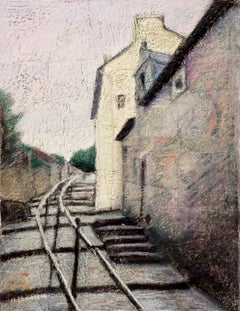
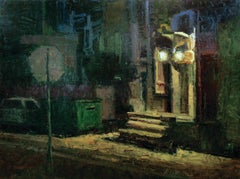
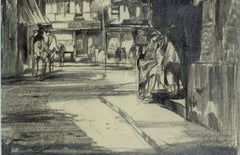
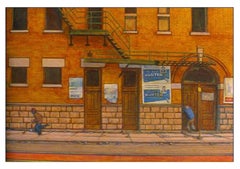
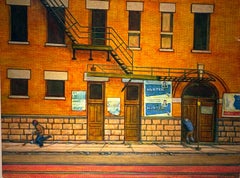
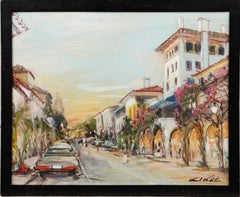
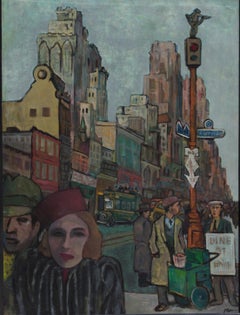
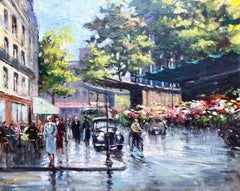
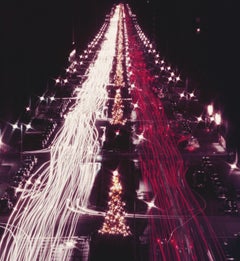
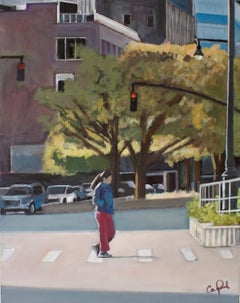
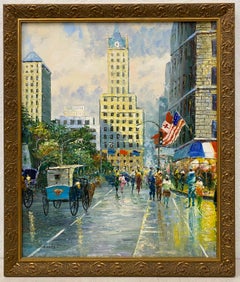
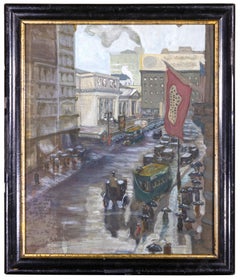
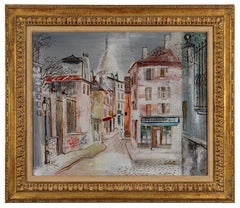
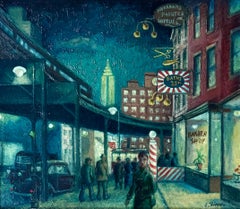
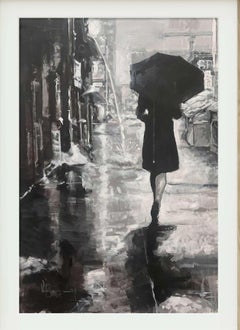
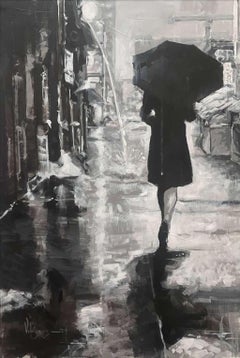
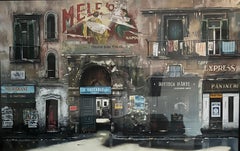
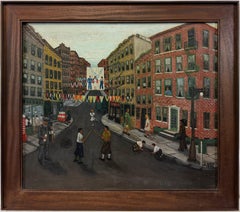
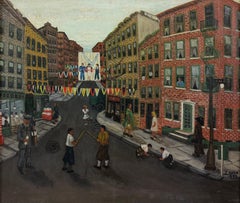
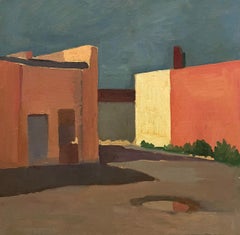
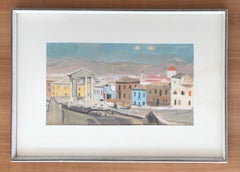
Presenting a just discovered oil painting from the earliest period, c.1932, of American artist Ron Blumberg.
After completing his fine art studies art at La Grande Academie Chaumiere in Paris Ron Blumberg left for New York in 1932, where he worked for eight years as a National Academy artist and a member of the Art Students League.
Virtually every painting from this early New York period has been sold, making this the rarest period of work in Ron Blumberg’s career.
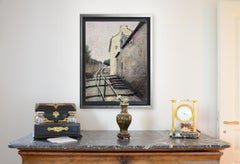
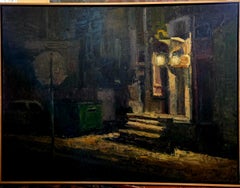
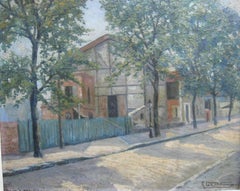
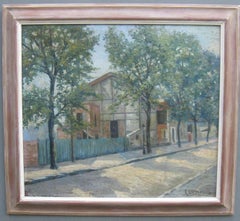
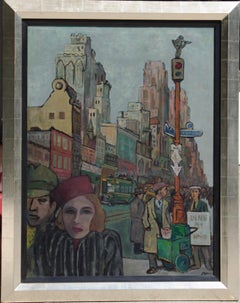
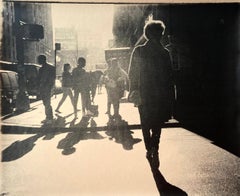
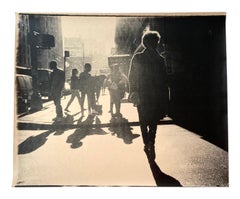
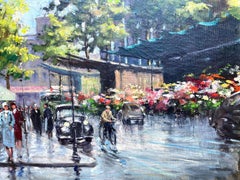
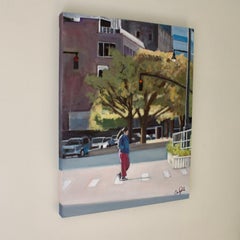
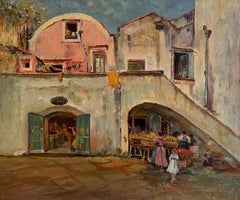
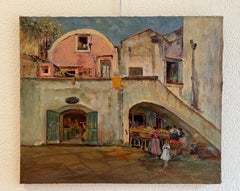
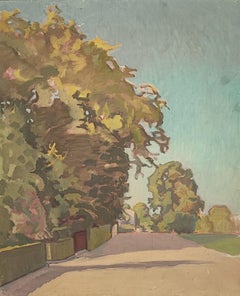
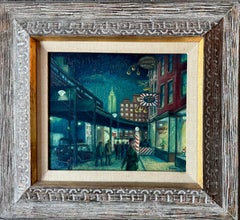
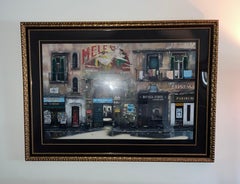
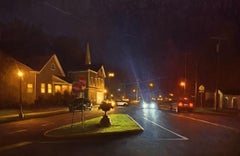
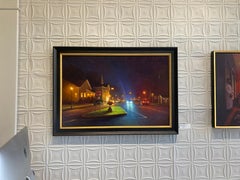
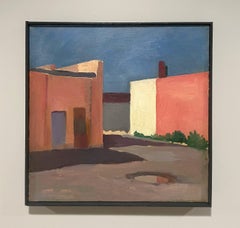
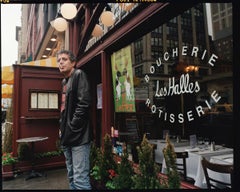
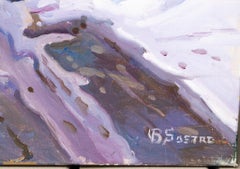
City Street: Fifth Avenue, is an original oil on canvas, signed, c.1932, with an image dimension of 39 x 39 inches, good original condition with two very small restorations, set in a beautiful custom white gold frame.
Please contact the gallery for information, availability and pricing
Ron Blumberg
Born: 1908 Reading, Pennsylvania
Education:
National Academy of Design, New York, NY
Art Students League, New York, NY, 1930
Academie de La Grande Chaumiere, Paris, France, 1930-1931
Museum Exhibitions
Delgado Museum, New Orleans, LA 1933
Houston Museum of Art, Houston, TX 1936
Oakland Museum Oakland, CA
Dallas Museum of Fine Arts, Dallas, TX 1936, 1936
Denver Museum of Fine Arts, Denver, CO 1957
Tucson Museum, Tucson, AZ 1955
San Diego Museum, San Diego, CA 1962
Los Angeles County Museum of Art, Los Angeles, CA 1958
H. d Young Memorial Museum, San Francisco, CA 1967
Erma Frye Museum, Seattle, WA 1969
Gallery Exhibitions
ACA Gallery, New York, NY 1937
Arr USA, New York, NY 1939
MacBeth Gallery, New York, NY 1932
Landau Gallery, Los Angeles, CA 1951
Esther Robles Gallery, Los Angeles, CA 1958,1959
Cushing Gallery, Dallas, TX 1972
Jean Dichter Gallery, Denver, CO 1955
Feingarten Galleries, Los Angeles, CA 1987
Trigg Ison Fine Art...
Category
1930s Art Deco Figurative Paintings