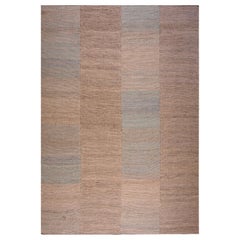
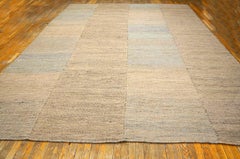
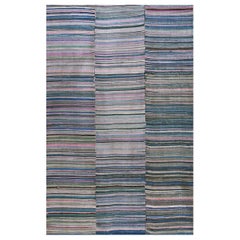
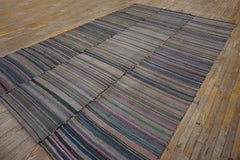
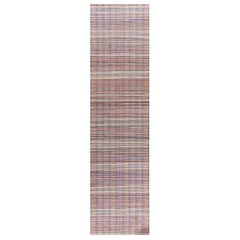
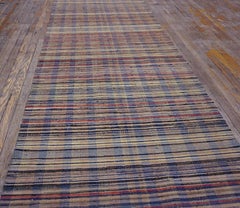
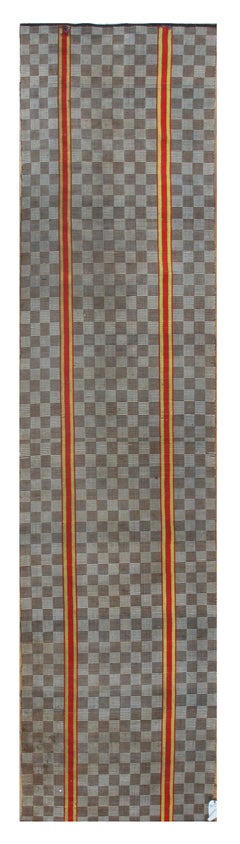
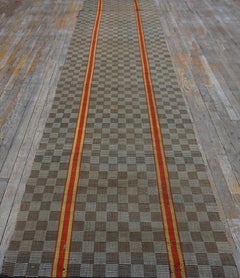
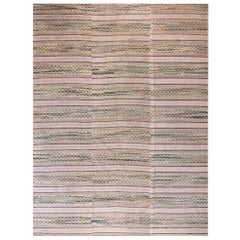
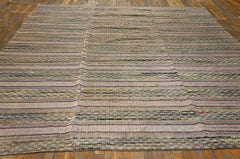
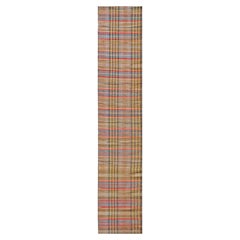
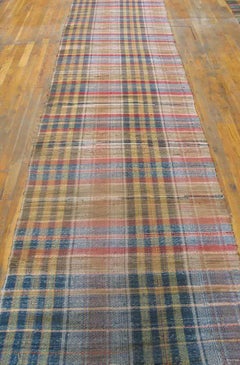
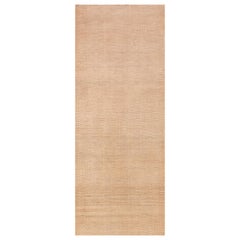
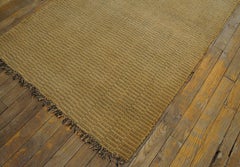
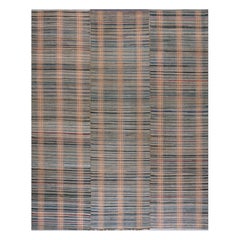
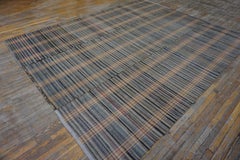
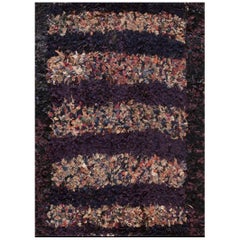
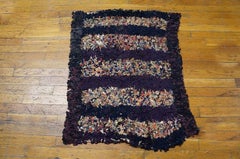
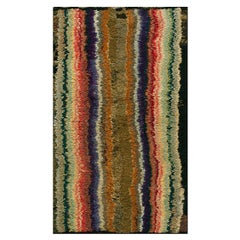
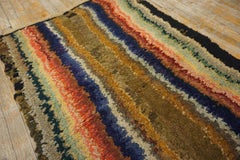
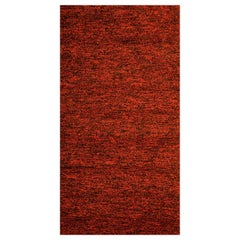
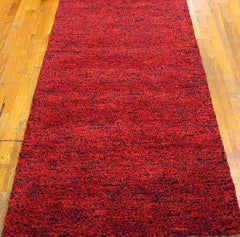
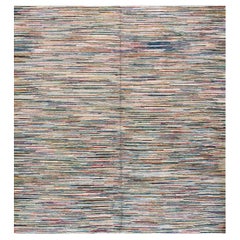
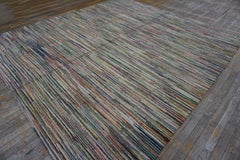
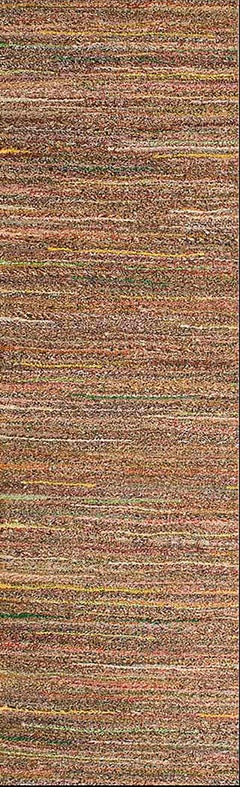
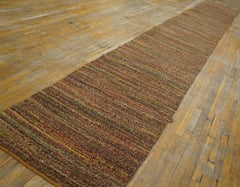
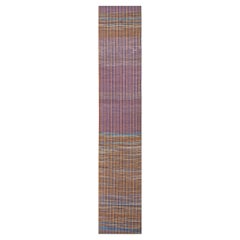
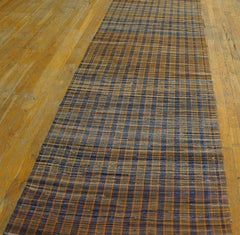
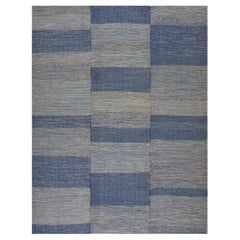
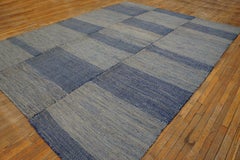
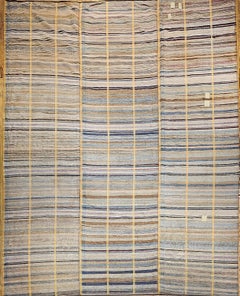
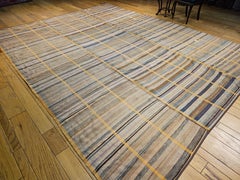
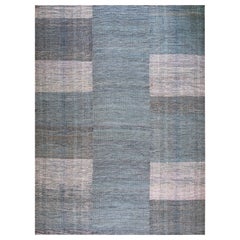
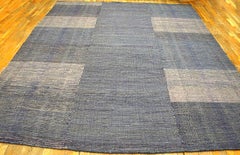
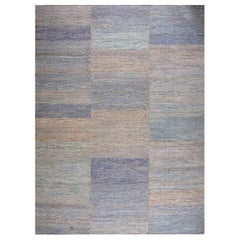
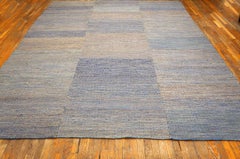
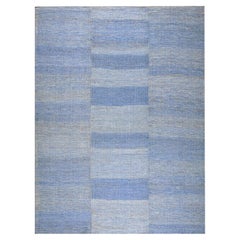
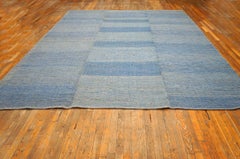
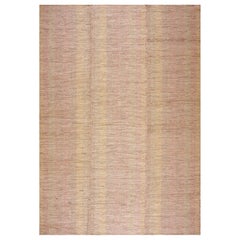
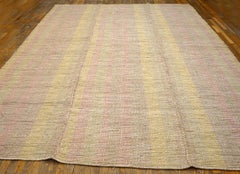
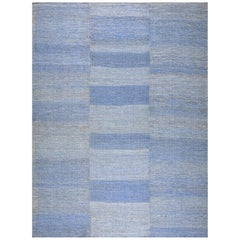
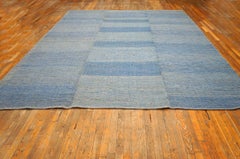
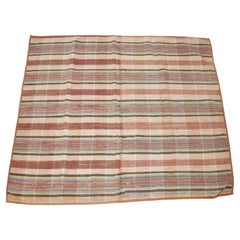
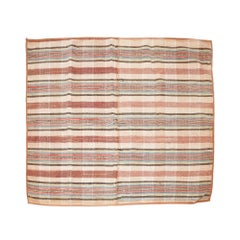
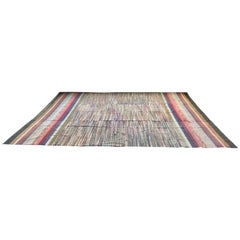
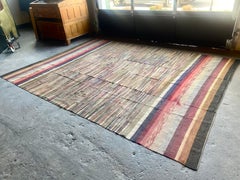
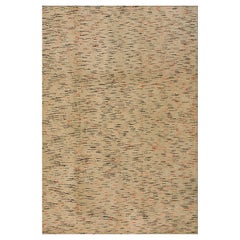
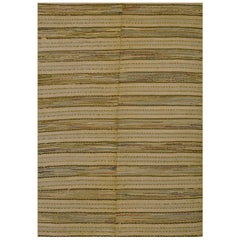
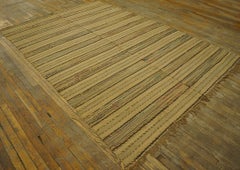
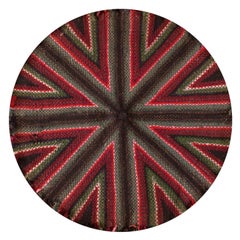
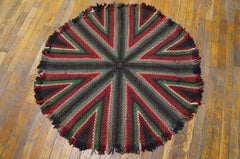
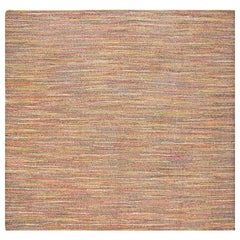
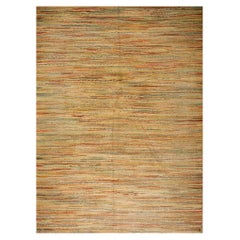
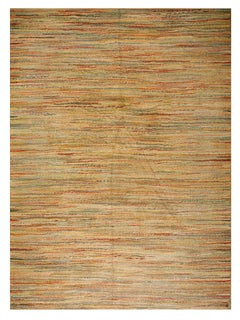
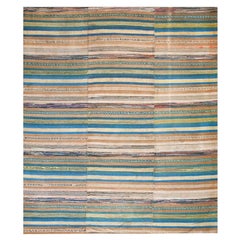
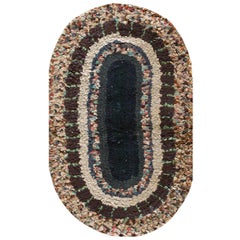
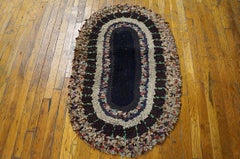
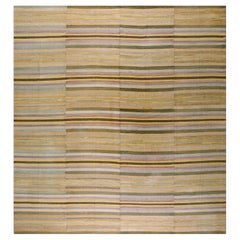
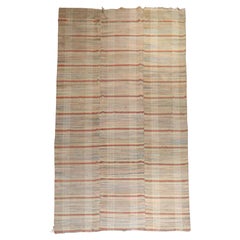
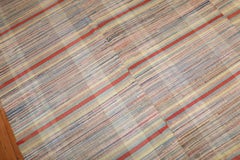
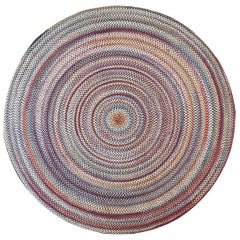
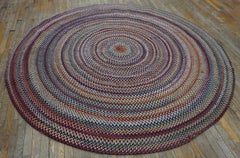
Choose from an assortment of styles, material and more with respect to the American shaker rug you’re looking for at 1stDibs. Frequently made of
fabric,
wool and
cotton, every American shaker rug was constructed with great care. Whether you’re looking for an older or newer American shaker rug, there are earlier versions available from the 19th Century and newer variations made as recently as the 20th Century. An American shaker rug, designed in the
folk art style, is generally a popular piece of furniture.
An American shaker rug can differ in price owing to various characteristics — the average selling price 1stDibs is $1,880, while the lowest priced sells for $544 and the highest can go for as much as $8,800.
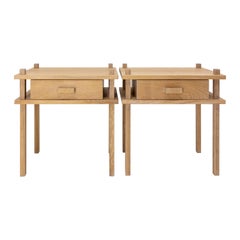
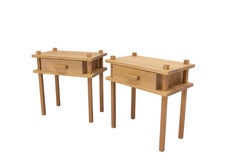
Authentic antique Shaker furniture is hard to come by, but not exceedingly rare. “Shaker style” describes furnishings and interiors that are both warm and simple, centered on unpretentious wooden chairs, tables and cabinets without ornament or embellishment.
The term derives from the popular name for an all-but-vanished American religious sect, whose members crafted modest household furniture and objects as part of their belief in purposeful living and simplicity in all things.
Members of the United Society of Believers in Christ’s Second Appearing — called Shakers, derisively, because they writhed and danced in religious ecstasy during worship — arrived in the United States from England in 1774. Within 50 years, the sect had established 19 self-sufficient communities from Maine to Kentucky, where they lived pure, humble and industrious lives.
The furniture and objects the Shakers made reflected their strict rules of behavior. Pieces such as ladder- and slat-back chairs and trestle tables were painstakingly crafted from native woods like maple and cherry, using traditional methods such as mortise-and-tenon and dovetail joinery and lathe turning. They employed strong, straight lines and symmetrical proportions, and decoration of any kind — carving, veneers, inlays — was prohibited, as it would encourage the sins of pride and vanity.
The Shakers movement included some 6,000 members at its peak in the 1860s, but the group practiced celibacy and could attempt to sustain their flock only by recruiting new adherents. Modernity proved too alluring. Today only one tiny Shaker community, in Maine, still exists, though the sect’s heritage is preserved at several historical sites.
To support their communities, the Shakers sold furniture to outsiders, who appreciated its superb quality. While the “Shaker style” label is today given to many plain, simple wooden pieces, it should also denote superior construction and solid materials. As elements in interior design, Shaker furnishings work best in a quiet decor. Modest pieces such as these can become lost among more ornate works. The style is most suitable to a country home — although a Shaker chair or cabinet can make a striking counterpoint in a modernist, urban setting.
Shaker furniture and objects have a deep appeal for their warmth, honesty and graceful simplicity, which make them welcome almost anywhere.
Find antique Shaker furniture for sale on 1stDibs.
Good antique rugs and vintage rugs have made their way into homes across the globe, becoming fixtures used for comfort, prayer and self-expression, so choosing the right area rug is officially a universal endeavor.
In modern usage, “carpet” typically denotes a wall-to-wall floor cushioning that is fixed to the floor. Rugs, on the other hand, are designed to cover a specific area and can easily be moved to new locations. However, the terms are interchangeable in many parts of the world, and, in the end, it won’t matter what you decide to call it.
It’s well known that a timeless Persian rug or vintage Turkish rug can warm any interior, but there are lots of other styles of antique rugs to choose from when you're endeavoring to introduce fresh colors and textures to a bedroom or living room.
Moroccan Berber rugs are not all about pattern. In fact, some of the most striking examples are nearly monochrome. But what these rugs lack in complexity, they make up for in brilliant color and subtle variation. Moroccan-style interiors can be mesmerizing — a sitting room of this type might feature a Moroccan rug, carved wooden screens and a tapestry hung behind the sofa.
Handwoven kilim rugs, known for their wealth of rich colors and unique weaving tradition, are pileless: Whereas the Beni Ourain rugs of Morocco can be described as dense with a thick surface or pile, an authentic kilim rug is thin and flat. (The term “kilim” is Turkish in origin, but this type of textile artistry is practiced all across the Balkans, throughout the Arab world and elsewhere.)
When it comes to eye-catching floor coverings, the distinctive “medallion” pattern of Oushak rugs has two types of rounded shapes alternating against a rich red or blue background created with natural dyes, while the elaborate “star” pattern involves large eight-pointed shapes in diagonal rows alternating with diamonds.
If you’re looking for something unexpected, find a runner rug that pops in your hallway or on your stairs. Dig for dazzling geometric patterns in our inventory of mid-century modern rugs and carpets, which includes works designed by the likes of Swedish textile masters Märta Måås-Fjetterström, Marianne Richter and other artisans.
Carpets and rugs have been around for thousands of years. Prehistoric humans turned to animal skin, wool and fur to craft simple fabrics to soften hard terrain. A 2016 study suggests that "cave lions" were hunted for exactly this purpose, and that decorating your cave with their pelts may have conferred strength and prestige. Although many of these early textiles are still in existence, tracing their precise origins is difficult. Carpets quickly became such a valuable trade commodity that the weavings could easily travel far from their places of origin.
The oldest known carpet was found in southern Siberia. (It may have traveled there from Persepolis in Iran.) For the flat-weave floor rugs crafted by Native Americans, cotton was the primary material before sheep’s wool was introduced in the 16th century. In Europe, carpet-making was fundamental to folk art, and Asian carpets imported to European countries were at one time considered a precious luxury and not intended to remain permanently on the floor.
With the variety of area rugs and carpets rolled out for you on 1stDibs — a collection that includes traditional, modern, minimalist rugs and other coverings of all kinds — things will be looking up whenever you’re looking down.