Arts Crafts Wicker
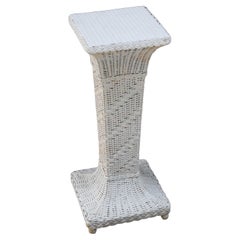
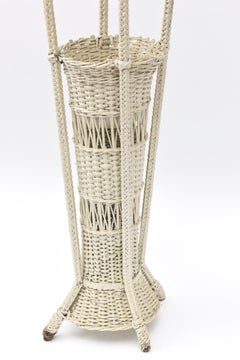
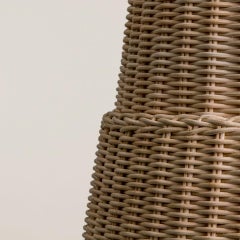
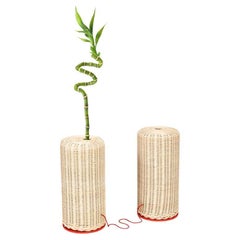
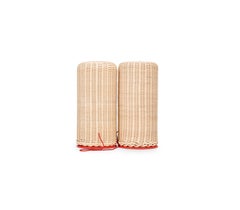
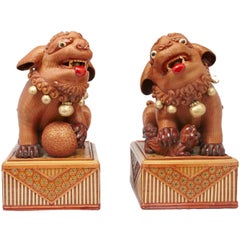
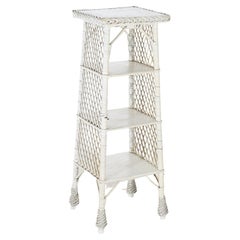
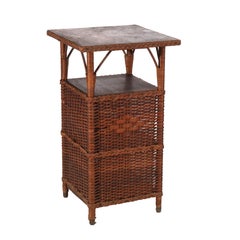
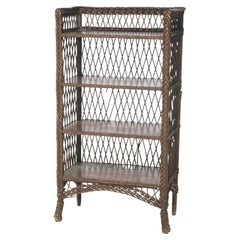
Early 20th Century Arts and Crafts Pedestals
Wicker
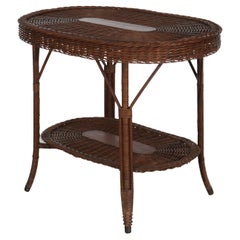
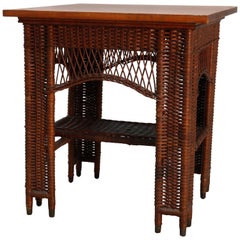
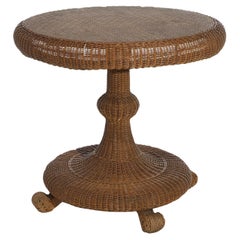
Early 20th Century Side Tables
Wicker
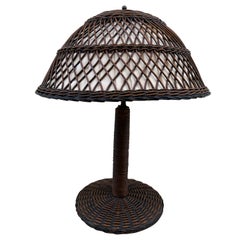
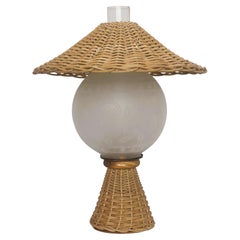
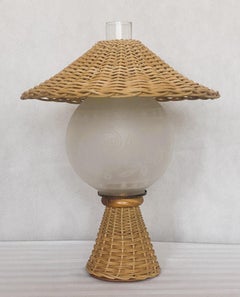
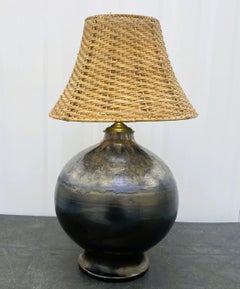
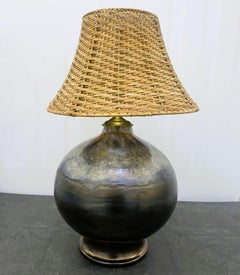
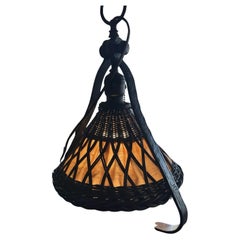
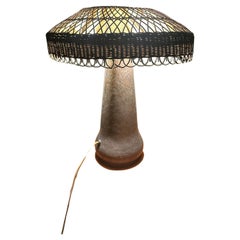
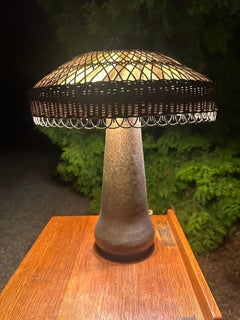
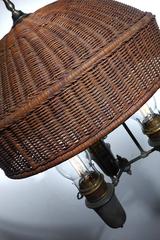
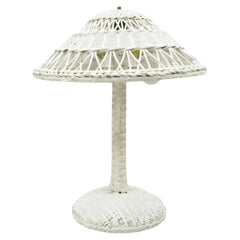
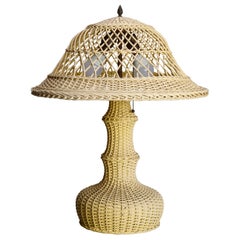
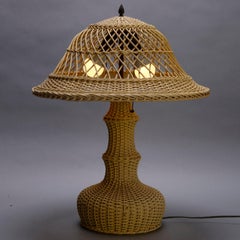
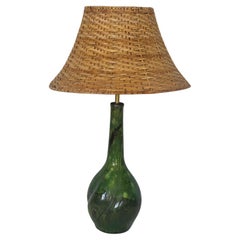
Early 20th Century American Arts and Crafts Table Lamps
Wicker, Rattan
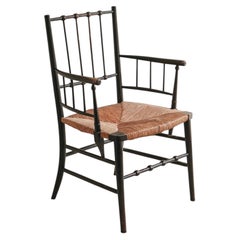
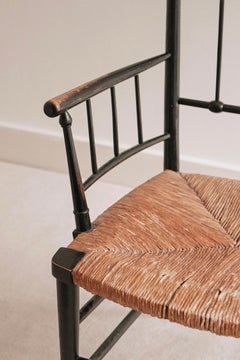
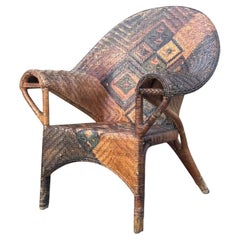
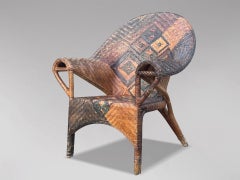
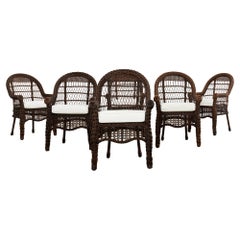
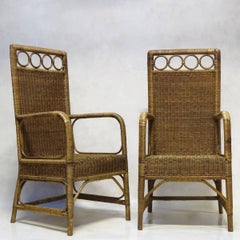
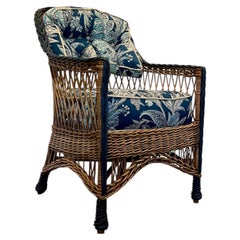
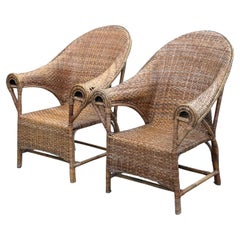
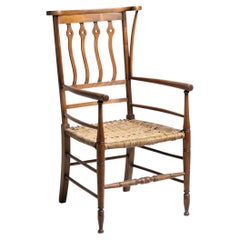
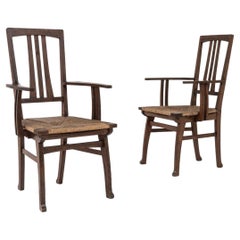
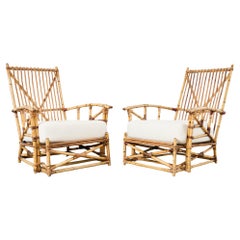
Early 20th Century English Arts and Crafts Armchairs
Wicker
20th Century Arts and Crafts End Tables
Wicker
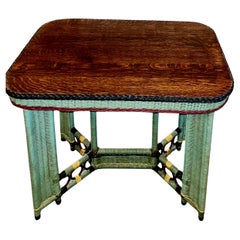
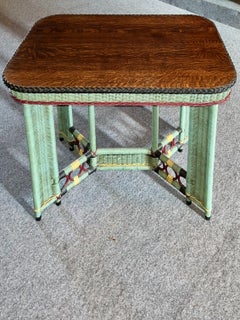
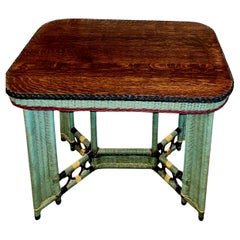
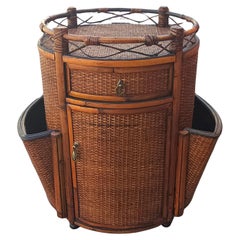
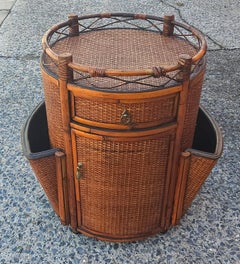
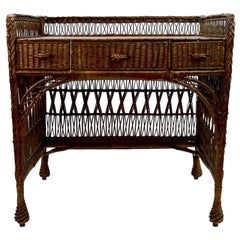
Vintage 1910s American Arts and Crafts Side Tables
Wicker, Rattan, Reed, Wood, Oak, Paint
Early 20th Century Unknown Arts and Crafts Table Lamps
Wicker
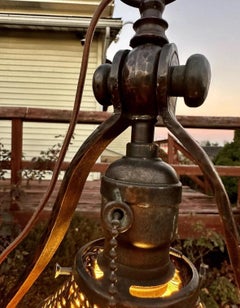
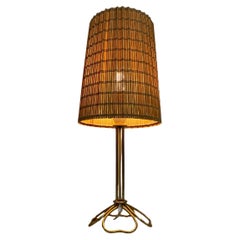
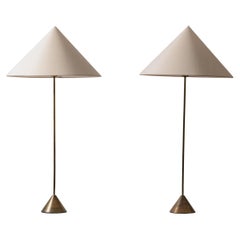
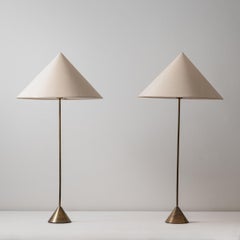
Early 20th Century American Arts and Crafts Table Lamps
Brass
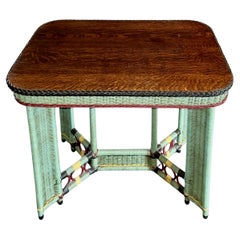
Vintage 1910s American Arts and Crafts End Tables
Wicker, Rattan, Reed, Wood, Oak, Paint
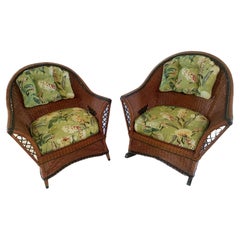
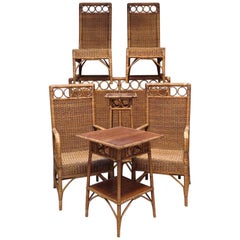
Early 20th Century American Arts and Crafts Living Room Sets
Wicker, Reed, Wood
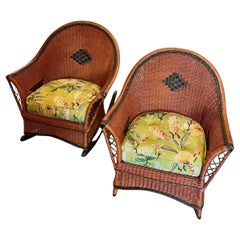
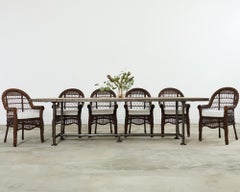
Vintage 1910s American Arts and Crafts Patio and Garden Furniture
Upholstery, Wicker, Reed, Wood
Vintage 1920s British Victorian Coffee and Cocktail Tables
Rattan
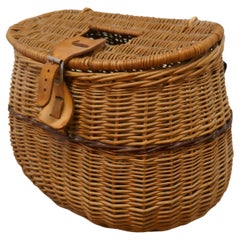
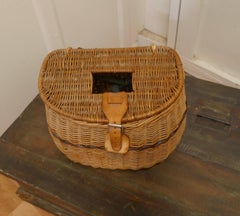
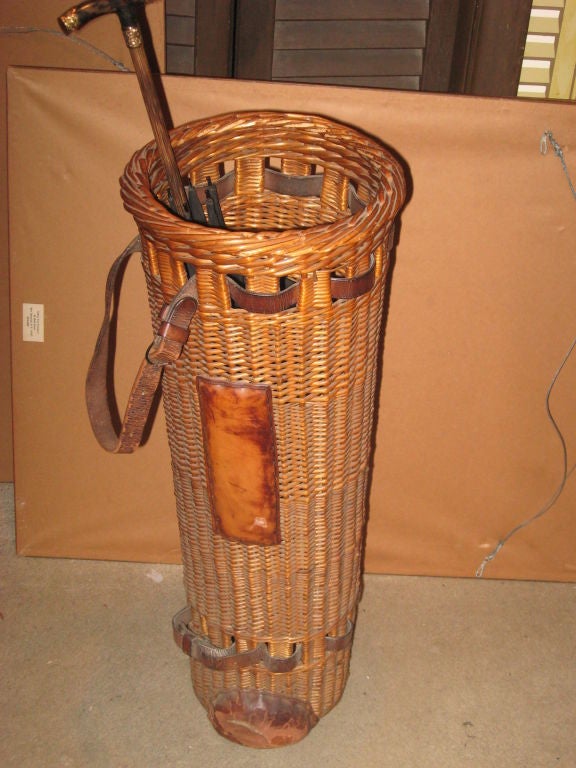
Early 20th Century Arts and Crafts Sports Equipment and Memorabilia
Wicker
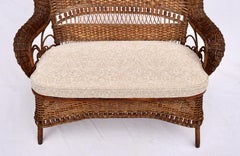
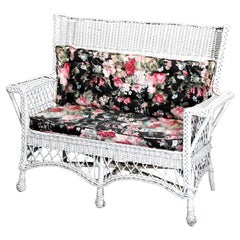
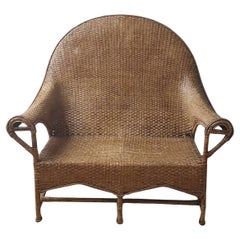
Early 20th Century American Arts and Crafts Loveseats
Brass
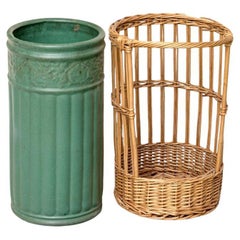
Antique 19th Century American Art Nouveau Planters and Jardinieres
Wicker, Oak
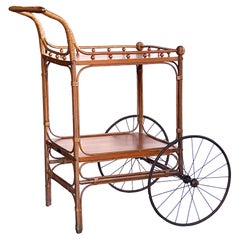
Mid-20th Century American Arts and Crafts Carts and Bar Carts
Wicker, Rattan
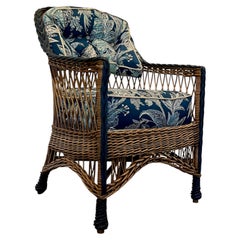
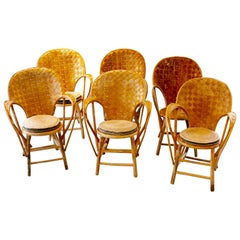
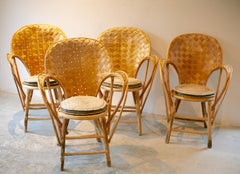
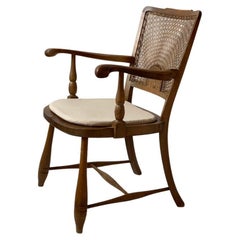
Early 20th Century English Arts and Crafts Chairs
Fabric, Wicker
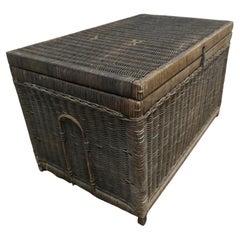
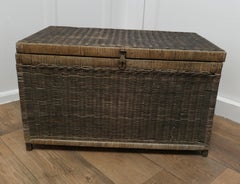
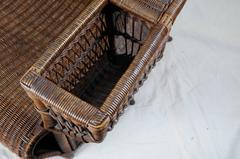
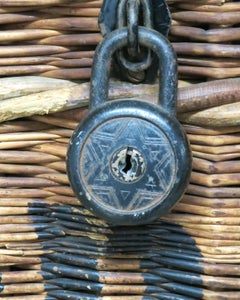
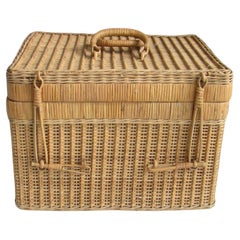
Antique Early 1900s Arts and Crafts Trunks and Luggage
Wicker
Vintage 1920s American Arts and Crafts Table Lamps
Wicker, Rattan
2010s Italian Arts and Crafts Canapes
Wicker
2010s Italian Arts and Crafts Armchairs
Wicker
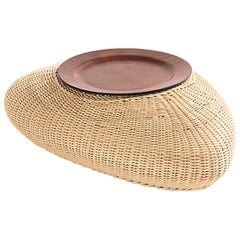
2010s Italian Arts and Crafts Centerpieces
Leather, Wicker
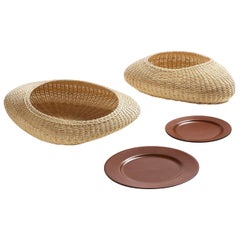
2010s Italian Arts and Crafts Centerpieces
Leather, Wicker
2010s Italian Arts and Crafts Armchairs
Fabric, Wicker
2010s Italian Arts and Crafts Ceramics
Ceramic, Wicker
21st Century and Contemporary Italian Arts and Crafts Armchairs
Velvet, Wicker
2010s Italian Arts and Crafts Centerpieces
Leather, Wicker
2010s Italian Arts and Crafts Canapes
Wicker
2010s Italian Arts and Crafts Canapes
Wicker
Mid-20th Century Unknown Arts and Crafts Cabinets
Bamboo, Wicker, Rattan
Mid-20th Century Danish Arts and Crafts Table Lamps
Wicker, Glass
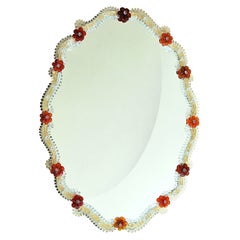
2010s Italian Arts and Crafts Wall Mirrors
Wicker, Mirror
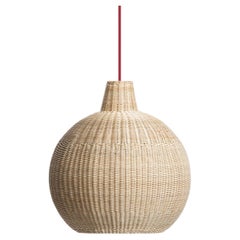
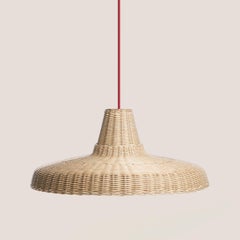
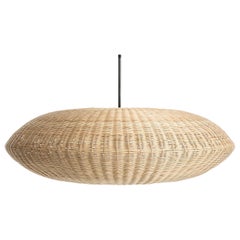
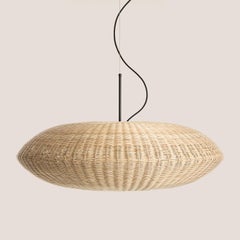
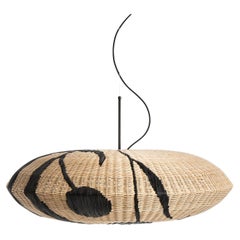
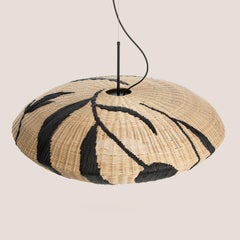
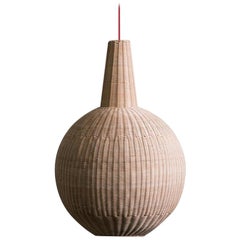
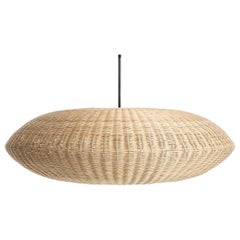
2010s Italian Arts and Crafts Chandeliers and Pendants
Wicker
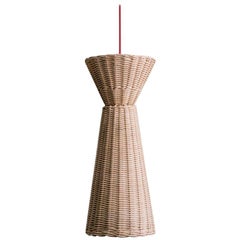
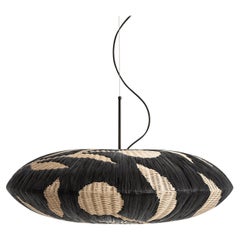
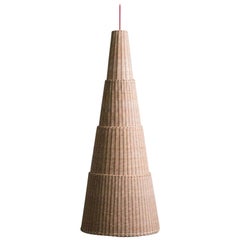
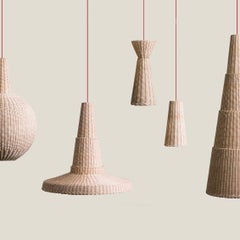
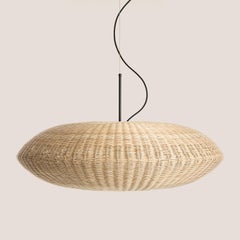
2010s Italian Arts and Crafts Chandeliers and Pendants
Wicker
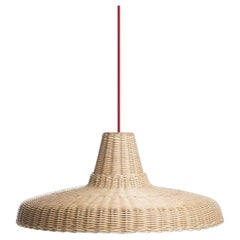
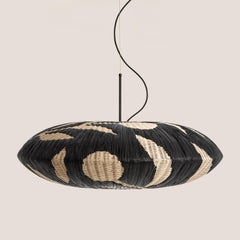
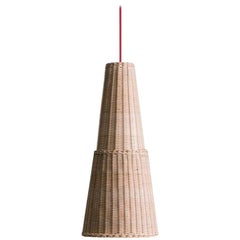
2010s Italian Arts and Crafts Chandeliers and Pendants
Wicker
2010s Italian Arts and Crafts Chandeliers and Pendants
Wicker
2010s Italian Arts and Crafts Chandeliers and Pendants
Wicker, Raffia
2010s Italian Arts and Crafts Chandeliers and Pendants
Wicker
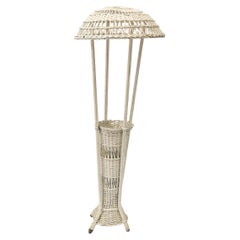
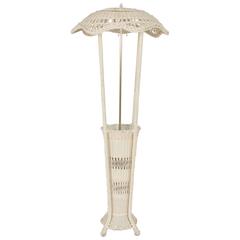
Early 20th Century American Arts and Crafts Floor Lamps
Wicker
2010s Italian Arts and Crafts Chandeliers and Pendants
Wicker
2010s Italian Arts and Crafts Chandeliers and Pendants
Wicker
2010s Italian Arts and Crafts Chandeliers and Pendants
Wicker
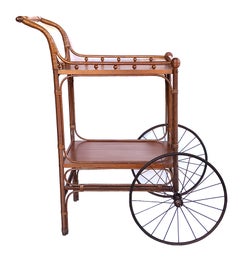
Vintage 1910s American Arts and Crafts Carts and Bar Carts
Wicker
2010s Italian Arts and Crafts Chandeliers and Pendants
Wicker
2010s Italian Arts and Crafts Chandeliers and Pendants
Wicker, Raffia
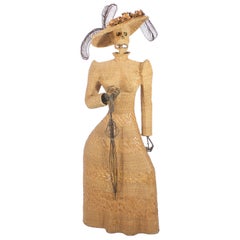
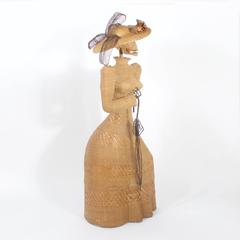
20th Century Mexican Arts and Crafts Figurative Sculptures
Reed
21st Century and Contemporary Arts and Crafts Patio and Garden Furniture
Fabric, Resin
Mid-20th Century Danish Arts and Crafts Table Lamps
Ceramic, Wicker
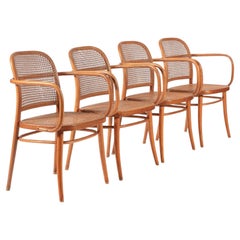
Vintage 1960s Austrian Arts and Crafts Dining Room Chairs
Cane, Beech, Bentwood
Early 20th Century French Arts and Crafts Patio and Garden Furniture
Wicker
Antique Early 1900s American Arts and Crafts Floor Lamps
Oak, Wicker
2010s Italian Arts and Crafts Chandeliers and Pendants
Wicker
2010s European Arts and Crafts Vases
Metal
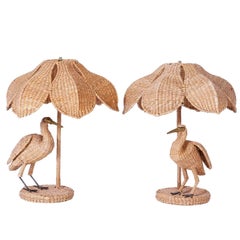
Early 20th Century American Arts and Crafts Table Lamps
Copper
Mid-20th Century Danish Arts and Crafts Table Lamps
Ceramic, Wicker
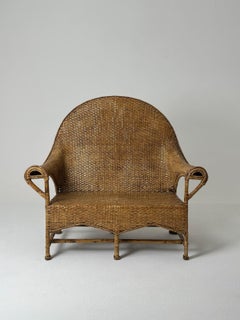
Antique 1890s Unknown Arts and Crafts Loveseats
Fabric, Wicker
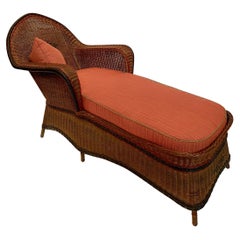
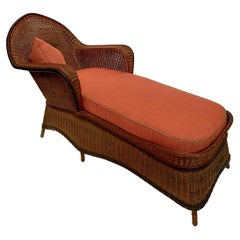
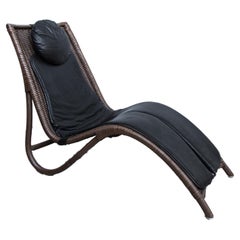
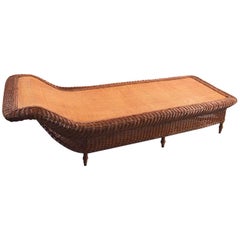
Early 20th Century English Arts and Crafts Chaise Longues
Wood
- 1
Arts Crafts Wicker For Sale on 1stDibs
How Much is a Arts Crafts Wicker?
A Close Look at Arts And Crafts Furniture
Emerging in reaction to industrialization and mass production, the Arts and Crafts movement celebrated handcrafted design as a part of daily life. The history of Arts and Crafts furniture has roots in 1860s England with an emphasis on natural motifs and simple flourishes like mosaics and carvings. This work is characterized by plain construction that showcases the hand of the artisan.
The earliest American Arts and Crafts furniture dates back to the start of the 20th century. Designers working in this style in the United States initially looked to ideas put forth by The Craftsman, a magazine published by Wisconsin native Gustav Stickley, a furniture maker and founder of the Craftsman style. Stickley’s furniture was practical and largely free of ornament. His Craftsman style drew on French Art Nouveau as well as the work he encountered on his travels in England. There, the leading designers of the Arts and Crafts movement included William Morris, who revived historical techniques such as embroidery and printed fabrics in his furnishings, and Charles Voysey, whose minimal approach was in contrast to the ornamentation favored in the Victorian era.
American Arts and Crafts work would come to involve a range of influences unified by an elevation of traditional craftsmanship. The furniture was often built from sturdy woods like oak and mahogany while featuring details such as inlaid metal, tooled leather and ceramic tiles. The style in the United States was led by Stickley, whose clean-lined chairs and benches showcased the grain of the wood, and furniture maker Charles Rohlfs, who was informed by international influences like East Asian and French Art Nouveau design.
Hubs in America included several utopian communities such as Rose Valley in Pennsylvania and the Byrdcliffe Arts and Crafts Colony in New York, where craftspeople made furniture that prioritized function over any decoration. Their work would influence designers and architects including Frank Lloyd Wright, who built some of the most elegant and iconic structures in the United States and likewise embraced a thoughtful use of materials in his furniture.
Find antique Arts and Crafts chairs, tables, cabinets and other authentic period furniture on 1stDibs.
- 1stDibs ExpertAugust 15, 2019
The Arts and Crafts Movement was an era of design that originated in England during the last quarter of the 19th century. The movement celebrated traditional craftsmanship by way of simple forms and the use of romantic, medieval or folk styles of decoration.
- 1stDibs ExpertNovember 4, 2024To identify Arts and Crafts furniture, first see if you can locate a maker's mark on your piece. By researching any marks using trusted online resources, you can determine who produced your piece and find out if the maker was linked with the Arts and Crafts movement. Some notable makers associated with the style include William Morris and Philip Webb. If you can't find a maker's mark, examine the details of your piece. The Arts and Crafts movement began as a reaction to mass production, highlighting craftsmanship, raw materials and simple design. Due to its handcrafted origins, Arts and Crafts furniture often displays tool marks and slight variations in carvings and details. Pieces so regular that they seem machine-made are less likely to be Arts and Crafts furniture. Other common characteristics of Arts and Crafts pieces include inlaid and carved details and natural wood materials with visible grains. Chairs often feature reclining or angled backs and armrests. If you'd like assistance determining whether a particular piece is Arts and Crafts, consider consulting a certified appraiser or experienced antique dealer. On 1stDibs, explore a range of Arts and Crafts furniture.
- 1stDibs ExpertAugust 15, 2024To identify Arts and Crafts furniture, look for characteristics that are hallmarks of the style. The Arts and Crafts movement began as a reaction to mass production, highlighting craftsmanship, raw materials and simple design. Makers working in this style placed an emphasis on natural motifs and adorned their pieces with simple flourishes like mosaics and carvings. This work is characterized by plain construction that showcases the hand of the artisan. Arts and Crafts furniture was often built from sturdy woods like oak and mahogany while featuring details such as inlaid metal, tooled leather and ceramic tiles. The style in the United States was led by Gustav Stickley, whose clean-lined chairs and benches showcased the grain of the wood, and furniture maker Charles Rohlfs, who was informed by international influences like East Asian and French Art Nouveau design. If you need help identifying the style of your furniture, a certified appraiser or knowledgeable antique dealer can be of assistance. Find a diverse assortment of Arts and Crafts furniture on 1stDibs.