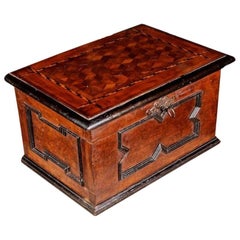
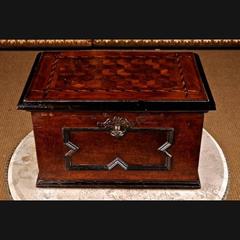
18th Century Baroque Casket
Located in Berlin, DE
Original Baroque casket, circa 1720. Dices on softwood. Wrought iron hinges and box locks. (V
Category
Antique 18th Century German Baroque Cabinets
Materials
Softwood
18th Century Baroque Casket
Located in Berlin, DE
Original Baroque casket, circa 1720. Dices on softwood. Wrought iron hinges and box locks. (V
Softwood
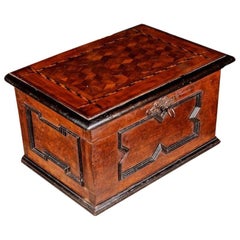
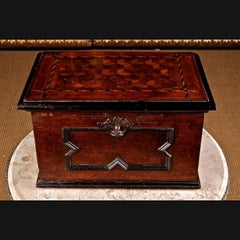
18th Century Baroque Casket
Located in Berlin, DE
Original Baroque casket, circa 1720. Dices on softwood. Wrought iron hinges and box locks. (V
Softwood
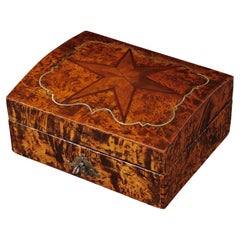
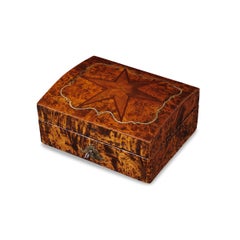
Baroque Casket, around 1760, birch burl and walnut
Located in Münster, DE
Casket Baroque, around 1760, birch burl and walnut, round lid with folding star inlay and pewter
Nutwood, Birch
$1,843
H 10.63 in W 20.48 in D 13.39 in
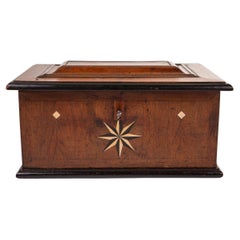
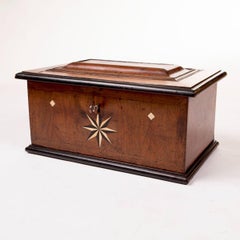
Casket with Inlays. Baroque Early 18th Ctr. Walnut and Ebonised Oak
Located in Kastrup, DK
Elegant Baroque casket crafted in oak, richly veneered with hand-cut walnut and finished with
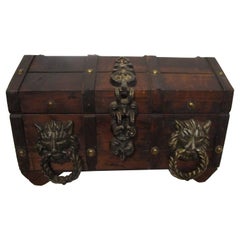
Iron
$1,164Sale Price|20% Off
H 9.5 in W 10 in D 9.5 in
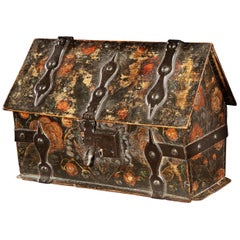
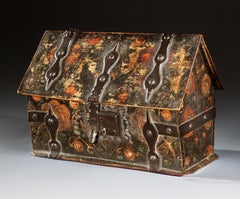
18th Century or Earlier Brass - Iron Bound Continental Lockbox
Located in Lomita, CA
produced in the 18th century or earlier. The baroque casket is of rectangular section with hinged lid
Brass
$9,564
H 7.49 in W 10.24 in D 5.91 in
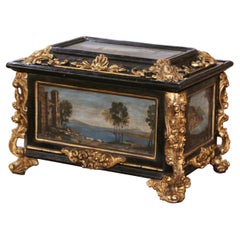
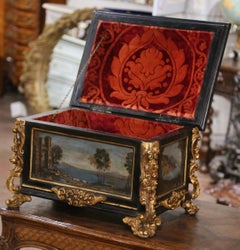
Casket, German, Baroque, painted, Vivien Leigh, Laurence Olivier, Notley Priory
Located in BUNGAY, SUFFOLK
This charming and unusual casket injects a romantic atmosphere into any interior. It has survived
Oak
$3,550
H 15 in W 22 in D 16 in
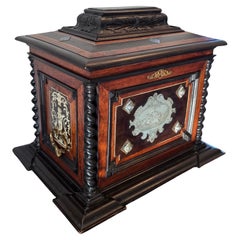
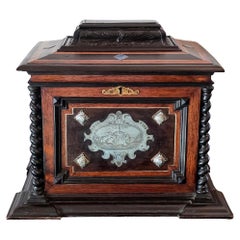
19th Century Italian Baroque Parcel Gilt and Hand Painted Table Box Casket
Located in Dallas, TX
Decorate a coffee table or a shelf with this elegant and colorful casket. Crafted in Italy circa
Oak
$3,995
H 17 in W 19.5 in D 17 in
18th Century Baroque Period Italian German Guild Chest Cabinet Jewelry Casket
By Ferdinando Pogliani
Located in Forney, TX
bone ivory marquetry tabletop cabinet casket. Of exceptionally fine quality, lavishly decorated, large
Lapis Lazuli, Metal, Brass, Bronze, Ormolu, Pewter
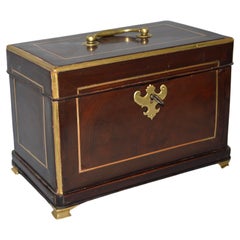
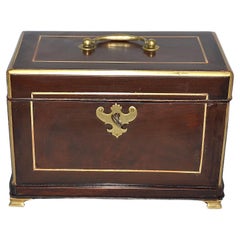
Abraham Röntgen's casket (1711–1793)
Located in Berlin, DE
the magnificent ‘Neuwieder Kabinett’ now in the Kunstgewerbemuseum in Berlin. Small caskets, boxes
Rosewood
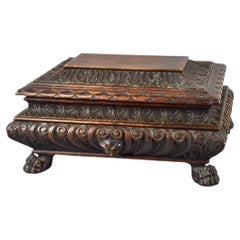
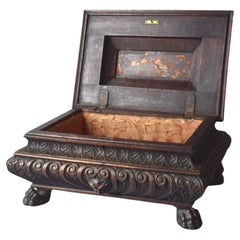
Italian Wood Carved Casket Box
Located in Bradenton, FL
19th century Italian wooden carved casket box in the baroque style. Features gothic faces and lions
Wood
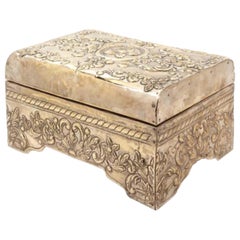
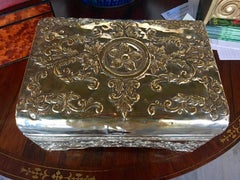
Silver-Clad Table Casket with Golden Patina
Located in Buchanan, MI
A silver-clad table casket the domed hinge top centered with a paterae among foliate scrolls
Silver Plate
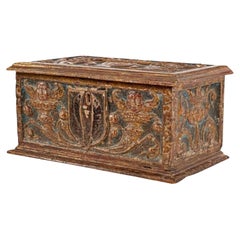
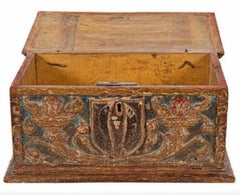
Spanish Renaissance Casket of the 16th Century
Located in Madrid, ES
Spanish Renaissance casket, 16th century In carved, polychrome and gilded wood decorated with a
Wood

$8,198
H 7.09 in W 11.82 in D 7.68 in
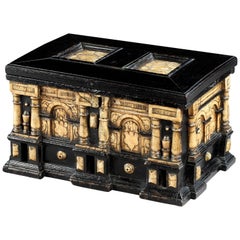
Casket, Box, Cabinet, Architectural, Ebonized, Alabaster, Secretdrawers, Malines
Located in BUNGAY, SUFFOLK
An early 17th century, Flemish, Malines, ebonized and alabaster cabinet with removable sliding sides revealing secret drawers 12” long. The ebonized top with two carved alabaster ...
Alabaster
$1,339
H 7.88 in W 9.06 in D 6.7 in
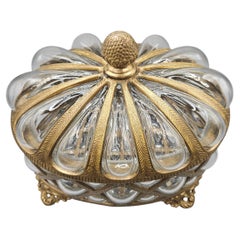
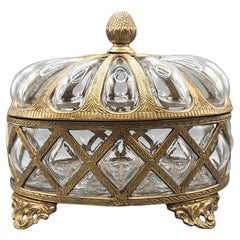
Large Hand Blown Glass Bubbles & Bronze Cage Casket / Apothecary Box, c. 1980
Located in London, GB
A large and substantial vintage hand blown glass and bronze caged casket, apothecary box or
Bronze
$12,980
H 2.76 in W 3.08 in D 1.58 in
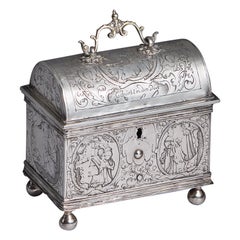
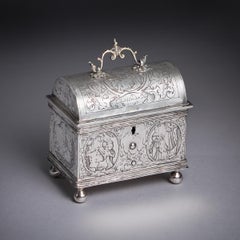
Mid 17th Century Dutch Engraved Silver Wedding Casket or knottekist, Circa 1660
Located in Oxfordshire, United Kingdom
A museum-grade mid-17th century Dutch silver marriage casket or knottekistje, circa 1660. Raised
Silver
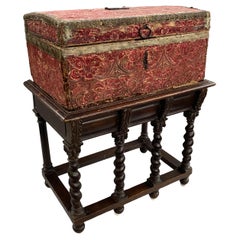
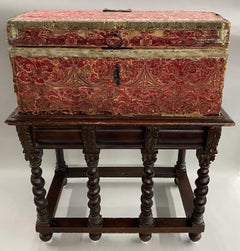
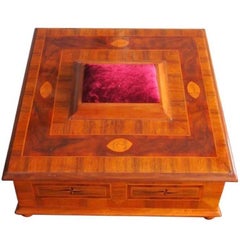
Early 17th Century Italian Red Silk Casket or Box on Stand
Located in Milford, NH
A fine example of an early 17th century Italian wooden casket or box, possibly pine, with slightly
Wrought Iron
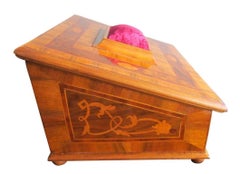
Unavailable
H 5.91 in W 11.62 in D 10.44 in
Handmade Baroque Casket from circa 2000 Original Materials
Located in Senden, NRW
This charming Baroque casket has been made out of old veneer and was handcrafted in 2000 by a
Brass
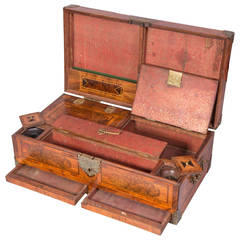
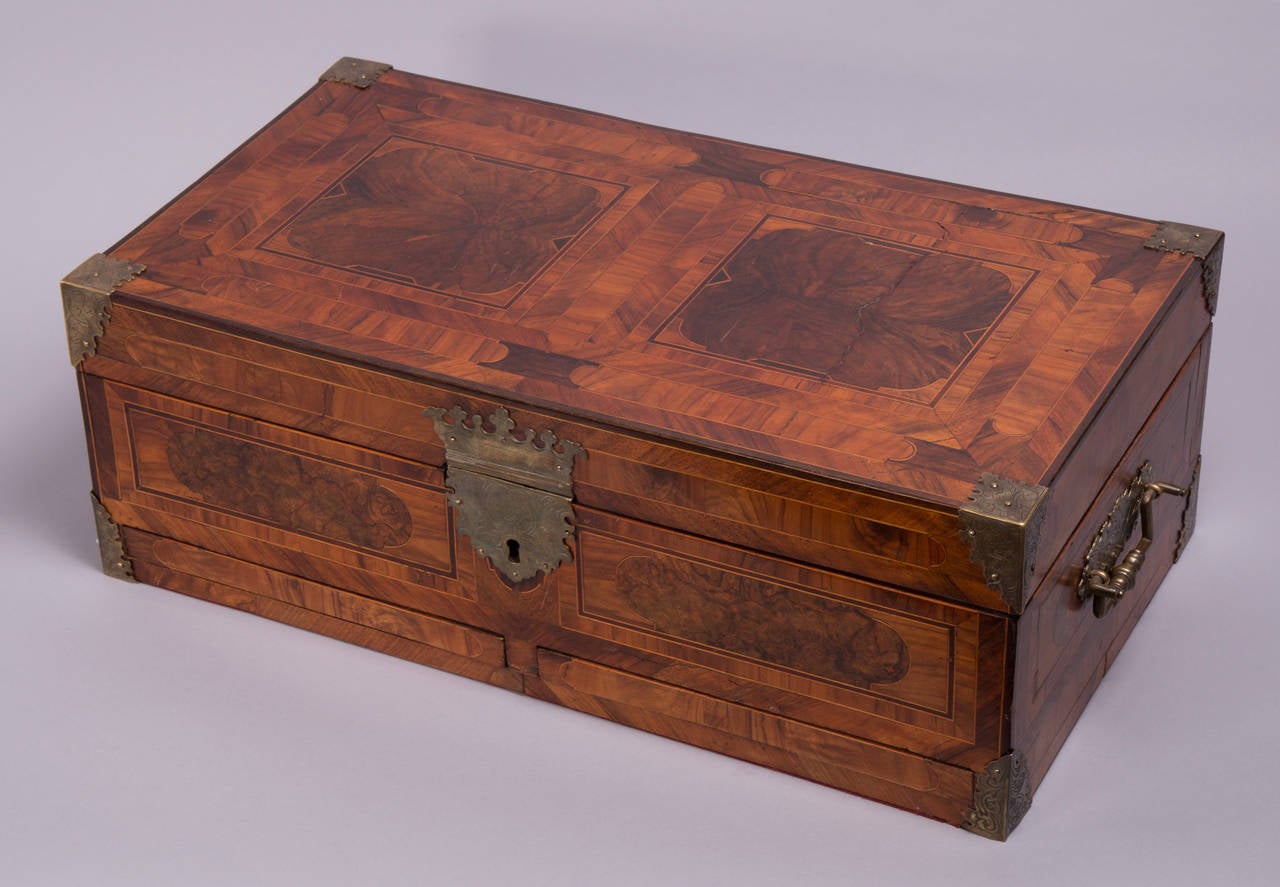
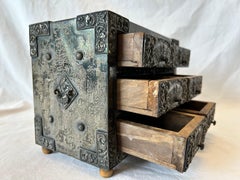
Fine Baroque Writing Casket
Located in Vienna, AT
Probably Augsburg, circa 1740. Nut wood and other native hardwoods and fruitwoods. Longitudinal rectangular box with hinged lid, on all sides geometric marquetry. Interior with num...
Nutwood
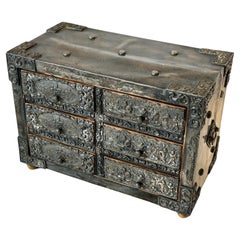
Unavailable
H 6.75 in W 9.25 in D 5 in
Antique Spanish Embossed Silver Baroque Style Six Drawer Casket Siege of Toledo
Located in Atlanta, GA
An antique, circa early 20th Century, Baroque style embossed silver clad six drawer wood casket
Silver
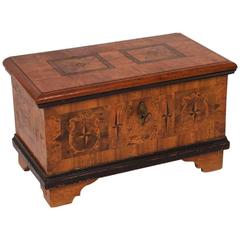
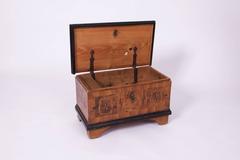
17th Century Casket with Hidden Compartments
Located in Malmo, SE
17th century casket with hidden compartments. Walnut with inlay. Probably Sweden/Northern, Europe.
Walnut
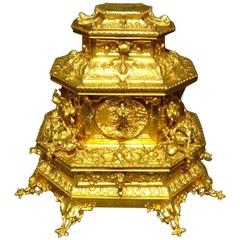
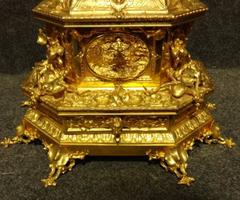
Outstanding French Gilt Bronze Table Jewellery Casket C.1850
Located in Applyby Magna, Staffordshire
A very impressive 19th century gilt bronze table or jewelry casket, with canted corners, the pagoda
Bronze
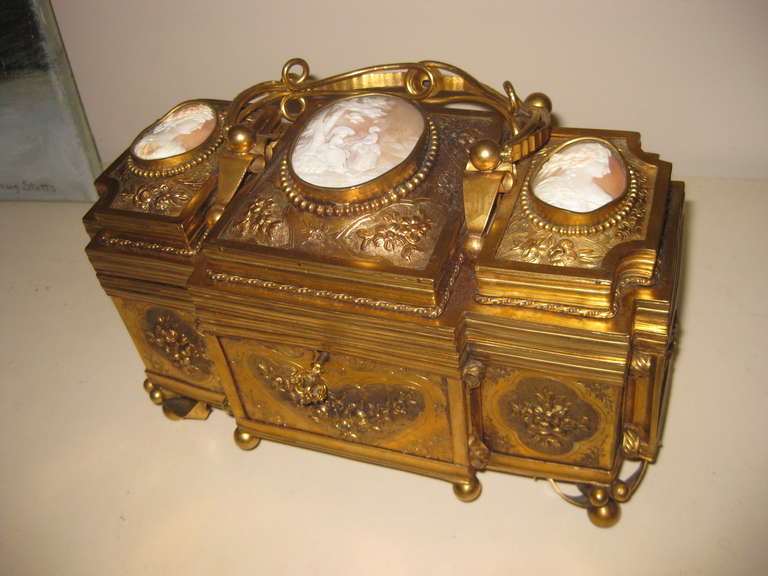
19th Century Cameo Shell Palais Royal Casket Box
Located in Santa Rosa, CA
Amazing beautiful antique gilt brass and bronze jewel casket with handle and lined interior. The
Brass
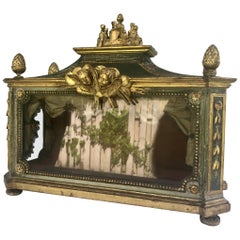
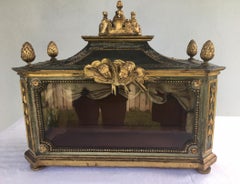
Important Early 18th Century Italian Baroque Reliquary Casket
Located in Vero Beach, FL
Important early 18th century Italian baroque reliquary casket This large casket is one of only a
Wood
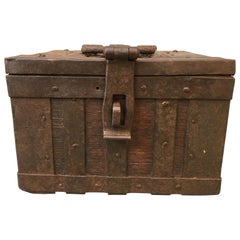
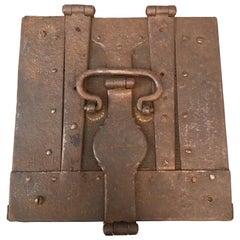
Square Belgium 18th Century Baroque Oak And Iron Casket
Located in Haddonfield, NJ
Square Belgium 18th century Baroque oak and iron casket.
Brass, Iron
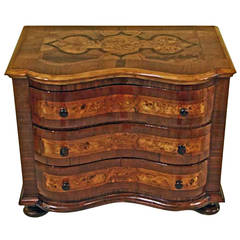
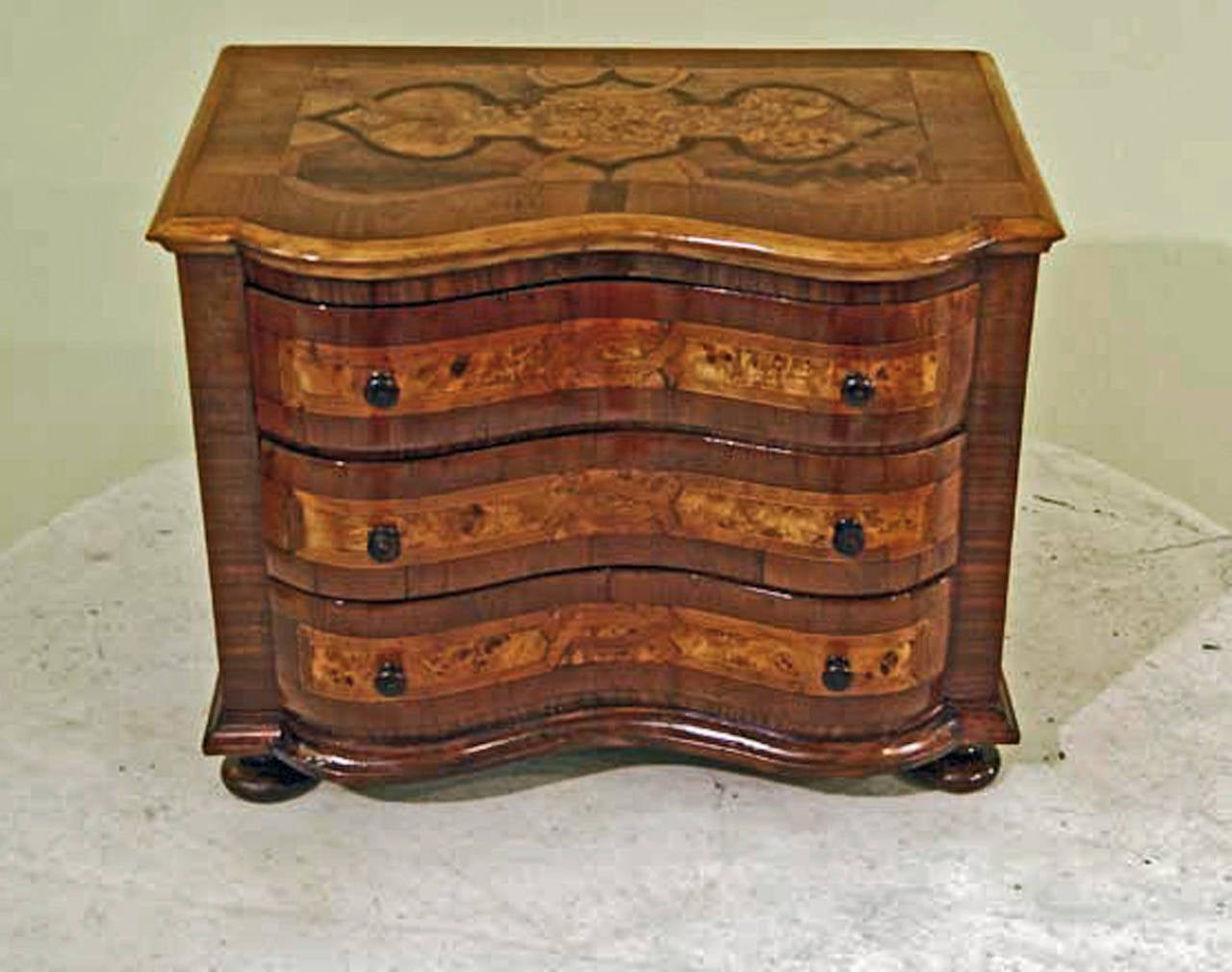
Baroque Chest Of Drawers En Miniature Casket 18th Century C. 1770
Located in Vienna, AT
Baroque Chest of Drawers en miniature of period around 1770 RARITY ! softwood & precious wood
Wood
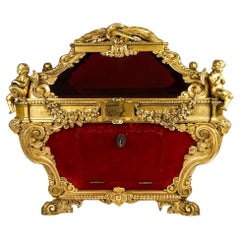
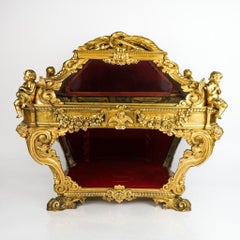
19th Century Italian Ormolu Bronze Glazed Reliquary Casket
Located in New York, NY
Our magnificent Italian gilt bronze reliquary casket from the Baroque Revival period, decorated
Bronze
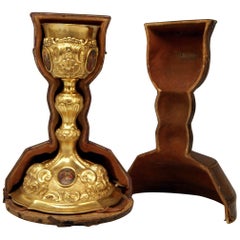
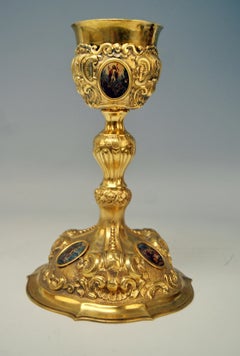
Viennese Silver Chalice Gilded in Original Casket, 1864
By Viennese Manufactory
Located in Vienna, AT
Viennese silver chalice gilded in original casket, 1864 Stunningly elaborated chalice in neo
Sterling Silver
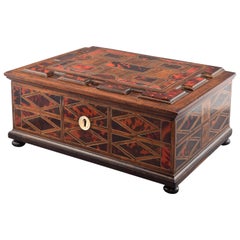
Casket, Tortoiseshell, Wood, Metal, Italy, 17th Century
Located in Madrid, ES
Rectangular casket with a flat lid that stands on small disc-shaped legs and has a simple lock
Metal
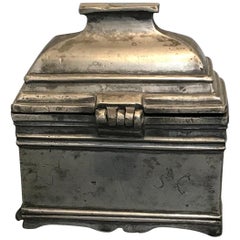
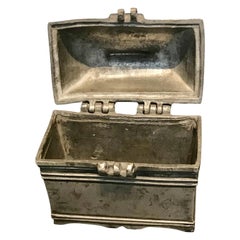
Small Danish 18th Century Pewter Jewelry Box or Casket
Located in Haddonfield, NJ
Small Danish 18th century Pewter jewelry box or casket.
Pewter
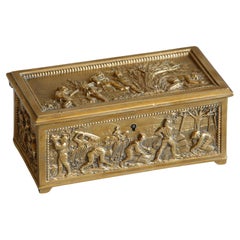
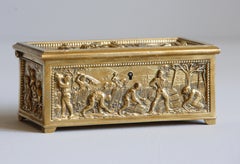
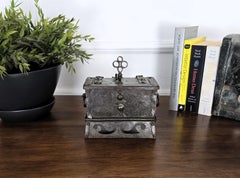
Jewelry Box Casket Chest Brass Finely Cast circa 1910
By Erhard & Söhne
Located in Cheltenham, GB
Jewelry Box Casket Chest Brass Finely Cast A finely cast solid brass box with stylized
Brass
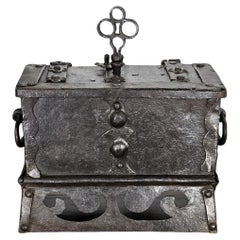
Sold
H 5.12 in W 6.7 in D 3.94 in
17th Century Wrought Iron Nuremberg Antique Miniature Strongbox Casket
Located in Carimate, Como
European miniature strongbox, dated circa 1600-1700. This little special piece has a beautiful metal color with patina of time and amazingly rich decorations, characterized especiall...
Iron
Sold
H 21 in W 75 in D 11 in
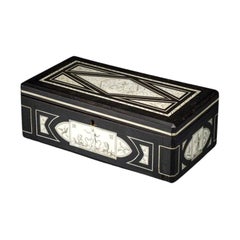
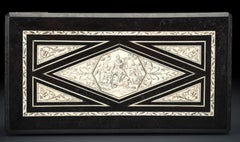
M. Zuccarelli, Via Lauren 24 Roma An Italian Ivory and Ebonized Wood Casket
Located in Madrid, ES
An Italian Ivory and Ebonized Wood Casket 19th Measures: 75 x 21 x 11 cm In the manner of
Ivory, Wood
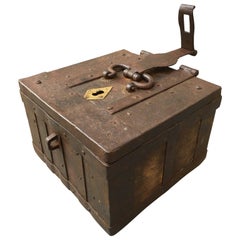

18th Century Baroque Square Belgian Oak and Iron Casket
Located in Haddonfield, NJ
Square Belgium 18th century Baroque oak and iron casket.
Brass, Iron
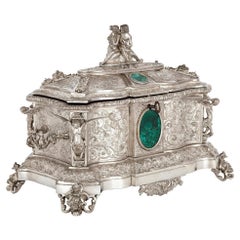

French Antique Malachite and Silvered Bronze Casket
Located in London, GB
French antique malachite and silvered bronze casket French, 19th century Measures: Height 25cm
Malachite, Bronze
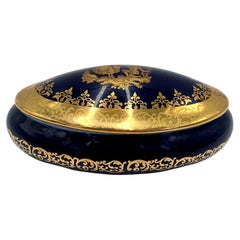
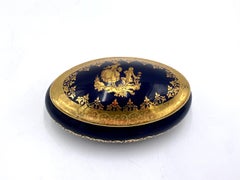
Porcelain Cobalt Blue Casket with Genre Scene, Limoges France
By Limoges
Located in Chorzów, PL
A cobalt porcelain box with a gilded genre scene Very good condition, no damage. Casket
Porcelain
Sold
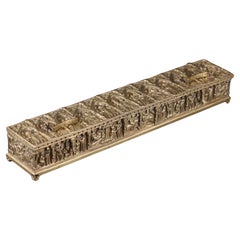
H 3.55 in W 25.2 in D 4.73 in
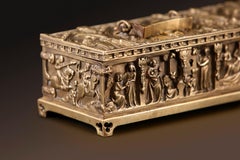
Gothic Revival Religious Ecclesiastical Bronze Chest Casket Jewelry Box
By Erhard & Söhne
Located in Cheltenham, GB
Gothic revival religious ecclesiastical bronze chest casket / jewelry box circa 1910 A finely cast
Brass, Bronze

Sold
H 6.13 in W 10 in D 5.63 in
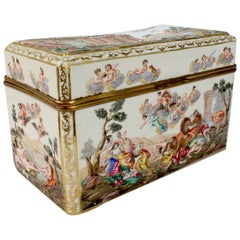
Large Antique Capodimonte Porcelain Meissen Style Porcelain Casket or Table Box
By Capodimonte
Located in Philadelphia, PA
A very fine large, antique Capodimonte porcelain casket or table box. In the Meissen style with
Porcelain
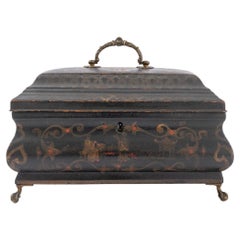
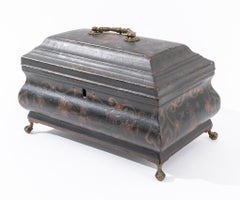
Baroque Style Japanned Tea Caddy, Late 19th Century
Located in Astoria, NY
Baroque style brass-mounted Japanned casket, late 19th century, with domed and molded top with
Brass
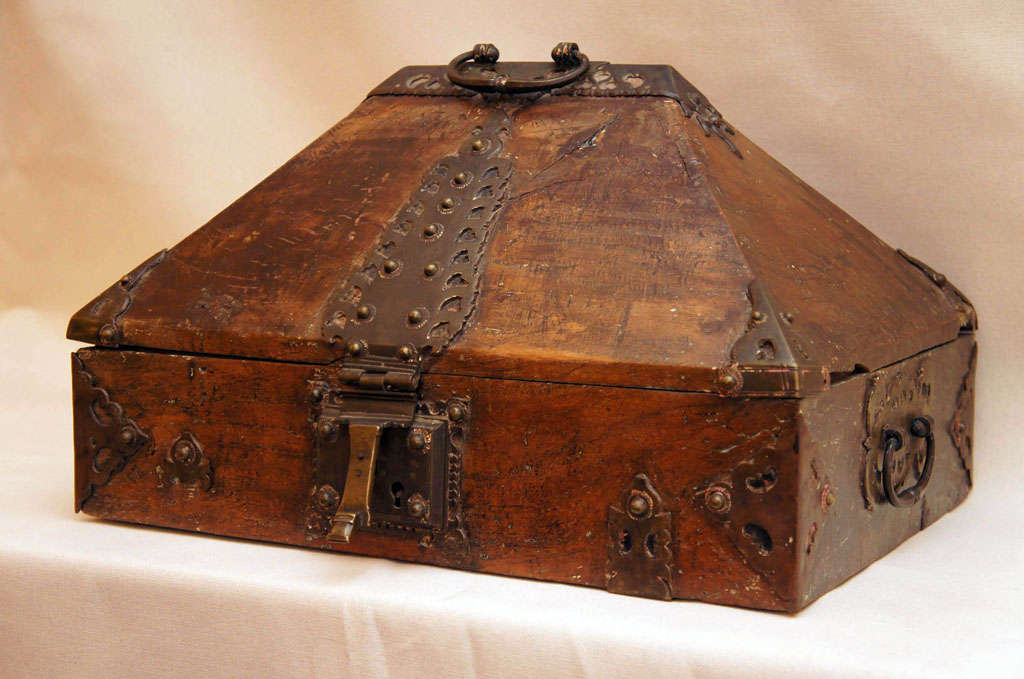
Portuguese Baroque Style patinated Brass mounter Walnut Casket
Located in Hudson, NY
A burled Walnut Casket with natural patinated brass mounts, with two compartments inside, One is
Brass
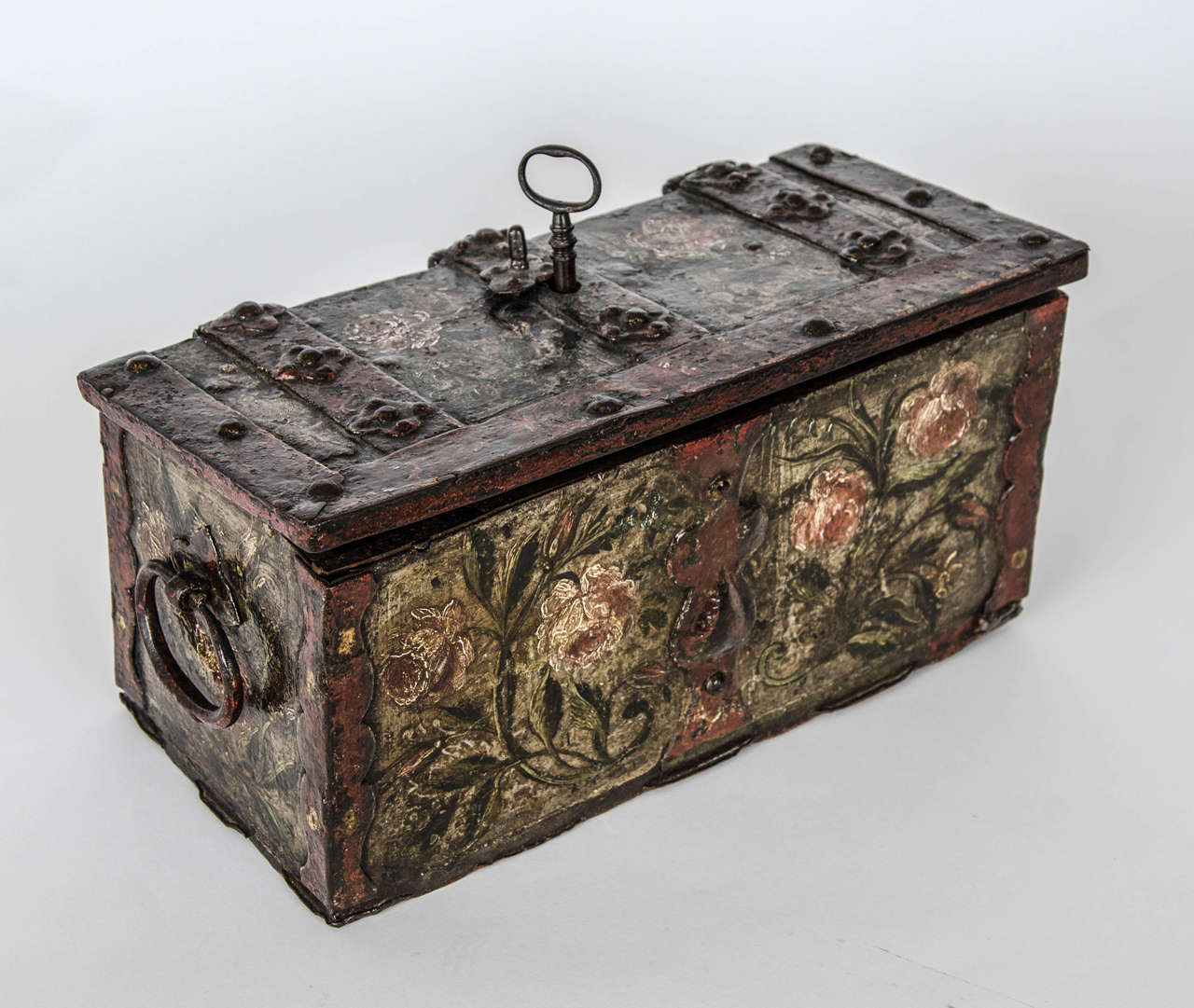
North European Small Painted Dowry Casket
Located in London, GB
A German early 18th century painted dowry casket with intricate lock mechanism.
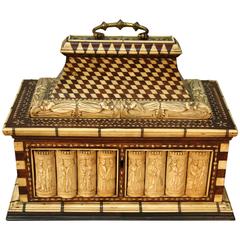

Antique Italian Casket Jewel Box
Located in Bridport, CT
Large Italian bone carved and inlaid casket featured on the cover of Elle Decor, September, 2016. A
Bronze
The decadence of the Baroque style, in which ornate furnishings were layered against paneled walls, painted ceilings, stately chandeliers and, above all, gilding, expressed the power of the church and monarchy through design that celebrated excess. And its influence was omnipresent — antique Baroque furniture was created in the first design style that truly had a global impact.
Theatrical and lavish, Baroque was prevalent across Europe from the 17th to mid-18th century and spread around the world through colonialism, including in Asia, Africa and the Americas. While Baroque originated in Italy and achieved some of its most fantastic forms in the late-period Roman Baroque, it was adapted to meet the tastes and materials in each region. French Baroque furniture informed Louis XIV style and added drama to Versailles. In Spain, the Baroque movement influenced the elaborate Churrigueresque style in which architecture was dripping with ornamental details. In South German Baroque, furniture was made with bold geometric patterns.
Compared to Renaissance furniture, which was more subdued in its proportions, Baroque furniture was extravagant in all aspects, from its shape to its materials.
Allegorical and mythical figures were often sculpted in the wood, along with motifs like scrolling floral forms and acanthus leaves that gave the impression of tangles of dense foliage. Novel techniques and materials such as marquetry, gesso and lacquer — which were used with exotic woods and were employed by cabinetmakers such as André-Charles Boulle, Gerrit Jensen and James Moore — reflected the growth of international trade. Baroque furniture characteristics include a range of decorative elements — a single furnishing could feature everything from carved gilded wood to gilt bronze, lending chairs, mirrors, console tables and other pieces a sense of motion.
Find a collection of authentic antique Baroque tables, lighting, decorative objects and other furniture on 1stDibs.
From mere trinkets to useful receptacles that serve a distinct purpose, antique boxes as decorative objects have come in many forms over the years. No matter what they’re made of or where they end up in your home, decorative boxes add both style and storage to your space.
The decorative box that is likely most common is the jewelry box. These boxes were originally known as jewel caskets and were in common use in Ancient Egypt, as most Egyptians wore some sort of jewelry. A portable jewelry box, in its original intended use, was integral to keeping your jewelry safe and secure. This accessory has transformed in size, shape and appearance over the years. Initially it was common for a jewelry box to bear intricate ornamentation. Whether they’re mid-century modern works of marble and brass or feature playful Art Deco–style geometric decor, jewelry boxes boast real staying power.
Snuff boxes began to soar in popularity during the 17th century (and were commonplace in European homes by the mid-19th century). The boxes, some hand-painted with landscape scenes, some made from gold, porcelain or stone, contained a small amount of tobacco, which users would sniff, or “snuff,” throughout the day. Some particularly ornamental snuff boxes featured enameled designs or were set with precious gems and were given as gifts or party favors, particularly at the coronation of royalty or other lavish events.
Whether you’re organizing important mail in the foyer or tucking away medications in your bathroom, antique boxes — be they metal tea caddies, sterling-silver decorative boxes or Victorian cigar boxes made of oak (even if you don’t smoke) — are a sophisticated solution to help keep the surfaces in your home clutter-free. And no matter if you’re seeking a decorative box to beautify a desktop or bestow upon a loved one, you are sure to find something you love in the collection of antique and vintage boxes on 1stDibs.