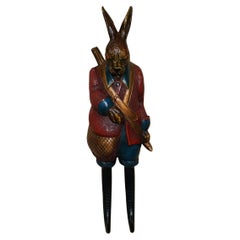
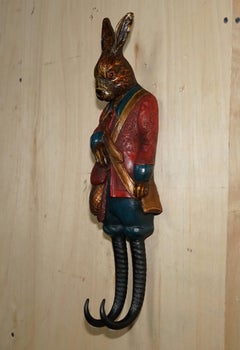
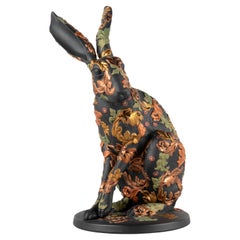
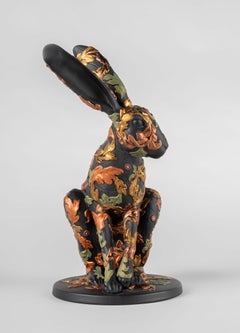
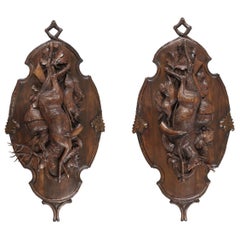
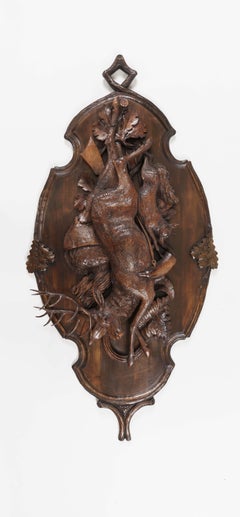
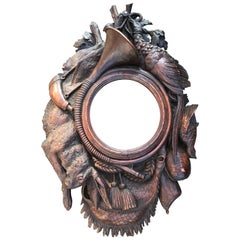
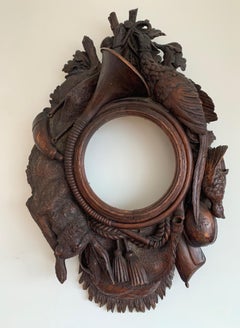
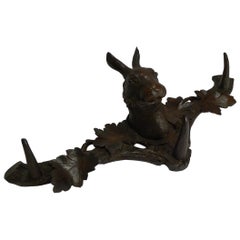
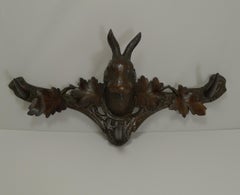
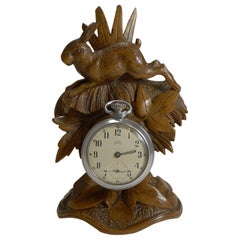
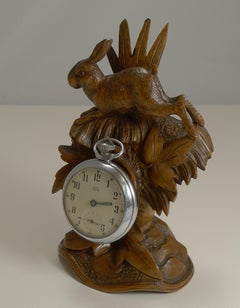
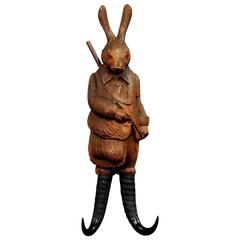
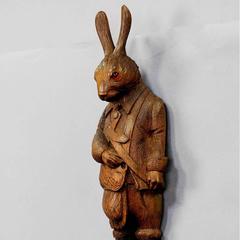
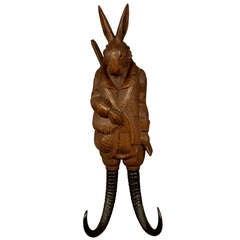
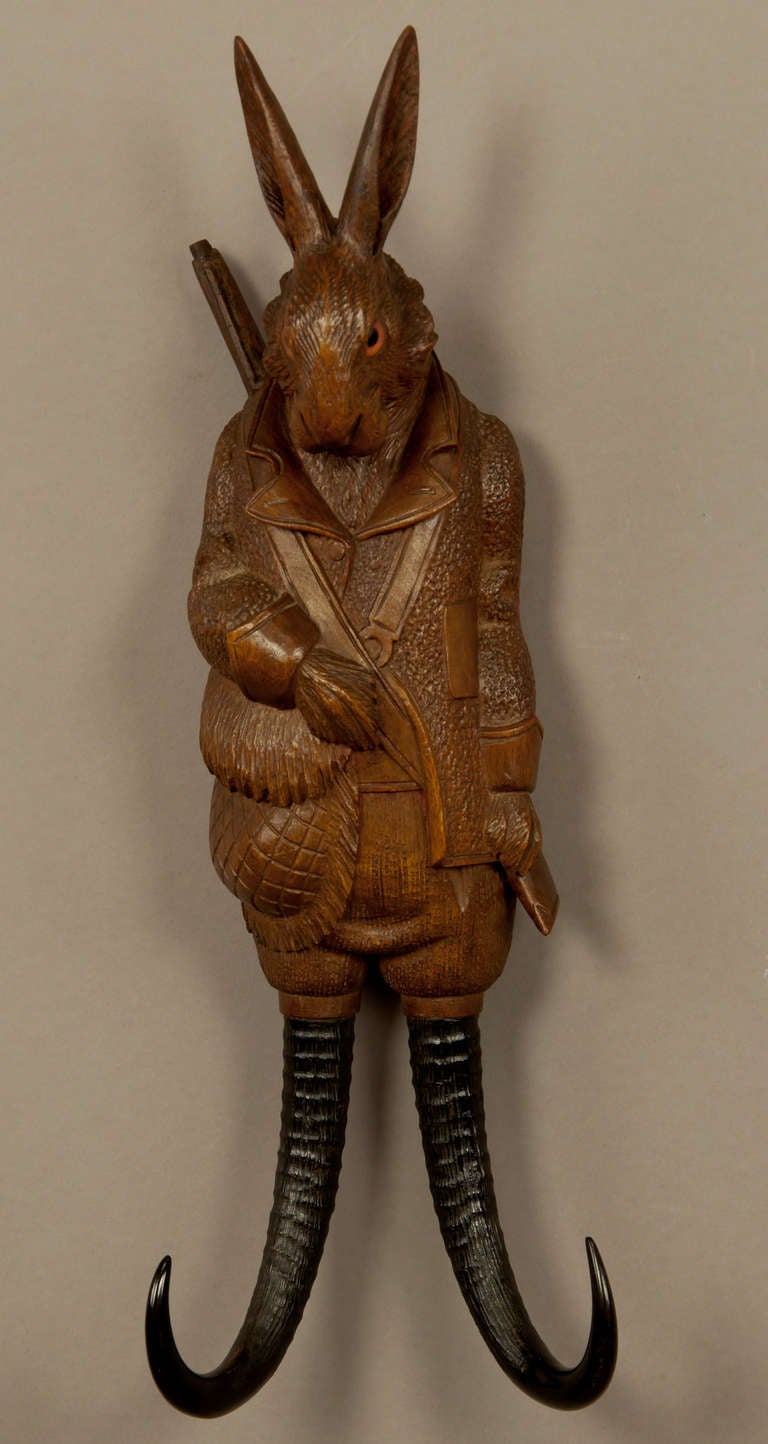
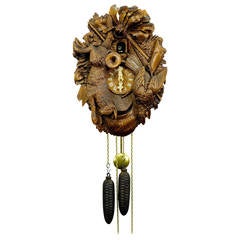
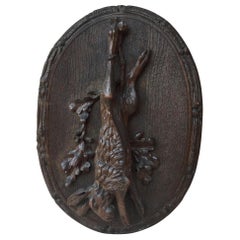
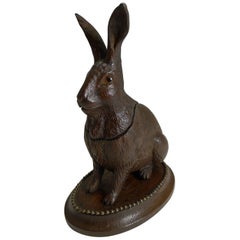
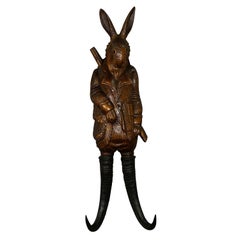
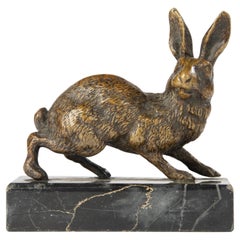
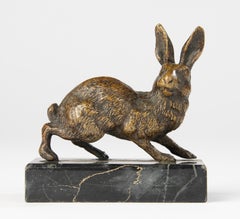
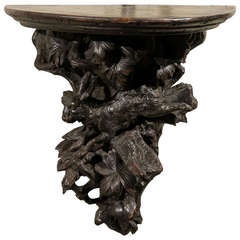
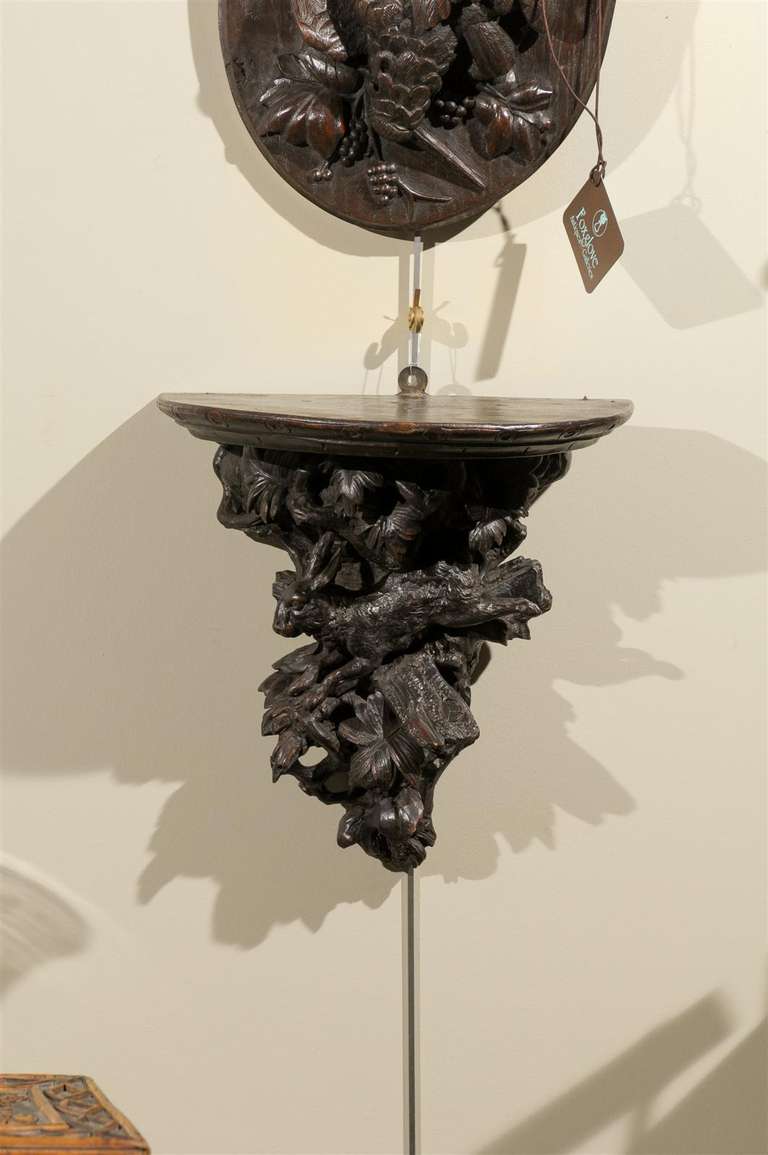
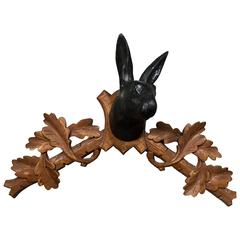
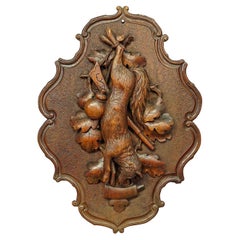
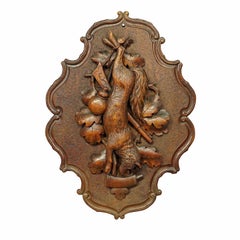
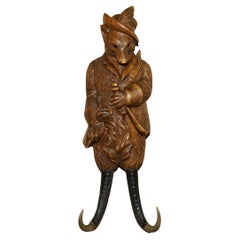
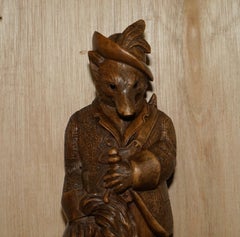
At 1stDibs, there are many versions of the ideal black forest hare for your home. A black forest hare — often made from
wood and
oak — can elevate any home. There are many kinds of the black forest hare you’re looking for, from those produced as long ago as the 19th Century to those made as recently as the 20th Century. A black forest hare is a generally popular piece of furniture, but those created in styles are sought with frequency.
A black forest hare can differ in price owing to various characteristics — the average selling price 1stDibs is $1,403, while the lowest priced sells for $780 and the highest can go for as much as $29,732.
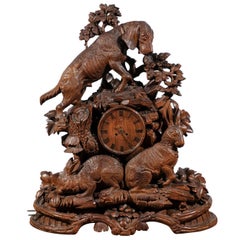
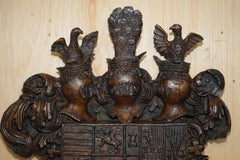
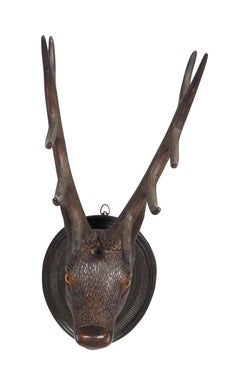
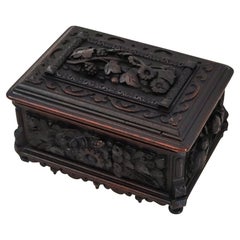
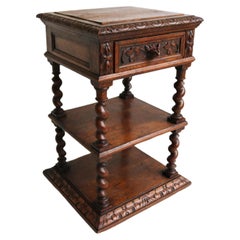
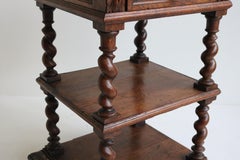
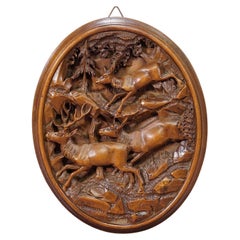
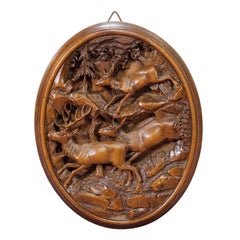
Although its name evokes a mountainous region in Germany, antique Black Forest–style furniture originated in Switzerland. In Brienz, during the early 19th century, wood-carver Christian Fischer recognized the market for tourist souvenirs and helped make the village into a wood-carving destination. The Brienz Woodcarving School was founded in 1884 and had its own small zoo for studying the anatomy of animals, depictions of which are a defining aspect of the style, also known as Brienzerware.
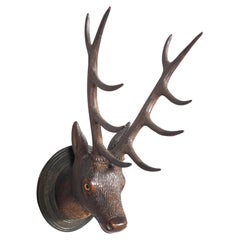
Whimsical sculptures, often depicting bears and other Alpine animals like stags, owls, deer and boars, characterize the work produced in the area. Along with folk art and decorative objects, Black Forest furniture included benches held aloft by bears, umbrella stands carved with acorns and clock cases adorned with scrolling oak leaves. While most wood-carvers adhered to a similar realism in their designs and woods like linden, maple and walnut, their aesthetics varied.
The F. Peter Trauffer family was known for their hand-carved bear sculptures that saw the furry mammals playing instruments, smoking pipes and engaging in all sorts of human activities. They were sometimes detailed with glass eyes and integrated into functional pieces of furniture, including chair backs and bench legs, which generations of cabinetmakers created from the 1880s to the 1950s. Walter Mader and his son Heinrich frequently carved Saint Bernard sculptures that they incorporated into furniture.
As the Black Forest furniture style spread around the world through exhibitions at world’s fairs in the 19th and early 20th centuries, the rusticity of these pieces resonated at a time of increasing urbanization, inspiring other artisans.
Find a collection of antique Black Forest cabinets, bedroom furniture, seating and other items on 1stDibs.
Styling your home with vintage, new and antique sculptures means adding a touch that can meaningfully transform the space. By introducing a sculptural work as a decorative finish to any interior, you’re making a statement, whether you tend toward the dramatic or prefer to keep things casual with modest, understated art.
A single, one-of-a-kind three-dimensional figurative sculpture mounted on your dining room wall is a guaranteed conversation piece, while a trio of abstract works arranged on your living room bookshelves can add spontaneity to the collection of first-edition novels or artist monographs you’re displaying as well as draw attention to them. Figurative sculptures are representational works that portray a specific person, animal or object. And while decorating with busts, which are sculpted or cast figurative works, hasn’t exactly topped the list of design trends every year, busts are back. According to designer Timothy Corrigan, “They give humanity in a way that a more abstract sculpture can’t give.” Abstract sculptures, on the other hand, are not meant to show something specific. Instead, they invoke a mood or scene without directly stating what they are portraying.
Busts made of stone or metal may not seem like a good fit for your existing decor. Fortunately, there are many ways for a seemingly incongruous piece to fit in with the rest of your room’s theme. You can embrace a dramatic piece by making it the focal point of the room, or you can choose to incorporate several elements made out of the same material to create harmony in your space. If an antique or more dramatic piece doesn’t feel like you, why not opt for works comprising plastic, fiberglass or other more modern materials?
When incorporating sculpture into the design of your home — be it the playful work of auction hero and multimedia visionary KAWS, contemporary fiber art from Connecticut dealer browngrotta arts or still-life sculpture on a budget — consider proper lighting, which can bring out the distinctive aspects of your piece that deserve attention. And make sure you know how the size and form of the sculpture will affect your space in whole. If you choose a sculpture with dramatic design elements, such as sharp angles or bright colors, for example, try to better integrate this new addition by echoing those elements in the rest of your room’s design.
Get started on decorating with sculpture now — find figurative sculptures, animal sculptures and more on 1stDibs today.