1stDibs ExpertNovember 5, 2024
To identify an
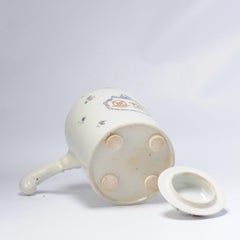
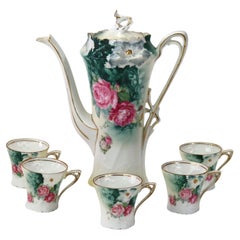
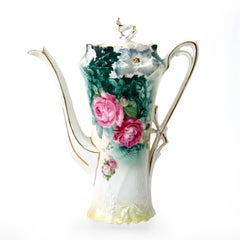
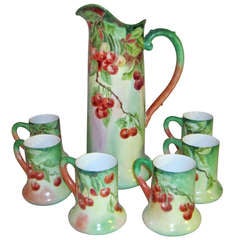
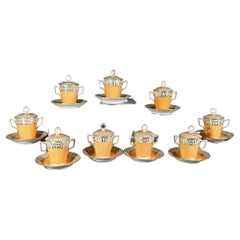
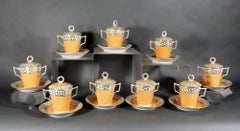
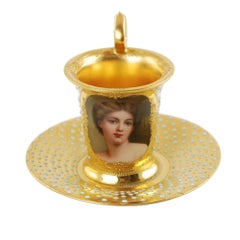
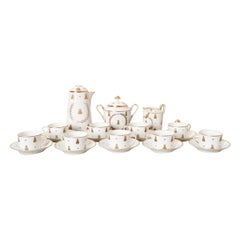
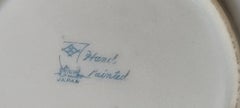
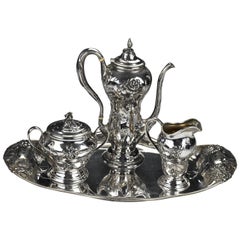
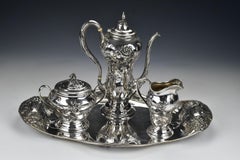
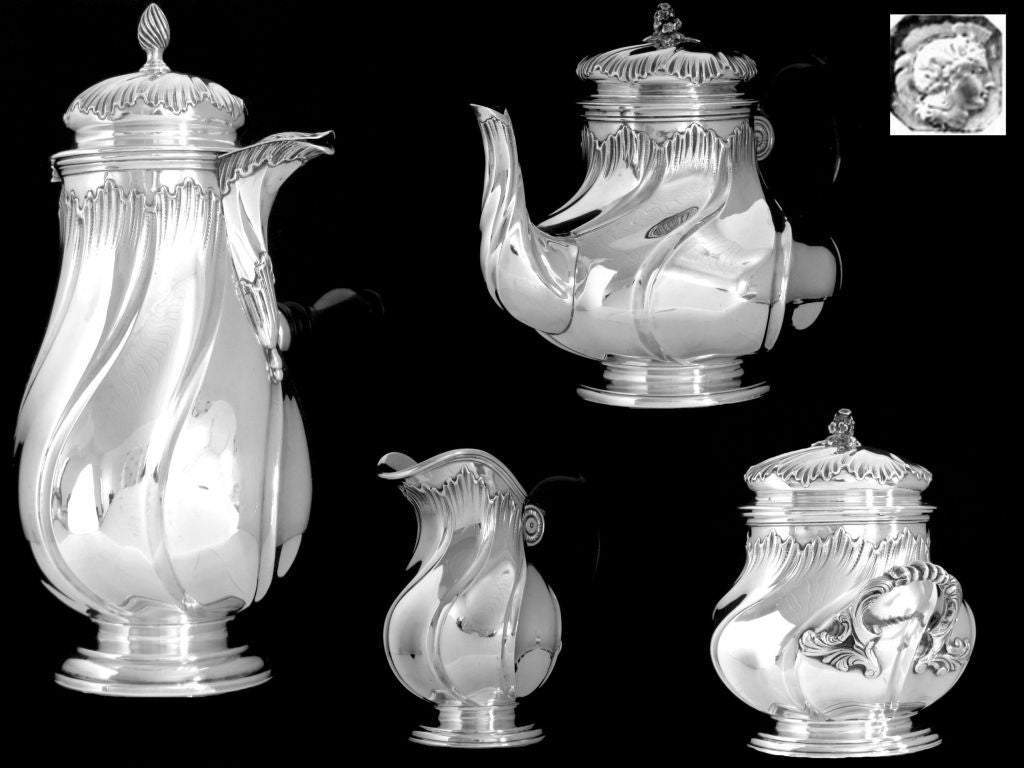
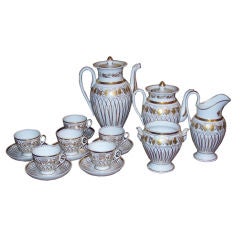
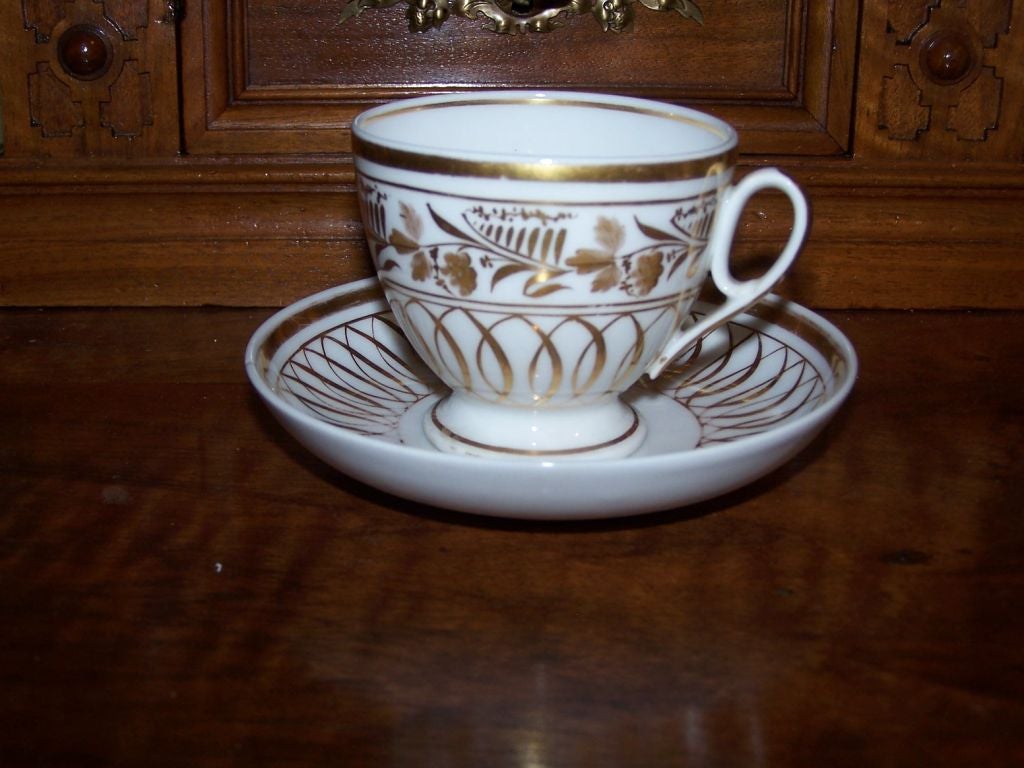
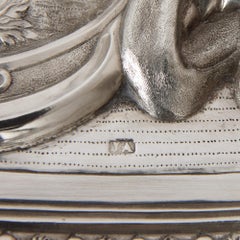
antique tea set, look closely to determine who the manufacturer is. Locate the hallmark on the bottom of a saucer, teapot or cup. A maker’s mark on one of these items is the best indicator of the set’s origin. If you snap a photo with your smartphone or tablet, you can conduct a reverse image search to jump-start your research. Professionals recommend consulting auction catalogs, books and trusted online resources such as museum exhibition materials. With some research, you may be able to match the marking to the manufacturer's name and, from there, identify the pattern and age.
In 17th-century England, Chinese tea began to arrive at ports in London. Mass production of
porcelain tea sets took place in the 18th century, and during the early 1800s, tea became widely affordable, and the concept of
teatime took shape all over England.
Reputable soft-paste porcelain makers include
Sèvres,
Capodimonte and
Chelsea, while
Meissen was the first European maker of hard-paste porcelain. Bone china manufactories of note include
Spode,
Minton and
Derby, which was later called the
Royal Crown Derby Porcelain Company.
Generally, a tea set is considered vintage if it’s at least 20 years old, while antiques are at least 100 years old. Although a maker’s mark is generally a helpful indicator of a given manufacturer, forgeries have occurred over the years. Look for other signifiers of a material, time period or style if you are uncertain of your piece’s origin. For help with identification, seek out a certified appraiser or knowledgeable antique dealer.
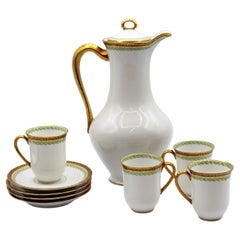
Find antique tea sets on 1stDibs.