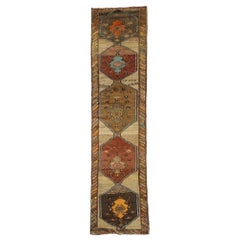
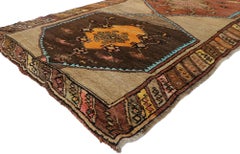
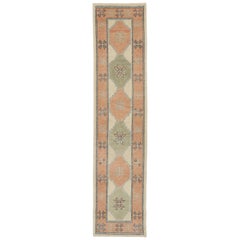
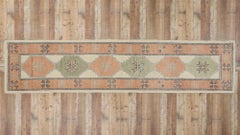
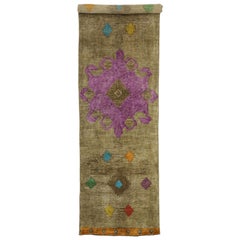
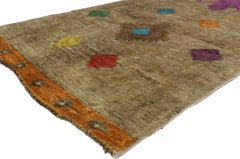
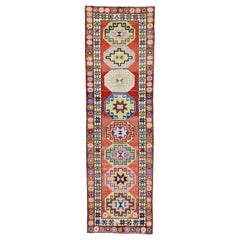
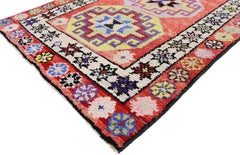
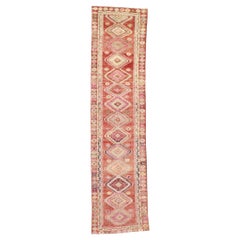
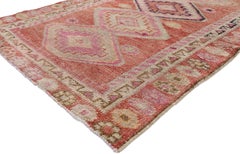
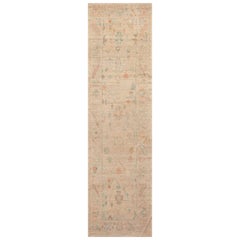
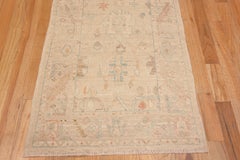
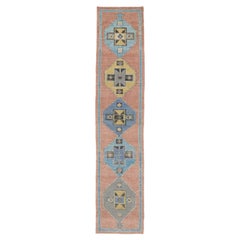
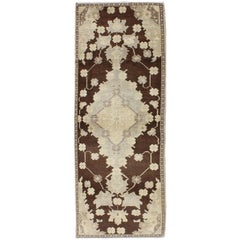
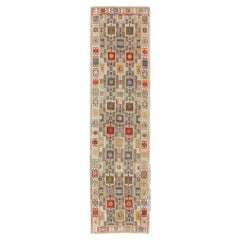
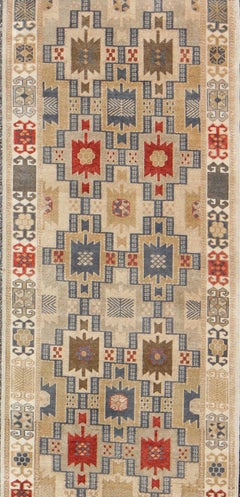
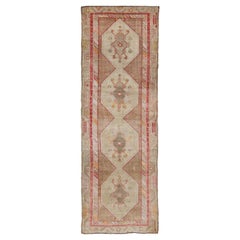
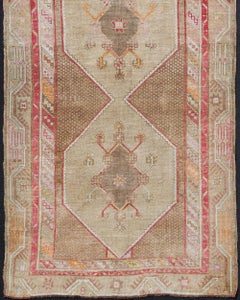
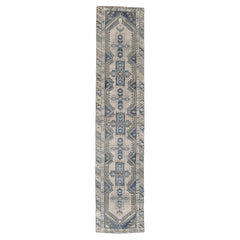
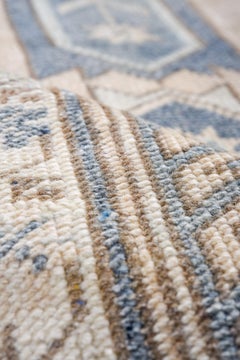
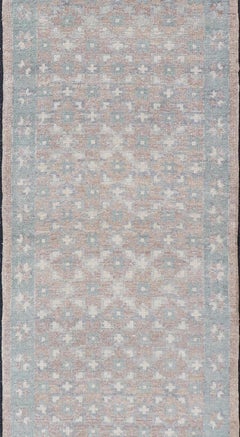
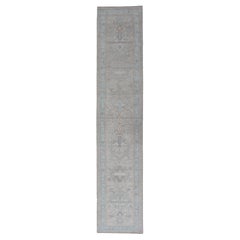
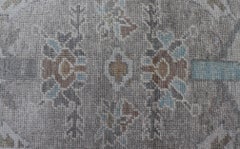
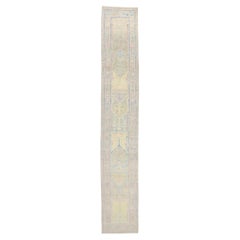
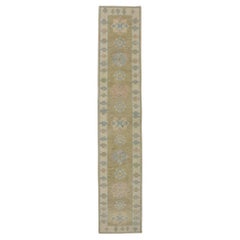
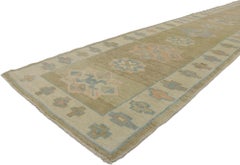
At 1stDibs, there are several options of contemporary oushak runners available for sale. Frequently made of
fabric and
wool, all contemporary oushak runners available were constructed with great care. We have 13 antique and vintage contemporary oushak runners in-stock, while there are 61 modern editions to choose from as well. There are all kinds of contemporary oushak runners available, from those produced as long ago as the 20th Century to those made as recently as the 21st Century. Contemporary oushak runners are generally popular furniture pieces, but
Modern and
Mid-Century Modern styles are often sought at 1stDibs. Many contemporary oushak runners are appealing in their simplicity, but
Rug & Kilim produced popular contemporary oushak runners that are worth a look.
Turkish rugs are as widely loved today as they were in the 13th century, and antique and vintage Oushak rugs and carpets are known specifically for their bold geometric patterns and fine quality. With a name derived from the town of Uşak, Turkey, in western Anatolia, the Oushak textile style — also spelled Ushak — originated in the 15th-century Ottoman Empire, but its aesthetic has influenced weaving around the world, especially through the export of rugs to Europe.
The distinctive Oushak “medallion” pattern has two types of rounded shapes alternating against a rich red or blue background created with natural dyes, while the elaborate “star” pattern involves large eight-pointed shapes in diagonal rows alternating with diamonds. Traditionally, the edges and empty spaces are filled with arabesque details or floral motifs. Both patterns can repeat in infinite directions, allowing for versatility in diverse sizes of hand-knotted authentic Oushak carpets, wall hangings and rugs. It’s believed that similar Iranian designs inspired the artistry of Turkish weavers, possibly through commissions by Sultan Mehmed the Conqueror.
While production of Oushak rugs accelerated for an international audience, they also maintained domestic popularity, including covering the floors of palaces and mosques. Owing to their deep colors and exemplary construction, Oushak area rugs woven by hand became status symbols abroad, with Henry VIII depicted standing astride an Oushak rug in a 16th-century portrait by Hans Holbein the Younger. The rugs and carpets made for export had rougher weaves while European copies proliferated as demand expanded into the 19th century. And beyond the authenticity of antique and vintage rugs in general, the geometric styles of Oushak rugs are appealing to interior designers because they work so well in today's homes.
The market has changed with a global increase in machine-fabricated carpets, yet handmade designs continue to be produced in Uşak with contemporary rug companies like Kirkit working with skilled artisans in the area.
Find vintage Oushak rugs and carpets, folk art and other Oushak furniture on 1stDibs.
Antique and vintage Turkish rugs, with their ruby reds and misted blues, their entwined botanical designs and rhythmic geometries, are as beloved today as they were in the 13th century, when the Turks of the Seljuk Empire began weaving these vibrant carpets in Anatolia.
A Turkish rug is simply one made in Turkey or the former Ottoman empire, employing the region’s unique traditional methods and weaves. Varieties range from flat-woven kilims to lush knotted rugs, known as hali, many of which are created with Ghiordes, or Turkish, knots. Whereas in other knots, the weft (crosswise) yarn is wrapped around one warp (lengthwise) yarn, in Ghiordes knots, it is wrapped around two, imparting lushness and durability. In addition to knotting techniques, Turkish rugs differ in their motifs — naturalistic or stylized, geometric or figurative — which often reflect the region where they were made.
The main types of Turkish rugs, as Milan-based carpet dealer Alfredo Levi explains it, are kilim, typified by a plain slit-tapestry weave, which leaves a gap, or slit, between sections woven with different yarns in different colors; sumak, made with weft wrapping, for a sturdier flat-woven carpet; and cicim, which he describes as “a type of sumak with extra brocade techniques typical of the tribes and villages of central Anatolia.
Within each type, there are various regional styles. Among these are Bergama carpets, characterized by bright reds and strong medallions; thick-piled Tulu rugs; and Konya rugs, which Marco Polo is said to have called “the most beautiful in the world.” With their strong tribal motifs and hot-red wefts of especially luxurious wool, Konya carpets are especially prized by collectors.
Also treasured are Oushak (or Ushak) rugs, with their complex, intricate designs and warm earth tones of saffron, cinnamon, blue, ivory and gold; and Hereke carpets, originally created exclusively for Ottoman sultans, using the finest silk. For Jason Nazmiyal, of New York carpet dealer Nazmiyal Antique Rugs, “a good Turkish rug is when the colors are harmonious.” This is true of both modern and antique Turkish rugs, but the hues have changed over the centuries, thanks to both technology and changes in culture and taste.
Patterns, too, have evolved. Although many weavers continue to produce traditional designs, others reinterpret their cultural heritage in contemporary terms, with bolder ornamentation and more geometric motifs. Contemporary Turkish rugs also are seldom made by hand and often incorporate synthetics into the weave, for cost-effectiveness and a durability suited to 21st-century life.
Find antique and vintage Turkish rugs for your home on 1stDibs. At The Study, read about how to take care of your antique or vintage rug as well as how to choose the right rug for your space.