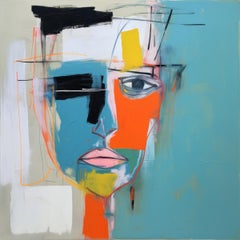
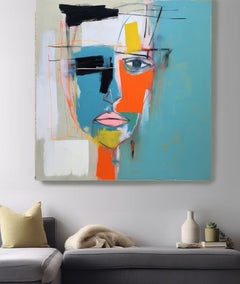
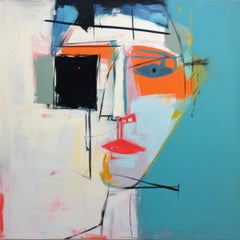
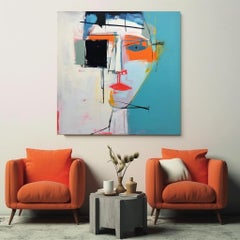
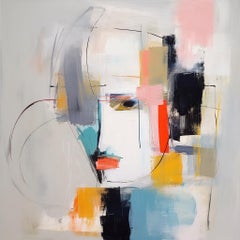
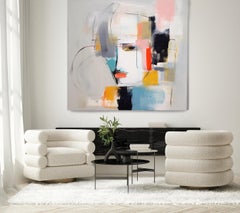
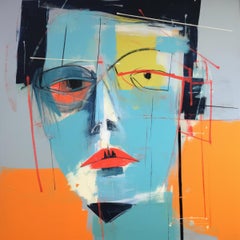
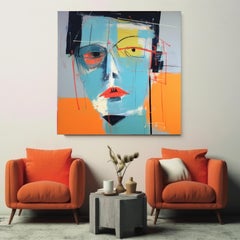
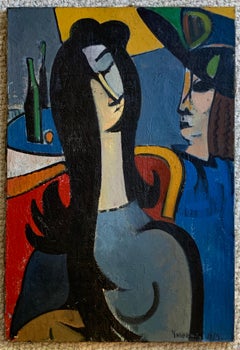
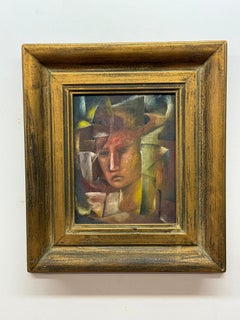
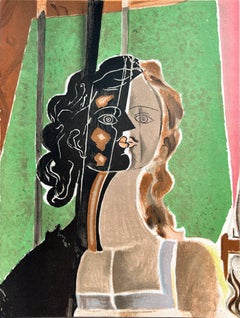
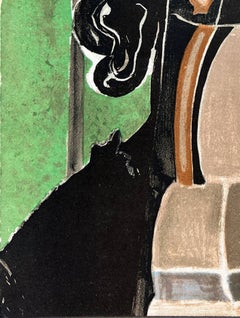
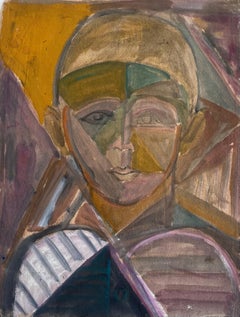
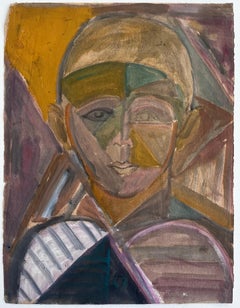
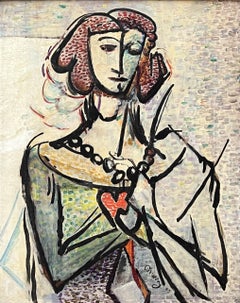
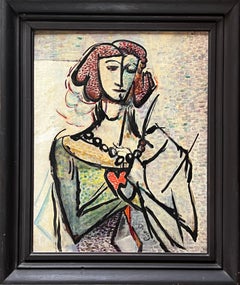
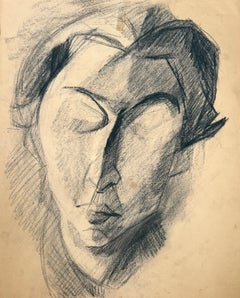
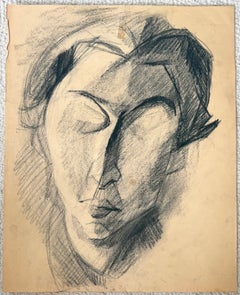
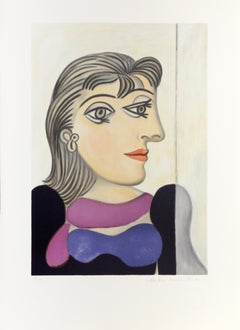
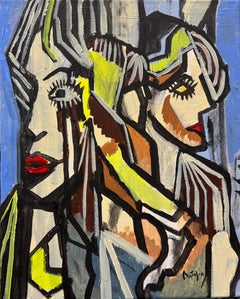
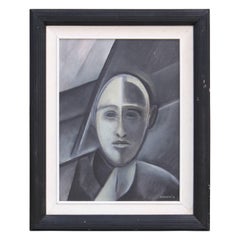
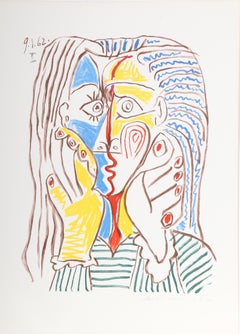
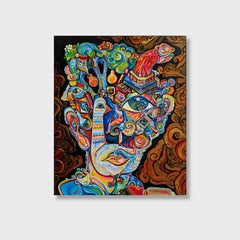
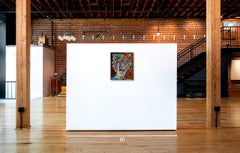
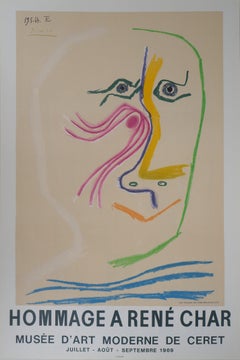
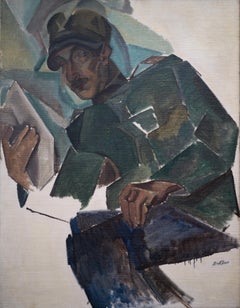
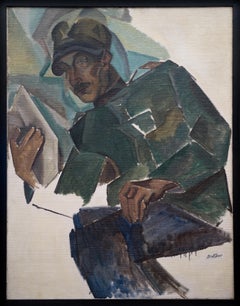
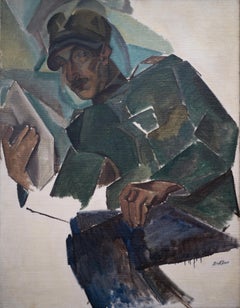
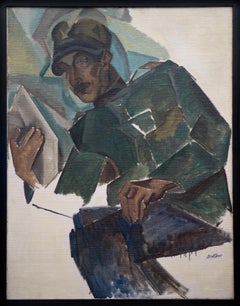
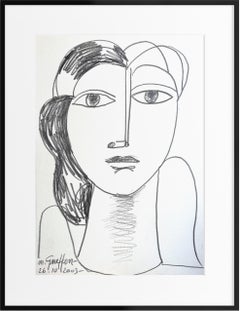
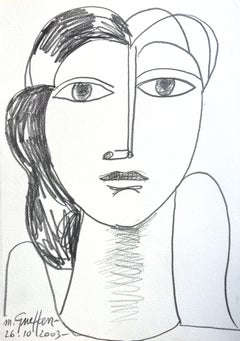
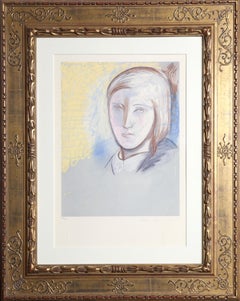
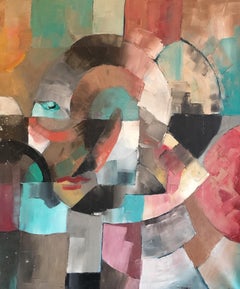
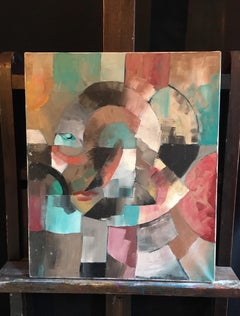
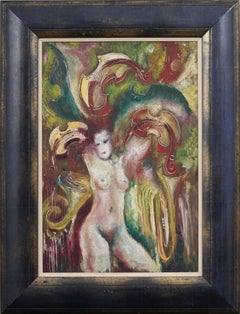
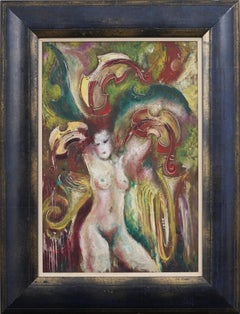
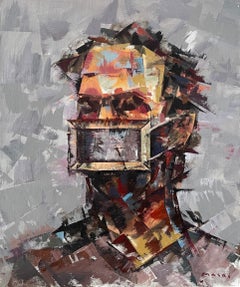
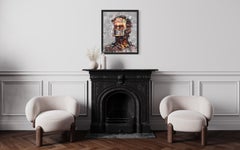
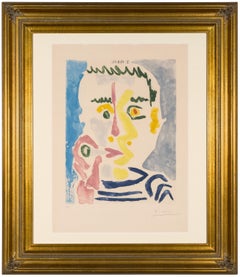
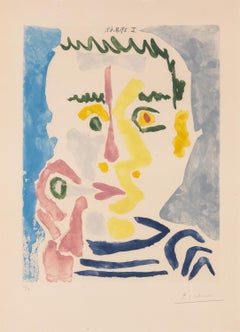
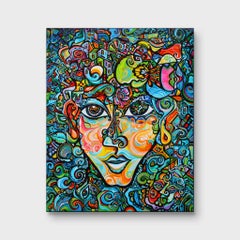
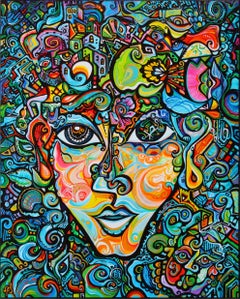
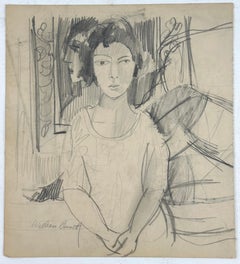
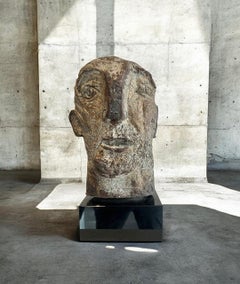
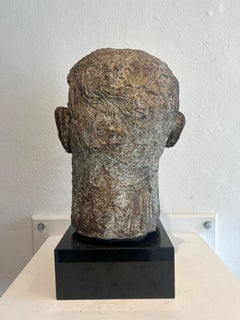
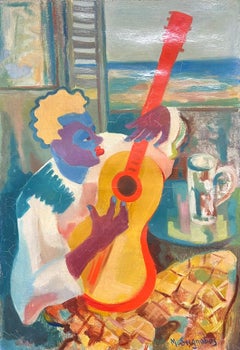
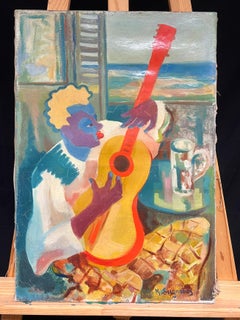
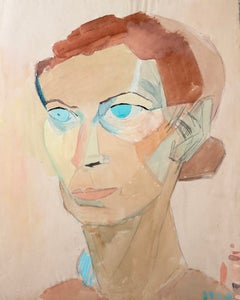
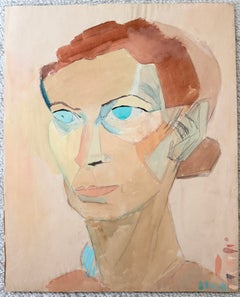
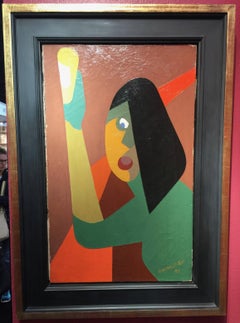
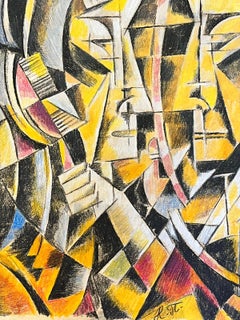
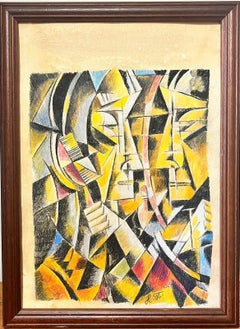
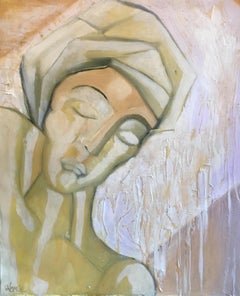
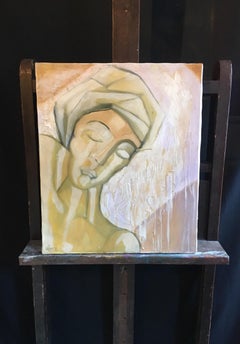
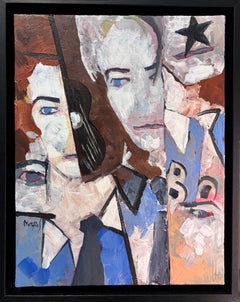
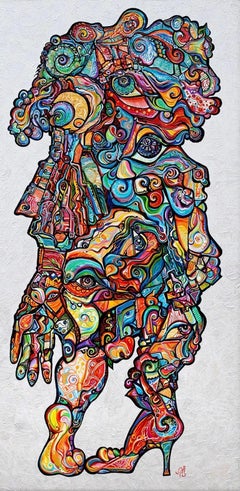
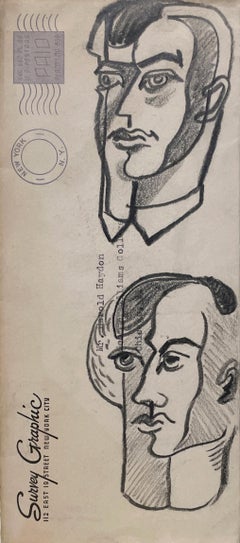
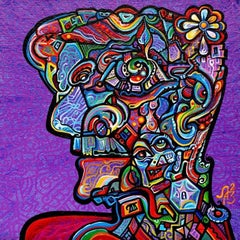
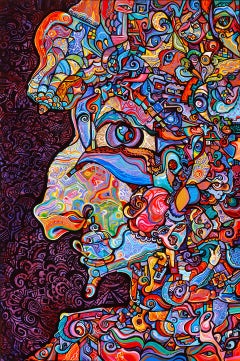
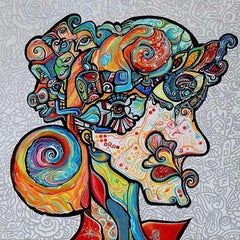
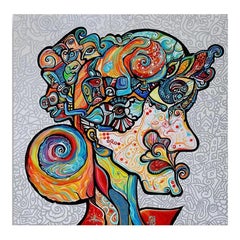
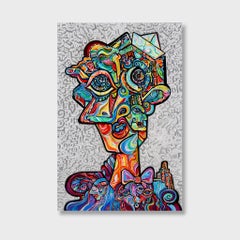
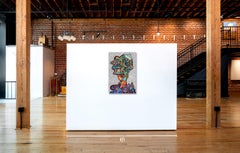
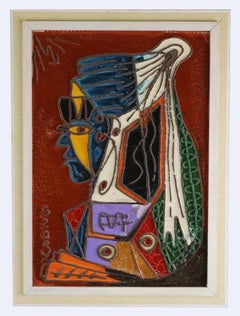
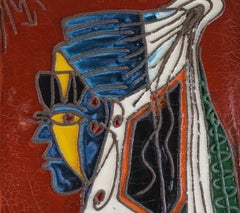
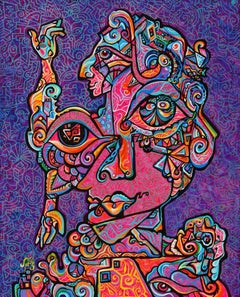
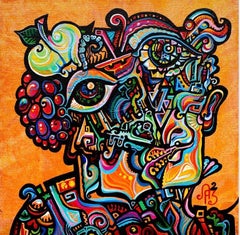
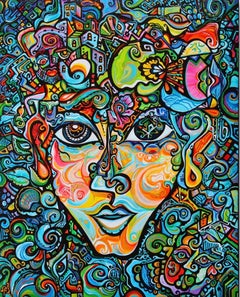
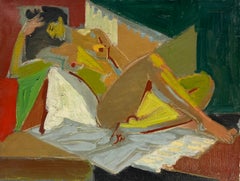
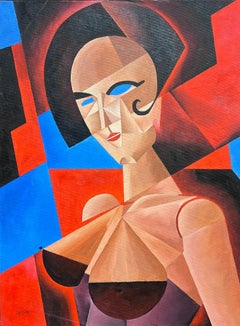
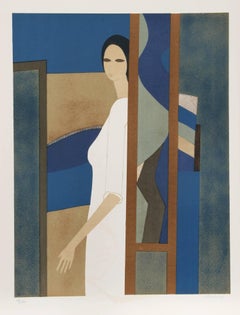
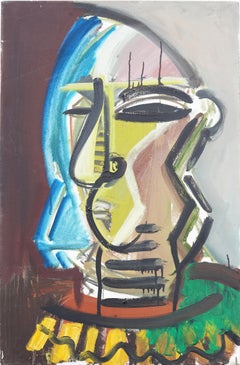
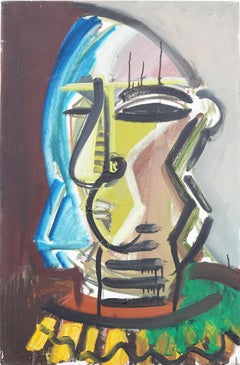
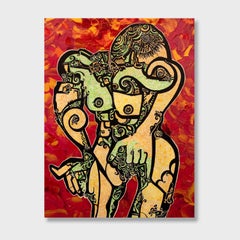
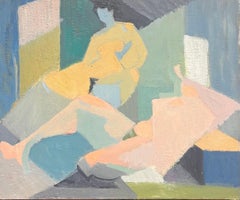
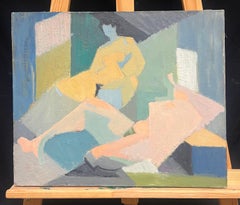
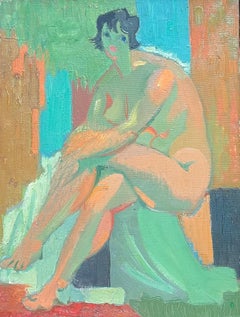
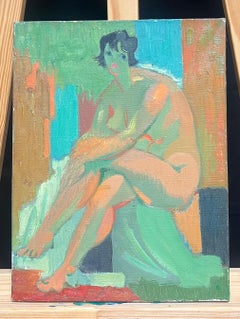
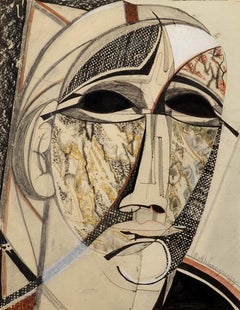
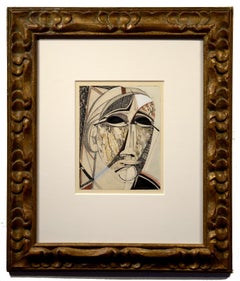
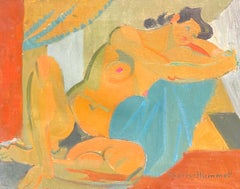
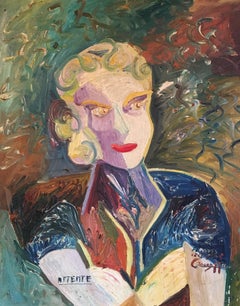
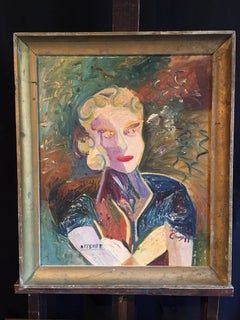
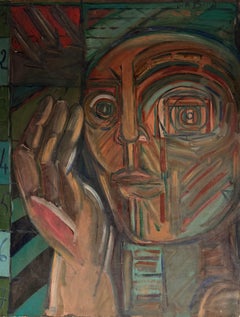
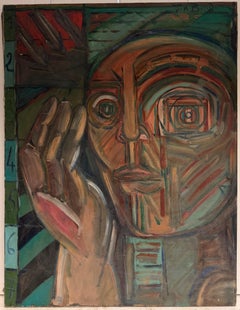
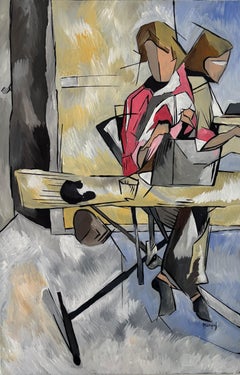
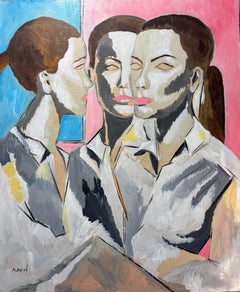
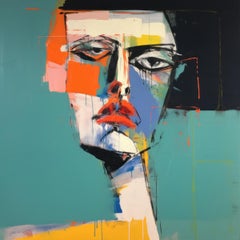
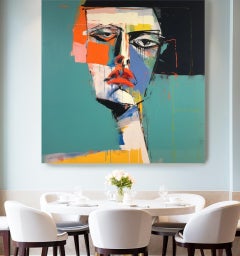
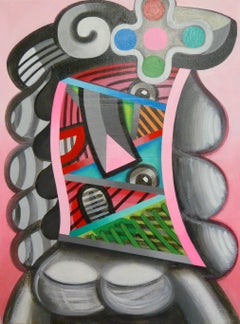
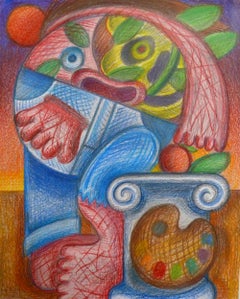
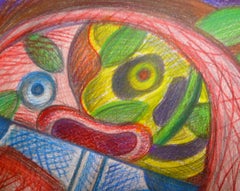
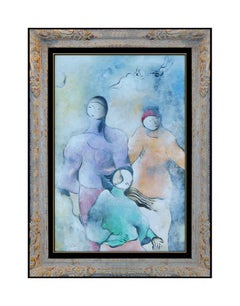
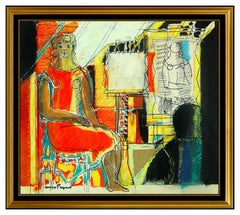
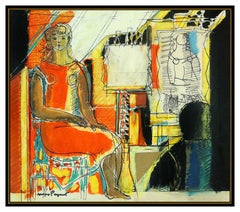
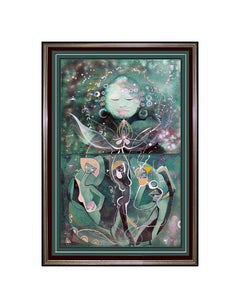
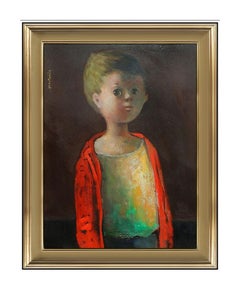
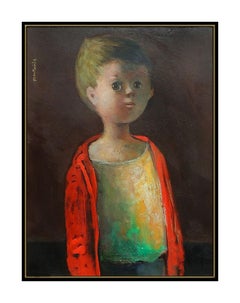
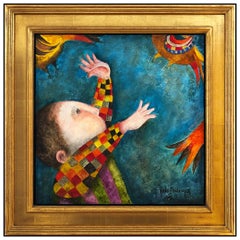
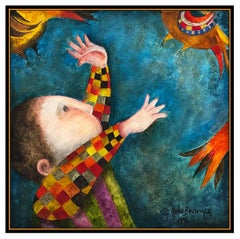
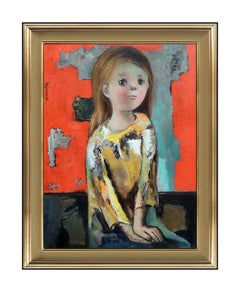
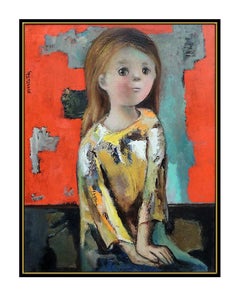
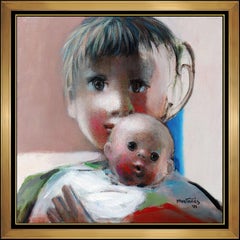
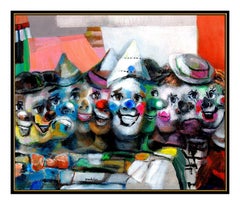
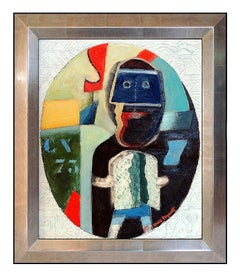
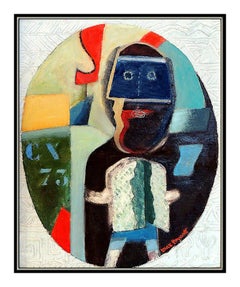
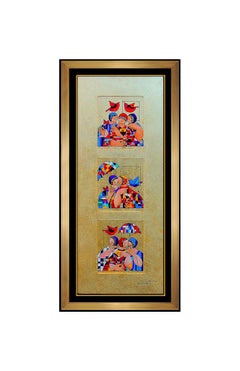
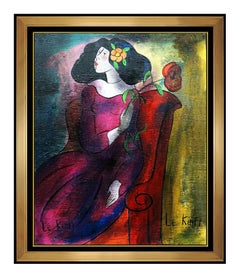
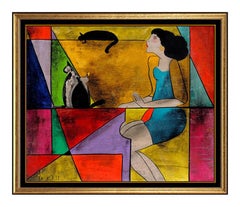
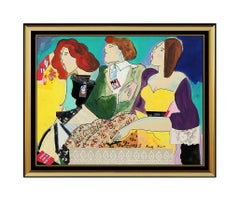
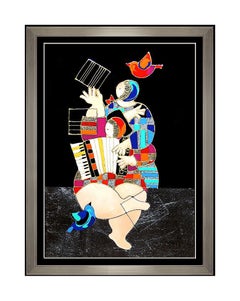
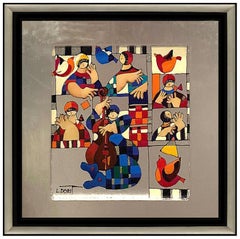
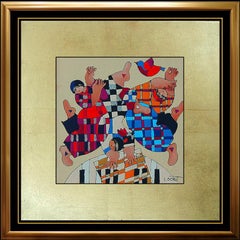
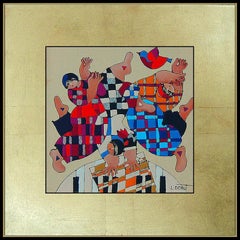
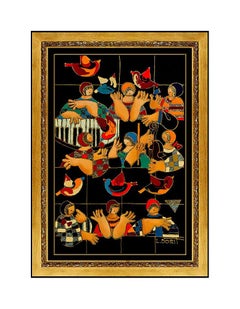
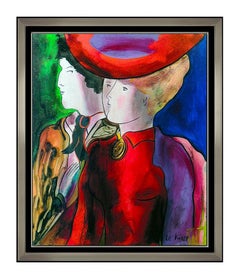
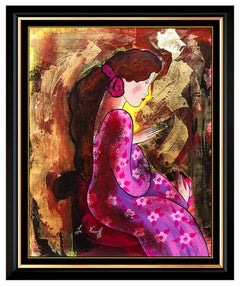
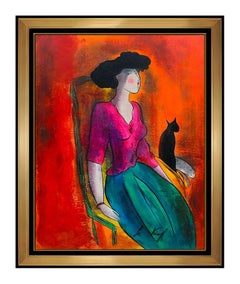
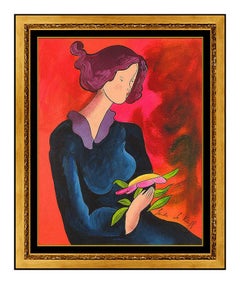
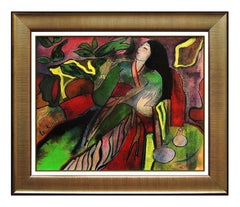
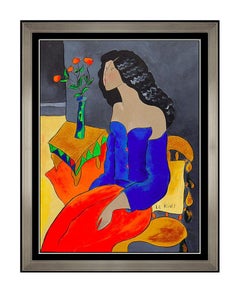
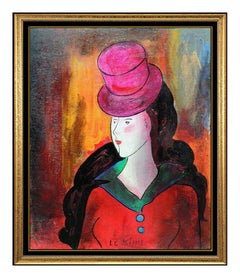
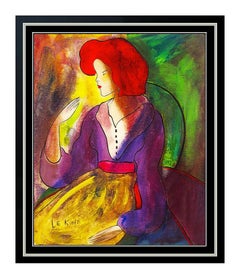
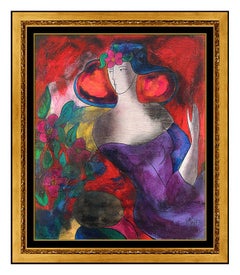
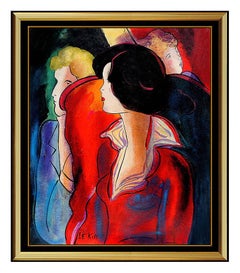
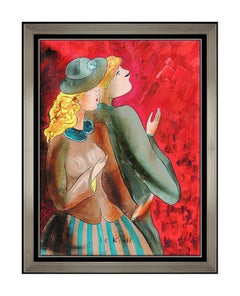
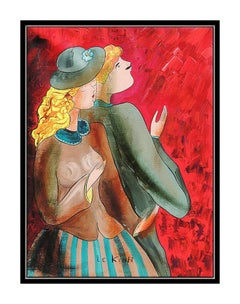
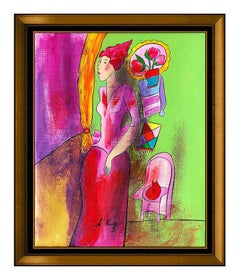
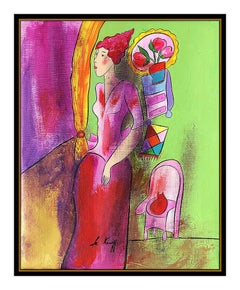
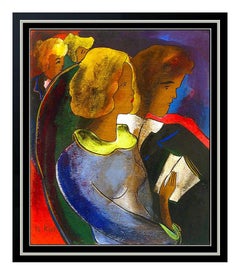
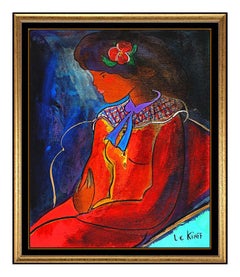
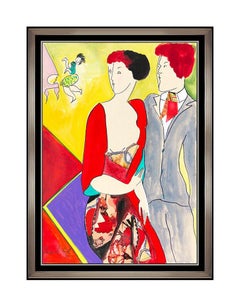
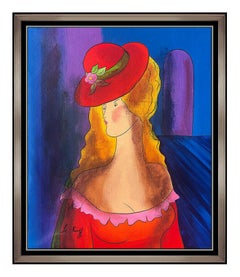
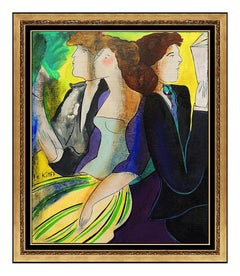
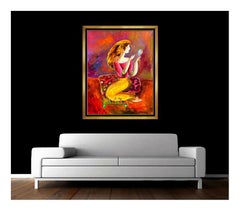
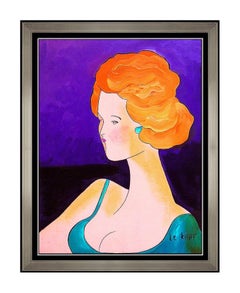
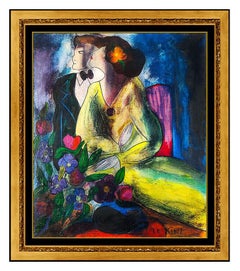
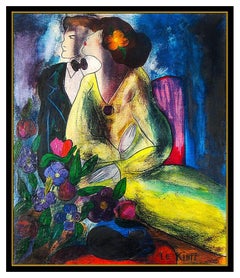
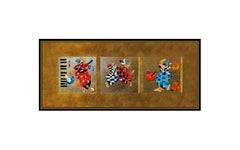
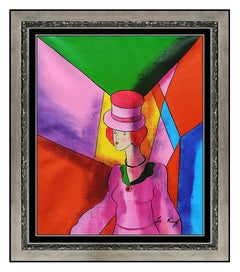
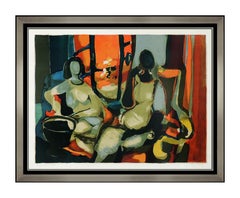
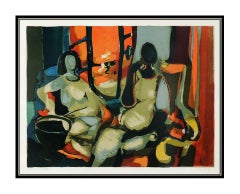
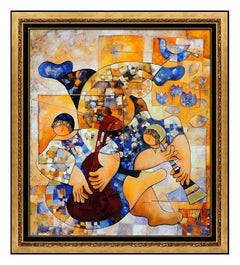
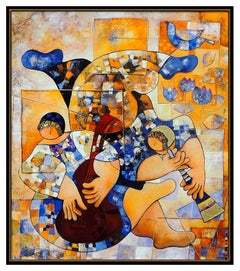
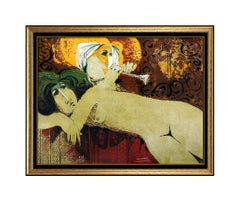
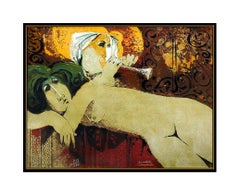
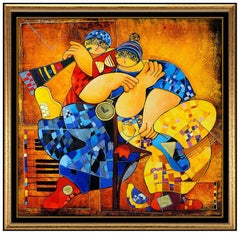
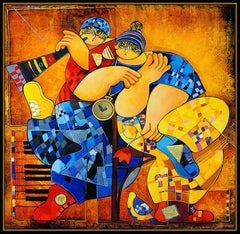
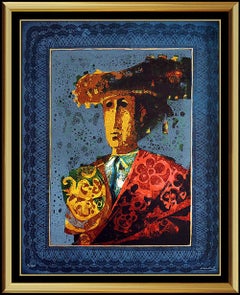
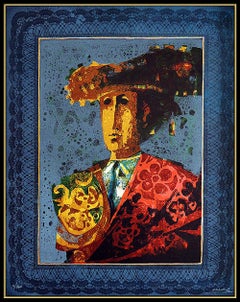
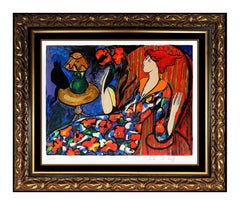
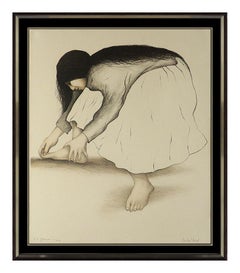
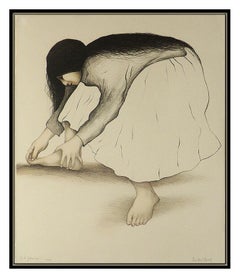
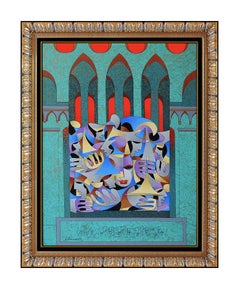
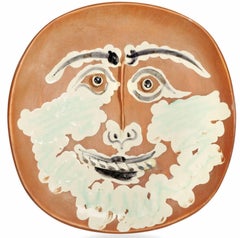
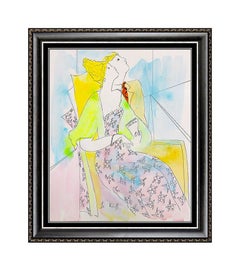
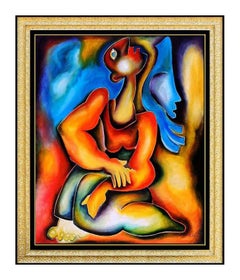
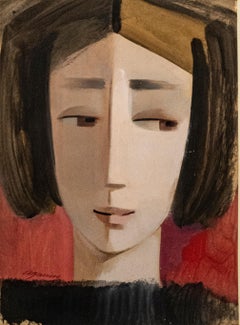
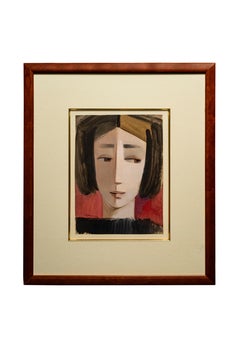
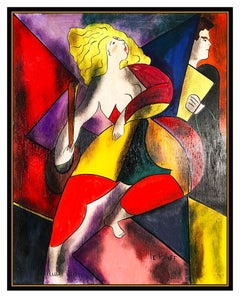
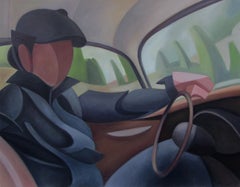
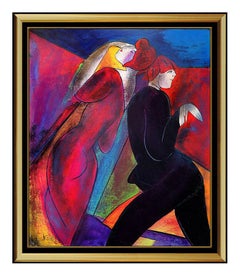
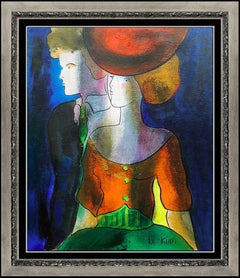
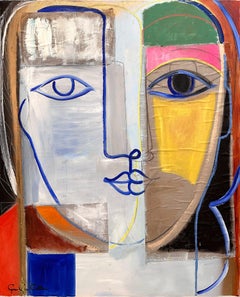
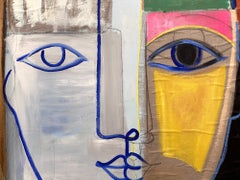
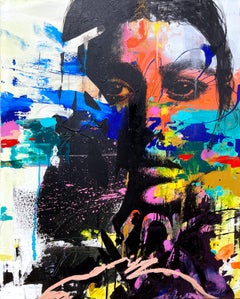
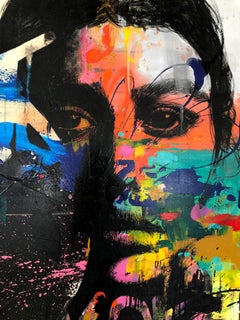
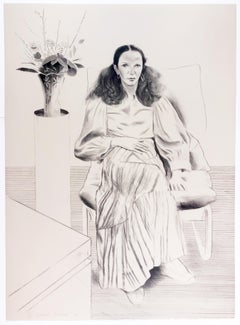
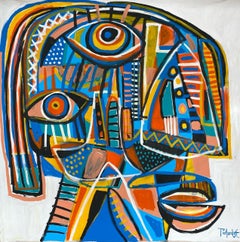
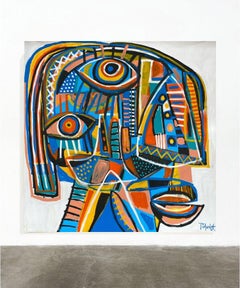
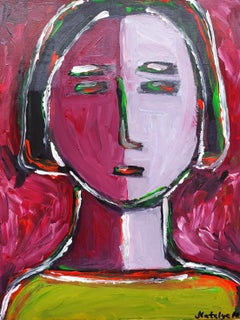
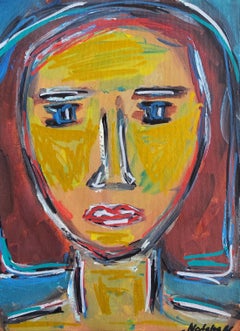
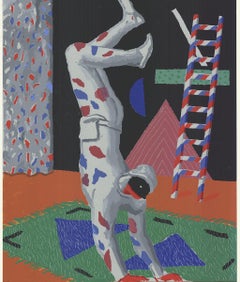
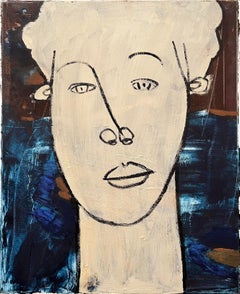
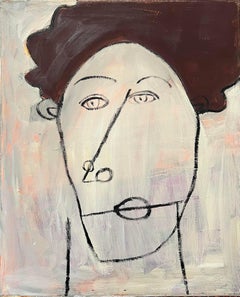
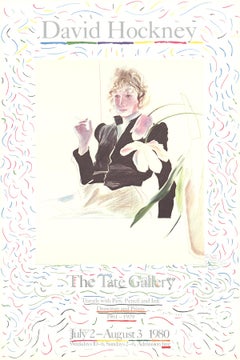
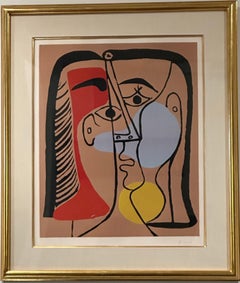
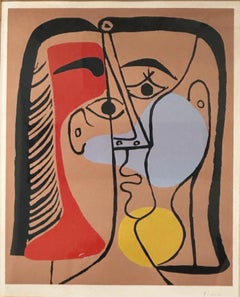
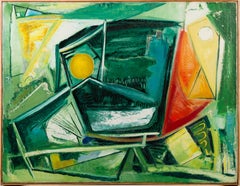
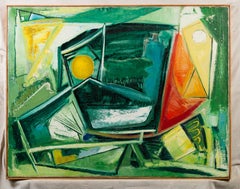
An assortment of cubist portraits is available on 1stDibs. A selection of these works in the
modern,
abstract and
Pop Art styles can be found today in our inventory. These items have been produced for many years, with earlier versions available from the 18th Century and newer variations made as recently as the 21st Century. You can search the cubist portraits that we have for sale on 1stDibs by color — popular works were created in bold and neutral palettes with elements of
gray,
beige,
brown and
purple. These artworks have been a part of the life’s work for many artists, but the versions made by
Pablo Picasso,
(after) Pablo Picasso,
Fernando Fernandez,
Linda Le Kinff and
Alexandra Nechita are consistently popular. Frequently made by artists working in
paint,
lithograph and
oil paint, all of these available pieces are unique and have attracted attention over the years. Some cubist portraits are too large for some spaces — a variety of smaller iterations, measuring # 1.5 inches across, are available.
Prices for art of this kind can differ depending upon size, time period and other attributes — cubist portraits in our inventory begin at $0 and can go as high as $985,000, while the average can fetch as much as $1,597.
Inspired by the nontraditional ways Postimpressionists like Paul Cézanne and Georges Seurat depicted the world, Pablo Picasso and Georges Braque pioneered an even more abstract style in which reality was fragmented into flat, geometric forms. Cubism majorly influenced 20th-century Western art as it radically broke with the adherence to composition and linear perspectives that dated back to the Renaissance. Its watershed moments are considered Picasso’s 1907 Les Demoiselles d’Avignon, in which nude figures are fractured into angular shapes, and Georges Braque’s 1908 painting show, which prompted a critic to describe his visual reductions as “cubes.”
Although Cubism was a revolutionary art movement for European culture, it was informed by African masks and other tribal art. Its artists, which included Fernand Léger, Alexander Archipenko, Marcel Duchamp, Juan Gris and Jean Metzinger, experimented with compressing space and playing with the tension between solid and void forms in their work. While their subjects were often conventional, such as still lifes, nudes and landscapes, they were distorted without any illusion of realism.
Cubist art evolved through different distinct phases. In Analytic Cubism, from 1908 to 1912, figures or objects were “analyzed” into pieces that were reassembled in paintings and sculptures, as if presenting the same subject matter from many perspectives at once. The palette was usually monochromatic and muted, giving attention to the overlapping planes. Synthetic Cubism, dating from 1912 to 1914, moved to brighter colors and a further flattening of images. This unmooring from formal ideas of art would shape numerous styles that followed, from Dada to Surrealism.
Find a collection of authentic Cubist paintings, prints and multiples, sculptures and more art on 1stDibs.