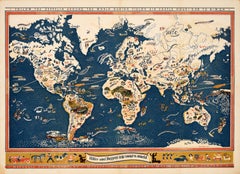
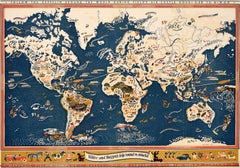
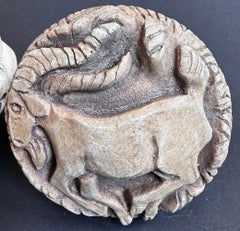
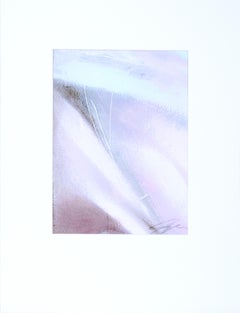
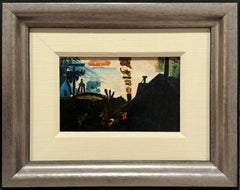
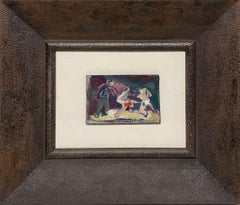
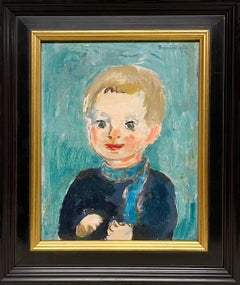
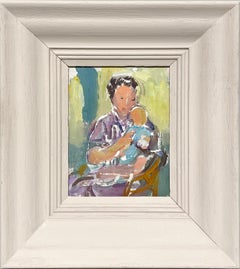
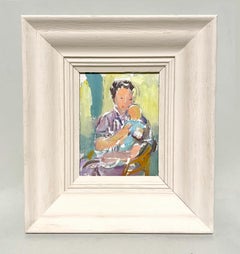
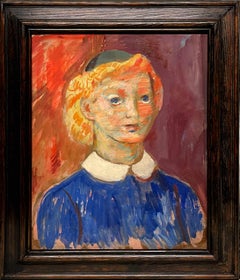
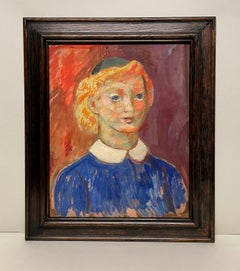
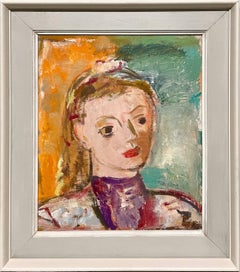
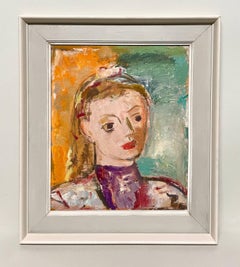
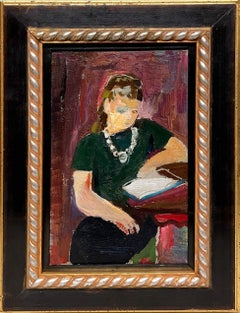
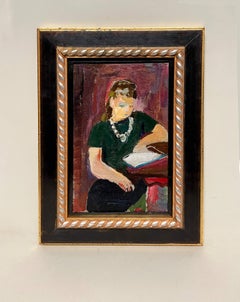
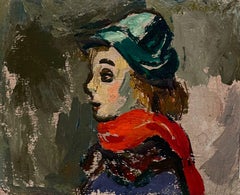
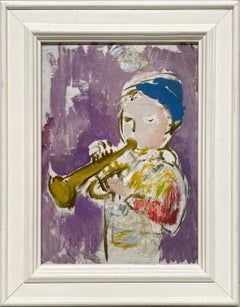
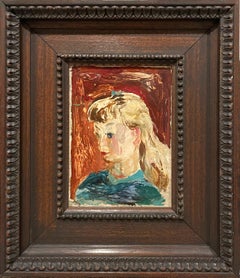
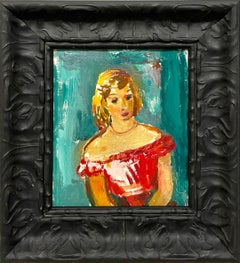
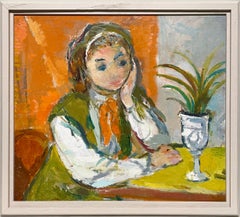
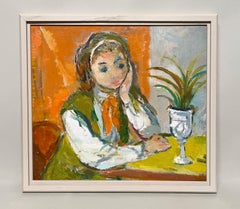
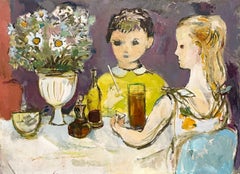
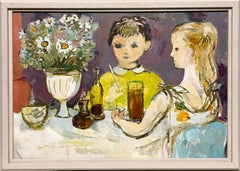
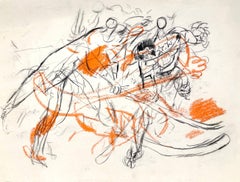
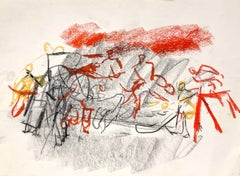
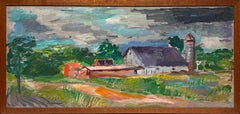
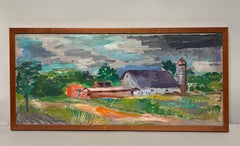
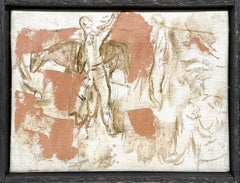
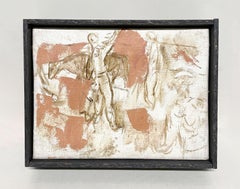
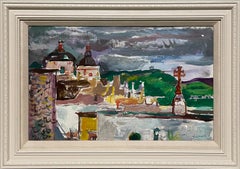
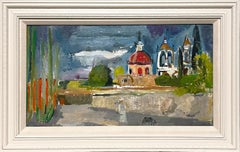
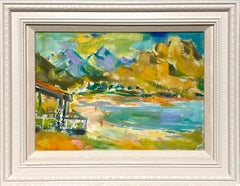
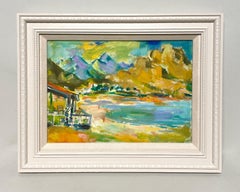
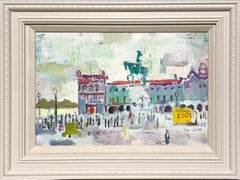
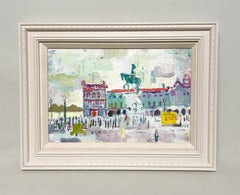
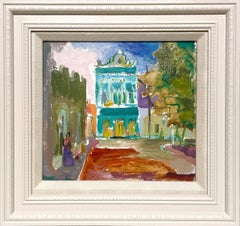
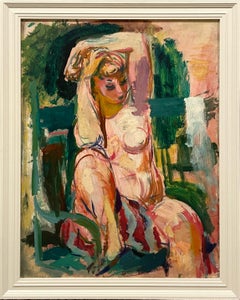
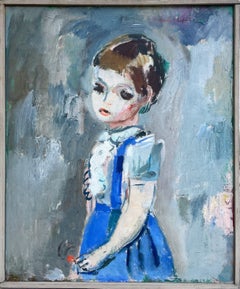
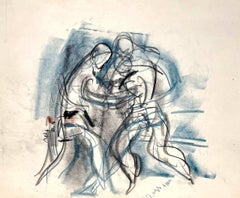
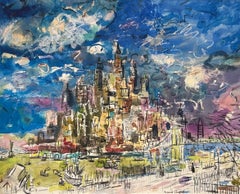
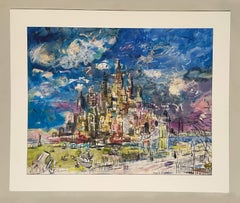
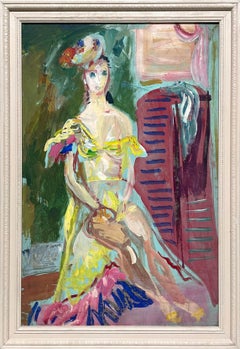
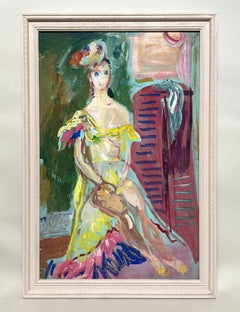
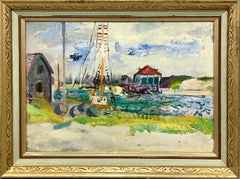
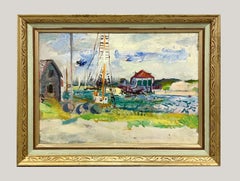
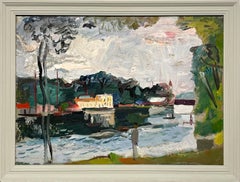
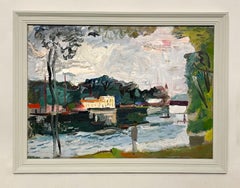
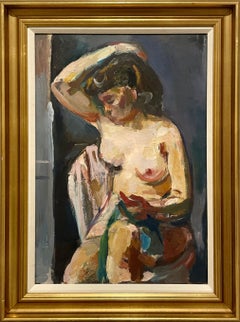
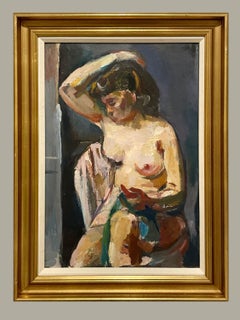
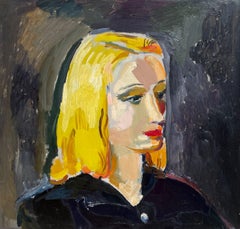
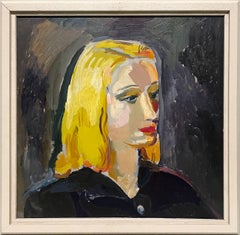
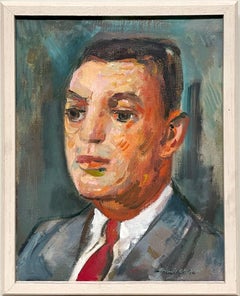
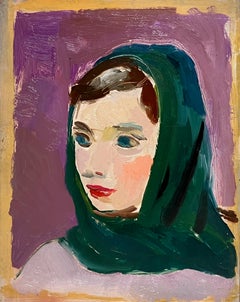
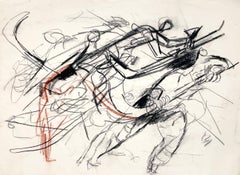
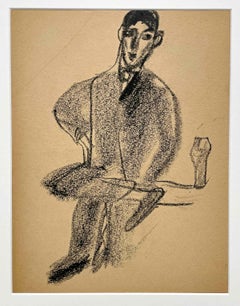
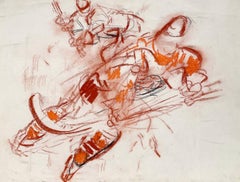
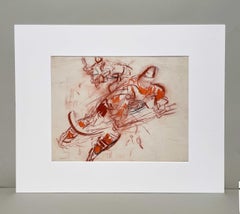
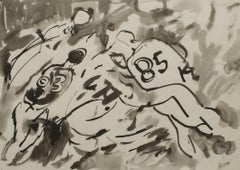
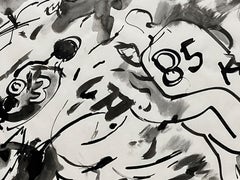
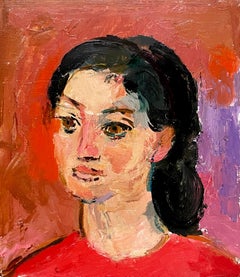
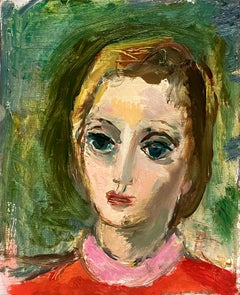
Edgar Miller For Sale on 1stDibs
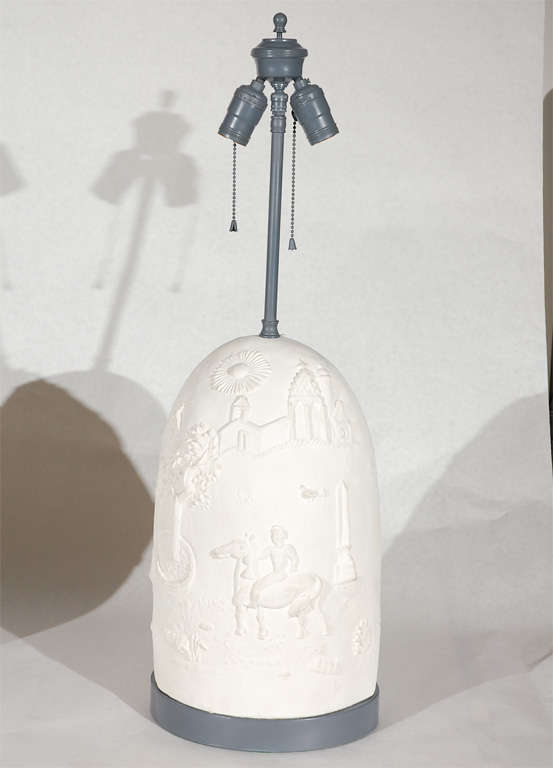
At 1stDibs, there are many versions of the ideal edgar miller for your home. Each edgar miller for sale was constructed with extraordinary care, often using
iron,
metal and
wood. There are many kinds of the edgar miller you’re looking for, from those produced as long ago as the 20th Century to those made as recently as the 20th Century. When you’re browsing for the right edgar miller, those designed in
Art Deco styles are of considerable interest. A well-made edgar miller has long been a part of the offerings for many furniture designers and manufacturers, but those produced by
Edgar Brandt and
Emory Ladanyi are consistently popular.
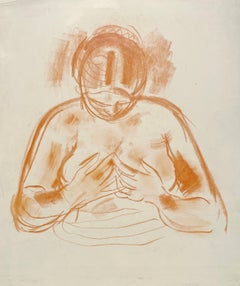
How Much is a Edgar Miller?
Prices for a edgar miller start at $495 and top out at $700,000 with the average selling for $2,625.
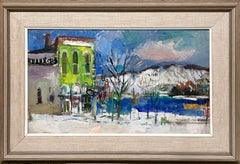
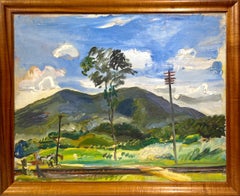
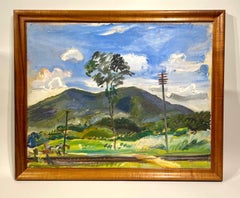
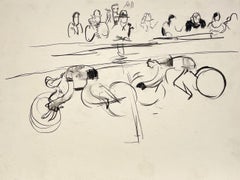
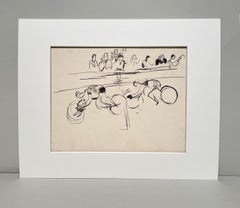
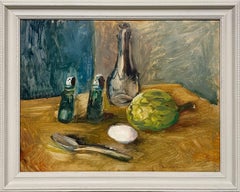
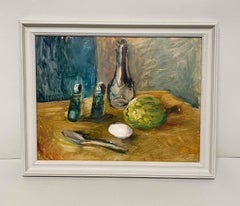
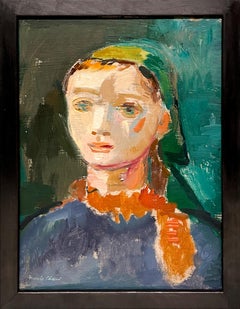
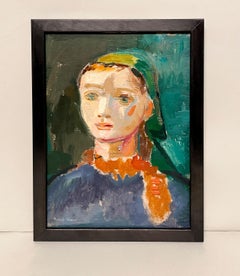
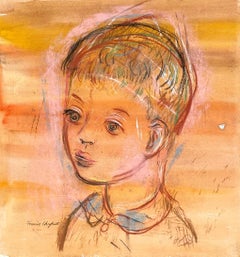
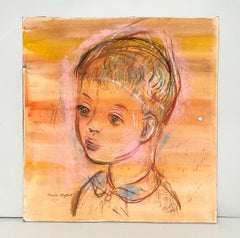
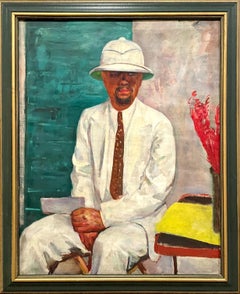
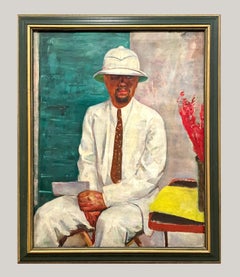
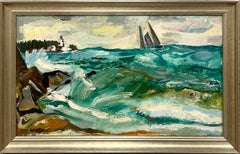
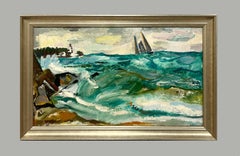
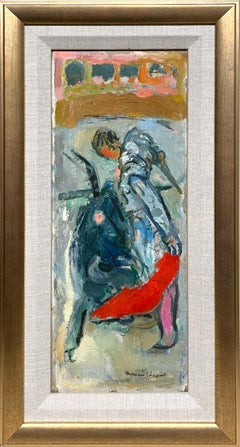
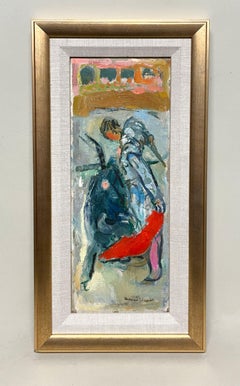
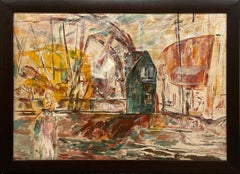
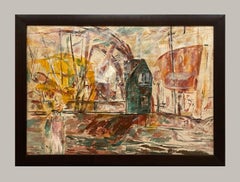
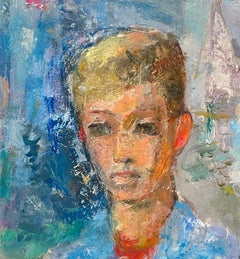
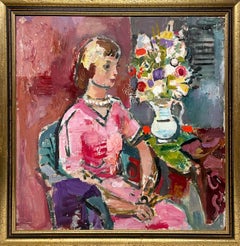
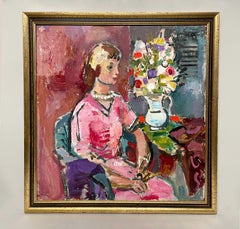
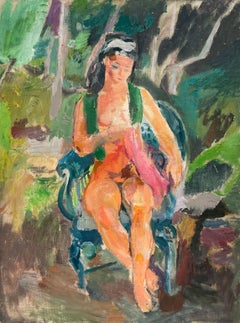
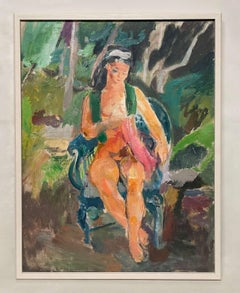
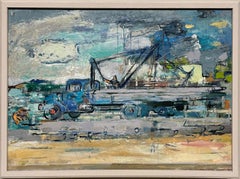
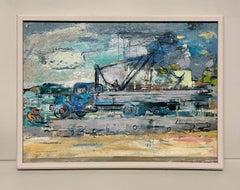
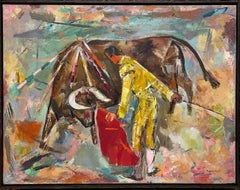
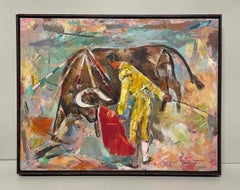
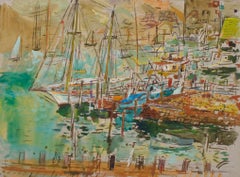
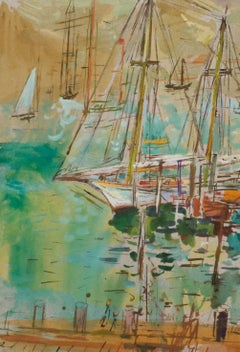
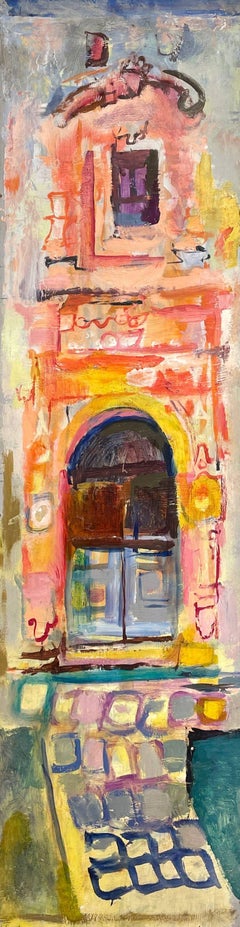
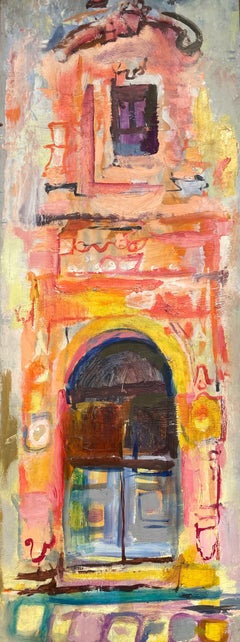
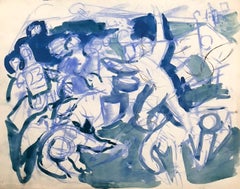
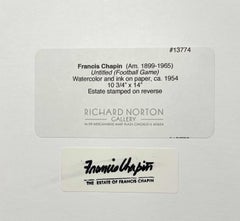
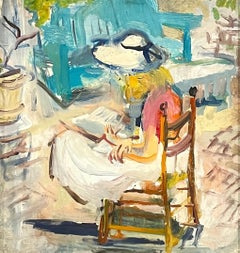
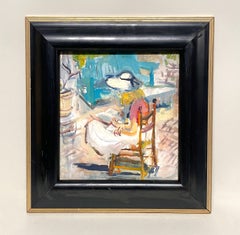
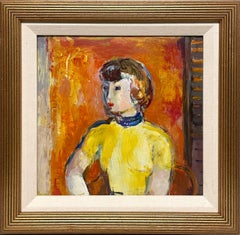
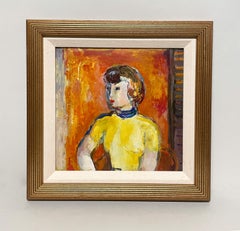
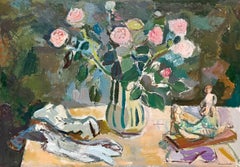
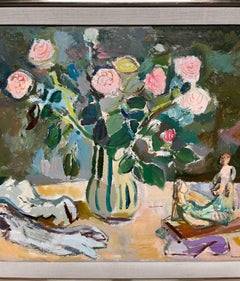
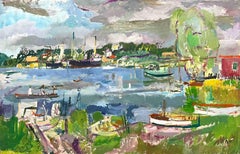
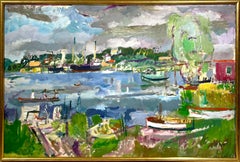
Francis Chapin for sale on 1stDibs
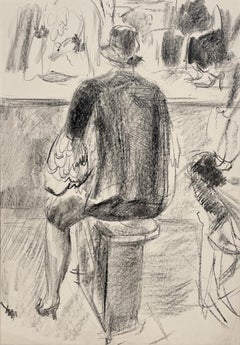
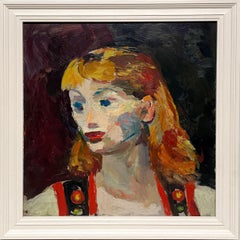
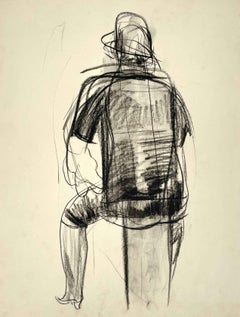
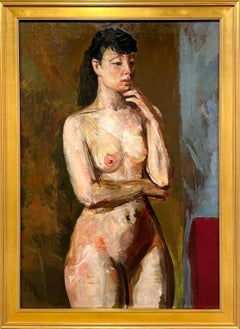
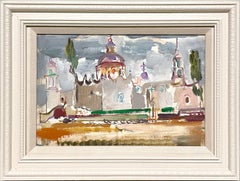
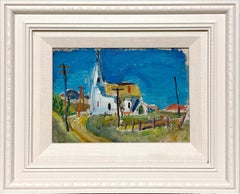
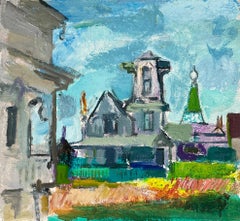
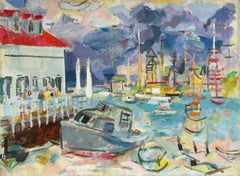
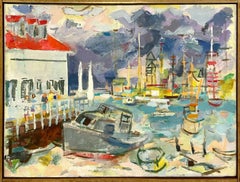
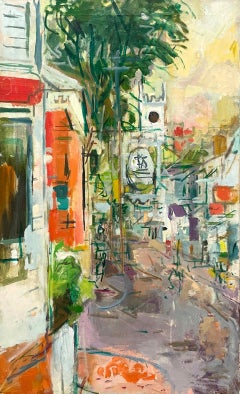
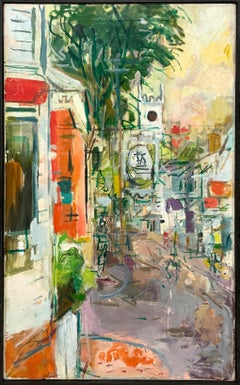
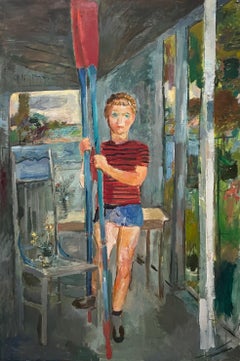
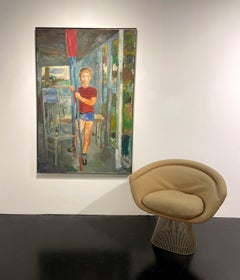
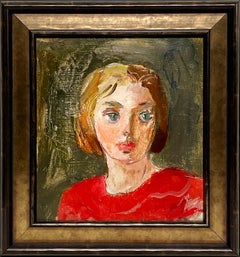
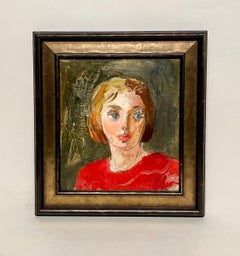
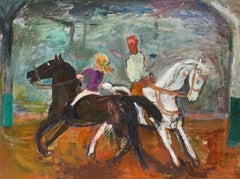
Francis Chapin, affectionately called the “Dean of Chicago Painters” by his colleagues, was one of the city’s most popular and celebrated painters in his day. Born at the dawn of the 20th Century in Bristolville, Ohio, Chapin graduated from Washington & Jefferson College near Pittsburgh, Pennsylvania before enrolling at the Art Institute of Chicago in 1922. He would set down deep roots at the Art Institute of Chicago, exhibiting there over 31 times between 1926 and 1951. In 1927 Chapin won the prestigious Bryan Lathrop Fellowship from the Art Institute – a prize that funded the artist’s yearlong study trip to Europe. Upon his return to the United States, Chapin decided to remain in Chicago, noting the freedom Chicago artists have in developing independently of the pressure to conform to pre-existing molds (as was experienced by artists in New York, for example). Chapin became a popular instructor at the Art Institute, teaching there from 1929 to 1947 and at the Art Institute’s summer art school in Saugatuck, Michigan (now called Oxbow) between 1934 – 1938 (he was the director of the school from 1941-1945).
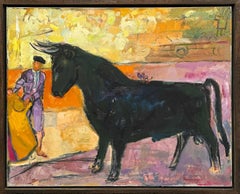
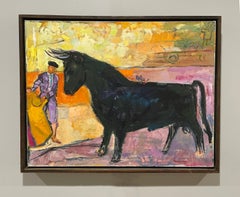
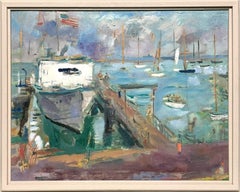
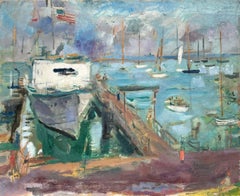
A prolific painter, Chapin produced numerous works while traveling in Mexico, France, Spain, Saugatuck and Martha’s Vineyard, where he frequently spent summers and taught at the Old Sculpin Gallery there. Chapin was best recognized for his dynamic and vibrant images of Chicago during the 1930s and 40s. Chapin was a resident of the Old Town neighborhood where he lived and kept his studio on Menomonee Street for many years. Described as a “colorful figure, nearly 6 feet 6 inches tall, and thin, and usually wearing tweeds”, it is easy to imagine Chapin at work observing the busy street life of the city.
In addition to his many exhibitions at the Art Institute of Chicago, Chapin’s work was shown during his lifetime at such institutions as the Pennsylvania Academy of Fine Arts, Philadelphia; the Corcoran Gallery, Washington, D.C.; the National Academy of Design, New York; the Museum of Modern Art, New York; the Whitney Museum of American Art, New York and the Carnegie Institute, Pittsburgh, among others. Francis Chapin’s paintings are represented in the collections the Art Institute of Chicago; the Friedman Collection, Chicago; the Butler Institute of American Art, Youngstown; the Denver Art Museum; the Everson Museum of Art, Syracuse; the Norton Museum of Art, West Palm Beach; the Telfair Museum of Art, Savannah and the Brooklyn Museum of Art, among others.
A Close Look at Modern Art
The first decades of the 20th century were a period of artistic upheaval, with modern art movements including Cubism, Surrealism, Futurism and Dadaism questioning centuries of traditional views of what art should be. Using abstraction, experimental forms and interdisciplinary techniques, painters, sculptors, photographers, printmakers and performance artists all pushed the boundaries of creative expression.
Major exhibitions, like the 1913 Armory Show in New York City — also known as the “International Exhibition of Modern Art,” in which works like the radically angular Nude Descending a Staircase by Marcel Duchamp caused a sensation — challenged the perspective of viewers and critics and heralded the arrival of modern art in the United States. But the movement’s revolutionary spirit took shape in the 19th century.
The Industrial Revolution, which ushered in new technology and cultural conditions across the world, transformed art from something mostly commissioned by the wealthy or the church to work that responded to personal experiences. The Impressionist style emerged in 1860s France with artists like Claude Monet, Paul Cézanne and Edgar Degas quickly painting works that captured moments of light and urban life. Around the same time in England, the Pre-Raphaelites, like Edward Burne-Jones and Dante Gabriel Rossetti, borrowed from late medieval and early Renaissance art to imbue their art with symbolism and modern ideas of beauty.
Emerging from this disruption of the artistic status quo, modern art went further in rejecting conventions and embracing innovation. The bold legacy of leading modern artists Georges Braque, Pablo Picasso, Frida Kahlo, Salvador Dalí, Henri Matisse, Joan Miró, Marc Chagall, Piet Mondrian and many others continues to inform visual culture today.
Find a collection of modern paintings, sculptures, prints and other fine art on 1stDibs.