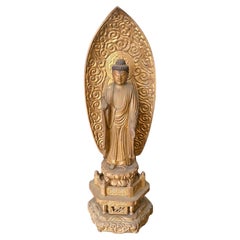
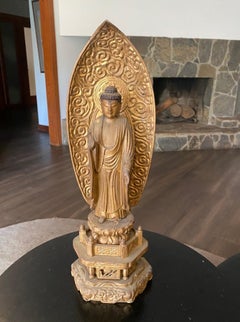
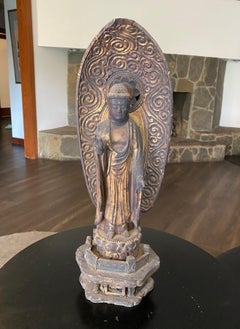
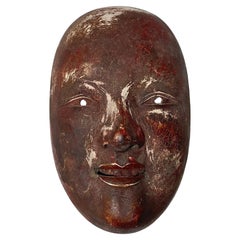
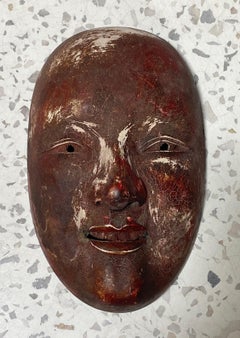
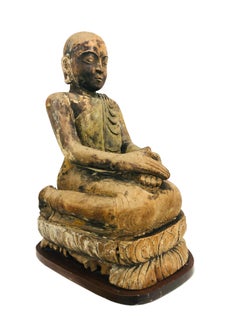
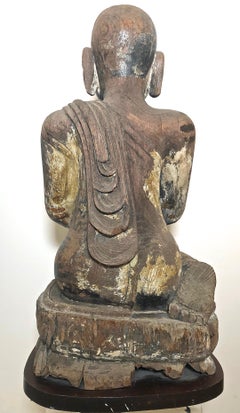
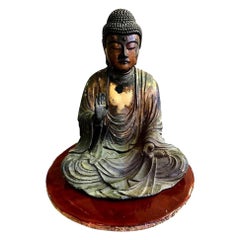
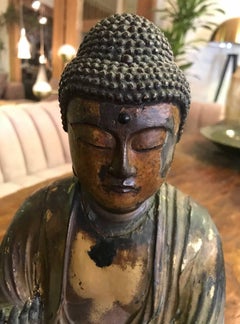
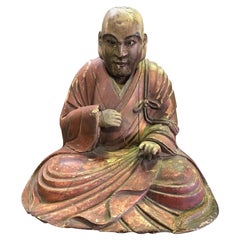
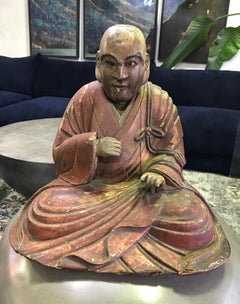
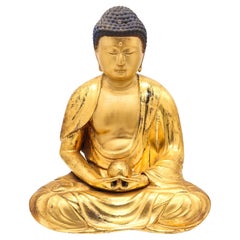
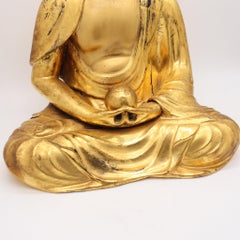
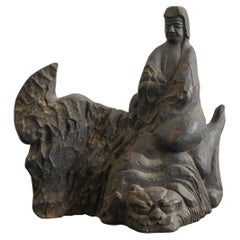
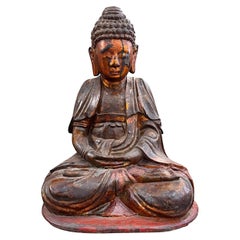
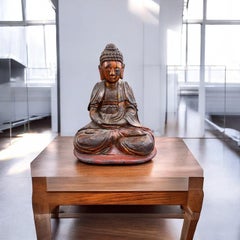
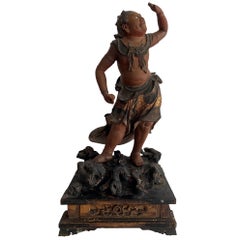
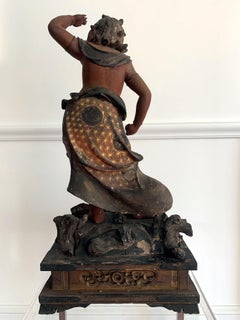
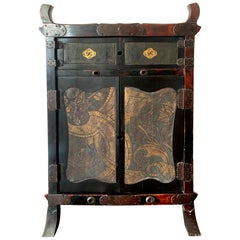
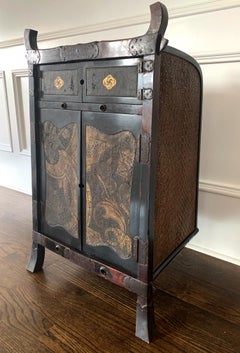
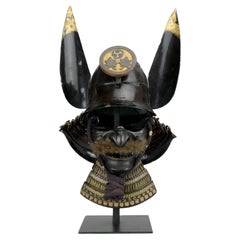
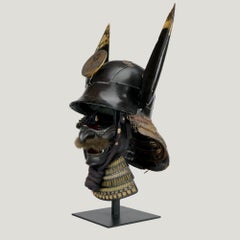
With a vast inventory of beautiful furniture at 1stDibs, we’ve got just the edo wood you’re looking for. A edo wood — often made from
wood,
metal and
paper — can elevate any home. Find 956 options for an antique or vintage edo wood now, or shop our selection of 1 modern versions for a more contemporary example of this long-cherished piece. You’ve searched high and low for the perfect edo wood — we have versions that date back to the 18th Century alongside those produced as recently as the 21st Century are available. When you’re browsing for the right edo wood, those designed in
folk art and
mid-century modern styles are of considerable interest.
Utagawa Kunisada (Toyokuni III),
Mitani Toshuku and
Amos Gustina each produced at least one beautiful edo wood that is worth considering.
Prices for a edo wood can differ depending upon size, time period and other attributes — at 1stDibs, they begin at $0 and can go as high as $1,492,810, while the average can fetch as much as $1,979.
Edo furniture was created during a flourishing time for the decorative arts owing to the stability of the Tokugawa shogunate rule in Japan. Spanning from 1603 to 1867, this era of peace and economic growth supported artistic advancements in lacquer, woodblock printing, porcelain and other artisanal trades. Because the country was largely isolated, there was little outside influence, leading to centuries of exceptional attention to the design of its furnishings and the quality of its traditional arts.
Unlike during the Meiji period that followed, with an increase in domestic and international markets, furniture during the Edo period was predominately commissioned by the ruling class, although people from across social groups benefited from the burgeoning metropolitan hubs for artisanal trades. For instance, Kyoto became a major center for lacquer art. Most furniture pieces were made from wood such as cedar or ash, including the era’s sashimono cabinets, which involved fine joinery and were rooted in the Heian period.
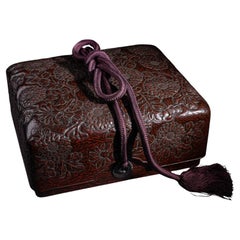
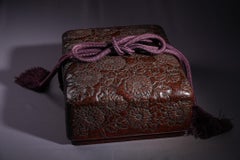
Sashimono cabinets, which were built by master craftsmen in a range of different wood types owing to the various trees that populate Japan, occasionally featured a stack of slender drawers as well as sliding doors. They were popular with everyone from samurai to kabuki actors. Tansu storage chests crafted from wood with metal fittings were also common in Edo-period homes. Some were designed to be easily portable while others were made to double as staircases.
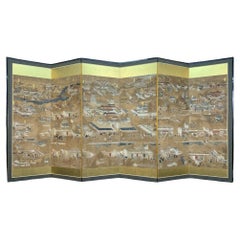
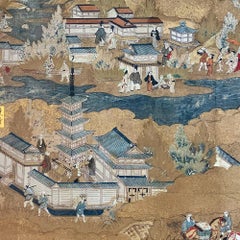
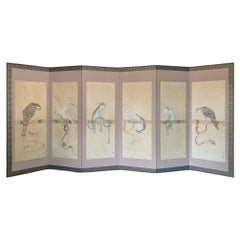
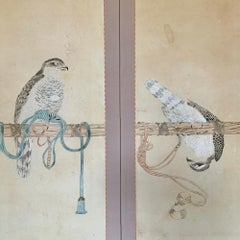
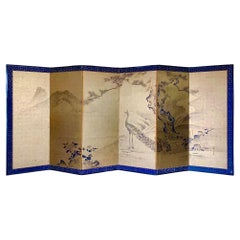
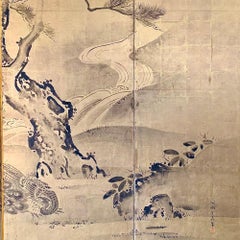
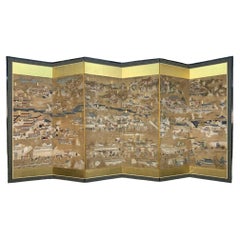
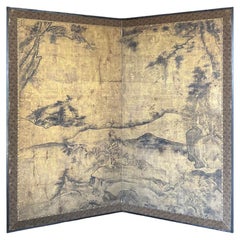
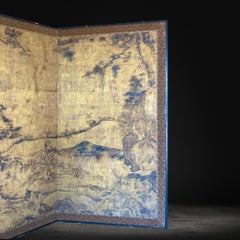
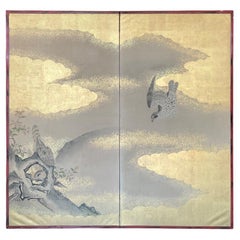
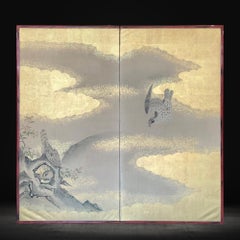
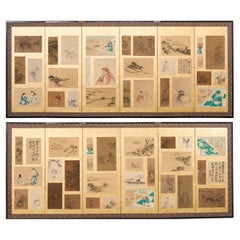
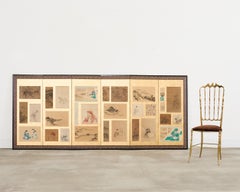
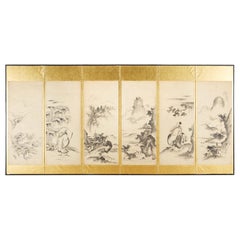
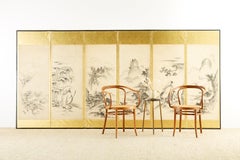
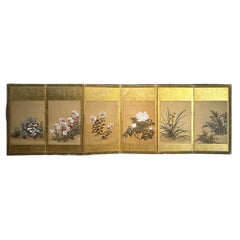
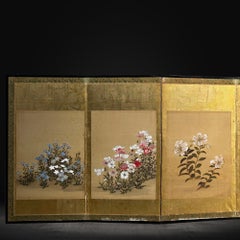
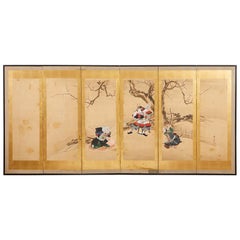
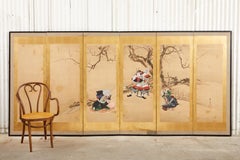
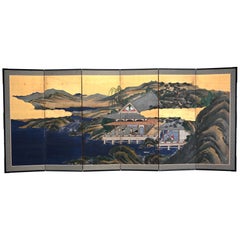
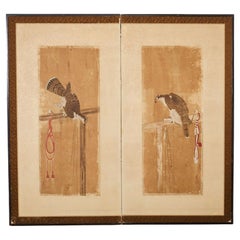
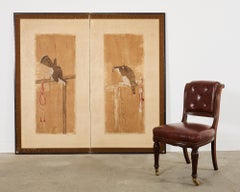
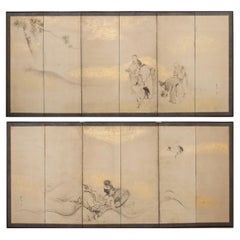
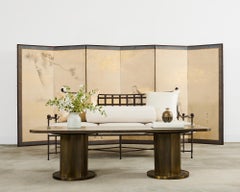
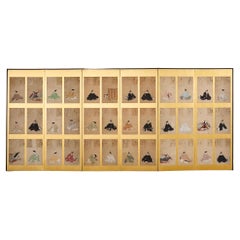
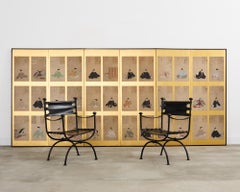
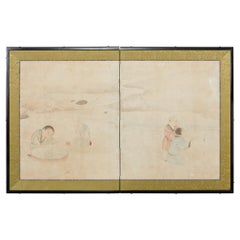
Painted folding screens, called byōbu, were also fashionable, with Japanese artists inspired by nature, literature and scenes of history and daily life to create vivid works. In Buddhist temples and the palatial homes of the aristocratic class, fusuma, or large sliding panels, would sometimes be adorned with gold or silver leaf. These dividers allowed interiors to change throughout the day, closing in small spaces for personal use or reflecting candlelight to illuminate communal spaces after dark.
Find a collection of Edo tables, lighting, decorative objects, wall decorations and more furniture on 1stDibs.