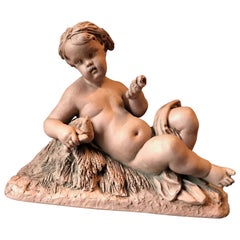
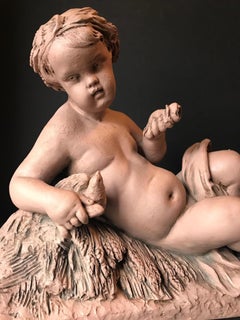
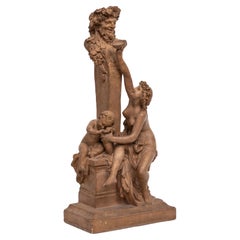
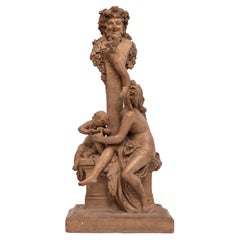
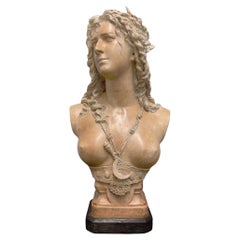
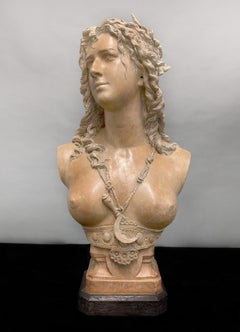
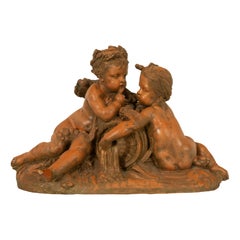
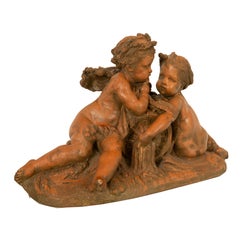
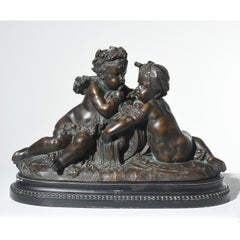
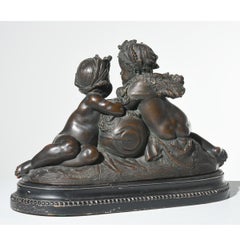
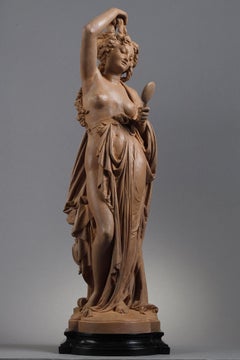
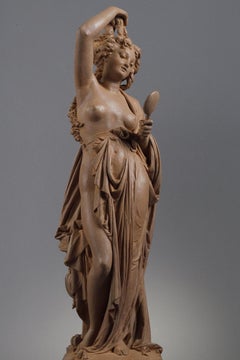
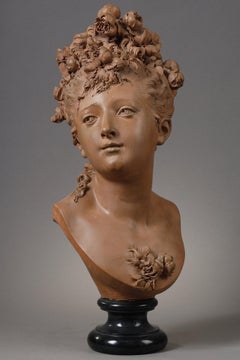
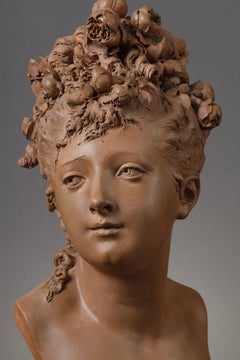
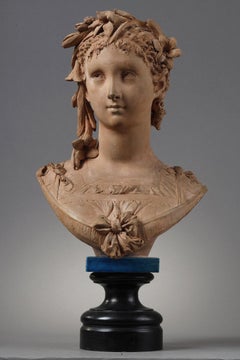
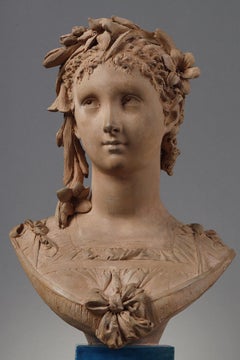
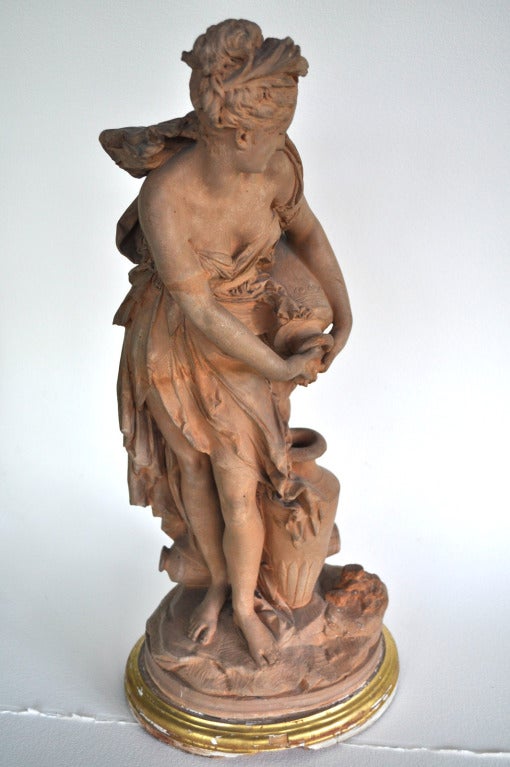
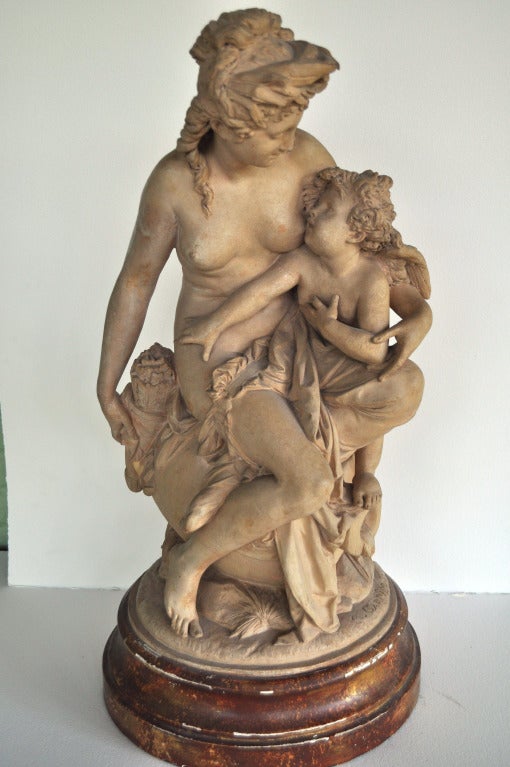
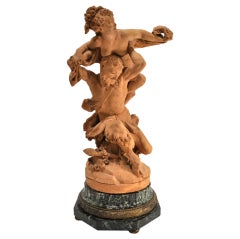
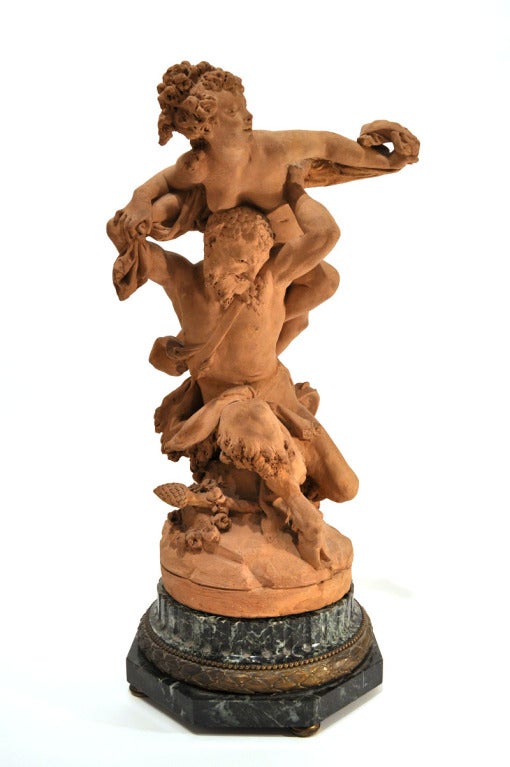
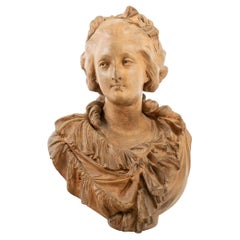
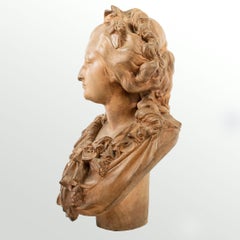
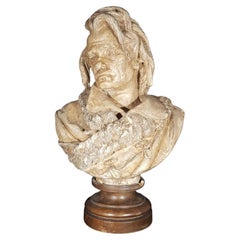
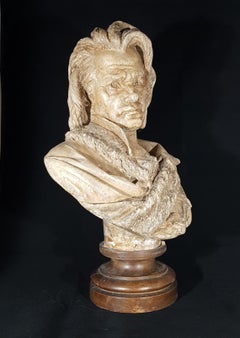
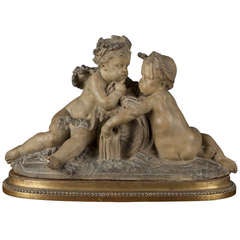
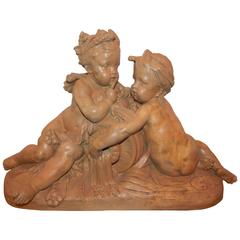
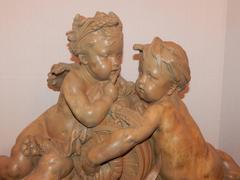
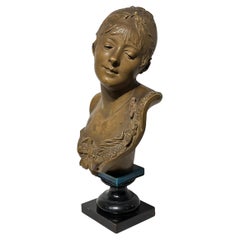
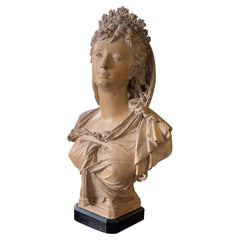
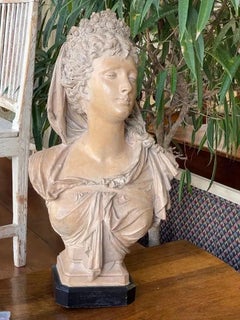
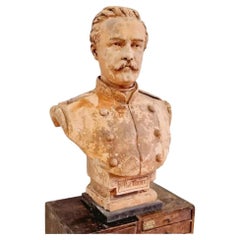
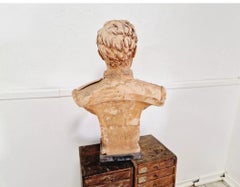
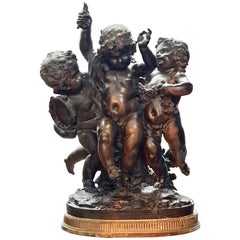
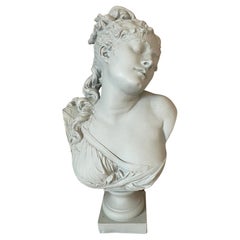
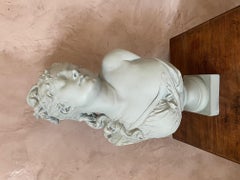
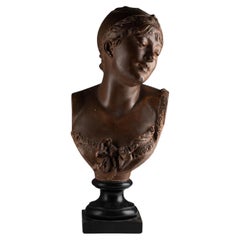
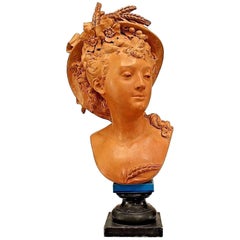
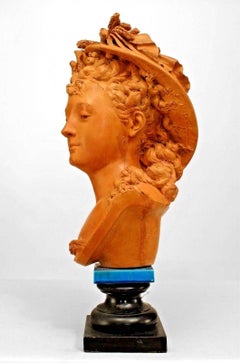
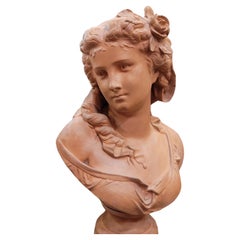
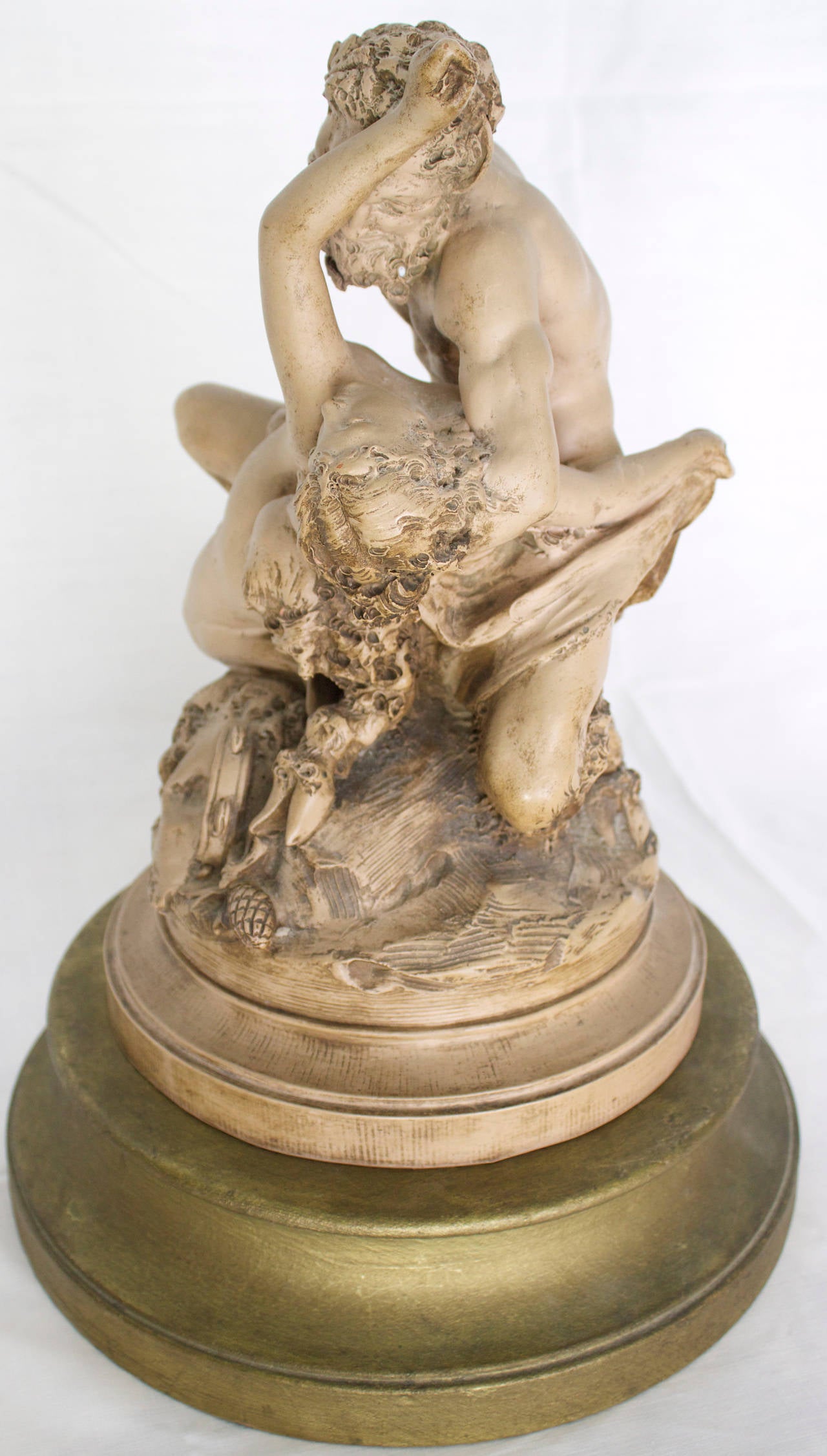
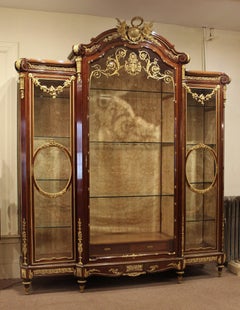
At 1stDibs, there are many versions of the ideal ernest carrier belleuse terracotta for your home. Frequently made of
ceramic,
terracotta and
giltwood, every ernest carrier belleuse terracotta was constructed with great care. You’ve searched high and low for the perfect ernest carrier belleuse terracotta — we have versions that date back to the 19th Century alongside those produced as recently as the 20th Century are available. Each ernest carrier belleuse terracotta bearing
Baroque or
Victorian hallmarks is very popular. You’ll likely find more than one ernest carrier belleuse terracotta that is appealing in its simplicity, but
Albert-Ernest Carrier-Belleuse produced versions that are worth a look.
Albert-Ernest Carrier-Belleuse was a French sculptor. Carrier-Belleuse was born on 12th June 1824 at Anizy-le-Château, Aisne, France. He began his training as a goldsmith's apprentice. He was a student of David d'Angers and briefly studied at the École des Beaux-Arts. His career is distinguished by his versatility and his work outside France, in England between 1850–55 and in Brussels around 1871. His name is perhaps best known because Auguste Rodin worked as his assistant between 1864 and 1870. The two traveled to Brussels in 1871 and by some accounts, Rodin assisted Carrier-Belleuse's architectural sculpture for the Brussels Stock Exchange.
Styling your home with vintage, new and antique sculptures means adding a touch that can meaningfully transform the space. By introducing a sculptural work as a decorative finish to any interior, you’re making a statement, whether you tend toward the dramatic or prefer to keep things casual with modest, understated art.
A single, one-of-a-kind three-dimensional figurative sculpture mounted on your dining room wall is a guaranteed conversation piece, while a trio of abstract works arranged on your living room bookshelves can add spontaneity to the collection of first-edition novels or artist monographs you’re displaying as well as draw attention to them. Figurative sculptures are representational works that portray a specific person, animal or object. And while decorating with busts, which are sculpted or cast figurative works, hasn’t exactly topped the list of design trends every year, busts are back. According to designer Timothy Corrigan, “They give humanity in a way that a more abstract sculpture can’t give.” Abstract sculptures, on the other hand, are not meant to show something specific. Instead, they invoke a mood or scene without directly stating what they are portraying.
Busts made of stone or metal may not seem like a good fit for your existing decor. Fortunately, there are many ways for a seemingly incongruous piece to fit in with the rest of your room’s theme. You can embrace a dramatic piece by making it the focal point of the room, or you can choose to incorporate several elements made out of the same material to create harmony in your space. If an antique or more dramatic piece doesn’t feel like you, why not opt for works comprising plastic, fiberglass or other more modern materials?
When incorporating sculpture into the design of your home — be it the playful work of auction hero and multimedia visionary KAWS, contemporary fiber art from Connecticut dealer browngrotta arts or still-life sculpture on a budget — consider proper lighting, which can bring out the distinctive aspects of your piece that deserve attention. And make sure you know how the size and form of the sculpture will affect your space in whole. If you choose a sculpture with dramatic design elements, such as sharp angles or bright colors, for example, try to better integrate this new addition by echoing those elements in the rest of your room’s design.
Get started on decorating with sculpture now — find figurative sculptures, animal sculptures and more on 1stDibs today.