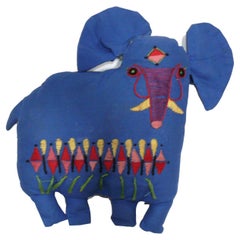
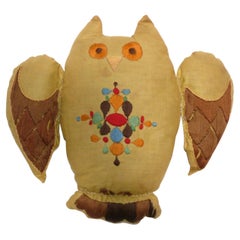
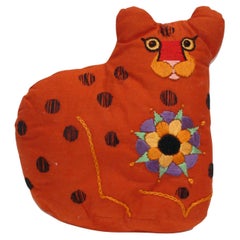
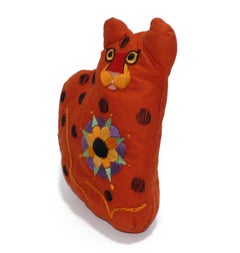
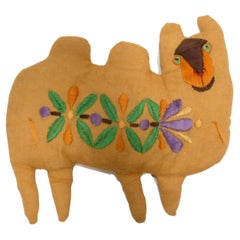
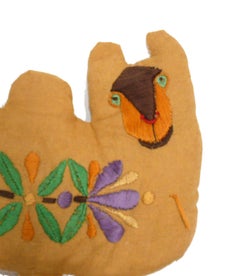
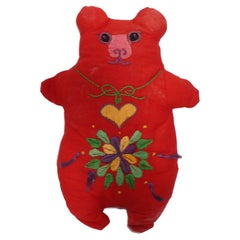
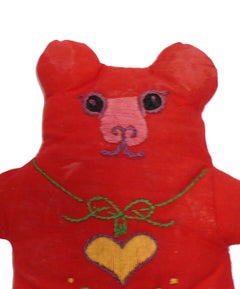
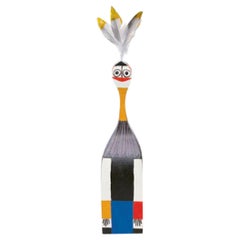
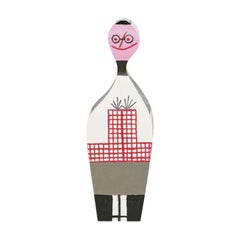
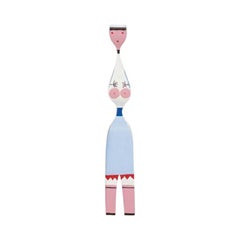
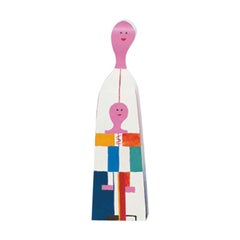
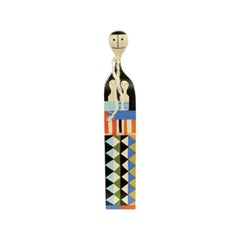
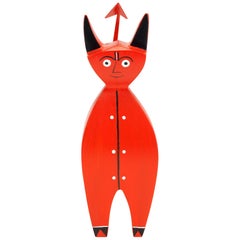
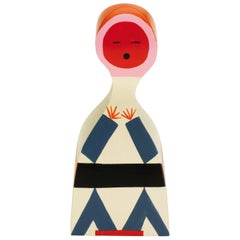
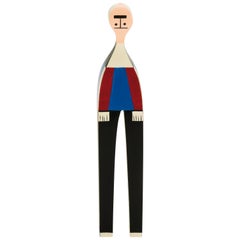
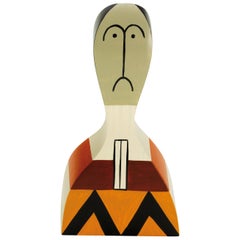
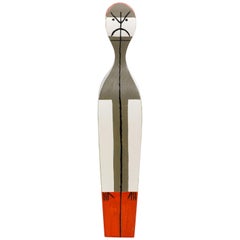
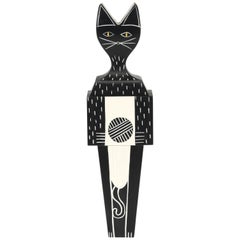
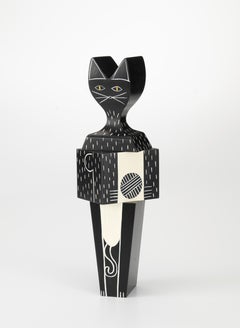
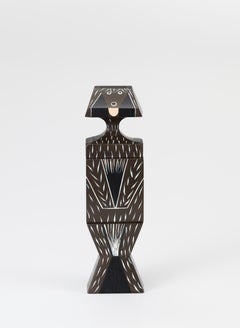
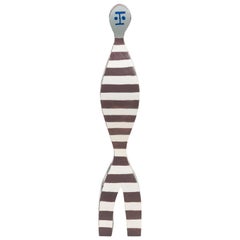
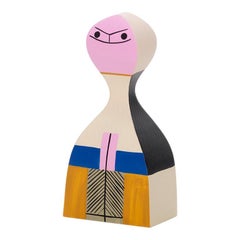
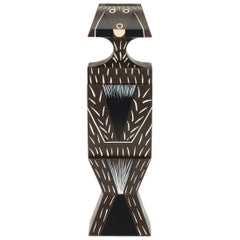
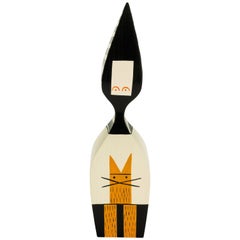
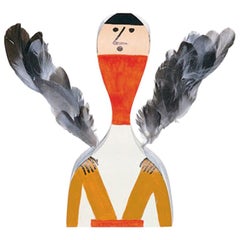
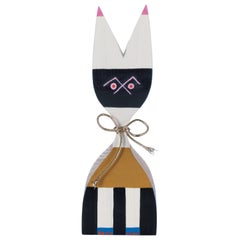
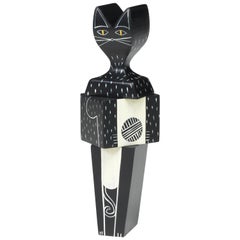
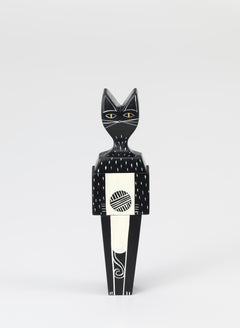
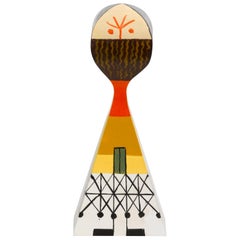
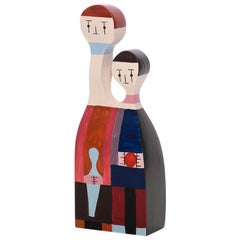
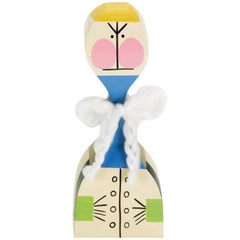
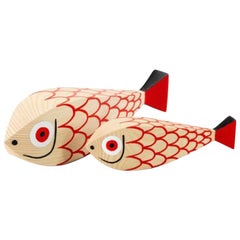
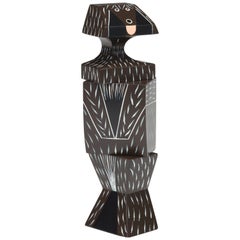
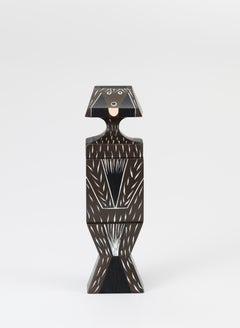
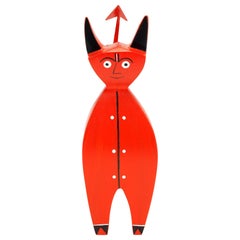
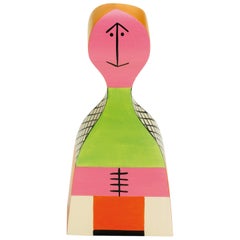
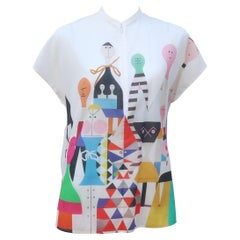
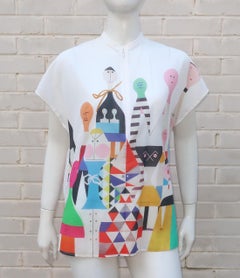
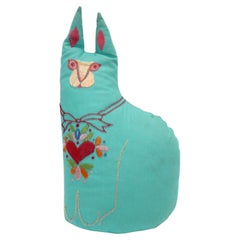
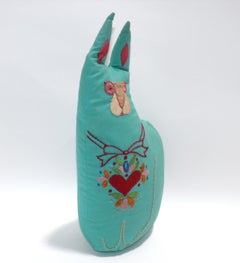
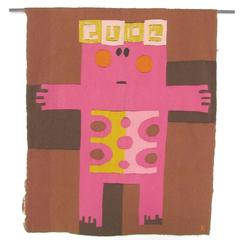
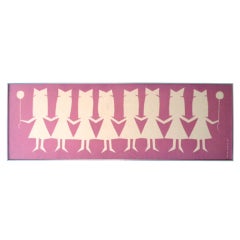
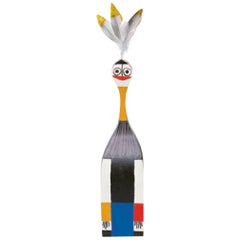
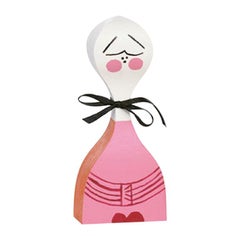
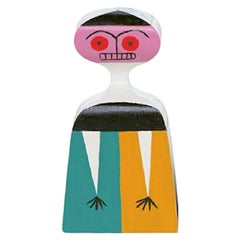
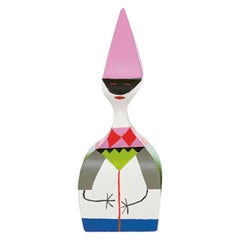
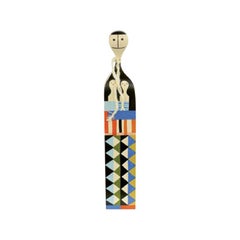
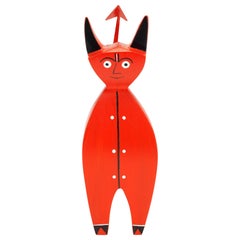
You are likely to find exactly the girard doll you’re looking for on 1stDibs, as there is a broad range for sale. You’re likely to find the perfect girard doll among the distinctive items we have available, which includes versions made as long ago as the 20th Century as well as those made as recently as the 21st Century. Adding a girard doll to a room that is mostly decorated in warm neutral tones can yield a welcome change — find a piece on 1stDibs that incorporates elements of
blue,
brown and more. Finding an appealing girard doll — no matter the origin — is easy, but
Mary Finlayson each produced popular versions that are worth a look. Artworks like these of any era or style can make for thoughtful decor in any space, but a selection from our variety of those made in
cotton,
fabric and
gouache can add an especially memorable touch.
The price for an artwork of this kind can differ depending upon size, time period and other attributes — a girard doll in our inventory may begin at $119 and can go as high as $3,760, while the average can fetch as much as $170.
The director of design for the textiles department at Herman Miller, Inc., from 1952 to 1973, mid-century modern visionary Alexander Girard introduced bright, bouncy colors to upholstery and drapery fabrics, created jaunty graphics for marketing and advertising materials and devised motifs for everything from textiles to ceramics based on his true love: folk art from cultures around the globe.
The son of an American mother and an Italian father, Girard (known as Sandro to his friends) was born in New York City in 1907 but raised in Florence. He came from a creative family — his father was a master woodworker — and Girard began drawing and making his own playthings as a youngster. He had a fascination for nativity crèche tableaux, an enthusiasm that likely was the germ for his later interest in folk art. He went on to earn degrees in architecture at schools in both Rome and London before returning to New York in the 1930s and working in interior design.
By the 1940s, he and his wife, Susan, had moved to Detroit, where Girard was head of design for Detrola, a firm specializing in tabletop radios. The elegant bentwood housings that he developed for the devices won him acclaim, but, more importantly, at Detrola he met Charles Eames. The two became lifelong friends, and it was Eames who drew Girard toward Herman Miller, which had no dedicated textile department until Girard arrived, and most of its furniture was upholstered in mundane, “safe” hues. Girard changed all that, introducing fabrics in vivid shades of red, orange, yellow and blue. His early designs incorporated geometric motifs — stripes, circles, square, triangles and such. But toward the end of the 1950s he began to introduce folk art themes into his designs.
Girard did not collect important or expensive folk pieces. Rather he was drawn to simple objects such as handmade toys, figurines and models of animals, buildings and plants. The fabrics that emerged had whimsical, lighthearted motifs depicting, for example, angels, children, birds and flowers. Toward the end of his term with Herman Miller, in an effort to achieve what he termed “aesthetic functionalism,” Girard produced a group of what he called “Environmental Enrichment” pieces — silk-screened cotton panels emblazoned with various graphic designs, from bold geometric patterns to folk art themes. They were meant to divide spaces in offices or the home in lieu of walls while simultaneously functioning as art. Today, panels of vintage Girard upholstery textiles have become premium collectibles. The designer's furniture is less well known, primarily because most of it was created for private commissions.
Girard’s most lasting contribution may be his folk art collection. He and Susan had begun gathering pieces shortly after their marriage, in 1936. By the 1970s, they had amassed the world’s largest collection of cross-cultural folk art, composed of more than 100,000 pieces from around the world. The Girards donated their holdings to the Museum of International Folk Art, in Santa Fe (where they had moved in the ’60s), quintupling the institution’s collection, and a new wing — named for the Girards — had to be built to hold it.
Find a striking range of vintage Alexander Girard seating, tables, textiles and other furnishings on 1stDibs.