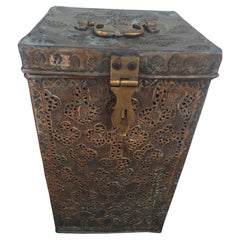
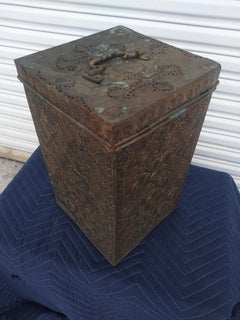
Pierced Islamic Copper Tinned Chest
Located in Pasadena, TX
This is a copper tinned chest from the Middle East. It has a heavy metal handle and is pierced. The
Category
Early 20th Century Unknown Islamic Decorative Boxes
Materials
Copper
Pierced Islamic Copper Tinned Chest
Located in Pasadena, TX
This is a copper tinned chest from the Middle East. It has a heavy metal handle and is pierced. The
Copper
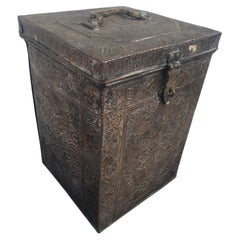
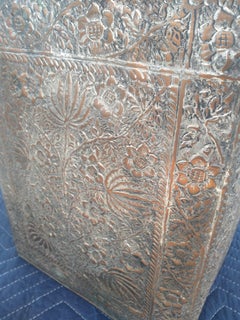
Decorative Islamic Style Copper Tinned Chest
Located in Pasadena, TX
This beautiful Copper Tinned Chest is hand tooled. It has heavy metal handles and hinges. A nice
Metal, Copper
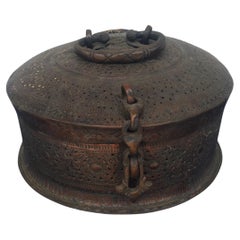
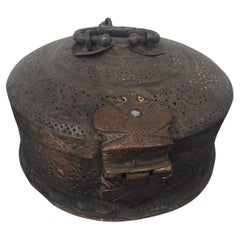
Vintage Indian Pan Daen Pierced Round Copper Tinned Box
Located in Pasadena, TX
A stunning piece of craftsmanship is this tinned box. Called a Pan Daen Mughai it comes from India
Metal, Copper
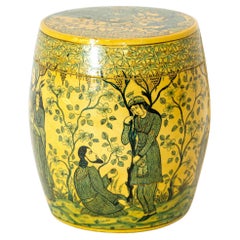
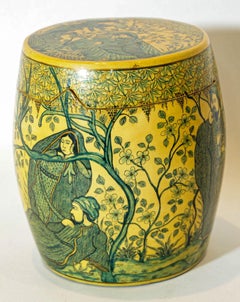
Islamic Kashmir Hand Painted Paper Mache Tea Caddy Storage Box 1950s
Located in Moreno Valley, CA
Exquisite beauty of this antique Islamic Kashmiri Papier-Mâché Tea Caddy, a stunning storage box
Copper
$1,100
H 3.25 in W 7.75 in D 3.25 in
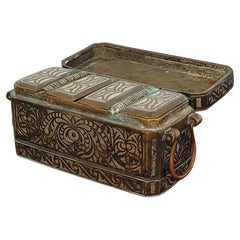
Antique Southeast Asian Filipino Maranao Silver Inlaid Brass Betel Nut Box
Located in Forney, TX
A scarce fine quality antique silver-inlaid solid brass betel nut box (Lutuan), dating to the
Silver, Brass, Bronze, Copper
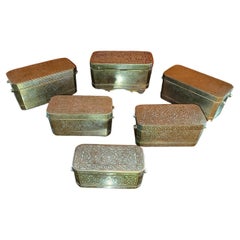

Set of 6 Mindanao Brass Silver Betel Boxes, Philippines
Located in Dallas, TX
copper. Such boxes were used to show off to household visitors and from which they were offered betel
Silver, Brass, Copper
Sold
H 4.5 in W 7 in D 3.5 in
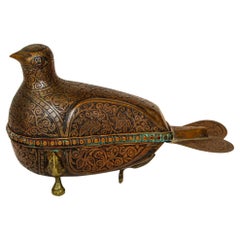
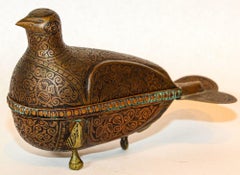
1920s Antique Metal Copper Standing Dove Bird Shaped Lidded Box Islamic Art
Located in Moreno Valley, CA
covered in intricate carvings, lidded covered box.Handcrafted Indo-Islamic decorative clectible copper
Brass, Copper
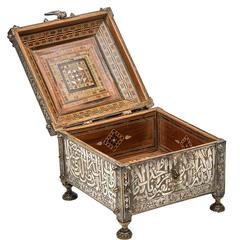
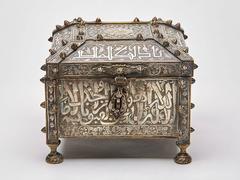
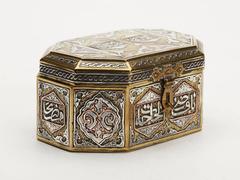
Antique Islamic Inlaid Holy Casket, circa 1900
Located in Bishop's Stortford, Hertfordshire
An exceptional antique Islamic holy casket with Arabic text, probably from the Koran with inlaid
Brass, Copper, Gold, Silver
Sold
H 2.76 in W 3.94 in D 5.52 in
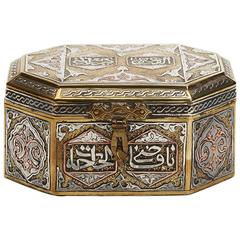
Islamic Inlaid Silver Box Script and Parquetry Interior, 19th Century
Located in Bishop's Stortford, Hertfordshire
A very fine antique Islamic lidded box or casket inlaid with silver and copper on a worked brass
Brass, Copper, Silver
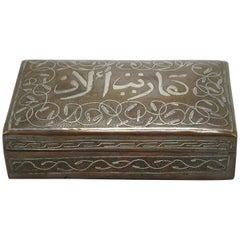
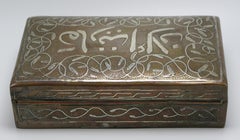
Islamic Silver Calligraphy Inlay Copper Jewelry Box
Located in New York, NY
Antique Islamic silver calligraphy damascened copper jewelry box with cedar wood interior. Original
Copper
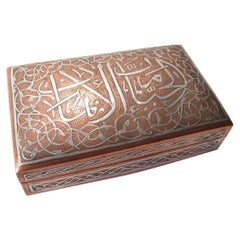
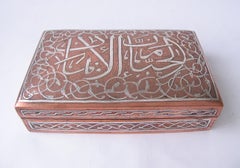
Damascened Copper Jewelry Box With Silver Islamic Calligraphy Inlay
Located in New York, NY
Islamic silver calligraphy inlay damascened copper jewelry box with hinged lid and wood interior
Silver, Copper
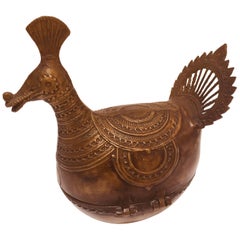
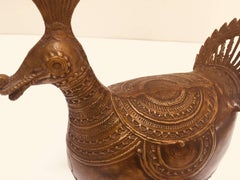
Indo-Islamic Dhokra Copper Betel Nut Peacock Lidded Box
Located in Moreno Valley, CA
Handcrafted Indo-Islamic decorative collectible copper betel nut bird shape trinket box. Large
Brass, Copper
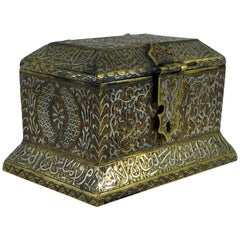

Bronze Box Inlaid with Silver and Copper, Syria, 1900s-1920s
Located in Tours, FR
inlaid copper and silver floral garlands and votive phrases. The work, of great finesse, gives this
Silver, Bronze, Copper
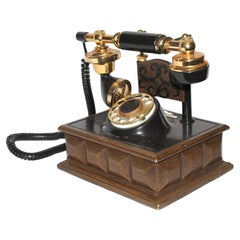
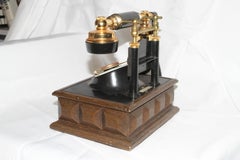
Vintage Wood Rotary Phone
Located in Pasadena, TX
This is a nice historical relic. It's composed from wood. It's American craftsmanship from yesteryear. Brass rotary and accents with contrasting lacquer. A really nice piece of hist...
Brass
$1,200Sale Price|20% Off
H 30 in W 48 in D 48 in
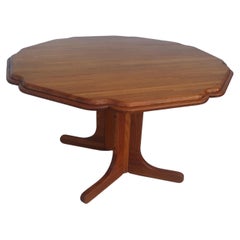
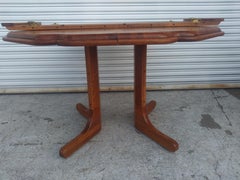
Scalloped Edge Teak Butcher Block Dining Table w/ Leaf
Located in Pasadena, TX
This is an unusually shaped dining table. The edge is scalloped and it has a split pedestal base. The top is made in the butcher block style. The table is made of teak and has a 18' ...
Teak

$280Sale Price|20% Off
H 16 in W 20 in D 1.5 in
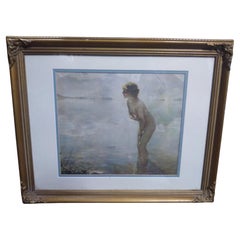
New York Graphics Society Print by Paul Emile Chabas "September Morning"
Located in Pasadena, TX
Paul Chabas was a 19th century French art ( 1869-1937 ). This is a print by the New York Graphics Society for of one of his works. It's titled "September Morning". The print comes w...
Paper
From cupolas to cookware and fine art to filaments, copper metal has been used in so many ways since prehistoric times. Today, antique, new and vintage copper coffee tables, mirrors, lamps and other furniture and decor can bring a warm metallic flourish to interiors of any kind.
In years spanning 8,700 BC (the time of the first-known copper pendant) until roughly 3,700 BC, it may have been the only metal people knew how to manipulate.
Valuable deposits of copper were first extracted on the Mediterranean island of Cyprus around 4,000 BC — well before Europe’s actual Bronze Age (copper + tin = bronze). Tiny Cyprus is even credited with supplying all of Egypt and the Near East with copper for the production of sophisticated currency, weaponry, jewelry and decorative items.
In the 15th, 16th and 17th centuries, master painters such as Leonardo da Vinci, El Greco, Rembrandt and Jan Brueghel created fine works on copper. (Back then, copper-based pigments, too, were all the rage.) By the late 19th and early 20th centuries, decorative items like bas-relief plaques, trays and jewelry produced during the Art Deco, Arts and Crafts and Art Nouveau periods espoused copper. These became highly valuable and collectible pieces and remain so today.
Copper’s beauty, malleability, conductivity and versatility make it perhaps the most coveted nonprecious metal in existence. In interiors, polished copper begets an understated luxuriousness, and its reflectivity casts bright, golden and earthy warmth seldom realized in brass or bronze. (Just ask Tom Dixon.)
Outdoors, its most celebrated attribute — the verdigris patina it slowly develops from exposure to oxygen and other elements — isn’t the only hue it takes. Architects often refer to shades of copper as russet, ebony, plum and even chocolate brown. And Frank Lloyd Wright, Renzo Piano and Michael Graves have each used copper in their building projects.
Find antique, new and vintage copper furniture and decorative objects on 1stDibs.
From mere trinkets to useful receptacles that serve a distinct purpose, antique boxes as decorative objects have come in many forms over the years. No matter what they’re made of or where they end up in your home, decorative boxes add both style and storage to your space.
The decorative box that is likely most common is the jewelry box. These boxes were originally known as jewel caskets and were in common use in Ancient Egypt, as most Egyptians wore some sort of jewelry. A portable jewelry box, in its original intended use, was integral to keeping your jewelry safe and secure. This accessory has transformed in size, shape and appearance over the years. Initially it was common for a jewelry box to bear intricate ornamentation. Whether they’re mid-century modern works of marble and brass or feature playful Art Deco–style geometric decor, jewelry boxes boast real staying power.
Snuff boxes began to soar in popularity during the 17th century (and were commonplace in European homes by the mid-19th century). The boxes, some hand-painted with landscape scenes, some made from gold, porcelain or stone, contained a small amount of tobacco, which users would sniff, or “snuff,” throughout the day. Some particularly ornamental snuff boxes featured enameled designs or were set with precious gems and were given as gifts or party favors, particularly at the coronation of royalty or other lavish events.
Whether you’re organizing important mail in the foyer or tucking away medications in your bathroom, antique boxes — be they metal tea caddies, sterling-silver decorative boxes or Victorian cigar boxes made of oak (even if you don’t smoke) — are a sophisticated solution to help keep the surfaces in your home clutter-free. And no matter if you’re seeking a decorative box to beautify a desktop or bestow upon a loved one, you are sure to find something you love in the collection of antique and vintage boxes on 1stDibs.