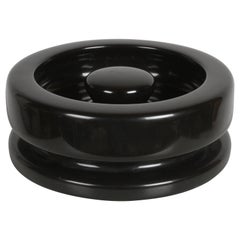
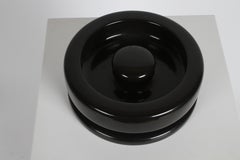
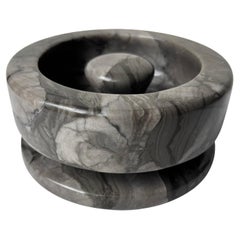
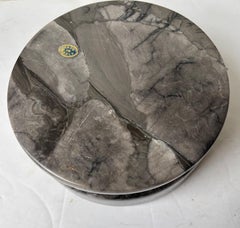
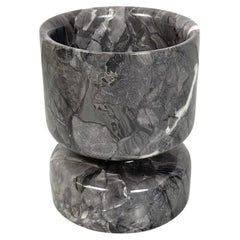
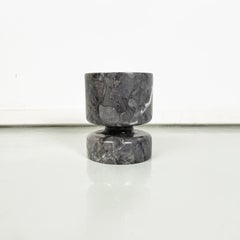
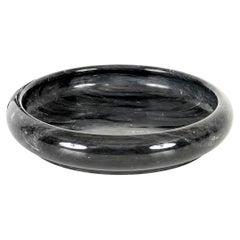
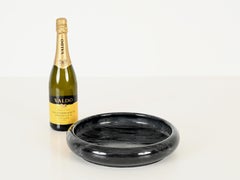
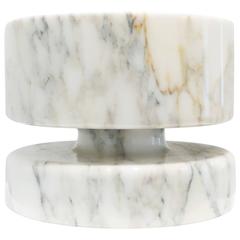
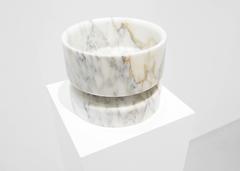
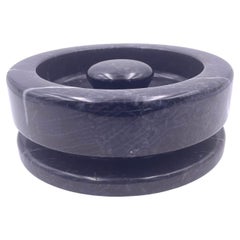
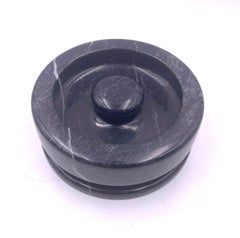
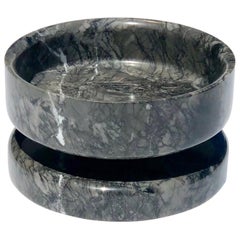
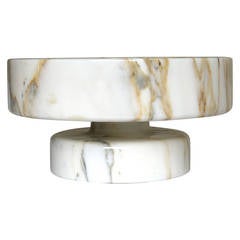
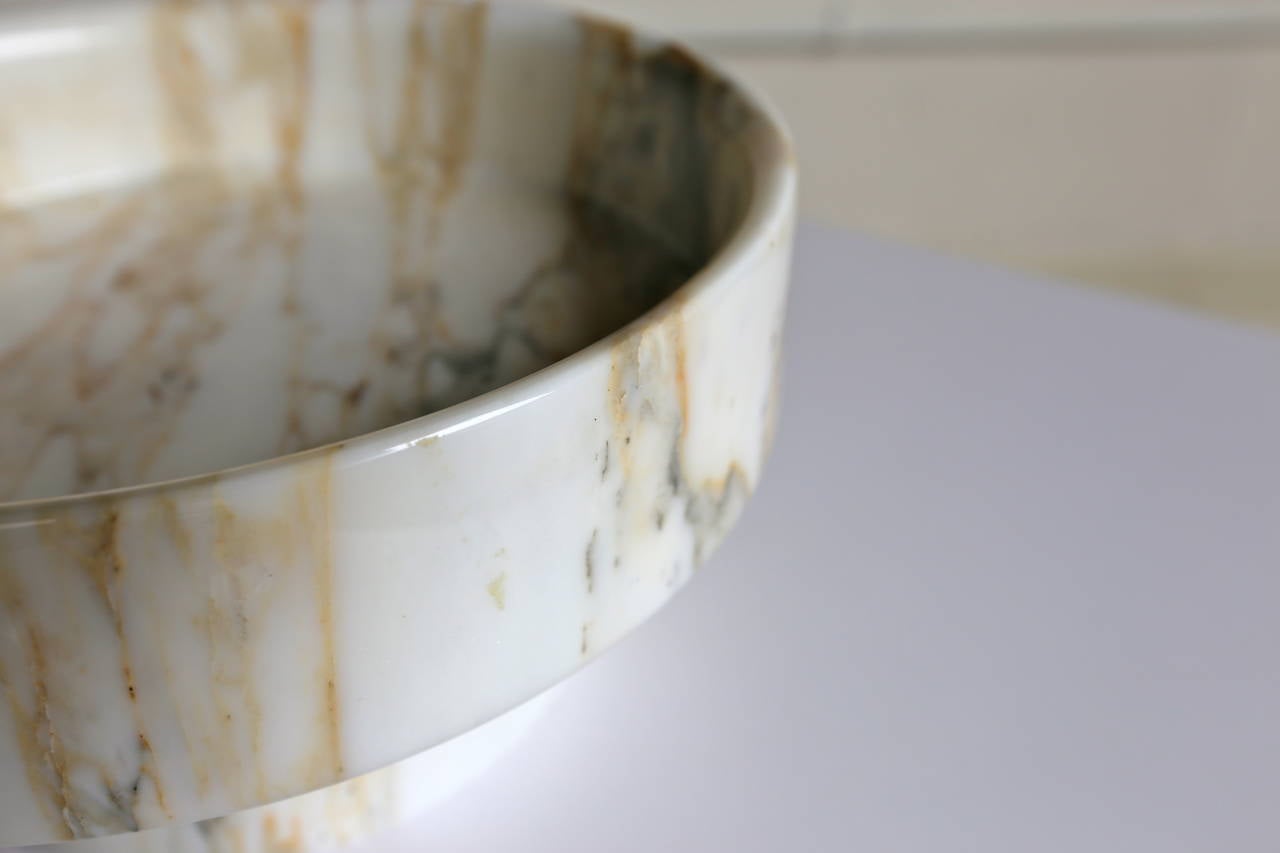
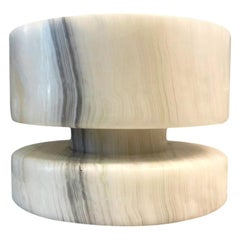
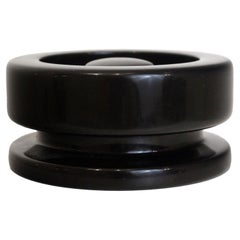
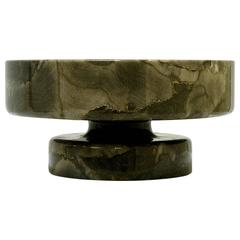
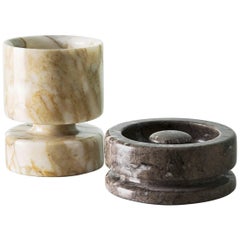
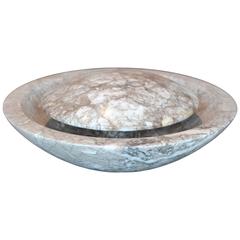
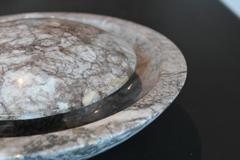
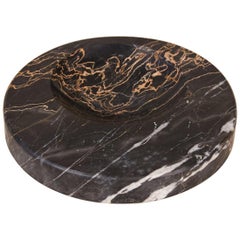
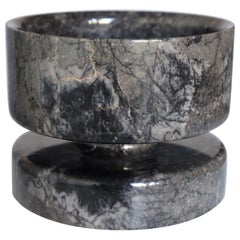
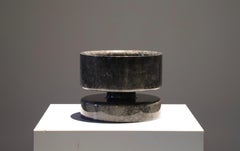
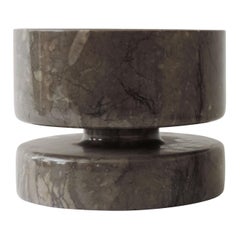
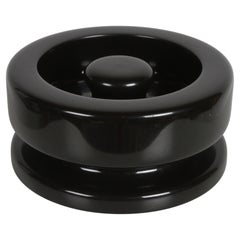
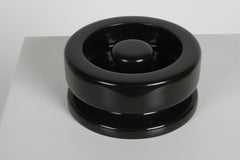
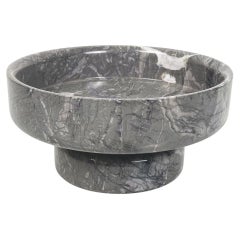
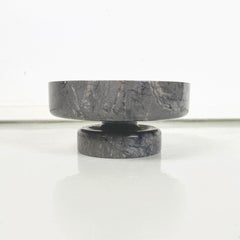
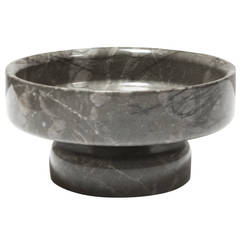
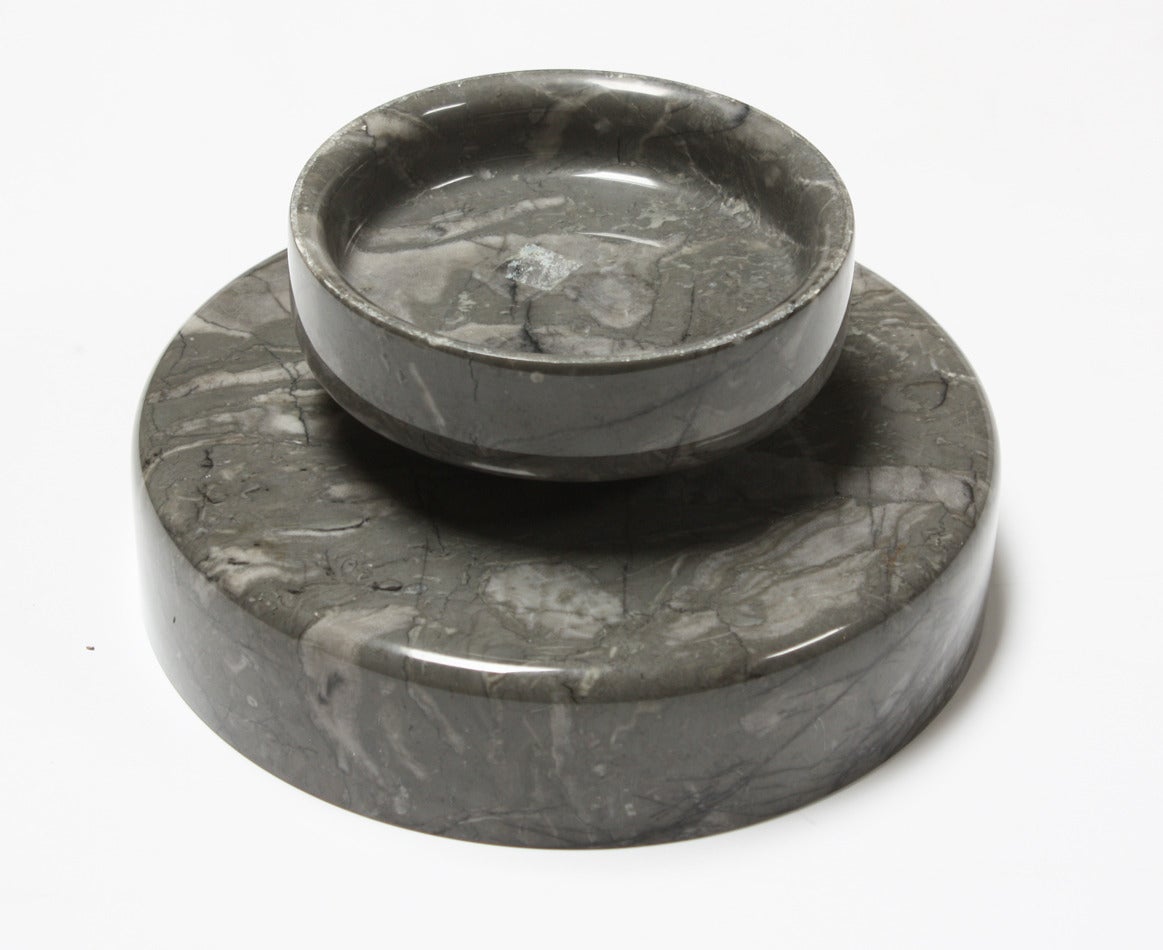
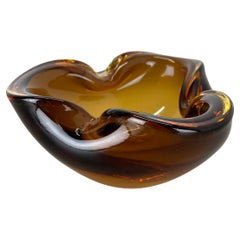
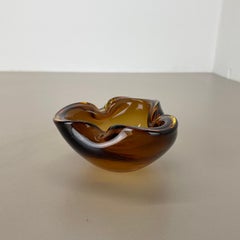
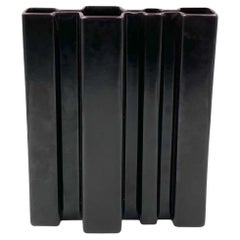
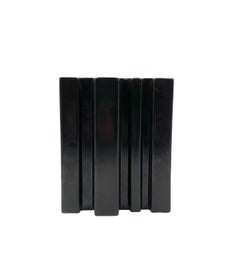
With a vast inventory of beautiful furniture at 1stDibs, we’ve got just the knoll marble bowl you’re looking for. Each knoll marble bowl for sale was constructed with extraordinary care, often using
marble and
stone. You’ve searched high and low for the perfect knoll marble bowl — we have versions that date back to the 20th Century alongside those produced as recently as the 20th Century are available. A knoll marble bowl is a generally popular piece of furniture, but those created in
Mid-Century Modern styles are sought with frequency. A well-made knoll marble bowl has long been a part of the offerings for many furniture designers and manufacturers, but those produced by
Angelo Mangiarotti,
Knoll and
Sergio Asti are consistently popular.
Prices for a knoll marble bowl can differ depending upon size, time period and other attributes — at 1stDibs, they begin at $850 and can go as high as $3,071, while the average can fetch as much as $2,225.
Italian architect, designer, teacher and urban planner Angelo Mangiarotti was a leading light in the international design community from the 1960s onward. While he was an adherent of the rationalist principles of purity of line and simplicity of construction, he sought to imbue his designs for coffee tables, dining chairs, sconces and other furnishings with a sense of character and lightness of spirit that was often lacking in late-20th-century modernist architecture and design.
Born in Milan, Mangiarotti studied architecture at Milan Polytechnic, graduating in 1948. Five years later, he won a visiting professorship at the Illinois Institute of Technology — beginning a peripatetic academic career that would see him teaching in numerous Italian institutions as well as in schools as far afield as Hawaii and Australia. He worked with Bauhaus eminences Ludwig Mies van der Rohe and met such greats as Frank Lloyd Wright and Walter Gropius. He returned to Italy in 1955 and would go on to work on numerous industrial, residential, commercial and civic projects in his home country, most notably a group of six railway stations in Milan.
As a designer, Mangiarotti and the development of his career embodies the evolution of modernism in the latter decades of the 20th century. In the late 1950s and early ’60s, after early experiments in plywood furniture and one-piece foam-core seating — including the 1110 lounge chair for Cassina — Mangiarotti began to design using more classic materials, from delicate, curvaceous blown-glass table lamps for Artemide to chandeliers with crystal links for Vistosi.
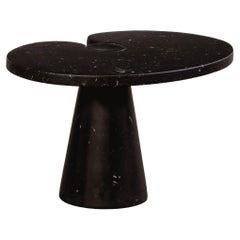
In 1971, Mangiarotti introduced what became his signature designs: a series of tables in marble and other stones that featured “gravity joints,” their legs held in place by the weight of the tabletop. Tables in his Eros collection have muscular proportions that anticipate the robust, overscaled lines of postmodern works that would appear 10 years later: His Eccentrico table, for example, is a striking assemblage in marble featuring a top that is cantilevered dramatically on a canted columnar base.
But simplicity and practicality were consistently the primary watchwords of Mangiarotti’s designs. The purity and elegance of the objects he created offer a graceful counterpoint to a traditional decor, yet they have a singular sculptural presence that allows them to stand out powerfully in a modern interior.
Find vintage Angelo Mangiarotti furniture on 1stDibs.
Every time you move into a house or an apartment — or endeavor to refresh the home you’ve lived in for years — life for that space begins anew. The right home accent, be it the simple placement of a decorative bowl on a shelf or a ceramic vase for fresh flowers, can transform an area from drab to spectacular. But with so many materials and items to choose from, it’s easy to get lost in the process. The key to styling with antique and vintage decorative objects is to work toward making a happy home that best reflects your personal style.
Ceramics are a versatile addition to any home. If you’ve amassed an assortment of functional pottery over the years, think of your mugs and salad bowls as decorative objects, ideal for displaying in a glass cabinet. Vintage ceramic serveware can pop along white open shelving in your dining area, while large stoneware pitchers paired with woven baskets or quilts in an open cupboard can introduce a rustic farmhouse-style element to your den.
Translucent decorative boxes or bowls made of an acrylic plastic called Lucite — a game changer in furniture that’s easy to clean and lasts long — are modern accents that are neutral enough to dress up a coffee table or desktop without cluttering it. If you’re showcasing pieces from the past, a vintage jewelry box for displaying your treasures can spark conversation: Where is the jewelry box from? Is there a story behind it?
Abstract sculptures or an antique vessel for your home library can draw attention to your book collection and add narrative charm to the most appropriate of corners. There’s more than one way to style your bookcases, and decorative objects add a provocative dynamic. “I love magnifying glasses,” says Alex Assouline, global vice president of luxury publisher Assouline, of adding one’s cherished objects to a home library. “They are both useful and decorative. Objects really elevate libraries and can also make them more personal.”
To help with personalizing your space and truly making it your own, find an extraordinary collection of decorative objects on 1stDibs.