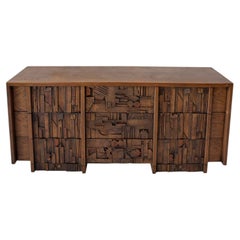
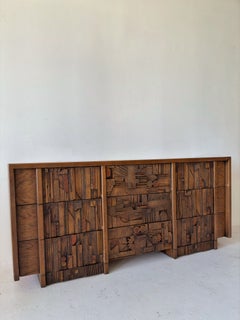
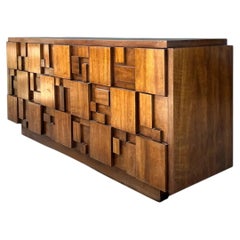
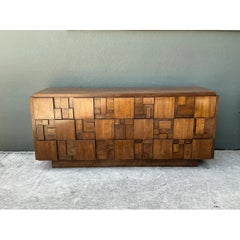
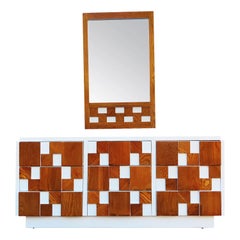
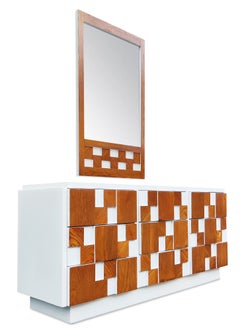
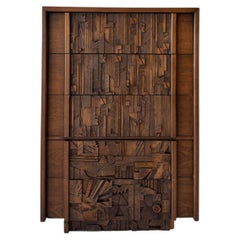
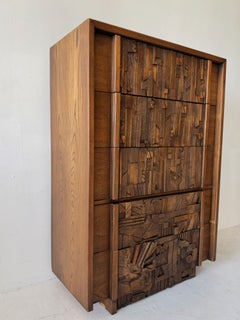
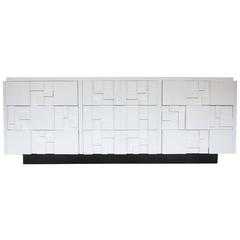
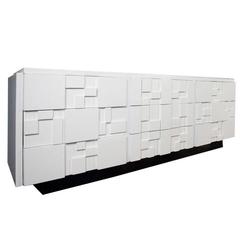
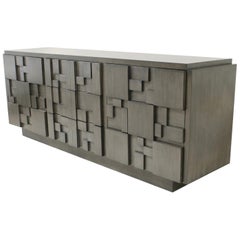
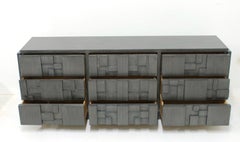
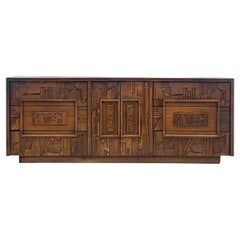
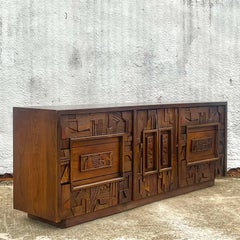
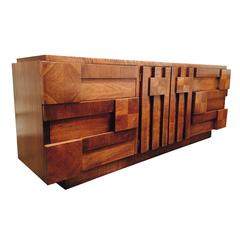
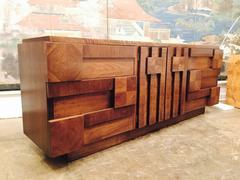
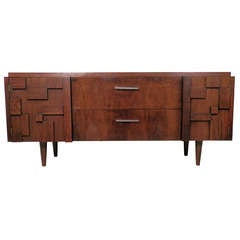
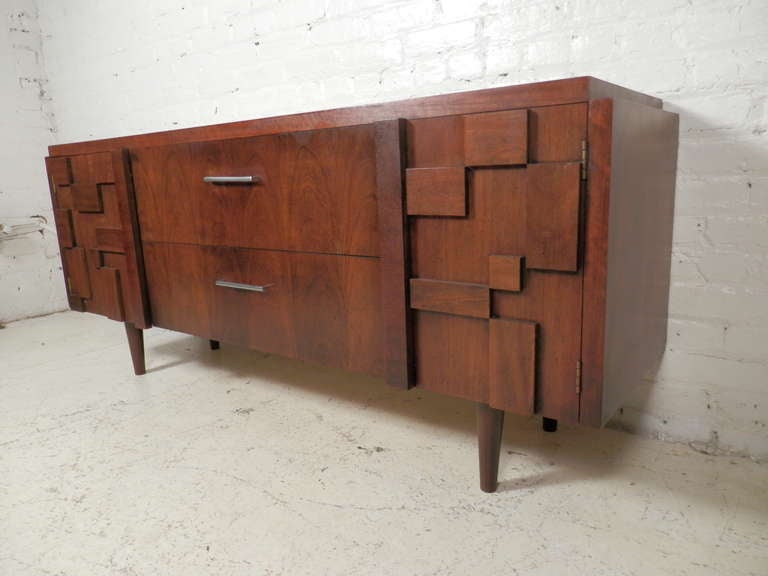
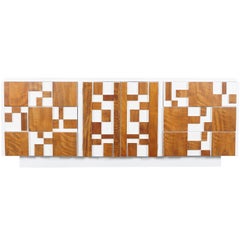
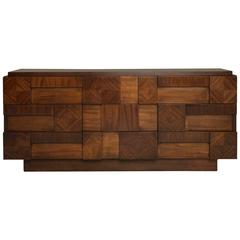
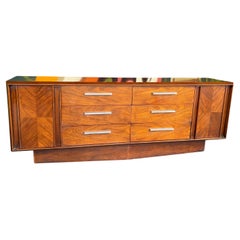
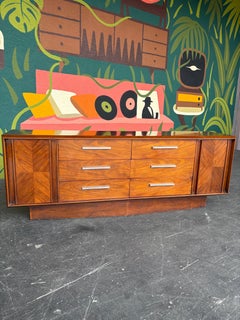
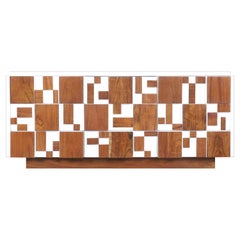
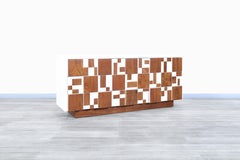
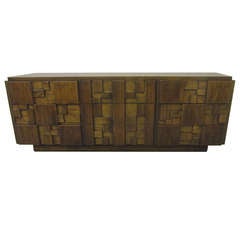
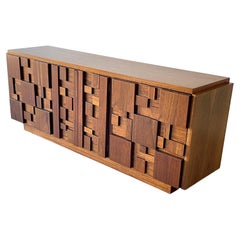
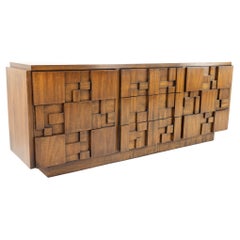
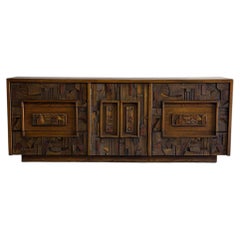
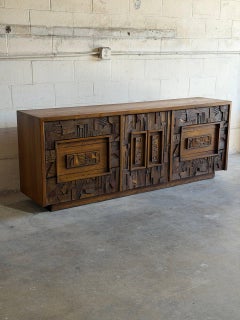
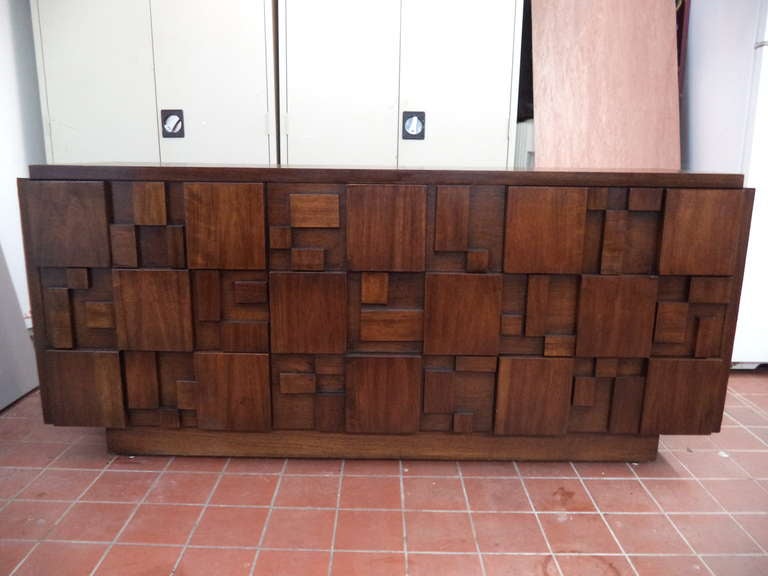
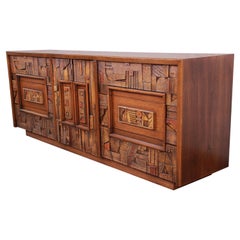
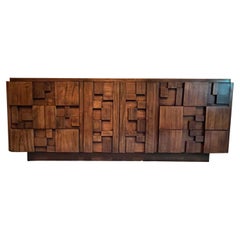
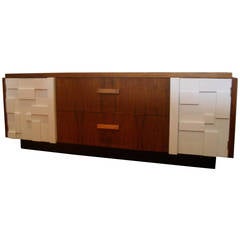
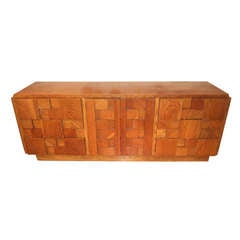
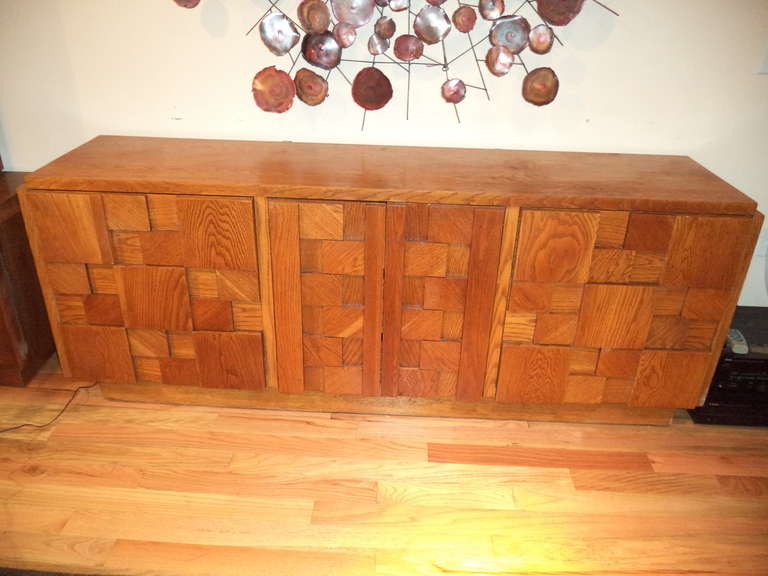
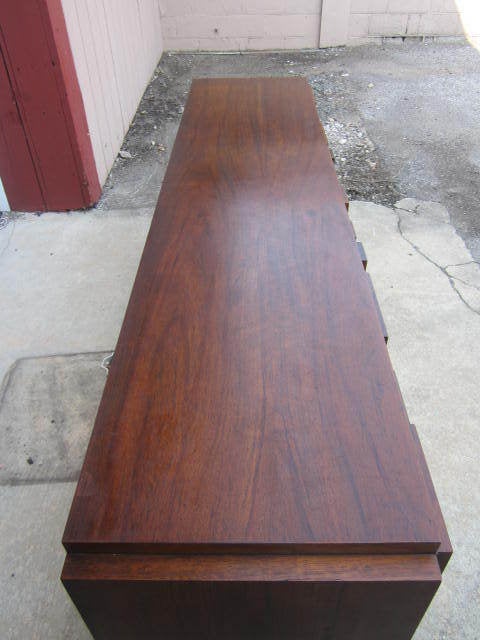
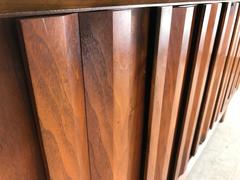
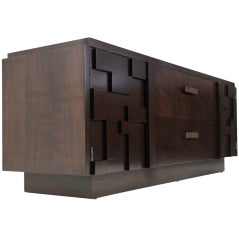
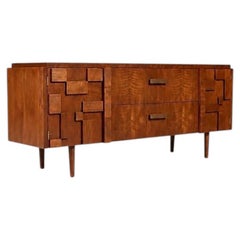
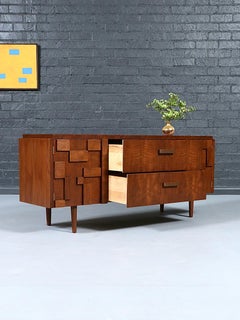
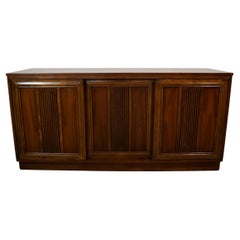
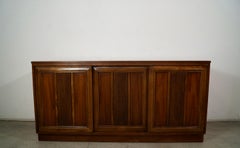
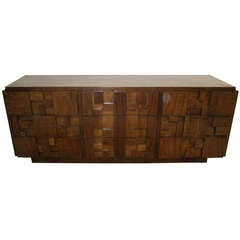
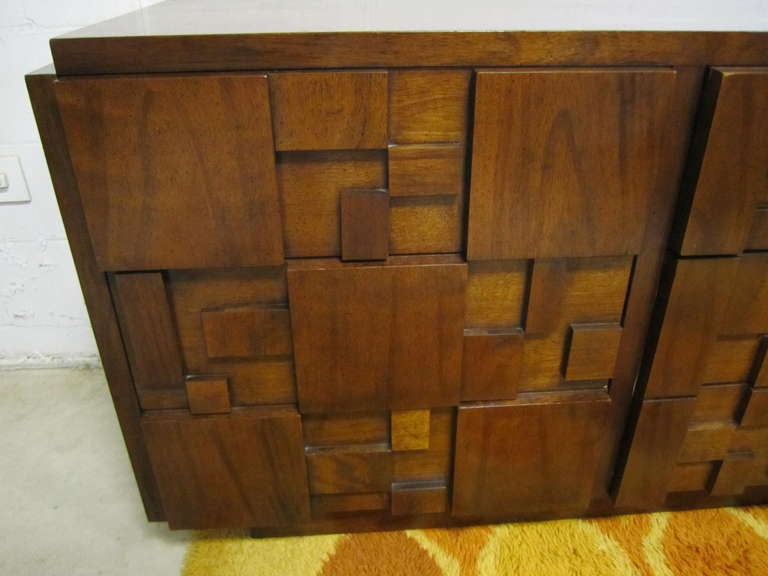
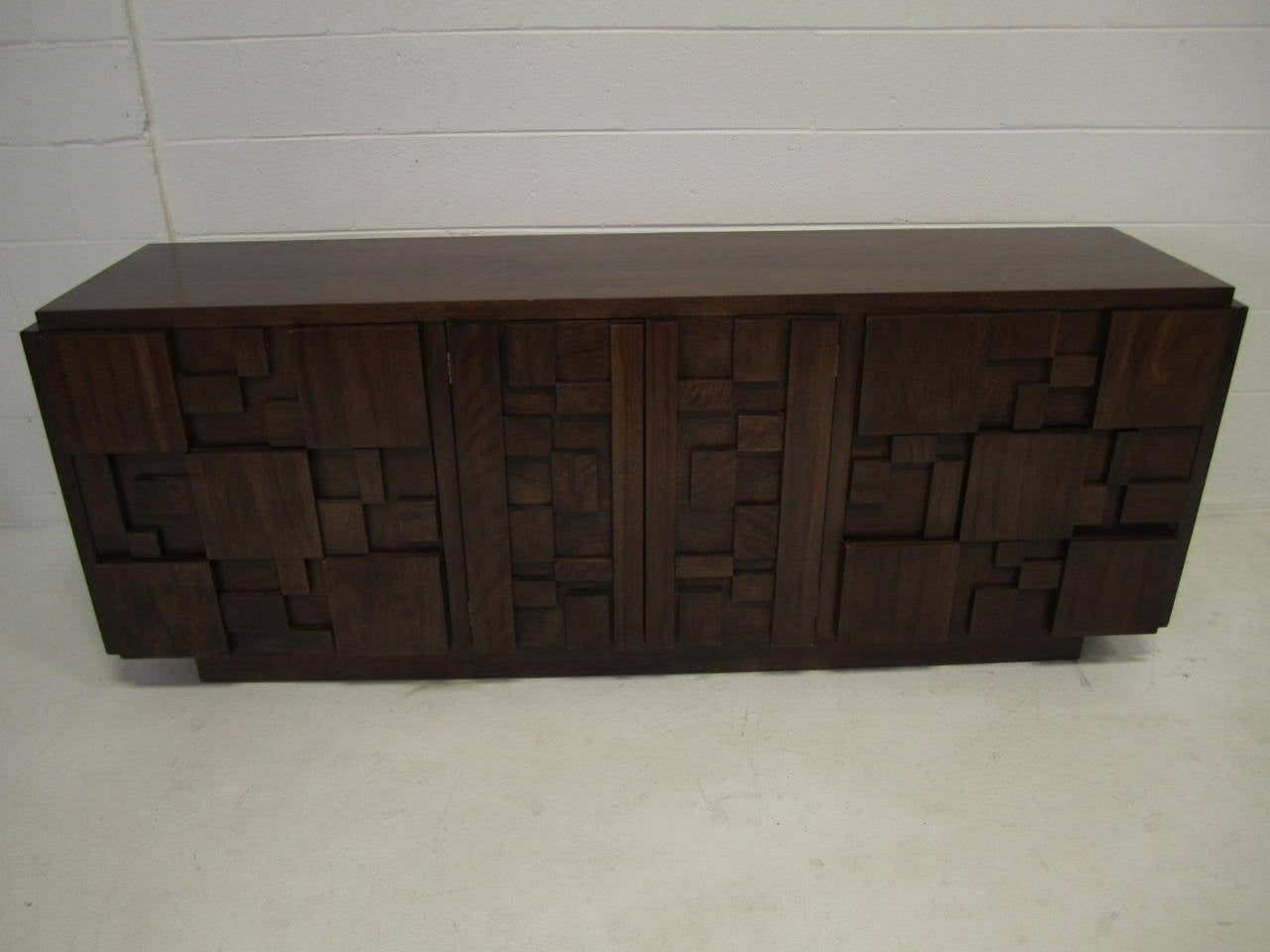
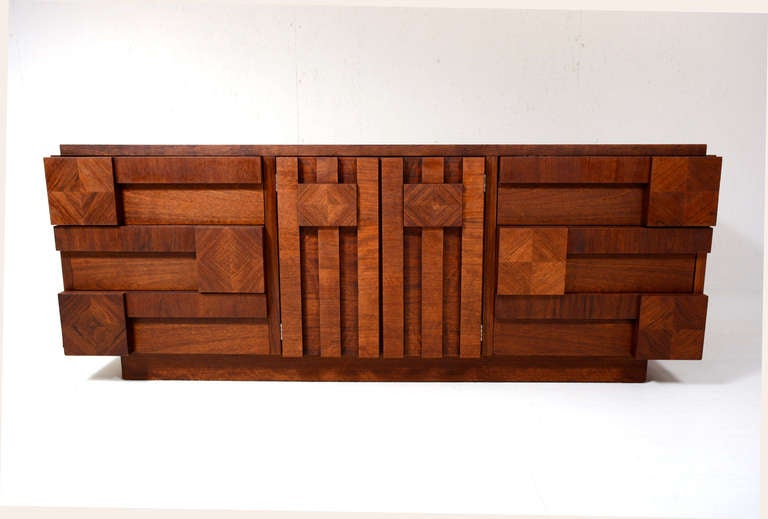
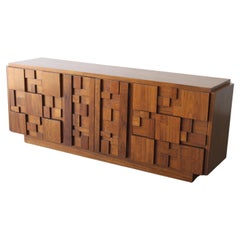
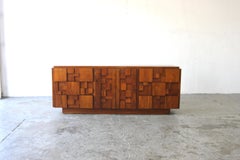
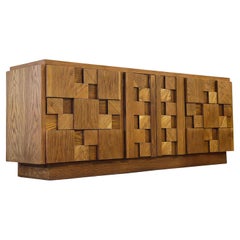
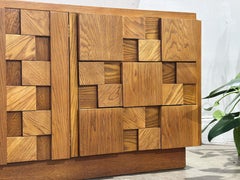
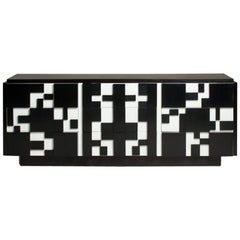
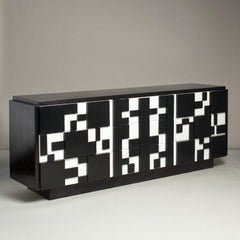
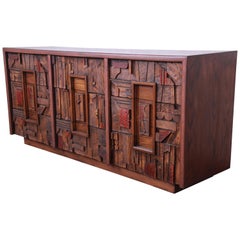
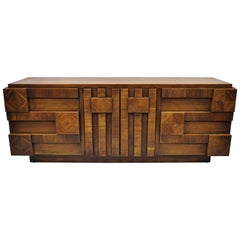
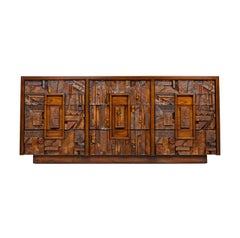
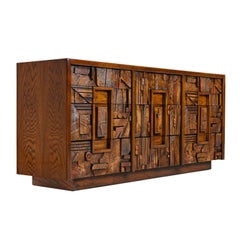
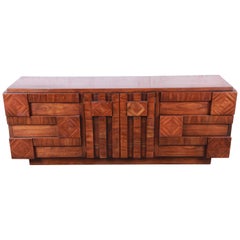
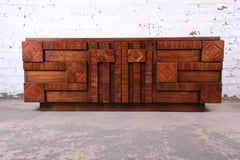
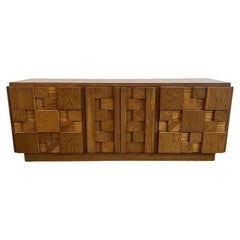
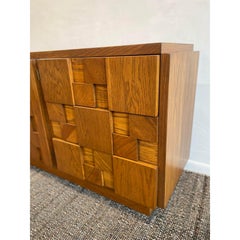
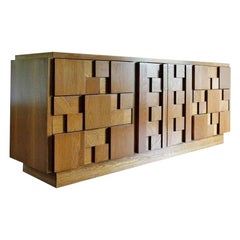
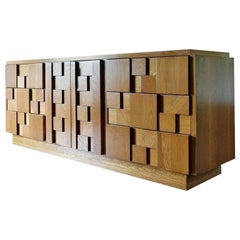
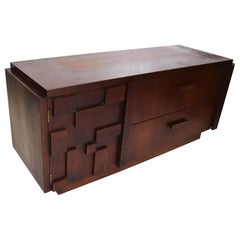
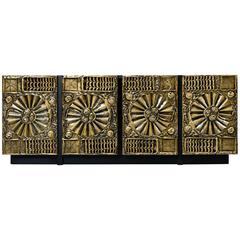
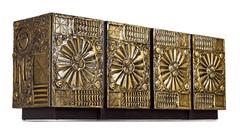
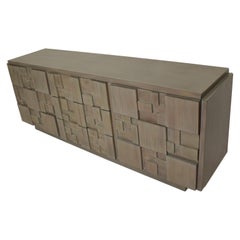
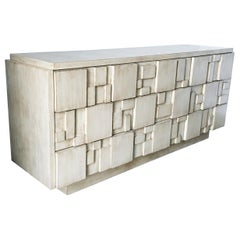
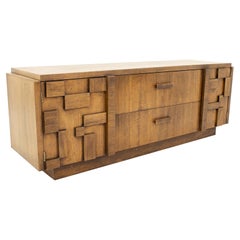
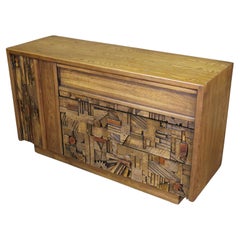
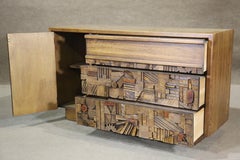
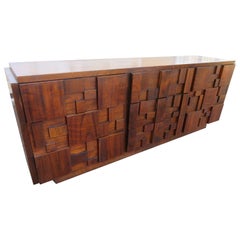
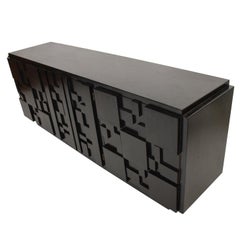
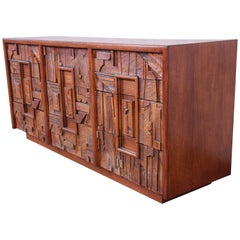
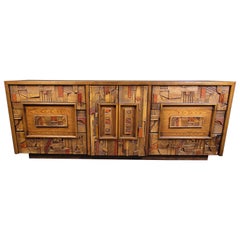
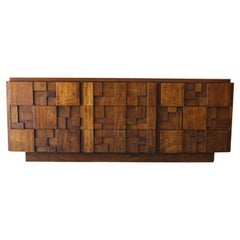
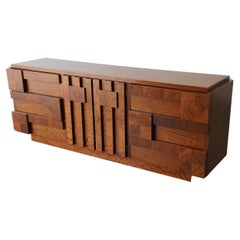
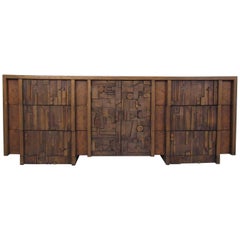
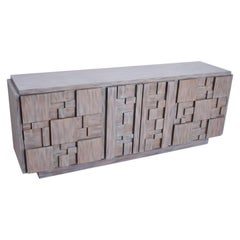
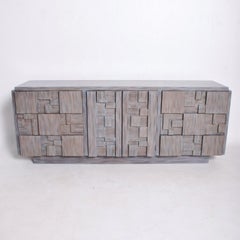
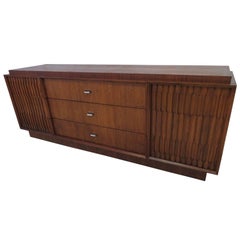
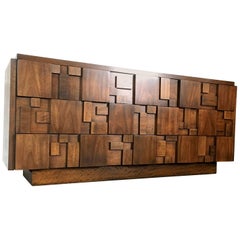
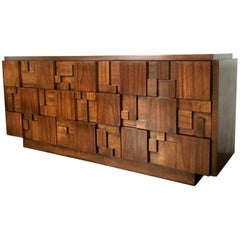
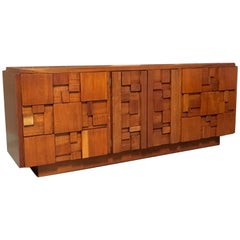
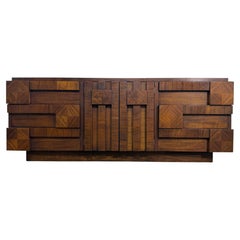
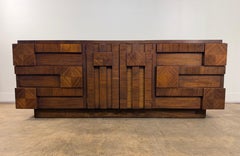
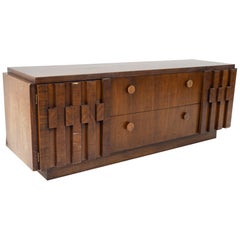
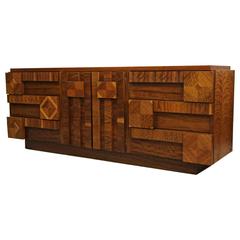
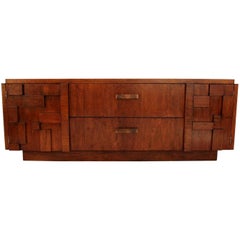
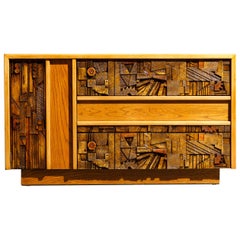
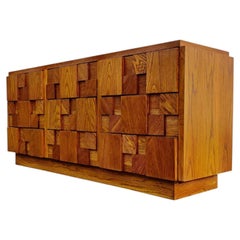
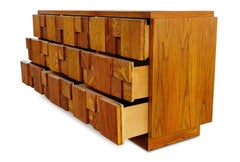
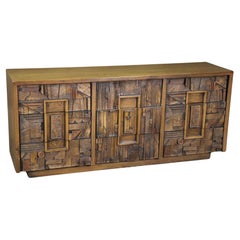
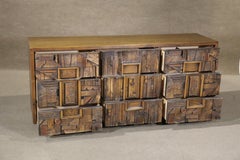
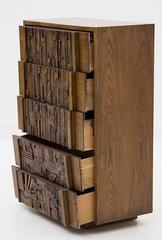
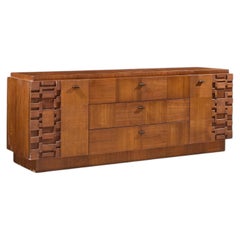
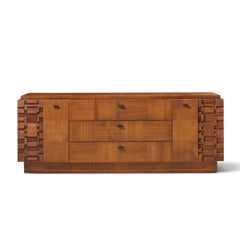
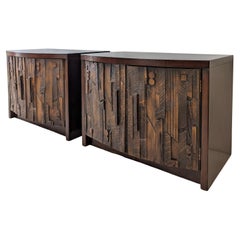
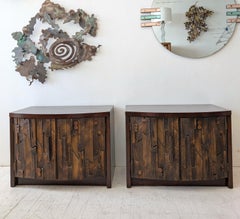
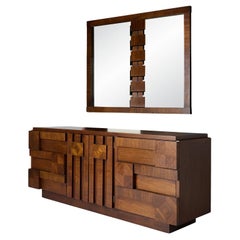
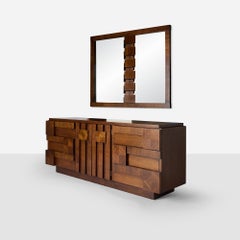
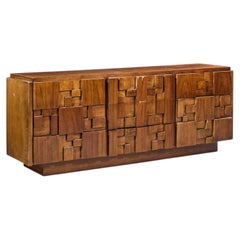
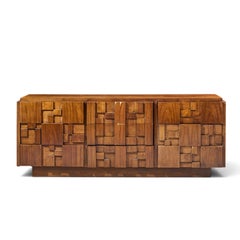
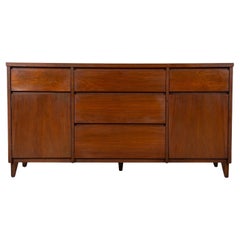
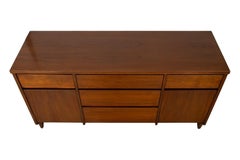
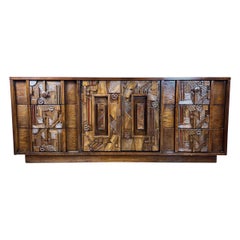
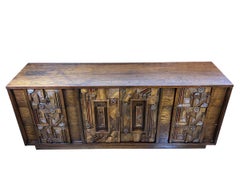
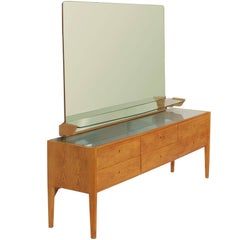
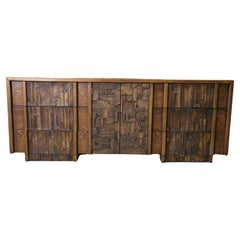
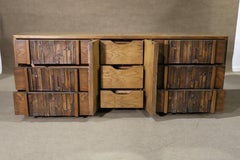
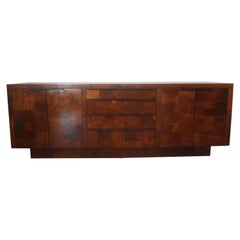
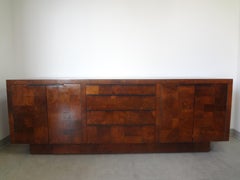
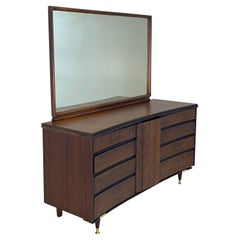
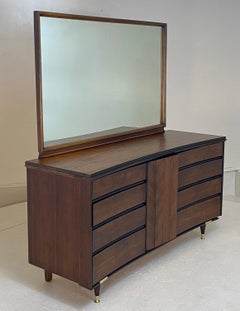
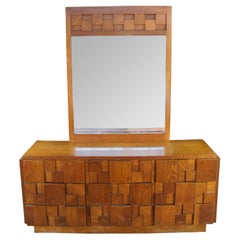
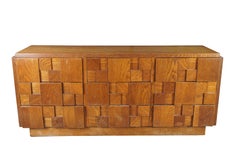
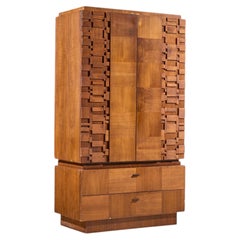
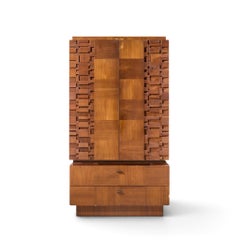
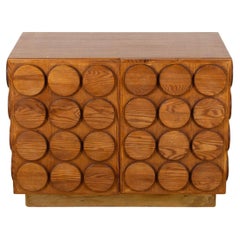
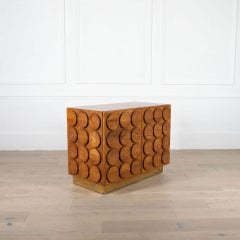
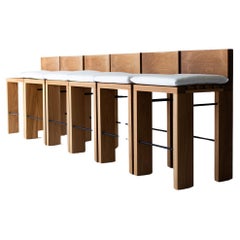
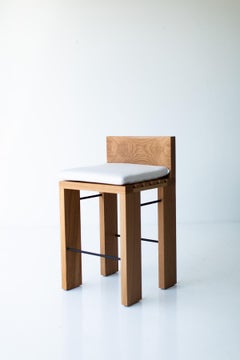
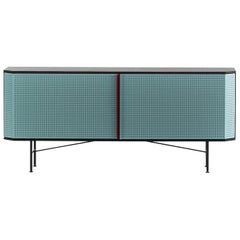
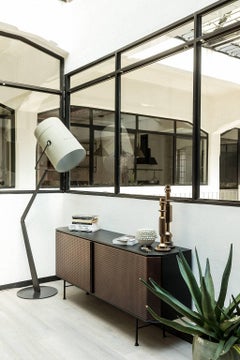
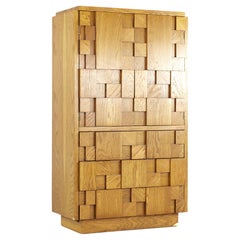
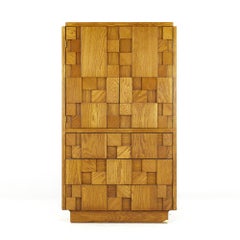
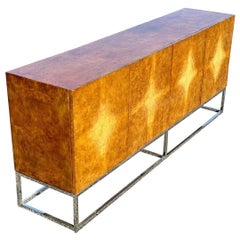
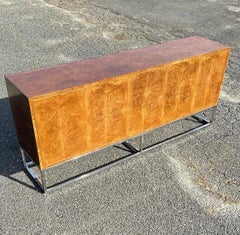
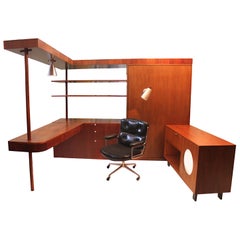
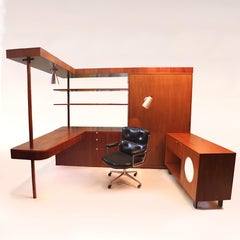
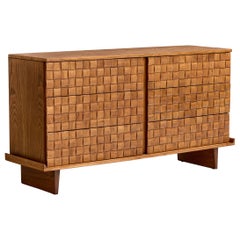
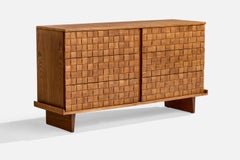
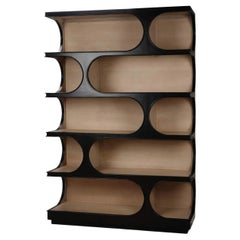
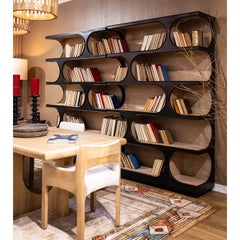
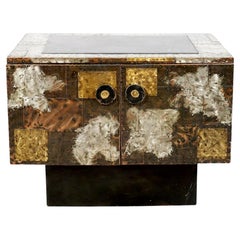
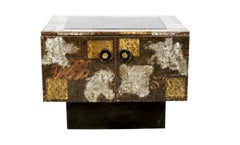
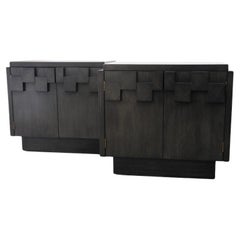
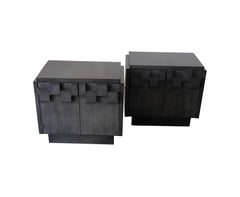
At 1stDibs, there are many versions of the ideal lane brutalist credenza for your home. A lane brutalist credenza — often made from
wood,
walnut and
oak — can elevate any home. You’ve searched high and low for the perfect lane brutalist credenza — we have versions that date back to the 18th Century alongside those produced as recently as the 20th Century are available. A lane brutalist credenza, designed in the
Mid-Century Modern style, is generally a popular piece of furniture. Many designers have produced at least one well-made lane brutalist credenza over the years, but those crafted by
Lane Furniture,
Lane Acclaim and
Glenn of California are often thought to be among the most beautiful.
A lane brutalist credenza can differ in price owing to various characteristics — the average selling price 1stDibs is $3,299, while the lowest priced sells for $1,700 and the highest can go for as much as $9,950.
When the first iteration of the Lane Furniture company began to produce its now-famous Lane cedar chests in the early 20th century, the family behind the brand was unsure of how successful they’d be, so they initially didn’t bother adding their name to the offerings.
The manufacturer was off to a modest start but the family was industrious: The Lanes were made up of farmers and contractors who’d built more than 30 miles of the Virginian railroad. They owned a cotton mill and purchased thousands of acres of land in Campbell County, Virginia, where the Virginian railroad was intended to cross the main line of the Southern Railway.
The Lanes hoped to start a town in this region of the state, and by 1912, streets for the town of Altavista had been laid out and utility lines were installed. In the spring of that year, John Lane purchased a defunct box factory at a bankruptcy auction. His son, Edward Hudson Lane, was tasked with the manufacturing of the cedar “hope” chests for which the Lane family would become known, even though the company was initially incorporated as the Standard Red Cedar Chest Company.
The Standard Red Cedar Chest Company struggled in its early days but introduced an assembly system at its small factory after securing a contract with the federal government to produce ammunition boxes made of pine during World War I. The company prospered and applied mass-production methods to its cedar-chest manufacturing after the war, and, in 1922, rebranding as the Lane Company, it implemented a national advertising campaign to market its products.
Ads tied the company’s strong cedar hope chests to romance. Anchored by copy that read “The gift that starts the home,” the campaign rendered a Lane cedar chest a necessary purchase for young women to store linens, clothing and keepsakes as they prepared to marry.
Wartime production during World War II had Lane producing aircraft parts. In the 1950s, the family-owned company began to branch out into manufacturing tables, bedroom pieces and other various furnishings for the entire home. Today, the brand’s vintage mid-century furniture — which includes the Perception, Tuxedo and Acclaim collections — is highly sought after.
Designed by Andre Bus, Lane’s Acclaim furniture collection of coffee tables, end tables, dressers and more has been compared to Drexel’s wildly popular Declaration series for its blend of traditional craftsmanship and the impeccably clean contours that are frequently associated with the best of mid-century modern design.
Ads for the Acclaim line suggested that it included “probably the best-selling table in the world.” Before its offerings expanded to include items for the bedroom and dining room, Lane was primarily known for its tables and case pieces — there are side tables, coffee tables and more created by Bus in the Acclaim collection, each sporting graceful tapered legs and dovetail inlays.
Later, during the 1960s, Lane offered handsome modular wall units created by the likes of Paul McCobb, an award-winning Massachusetts-born designer best known for his work at Directional.
The company was acquired by United Furniture Industries in 2017 and became particularly well-known among contemporary consumers for its upholstered furniture. In 2022 United abruptly closed and ceased operations at Lane.
Vintage Lane furniture is generally characterized by relatively neutral styles, which are versatile in different kinds of interiors, as well as good quality woods and careful manufacturing. All of these attributes have made Lane one of the most recognizable names in American furniture.
Browse storage cabinets, side tables and other vintage Lane furniture on 1stDibs.
Mid-century modern credenzas descend from the Renaissance-era sideboard, once used to serve and store food and dishware. The clean-lined, low-profile version prized today emerged from Italian and Scandinavian design in the mid-20th century, defined by tapered legs and warm walnut or teak veneers.
Styles to Know
Mid-century modern credenzas are one of the most searched storage silhouettes on 1stDibs. Sliding-door and open-shelf configurations serve different needs: books and displayed objects suit open shelving, while electronics and linens are better behind doors. A matching mid-century modern dresser extends the look to the bedroom, or an apothecary cabinet offers more drawer storage in a smaller footprint.
How to Choose the Right Vintage Credenza
Hardware and veneer condition vary considerably from piece to piece, so listing photographs deserve a close look; our guide to case pieces covers what else to look for in construction. Every credenza comes from a vetted 1stDibs seller, with era, designer and condition on record, and the 1stDibs Promise stands behind every purchase.