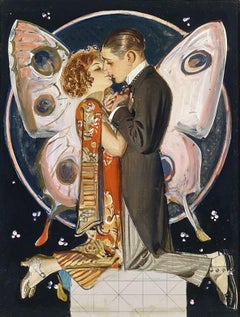
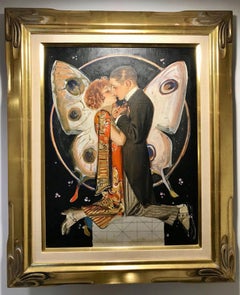
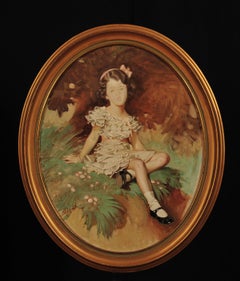
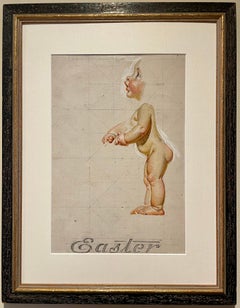
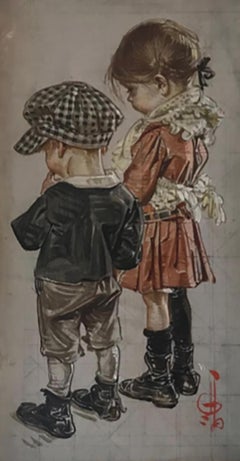
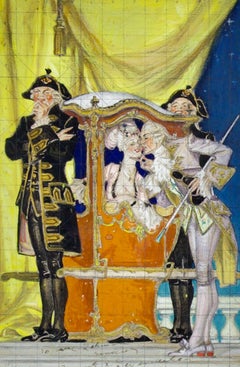
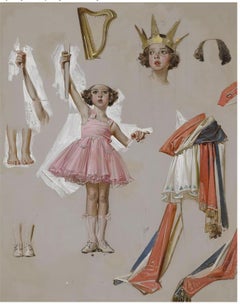
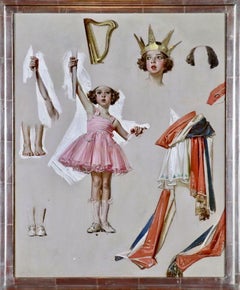
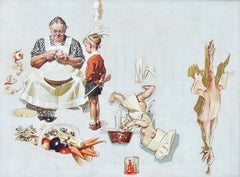
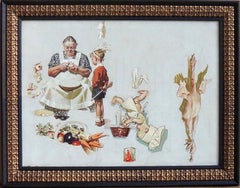
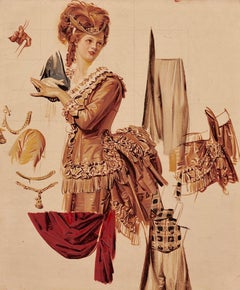
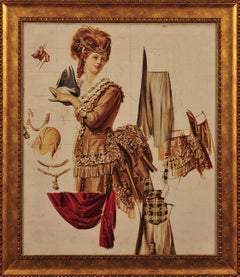
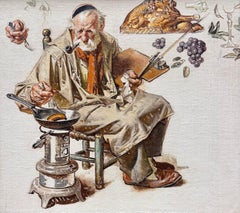
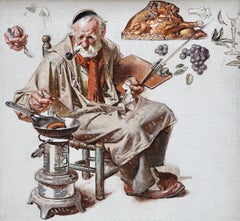
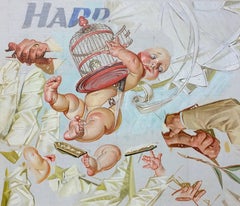
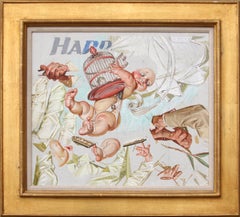
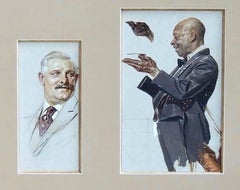
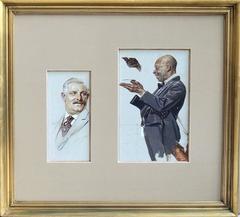
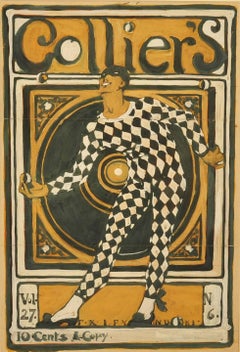
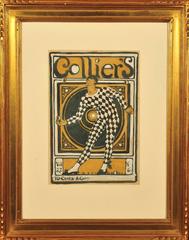
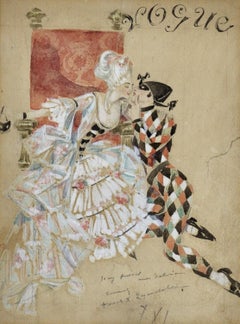
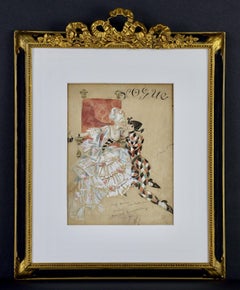
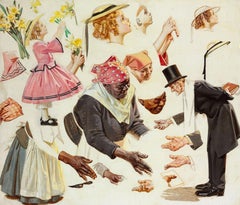
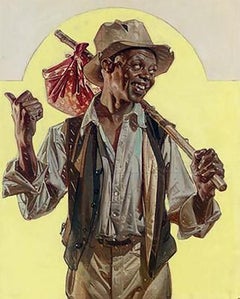
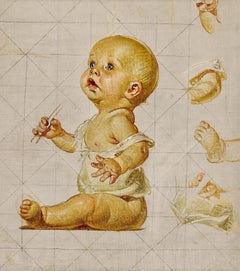
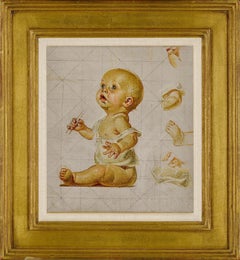
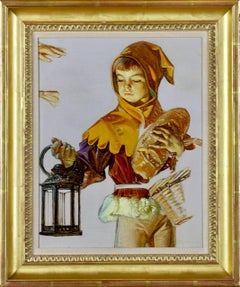
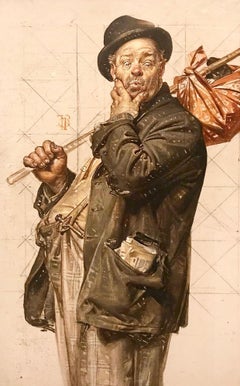
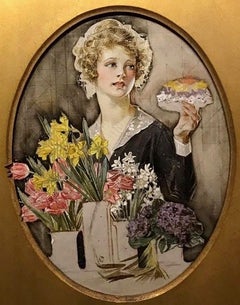
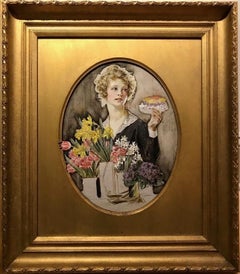
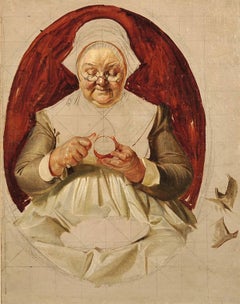
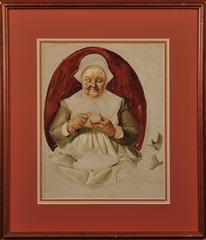
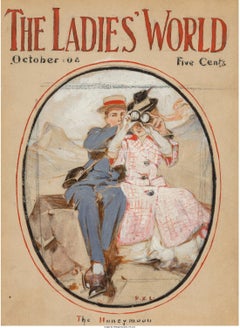
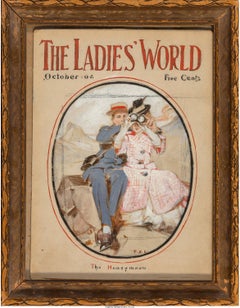
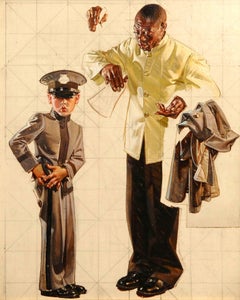
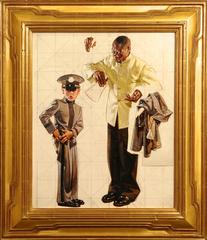
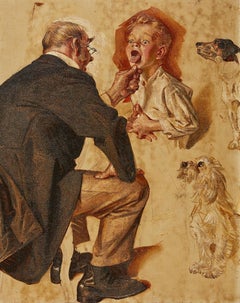
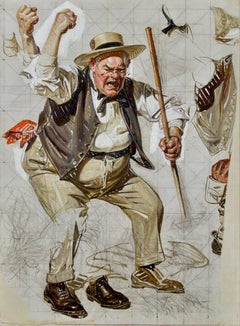
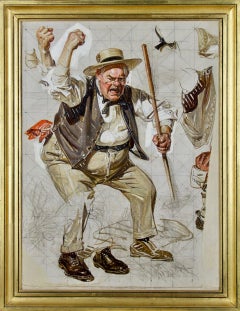
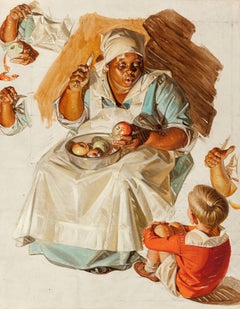
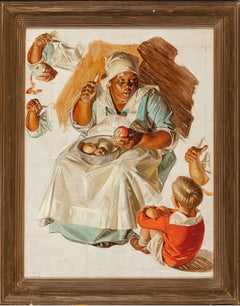
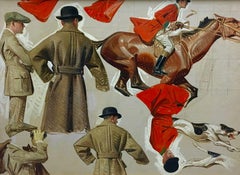
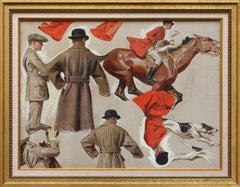
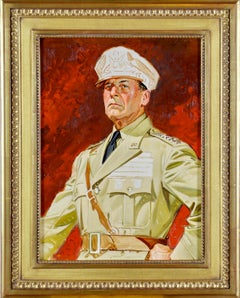
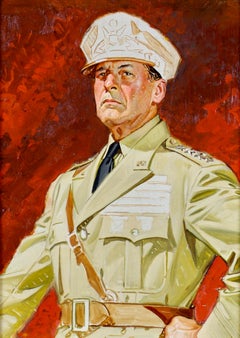
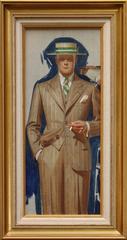
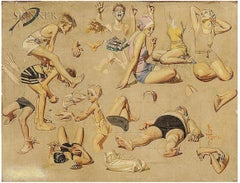
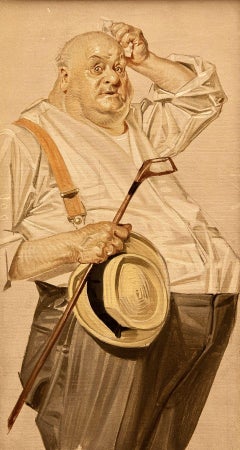
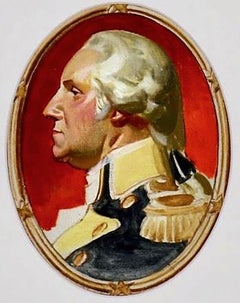
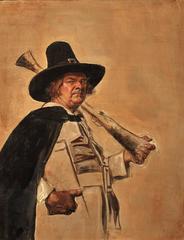
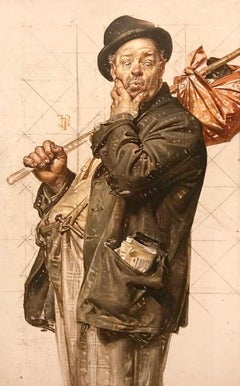
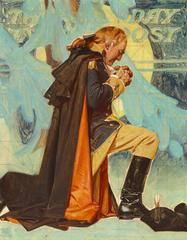
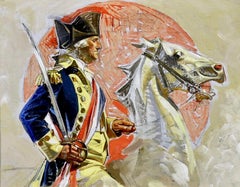
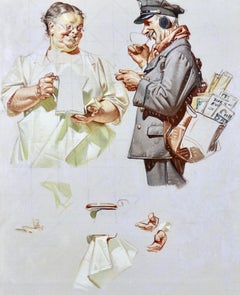
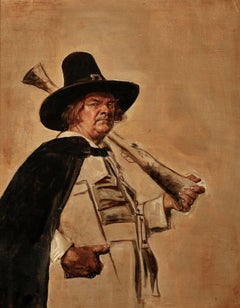
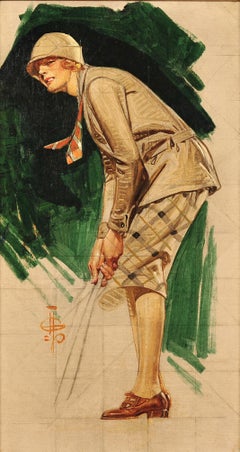
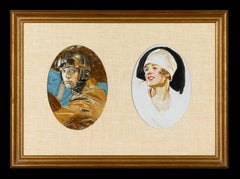
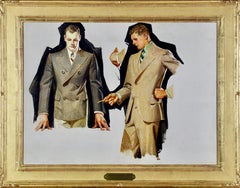
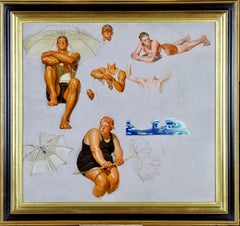
Surely you’ll find the exact leyendecker study you’re seeking on 1stDibs — we’ve got a vast assortment for sale. You’re likely to find the perfect leyendecker study among the distinctive items we have available, which includes versions made as long ago as the 19th Century as well as those made as recently as the 20th Century. If you’re looking to add a leyendecker study to create new energy in an otherwise neutral space in your home, you can find a work on 1stDibs that features elements of
beige,
brown,
gray,
orange and more. Artworks like these of any era or style can make for thoughtful decor in any space, but a selection from our variety of those made in
oil paint,
paint and
canvas can add an especially memorable touch. If space is limited, you can find a small leyendecker study measuring 1 high and 1 wide, while our inventory also includes works up to 32.5 across to better suit those in the market for a large leyendecker study.
The price for an artwork of this kind can differ depending upon size, time period and other attributes — a leyendecker study in our inventory may begin at $11,000 and can go as high as $195,000, while the average can fetch as much as $49,000.
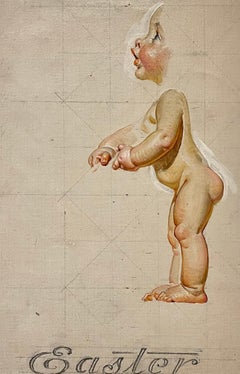
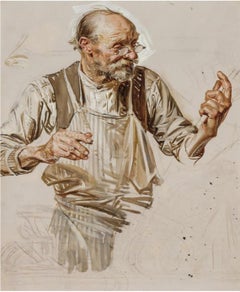
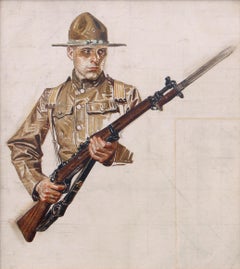
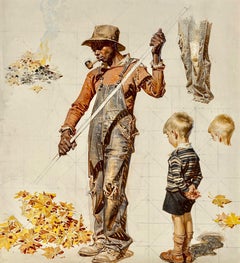
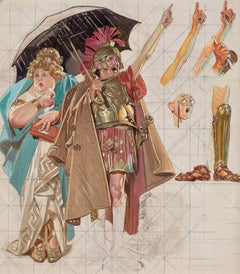
Joseph Christian "J.C." Leyendecker was born in Germany in 1874. He immigrated to the United States with his family in 1882. His eldest brother, Adolph, became a prominent stained glass artist, and Joe, as he was called, had an early artistic calling.
After studying at the Chicago Art Institute under John H. Vanderpoel, J.C. Leyendecker enrolled at the Académie Julien in 1896, where he studied for a year with his younger brother Frank in the Beaux-Arts tradition. During his time there, he was exposed to and influenced by the works of Art Nouveau painters and printmakers Henri de Toulouse-Lautrec, Jules Chéret and Alphonse Mucha, with whom he formed a strong friendship. The next year, he staged his first one-man exhibition at the Salon du Champ-de-Mars and made the auspicious acquaintance of Paul Gauguin.
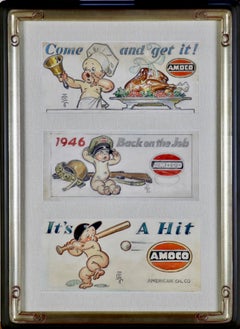
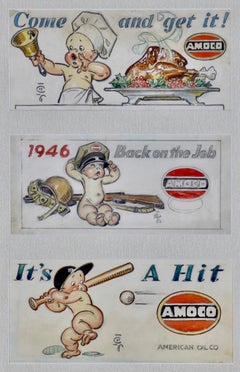
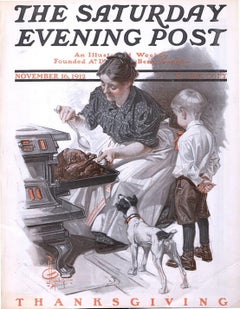
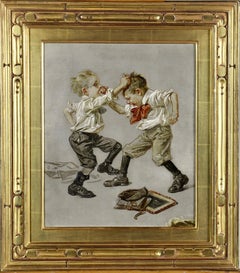
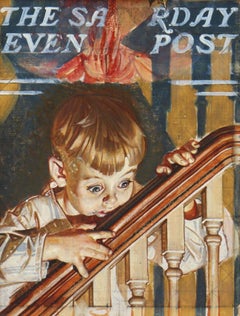
In 1898, Leyendecker produced the first of 48 covers for Collier’s magazine. The next year, he painted his first cover for The Saturday Evening Post magazine, which was the beginning of a 44-year association with that esteemed publication. Throughout his career, he would also paint covers for Life magazine, illustrations for a library of books, and transform advertising for such companies as B. Kuppenheimer & Co. and Interwoven Socks. His work for Arrow Shirt is the most well-known and beloved.
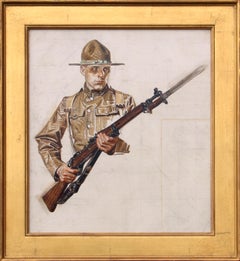
Using his lover and manager, Charles Beach, as a model, Leyendecker created the ultimate image of modern American masculinity. His work for Kuppenheimer, also known as the House of Kuppenheimer, is just as iconic. Founded in 1876, the company became the manufacturer of uniforms for the United States Army during World War I. Thanks to Leyendecker's advertising, the firm became synonymous with the ultimate in male taste and desirability.
Unfortunately, near the end of his career, as Leyendecker’s associations with Collier’s and The Saturday Evening Post came to an end, his work fell into obscurity. When he died in 1951, his great friend Norman Rockwell, who commemorated their relationship in his painting Waiting for the Art Editor, served as one of his pallbearers.
Find original J.C. Leyendecker prints and paintings on 1stDibs.
(Biography provided by M.S. Rau)
Figurative art, as opposed to abstract art, retains features from the observable world in its representational depictions of subject matter. Most commonly, figurative paintings reference and explore the human body, but they can also include landscapes, architecture, plants and animals — all portrayed with realism.
While the oldest figurative art dates back tens of thousands of years to cave wall paintings, figurative works made from observation became especially prominent in the early Renaissance. Artists like Michelangelo, Leonardo da Vinci and other Renaissance masters created naturalistic representations of their subjects.
Pablo Picasso is lauded for laying the foundation for modern figurative art in the 1920s. Although abstracted, this work held a strong connection to representing people and other subjects. Other famous figurative artists include Francis Bacon and Lucian Freud. Figurative art in the 20th century would span such diverse genres as Expressionism, Pop art and Surrealism.
Today, a number of figural artists — such as Sedrick Huckaby, Daisy Patton and Eileen Cooper — are making art that uses the human body as its subject.
Because figurative art represents subjects from the real world, natural colors are common in these paintings. A piece of figurative art can be an exciting starting point for setting a tone and creating a color palette in a room.
Browse an extensive collection of figurative paintings on 1stDibs.