Paul Gauguin Art
Paul Gauguin revolutionized the art world by transcending the naturalism that dominated 19th-century art, opting for an emotive use of color, form and symbolism. As a leading Post-Impressionist, most of his works now reside in esteemed museums worldwide, making every market appearance a rarity.
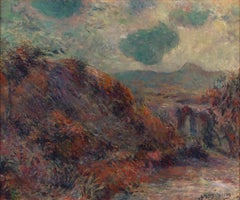
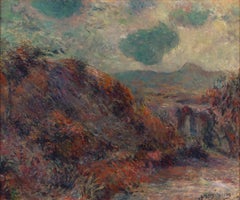
Though inspired by the principles of Impressionist visionaries such as Cézanne, Monet, Pissarro and Degas, Gauguin was never one to follow the status quo. Paysage montagneux, for example, is a landscape that exemplifies his groundbreaking technique and is a tribute to his enduring genius. This unique composition is a testament to Gauguin's expertise in color harmonies and painterly brushstrokes, all employed with the artist's signature innovations.
Painted in Pontoise in the summer of 1882, Paysage montagneux, or Mountain Pathway, captures a secluded mountain trail framed by vibrant foliage. Rather than capturing the sky naturalistically lit by sunset hues, Gauguin paints billowing green and blue clouds, contrasting greatly with vivid flora that appears to be lit by a warm waning afternoon sun. Departing from precision to better represent a distinctive sensory experience, this captivating composition turns the conventional landscape painting on its head.
Originally a successful stockbroker and an early aficionado of Impressionist works, Gauguin entered the art world through his association with Camille Pissarro. Blessed with a unique sense of color and zest for life, he originally painted only as a hobby and transformed this pastime into his life’s work in 1882, when the Paris stock market crash cost him his job.
Although he had no formal artistic education, Gauguin was invited to exhibit in the Impressionist exhibitions of 1880, 1881 and 1882. Over time, his innate talent led him to develop an avant-garde style marked by abstract shapes and a compressed sense of space. Gauguin's pioneering sensibilities had a lasting impact, inspiring a new generation of artists to adopt his unique blend of passion, energy and compositional balance.
Gauguin’s works are currently held in the world’s most celebrated museums and private collections. Similar, though less vibrant, landscape compositions are held in the permanent collections of the Louvre, the Museo Nacional Thyssen-Bornemisza, the Metropolitan Museum of Art and the National Gallery of Art in Washington, D.C.
Find original Paul Gauguin art for sale on 1stDibs.
(Biography provided by M.S. Rau)
1970s Academic Paul Gauguin Art
Archival Paper, Etching
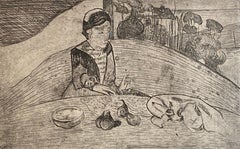

Late 19th Century Post-Impressionist Paul Gauguin Art
Etching
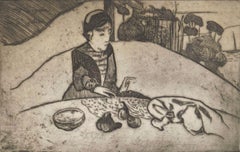
1890s French School Paul Gauguin Art
Lithograph
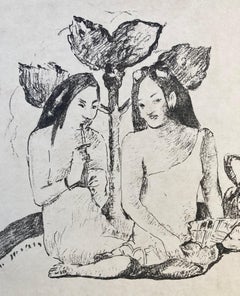
1890s Modern Paul Gauguin Art
Lithograph
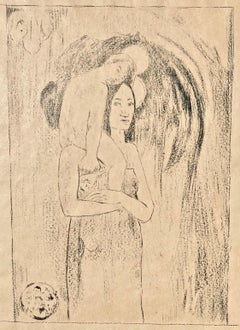
1890s Paul Gauguin Art
Woodcut
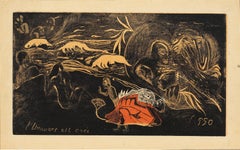
1870s Paul Gauguin Art
Paper
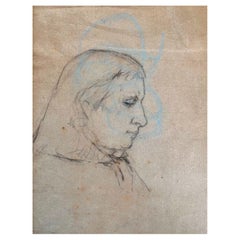
1890s Paul Gauguin Art
Woodcut
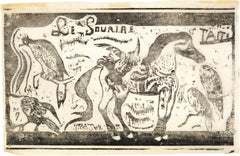
Late 19th Century Paul Gauguin Art
Lithograph
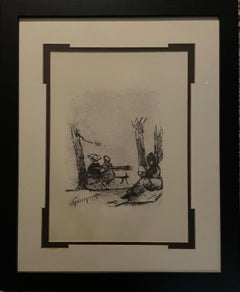
1890s Modern Paul Gauguin Art
Etching
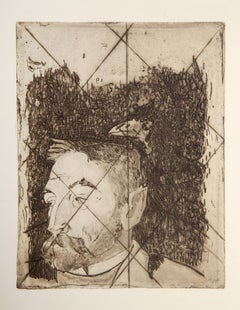
1890s Modern Paul Gauguin Art
Etching
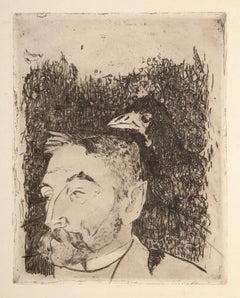
1890s Modern Paul Gauguin Art
Woodcut
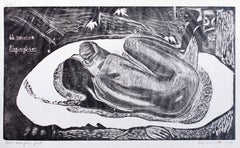
1890s Modern Paul Gauguin Art
Etching
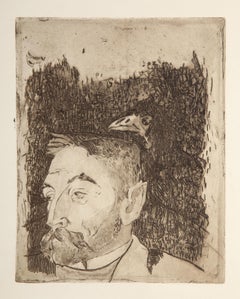
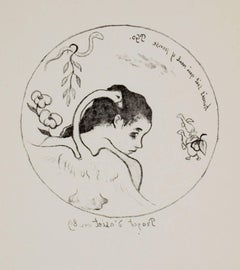
Late 19th Century Paul Gauguin Art
Black and White
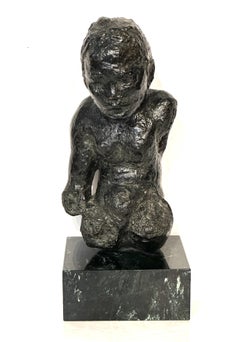
Late 19th Century Paul Gauguin Art
Bronze
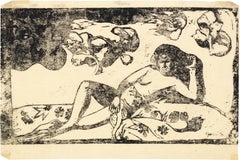
1890s Paul Gauguin Art
Woodcut
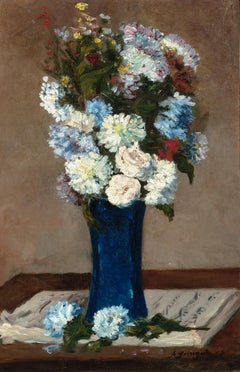
19th Century Post-Impressionist Paul Gauguin Art
Canvas, Oil
20th Century Modern Paul Gauguin Art
Etching
1970s Modern Paul Gauguin Art
Lithograph
1910s Academic Paul Gauguin Art
Pencil, Etching
1960s French School Paul Gauguin Art
Lithograph
1960s French School Paul Gauguin Art
Lithograph
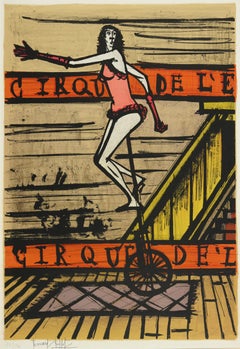
1940s American Modern Paul Gauguin Art
Lithograph
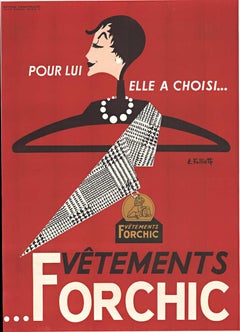
1970s Modern Paul Gauguin Art
Archival Paper, Lithograph
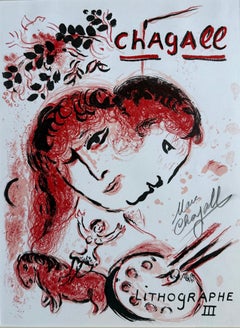
1950s Modern Paul Gauguin Art
Archival Paper, Lithograph
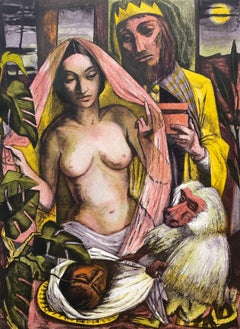
1960s French School Paul Gauguin Art
Lithograph
Early 2000s Contemporary Paul Gauguin Art
Mixed Media, Permanent Marker, Lithograph, Offset, Board
1920s Art Deco Paul Gauguin Art
Charcoal, Chalk, Paper
1950s Post-Impressionist Paul Gauguin Art
Paper, Monotype
1890s Modern Paul Gauguin Art
Woodcut
19th Century Post-Impressionist Paul Gauguin Art
Canvas, Oil
19th Century Post-Impressionist Paul Gauguin Art
Canvas, Oil
Early 1900s French School Paul Gauguin Art
Woodcut
1980s Paul Gauguin Art
Lithograph
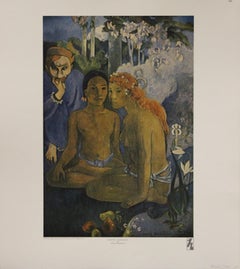
Early 1900s Paul Gauguin Art
Monotype

20th Century Paul Gauguin Art
Lithograph, Offset
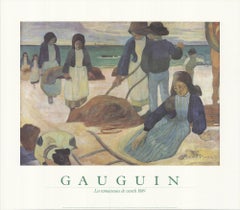
1890s Post-Impressionist Paul Gauguin Art
Woodcut
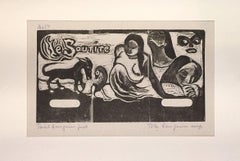
Early 1900s Fauvist Paul Gauguin Art
Bronze
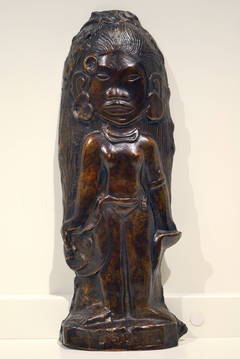
Paul Gauguin art for sale on 1stDibs.
Artists Similar to Paul Gauguin
- 1stDibs ExpertAugust 8, 2024The exact number of paintings that Paul Gauguin painted is unknown. However, he did produce more than 500 paintings over the course of his career. Among his body of work are more than 40 self-portraits. His famous paintings include Where Do We Come From? What Are We? Where Are We Going?, Tahitian Women on the Beach, When Will You Marry? and Vision After the Sermon. On 1stDibs, shop a variety of Paul Gauguin art from some of the world's top galleries and dealers.
- 1stDibs ExpertOctober 7, 2024The difference between van Gogh and Gauguin was in their artistic styles and preferred subject matter. Although both artists were self-taught and are now considered Post-Impressionists, you can draw many contrasts between their work. Van Gogh tended to apply thick layers of paint with a technique known as impasto, giving his work dramatic texture. On the other hand, Gauguin's paintings are smoother, but they are equally dramatic due to his use of vibrant, often unrealistic or unexpected colors. The primary goal of van Gogh was to express his feelings and emotions through his landscapes, portraits and still-lifes. Instead of self-expression, Gauguin concerned himself with infusing symbolism and spiritualism into his work. He was a pioneer of Primitivism, art that seeks to explore the relationship between early man and his environment. On 1stDibs, find a range of Vincent van Gogh and Paul Gauguin art.
- What is Paul Gauguin known for?1 Answer1stDibs ExpertMay 30, 2024Paul Gauguin is known for his work as an artist. Although he started his career as part of the French Impressionists, his art later helped define the Symbolist movement, which focused on conveying meaning through the use of symbolic objects. Symbolism was highly influential and helped to inform other modernist movements, such as Fauvism and Expressionism. His distinctive style involved bold colors, flattened forms and semi-abstract subjects in paintings, sculptures and woodcuts. After he moved from France to Tahiti in 1891, his focus shifted to the island’s settings and people in more luminous work. Some of Gauguin's most famous works include Arearea, Where Do We Come From? What Are We? Where Are We Going? and Tahitian Women on the Beach. On 1stDibs, shop a selection of Paul Gauguin art.
- 1stDibs ExpertSeptember 9, 2024How much a Gauguin painting is worth varies based on its historical significance, size, condition and other factors. In 2015, his portrait of two Tahitian girls entitled When Will You Marry? sold for a record-setting $300 million at auction. The French painter is particularly well-known for the works he produced while living in Tahiti. These pieces blend Western and Eastern art traditions and use vibrant colors to convey emotions. For a valuation of a particular painting that you own, use the services of a certified appraiser or experienced art dealer. Explore a variety of Paul Gauguin art on 1stDibs.