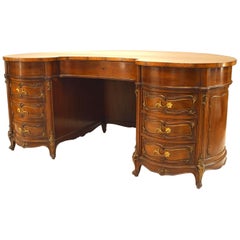
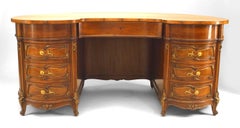
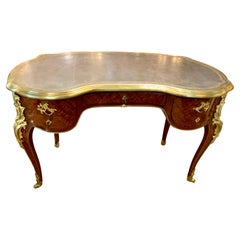
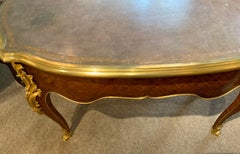
French Louis XV Walnut Kidney Kneehole Desk
Located in Queens, NY
19th century French Louis XV style walnut kidney shaped kneehole desk with gilt trim and brass
Category
Antique 19th Century French Louis XV Desks and Writing Tables
Materials
Brass
French Louis XV Walnut Kidney Kneehole Desk
Located in Queens, NY
19th century French Louis XV style walnut kidney shaped kneehole desk with gilt trim and brass
Brass
$4,474
H 29.93 in W 43.31 in D 24.81 in
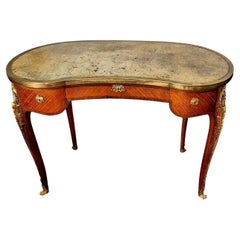
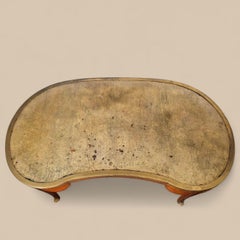
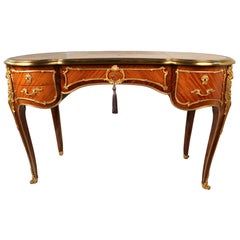
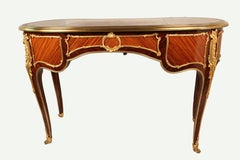
Louis XV-Style Kidney-Shaped Writing Desk with Ormolu Mounts, 19th Century
Located in NICE, FR
French Kidney-Shaped Louis XV Style Writing Desk, Late 19th Century A beautifully crafted French
Ormolu
19th Century Louis XV Style Kidney Desk by T.W. Muller, Austria
By Muller Frères
Located in Montreal, QC
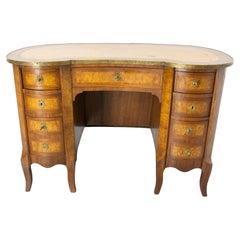
A very fine kingwood kidney- shaped desk (bureau a rognon) with original tooled leather surface
Ormolu
$1,450Sale Price|57% Off
H 30.32 in W 47.25 in D 26.38 in
French Elm Burl Brass & Coated Fabric Desk Kidney Shape Louis XV Style c. 1960
Located in Labrit, Landes
Desk in the kidney style. This shape of tops on the furnitures is typical of the 18th century. It
Elm
$12,500
H 32 in W 46.5 in D 26.5 in
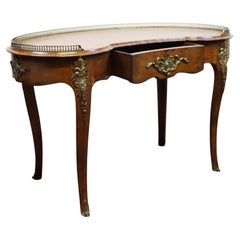
Louis XV French Style kidney form writing desk, 19 th century bronze mounts
Located in Houston, TX
The quality of this desk is exceptional and the wood And construction are extremely well done. It
Leather, Mahogany
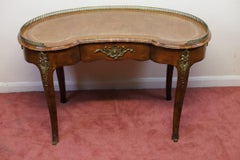
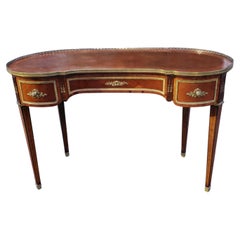
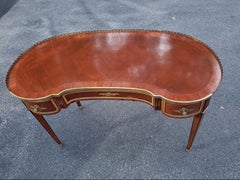
Lovely Louis XV Style Kidney Shaped Writing Table
Located in Crawley, GB
writing table in Louis XV style, late 19th century; the top with inset gilt tooled leather skiver within a
Brass
$9,895
H 30 in W 46.75 in D 24 in
Louis XV Petite Mahogany and Kingwood Marquetry Kidney Writing Table, Paris 1870
Located in Germantown, MD
A Recently refinished French transitional kidney-shaped desk. 19th century French transitional
Bronze
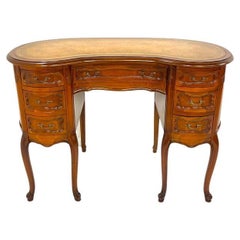
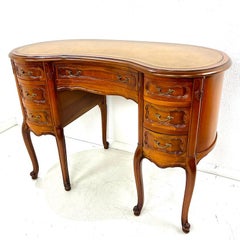
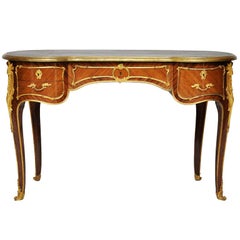
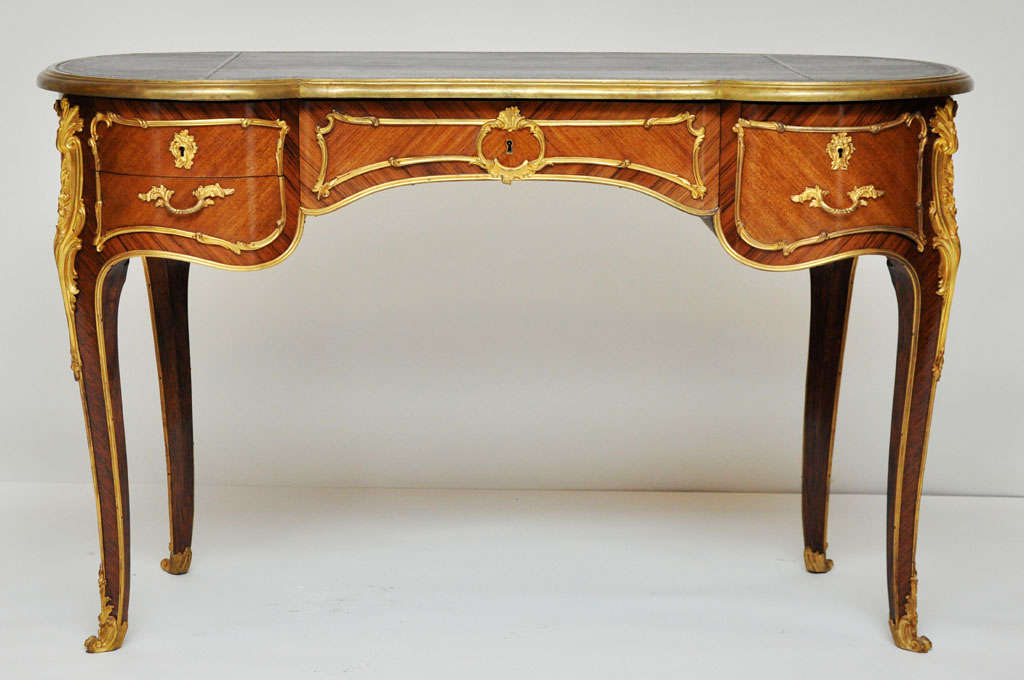
Vintage French Kidney Shaped Kneehole Desk with Leather Top
Located in Dallas, TX
A beautiful example of classic French design, this vintage kidney-shaped desk pairs graceful curves
Leather, Wood
Unavailable
H 30 in W 48.25 in D 24.5 in
French Louis XV Petite Kidney-Shaped Writing Table, Paris, 1780
Located in Chicago, IL
French transitional period kidney-shaped desk. 18th century French transitional design between
Bronze
Unavailable
H 52.25 in W 55.5 in D 26.5 in
French Kidney-Shaped, Ormolu-Mounted Writing Desk, France, circa 1880
By Maison Millet
Located in Pasadena, CA
A Magnificent French Ormolu Mounted Desk Attributed To Maison Millet. Last Quarter Of 19th Century
Bronze, Ormolu
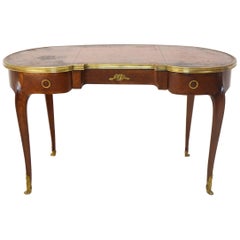
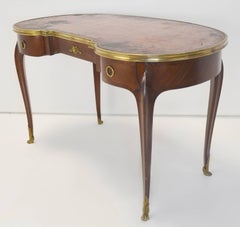
French Louis XV Style Kidney-Shaped Satinwood Desk
Located in Palm Springs, CA
A good quality late 19th-early 20th century Louis XV style writing table with original embossed
Sold
H 31 in W 24 in D 51.5 in
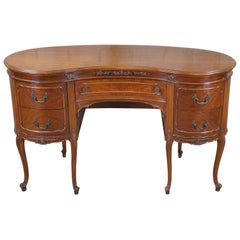
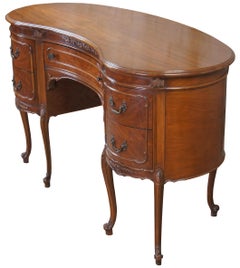
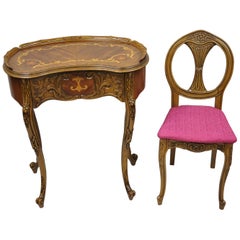
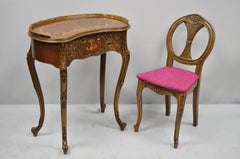
Antique Crotch Walnut French Provincial Louis XV Kidney Writing Vanity Desk
Located in Dayton, OH
1940s kidney bean or crescent shaped writing desk. Made from walnut with crotch veneer along the
Glass, Walnut
Sold
H 31 in W 28 in L 31 in
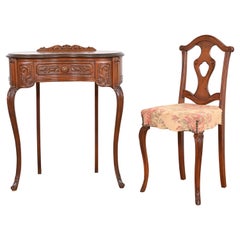
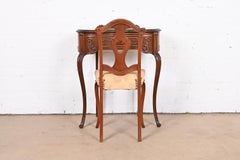
French Louis XV Inlaid Kidney Bean Petite Desk Vanity Gossip Table with Chair
Located in Philadelphia, PA
Small French Louis XV inlaid kidney bean petite desk vanity gossip table with chair. Item features
Walnut
Sold
H 29.5 in W 26 in D 15 in
French Louis XV Walnut Kidney Shaped Vanity or Ladies Writing Desk With Chair
By Widdicomb Furniture Co.
Located in South Bend, IN
A gorgeous French Provincial Louis XV style kidney shaped petite vanity or ladies writing desk with
Brass
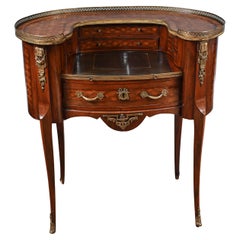
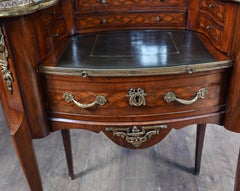
French Ladies Desk Kidney Bean Bonheur Du Jour Louis XV-style
Located in Potters Bar, GB
You are viewing a gorgeous French ladies desk of kidney bean form The desk is Louis XV-style and
Bronze
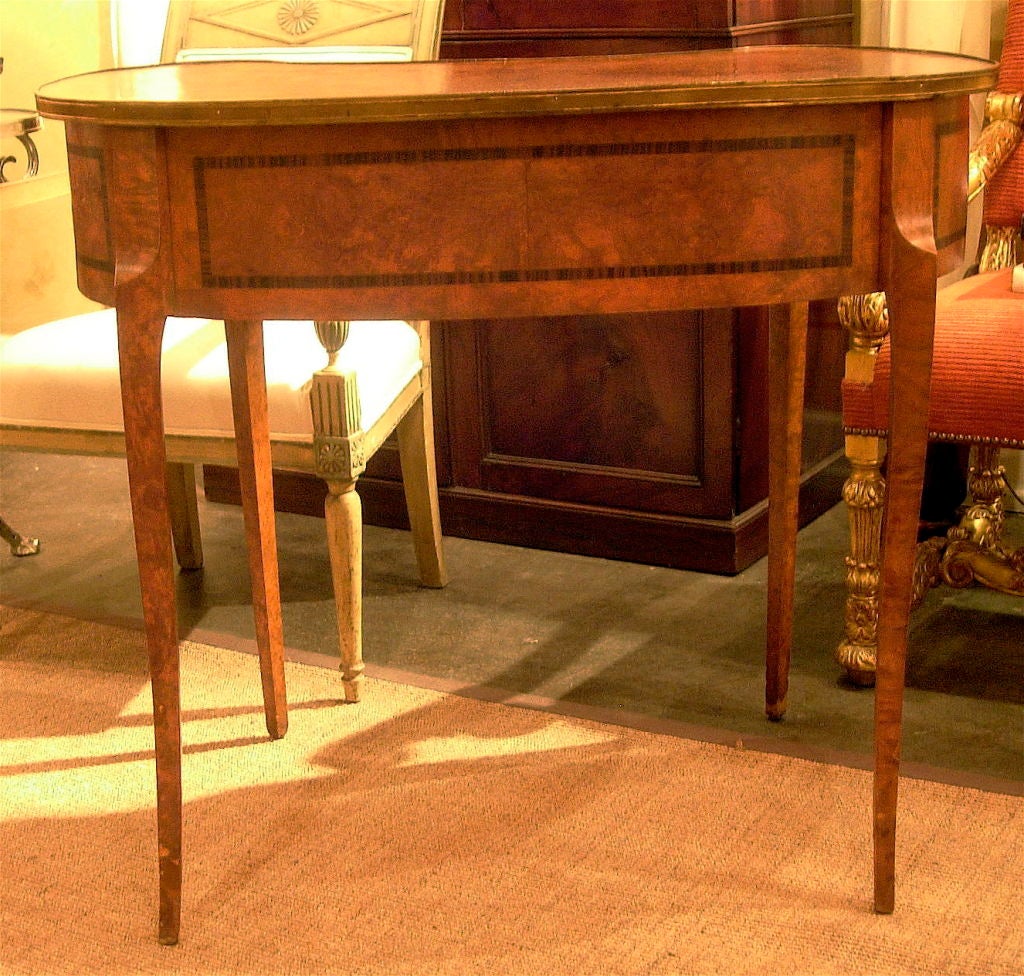
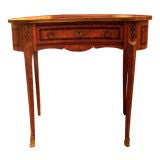
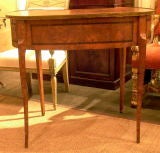
Louis XV Style Kidney Shaped Writing Table.
Located in Buchanan, MI
Diminutive Louis XV style kidney shaped vanity or writing table, burled elm with rosewood inlay
Rosewood
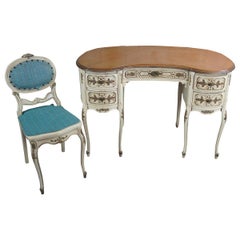
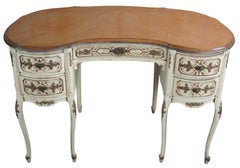
Louis XV Style Kidney Shaped Writing Table.
Located in Buchanan, MI
Diminutive Louis XV style kidney shaped vanity or writing table, burled elm with rosewood inlay
Walnut, Rosewood
Sold
H 19.5 in W 22.5 in D 44 in
Antique French Provincial Louis XV Walnut Kidney Writing Desk and Vanity Chair
Located in Dayton, OH
natural walnut top. Features Louis XV carvings, long cabriole legs and ornate details throughout
Upholstery, Walnut
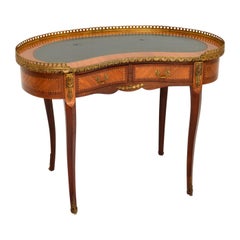

Antique French Style Kidney Shaped Desk
Located in London, GB
A stunning antique French style kidney shaped desk, dating from around the 1930’s period. It is
Leather, Kingwood, Mahogany, Satinwood
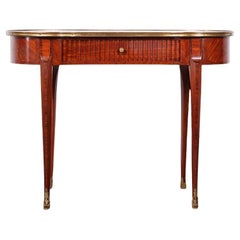

Small French Inlaid Louis XV Kidney Shaped Desk
Located in Vancouver, British Columbia
Small French inlaid Louis XV kidney shaped desk.
Brass

Sold
H 32 in W 49 in D 25.5 in
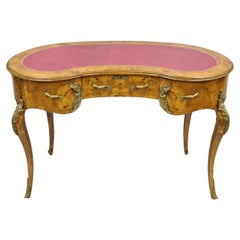
French Louis XV Style Kidney Shaped Leather Top Bronze Mounted 3 Drawer Desk
Located in Philadelphia, PA
Vintage French Louis XV Style Kidney Shaped Leather Top Bronze Mounted 3 Drawer Desk. Item features
Leather, Wood
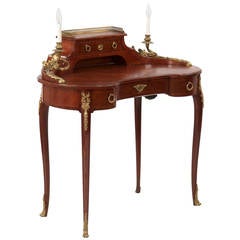
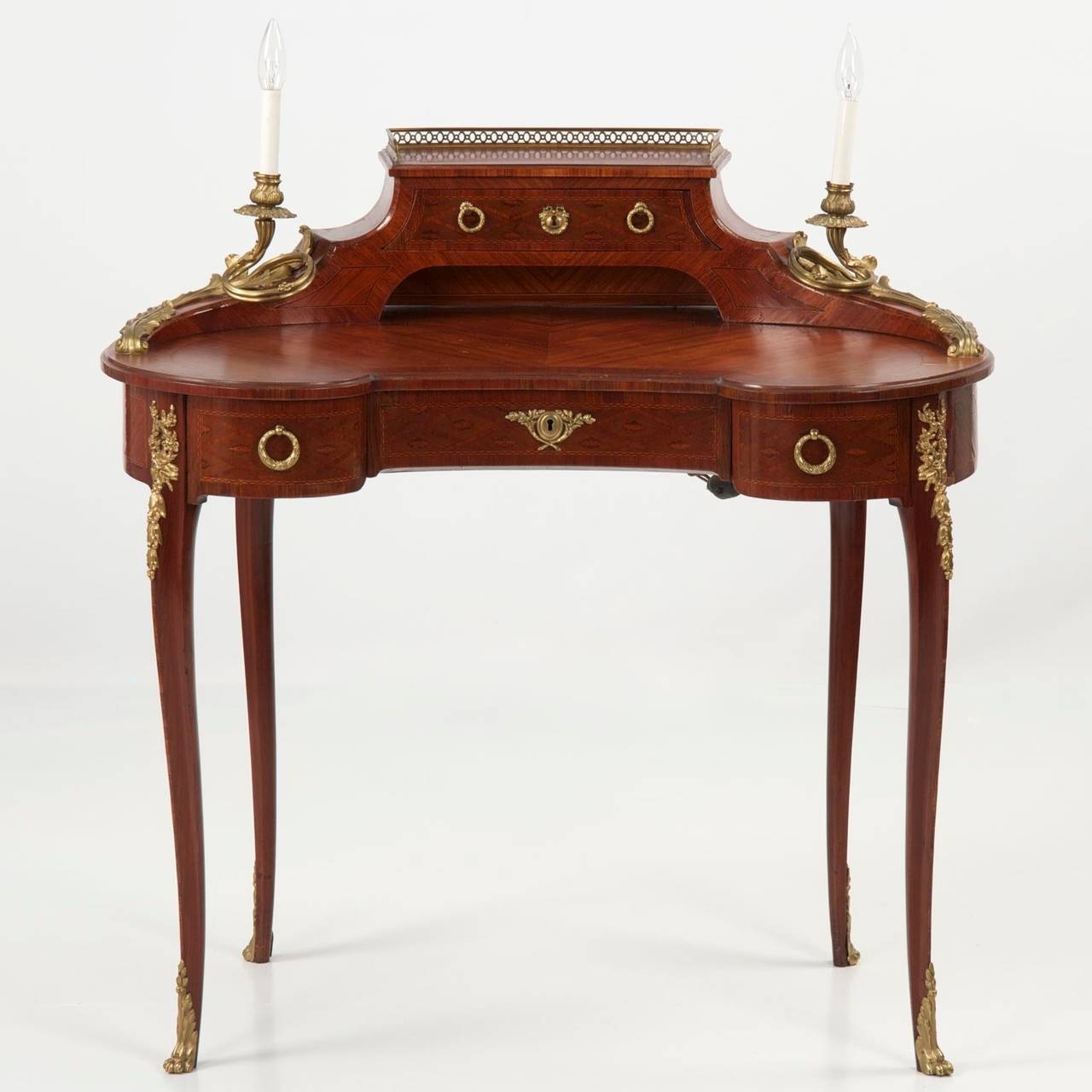
French Louis XV Style Inlaid Kidney Form Writing Desk, 19th Century
By François Linke
Located in Shippensburg, PA
An exquisitely crafted kidney form writing desk in the Louis XV taste, the desk is a vision of
Bronze
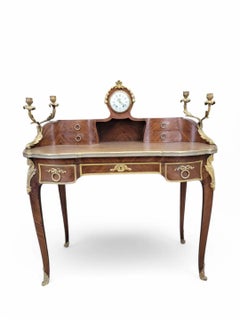
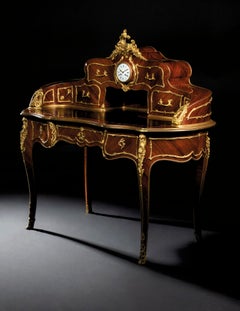
Antique French Louis Style Kidney Shaped Desk With Clock And Candelabras
Located in Chicago, IL
Antique French Louis IV Style Kidney Shaped Desk with a Clock and Two Candelabras This exquisite
Wood

French Inlaid / Gallery Top Kidney Shaped Writing Desk / Table
Located in Tarry Town, NY
Beautifully hand crafted burl mahogany wood Kidney shape writing desk / table. The writing desk
Bronze
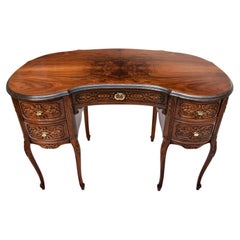
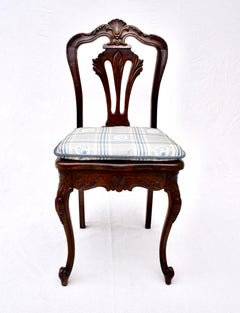
20th C. French Burl Kidney Shape Desk & Chair Set
By Widdicomb Furniture Co.
Located in Southampton, NJ
An early 20th C. French style kidney shape desk with striking quarter matched flame burl Walnut top
Brass
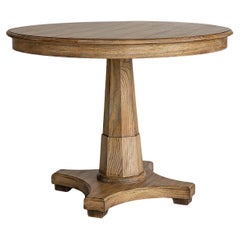
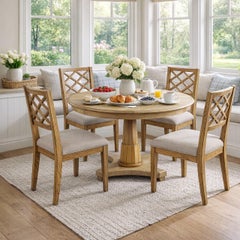
Classic Empire Center Table, Oatmeal
Located in Westwood, NJ
A Classic Empire style grey cerused oak oatmeal stained center table with a carved ogee edge, raised on an octagonal pedestal base. Dimensions: 42" W x 42" D x 30" H. Clearance: 27"
Wood
$37,678
H 42.13 in W 83.47 in D 32.29 in
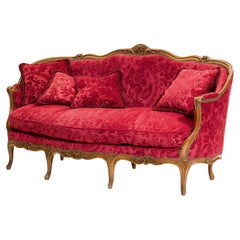
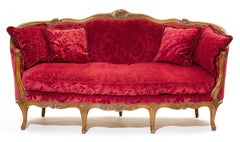
A Large French Louis XV Canapé en Corbeille, Walnut - Louis Delanois JME
By Louis Delanois
Located in Göttingen, NI
A Large French Louis XV Canapé en Corbeille, carved walnut Master Louis Delanois JME c. 1760 Provenance: Albrecht Neuhaus, Würzburg Literature: Pierre Kjellberg, Le Mobilier França...
Walnut

$845,000
H 101 in W 56 in D 20 in
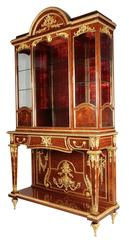
Palatial Louis XVI Style Ormolu Mounted Kingwood and Vernis Martin Style Vitrine
By Paul Sormani
Located in Los Angeles, CA
A superb quality palatial French Louis XVI style ormolu mounted, satinwood, kingwood parquetry and Vernis Martin style paneling three-door raised Vitrine Display Cabinet attributed t...
Bronze
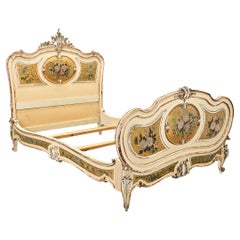
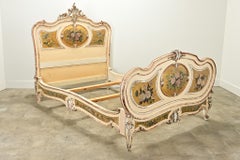
French 18th Century Louis XV Painted & Gilt Queen Bed
Located in Baton Rouge, LA
A quality Louis XV Period carved and gold gilt queen bed frame. The four piece frame has classic carvings of Rococo influenced Louis XV style with flamboyant carvings and gold gilt c...
Gold
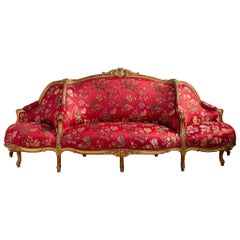
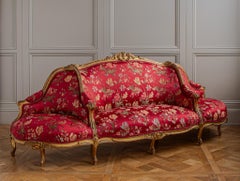
Circa 1880 Italian Large Gilt wood LXV Style Confidente Sofa
Located in London, Park Royal
A rare antique find from Tuscany Italy. This 'Confidante' sofa, circa 1880, is in beautiful condition. The large frame is finely carved in the LXV style, with its original water gild...
Gold, Gold Leaf
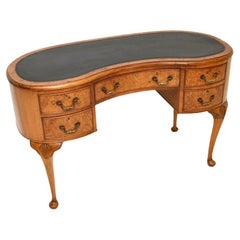
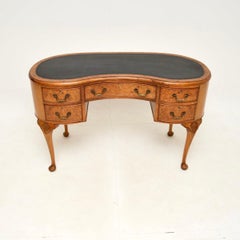
Antique Burr Walnut Leather Top Kidney Shaped Desk
Located in London, GB
A beautiful antique burr walnut leather top kidney shaped desk. This was made in England, it dates from around the 1920’s period. The quality is outstanding, this has a beautiful de...
Leather, Walnut
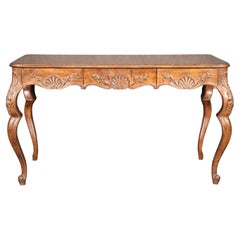
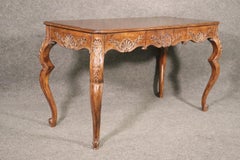
$1,596Sale Price|34% Off
H 30 in W 50 in D 24 in
French Louis XV Rococo Style Walnut Writing Desk Table Circa 1960s
Located in Swedesboro, NJ
This elegant French Louis XV Rococo style writing desk showcases the timeless craftsmanship and ornate detailing that define 18th-century French design, recreated beautifully in the ...
Walnut
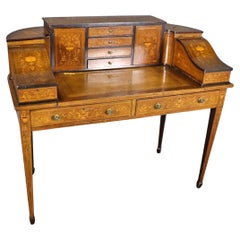
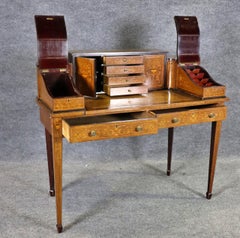
Gorgeous Antique English Inlaid Walnut Carlton House Desk Circa 1900
Located in Swedesboro, NJ
This stunning antique English Carlton House desk, circa 1900, is a superb example of Edwardian-era craftsmanship and timeless design. Fashioned from fine walnut, the desk is richly d...
Walnut
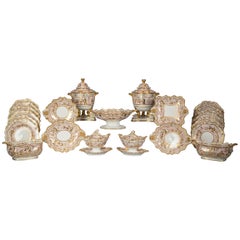
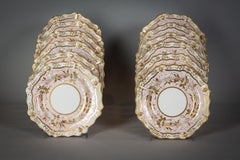
Extensive English Porcelain Dessert Service, circa 1825
Located in New York, NY
Pair of covered fruit coolers, pair of covered sauce tureens, pair of open work baskets, 1 compote, 4 kidney-shaped dishes, pair of square dishes, pair of oval dishes, 16 plates.
Porcelain

$378,905
H 52.37 in W 35.83 in D 24.41 in
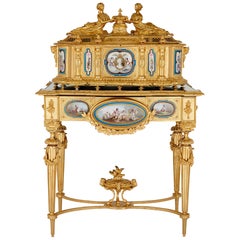
Gilt Bronze and Sèvres Style Porcelain Louis XVI Style Casket on Stand
Located in London, GB
Gilt bronze and Sèvres style porcelain Louis XVI style casket on stand This magnificent Louis XVI style ormolu casket is supported by a mirror-topped table stand, which sits on fo...
Ormolu
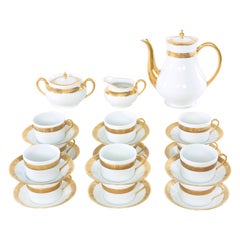
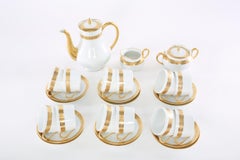
Haviland Limoges Gilt Porcelain Coffee / Tea Service for 12
Located in Tarry Town, NY
Late 20th century Haviland, Limoges France gilt porcelain tea / coffee service for twelve people. Each piece is great condition. Marks (Tower) Haviland Limoges, France undersigned. A...
Gold
$5,074
H 30.71 in W 35.44 in D 20.87 in
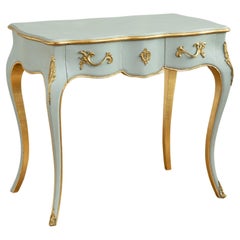
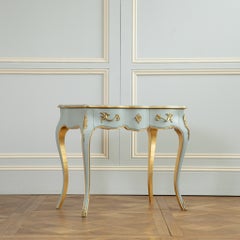
Louis XV Style Writing Desk with Serpentine Legs Painted with Gold Highlights
By La Maison London
Located in London, Park Royal
Louis XV style writing desk made by La Maison London. Painted in a French grey with gold highlights. mounted on Serpentine legs with decorative bronzes ornaments . there is two dr...
Bronze
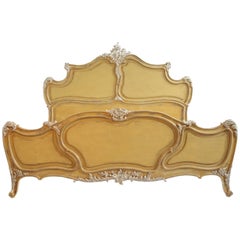
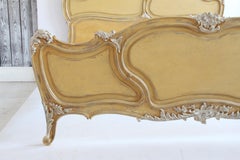
Louis XV Style Painted Bed
By La Maison London
Located in London, Park Royal
Rocaille Louis XV style bed made by La Maison London, hand carved in solid wood and hand painted in a Provençal yellow ochre with white highlights. Take a 200 x 210 cm mattress (78 i...
Wood, Paint
$42,500
H 101 in W 164.5 in D 27 in
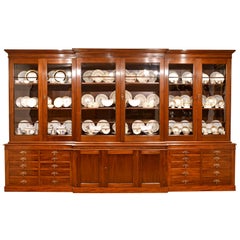
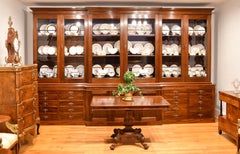
Antique English Break-Front Bibliotheque Bookcase in Mahogany, circa 1870
By S.E. & R. Johnson. Warrington
Located in INTERLAKEN, NY
A handsome and very well crafted English break-front bookcase or bibliotheque in solid mahogany by S.E. & R. Johnson of Warrington, England, circa 1870. Features six doors with glass...
Mahogany
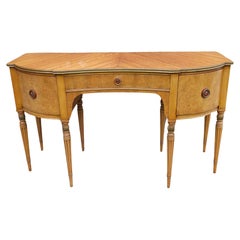
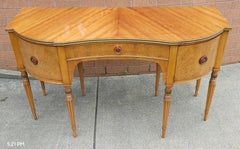
1950s Robert Irwin Louis XVI Burl Walnut Dressing Table / Vanity
By Irwin Furniture
Located in Germantown, MD
A 1940s Robert Irwin Co. Furniture Louis XVI Style Burl Walnut Dressing Table / Vanity Measures 52" in width, 20" in depth and 30" in height. knee clearance is 24.5".
Mirror, Fruitwood
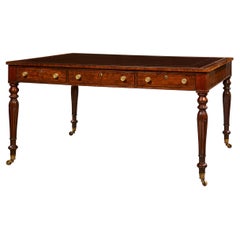

English Mahogany Writing Table, Early 19th Century
Located in New Orleans, LA
This exquisite writing desk is crafted of rich mahogany and features the straightforward design prevalent in England during the early 19th century. A luxurious leather-covered top pr...
Brass
The style of 18th-century French furniture was guided by the court. When Louis XV, who reigned from 1715–74, focused royal life on the smaller salons of Versailles rather than its grand chambers, it transformed the aesthetics away from the imposing and angular furniture that characterized the style of Louis XIV. A broader focus on comfort and more delicate forms define antique Louis XV furniture, with nature-inspired carvings, wood inlays, curved cabriole legs, asymmetrical shapes and rounded oval seat backs. The furnishings changed throughout the king’s life, as he ascended to the throne as a child and then grew to establish his own tastes.
Pieces like the bergère, an upholstered armchair with a wide cushion that fit the flowing dresses in fashion at the time, reflected this more informal court. Introduced at the start of Louis XV’s reign, bergère chairs in this style were deeper and broader than other chairs of the period.
Louis XV tapestries and carpets tended to be floral and colorful, and design elements were borrowed from Asia. Dutch-born cabinetmaker Bernard van Risenburgh brought lacquer techniques influenced by Japan and China into his luxuriously made furniture. Along with its fine details, the furniture of the era also featured new innovations including mechanical devices. Jean François Oeben, a royal cabinetmaker, created such intricate pieces as a mechanical table for Madame de Pompadour, Louis XV’s mistress. It involved a sliding top and a writing surface that extended from its marquetry panels.
During the later years of Louis XV’s reign, there was a shift from the ostentatious rocaille style, part of the exuberantly decorative Rococo movement in Europe for which designers such as Nicolas Pineau and Juste-Aurèle Meissonier are known. The style under Louis XVI would return to boxier forms, but with a neoclassical touch inspired by the ancient world.
Find antique Louis XV bedroom furniture, seating, tables and decorative objects on 1stDibs.
Choosing the perfect writing desk or writing table is a profoundly personal journey, one that people have been embarking upon for centuries.
Queen Atossa of Persia, from her writing table circa 500 B.C., is said to have been the originator of the art of handwritten letters. Hers was reportedly the first in a long and colorful history of penned correspondence that grew in popularity alongside literacy. The demand for suitable writing desks, which would serve the composer of the letters as well as ensure the comfort of the recipient naturally followed, and the design of these necessary furnishings has evolved throughout history.
Once people began to seek freedom from the outwardly ornate styles of the walnut and rosewood writing desks and drafting tables introduced in the name of Queen Victoria and King Louis XV, radical shifts occurred, such as those that materialized during the Art Nouveau period, when designers longed to produce furniture inspired by the natural world’s beauty. A prime example is the work of the famous late-19th-century Spanish architect Antoni Gaudí — his rolltop desk featured deep side drawers and was adorned with carved motifs that paid tribute to nature. Gaudí regularly combined structural precision with decorative elements, creating beautiful pieces of furniture in wood and metal.
Soon afterward, preferences for sleek, geometric, stylized forms in furniture that saw an emphasis on natural wood grains and traditional craftsmanship took hold. Today, Art Deco desks are still favored by designers who seek to infuse interiors with an air of luxury. One of the most prominent figures of the Art Deco movement was French decorator and furniture designer Émile-Jacques Ruhlmann. With his use of neoclassical motifs as well as expensive and exotic materials such as imported dark woods and inlays of precious metals for his writing desks, Ruhlmann came to symbolize good taste and modernity.
The rise in appreciation for Scandinavian modernism continues to influence the design of contemporary writing desks. It employs the “no fuss” or “less is more” approach to creating a tasteful, sophisticated space. Sweden’s master cabinetmaker Bruno Mathsson created gallery-worthy designs that are as functional as they are beautiful. Finnish architect Alvar Aalto never viewed himself as an artist, but, like Mathsson, his furniture designs reflected a fondness for organic materials and a humanistic approach. Danish designers such as Hans Wegner introduced elegant shapes and lines to mid-century desks and writing tables, often working in oak and solid teak.
From vintage desks to contemporary styles, 1stDibs offers a broad spectrum of choices for conducting all personal and business writing and reading activities.