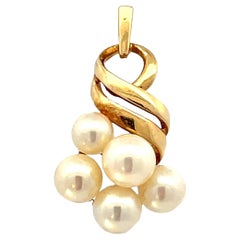
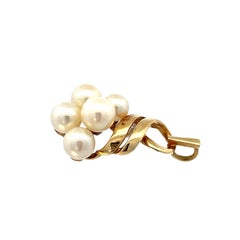
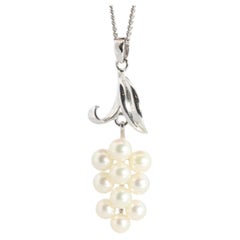
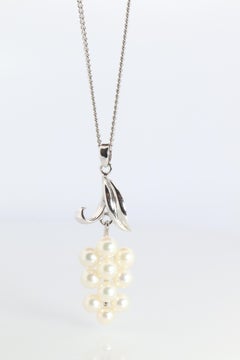
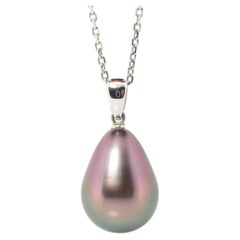
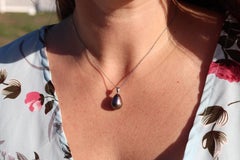
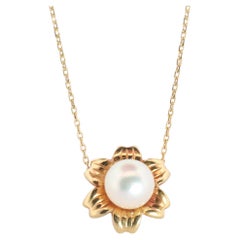
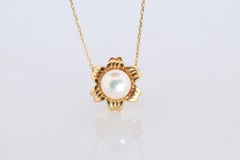
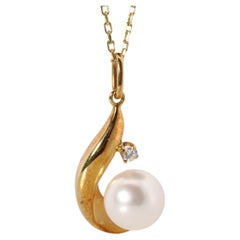
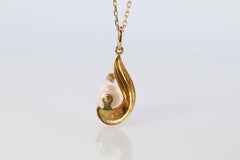
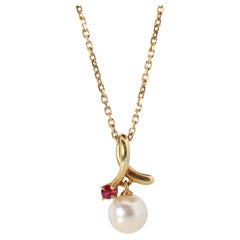
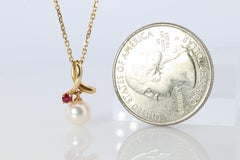
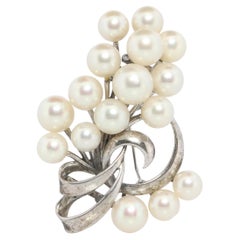
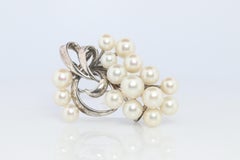
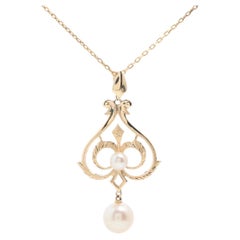
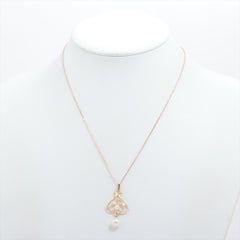
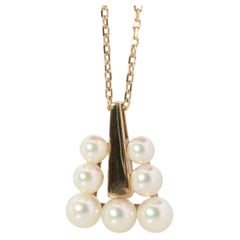
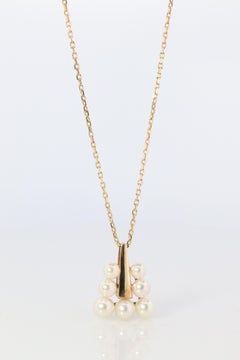
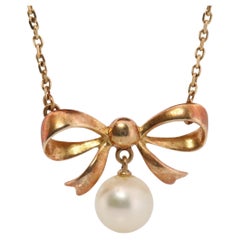
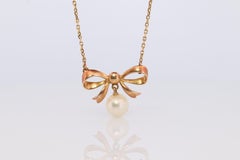
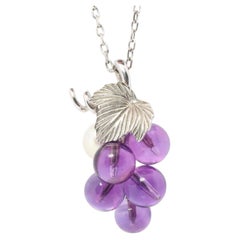
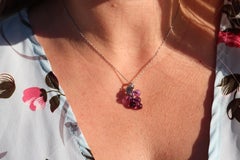
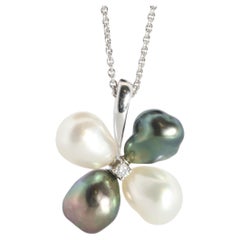
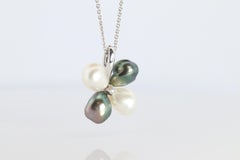
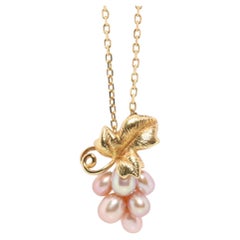
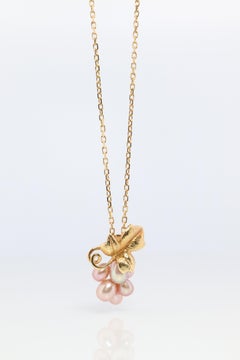
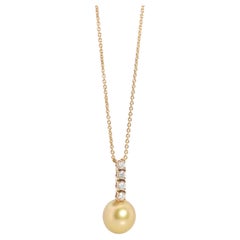
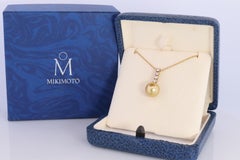
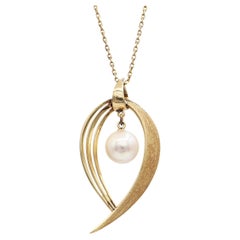
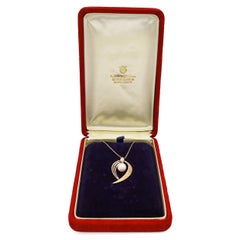
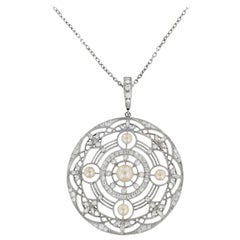
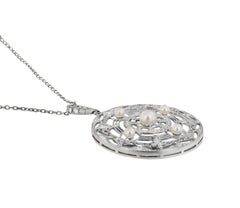
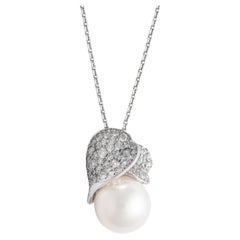
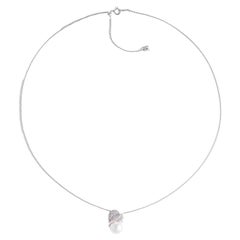
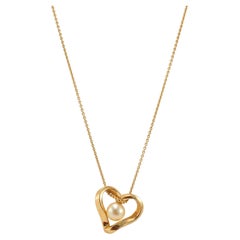
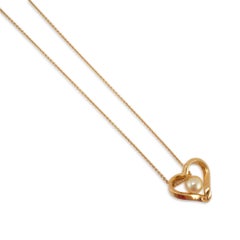
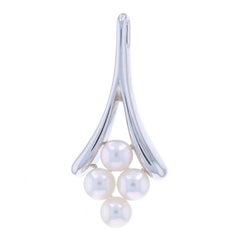
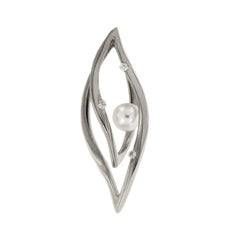
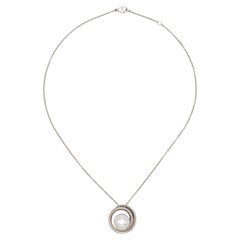
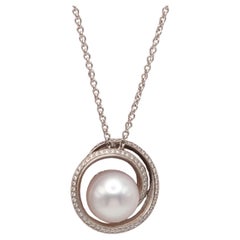
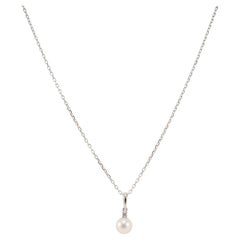
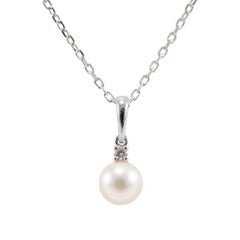
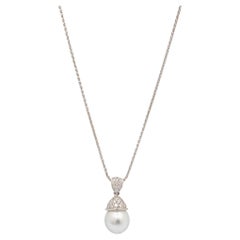
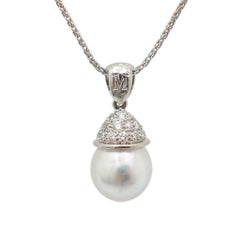
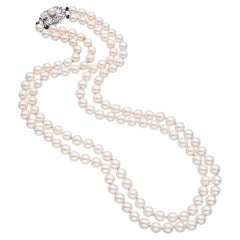
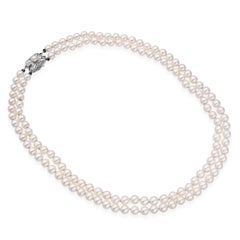
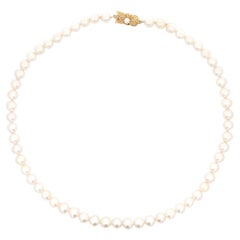
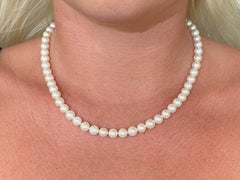
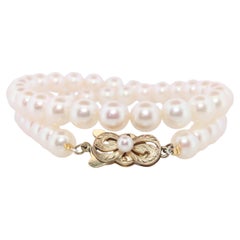
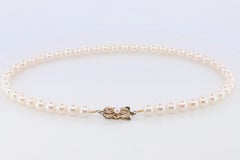
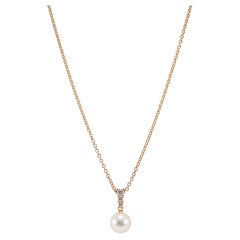
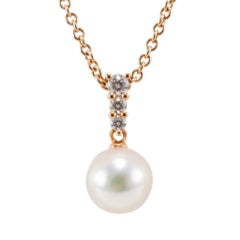
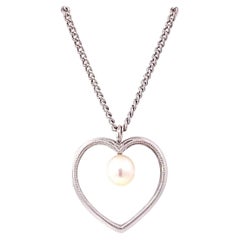
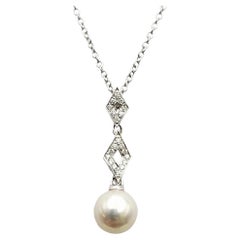
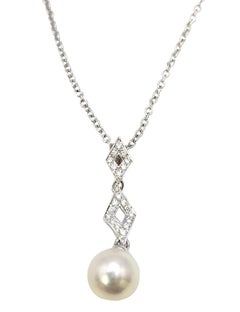
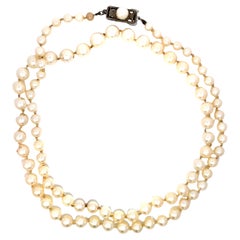
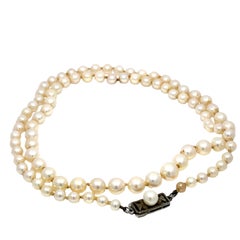
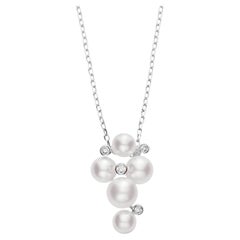
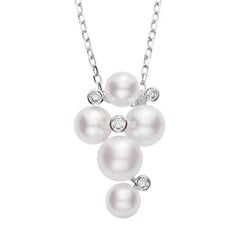
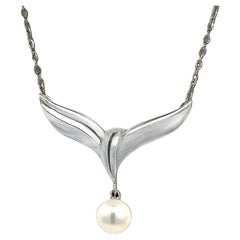
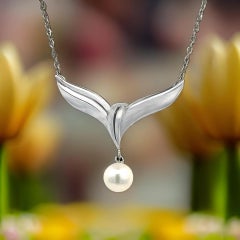
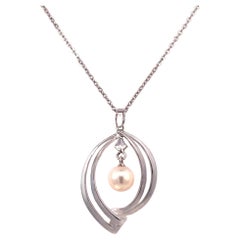
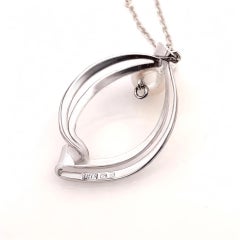
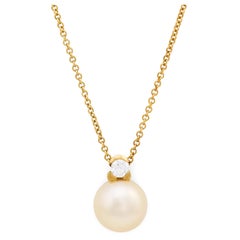
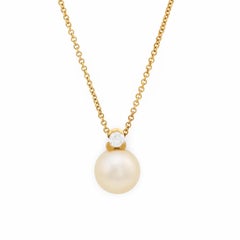
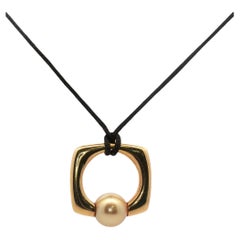
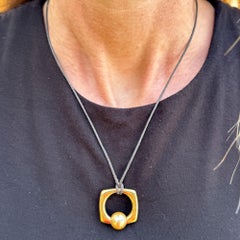
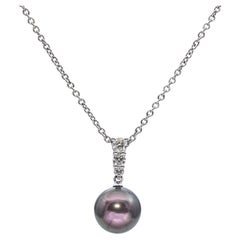
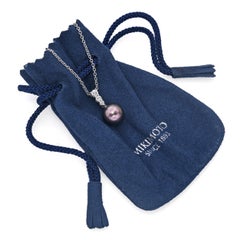
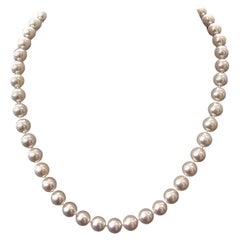
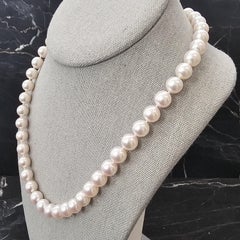
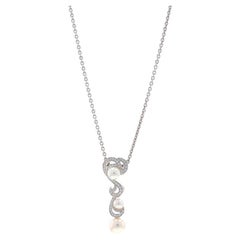
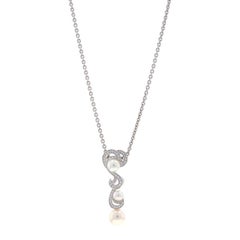
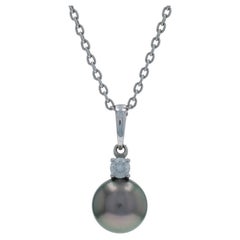
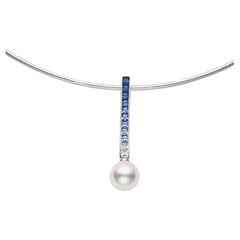
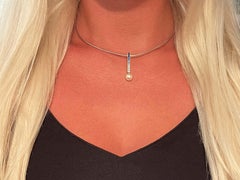
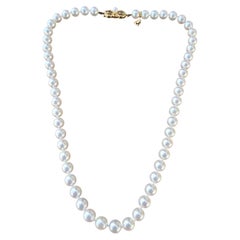
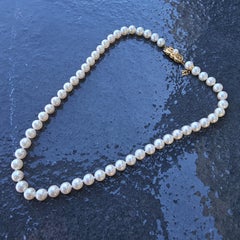
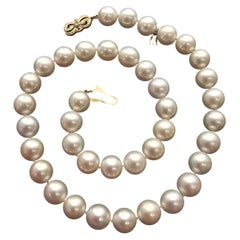
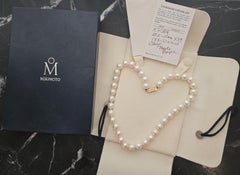
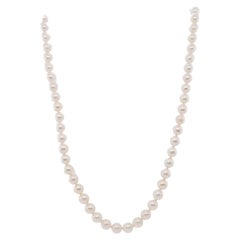
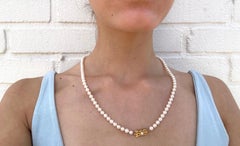
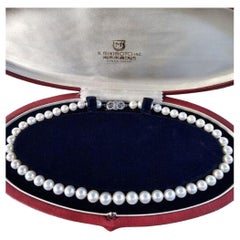
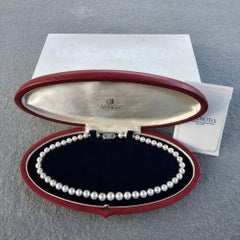
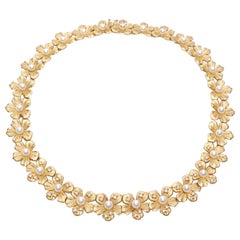
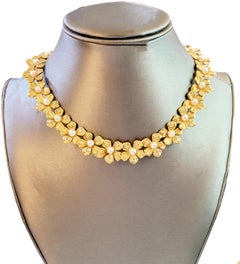
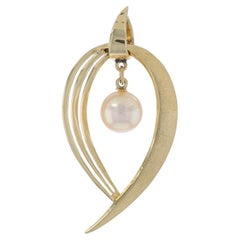
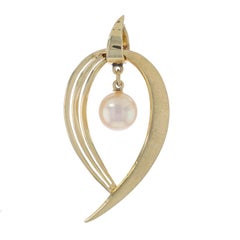
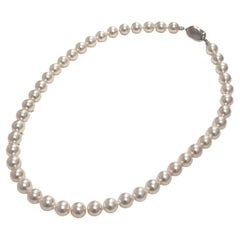
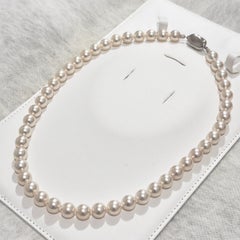
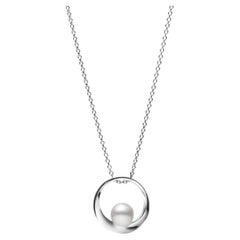
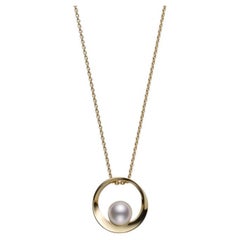
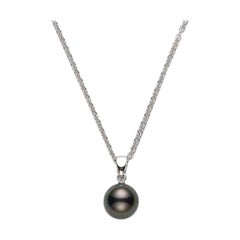
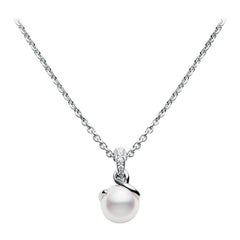
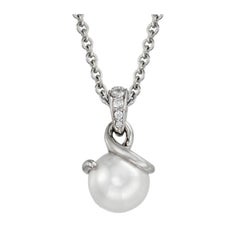
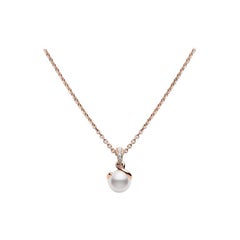
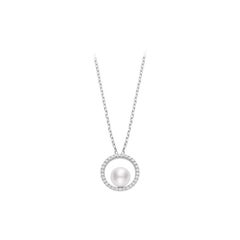
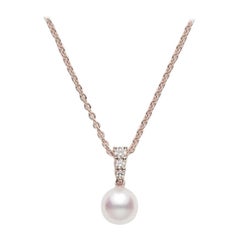
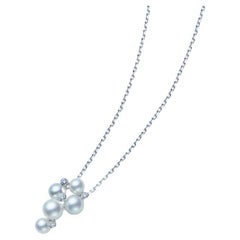
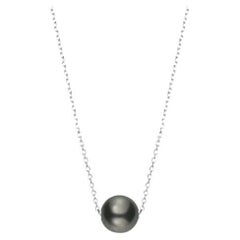
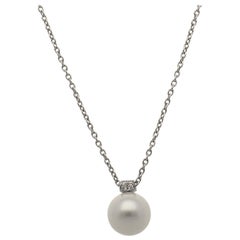
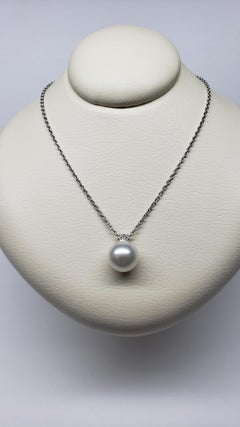
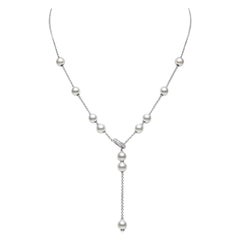
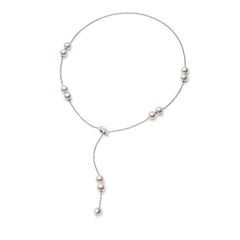
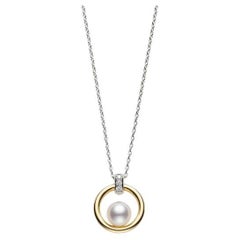
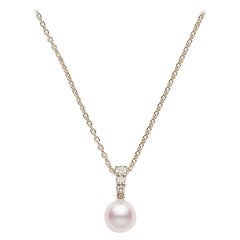
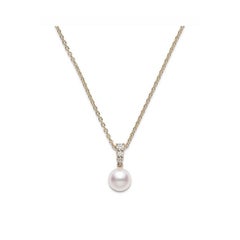
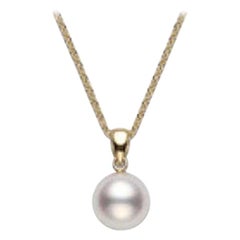
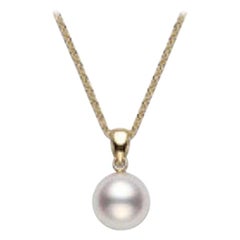
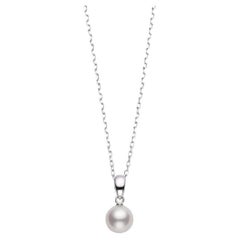
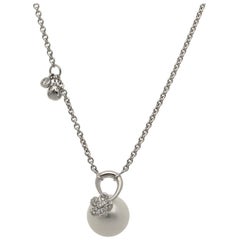
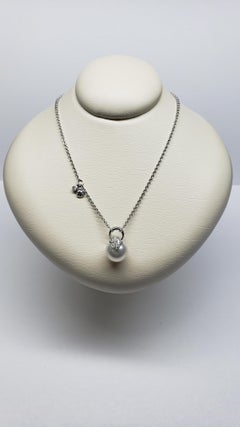
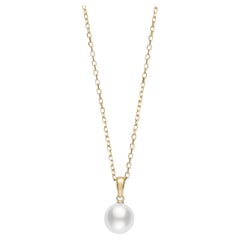
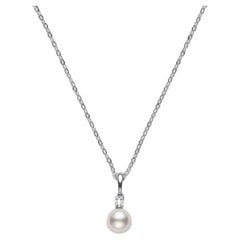
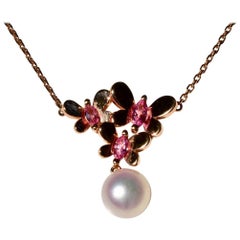
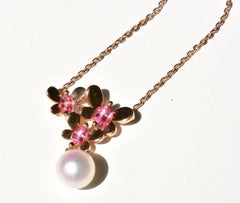
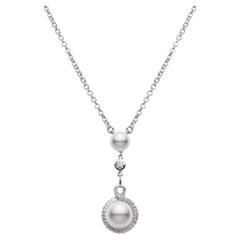
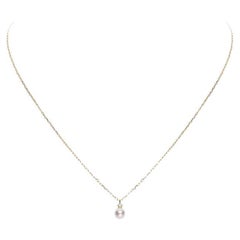
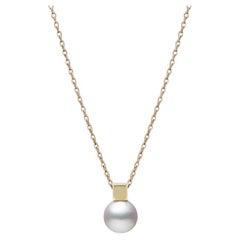
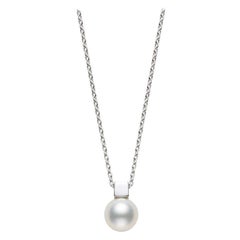
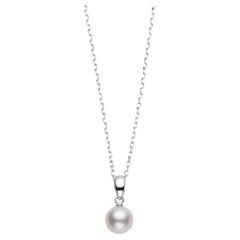
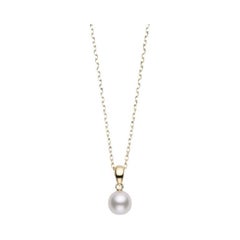
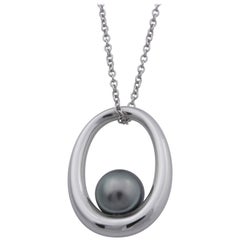
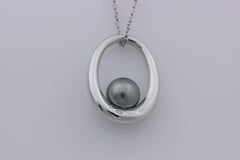
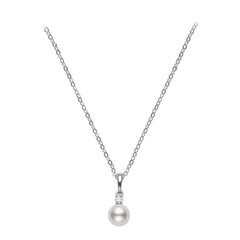
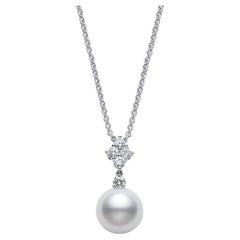
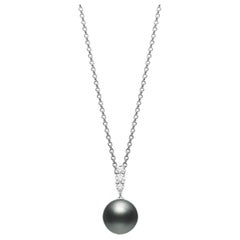
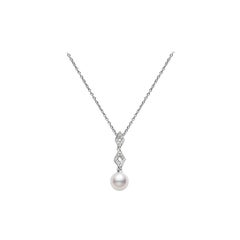
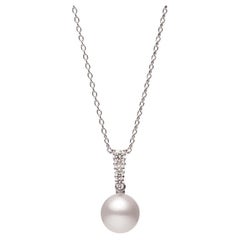
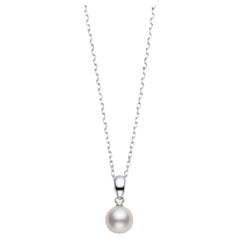
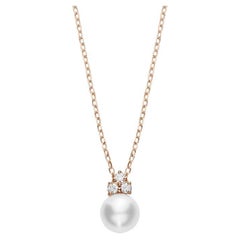
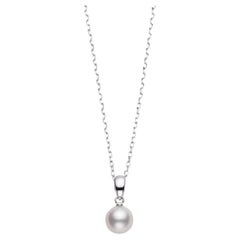
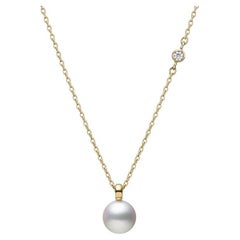
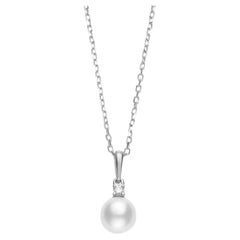
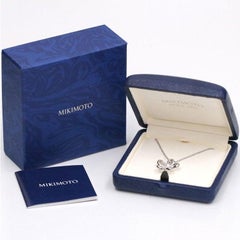
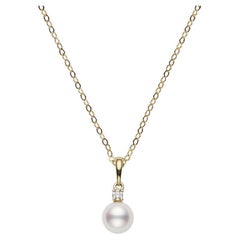
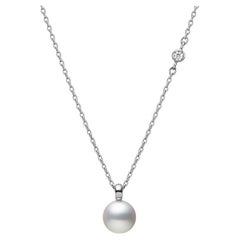
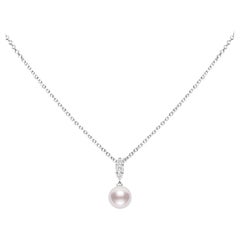
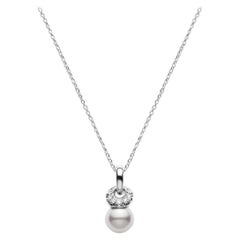
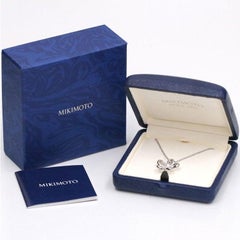
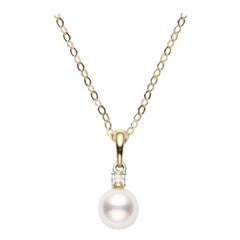
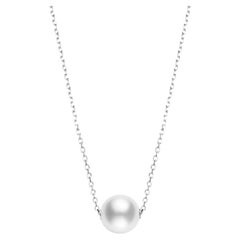
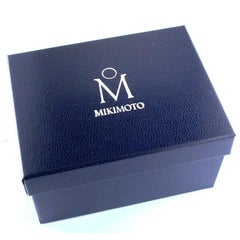
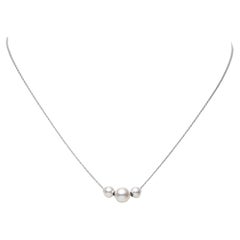
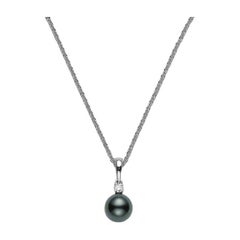
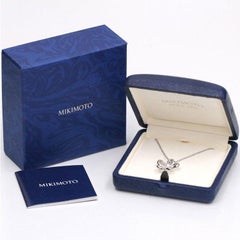
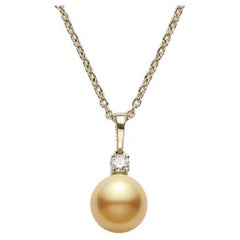
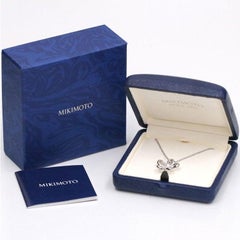
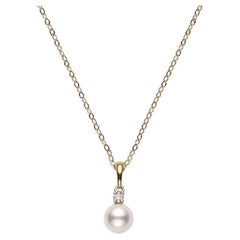
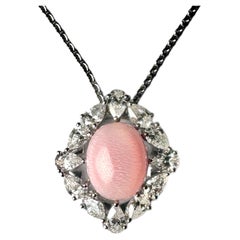
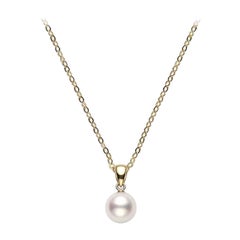
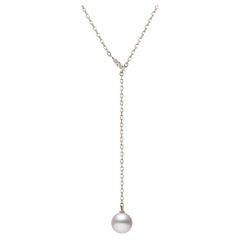
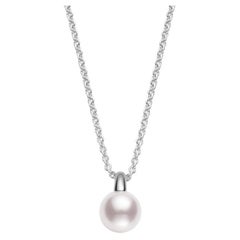
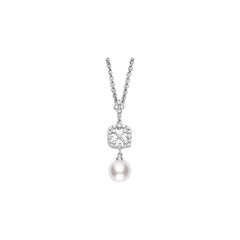
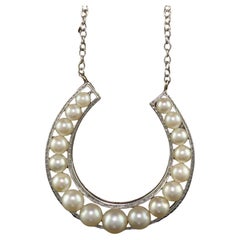
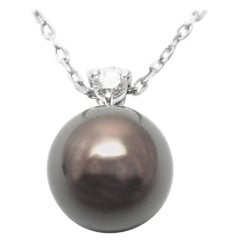
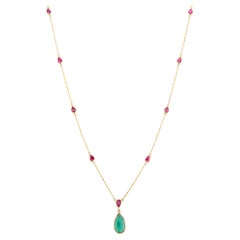
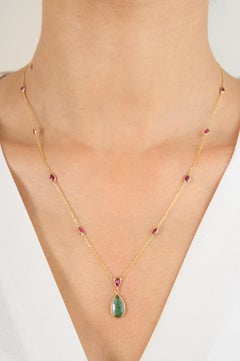
You are likely to find exactly the mikimoto pearl pendant you’re looking for on 1stDibs, as there is a broad range for sale. Every item for sale was constructed with extraordinary care, often using
Gold,
18k Gold and
White Gold. You can easily find a 18 antique edition and 87 modern creations to choose from as well. You’re likely to find the perfect mikimoto pearl pendant among the distinctive items we have available, which includes versions made as long ago as the 20th Century as well as those produced as recently as the 21st Century. A mikimoto pearl pendant can be a stylish choice for most occasions, but
Diamond rings, from our inventory of 53, can add a particularly distinctive touch to your look, day or night. Today, if you’re looking for a
round cut version of this piece and are unable to find the perfect match, our selection also includes
uncut and
bead alternatives. There aren’t many items for
men if you’re seeking a mikimoto pearl pendant, as most of the options available are for
women and unisex.
Born to a noodle-shop owner, Japanese jeweler Kokichi Mikimoto (1858–1954) worked in the seafood business before shifting his focus to pearl cultivation. In 1893, he successfully developed the world’s first cultured pearls with a semispherical specimen. His further experimentation would include black and white South Sea pearls. This development gave Mikimoto a supply of what had once been a notoriously rare natural element and earned him the nickname “The Pearl King.” As he once said, “My dream is to adorn the necks of all women around the world with pearls.”
In 1899 in Tokyo’s Ginza district, Mikimoto opened his first, eponymous store in a white-stone building reminiscent of the color of pearls. He quickly earned a reputation for dazzling designs that blended Japanese craftsmanship and European influence. Mikimoto sent his jewelers to Europe to study the latest trends in jewelry and design; they brought back knowledge of Art Deco and Art Nouveau styles, which were incorporated into designs featuring Mikimoto’s pearls.
But Mikimoto’s creations were not met with enthusiasm by all. In 1921, a London newspaper called the designer’s jewelry “only imitations of real pearls” and claimed the company was “misleading” its customers. It developed into a lawsuit in the French courts, which ruled in Mikimoto’s favor, and raised the jeweler’s global profile.
He also brought his work international acclaim through exhibitions and world’s fairs, including the 1926 Sesquicentennial Exposition in Philadelphia where he unveiled a replica of the Liberty Bell covered with pearls. In 1927, Mikimoto met with Thomas Edison, who gave the jeweler’s invention probably its best compliment: “It is one of the wonders of the world that you were able to culture pearls. . . . This isn’t a cultured pearl, it’s a real pearl.”
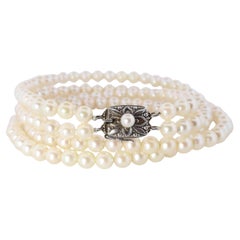
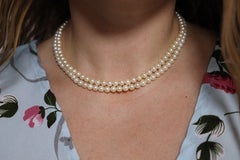
Following World War II, Mikimoto opened stores around the world, with locations now in Paris, New York City, Los Angeles and Shanghai. Though its founder died in 1954, the Mikimoto company has continued to build on the legacy he established, producing collections of pearl necklaces and other pearl-centric jewelry that span a wide range of styles.
In 2017, the brand reopened its flagship Tokyo store, tapping architect Hiroshi Naito to design a new glittering facade whose 40,000 tiny glass plates are meant to evoke the movement of the ocean as they catch the light. The place where Mikimoto had his legendary success over a century ago is now known as Mikimoto Pearl Island and includes a museum on his life and pearls. A highlight is the “Boss’s Necklace,” which was the first made by Mikimoto and is the model for all the brand’s classic strands that have followed.
Find Mikimoto pendant necklaces, choker necklaces and a range of other jewelry on 1stDibs.
Whether you’re layering multiple jewelry pieces or opting for a single strand, vintage pendant necklaces are versatile accessories that can elevate your casual wear as easily as they can add a creative flourish to your formal attire.
The earliest jewelry was less about accessorizing than it was about wearers arming themselves with amulets. In Ancient Egypt, some amulets featured a loop so that they could be strung around one’s neck. While rubies have long been one of the few gemstones that can give diamonds a run for their money, members of some ancient civilizations valued the stones from the get-go, donning ruby pendants as well as other stones with the belief that these adornments would bring protection, healing powers or strength. Today, we still wear our charm bracelets and charm pendants around our necks for good luck.
Later, pendant necklaces, like most fine jewelry, were worn strictly by royalty or the upper class and conferred wealth and prestige. This changed over time, thankfully, as wearing jewelry became more widespread, a democratized means of personal expression.
During the 18th and 19th centuries, pendant necklaces evolved from their status as spiritual amulets, but the jewels still carried deep personal significance. Victorian pendants, in particular, were part of the “mourning jewelry” tradition. Wearers would embed their pendants with locks of hair from a deceased loved one as a way of grieving in the wake of a loss. In the case of cameo jewelry, some pendants were even decorated with miniature hand-carved portraits in a detailed raised relief. Today, portraiture is still a characteristic of many of the hand-carved pendant necklaces offered by Italian jewelry house Scala Gioielli.
Luxury fine jewelry brands such as Cartier, BVLGARI and David Yurman offer their own unique interpretations of the cherished accessory, embellishing platinum or gold pendant necklaces with diamonds, sapphires and other stones.
On 1stDibs, find an extraordinary range of vintage pendant necklaces and other necklaces today.