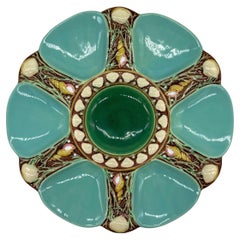
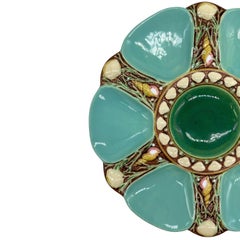
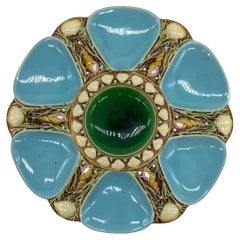
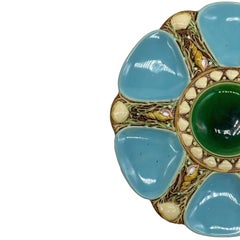
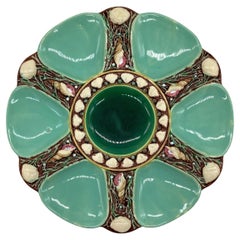
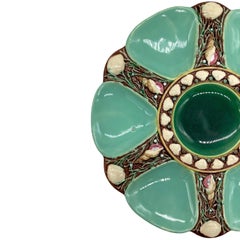
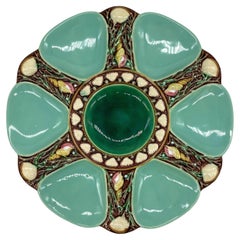
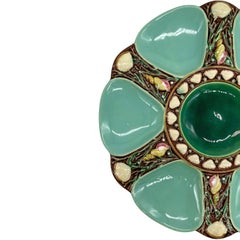
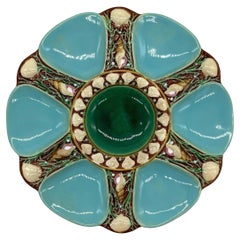
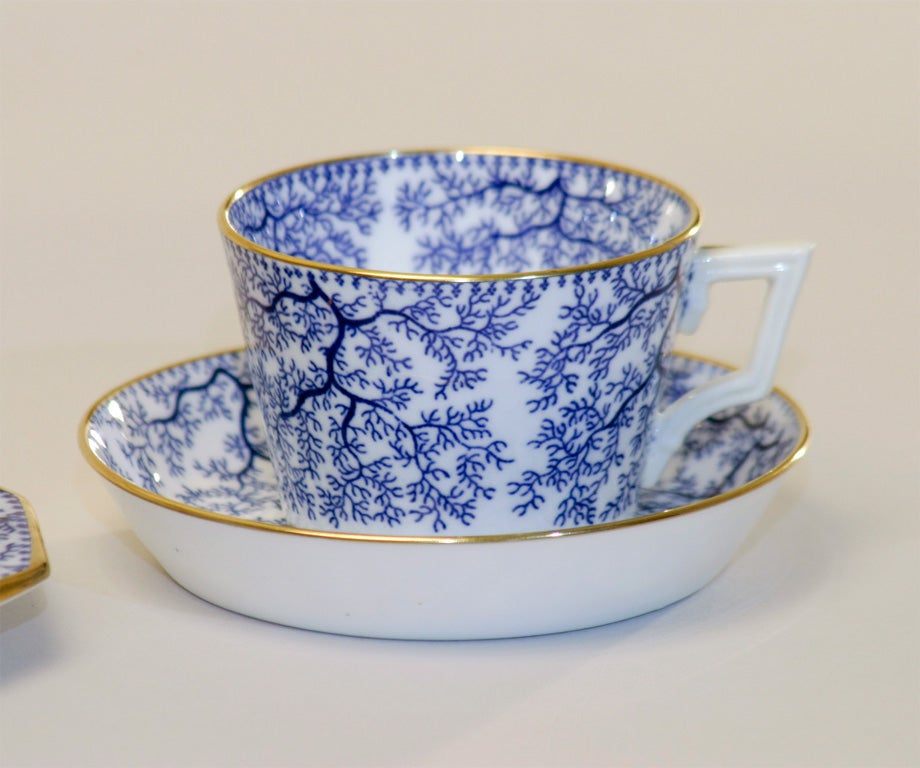
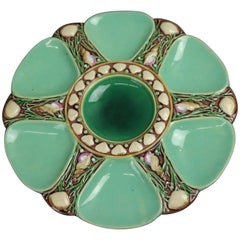
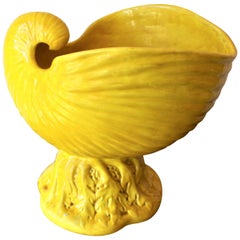
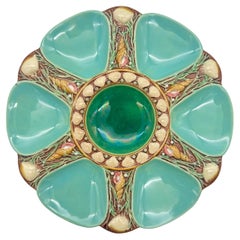
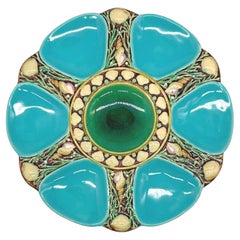
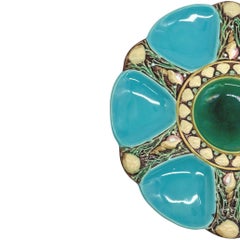
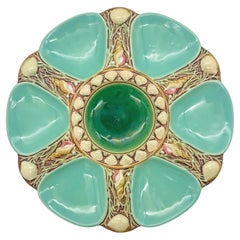
At 1stDibs, there are many versions of the ideal minton seaweed for your home. Frequently made of
ceramic,
earthenware and
majolica, every minton seaweed was constructed with great care. Each minton seaweed bearing
Victorian hallmarks is very popular.
A minton seaweed can differ in price owing to various characteristics — the average selling price 1stDibs is $2,457, while the lowest priced sells for $1,200 and the highest can go for as much as $18,985.
Pottery is one of the oldest decorative art forms, and Minton is one of its historical masters. For more than 250 years, the English company was a premier producer of porcelain and ceramic wares. Its factory was known for detailed and brightly colored Victorian tableware, including dinner plates and serving pieces.
Thomas Minton founded the Minton factory in 1793 in Stoke-upon-Trent, England. It initially made earthenware but introduced bone china in 1798. When Minton died in 1836, the company passed to his son, Herbert Minton. The younger Minton was a savvy businessman with an eye for design. He introduced glossy majolica earthenware to the factory’s repertoire and hired skilled artists and designers like Augustus Welby Northmore Pugin and Albert-Ernest Carrier-Belleuse, boosting the company’s reputation.
In 1851, Minton debuted its majolica at the Great Exhibition in London. It became a royal family favorite and was even used to tile the Royal Dairy at Windsor Home Park. Minton majolica was also displayed on the monumental Saint George and the dragon fountain at the 1862 London International Exhibition.
Colin Minton Campbell, a nephew of Herbert Minton, took over the family business in 1858. He led the company to the head of the 1870s English art pottery movement. In the 1890s, French porcelain artist Marc-Louis Solon helped modernize Minton with his Art Nouveau designs.
Minton ceased operating as an independent company when it merged with Royal Doulton Tableware Ltd. in 1968. It was the end of an era, but not the end of widespread appreciation for Minton ceramics.
In 1982, the ”English Majolica” exhibition at the Cooper Hewitt, Smithsonian Design Museum featured 75 Minton pieces. When the Metropolitan Museum of Art reopened its British Galleries in 2020, it included a display of three colorful Minton majolica bird sculptures. Minton pottery was also on display from September 2021 to January 2022, along with other English pottery, at the Bard Graduate Center’s ”Majolica Mania” exhibition.
On 1stDibs, find exquisite Minton serveware, decorative objects, wall decorations and more.
Your dining room table is a place where stories are shared and personalities shine — why not treat yourself and your guests to the finest antique and vintage glass, silver, ceramics and serveware for your meals?
Just like the people who sit around your table, your serveware has its own stories and will help you create new memories with your friends and loved ones. From ceramic pottery to glass vases, set your table with serving pieces that add even more personality, color and texture to your dining experience.
Invite serveware from around the world to join your table settings. For special occasions, dress up your plates with a striking Imari charger from 19th-century Japan or incorporate Richard Ginori’s Italian porcelain plates into your dining experience. Celebrate the English ritual of afternoon tea with a Japanese tea set and an antique Victorian kettle. No matter how big or small your dining area is, there is room for the stories of many cultures and varied histories, and there are plenty of ways to add pizzazz to your meals.
Add different textures and colors to your table with dinner plates and pitchers of ceramic and silver or a porcelain lidded tureen, a serving dish with side handles that is often used for soups. Although porcelain and ceramic are both made in a kiln, porcelain is made with more refined clay and is more durable than ceramic because it is denser. The latter is ideal for statement pieces — your tall mid-century modern ceramic vase is a guaranteed conversation starter. And while your earthenware or stoneware is maybe better suited to everyday lunches as opposed to the fine bone china you’ve reserved for a holiday meal, handcrafted studio pottery coffee mugs can still be a rich expression of your personal style.
“My motto is ‘Have fun with it,’” says author and celebrated hostess Stephanie Booth Shafran. “It’s yin and yang, high and low, Crate & Barrel with Christofle silver. I like to mix it up — sometimes in the dining room, sometimes on the kitchen banquette, sometimes in the loggia. It transports your guests and makes them feel more comfortable and relaxed.”
Introduce elegance at supper with silver, such as a platter from celebrated Massachusetts silversmith manufacturer Reed and Barton or a regal copper-finish flatware set designed by International Silver Company, another New England company that was incorporated in Meriden, Connecticut, in 1898. By then, Meriden had already earned the nickname “Silver City” for its position as a major hub of silver manufacturing.
At the bar, try a vintage wine cooler to keep bottles cool before serving or an Art Deco decanter and whiskey set for after-dinner drinks — there are many possibilities and no wrong answers for tableware, barware and serveware. Explore an expansive collection of antique and vintage glass, ceramics, silver and serveware today on 1stDibs.