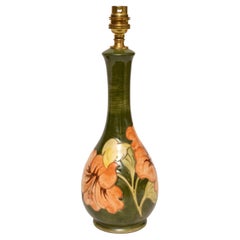
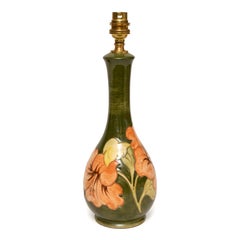
Lamp Table Bottle Moorcroft Hibiscus Flower Green Coral Cream
Located in BUNGAY, SUFFOLK
Moorcroft, hibiscus pattern, bottle vase, upcycled into a table lamp, 13½ ” high Naturalistic
Category
Vintage 1960s English Table Lamps
Materials
Stoneware
Lamp Table Bottle Moorcroft Hibiscus Flower Green Coral Cream
Located in BUNGAY, SUFFOLK
Moorcroft, hibiscus pattern, bottle vase, upcycled into a table lamp, 13½ ” high Naturalistic
Stoneware
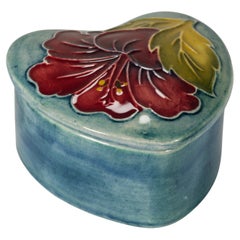
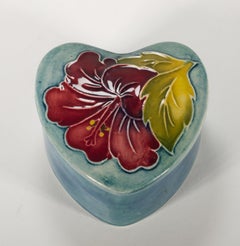
Moorcroft Pottery Hibiscus Heart Shaped Box with Lid, England
By Moorcroft Pottery
Located in Clifton Springs, NY
Charming vintage ceramic box with lid features the Hibiscus pattern decor, with a striking red
Ceramic, Pottery
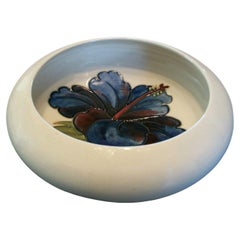
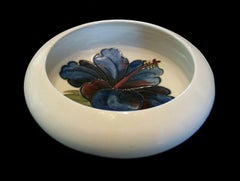
Moorcroft, Vintage Studio Pottery Hibiscus Bowl, U. K., Mid 20th Century
By Moorcroft Pottery
Located in Chatham, ON
Moorcroft (Walter) - Vintage 'Hibiscus' pattern ceramic bowl with inverted rim - hand painted
Ceramic
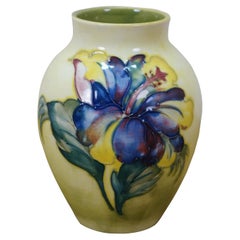
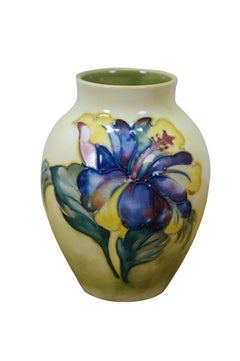
Mid Century British Walter Mooncroft Hibiscus Flower Baluster Bud Vase 5"
By Moorcroft Pottery
Located in Dayton, OH
Mid Century Moorcroft pottery vase in the Hibiscus pattern. The vase features large blue and yellow
Porcelain
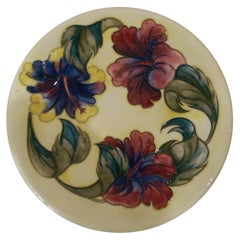
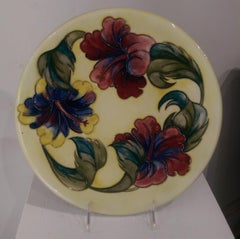
Vintage Large Moorcroft Pottery Charger Plate Hibiscus Flowers Estate England
By Moorcroft Pottery
Located in Montreal, QC
Large beautiful charger plate is decorated in the much sought after luscious hibiscus flowers in
Porcelain
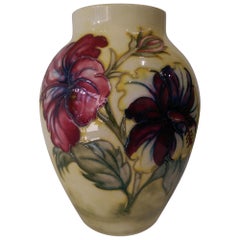
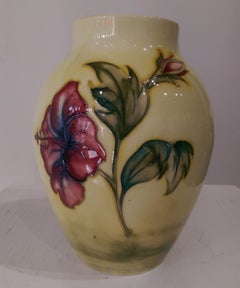
Vintage Moorcroft Pottery Vase in the Hibiscus Flowers Pattern England Estate
By Moorcroft Pottery
Located in Montreal, QC
Beautiful vase of Ovoid form is decorated in the much sought after luscious hibiscus flowers in
Porcelain
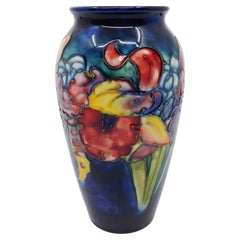
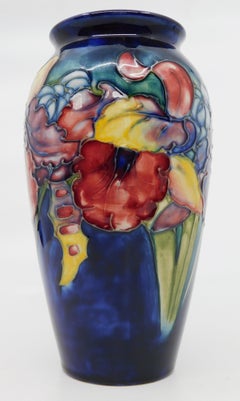
Signed Moorcroft Hibiscus Cobalt Art Pottery Vase Circa 1950 England
By William Moorcroft
Located in Hamilton, Ontario
This signed art pottery vase was done by the Moorcroft Pottery company of England in circa 1950
Pottery
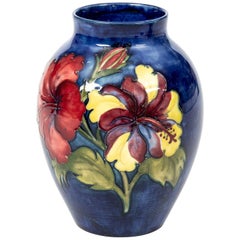
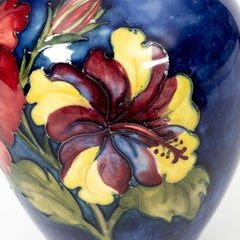
Moorcroft Vintage Hibiscus Vase
By Moorcroft Pottery
Located in Stamford, CT
Moorcroft vintage vase, circa mid-20th century. Vibrant colors. Signed. Made in the United Kingdom
Porcelain
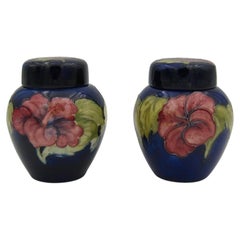
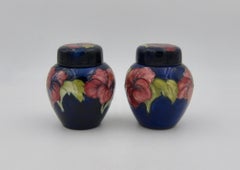
Two English Moorcroft Pottery Ginger Jars in Blue Hibiscus Pattern
By Moorcroft Pottery
Located in Los Angeles, CA
Two vintage Moorcroft art pottery ginger jars in the hibiscus pattern, manufactured at the
Ceramic, Pottery
Every time you move into a house or an apartment — or endeavor to refresh the home you’ve lived in for years — life for that space begins anew. The right home accent, be it the simple placement of a decorative bowl on a shelf or a ceramic vase for fresh flowers, can transform an area from drab to spectacular. But with so many materials and items to choose from, it’s easy to get lost in the process. The key to styling with antique and vintage decorative objects is to work toward making a happy home that best reflects your personal style.
Ceramics are a versatile addition to any home. If you’ve amassed an assortment of functional pottery over the years, think of your mugs and salad bowls as decorative objects, ideal for displaying in a glass cabinet. Vintage ceramic serveware can pop along white open shelving in your dining area, while large stoneware pitchers paired with woven baskets or quilts in an open cupboard can introduce a rustic farmhouse-style element to your den.
Translucent decorative boxes or bowls made of an acrylic plastic called Lucite — a game changer in furniture that’s easy to clean and lasts long — are modern accents that are neutral enough to dress up a coffee table or desktop without cluttering it. If you’re showcasing pieces from the past, a vintage jewelry box for displaying your treasures can spark conversation: Where is the jewelry box from? Is there a story behind it?
Abstract sculptures or an antique vessel for your home library can draw attention to your book collection and add narrative charm to the most appropriate of corners. There’s more than one way to style your bookcases, and decorative objects add a provocative dynamic. “I love magnifying glasses,” says Alex Assouline, global vice president of luxury publisher Assouline, of adding one’s cherished objects to a home library. “They are both useful and decorative. Objects really elevate libraries and can also make them more personal.”
To help with personalizing your space and truly making it your own, find an extraordinary collection of decorative objects on 1stDibs.