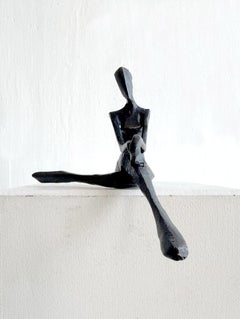
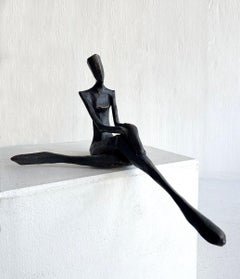
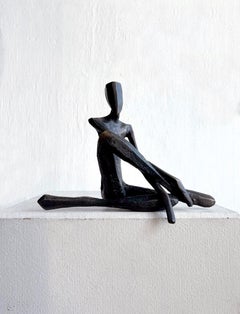
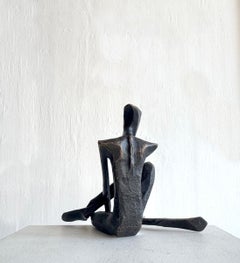
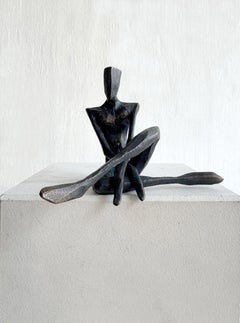
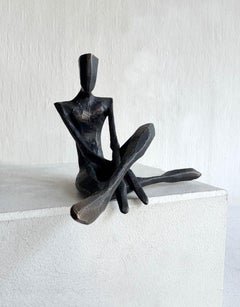
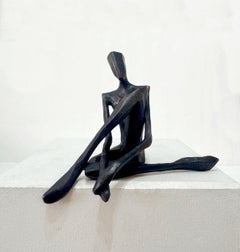
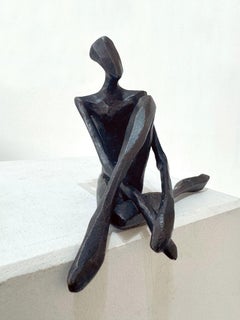
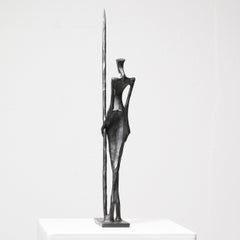
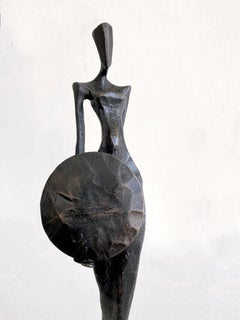
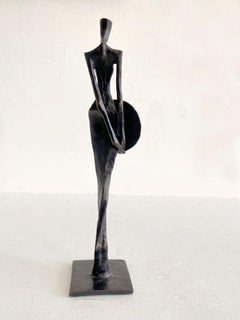
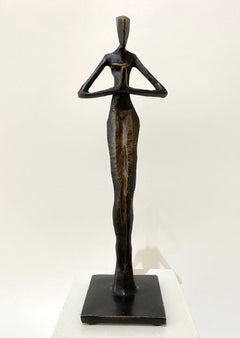
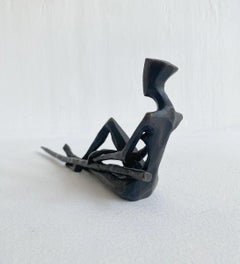
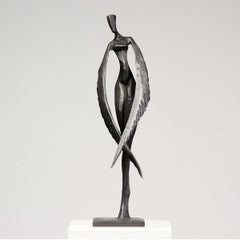
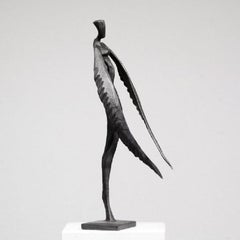
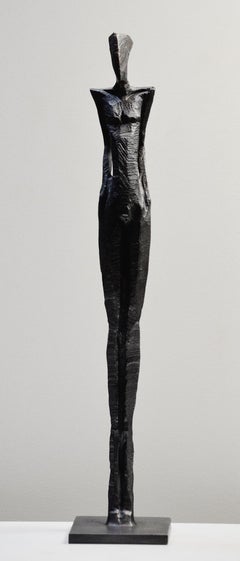
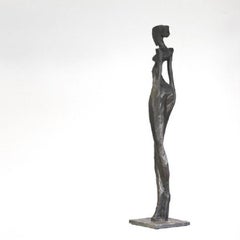
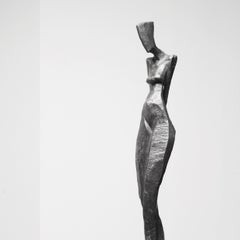
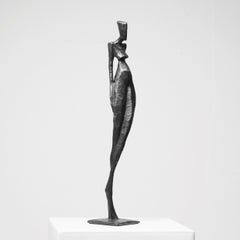
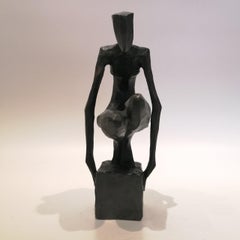
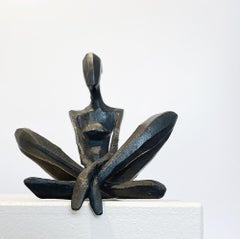
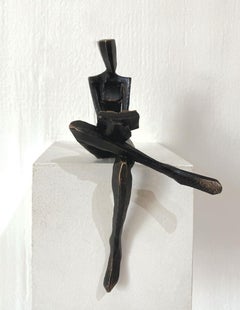
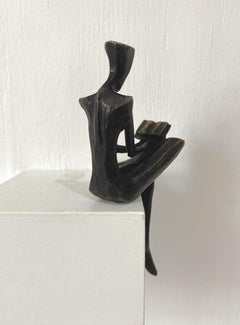
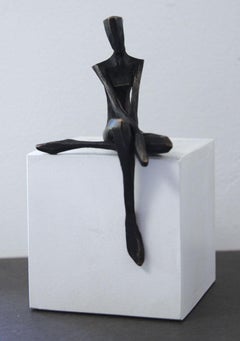
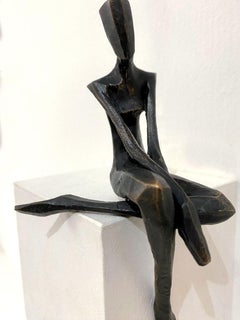
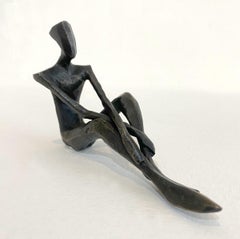
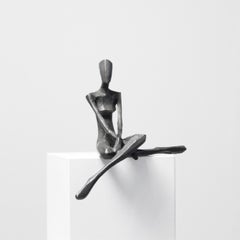
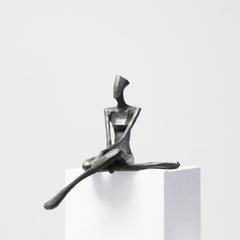
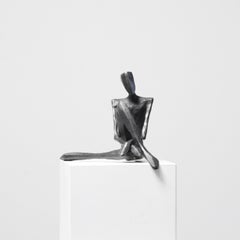
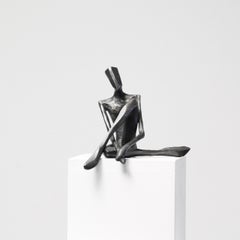
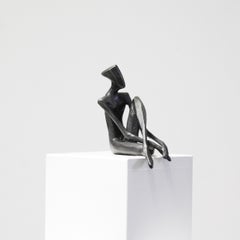
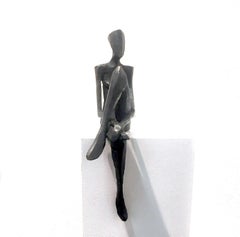
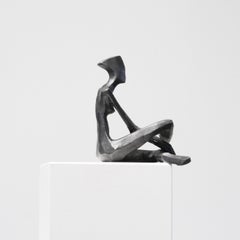
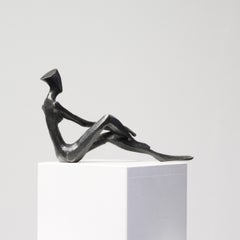
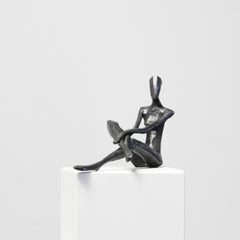
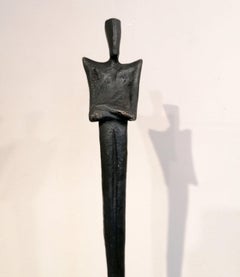
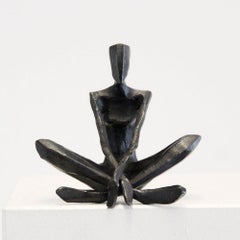
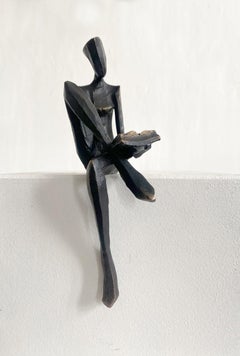
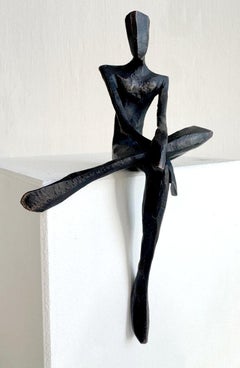
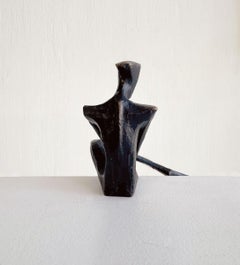
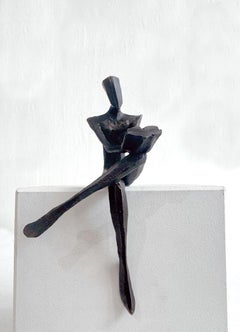
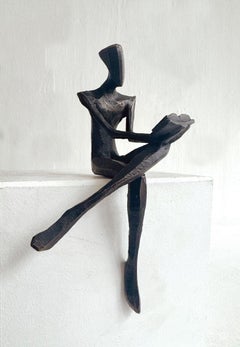
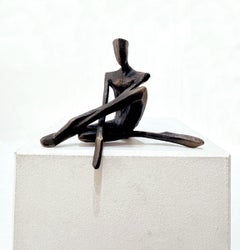
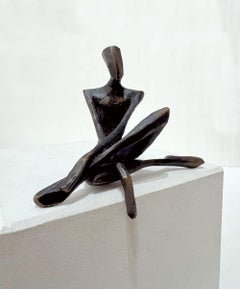
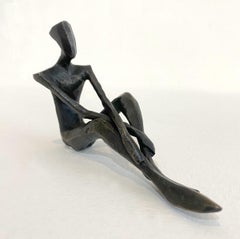
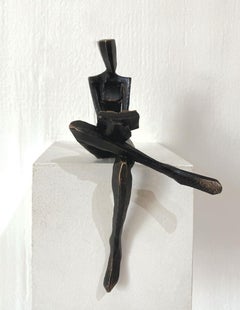
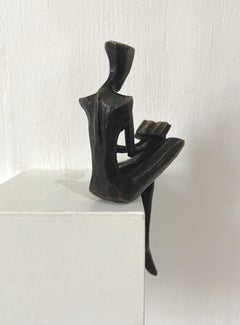
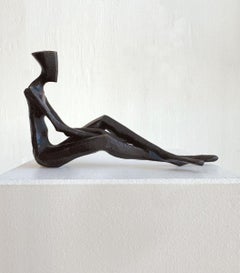
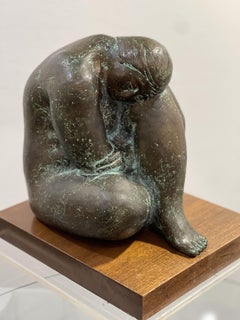
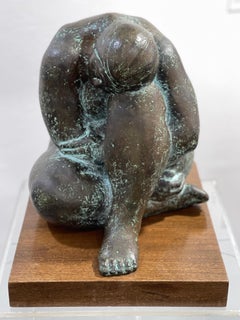
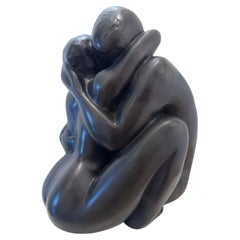
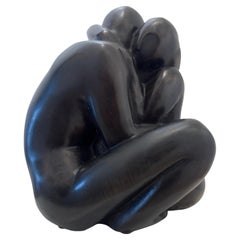
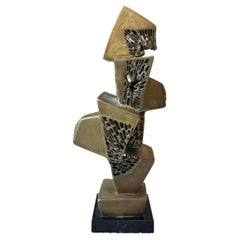
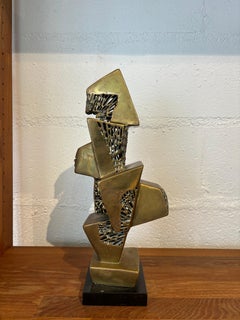
Find the exact nando kallweit you’re shopping for in the variety available on 1stDibs. You can easily find an example made in the
Modern style, while we also have 1
Modern versions to choose from as well. Adding a nando kallweit to a room that is mostly decorated in warm neutral tones can yield a welcome change — find a piece on 1stDibs that incorporates elements of
gold and more. Artworks like these of any era or style can make for thoughtful decor in any space, but a selection from our variety of those made in
bronze,
metal and
iron can add an especially memorable touch. If space is limited, you can find a small nando kallweit measuring 3 high and 2 wide, while our inventory also includes works up to 14 across to better suit those in the market for a large nando kallweit.
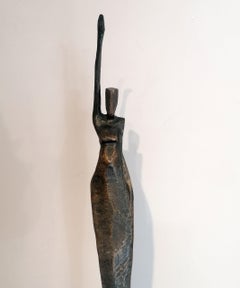
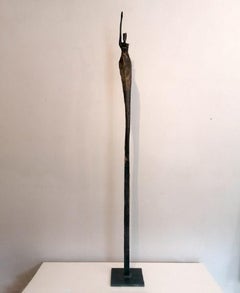
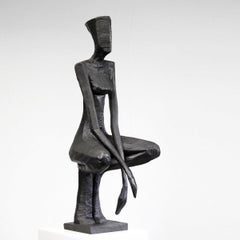
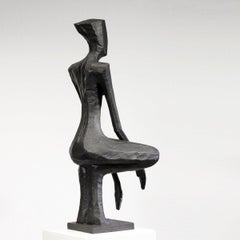
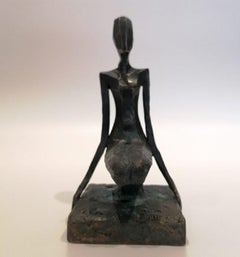
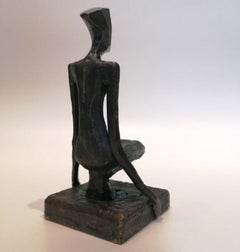
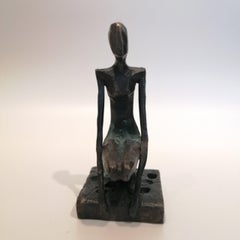
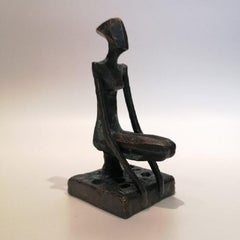
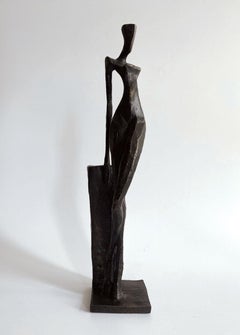
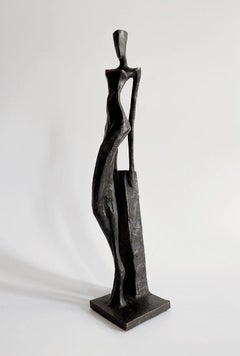
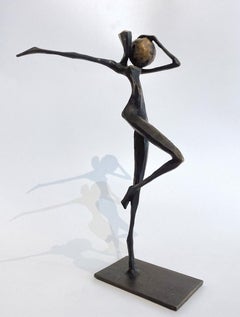
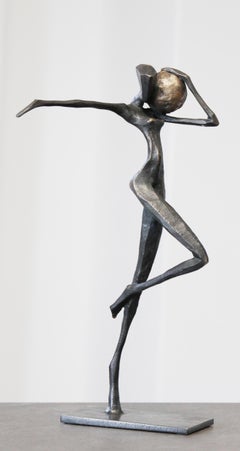
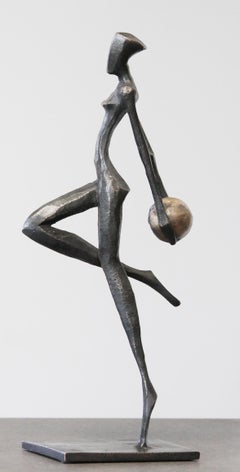
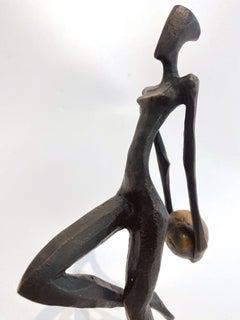
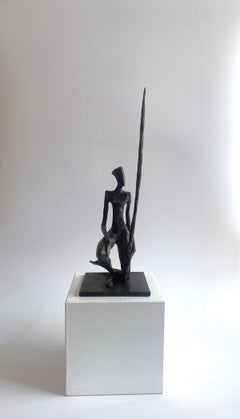
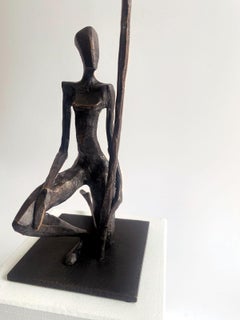
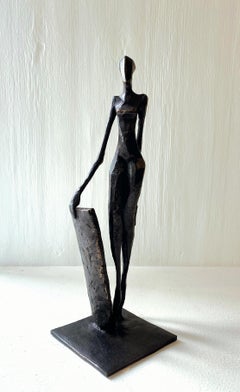
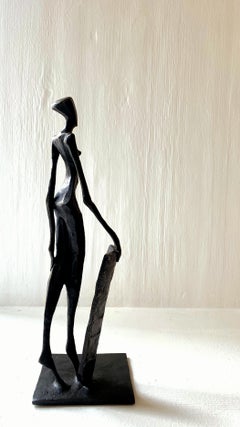
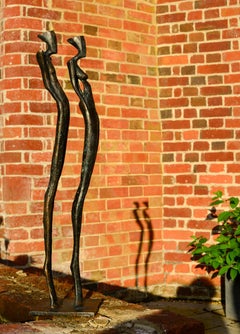
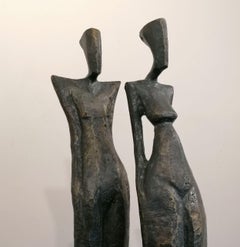
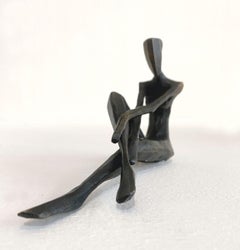
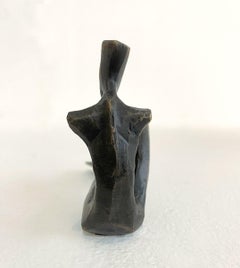
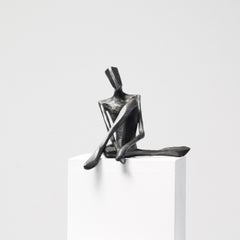
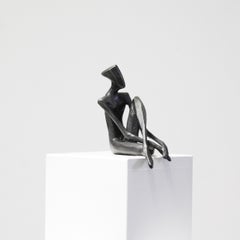
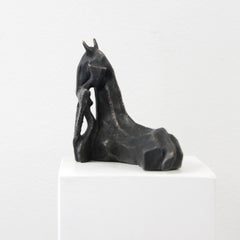
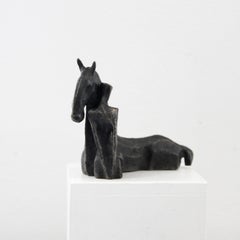
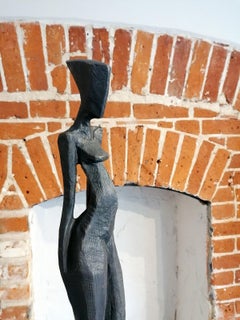
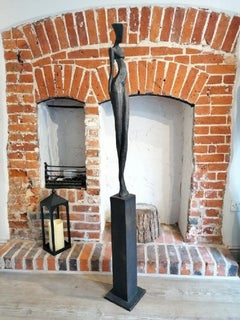
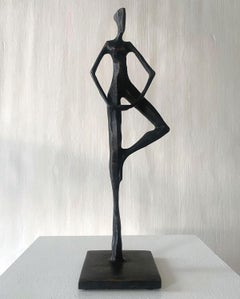
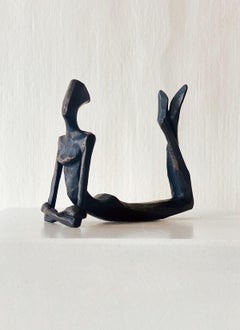
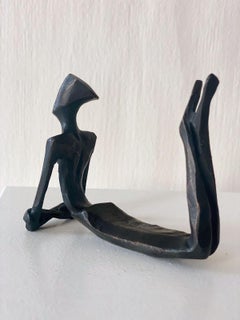
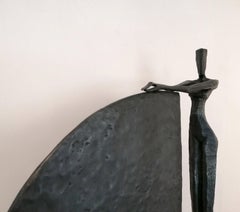
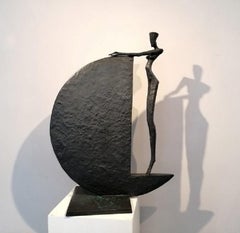
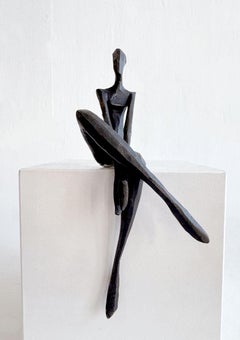
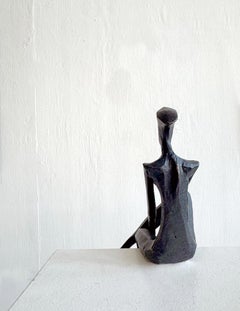
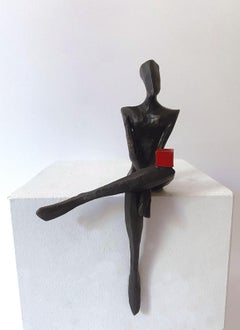
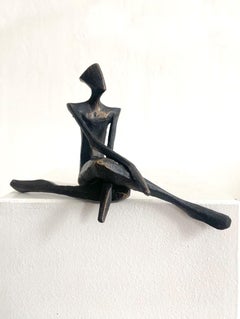
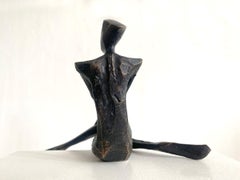
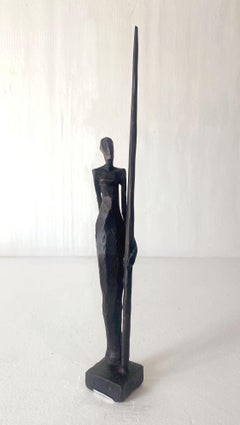
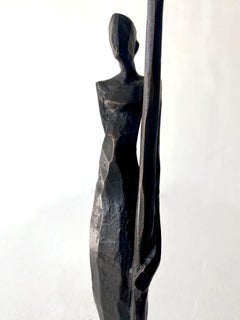
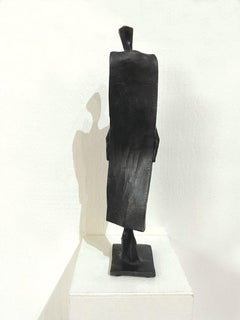
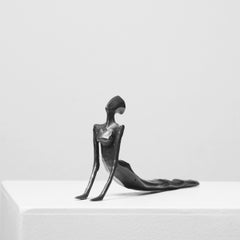
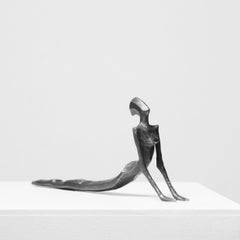
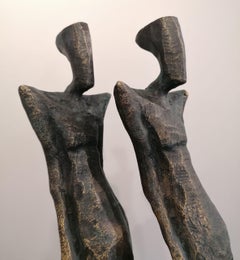
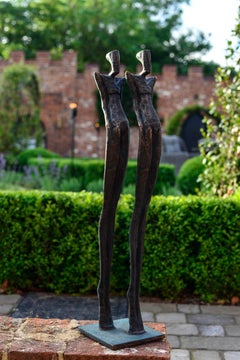
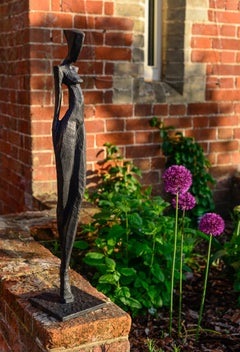
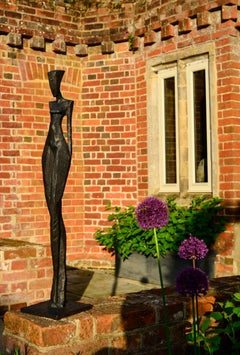
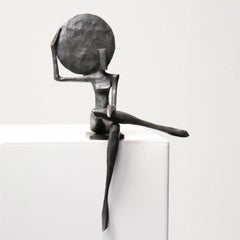
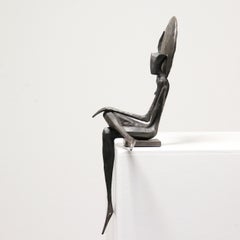
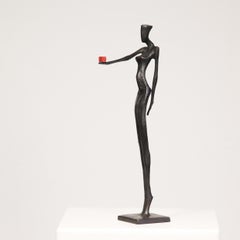
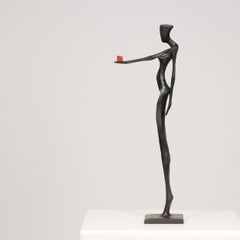
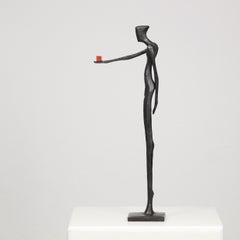
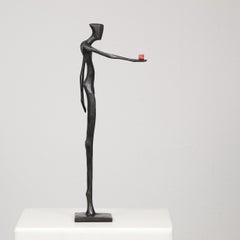
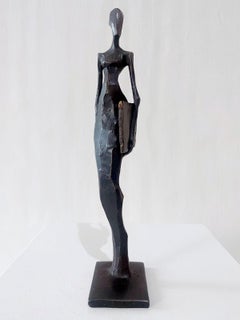
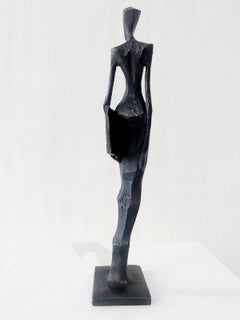
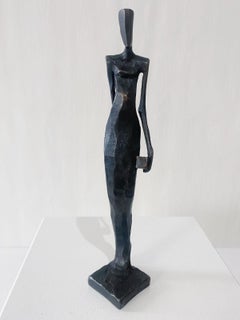
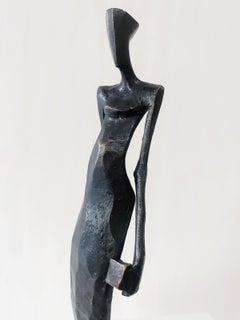
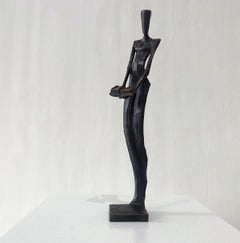
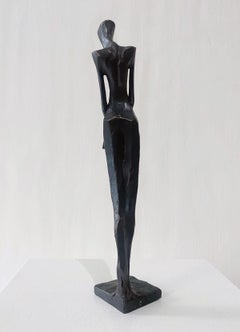
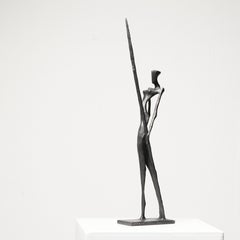
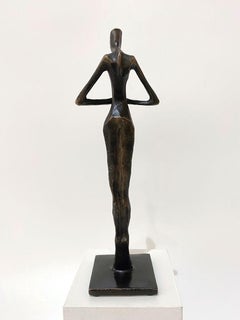
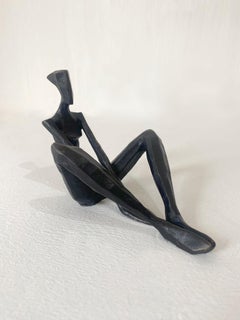
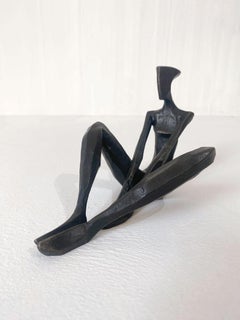
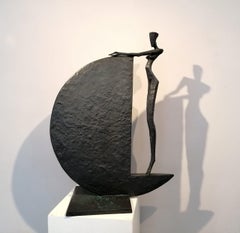
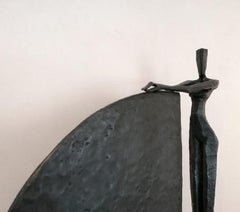
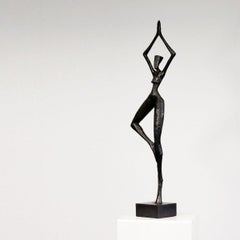
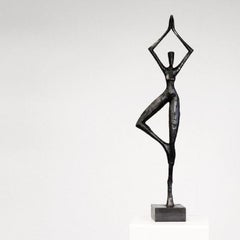
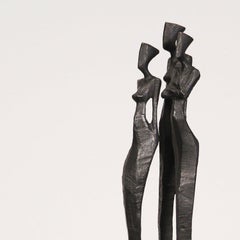
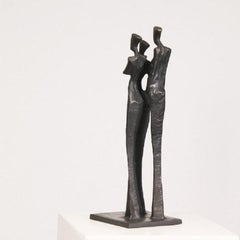
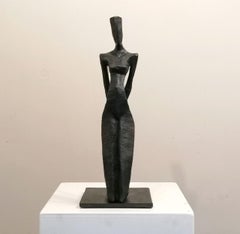
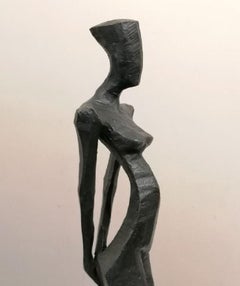
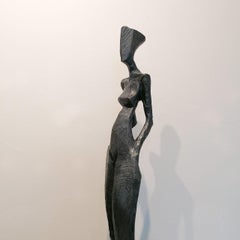
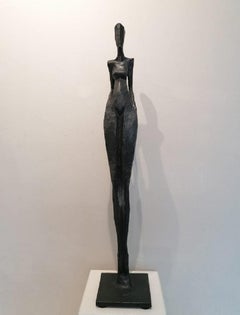
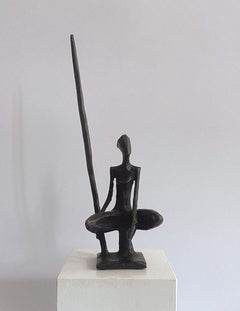
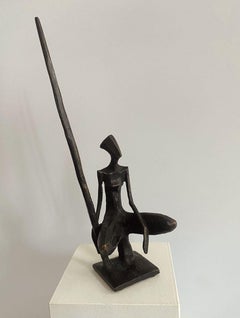
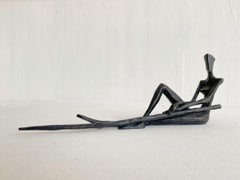
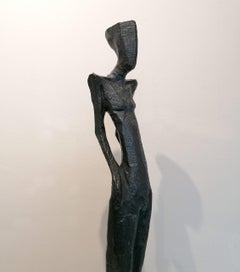
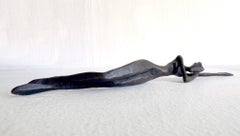
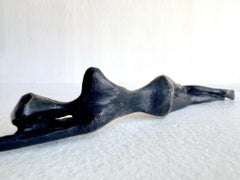
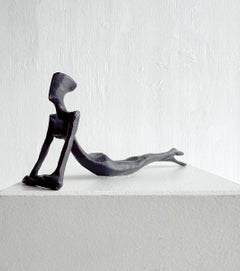
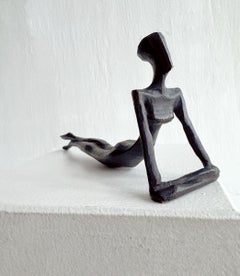
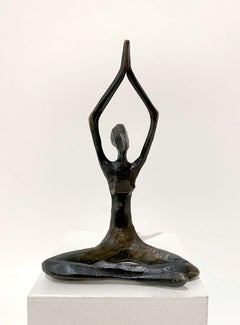
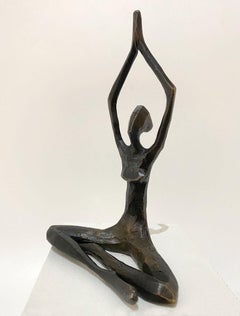
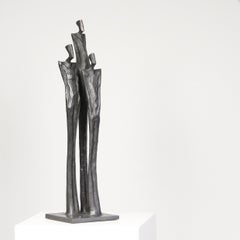
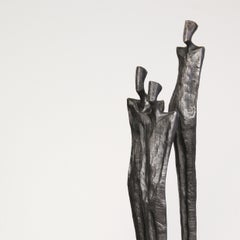
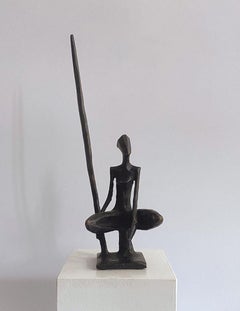
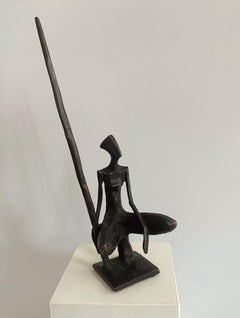
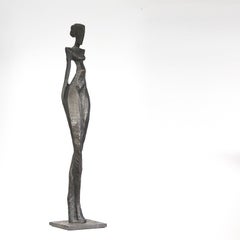
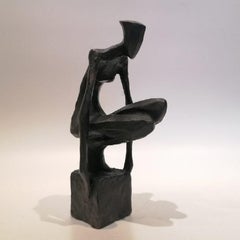
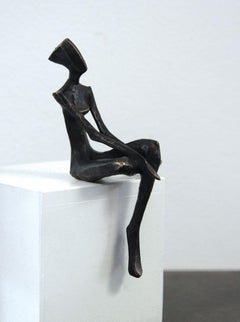
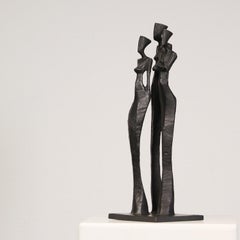
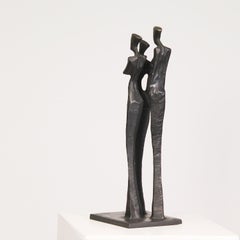
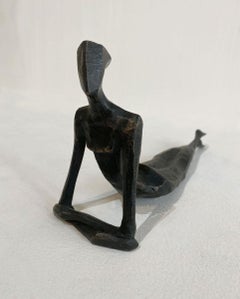
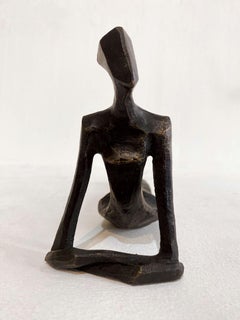
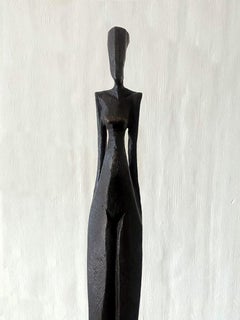
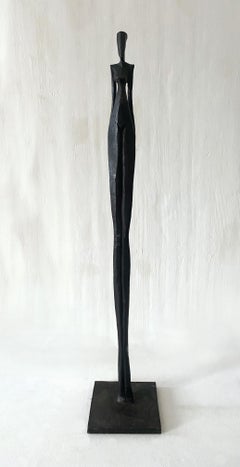
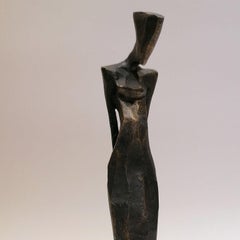
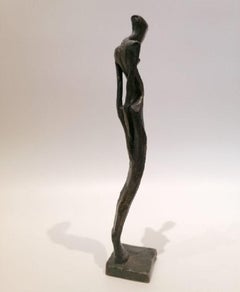
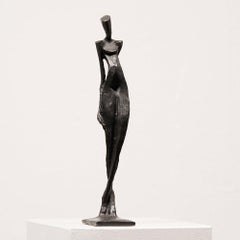
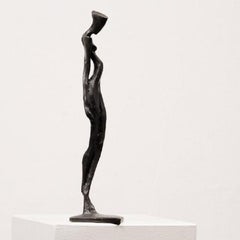
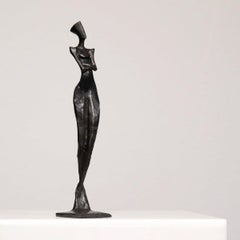
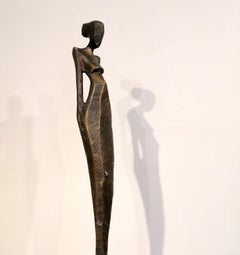
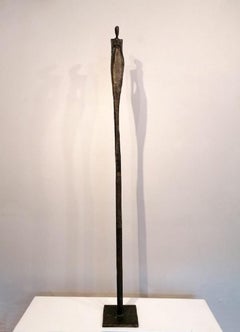
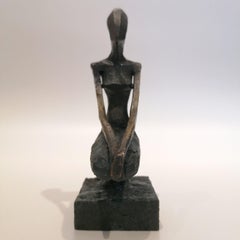
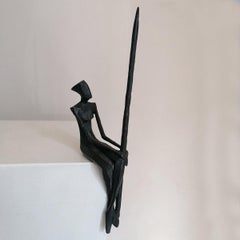
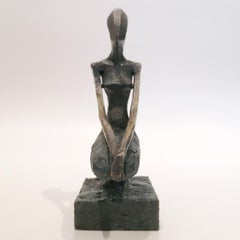
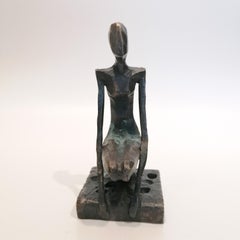
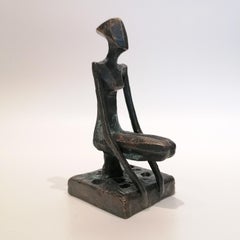
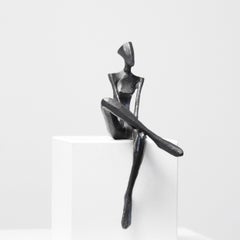
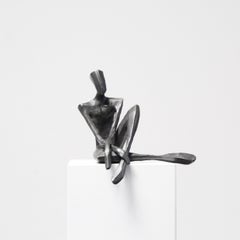
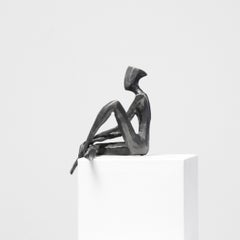
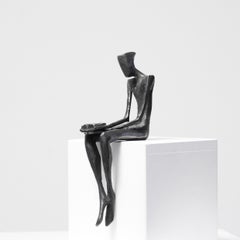
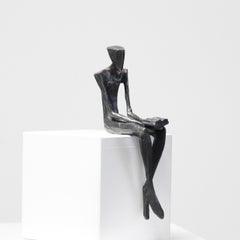
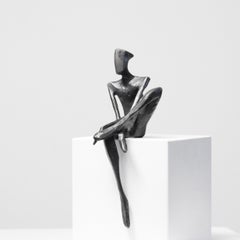
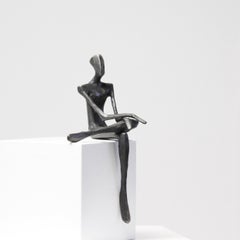
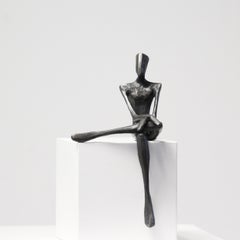
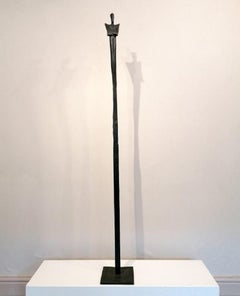
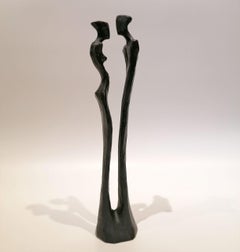
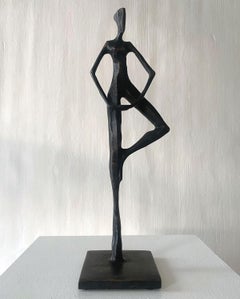
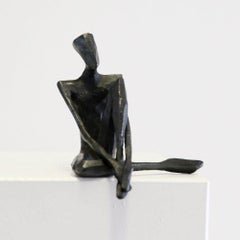
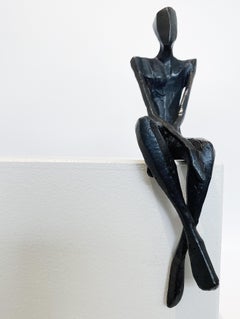
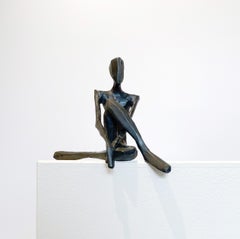
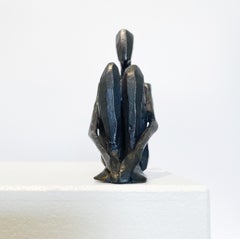
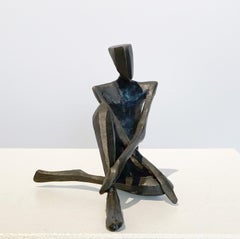
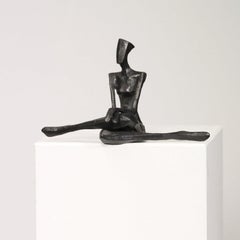
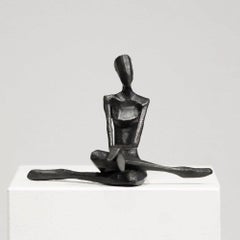
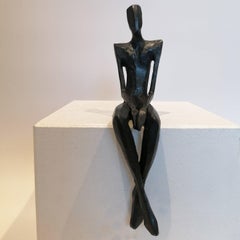
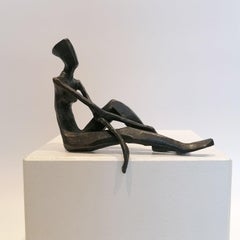
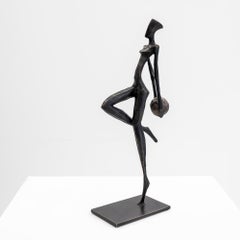
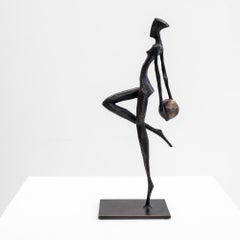
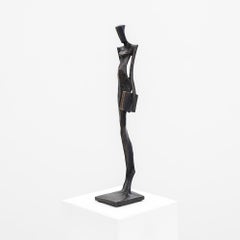
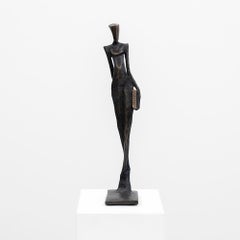
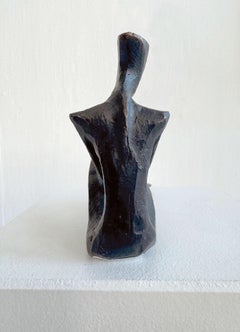
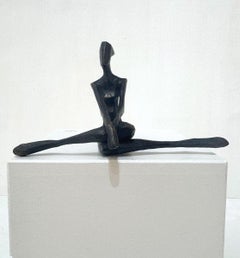
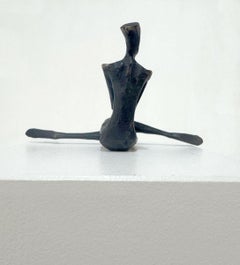
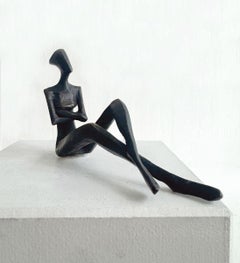
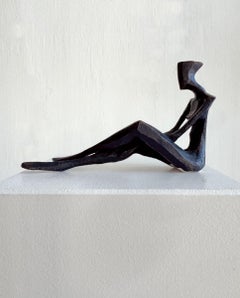
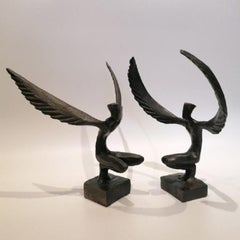
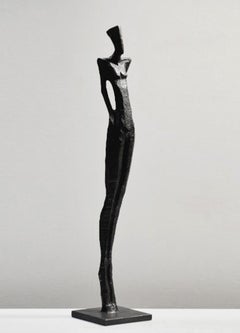
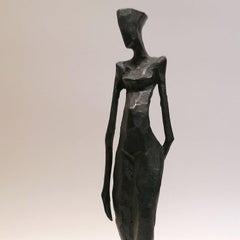
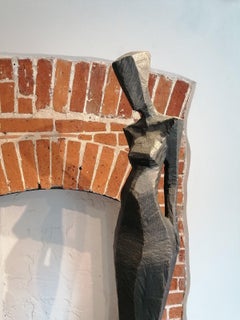
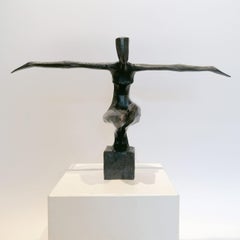
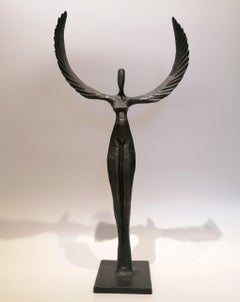
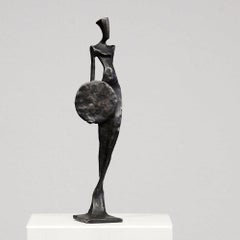
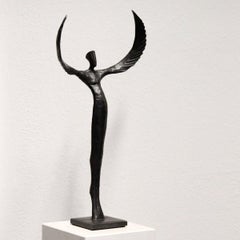
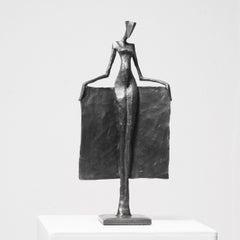
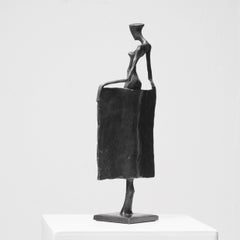
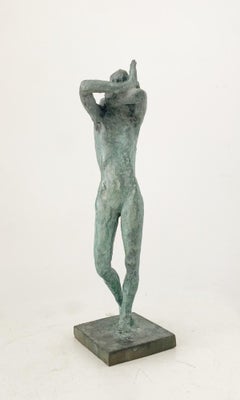
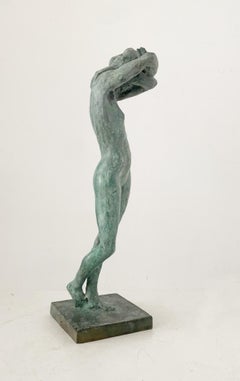
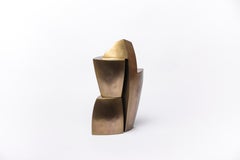
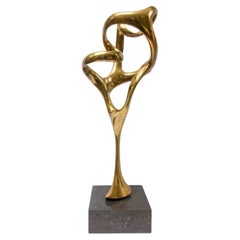
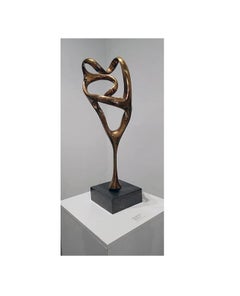
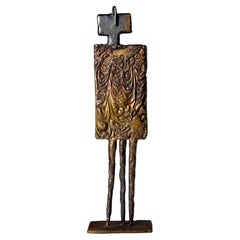
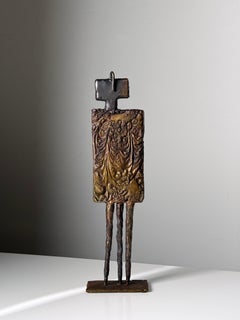
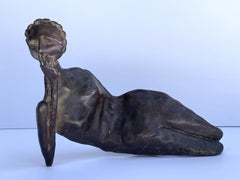
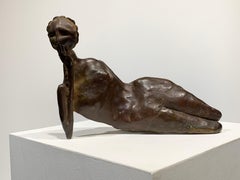
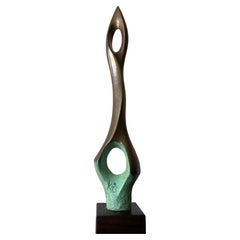
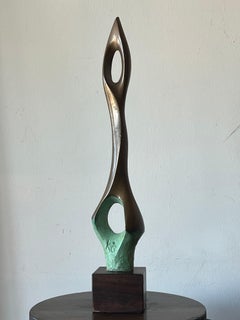
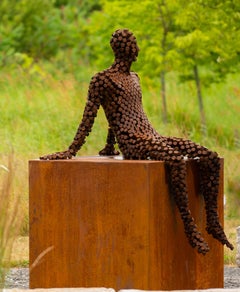
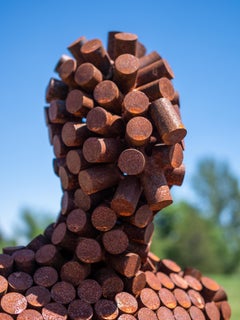
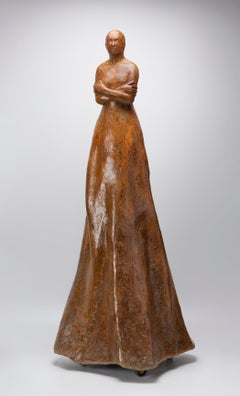
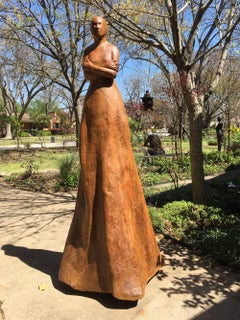
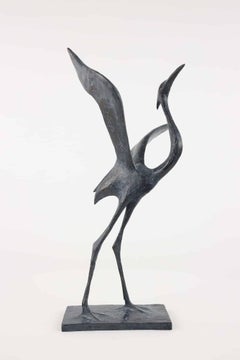
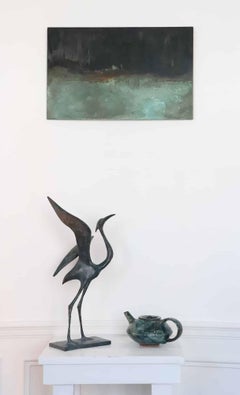
Nando Kallweit is a German sculptor working in bronze and oak. As a young boy, he was inspired by the beauty and antiquity of a bust of Nefertiti housed in the Egyptian Museum of Berlin. After the fall of the Berlin Wall, his new-found freedoms allowed him to travel to Egypt and develop his belief in the basic strength and pride inherent in inhumanity. His sculptures seek to emphasize this through elongated forms and upright postures. He reduces the figures to simple gestures and movements creating sculptures with a wonderful interplay between the archaic and the modern; between art and design.
Nando’s work has been exhibited across Europe and is held in many private collections. He has produced a number of large scale permanent installation pieces for German municipalities and museums.
Figurative sculptures mix reality and imagination, with the most common muse being the human body. Animals are also inspirations for these sculptures, along with forms found in nature.
While figurative sculpture dates back over 35,000 years, the term came into popularity in the 20th century to distinguish it from abstract art. It was aligned with the Expressionist movement in that many of its artists portrayed reality but in a nonnaturalistic and emotional way. In the 1940s, Alberto Giacometti — a Swiss-born artist who was interested in African art, Cubism and Surrealism — created now-iconic representational sculptures of the human figure, and after World War II, figurative sculpture as a movement continued to flourish in Europe.
Lucian Freud and Francis Bacon were some of the leading figurative artists during this period. Artists like Jeff Koons and Maurizio Cattelan propelled the evolution of figurative sculpture into the 21st century.
Figurative sculptures can be whimsical, uncanny and beautiful. Their materials range from stone and wood to metal and delicate ceramics. Even in smaller sizes, the sculptures make bold statements. A bronze sculpture by Salvador Dalí enhances a room; a statuesque bull by Jacques Owczarek depicts strength with its broad chest while its thin legs speak of fragility. Figurative sculptures allow viewers to see what is possible when life is reimagined.
Browse 1stDibs for an extensive collection of figurative sculptures and find the next addition to your collection.