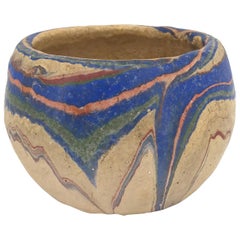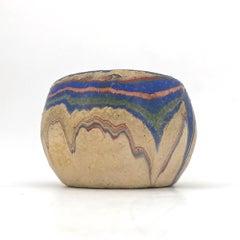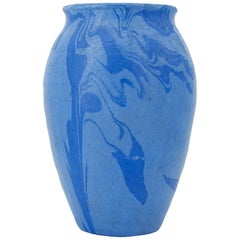
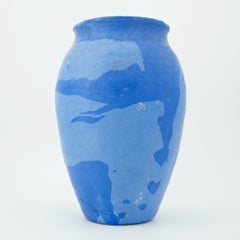
Ozark Tourist Pottery
Vintage 1930s American American Craftsman Vases
Pottery
People Also Browsed
2010s Turkish Mid-Century Modern Wall Lights and Sconces
Aluminum
2010s American Modern Stools
Sheepskin, Wood, Oak
Vintage 1960s European Mid-Century Modern Side Tables
Oak
Early 20th Century European Art Deco Chandeliers and Pendants
Iron, Lead, Wire
Vintage 1940s Finnish Scandinavian Modern Chandeliers and Pendants
Brass
Vintage 1930s Italian Art Deco Vanities
Upholstery, Walnut
Vintage 1960s Chilean Mid-Century Modern Wall-mounted Sculptures
Multi-gemstone, Metal
21st Century and Contemporary Indonesian Country Night Stands
Wood
Early 20th Century American Art Deco Vases
Ceramic, Pottery
21st Century and Contemporary English End Tables
Wood
Mid-20th Century French Art Deco Barware
Aluminum, Chrome
2010s Swedish Scandinavian Modern Ottomans and Poufs
Sheepskin, Oak
21st Century and Contemporary Indian Decorative Bowls
Amethyst
Mid-20th Century Swedish Mid-Century Modern Urns
Crystal
Vintage 1930s Czech Bauhaus Wall Lights and Sconces
Chrome
2010s British Post-Modern Chairs
Elm, Walnut
Ozark Tourist Pottery For Sale on 1stDibs
How Much is a Ozark Tourist Pottery?
A Close Look at American-craftsman Furniture
Inspired by the Arts & Crafts style in England, which rebelled against the mechanization of the Industrial Revolution with a proud emphasis on handcrafted design, American Craftsman style similarly pushed against the lavishness of the Victorian era. Coined by Wisconsin-born Gustav Stickley, a furniture designer and publisher of The Craftsman magazine, American Craftsman furniture would influence homegrown styles that followed, such as Mission and the Prairie School.
Like the popular early 20th-century Craftsman houses — which feature meticulous woodwork on everything from built-in bookcases in the living room and cabinetry in the kitchen to earth-toned exteriors with exposed rafters — American Craftsman furniture was all about handmade storage cabinets, bedroom furniture, chairs and other pieces built with organic materials. “Simplicity and straightforwardness of construction has always been the leading characteristic of Craftsman furniture,” Stickley stated. And while he is often credited with most of the designs at the Craftsman Workshops in Eastwood, New York, others such as Harvey Ellis were influential in shaping the straight-backed chairs, beds with vertical slats and tables with exposed joinery that came to define the style.
Highly utilitarian with no unnecessary flair, American Craftsman furniture was designed to emphasize the essence of its modest construction and promote the natural beauty of the wood. Solid oak, cherry, walnut and mahogany were all favored by the movement’s principal figures. Another attribute commonly associated with the style is the integration of subtle details like tooled leather, inlaid metal and hammered iron handles.
Owing to the outbreak of World War I, the popularity of American Craftsman style waned as consumer spending dropped and furniture companies shifted to the production of wartime materials and goods specified in government contracts. Yet, by the 1960s, there was a renewed appreciation for this foundational modern American style, with Stickley and his contemporaries in demand for the clean, simple lines and sturdy construction of American Craftsman furniture.
Find a collection of antique American Craftsman chests, nightstands, seating, decorative objects and more furniture on 1stDibs.
Finding the Right Urns for You
Decorative vases and antique and vintage urns are statement objects for the home that can date back centuries. Ranging from pieces with intricate, hand-painted details to more minimal forms with abstract shapes, decorative vases and urns come in a range of styles and sizes.
An urn is a type of vase that typically has a cover, a narrow neck and a round body, sometimes with a footed pedestal. However, when a vessel is called an urn, this often denotes its purpose rather than its origin or shape. One of the urn’s most crucial roles was and remains to be to hold the ashes of people for funerary rites. Another type of urn is adorned with figures that tell a story or show a scene.
Some of the earliest vases were formed from clay or metal-like bronze. Mesopotamians used them not only for decoration but also for storage. In ancient Greece, vases and urns frequently depicted stories from mythology, showing images of the gods and heroes. In ancient Egypt, vases such as the amphora had ceremonial purposes.
Over time, vases grew in popularity among artists as a different kind of canvas for expression. Unlike many of the ancient examples, these vases were not always functional but instead made for a striking addition to one’s decor. Even a plain, solid-colored vase can add color or style to a room. Metal urns are elegant additions to your living room or foyer rather than outside, unless you’re partial to the alluring weathered patina that is expected to characterize an antique cast-iron garden urn.
Every interior designer will tell you that decorative objects are what make a house a home. Decorative objects trumpet the homeowner’s personality while bringing a room to life. For designers, they present an opportunity to express their creative vision.
When looking for a decorative vase, it’s important to note the design and also the size and shape. Decorative vases vary from those with a wide base to those with long slender necks. Browse decorative vases and an extensive ceramic urn collection on 1stDibs.