Antiquities

to
635
870
2,039
18
7
540
1,822
2,064
2,057
2,057
Antiquities For Sale
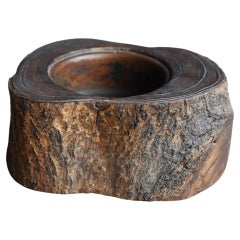
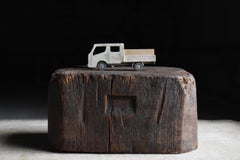
Japanese Wabi-Sabi Antique Wooden Display Stand / Late Edo to Meiji Period

Japanese Wabi-Sabi Antique Wooden Display Stand / Late Edo to Meiji Period

Located in Sammu-shi, Chiba

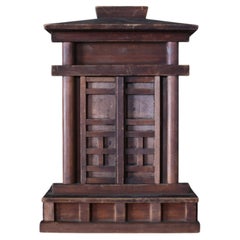
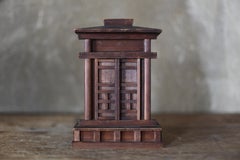
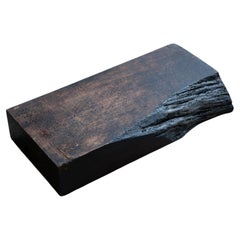
This is a tokyo, a traditional architectural bracket block, made of zelkova wood and thought to have come from an old Japanese temple building. It is believed to date from around the...

Category

Late 19th Century Japanese Edo Antique Antiquities
Materials

Wood

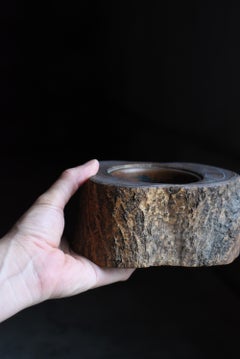
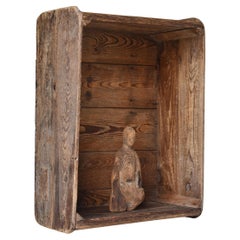
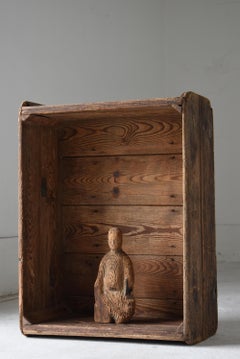
Japanese temple building materials from the Edo period/antique display stand

Japanese temple building materials from the Edo period/antique display stand

Located in Sammu-shi, Chiba

This is a part of a structural building material that was used in an old Japanese temple. It is said to be reclaimed wood that was used in the lecture hall of Yakushiji, a famous tem...

Category

Late 19th Century Japanese Edo Antique Antiquities
Materials

Cedar

Vintage Chinese Mahjong Set in Hardwood Box, Early 20th Century

Vintage Chinese Mahjong Set in Hardwood Box, Early 20th Century

Located in Chicago, IL

A test of skill, strategy, and luck, the game of mahjong (麻將) was invented in China in the late Qing dynasty (1644-1911) and has been popular ever since. Played by exchanging tiles to build the best hand at the table, mahjong uses 144 tiles engraved with three suits, two honors and a few wild cards. Literally translating to "little sparrow," mahjong is a game best played among friends - when the clacking of tiles and lively conversation recalls the chattering of birds. This antique Chinese mahjong set...

Category

Early 20th Century Chinese Qing Antiquities
Materials

Bone, Bamboo, Hardwood

Fine Chinese Antique Rosewood Box with Brass Mounts – Qing Dynasty décor

Fine Chinese Antique Rosewood Box with Brass Mounts – Qing Dynasty décor

Located in London, GB

Fine Chinese Antique Rosewood Box with Brass Mounts – Qing Dynasty Style A beautifully crafted Chinese antique rosewood box, richly mounted with engraved brass fittings in traditional Qing dynasty style. The dark, dense rosewood contrasts elegantly with the finely detailed brass corner plates, cloud-form panels, Buddhist motives and ornate turtle central latch. This high-quality scholar’s or jewellery box features hand-engraved decoration throughout, including geometric fret motifs and stylised foliate designs characteristic of late Qing decorative metalwork. The box retains its original lock plate with turtle (key not present). A decorative and functional piece ideal for collectors of Chinese antiques, scholar’s objects, and classical Asian furniture. Keywords: Chinese rosewood box...

Category

18th Century Chinese Antique Antiquities
Materials

Wood

12th-13th C, A Set of Antique Khmer Brown Glazed Pottery Lime Pot in Owl Shape

12th-13th C, A Set of Antique Khmer Brown Glazed Pottery Lime Pot in Owl Shape

Located in Sampantawong, TH

A set of Antique Khmer brown glazed pottery lime pot in owl shape. Age: Cambodia, 12th - 13th Century Size: Height 7.4 - 10.4 C.M. / Width 8.6 - 11.6 C.M. Condition: Nice condition ...

Category

15th Century and Earlier Cambodian Antique Antiquities
Materials

Pottery

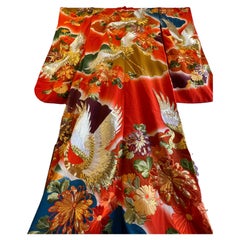
Antique Japanese Kimono 'Uchikake' for Wedding, 1970s

Antique Japanese Kimono 'Uchikake' for Wedding, 1970s

Located in Paris, FR

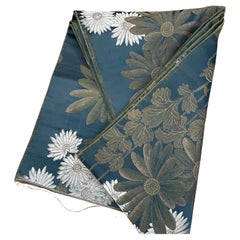
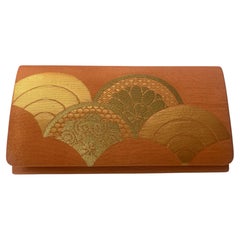
This is a kimono called Uchikake which Japanese women wear for wedding ceremony. It is said that the women wear the white uchikake for the reason of 'they can dyed in any color' and...

Category

Late 20th Century Japanese Showa Antiquities
Materials

Silk

Vintage Chinese Mahjong Set in Lacquered Box, Early 20th Century

Vintage Chinese Mahjong Set in Lacquered Box, Early 20th Century

Located in Chicago, IL

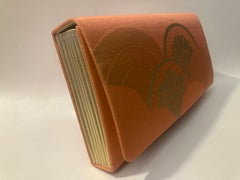
A test of skill, strategy, and luck, the game of mahjong (麻將) was invented in China in the late Qing dynasty (1644-1911) and has been popular ever since. Played by exchanging tiles to build the best hand at the table, mahjong uses 144 tiles engraved with three suits, two honors and a few wild cards. Literally translating to "little sparrow," mahjong is a game best played among friends - when the clacking of tiles and lively conversation recalls the chattering of birds. This antique Chinese mahjong set...

Category

Early 20th Century Chinese Qing Antiquities
Materials

Bone, Bamboo, Pine

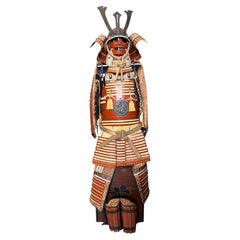
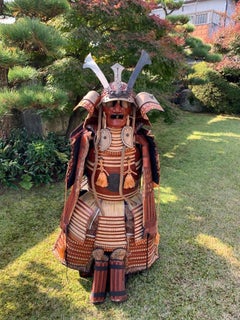
Japanese Red Samurai Armour Beginning of Meiji period 1900s

Japanese Red Samurai Armour Beginning of Meiji period 1900s

Located in Paris, FR

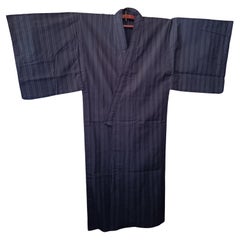
This is an armour of samurai. It was made around 1900s in Meiji era. This armour was not used in actual war so it was made as decoration, because of that, it is in good condition as its age. There are some scratches and missing parts, if you need some more information, please let us know, we will respond you as soon as possible and send more photos. This armour can be folded in a box. The box is getting damaged so it is not in good condition. We might send this armour in other box. Dimensions: 50 x 50 x H170 cm Scholars agree that Japanese armour first appeared in the 4th century, with the discovery of the cuirass and basic helmets in graves. During the Heian period, the unique Japanese samurai...

Category

Early 1900s Japanese Meiji Antique Antiquities
Materials

Metal, Iron

Japanese old wood stand / Exhibition stand wabi-sabi / primitive wood stand /

Japanese old wood stand / Exhibition stand wabi-sabi / primitive wood stand /

Located in Sammu-shi, Chiba

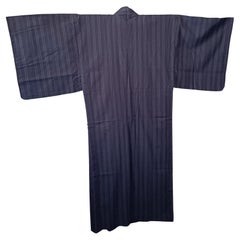
This display stand is made by combining old wooden sleepers with a newly made tabletop. The top of the display stand is finished with cashew paint, like lacquer, and has a jet blac...

Category

Mid-20th Century Japanese Primitive Antiquities
Materials

Wood

Rare set of 2 Japanese suits-of-armour, complete with 2 matching folding screens

Rare set of 2 Japanese suits-of-armour, complete with 2 matching folding screens

Located in Amsterdam, NL

Important unique set of two suits-of-armour (yoroi), complete with two high six-panel screens, that belong together as is indicated by the used family crests (mon). Two crests are used, both belonging to the Nakagawa family of Oka Castle, Ôita prefecture on Kyûshû. They are: – the Nakagawa-kurusu, a circle depicting a Celtic-like cross through a ring. The cross was originally a Christian symbol but after the ban on Christianity in Japan the use of a hidden cross in family crests could continue. – the Nakagawa-kashiwa, two leaves of the Japanese Emperor Oak turned to each other (dakikashiwa mon). The remarkable aspect of this ensemble is the presence of matching crests on both the yoroi and the accompanying folding screens. The kurusu and kashiwa crests adorning the yoroi are elegantly replicated on the screens, providing compelling evidence that these pieces form a harmonious and unified set. This exceptional cohesion between the armour and screens further enhances their artistic and historical value. After the warlord Toyotomi Hideyoshi (1537-1598) had interfered in the battle between the Lord of Bungo Province Ôtomo Yoshi-mune (1558-1605) and the Shimazu of Hyûga Province, he split the Bungo Province in a number of small fiefs and transferred in 1594 Nakagawa Hideshige (1570-1612) from Miki Castle in the Harima Fief to Oka Castle in Kyûshû. The Nakagawa family stayed in possession of Oka Castle till the abolishment of the military use of castles in 1873. In 1884 the Nakagawa family received the title of Count (a title in use till the abolishment of aristocracy in 1947). After the Nakagawa’s left, the castle and the building soon dilapidated and is now known as Oka Castle Ruins. The castle is located in Taketa Village part of Taketa Town in Ôita Province on Kyûshû. > Set of two tall byôbu (folding screens), painted with large red jinmaku (camp enclosure curtain) on a gold leaf ground. The curtains show both crests of the Nakagawa family: one screen depicts two Nakagawa-kurusu crests next to a Nakagawa-kashi crest in the middle, and the other shows the symbols the other way round. Dimensions: Total width 148.66 in/377.6 cm (2 x 25.35 in/64.4 cm, 4 x 24.48 in/62.2 cm); Height 72.63 in/184.5 cm. Period: Japan – Late Edo period (First half 19th century), and maybe even older. > Yoroi with Nakagawa-kashiwa crest: A Japanese black lacquered suit-of-armour (yoroi) completely laced with orange cords (kuro’urushinuri hi’ito odoshi nimai’dô’maru). A thirty-two plate suji’bachi kabuto (helmet with raised ridges) with in front a maedate (fore crest) -with traces of gilding- in the shape of flames, resembling a mythical flaming bird flying down. The fukikaeshi (face guards) and the mabizashi (visor) have the Nakagawa-kashiwa crest in gold maki-e lacquer. Five curved ‘itazane’-plate neck guards (shikoro) laced with orange cords. Together with an ‘angry man...

Category

18th Century Japanese Antique Antiquities
Materials

Metal, Iron, Gold Leaf

Japanese Antique Huge Sliding Door or Wall Decoration 1860s-1900s / Wabi Sabi

Japanese Antique Huge Sliding Door or Wall Decoration 1860s-1900s / Wabi Sabi

By Axel Vervoordt

Located in Chōsei District Nagara, JP

This is an old, large Japanese sliding door. It was crafted during the Meiji period (1860s–1900s) and was likely used in traditional houses or storehouses of the time. The material i...

Category

Early 20th Century Japanese Meiji Antiquities
Materials

Iron

Ancient Cambodian Khmer Angkor Wat Sandstone Statue of Vishnu 12th Century CE

Ancient Cambodian Khmer Angkor Wat Sandstone Statue of Vishnu 12th Century CE

Located in Portland, OR

An important Cambodian Khmer gray standstone statue of Vishnu, Angkor Wat period, 12th Century CE. Khmer Empire, c. 12th century. Finely sculpted standing in samabhanga posture, the ...

Category

15th Century and Earlier Cambodian Antique Antiquities
Materials
Sandstone

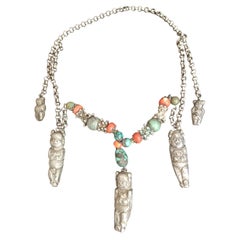
Tibet Antique Amulet Pendant, Hand-Crafted Agate Dzi Beads, Qing Style

Tibet Antique Amulet Pendant, Hand-Crafted Agate Dzi Beads, Qing Style

Located in South Burlington, VT

A unique and valuable and powerful Protection Amulet Dzi from Tibet An old Tibetan or Central Asian eye agates Dzi Beads dating to the early 20th century. ...

Category

20th Century Chinese Qing Antiquities

Materials

Agate

Chinese Export Silver Dragon Bowl on Stand

Chinese Export Silver Dragon Bowl on Stand

Located in Stamford, CT

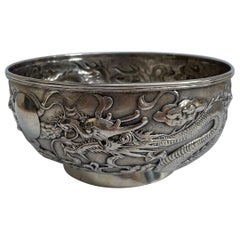
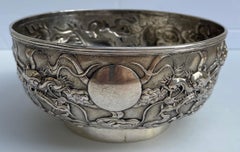
19th century Chinese export silver bowl. Decorated in a bold repoussè dragon motif with two dragons contending for a center flaming pearl of wisdom amongst clouds and chased ground. Marked on the underside KHL. Carved wooden stand...

Category

19th Century Chinese Chinese Export Antique Antiquities
Materials

Silver

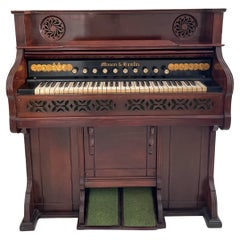
Mason & Hamlin Pedal Pump Organ, USA, circa 1880–1895

Mason & Hamlin Pedal Pump Organ, USA, circa 1880–1895

Located in Debrecen, HU

This exceptional Mason & Hamlin pedal pump organ dates from approximately 1880–1895, a period that marks the height of reed organ production and popularity in the United States. Manu...

Category

1880s Victorian Antique Antiquities
Materials

Wood

Antique Japanese Mino straw cape made of rice straws, mingei wabi sabi art piece

Antique Japanese Mino straw cape made of rice straws, mingei wabi sabi art piece

Located in 常陸大宮市, JP

Antique "Mino", also called "Bandori" Straw cape , handcrafted, hand woven with fine rice straws. From Hokuriku area - estimates from the style and materials. Made from generous amo...

Category

Late 19th Century Japanese Taisho Antique Antiquities
Materials

Cotton, Linen, Straw

19th Century, Antique Laos Bronze Gong with Stand

19th Century, Antique Laos Bronze Gong with Stand

Located in Sampantawong, TH

Antique Laos bronze gong, a kind of Laos musical instrument which produces a loud and sonorous sound. Gong stick is included. Age: Laos, 19th Century Size of Gong: Diameter 51 C.M. ...

Category

19th Century Burmese Antique Antiquities
Materials

Bronze

Wooden Low Table, Low chair, TV Board, Japanese Antique, Wabi-Sabi, Mingei

Wooden Low Table, Low chair, TV Board, Japanese Antique, Wabi-Sabi, Mingei

Located in Katori-Shi, 12

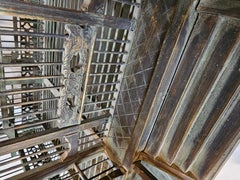
Furniture made from a beautiful single piece of birch wood is a special piece that gives you a sense of the strength and warmth of nature. The unique grain of solid wood is unique t...

Category

Early 20th Century Taisho Antiquities
Materials

Wood

Ancient Egyptian Art Auction Catalog Parke-Bernet, New York 1952

Ancient Egyptian Art Auction Catalog Parke-Bernet, New York 1952

By Sotheby Parke Bernet

Located in Stamford, CT

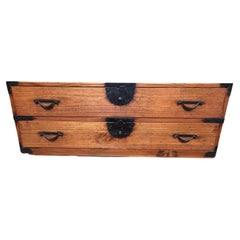
Ancient Egyptian Art The Magnificent Collection Formed by M. A. Mansoor, Cairo and Heliopolis Parke-Bernet Galleries January 30 and 31, 1952 Parke-Bernet later became Sotheby's. T...

Category

Mid-20th Century American Egyptian Antiquities
Materials

Paper

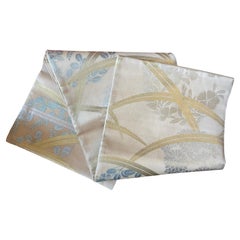
Japanese Vintage Kimono Silk Belt Obi Waves Gold and Silver 1960s

Japanese Vintage Kimono Silk Belt Obi Waves Gold and Silver 1960s

By Japanese Studio

Located in Paris, FR

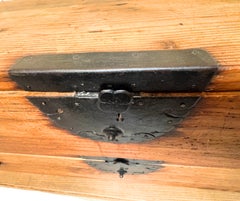
This is an silk Obi (Kimono belt) made in Japan around 1960s. Obi is a belt of varying size and shape worn with both traditional Japanese clothing like Kimono.Obi are categorised b...

Category

1960s Japanese Showa Vintage Antiquities
Materials

Silk

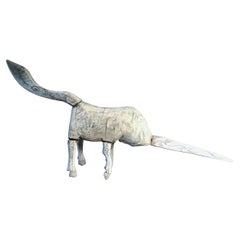
Japanese Antique Natural Wood Penis 1860s-1920s / Figurine Object Wabisabi

Japanese Antique Natural Wood Penis 1860s-1920s / Figurine Object Wabisabi

Located in Chōsei District Nagara, JP

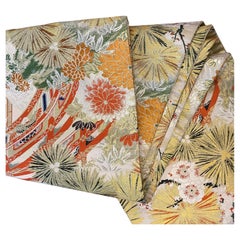
This is a phallic statue made of natural wood produced in Japan. It is estimated to have been created during the Meiji and Taisho periods (1860s-1920s), and is made of richly texture...

Category

Early 20th Century Japanese Meiji Antiquities
Materials

Pine

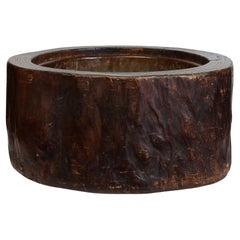
Antique Korean Stone Pot / Joseon Dynasty / Stone Folk Art Object

Antique Korean Stone Pot / Joseon Dynasty / Stone Folk Art Object

Located in Sammu-shi, Chiba

This stone pot was made in Korea during the late Joseon dynasty, between the late 19th and early 20th centuries. Its sturdy appearance, carved from a granite-like stone, emanates a p...

Category

Late 19th Century Japanese Other Antique Antiquities
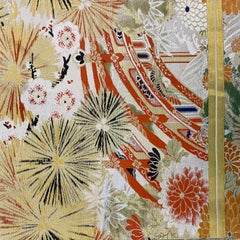
Materials

Stone

Set of Assorted Ancient Gandharan Bronze Artifacts / Objects

Set of Assorted Ancient Gandharan Bronze Artifacts / Objects

Located in Philadelphia, PA

A fine set of assorted ancient tools Likely Gandharan in origin. In verdigris covered bronze. Comprising 2 scalpels, 2 razors, 2 razor handles with broken blades, 7 wax seals of ...

Category

15th Century and Earlier Indian Antique Antiquities
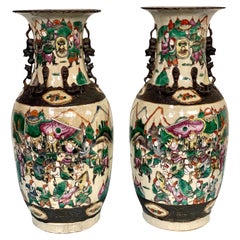
Materials

Bronze

Japanese Antique wabi sabi thick wide bog wood board, Late 19th mingei art piece

Japanese Antique wabi sabi thick wide bog wood board, Late 19th mingei art piece

Located in 常陸大宮市, JP

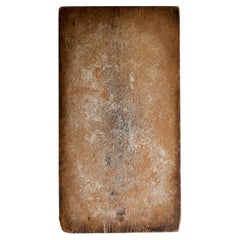
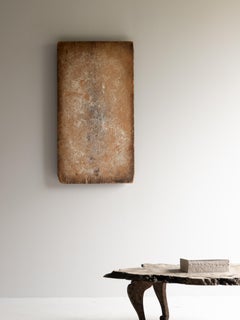
Japanese Antique thick wood board, probably used as Shikiita, display stand with decorative purpose - used at Tokonoma (traditional alcove space in Japanese room) with flower vase, p...

Category

Late 19th Century Japanese Primitive Antique Antiquities
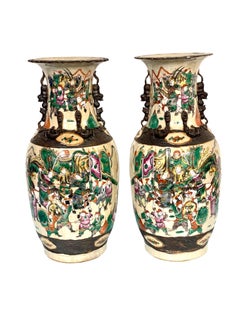
Materials

Bog Wood

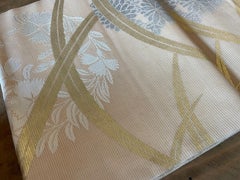
Japanese Vintage Kimono Silk Belt Flowers Orange-gold 1960s

Japanese Vintage Kimono Silk Belt Flowers Orange-gold 1960s

By Japanese Studio

Located in Paris, FR

This is an Obi (Silk Kimono Belt) made in Japan around 1960s. Obi is a belt of varying size and shape worn with both traditional Japanese clothing like Kimono.Obi are categorised b...

Category

1960s Japanese Showa Vintage Antiquities
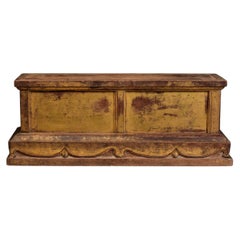
Materials
Silk

Wooden Low Table, Low chair, TV Board, Japanese Antique, Wabi-Sabi, Mingei

Wooden Low Table, Low chair, TV Board, Japanese Antique, Wabi-Sabi, Mingei

Located in Katori-Shi, 12

Furniture made from a beautiful single piece of cherry wood is a special piece that gives you a sense of the strength and warmth of nature. The unique grain of solid wood is unique ...

Category

Early 20th Century Taisho Antiquities

Materials

Wood

Contemporary Japanese Chochin Floor Lamp Limited Edition #1 Zen Washi

Contemporary Japanese Chochin Floor Lamp Limited Edition #1 Zen Washi

By Ryosuke Harashima

Located in Shibuya-ku, Tokyo

Name: OBAKE A Contemporary style Japanese Washi Japanese traditional paper shade floor lamp. Washi shade is famous as Isamu Noguchi Akari lightings. Base is made of brass. Limited pattern painted model. Edition of 3+1AP E26,27 light bulb. Available to work with 100-250V. Artist statement In Japan, there is an animist belief that the soul dwells in old tools that have passed a long time and turns into spirits such as "Youkai" or "OBAKE." Its existence lurks in the darkness of everyday life, sometimes causing fear and sometimes entertaining. This lantern is not an old tool, but it is made by the historic "Kojima Shoten", where the 10th generation are craftsmen in Kyoto. It's rare nowadays, and it's a style in which lanterns are made from bamboo bones to assembling papers and painting in one workshop and go. So, I decided to transform the polite crafted Japanese lanterns, which have been run through a traditional history, into a modern and pop style. It's not just OBAKE lurking in the darkness, but an existence who snuggles up to us as a more sophisticated being. These one-eyed OBAKE have a meaningful look that originated in ancient Sanskrit culture. The red-eye "A [a]" is the facial expression that is the first pronunciation to make a sound in Sanskrit, which means "truth" and "spirit of inquiry" at the same time. The blue-eyed "UN [hu?]" expresses the pronunciation to close the sound, and at the same time means "wisdom" and "nirvana." There is also the idea that describing the beginning and end of the universe is represented by considering the "A" and "UN" as a pair. In Asia, it is a common sight to see a pair of guardian statues...

Category

2010s Japanese Edo Antiquities

Materials

Brass

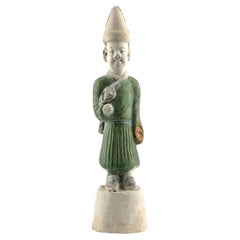
Ming Dynasty, A Set of Eight Chinese Pottery Court Man with an Oxford TL Test

Ming Dynasty, A Set of Eight Chinese Pottery Court Man with an Oxford TL Test

Located in Sampantawong, TH

A set of eight antique Chinese green glazed pottery court man with an Oxford Thermoluminescence Test. Thermoluminescence (TL) test result from Oxford Authentication Ltd. is included...

Category

15th Century and Earlier Chinese Antique Antiquities

Materials

Pottery

Japanese Antique Exhibition Table / Wall Decoration / 1868-1912s / Wabi-sabi

Japanese Antique Exhibition Table / Wall Decoration / 1868-1912s / Wabi-sabi

Located in Iwate-gun Shizukuishi-cho, Iwate Prefecture

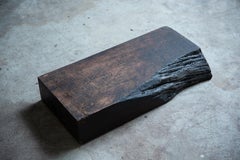
This is an old Japanese wooden work board. The wood is cedar, and due to long-term use, the black color around the edges remains, and the color has peeled off only in the middle. Th...

Category

Late 19th Century Japanese Meiji Antique Antiquities

Materials

Wood, Cedar

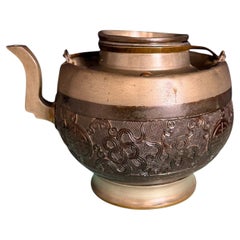
Chinese Lacquered Wood Teapot, c. 1880s

Chinese Lacquered Wood Teapot, c. 1880s

Located in Chicago, IL

Rustic and unusual, this sculptural Chinese teapot dates to the late Qing dynasty and is crafted of wooden staves bound with twisted metal wire. Likely used for pouring water, the ve...

Category

Late 19th Century Chinese Qing Antique Antiquities

Materials

Bamboo, Wood

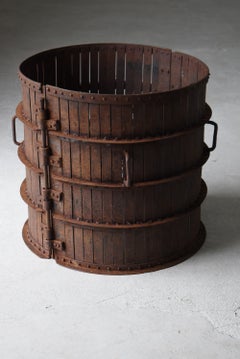
Japanese Antique Iron Planter Cover 1860s-1900s / Table Base Wabisabi

Japanese Antique Iron Planter Cover 1860s-1900s / Table Base Wabisabi

Located in Chōsei District Nagara, JP

This is a tool used for pressing herring oil, crafted in the Meiji period (1860s–1900s). During the peak of the herring fishing industry, which flourished primarily in Hokkaido—the n...

Category

Early 20th Century Japanese Meiji Antiquities

Materials

Iron

18th Century, Shan, Antique Burmese Wooden Seated Buddha

18th Century, Shan, Antique Burmese Wooden Seated Buddha

Located in Sampantawong, TH

Burmese wooden Buddha sitting in Mara Vijaya (calling the earth to witness) posture on a base. Age: Burma, Shan Period, 18th Century Size: Height 39.2 C.M. / Width 13.5 C.M. / Depth...

Category

18th Century Burmese Antique Antiquities

Materials

Wood

Tibetan Buddhist Handcrafted Handheld Spinning Prayer Wheel

Tibetan Buddhist Handcrafted Handheld Spinning Prayer Wheel

Located in Pomona, CA

This is handcrafted Tibetan copper handheld spinning Prayer Wheel. It has detailed handcrafted Tibetan traditional design with decorative beads inlay. Was used in daily pray. Look a...

Category

Mid-20th Century Chinese Chinese Export Antiquities

Materials

Copper

Antique Islamic Brass Planispheric Astrolabe

Antique Islamic Brass Planispheric Astrolabe

Located in Long Island City, NY

An antique Islamic brass planispheric astrolabe, a crafted scientific instrument reflecting the advanced astronomical knowledge of the medieval Islamic world. Engraved with geometric...

Category

19th Century Antique Antiquities

Materials

Brass

Antique Japanese Taiko Drum 1920s

Antique Japanese Taiko Drum 1920s

Located in Paris, FR

Vintage Japanese Hira-daiko (Flat Taiko) Drum A vintage Japanese taiko drum handcrafted from keyaki (Japanese zelkova) wood. This traditional flat-style drum, known as a Hira-daiko ...

Category

1920s Japanese Showa Vintage Antiquities

Materials

Iron

10th - 12th Century, Song Dynasty, A Pair of Antique Chinese Pottery Lion Panel

10th - 12th Century, Song Dynasty, A Pair of Antique Chinese Pottery Lion Panel

Located in Sampantawong, TH

A pair of Antique Chinese pottery lion panel with stand. Age: China, Song Dynasty, 10th - 12th Century Size excluding stand: Height 23.6 - 24.3 C.M. / Width 18.8 - 20.5 C.M. / Thick...

Category

15th Century and Earlier Chinese Antique Antiquities

Materials

Pottery

Northern Wei Dynasty, Antique Chinese Painted Pottery Standing Court Lady

Northern Wei Dynasty, Antique Chinese Painted Pottery Standing Court Lady

Located in Sampantawong, TH

Antique Chinese painted pottery standing court lady, with original pigments remaining. Age: China, Northern Wei Dynasty, A.D. 386 - 535 Size: Height 20.4 C.M. / Width 5 C.M. / Depth...

Category

15th Century and Earlier Chinese Antique Antiquities

Materials

Pottery

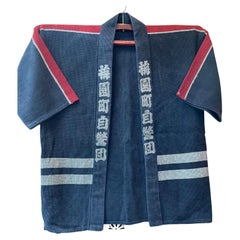
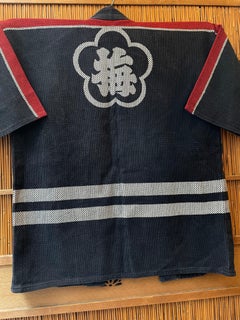
Japanese Vintage Hanten Cotton Jacket  'Asai' 1940s

Japanese Vintage Hanten Cotton Jacket 'Asai' 1940s

Located in Paris, FR

Hanten is a type of traditional Japanese garment that is often referred to as a "short coat" or "jacket". `it has a loose, kimono-like design with a straight collar and is typically ...

Category

Mid-20th Century Japanese Showa Antiquities

Materials

Cotton

19th Century Sino Tibetan Gilt Bronze Lama Rinpoche Antique Buddha Statue 銅鎏金喇嘛像

19th Century Sino Tibetan Gilt Bronze Lama Rinpoche Antique Buddha Statue 銅鎏金喇嘛像

Located in Richmond, CA

Antique Tibetan Lacquered Gilt Bronze Lama Rinpoche Dharma Teaching Mudra Circa: 18th century and earlier H 10 in. (25cm), W 7 in. (18cm), D 5 in. (12.5cm) Weight: 9 lbs, Gilt loss, ...

Category

19th Century Tibetan Tibetan Antique Antiquities

Materials

Bronze

19th Century, Antique Burmese Bronze Bell with Stand

19th Century, Antique Burmese Bronze Bell with Stand

Located in Sampantawong, TH

Burmese bronze bell with clapper inside with stand. Age: Burma, 19th century Size: Height 15.2 C.M. / Width 8.8 C.M. Size including stand: Hei...

Category

19th Century Burmese Antique Antiquities

Materials

Bronze

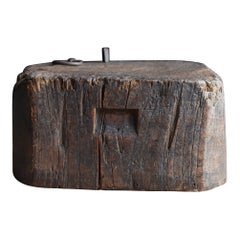
Japanese Antique Wooden Block Workbench 1900s-1940s / Display Stand Wabisabi

Japanese Antique Wooden Block Workbench 1900s-1940s / Display Stand Wabisabi

Located in Chōsei District Nagara, JP

This is an old Japanese wooden block workbench, believed to have been used in the early Showa period (1900s–1940s). The material is zelkova (keyaki) wood. The countless scratches, dents, and the smoothness of its surface are proof of the many years of daily use and the touch of human hands that have polished it over time. The iron fittings remaining on the surface tell the story of the work once performed here, while also serving as a striking visual accent. The inherent durability and beautiful grain of zelkova have gained even greater depth through the passage of time, creating a unique and irreplaceable texture. Left as it is, it stands as a powerful art piece; as a display stand, it functions beautifully to enhance the presence of whatever is placed upon it. There is a slight tilt, but this too is part of its individuality, telling the tale of its long history. It is not in perfection, but in the imperfections shaped by time, that the Japanese aesthetic of wabi-sabi resides. This wooden workbench is more than just an old tool — it is a sculptural object that reflects the era and the lives of the people who used it. Whether in a home interior, gallery, or as store display furniture...

Category

Mid-20th Century Japanese Primitive Antiquities

Materials

Wood

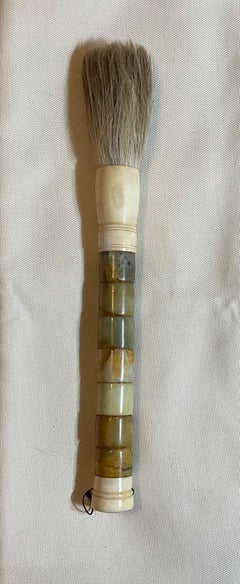
Exquisite Vintage Chinese Calligraphy Brush - 16” x 1.5

Exquisite Vintage Chinese Calligraphy Brush - 16” x 1.5

Located in Delray Beach, FL

Capture the essence of traditional artistry with this truly remarkable vintage Chinese calligraphy brush. More than just a writing instrument, this piece is a testament to timeless...

Category

20th Century Chinese Antiquities

Materials

Stone

19th Century Bronze Temple Bell

19th Century Bronze Temple Bell

Located in Tarrytown, NY

This 19th C. Japanese Buddhist bronze temple or monastery bell, features a stylized two-headed dragon loop handle at top, four studded panels at shoulde...

Category

19th Century Tibetan Antique Antiquities

Materials

Bronze

Chinese Blue Glass Snuff Bottle, c. 1920

Chinese Blue Glass Snuff Bottle, c. 1920

Located in Chicago, IL

A mixture of finely powdered tobacco, herbs, and spices, snuff was introduced to China in the 17th century by Western diplomats. Initially reserved for ranking members of Qing-dynast...

Category

Early 20th Century Chinese Art Deco Antiquities

Materials

Glass

A Set of Lacquer Kiseruzutsu, Tabako-ire, and Kiseru, Signed Sesshin, Meiji Era

A Set of Lacquer Kiseruzutsu, Tabako-ire, and Kiseru, Signed Sesshin, Meiji Era

Located in Norton, MA

A fine set of a lacquer kiseruzutsu (pipe case), tabako-ire (tobacco pouch), and kiseru (pipe), signed on both the Pipe and Pipe Case. Decorated with a sake gourd suspended from a ma...

Category

Late 19th Century Japanese Antique Antiquities

Materials

Stone, Gold, Silver, Copper

Miniature porcelain teapot

Miniature porcelain teapot

Located in Delft, NL

Miniature porcelain teapot A small blue and white porcelain teapot from the Kangxi period, ca. 1700. (Kangxi 1662-1722). This small Kangxi teapot is de...

Category

1690s Antique Antiquities

Materials

Porcelain

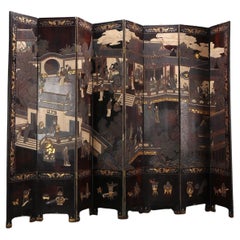
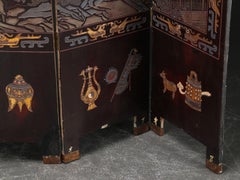
Extra Tall 1925-1935 Chinese Lacquer Screen Room Divider H224cm W320cm

Extra Tall 1925-1935 Chinese Lacquer Screen Room Divider H224cm W320cm

Located in London, GB

Large 8-winged lacquer shade, richly carved with garden scenes, symbols, ornamentation, trees and birds. Early 20th century. H. 224 W. 320 cm. Age-related wear; marks, cracks and cra...

Category

Early 20th Century Chinese Qing Antiquities

Materials

Lacquer

Pair of Japanese Kiri Hibachi with Momiji Maki-e and Raden Inlay, 17th c

Pair of Japanese Kiri Hibachi with Momiji Maki-e and Raden Inlay, 17th c

Located in Fukuoka, JP

A rare pair of Japanese hibachi (charcoal braziers) dating to the Edo period (17th century). The bodies are crafted from paulownia wood (kiri) and richly decorated with maki-e lacque...

Category

17th Century Japanese Antique Antiquities

Materials

Gold

Fine Antique Burma BurmeseTemple Mandalay Buddha Carved Wood Gold Statue 16 1/2"

Fine Antique Burma BurmeseTemple Mandalay Buddha Carved Wood Gold Statue 16 1/2"

Located in San Diego, CA

Fine antique 19c Burmese Southeast Asia temple Mandalay buddha deity hand carved wood statue. Carved out of wood and has a hand painted 24 karat gold gilded finish over black lacquer...

Category

Late 19th Century Southeast Asian Antique Antiquities

Materials

Gold Leaf

12th Century, Antique Khmer Bronze Kendi

12th Century, Antique Khmer Bronze Kendi

Located in Sampantawong, TH

Antique Khmer bronze Kendi with very nice green patina. Age: Cambodia, 12th Century Size: Height 19.8 C.M. / Width 13.3 C.M. / Depth 11.3 C.M. Condition: Nice condition overall (so...

Category

15th Century and Earlier Cambodian Antique Antiquities

Materials

Bronze

Rare Antique Original high Ranking Edo period Samurai armor Yoroi Japan Daimyō

Rare Antique Original high Ranking Edo period Samurai armor Yoroi Japan Daimyō

Located in Ijzendijke, NL

This complete Edo-period samurai armor is an exceptional example of the refined martial elegance and ceremonial grandeur associated with Japan’s warrior aristocracy. Every component reflects a precise harmony of functionality, symbolism, and prestige. At the heart of the set is a superb suji-bachi kabuto, constructed from multiple riveted iron plates arranged with flawless symmetry and enriched by a beautifully aged patina. It is crowned with a gilt tehen no kanamono, and the imposing maedate presents a pair of antler-like blades framing a gilded sun disc an emblem of celestial authority and divine lineage. The Fukigaeshi feature extraordinary gilt dragon ornaments, carved in high relief. Dragons, ancient symbols of protection and power, were reserved for armor of the highest rank, strongly indicating that this set belonged to a Daimyō or high-ranking retainer. The menpō, lacquered in deep black, includes a natural-hair moustache and an articulated jaw (resseibō), lending the face a vivid sense of character. Below it, the shikoro is composed of finely lacquered blue-and-gold plates, meticulously laced with silk. The okegawa ni-mai dō cuirass is finished in a dark brown lacquer and laced in deep indigo silk, complemented by elegant orange ceremonial tassels a hallmark of formal presentation armor. The sode (shoulder guards) retain their rare bear-fur trimming, an expensive and status-laden material symbolizing courage and noble rank. Completing the ensemble are beautifully made kote, haidate, and suneate, each executed with rich fabrics and refined lacquer work. A butterfly mon (chō-mon) appears on the leg guards an elegant symbol of transformation, adding a poetic contrast to the armor’s martial presence. The extensive use of gilding, the rare bear-fur details, and the prominent dragon motifs confirm this as a piece created for the highest echelons of samurai society. It is a masterpiece where ceremonial artistry, symbolism, and authority converge. Artistic and Historical Significance This armor epitomizes the Edo-period ideal, when arms and armor transcended their battlefield origins and became expressions of identity, dignity, and cultural refinement. The interplay of dark lacquer, golden ornamentation, and natural materials embodies the spirit of bushidō discipline, inner strength, and beauty through restraint. Whether displayed in a private collection, gallery, office, or interior setting, this armor commands attention. Its presence transforms any space, making it a truly museum-worthy centerpiece for collectors of Japanese, military, or historical art. The set includes its traditional stand and storage box. As with all antique armor...

Category

17th Century Japanese Japonisme Antique Antiquities

Materials

Metal

Wooden Low Table, Low chair, TV Board, Japanese Antique, Wabi-Sabi, Mingei

Wooden Low Table, Low chair, TV Board, Japanese Antique, Wabi-Sabi, Mingei

Located in Katori-Shi, 12

Furniture made from a beautiful single piece of chestnut wood is a special piece that gives you a sense of the strength and warmth of nature. The unique grain of solid wood is uniqu...

Category

Early 20th Century Taisho Antiquities

Materials

Wood

Japanese Antique Round Table, Wabi-sabi, Japandi

Japanese Antique Round Table, Wabi-sabi, Japandi

Located in Katori-Shi, 12

Taisho Era Sakura Pedestal Table Evoking the majestic presence of a classical temple column, this Taisho-era (early 20th century) antique pedestal table features a profound, highly d...

Category

Early 20th Century Japanese Taisho Antiquities

Materials

Wood

Japanese antique earthenware/Wabi-sabi objects/Unglazed pottery

Japanese antique earthenware/Wabi-sabi objects/Unglazed pottery

Located in Sammu-shi, Chiba

I would like to introduce some earthenware with a very interesting shape. This is an old excavated earthenware from Japan, called "Yayoi" or "Hajiki". This item is from before the 9...

Category

15th Century and Earlier Japanese Other Antique Antiquities

Materials

Pottery

Double-Sided Japanese Fan — Edo Period, Hand-Painted on Silver Leaf Paper

Double-Sided Japanese Fan — Edo Period, Hand-Painted on Silver Leaf Paper

Located in Fukuoka, JP

Japan, Edo period (1603–1868) Size: 49 × 30 cm A magnificent double-sided Japanese folding fan (ōgi), hand-painted on paper richly decorated with gold and silver leaf. One side depi...

Category

19th Century Japanese Edo Antique Antiquities

Materials

Wood, Paper